

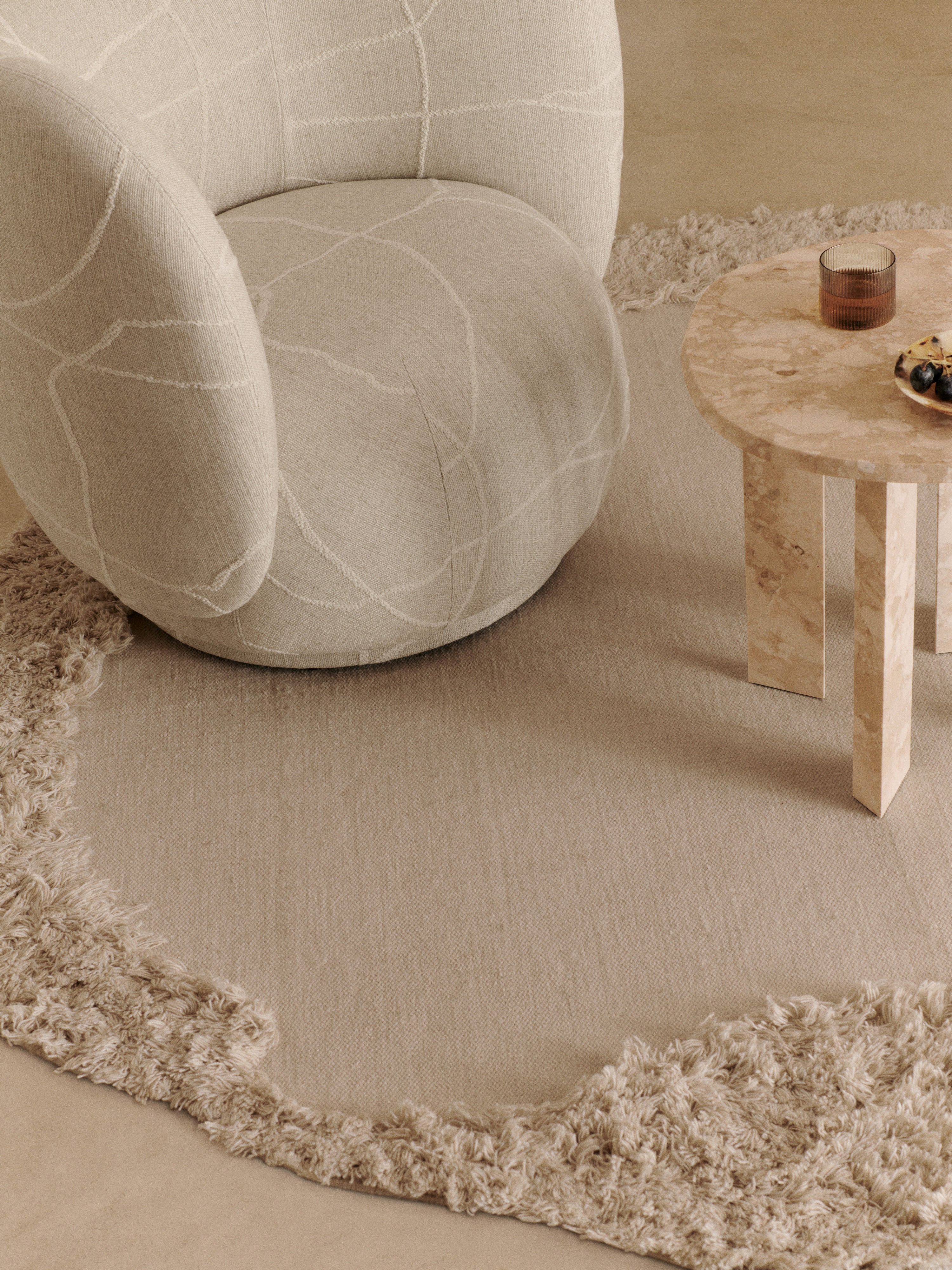

Boutique hotels attract with their refined aesthetics, calm atmosphere, and sense of comfort. These are spaces that are not overdone, yet have character and sophistication.
It's no wonder that they are increasingly becoming an inspiration for home arrangements. Style inspired by boutique hotels combines elegance, minimalism, and carefully selected details.
Interiors inspired by boutique hotels – how to create a luxurious effect at home

1. A cohesive color palette
Interiors inspired by boutique hotels rarely rely on contrasts. Calm, muted colors dominate, creating a relaxing atmosphere, with the base usually consisting of 2-3 soft tones.
The most common are:
beiges and greiges
warm grays
off-white
olive green
warm browns
For a better effect, it's worth adding one contrasting accent instead of many strong colors.
Designer tip: Keep walls, textiles, and furniture in one color tone. Consistency creates a sense of luxury.

2. Soft, comfortable furniture
Hotel interiors prioritize comfort, just like boutique hotels do. Sofas and armchairs are soft, proportional, and invite relaxation.
The best options are:
rounded shapes
deep seats
soft fabrics
neutral colors
Simple furniture forms help maintain elegance and do not overwhelm the space.
Designer tip: Choose one bold sofa, and keep the rest of the furniture in a calm form, as a cohesive selection enhances the overall perception and strengthens the luxurious effect.

3. Layered lighting that highlights the main theme
Lighting in boutique hotels creates an atmosphere. In such a space, a single ceiling lamp is not enough, which is why several light points appear alongside it.
What to consider:
wall sconces
soft side lighting
Layered lighting includes general, task, and ambient light, addressing various needs and creating the right mood.
Designer Tip: Warm light and lamps at different heights create a relaxing atmosphere, and the ceiling lamp should serve as a base complemented by additional light sources.

4. High-quality textiles
Fabrics play a key role. Hotel interiors are soft and cozy thanks to layers of materials, and heavy curtains further enhance the feeling of coziness and premium quality.
Most often:
thick curtains
soft throws
rugs with subtle texture
In areas like the bedroom, calmer textiles and a more subtle overall perception work better.
Designer Tip: Floor-to-ceiling curtains visually elevate the space and add elegance, while nightstands are great for lamps or small textile accents.

5. Minimalism in accessories
Boutique hotels are not overloaded with decorations. Every element has significance.
In boutique style, the smallest detail matters, and it often creates the first impression.
Instead of many accessories:
one larger artwork that reinforces the main theme of the interior
large mirror
ceramic vase, if it fits the character of the arrangement
subtle plant
Designer Tip: Choose a few larger elements instead of many small decorations, as fewer decorations create a better effect than many random ornaments.

6. Natural materials
Boutique style is based on the quality of materials that build depth in the interior, and their selection should stem from the building's history and emphasize the character of the place.
Most commonly used:
wood
stone
linen
wool
matte metals
Such interior decor can lean towards classic, modern, boho, or glamour styles, as long as it maintains a local character.
Designer Tip: Combining several natural textures in a similar color palette creates a premium effect and best highlights the unique design inspired by local culture.

7. Comfortable relaxation area and intimate atmosphere
Interiors inspired by boutique hotels focus around the relaxation area.
It’s worth refining it in every room, but especially where the living room or lounge is located.
Elements That Build It:
comfortable sofa
soft rug
mood lighting, as well as candles or a diffuser that subtly introduce scent and atmosphere
Choose the scent according to the size of the space and good ventilation, so it doesn't dominate the interior.
Designer Tip: Arrange furniture closer together to create a more intimate atmosphere.
Summary: What Distinguishes Interiors Inspired by Boutique Hotels
A boutique hotel is a small accommodation facility distinguished by a personalized approach and high service standards, allowing guests to immediately feel the unique character of the place. Such places are usually smaller than traditional hotels and rarely operate within a large hotel chain. They often have from a few to several dozen rooms, making it easier for each establishment to create an intimate atmosphere and more personal contact.
Their interior design often draws from what creates local culture, history, and architecture, especially when the hotel is located in historic buildings; in Poland, this model is particularly well-suited to restored tenement houses, granaries, or palaces.
The first hotels and boutique hotels appeared in the late 1970s and early 1980s in the United States and the United Kingdom. The term boutique hotel was popularized with the Morgans Hotel in New York.


