Shelves, Display Cabinets, and Cupboards
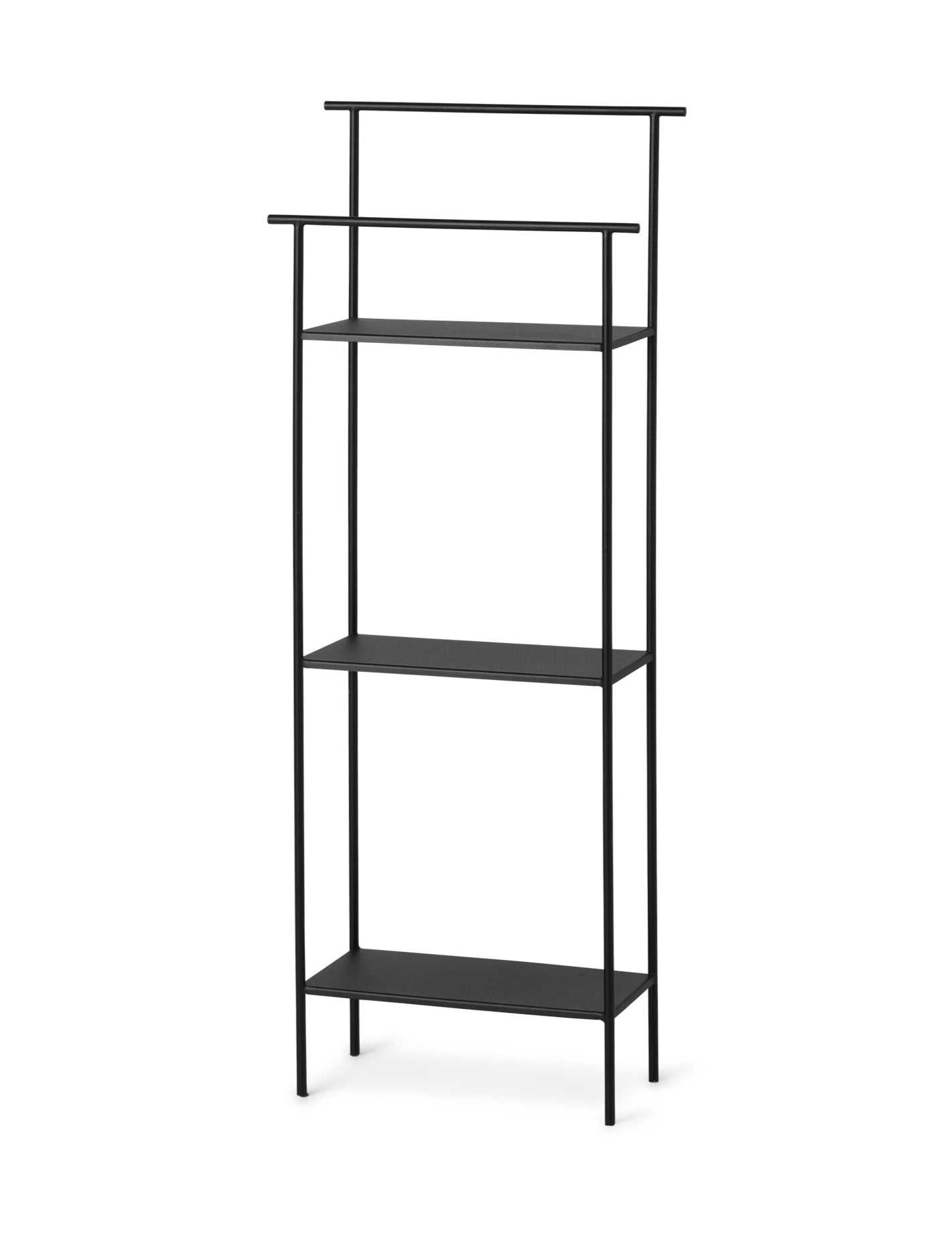
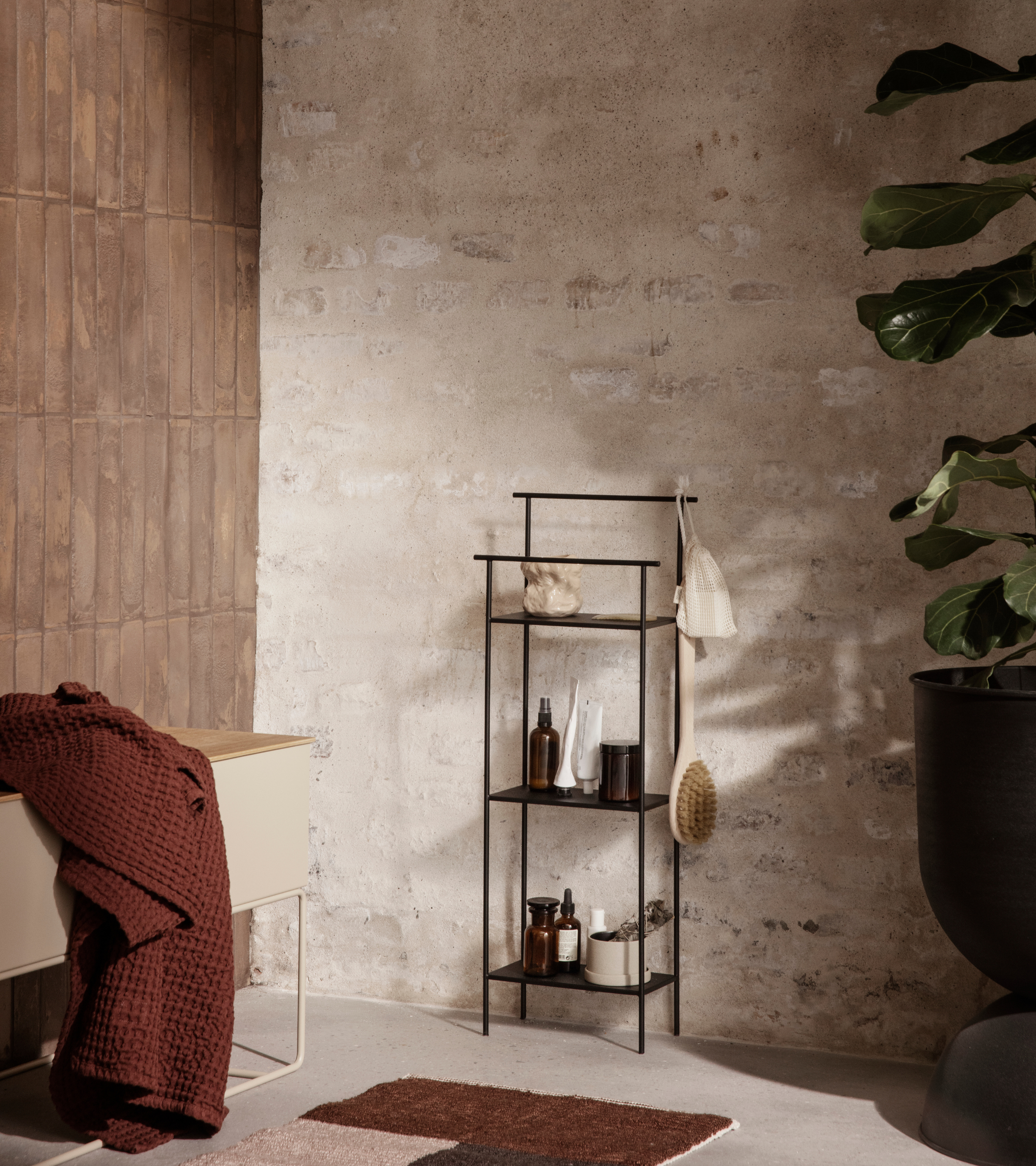
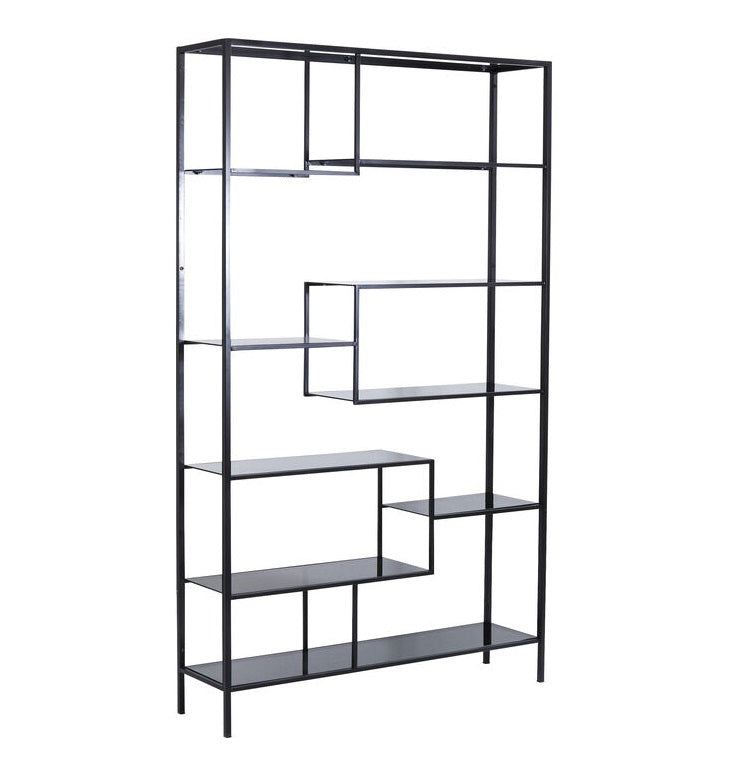
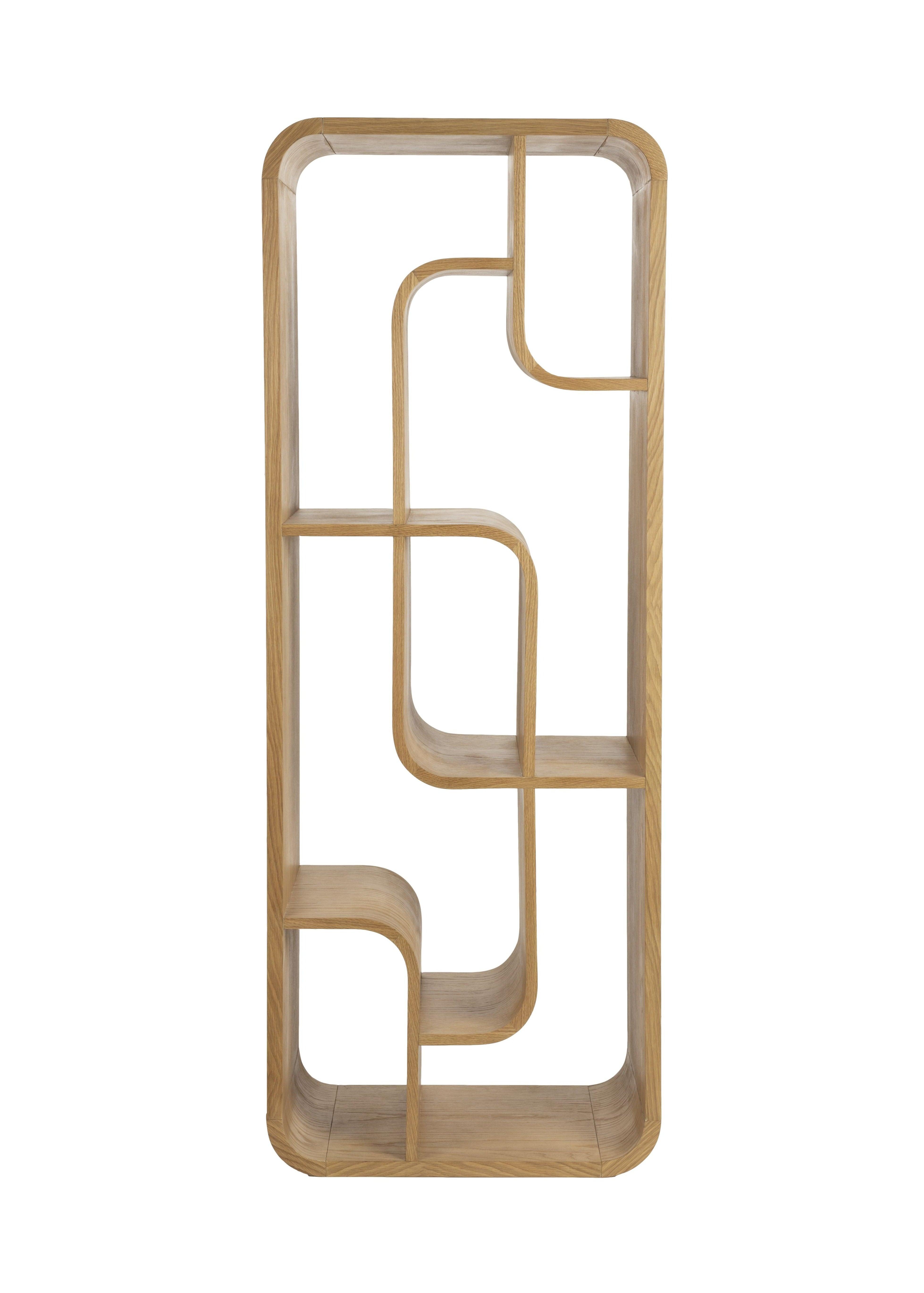
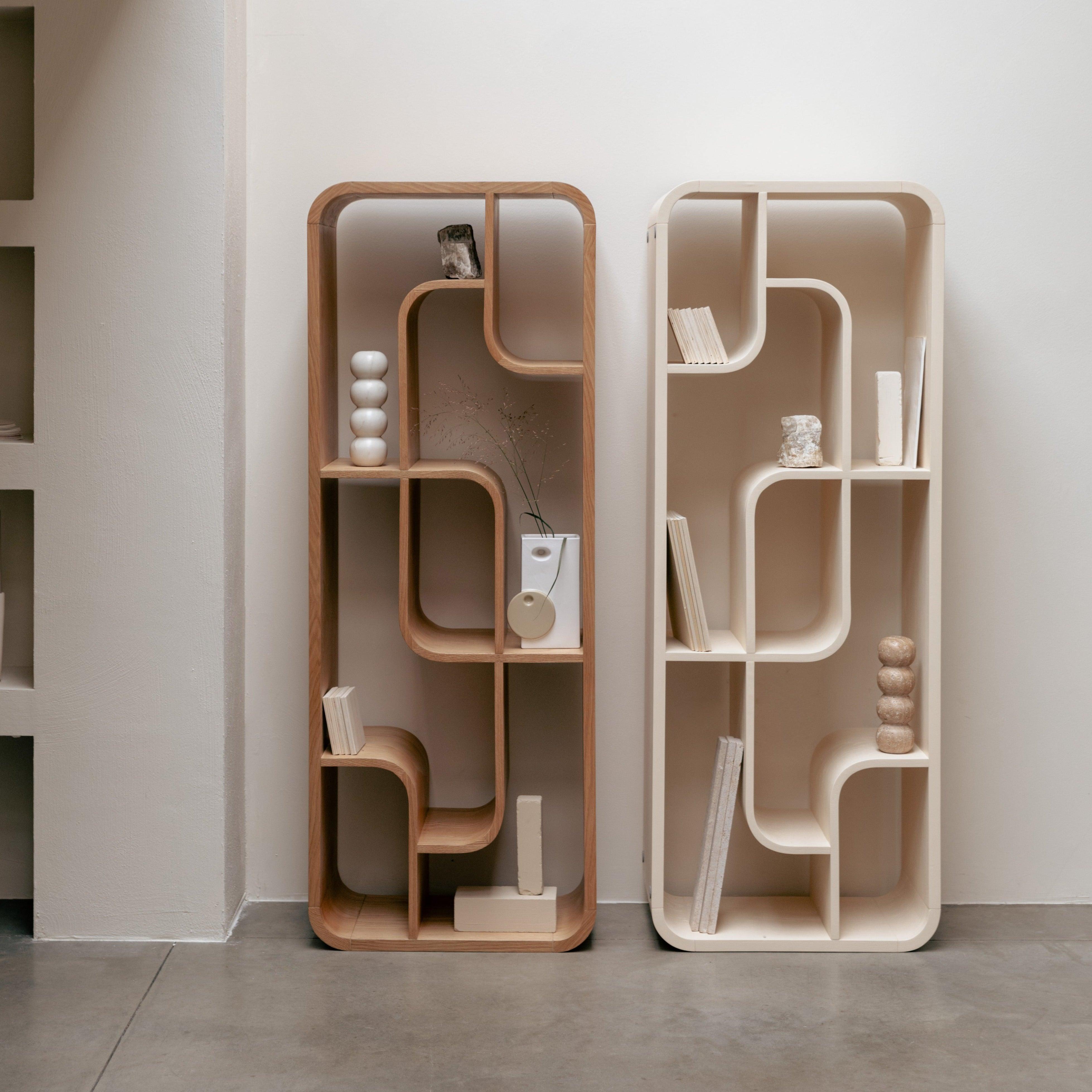
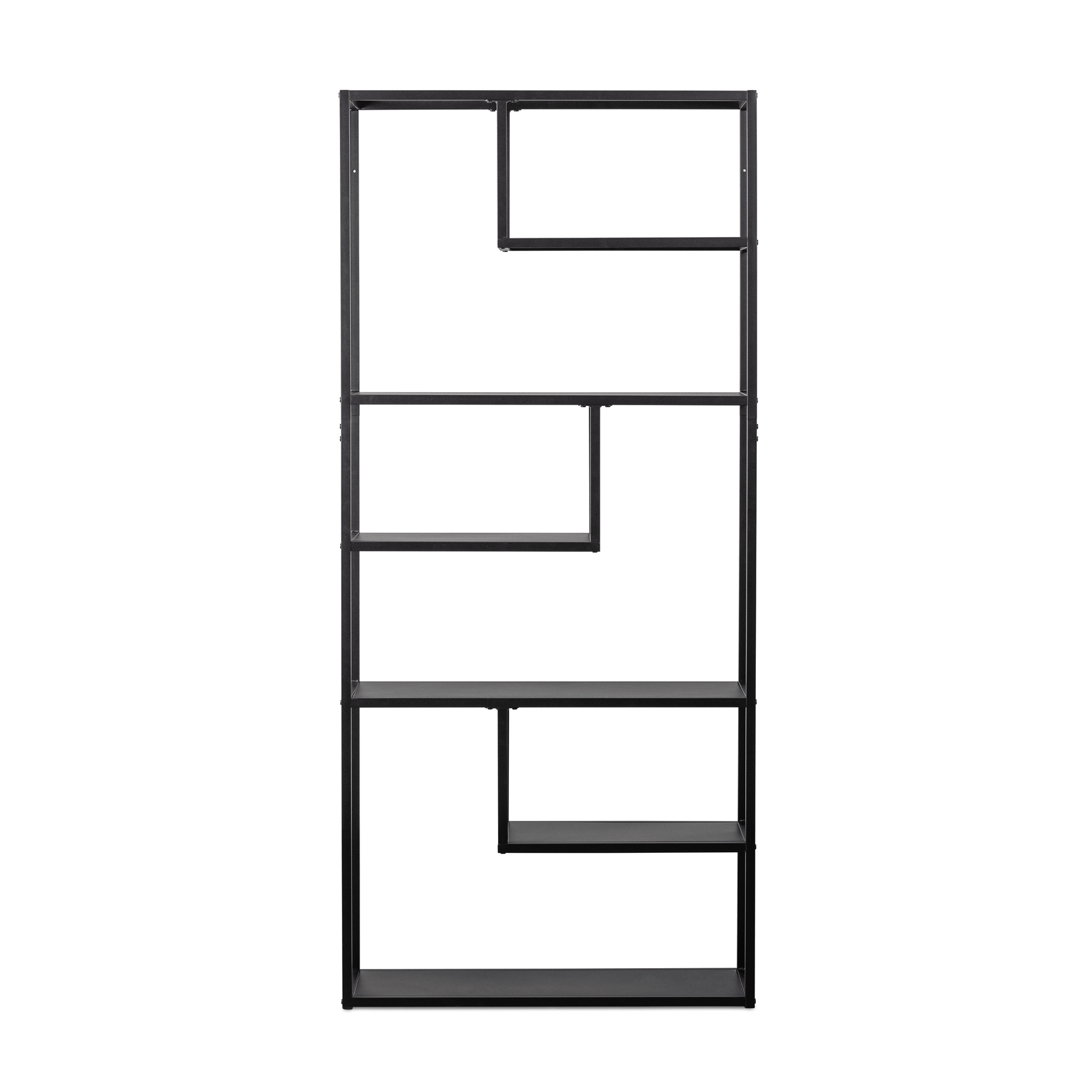
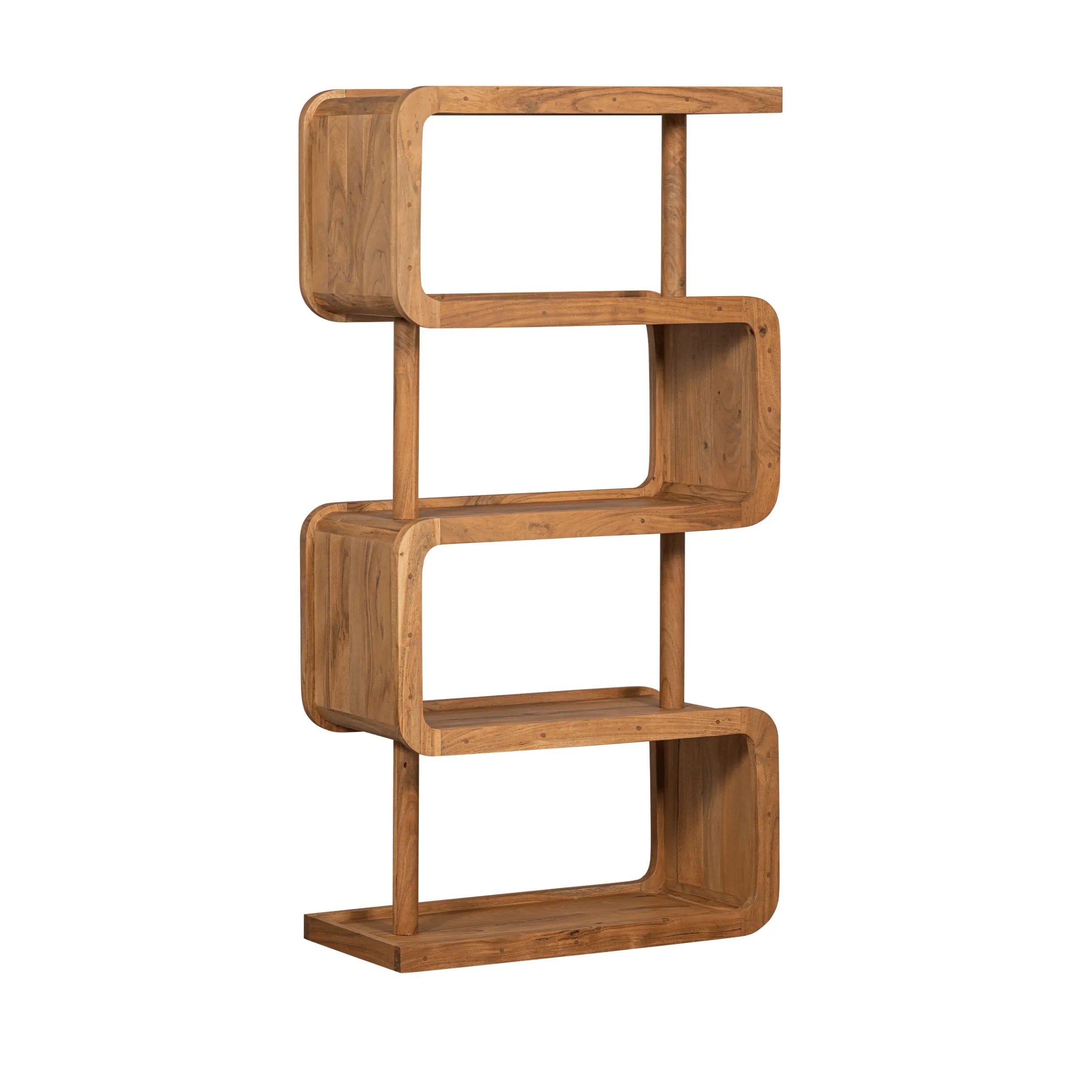
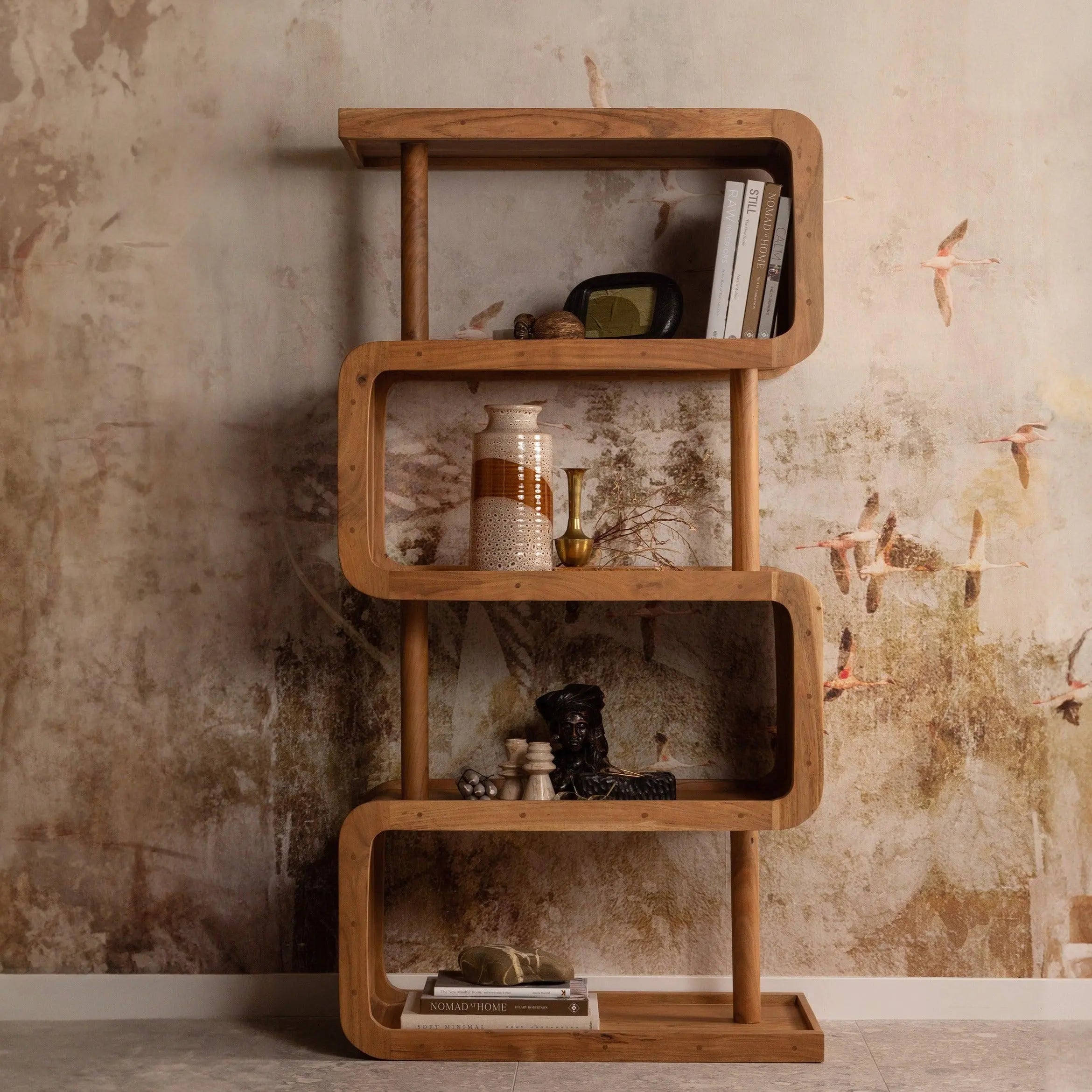
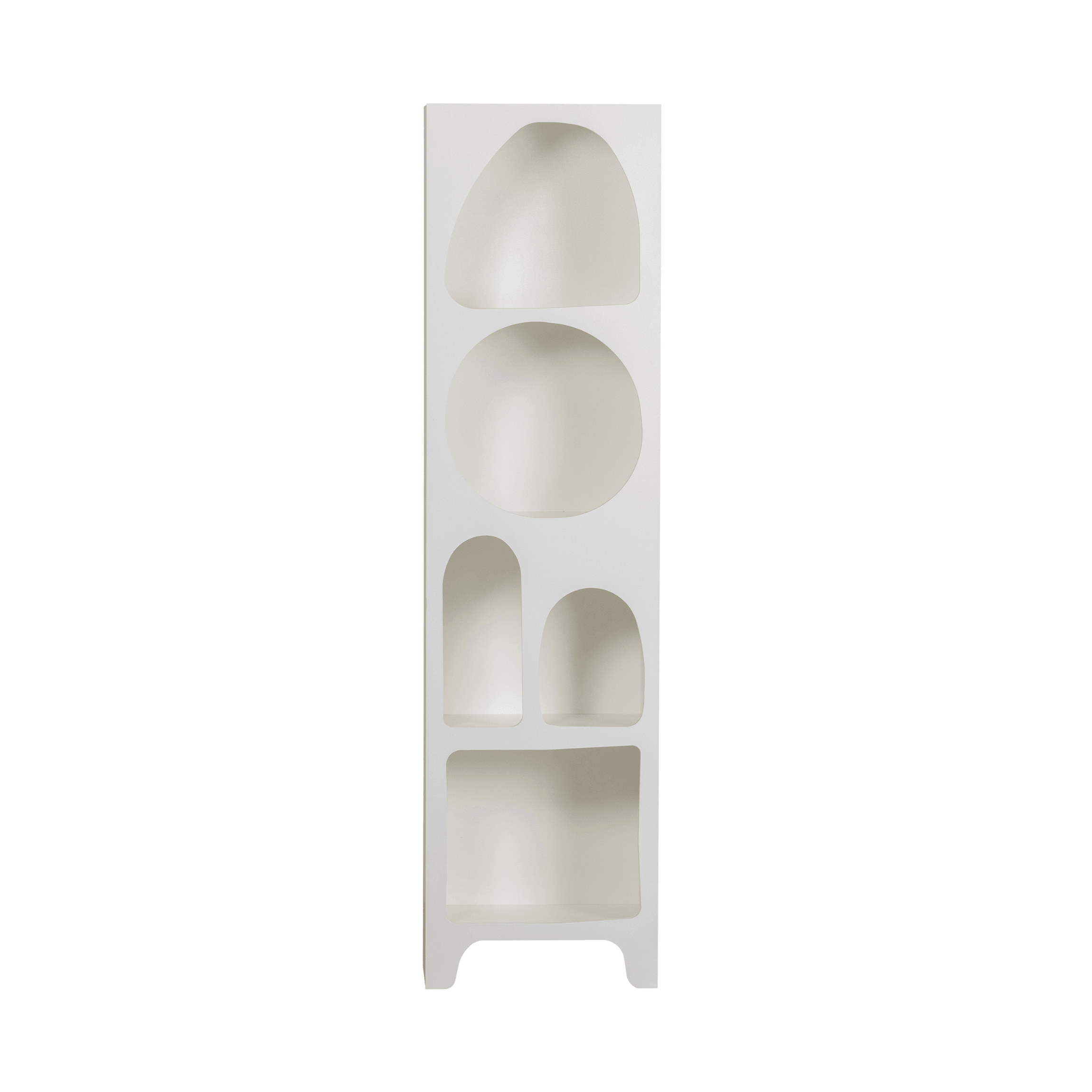
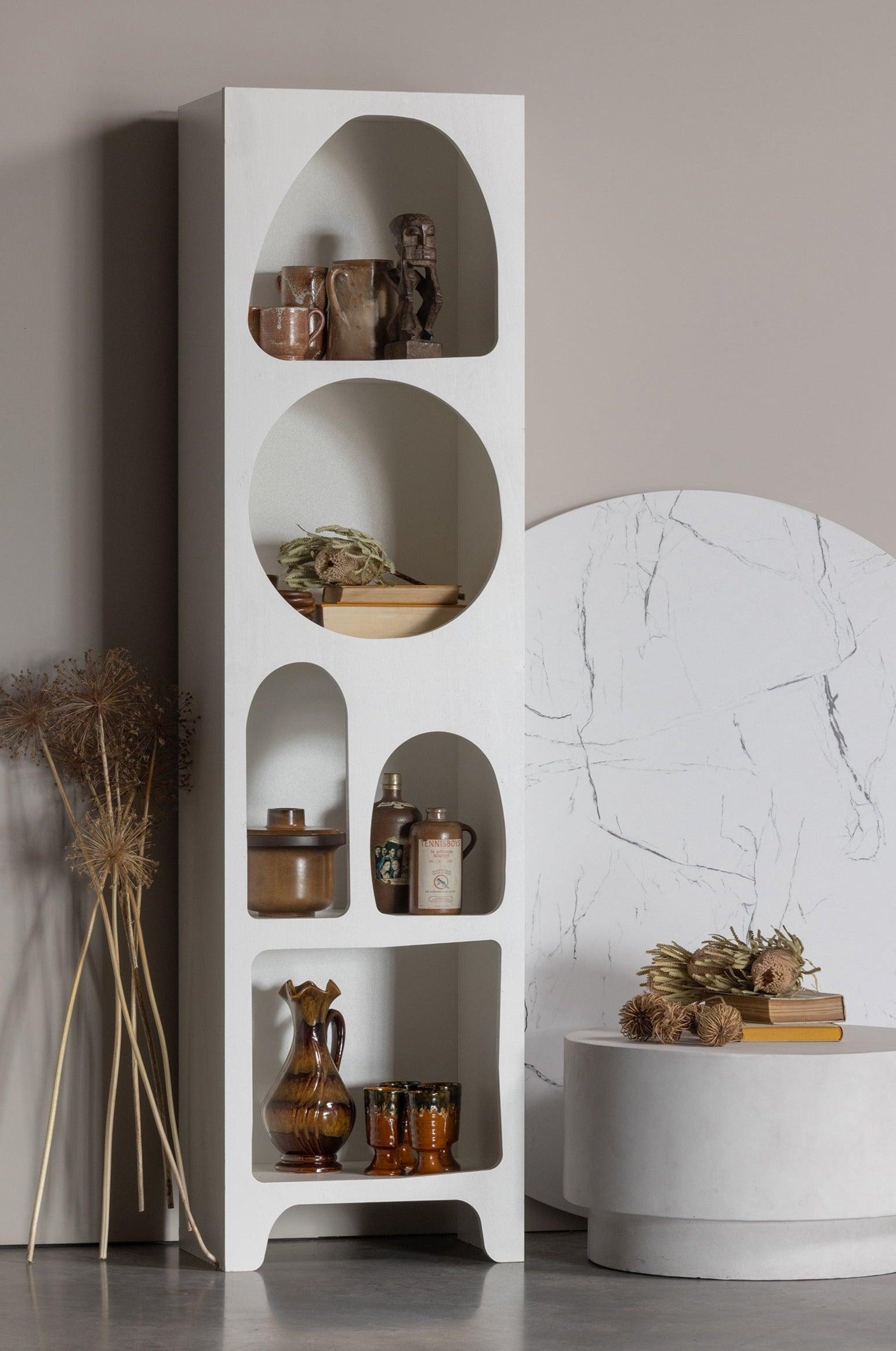
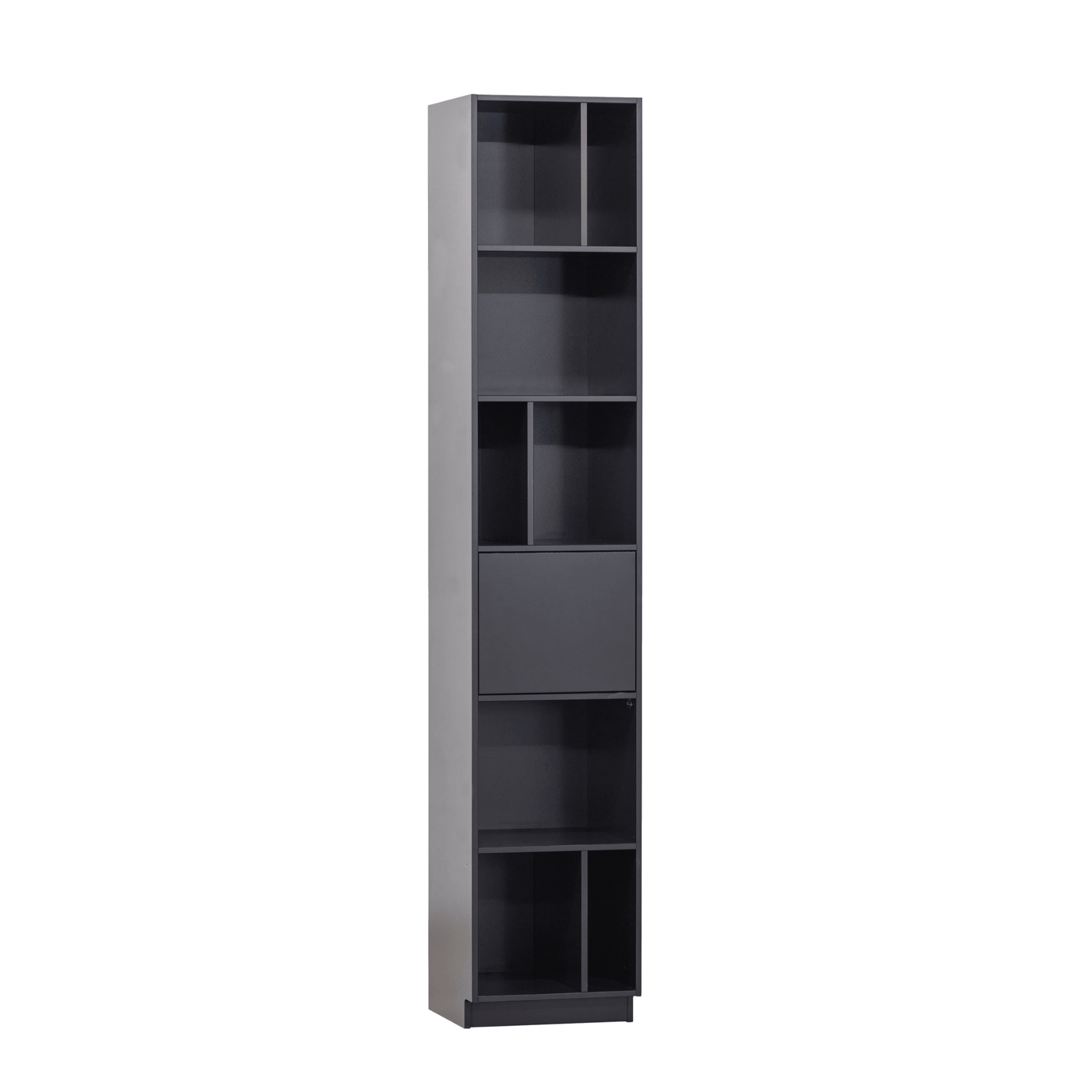
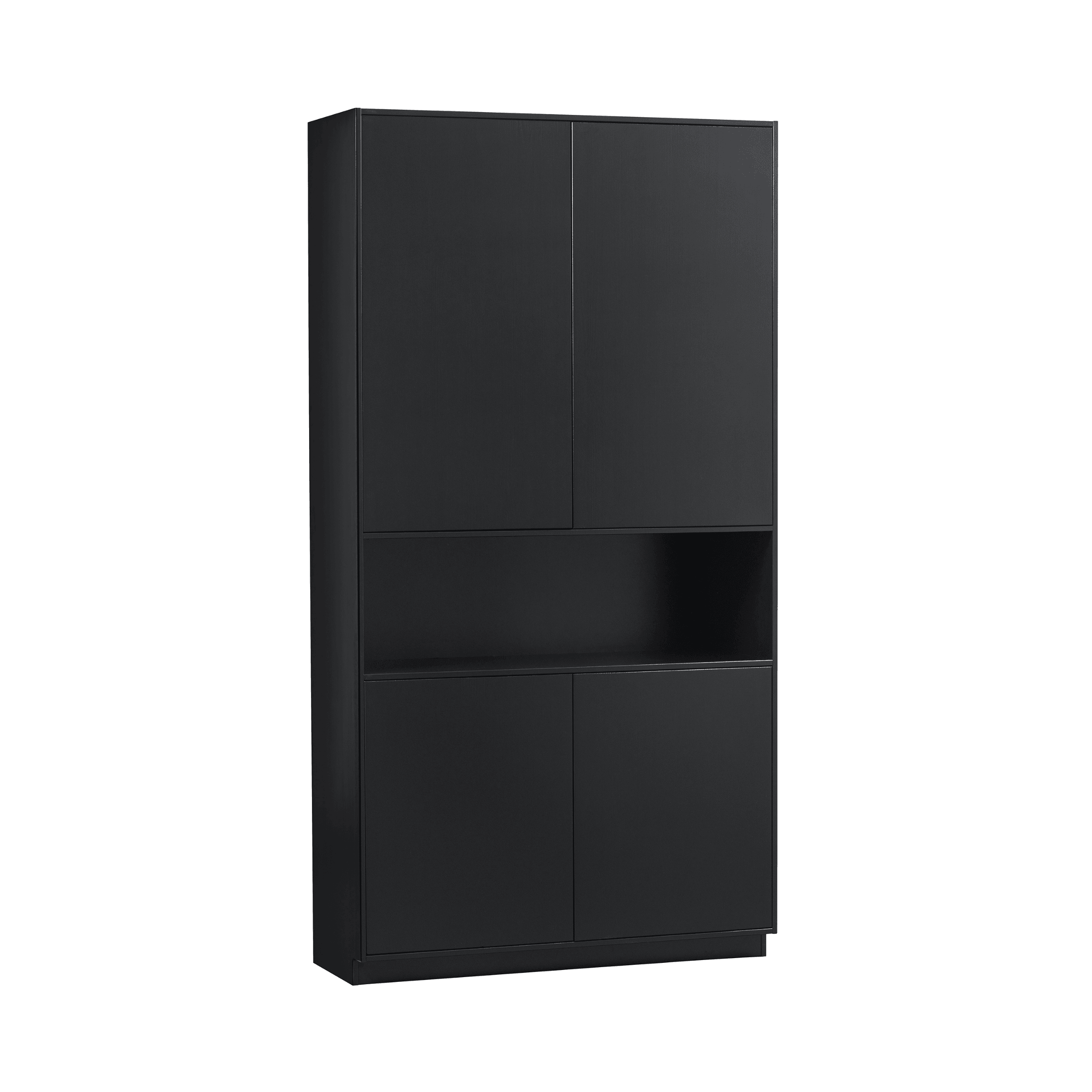
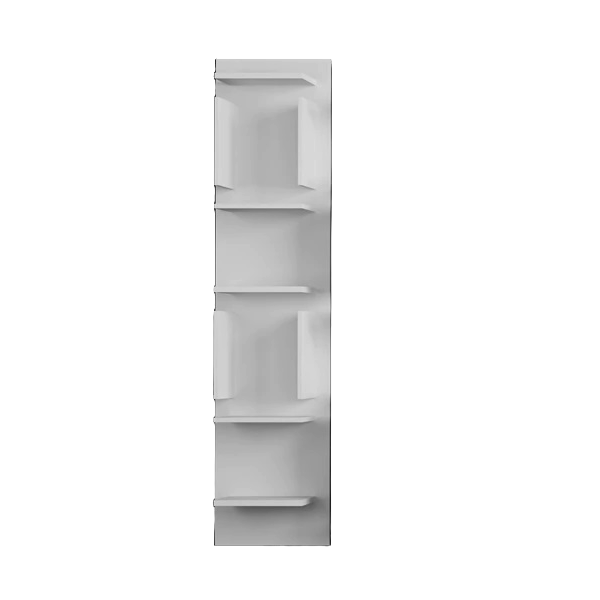
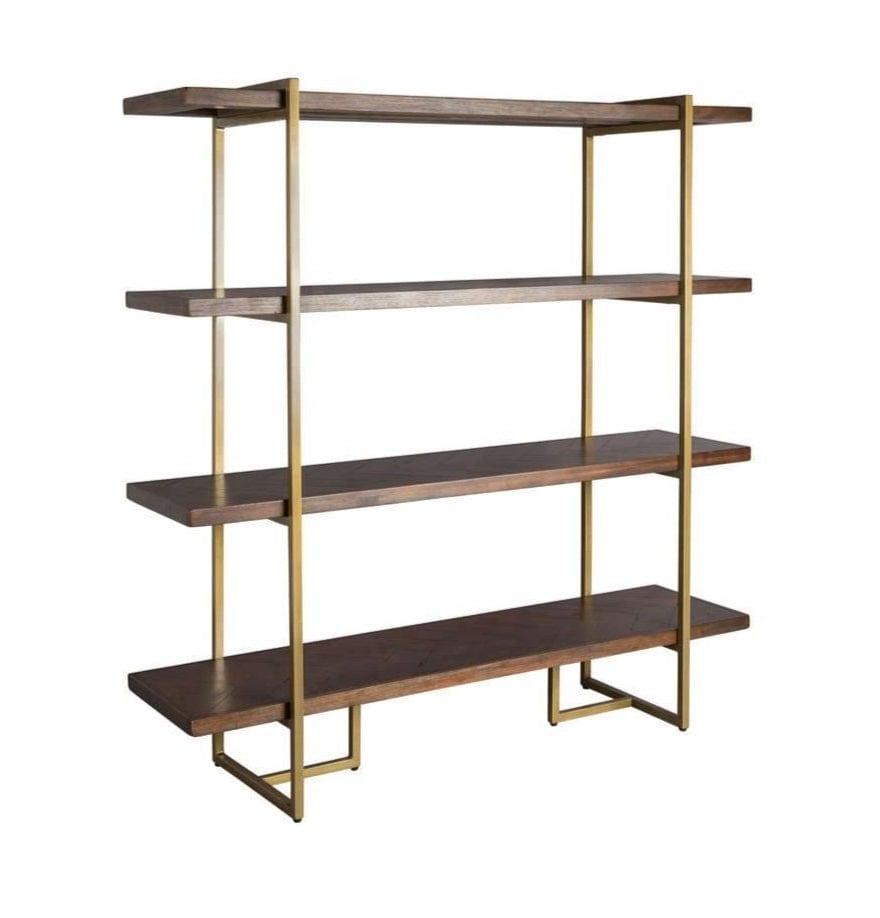
Storage furniture determines whether a space appears organized. The choice boils down to one question: what should be visible and what should be hidden – and this will dictate whether you need an open shelf, a glass display cabinet, or a cupboard with solid fronts.
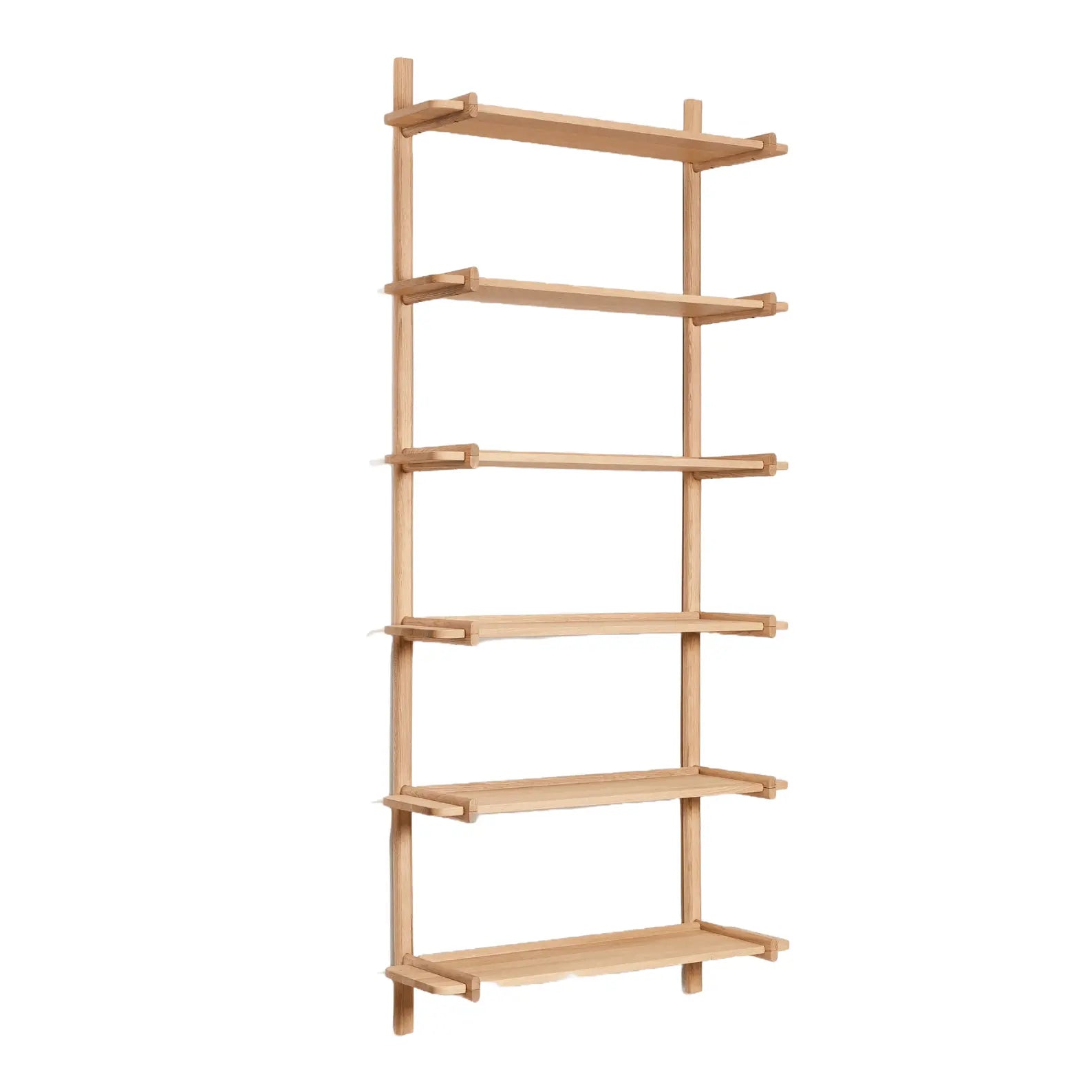
Open Shelf, Display Cabinet, or Closed Cupboard?
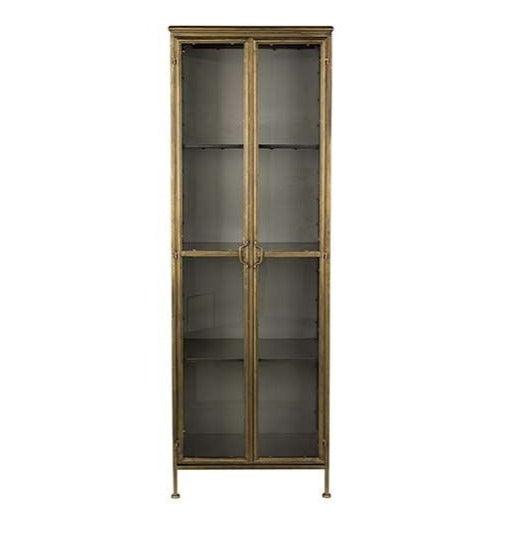
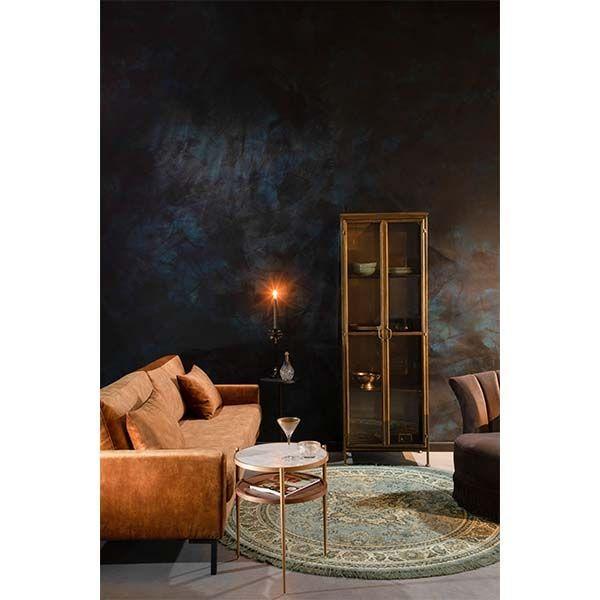
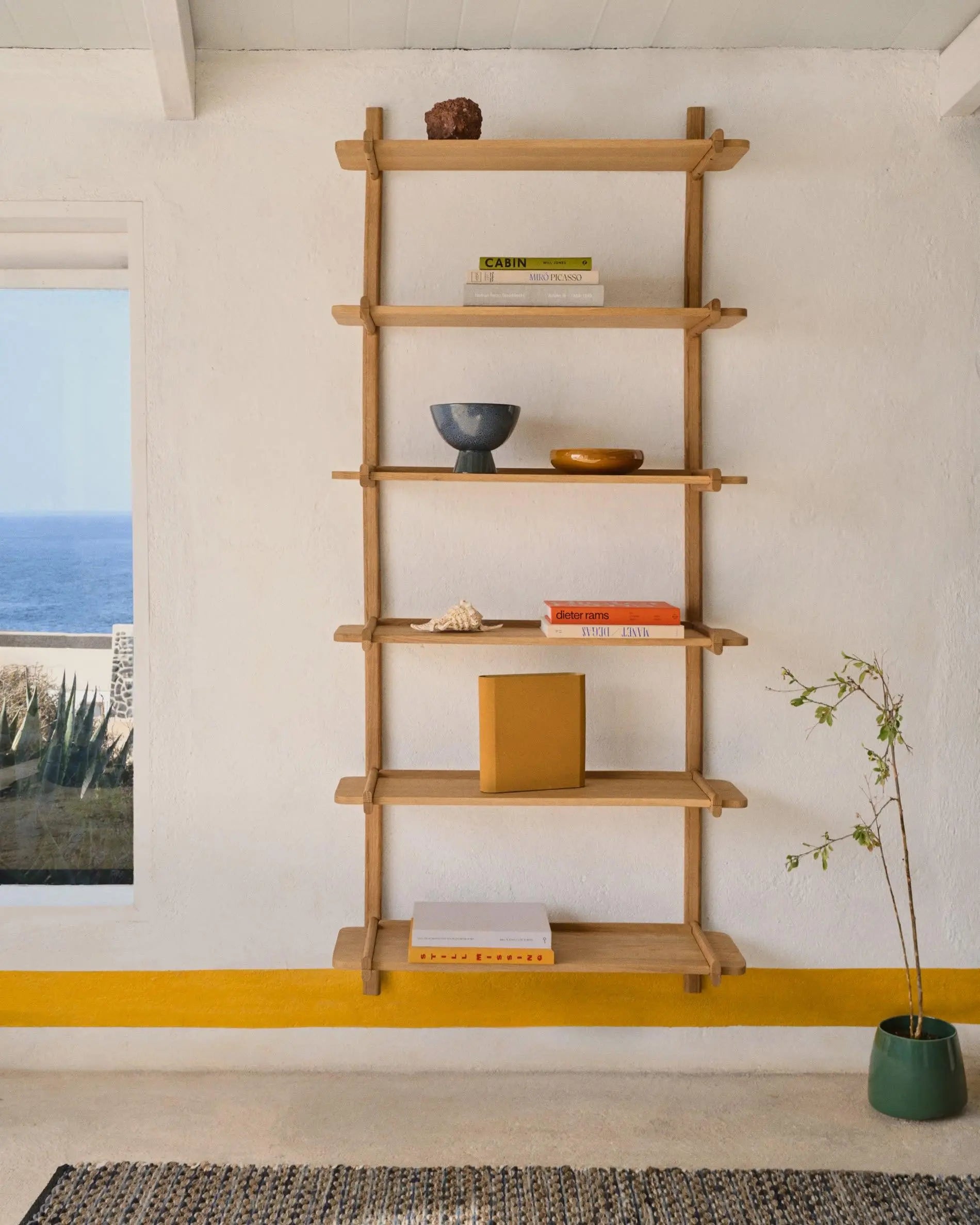
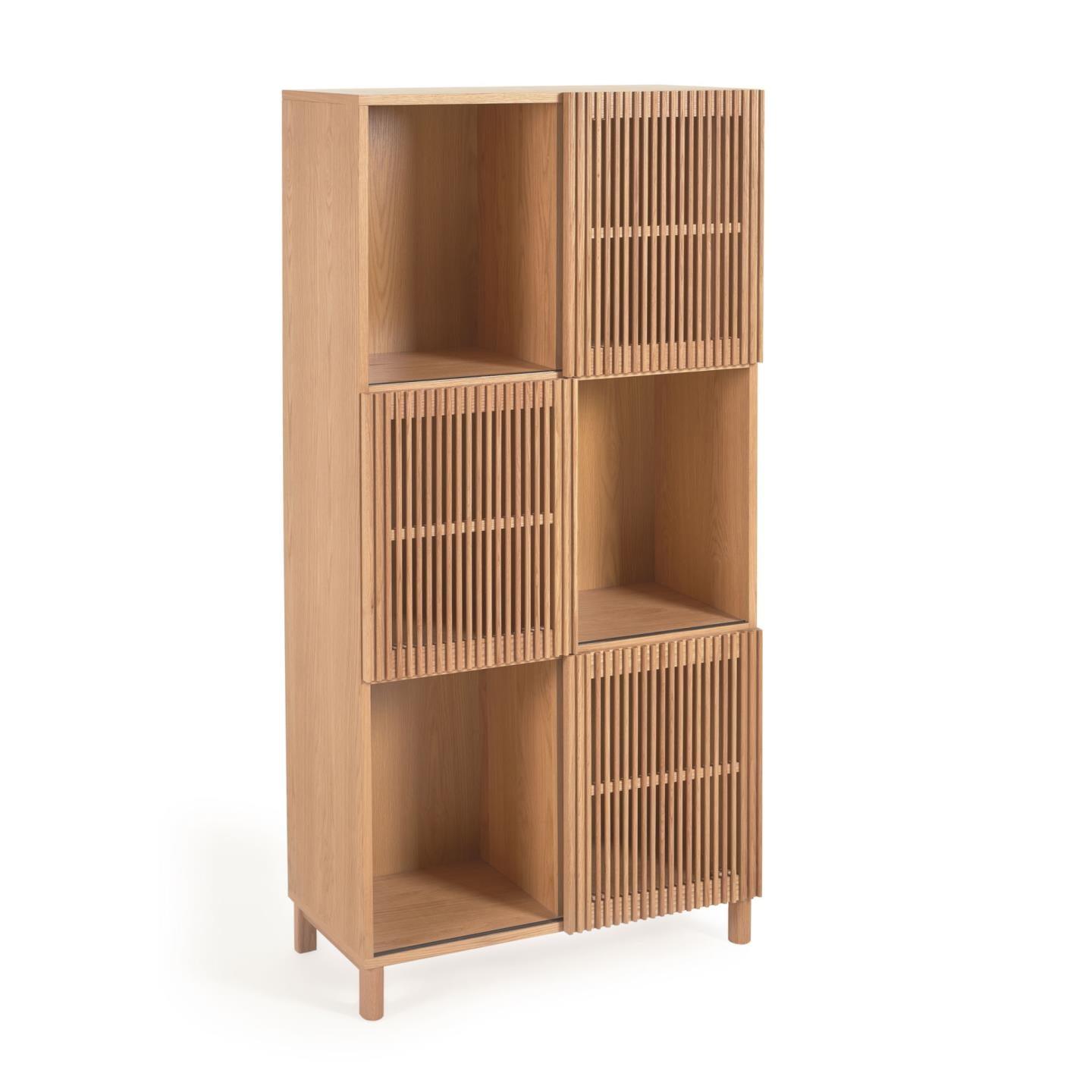
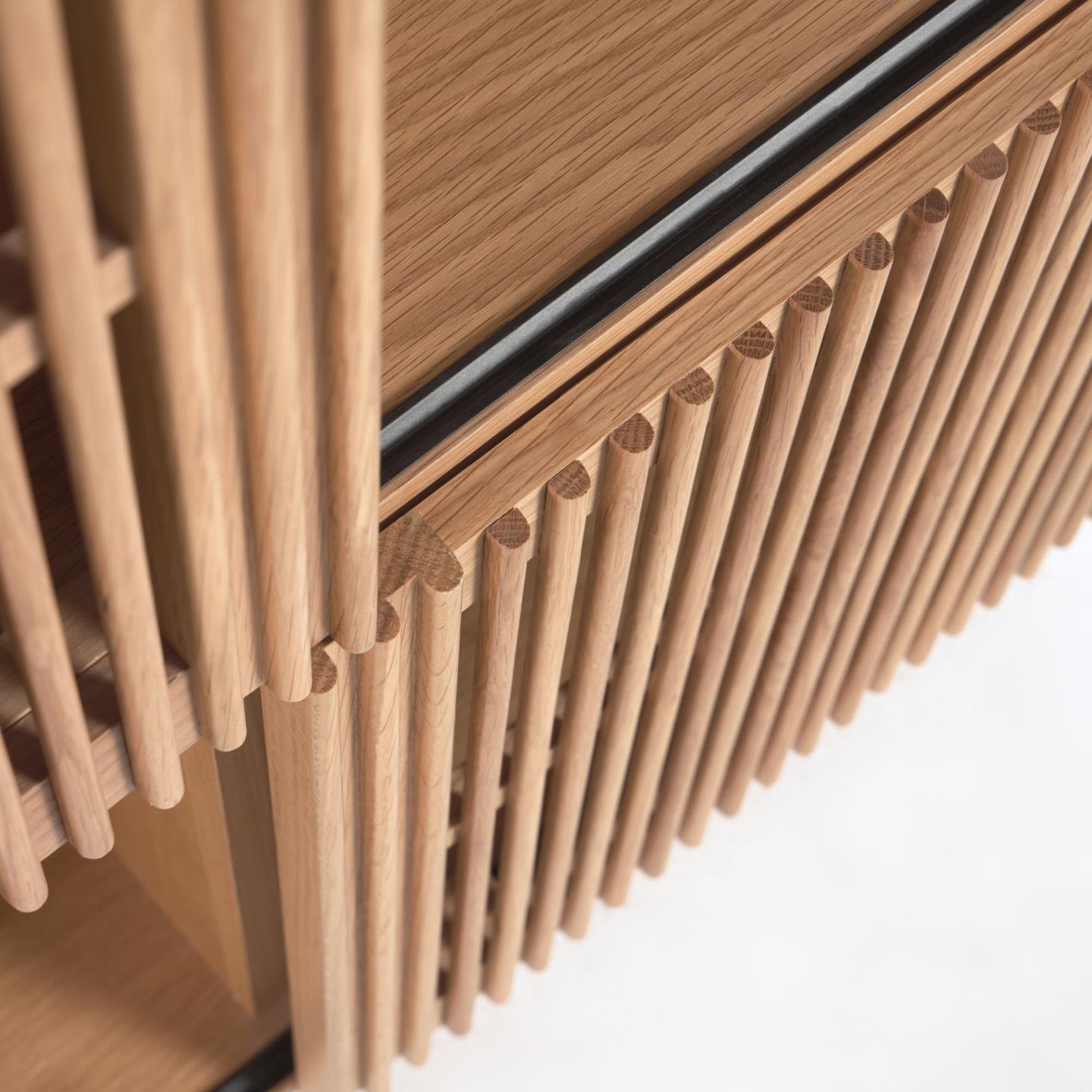
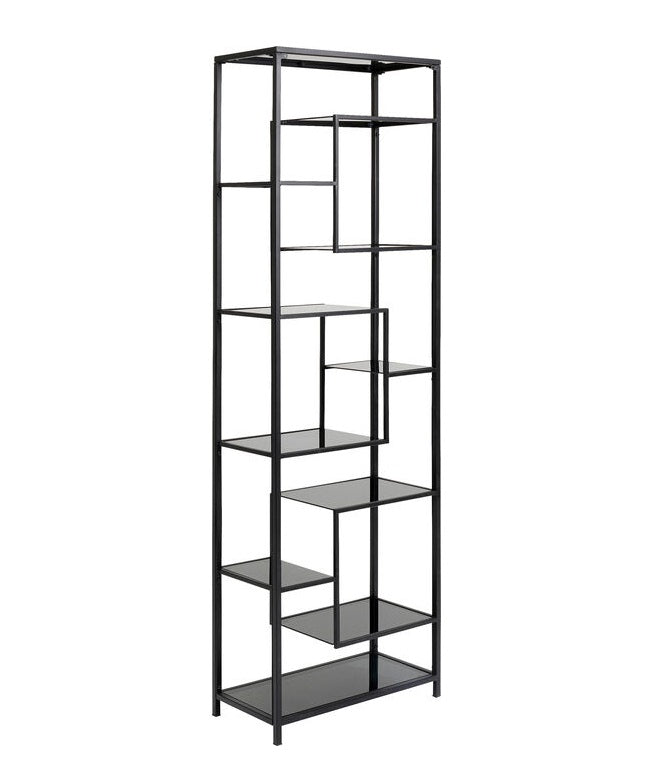
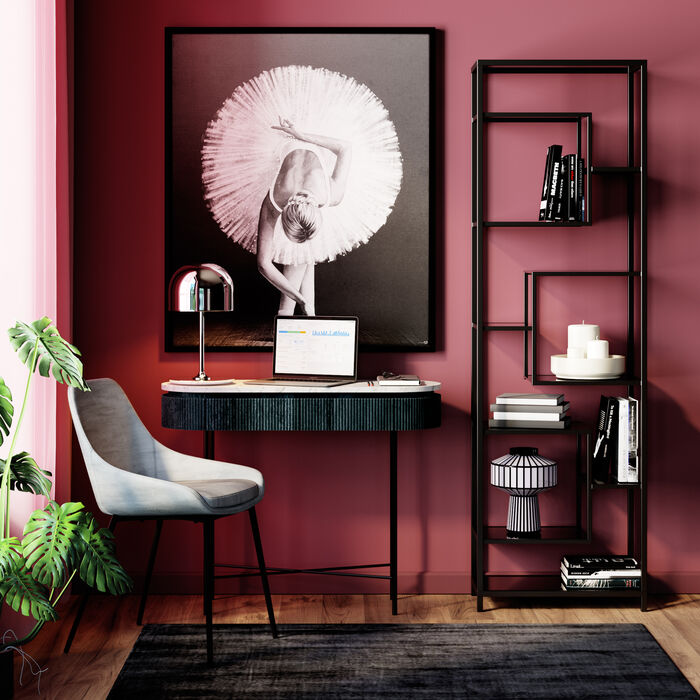
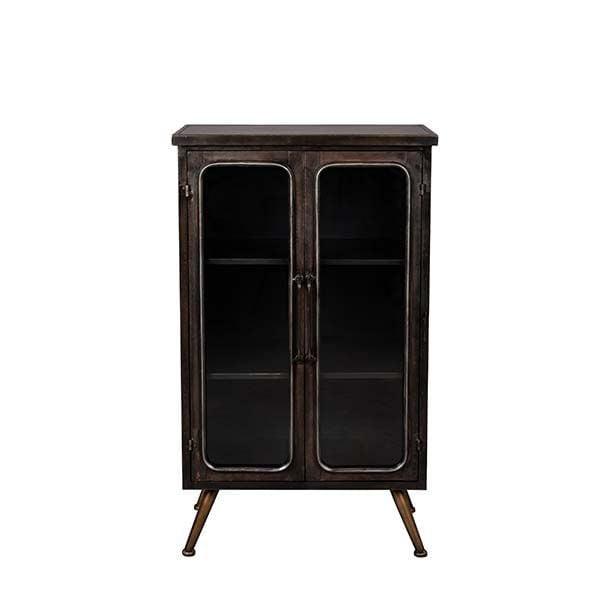
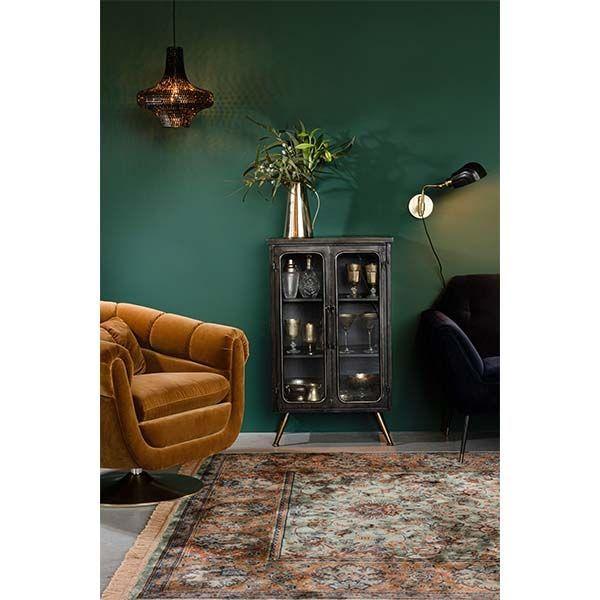
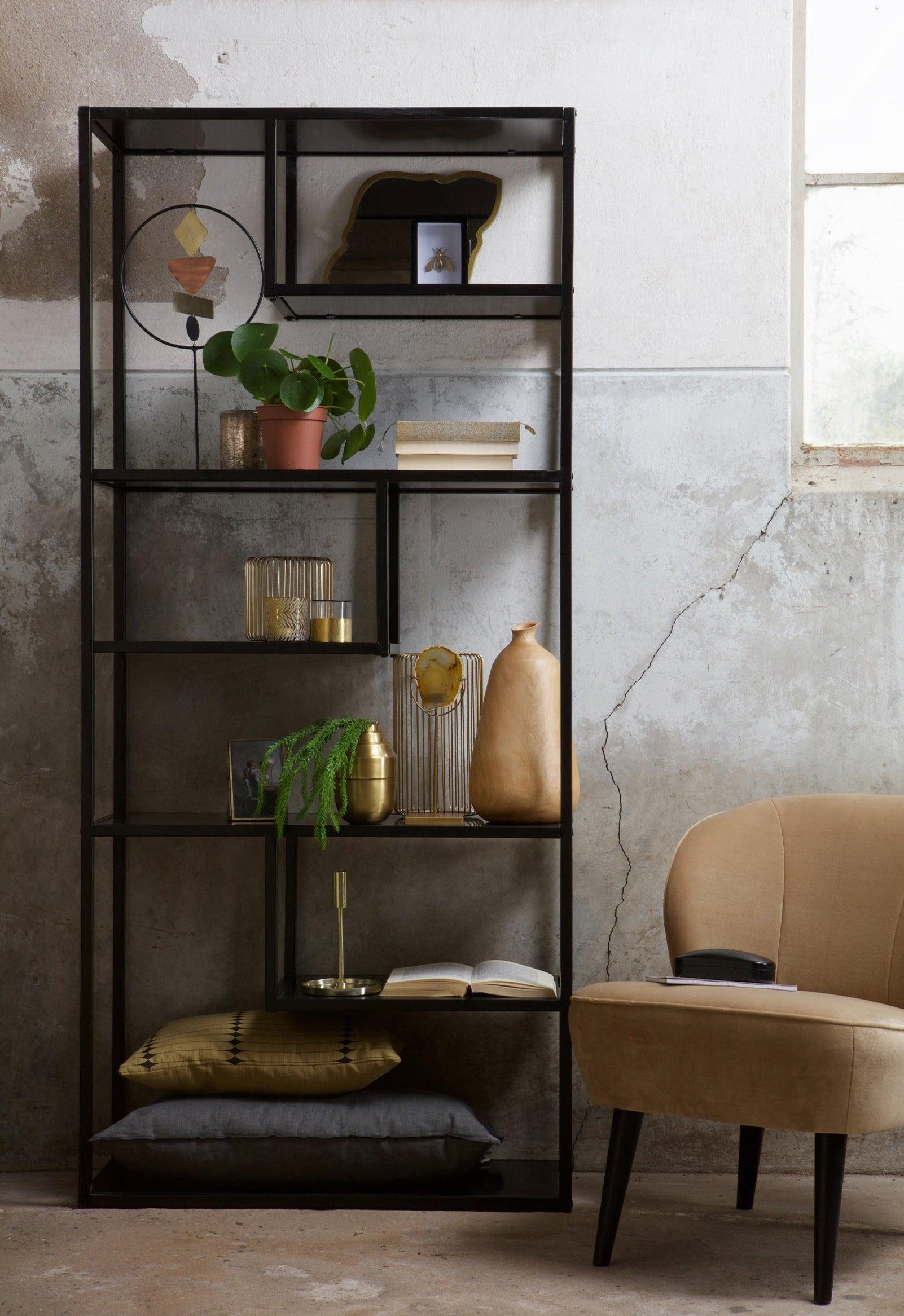
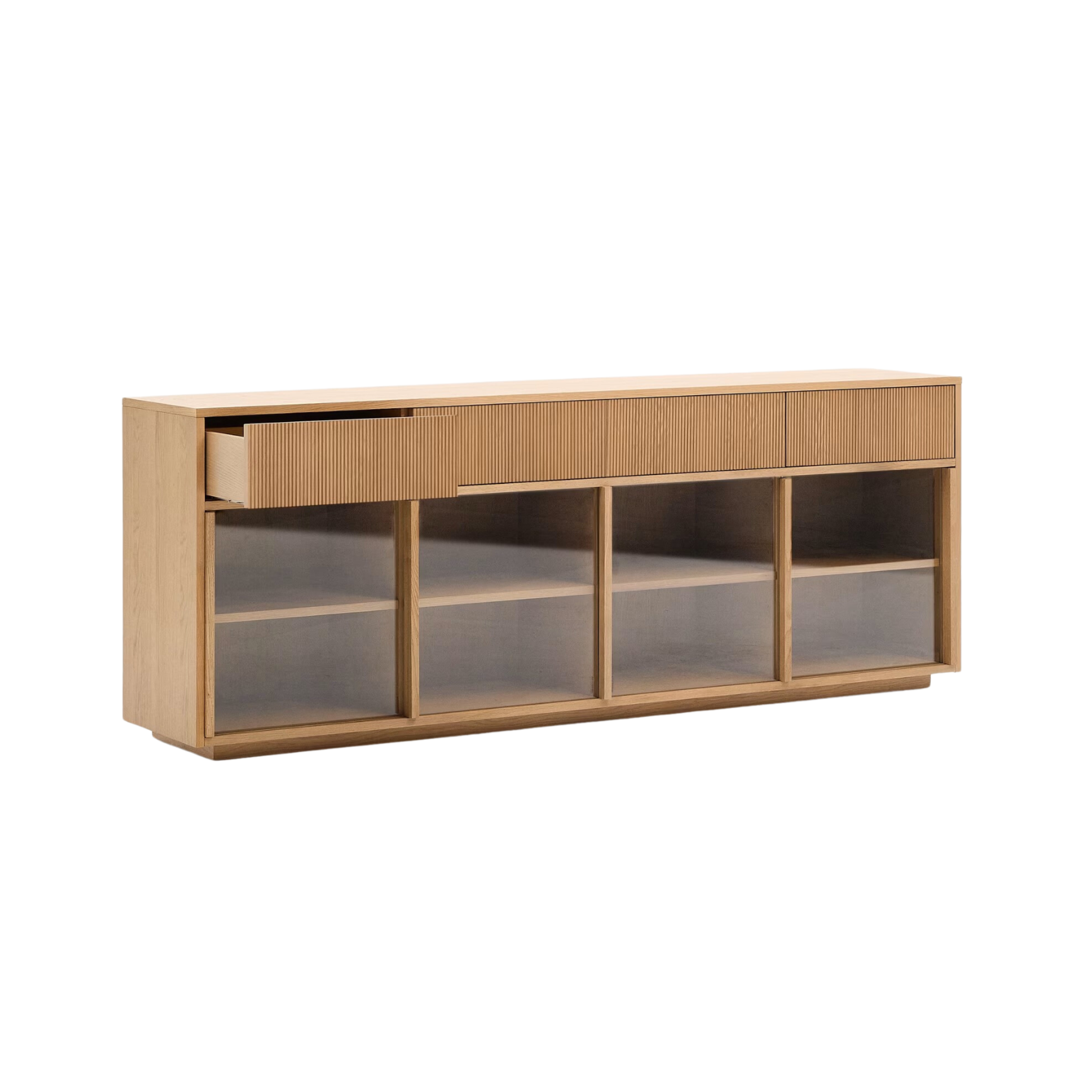
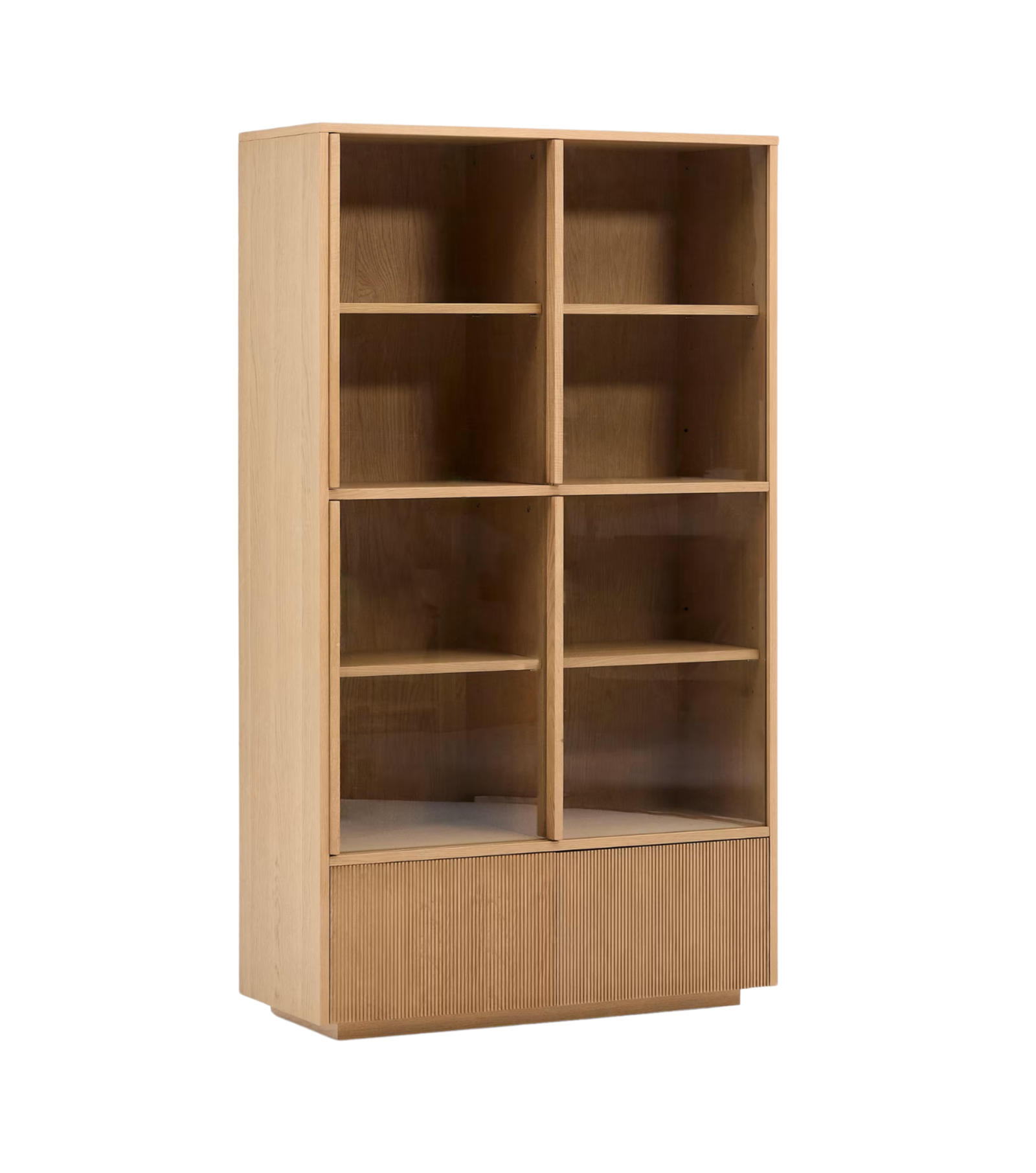
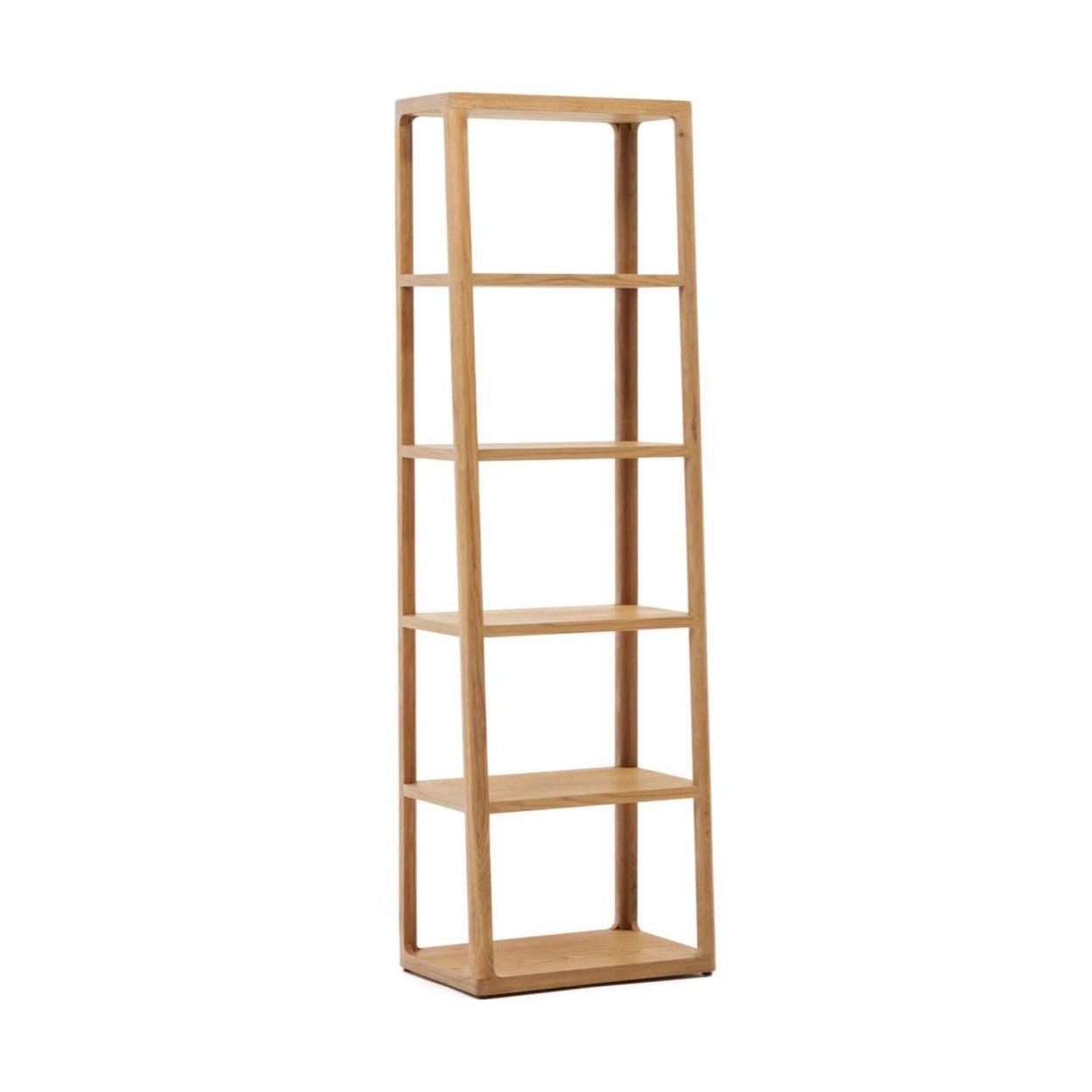
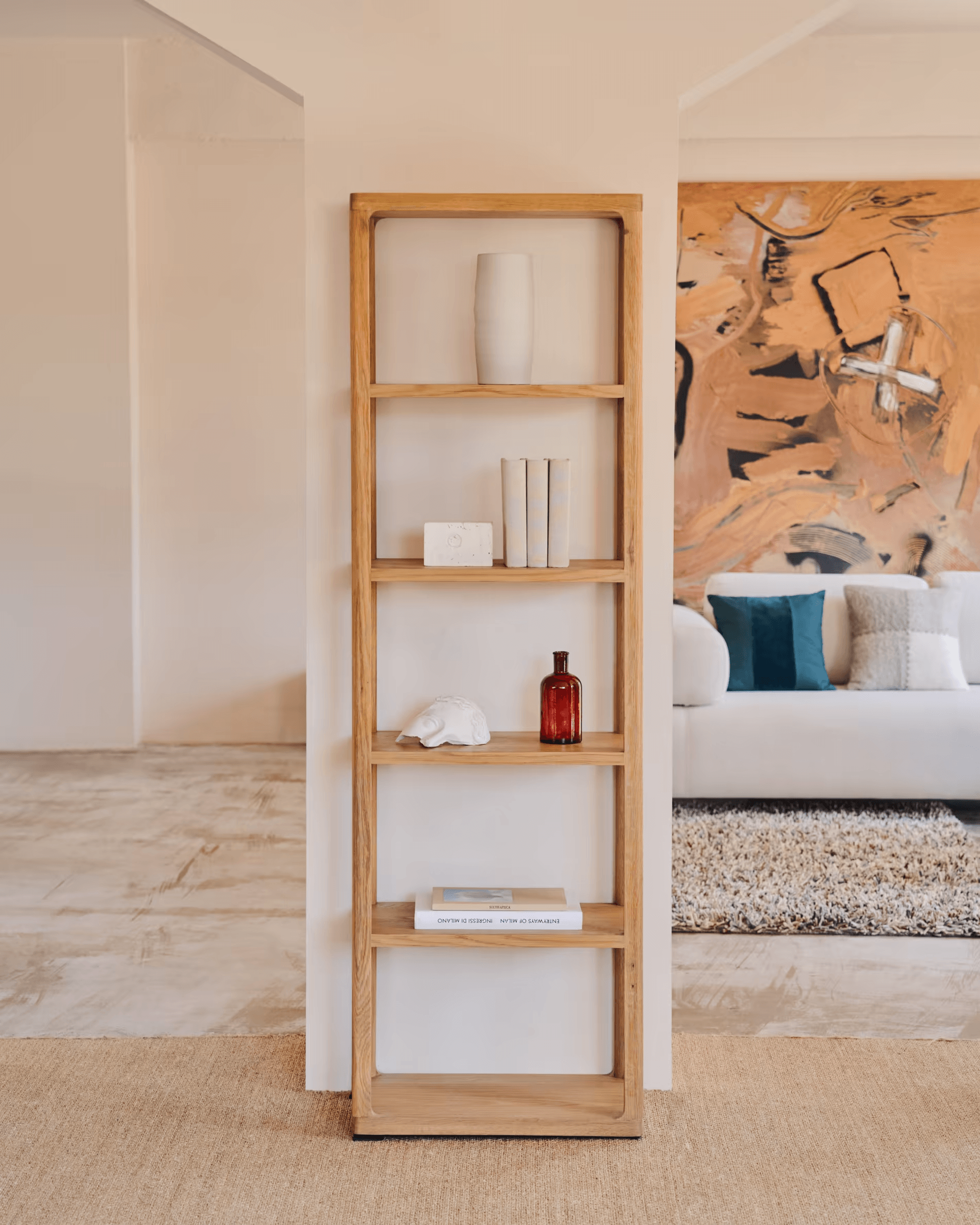
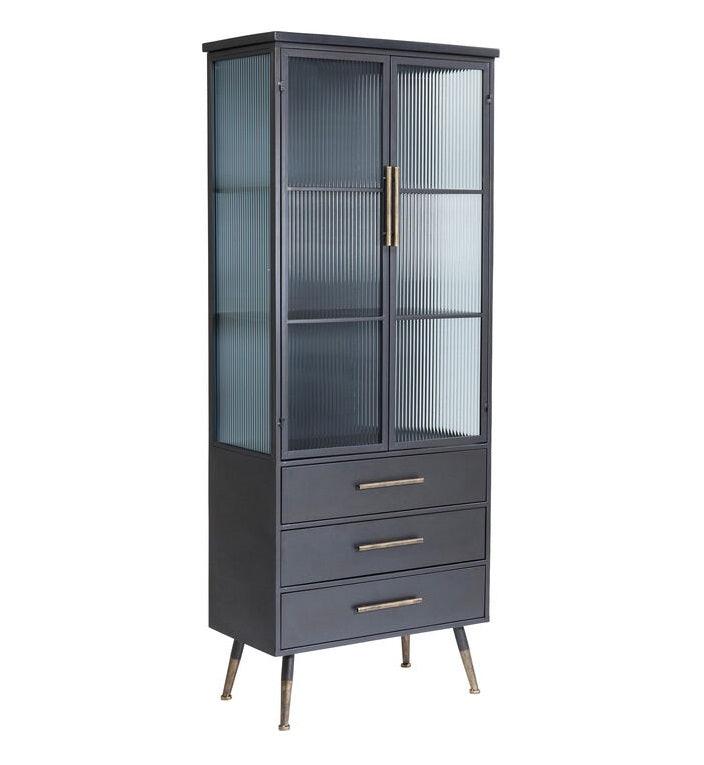
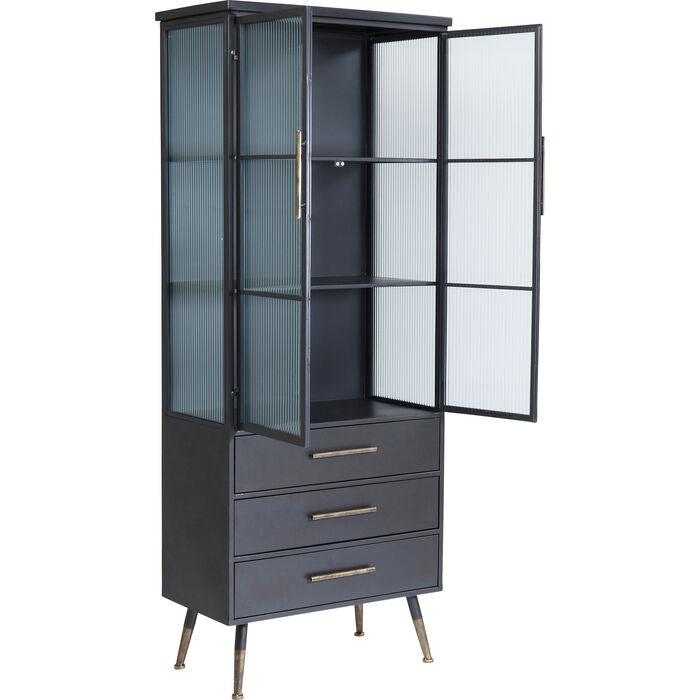
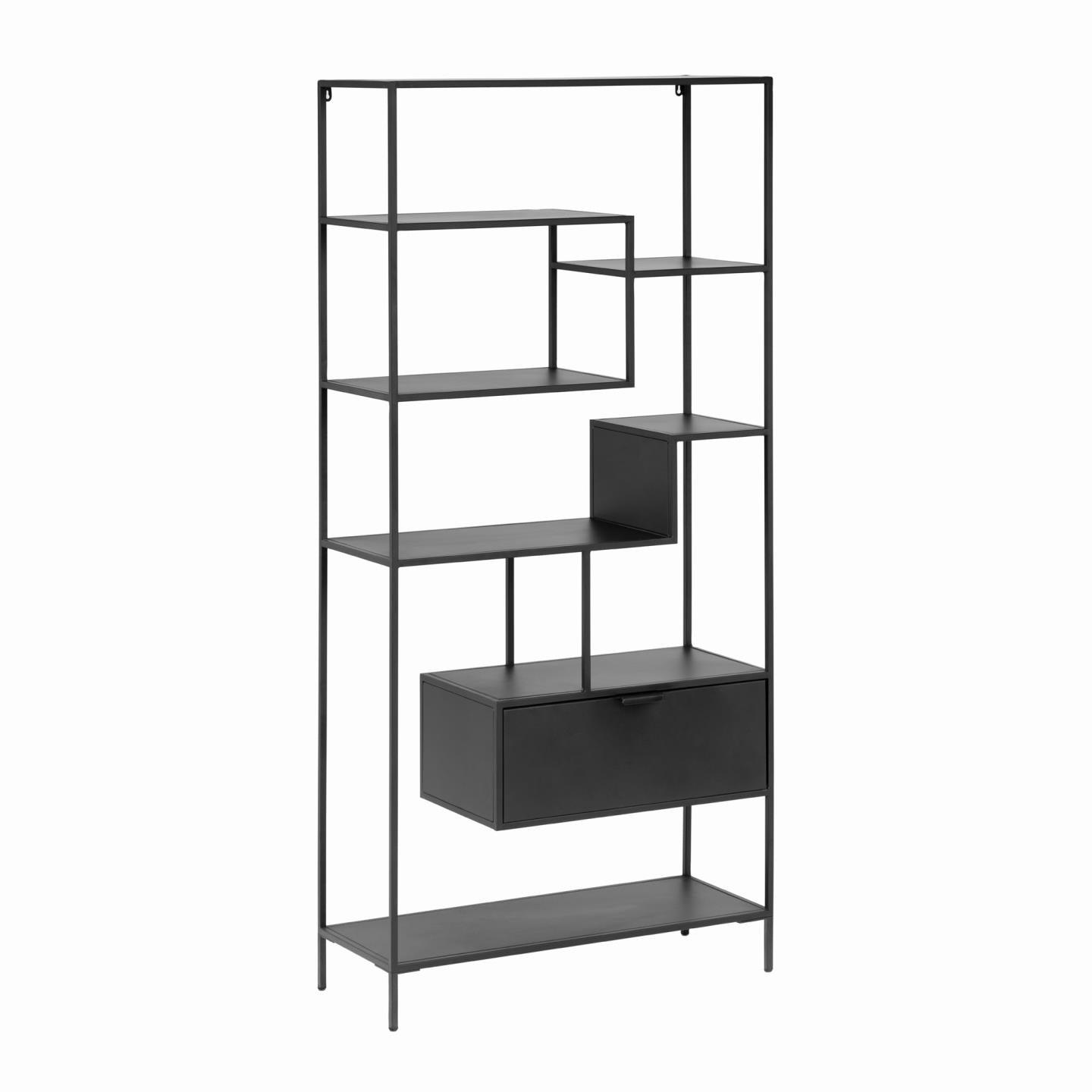
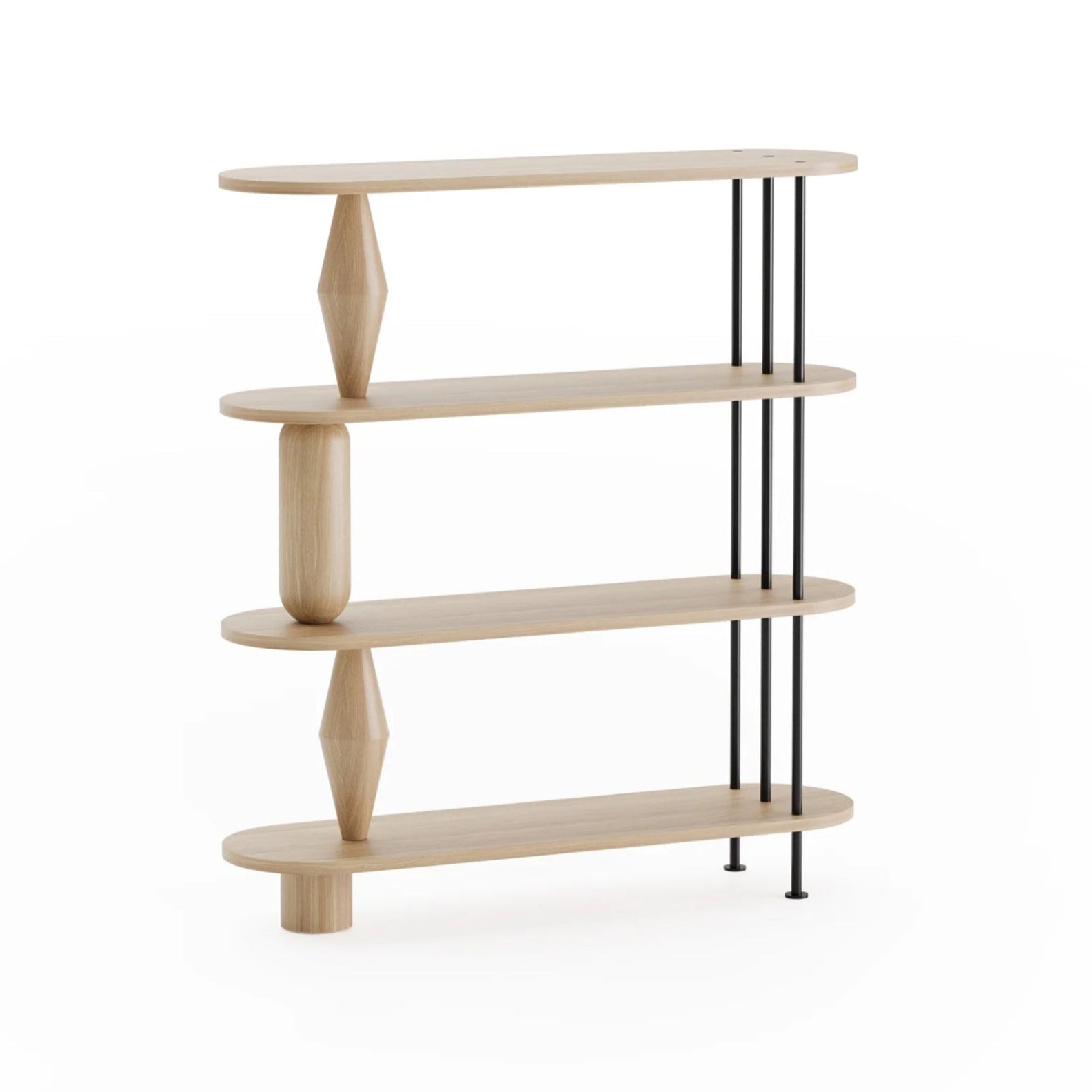
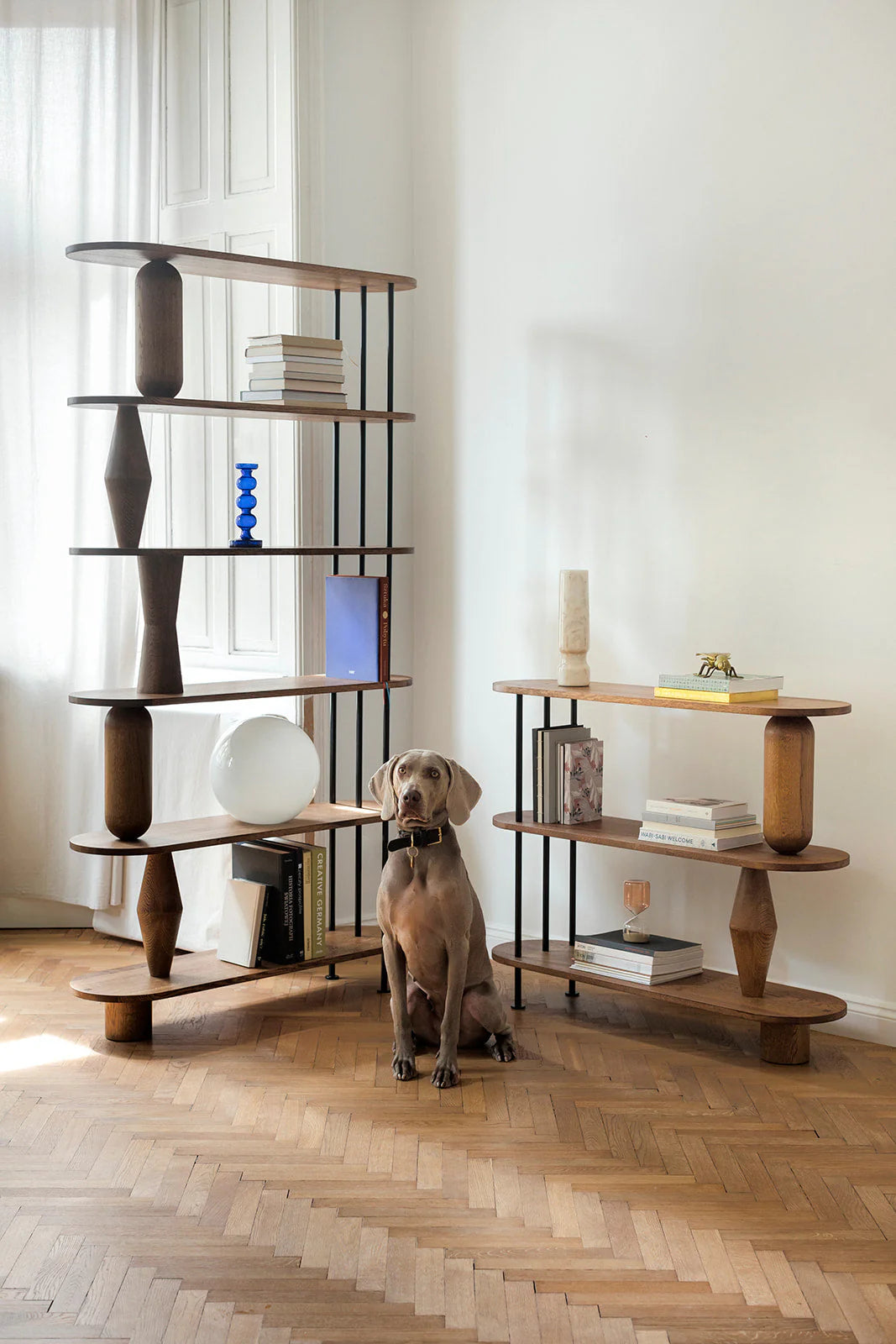
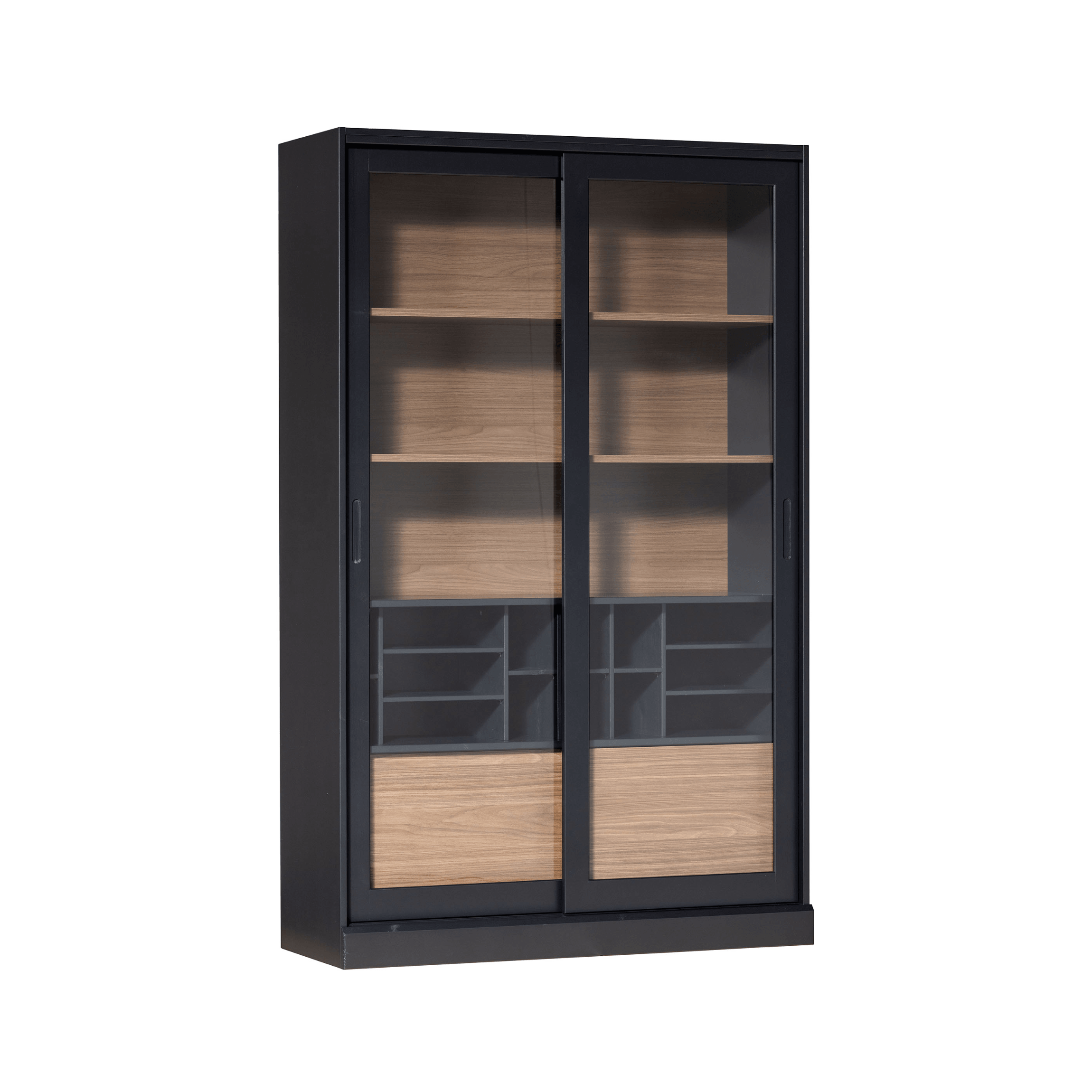
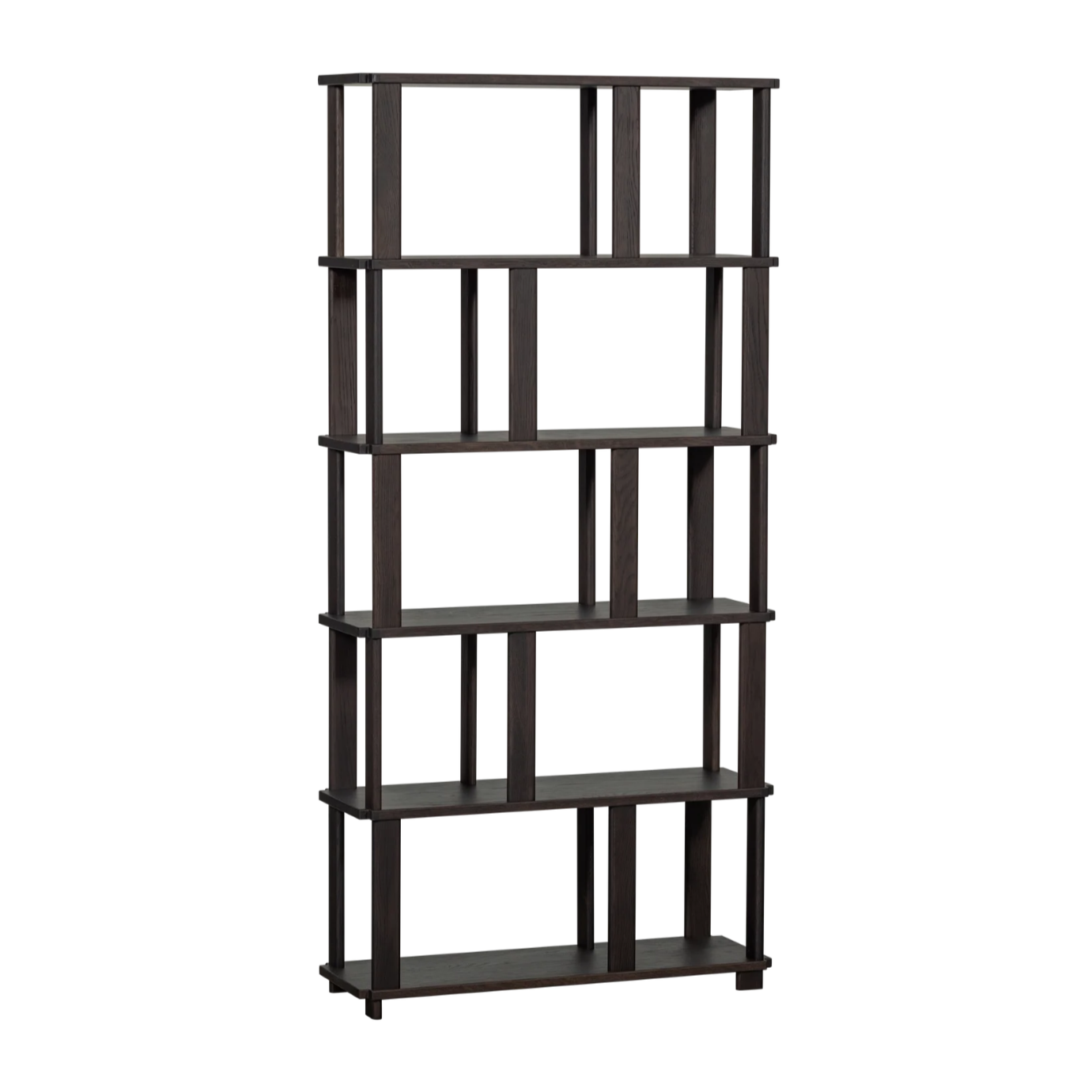
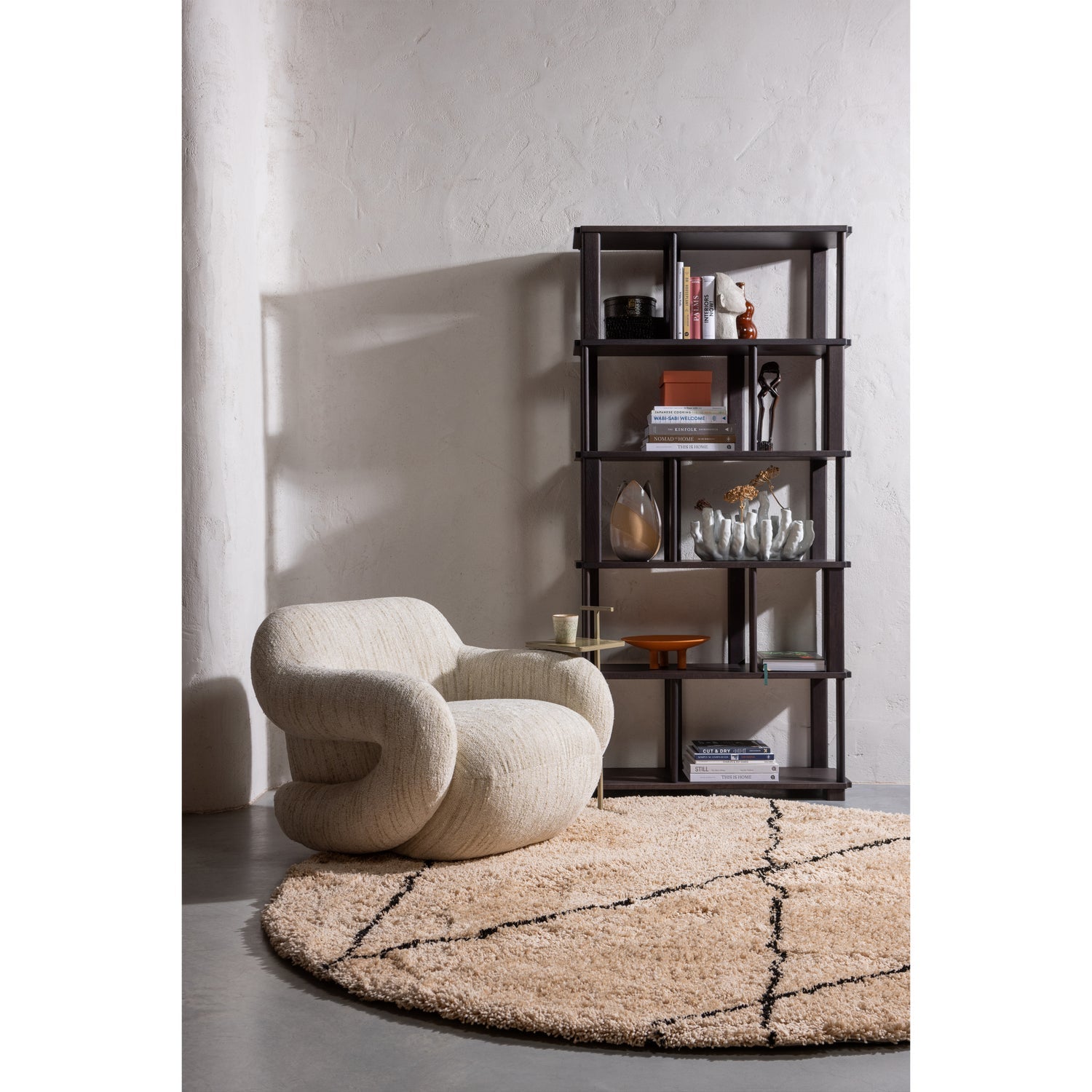
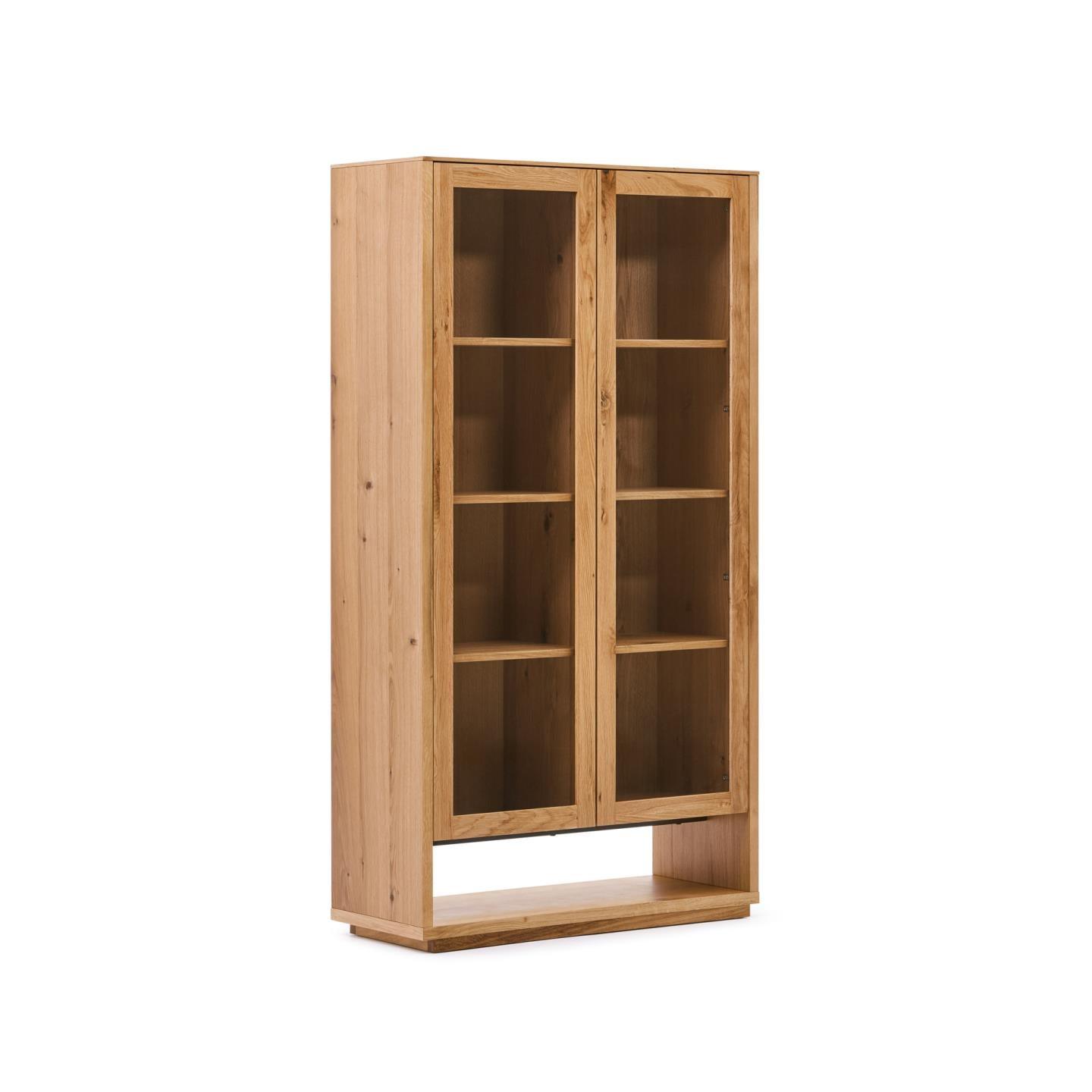
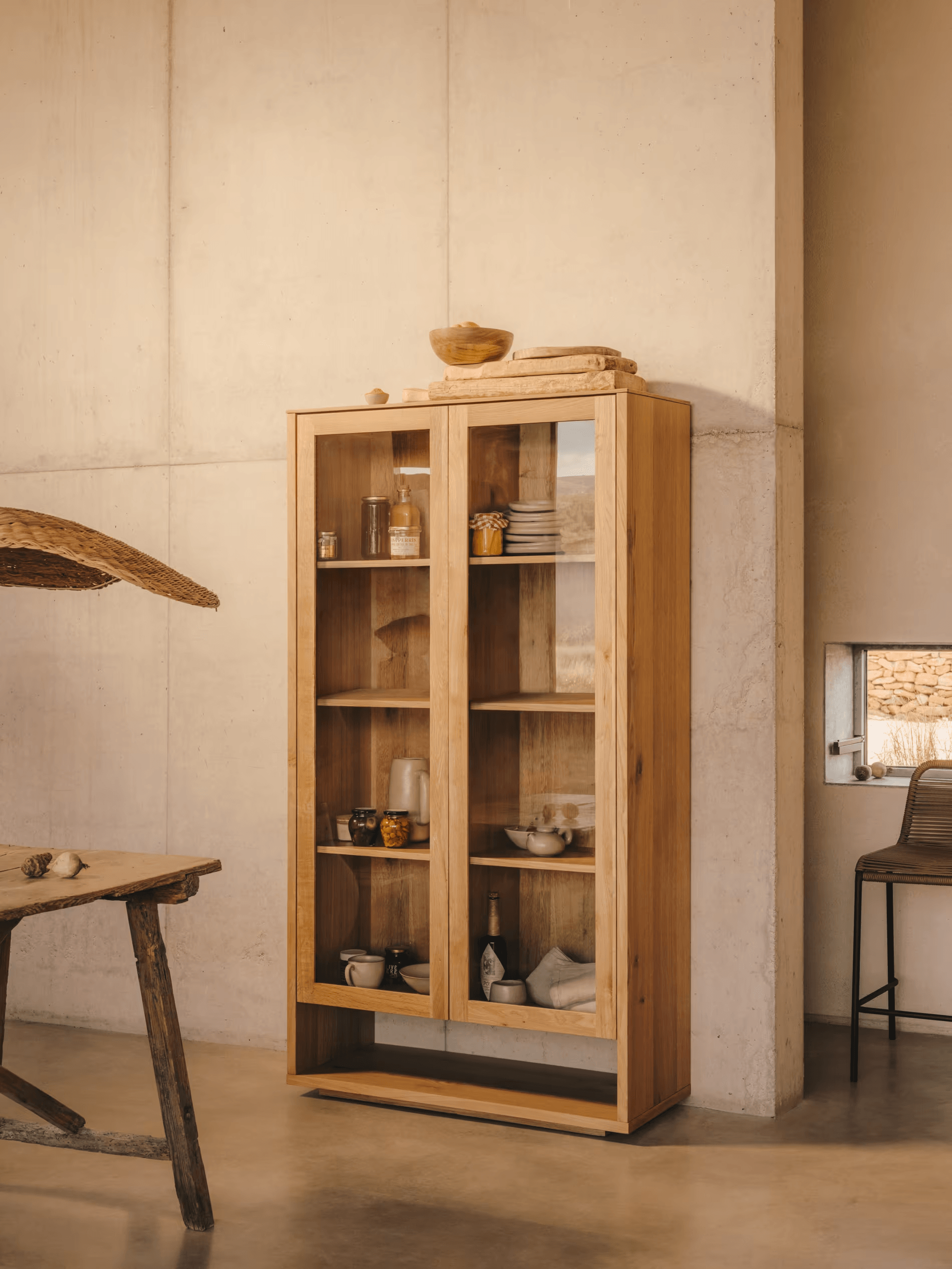
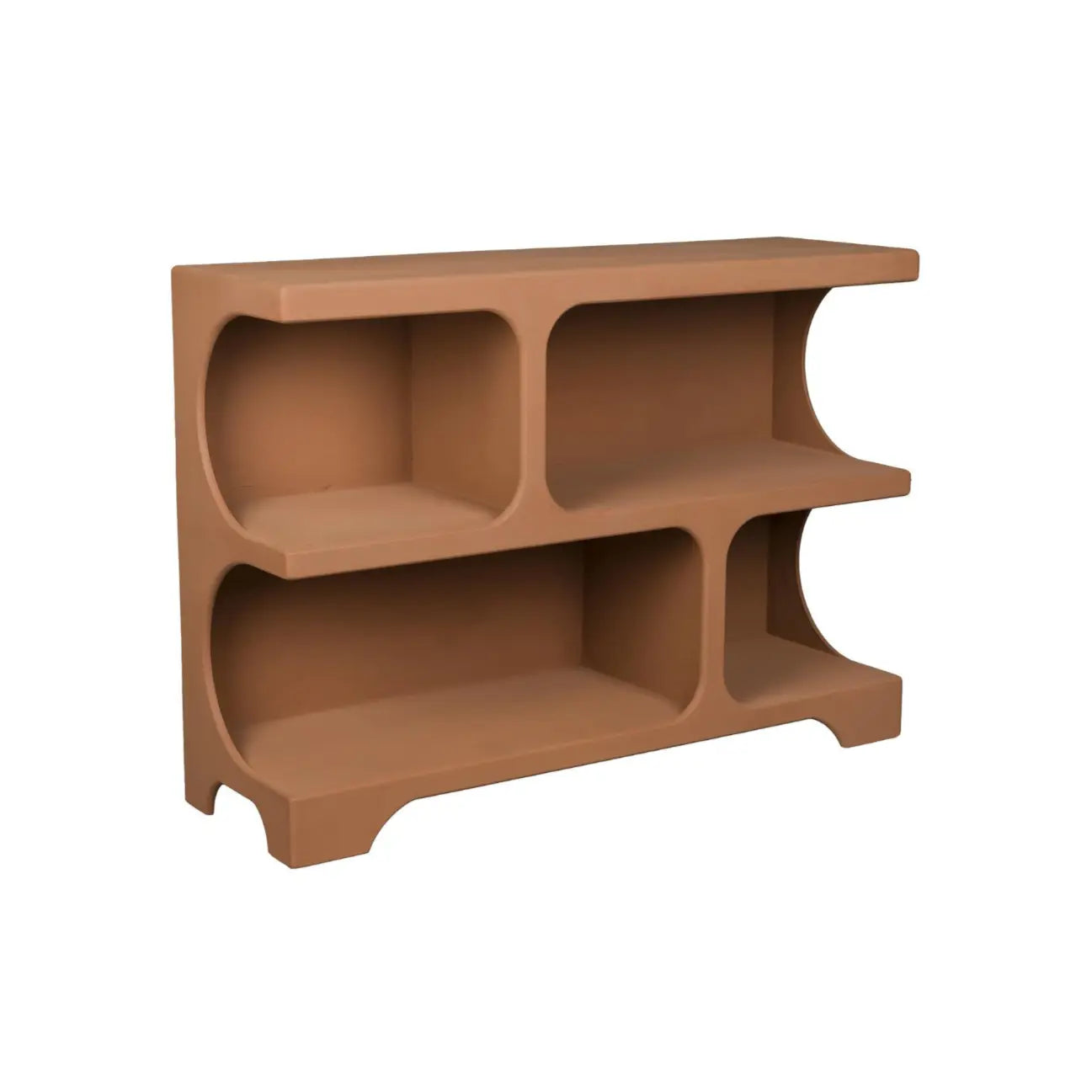
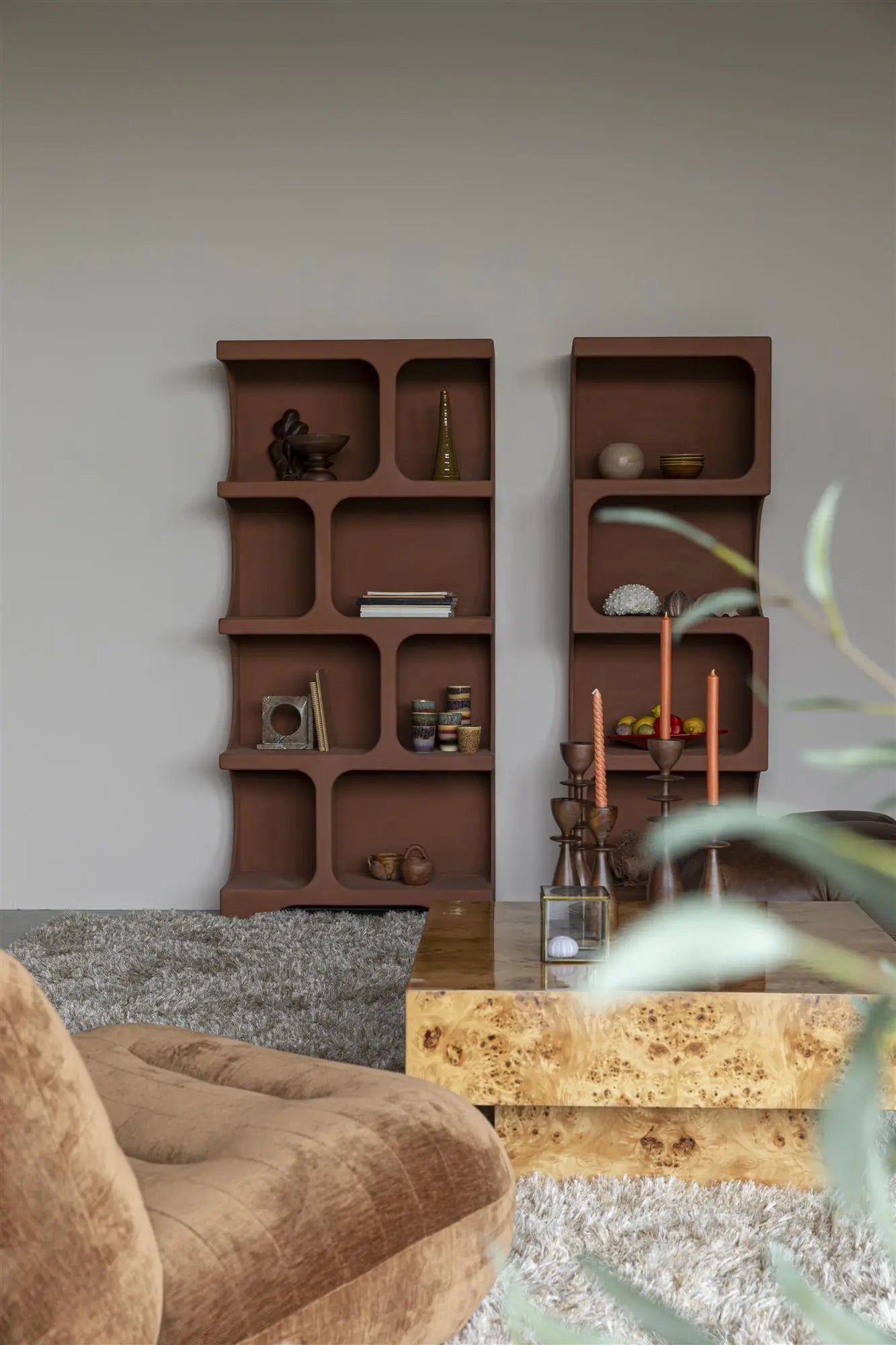
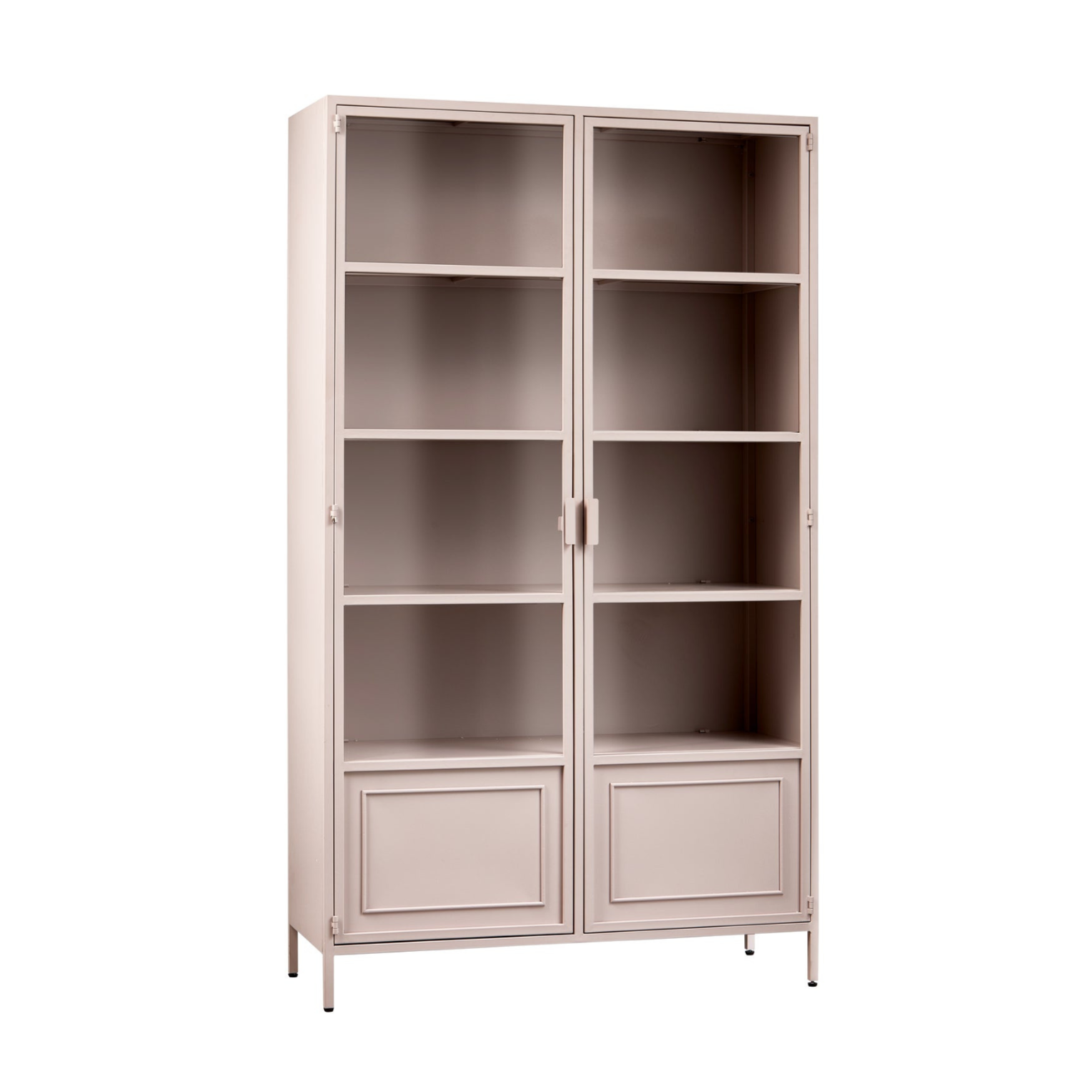
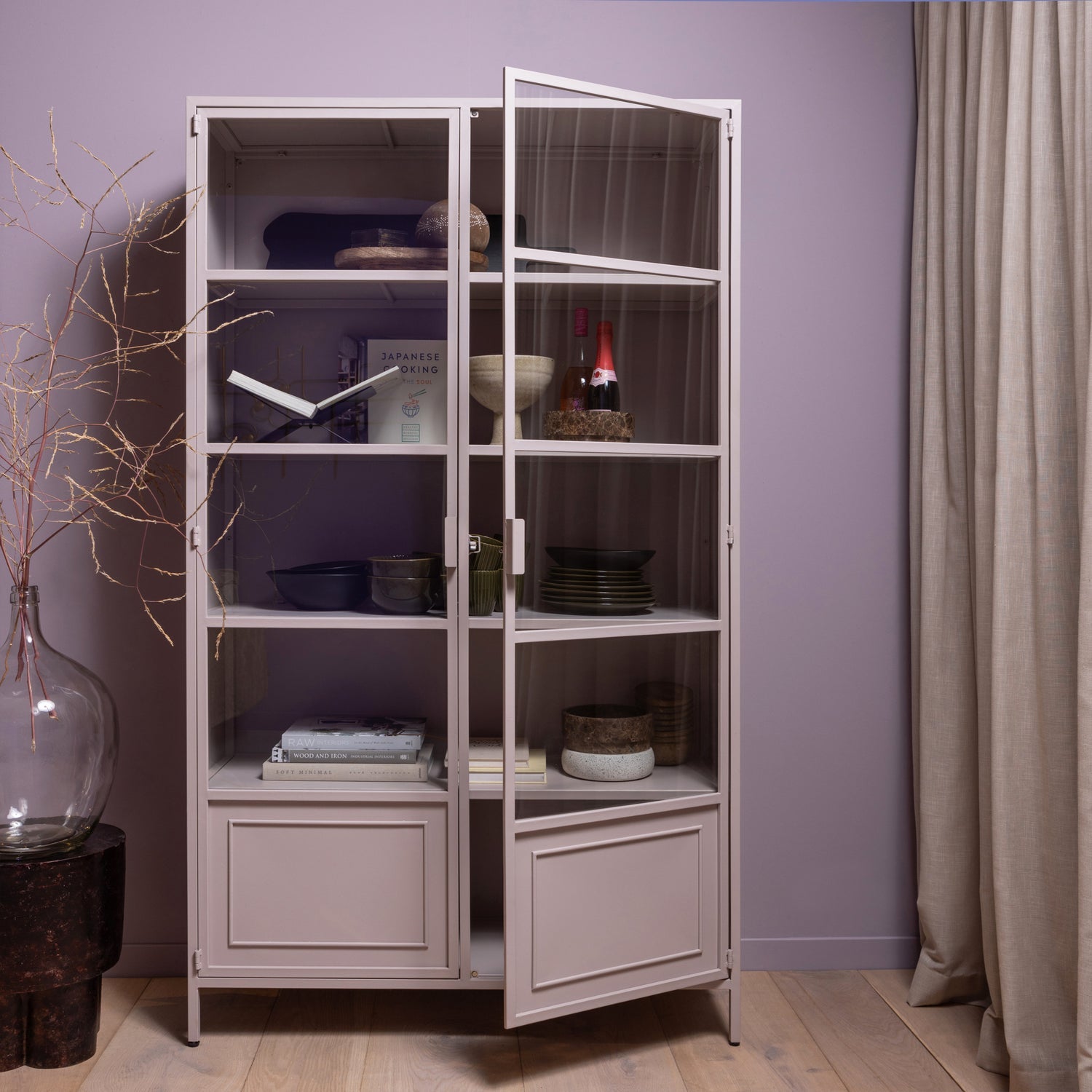
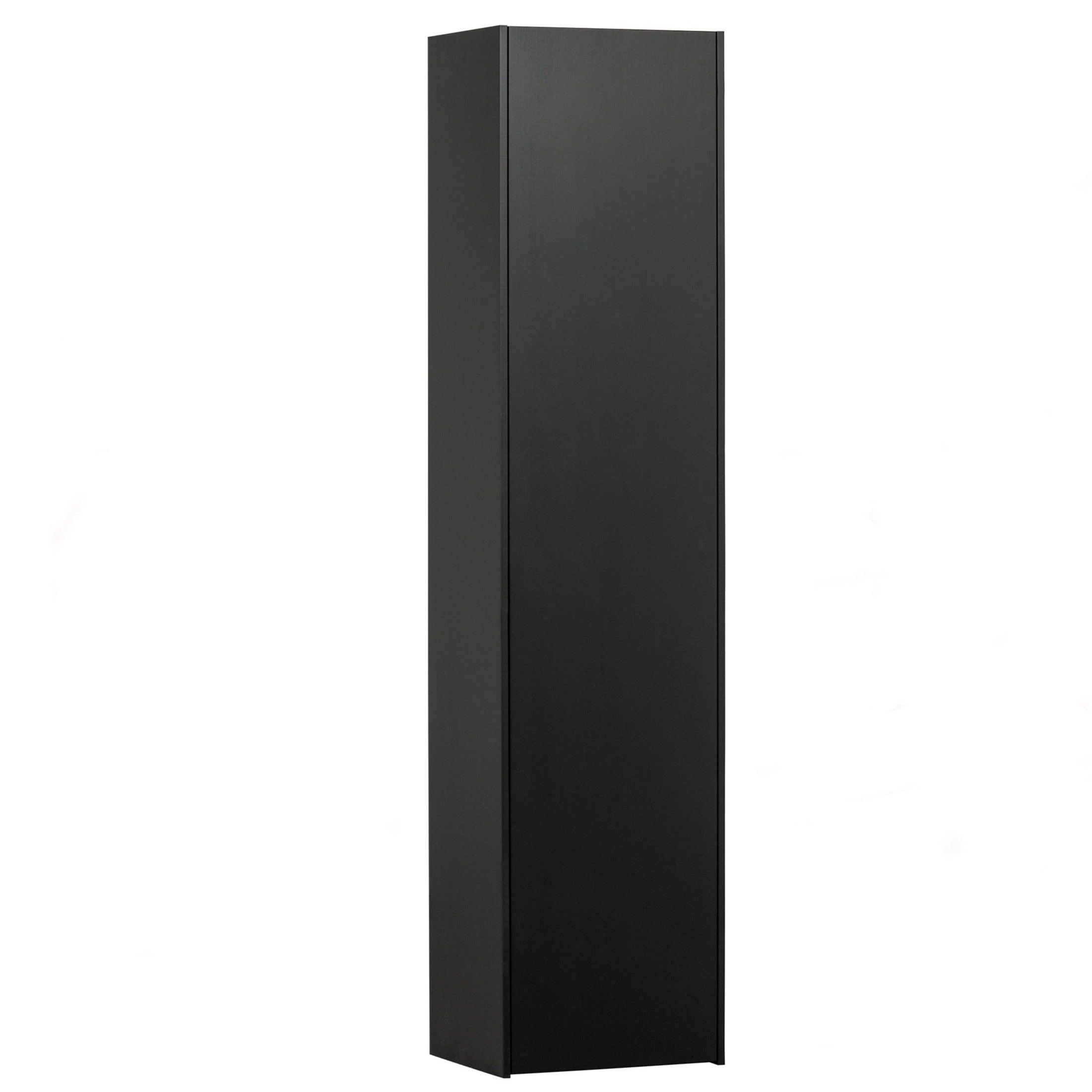
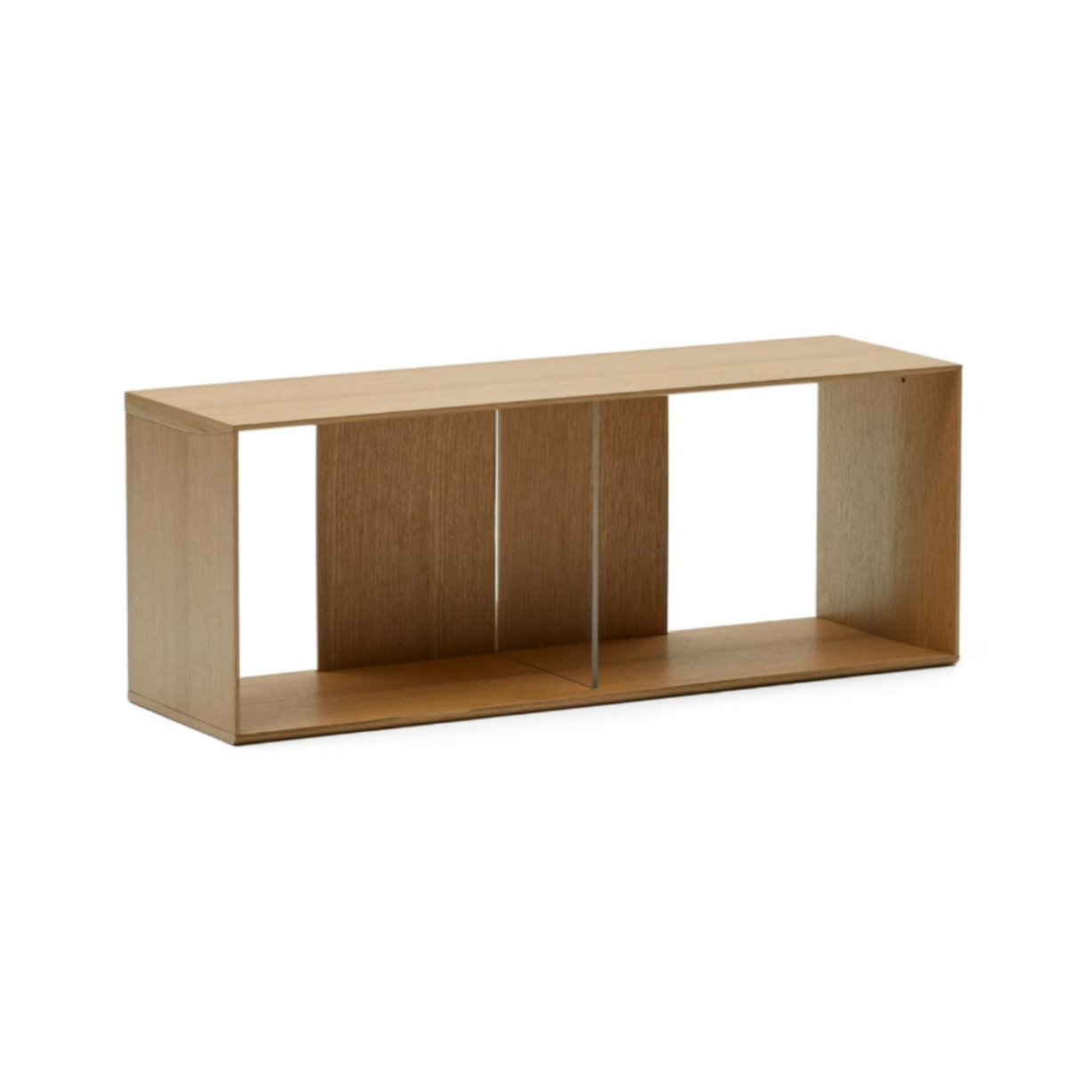
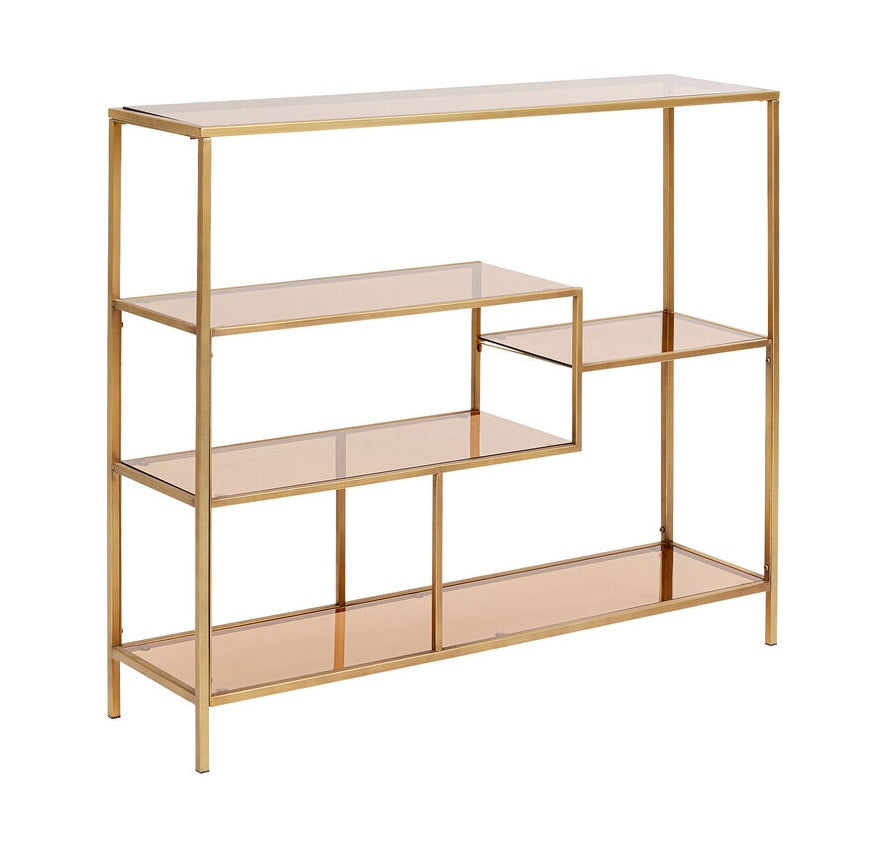
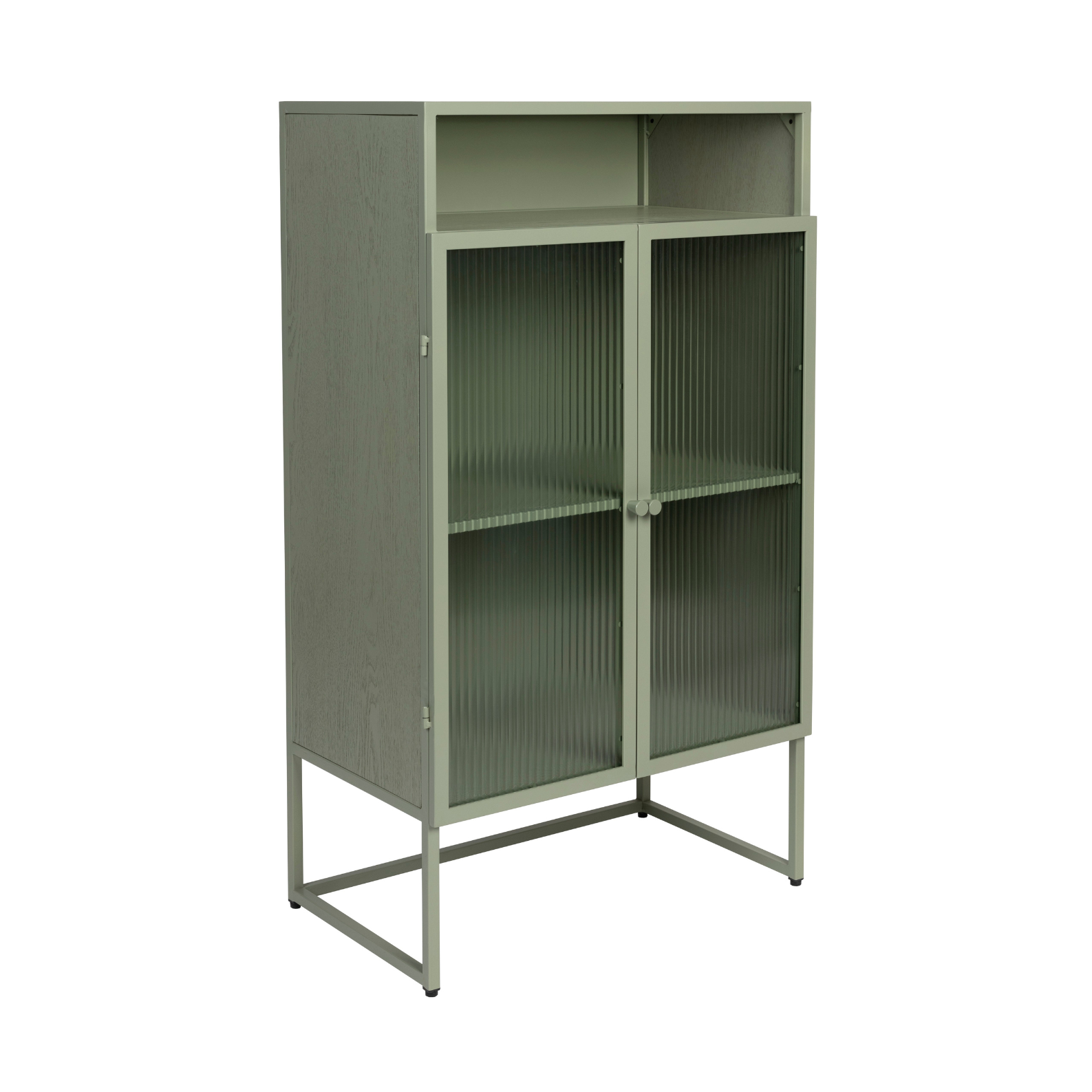
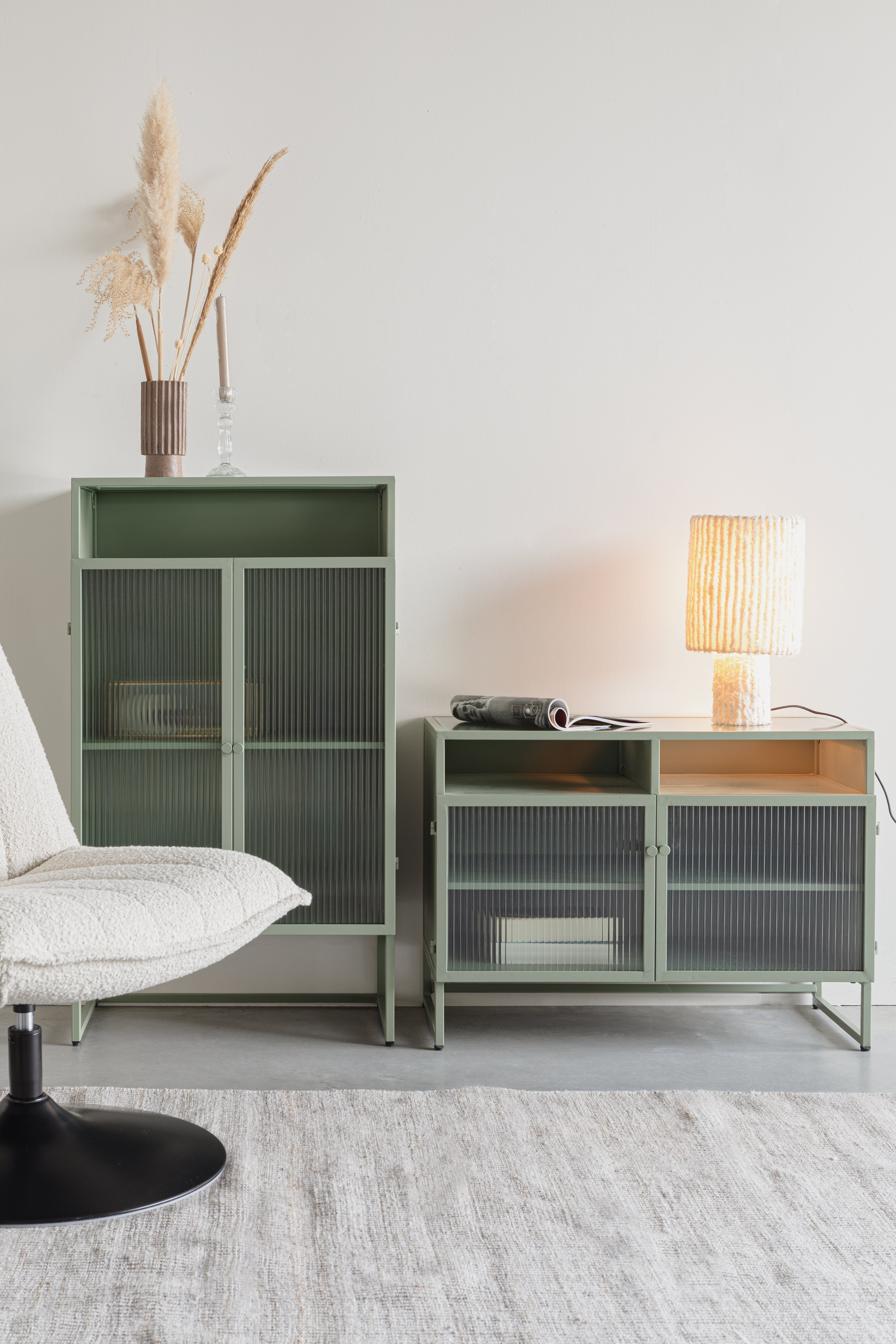
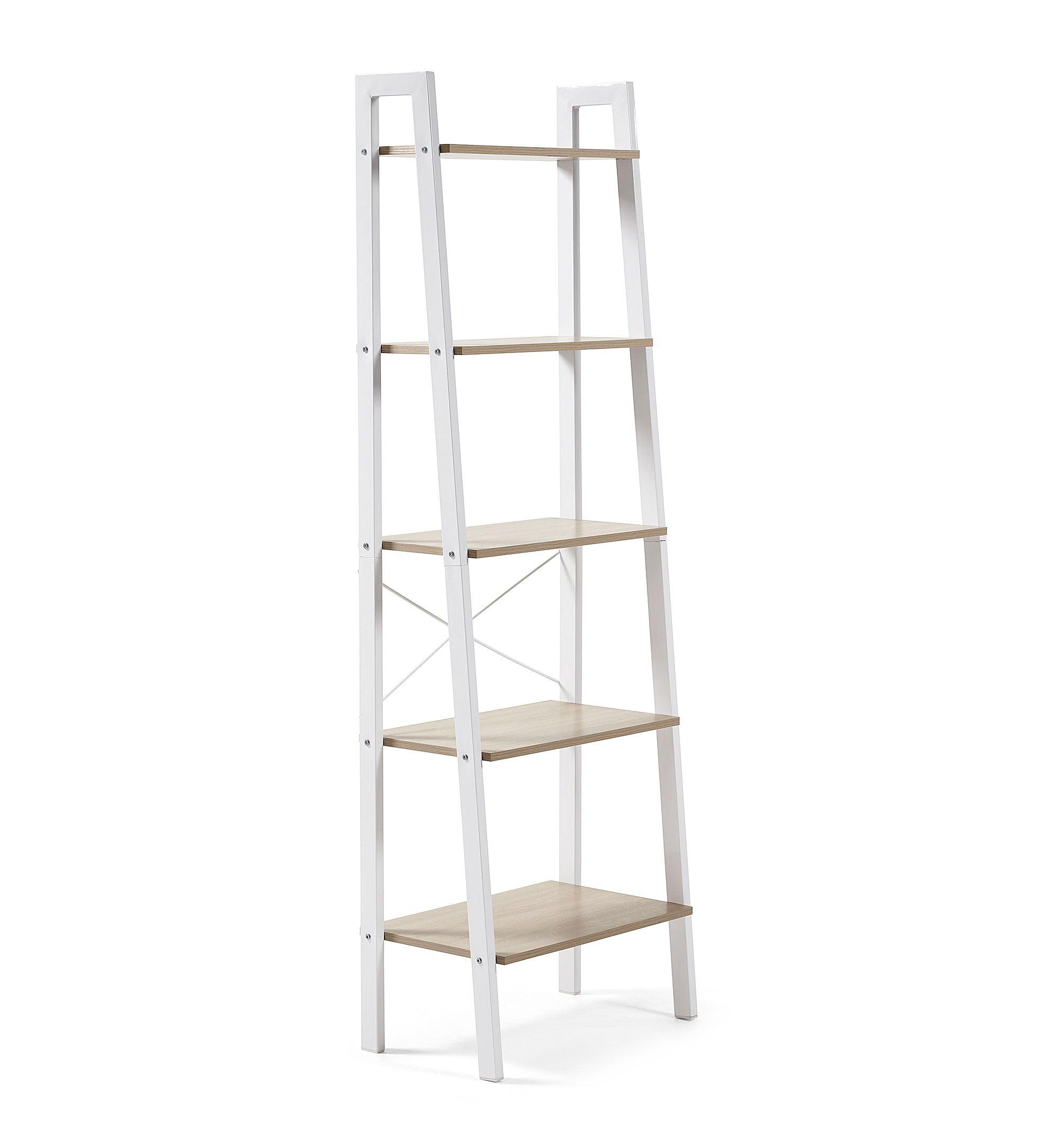
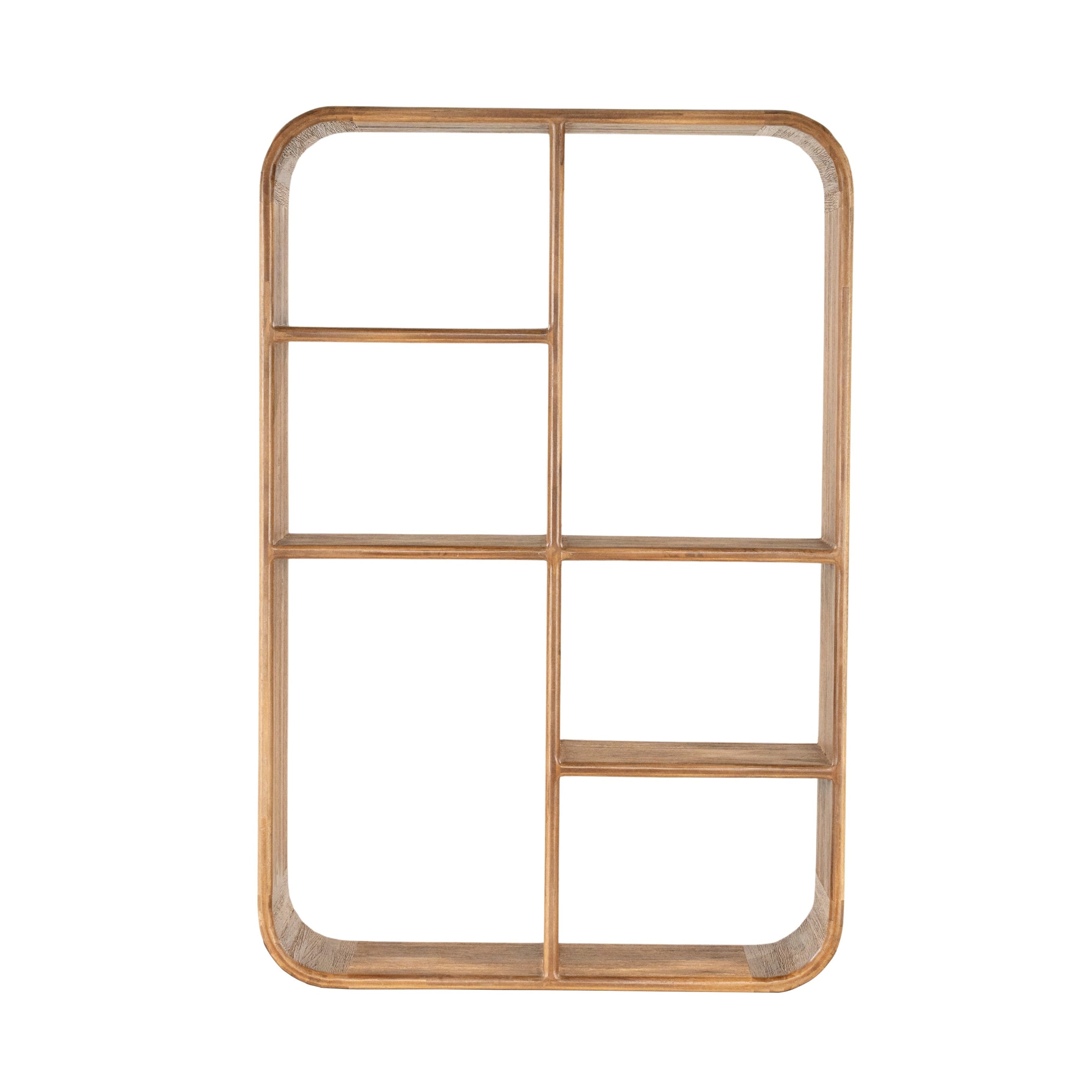
An open shelf is the lightest visually and the most affordable, but it requires discipline – everything on it is visible, including dust. A display cabinet protects the contents and allows you to showcase glass or ceramics. A cupboard with solid fronts hides clutter and visually calms the room.
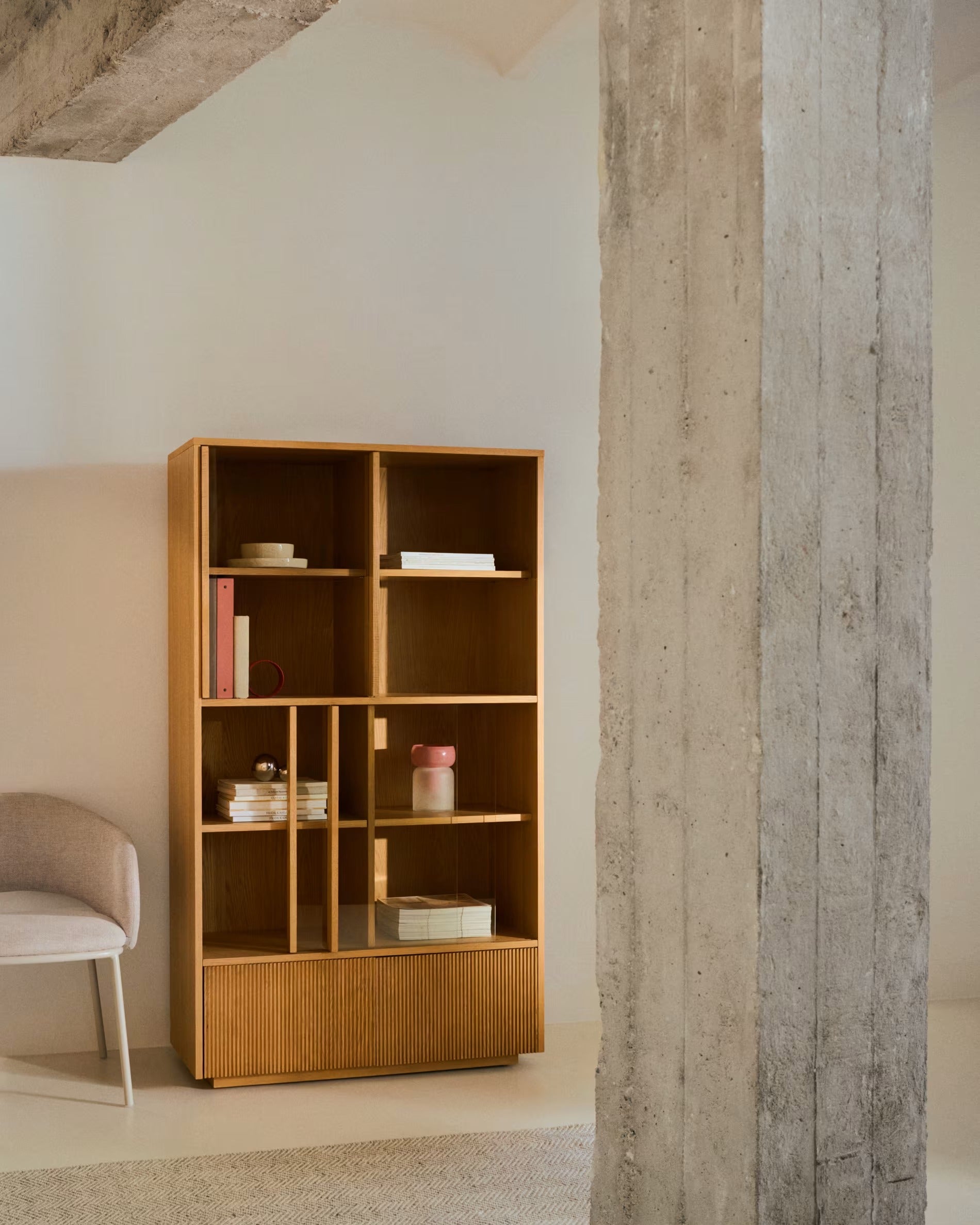
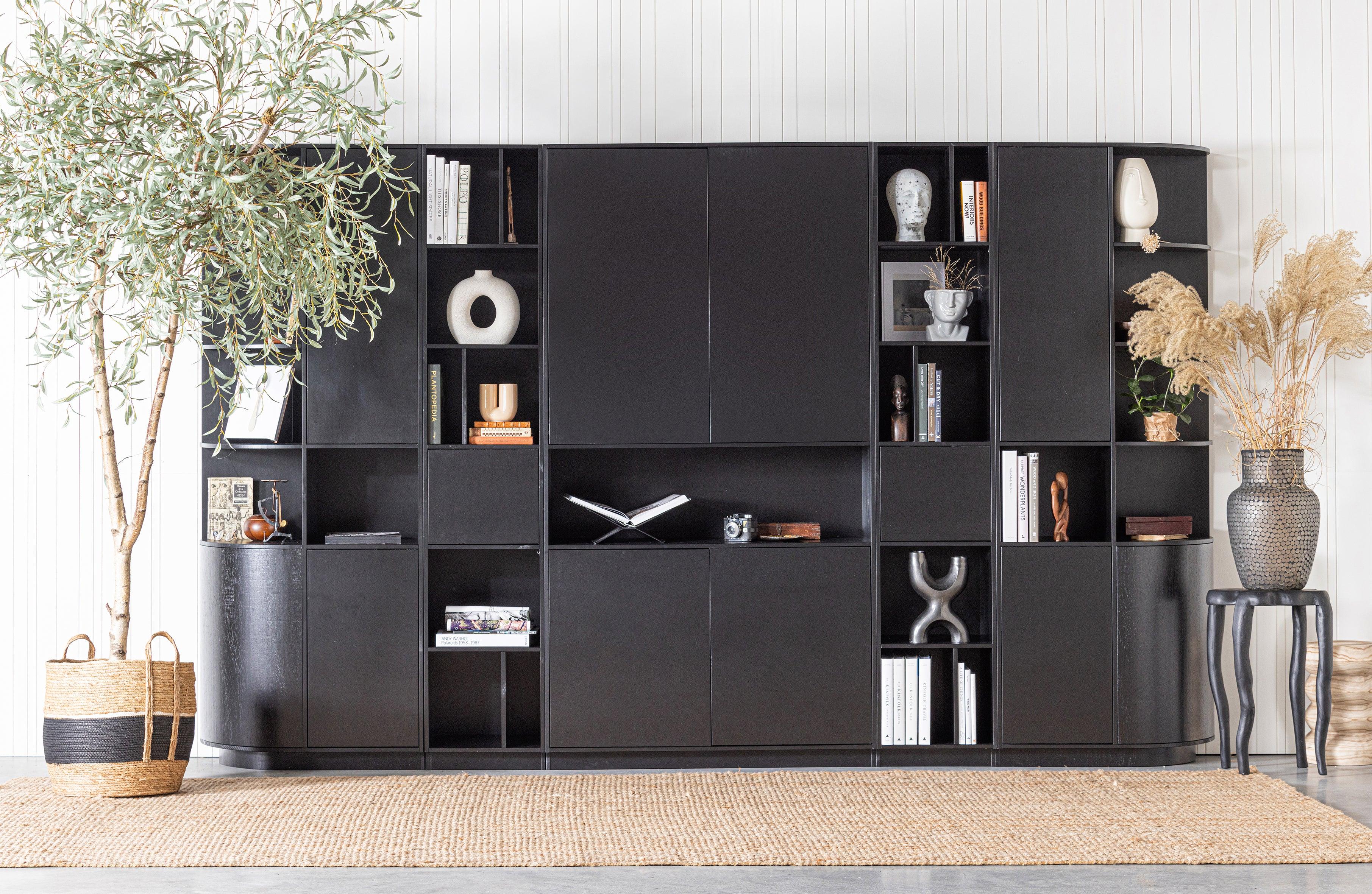
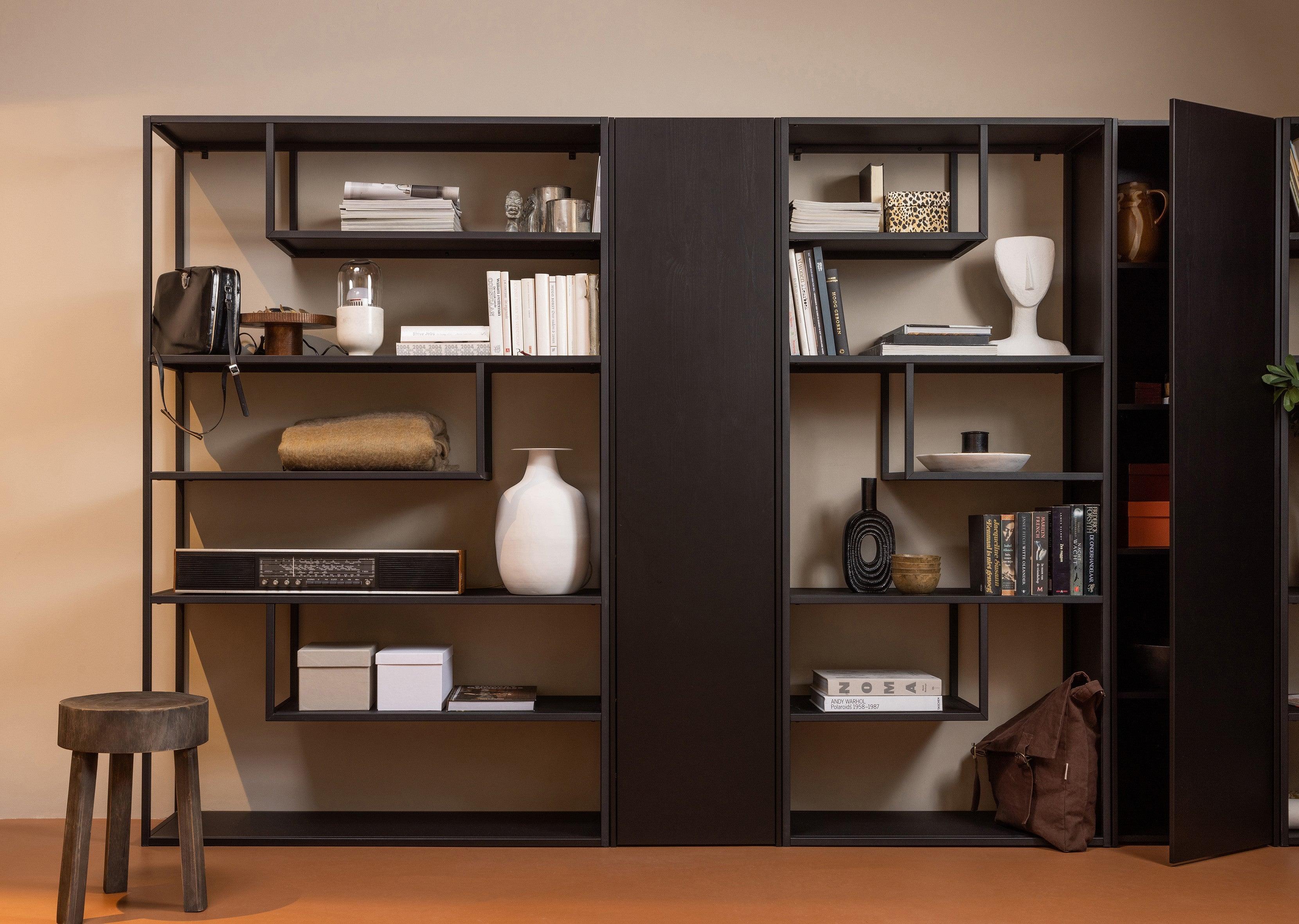
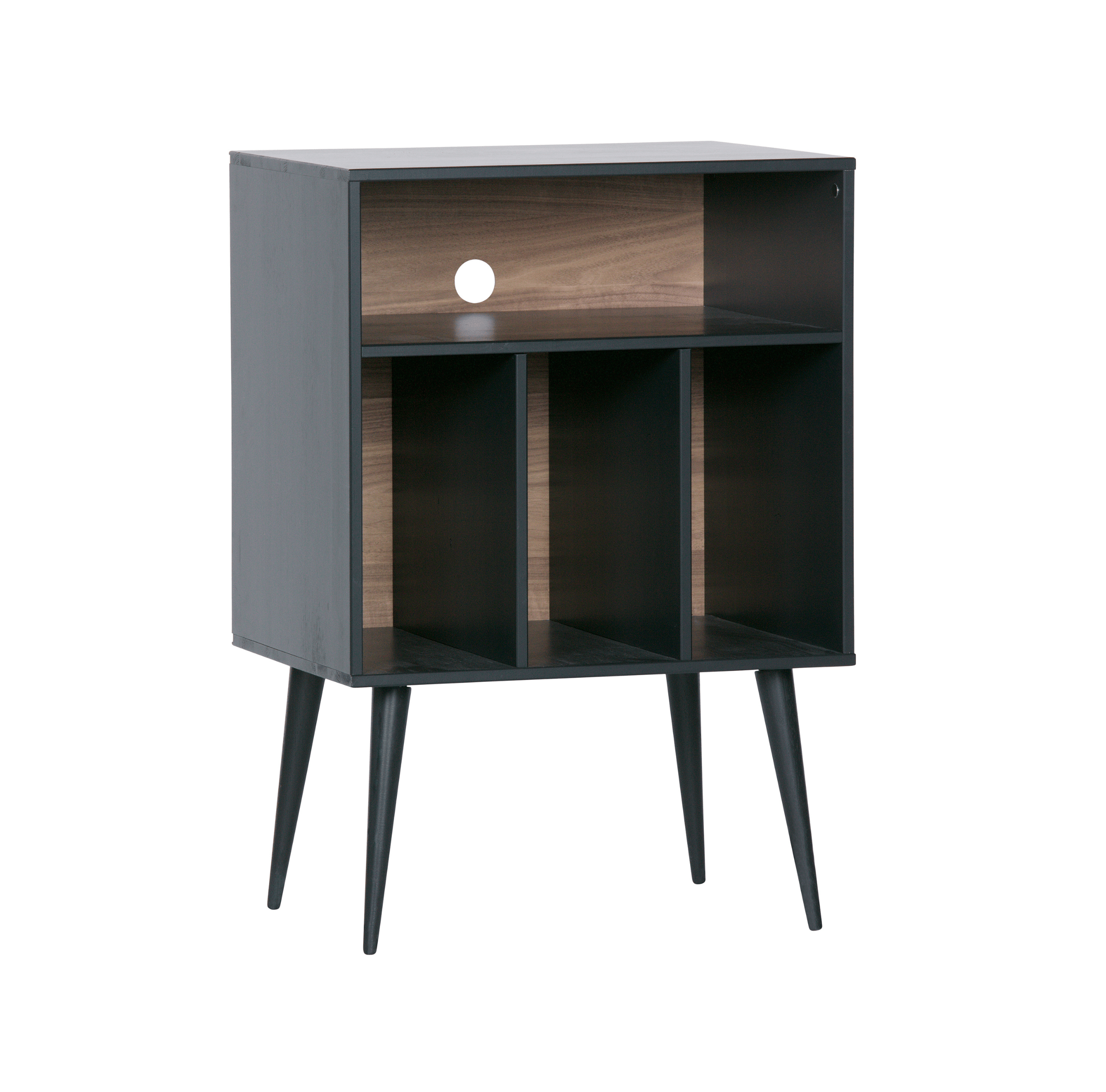
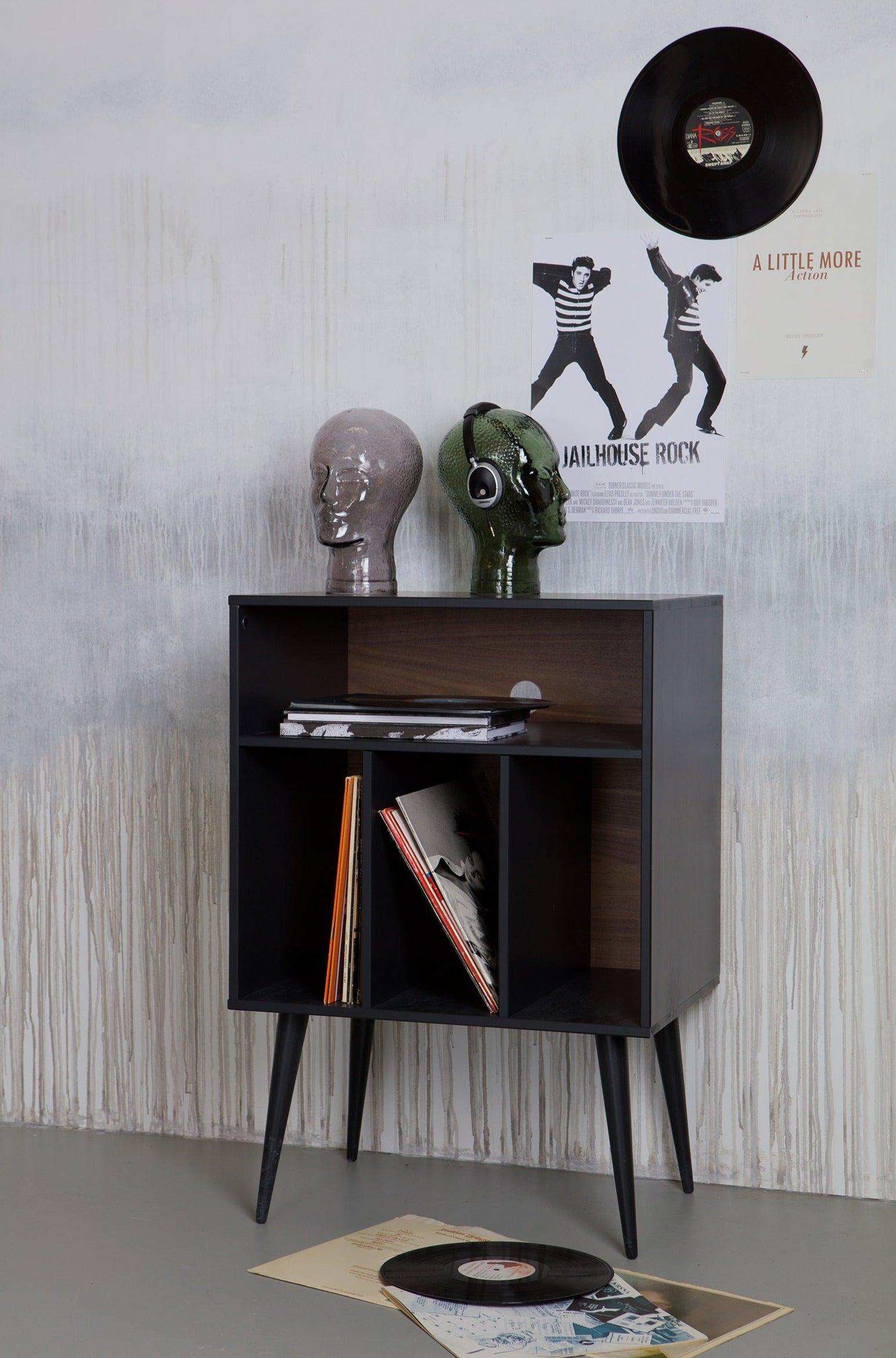
The best solution is a mixed approach: a closed lower section and an open upper section. This way, everyday items are tucked away, leaving only what you want to display on top.
Depth and Height
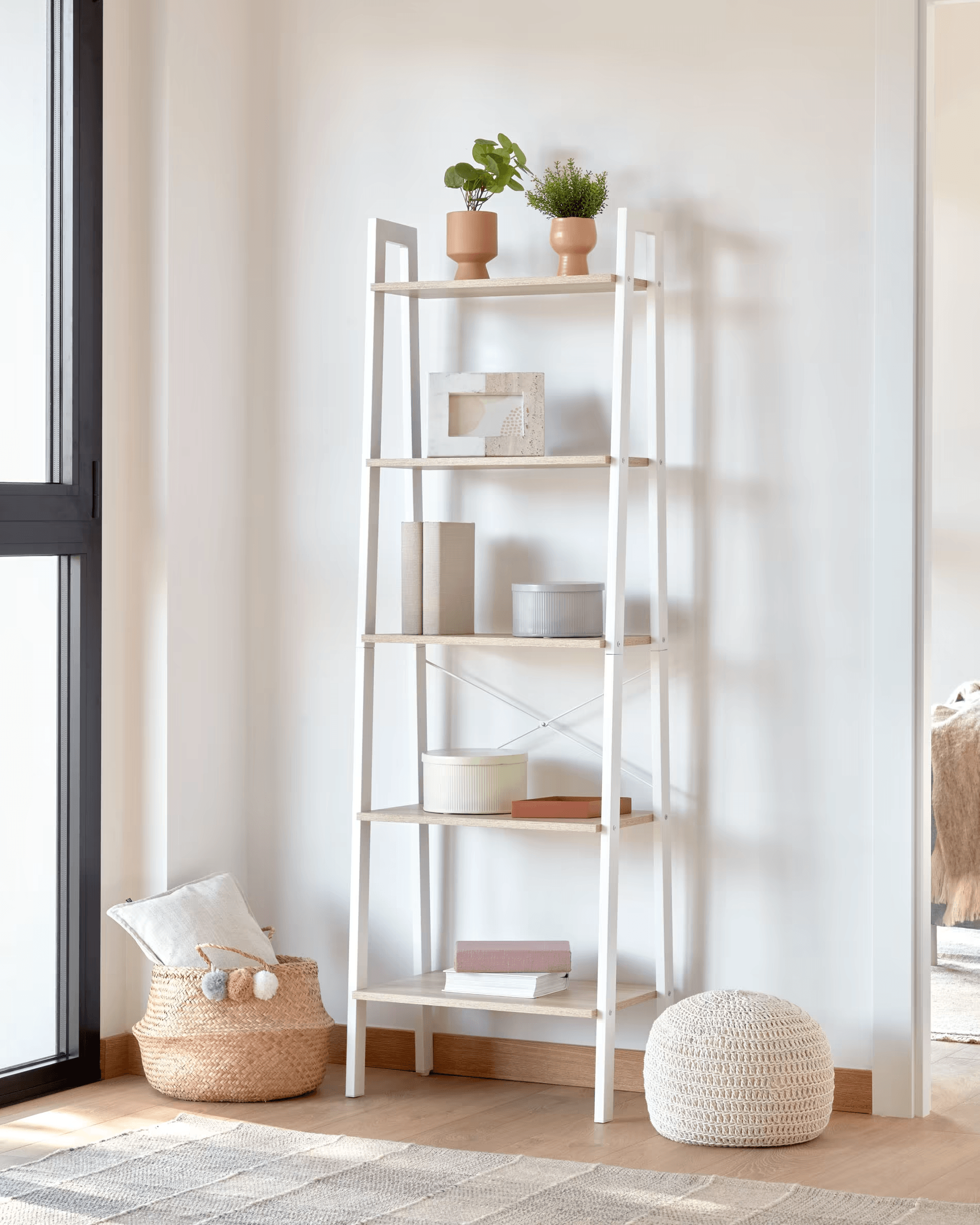
For books, a depth of 25–30 cm is sufficient – deeper shelves tempt you to stack items in two rows, causing the back row to disappear. A spacing of 30–35 cm between shelves accommodates most books placed vertically.
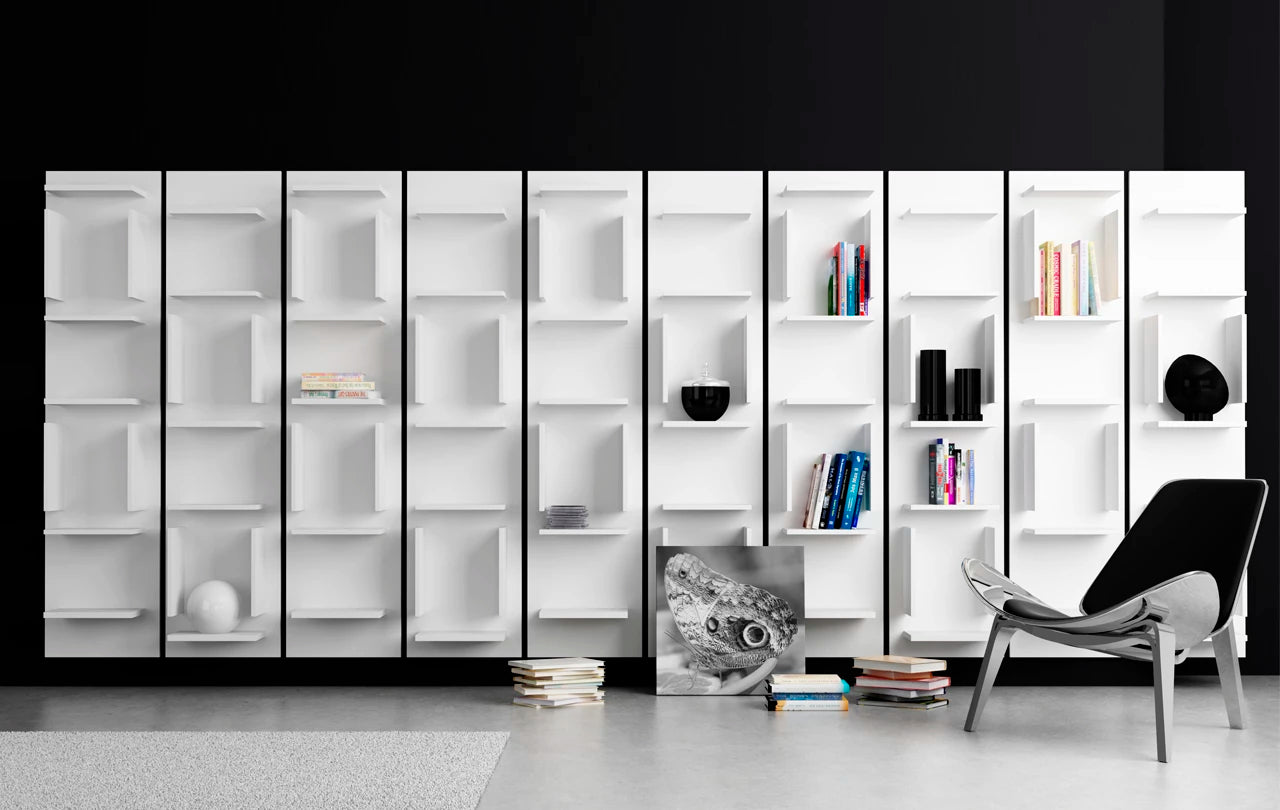
Tall shelves reaching the ceiling visually elevate the room, but they must be secured to the wall – this is a safety issue, especially in homes with children.
Where to Place Them
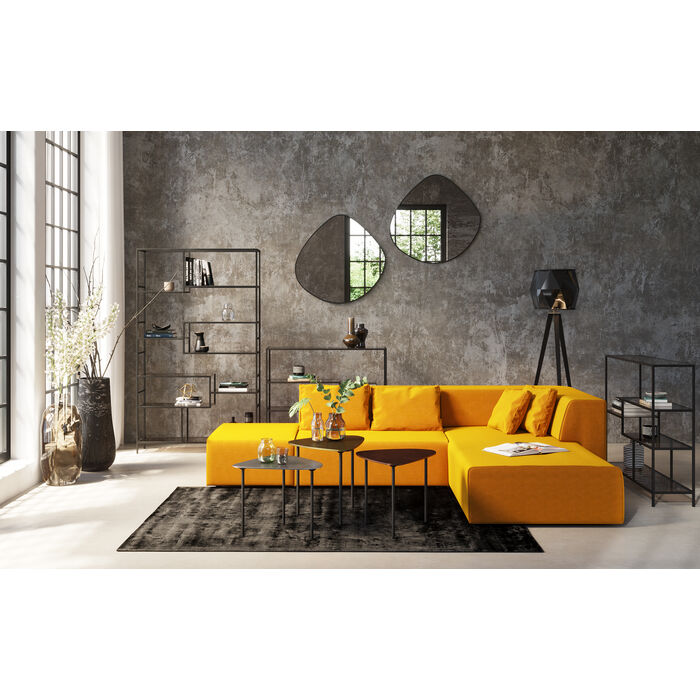
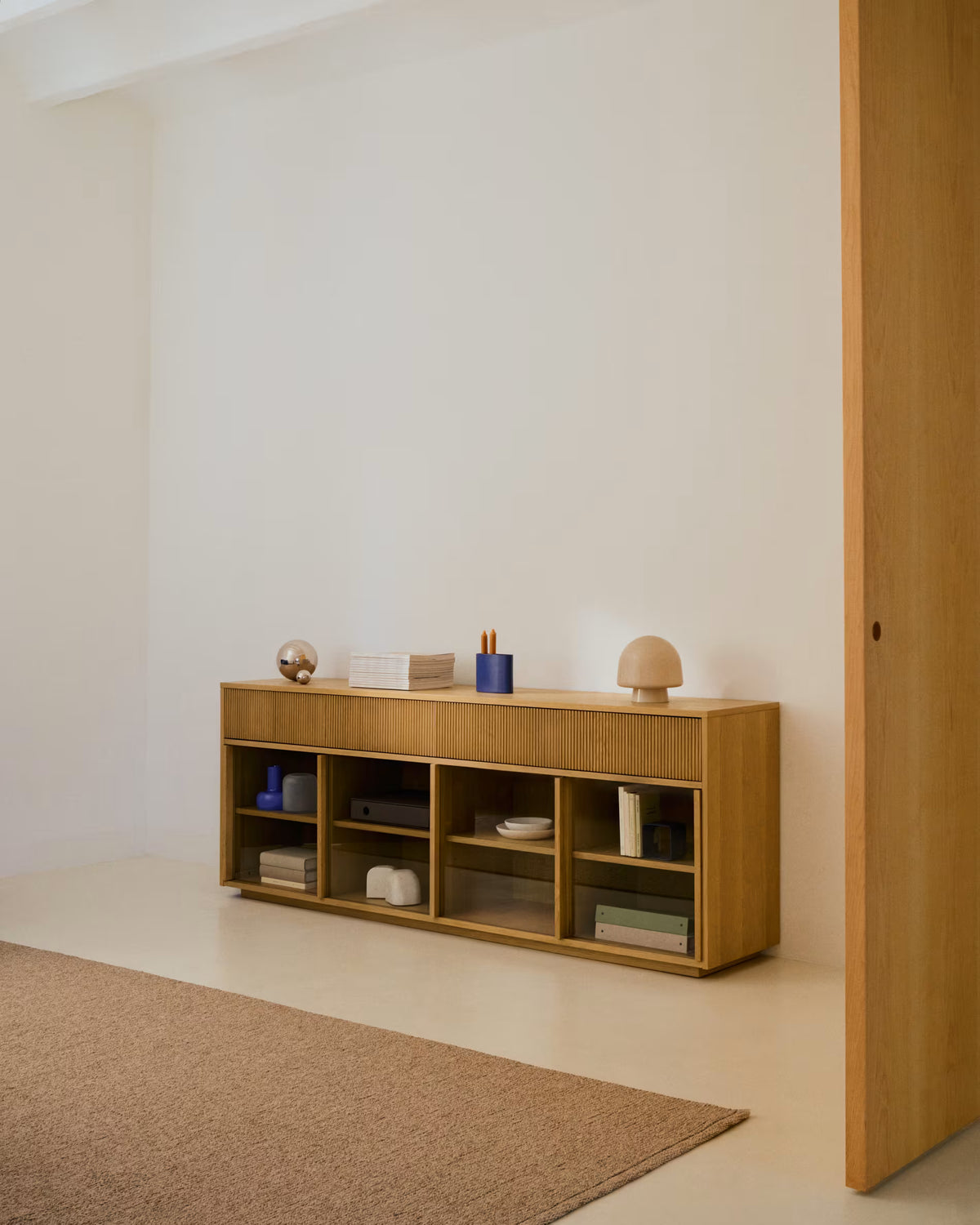
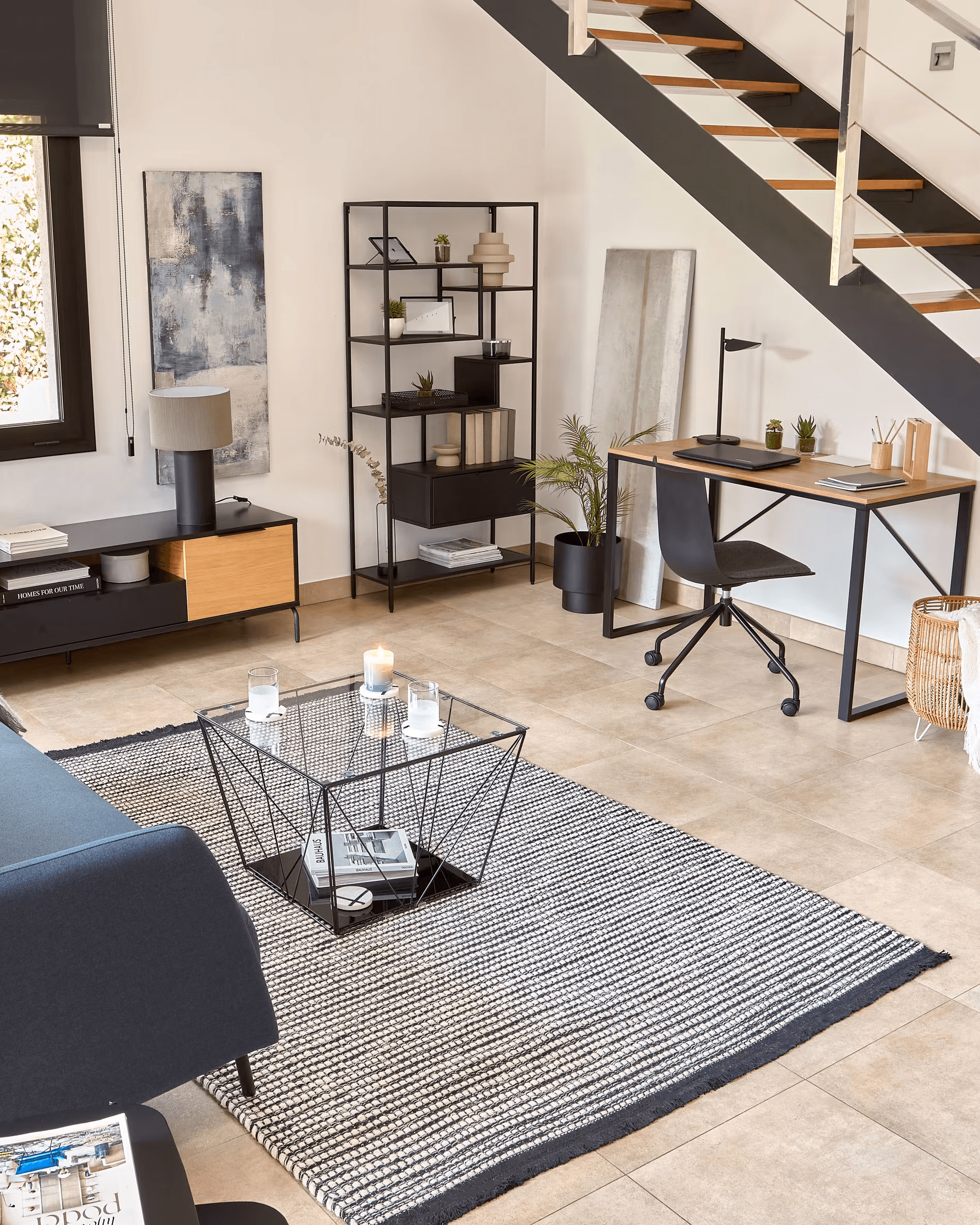
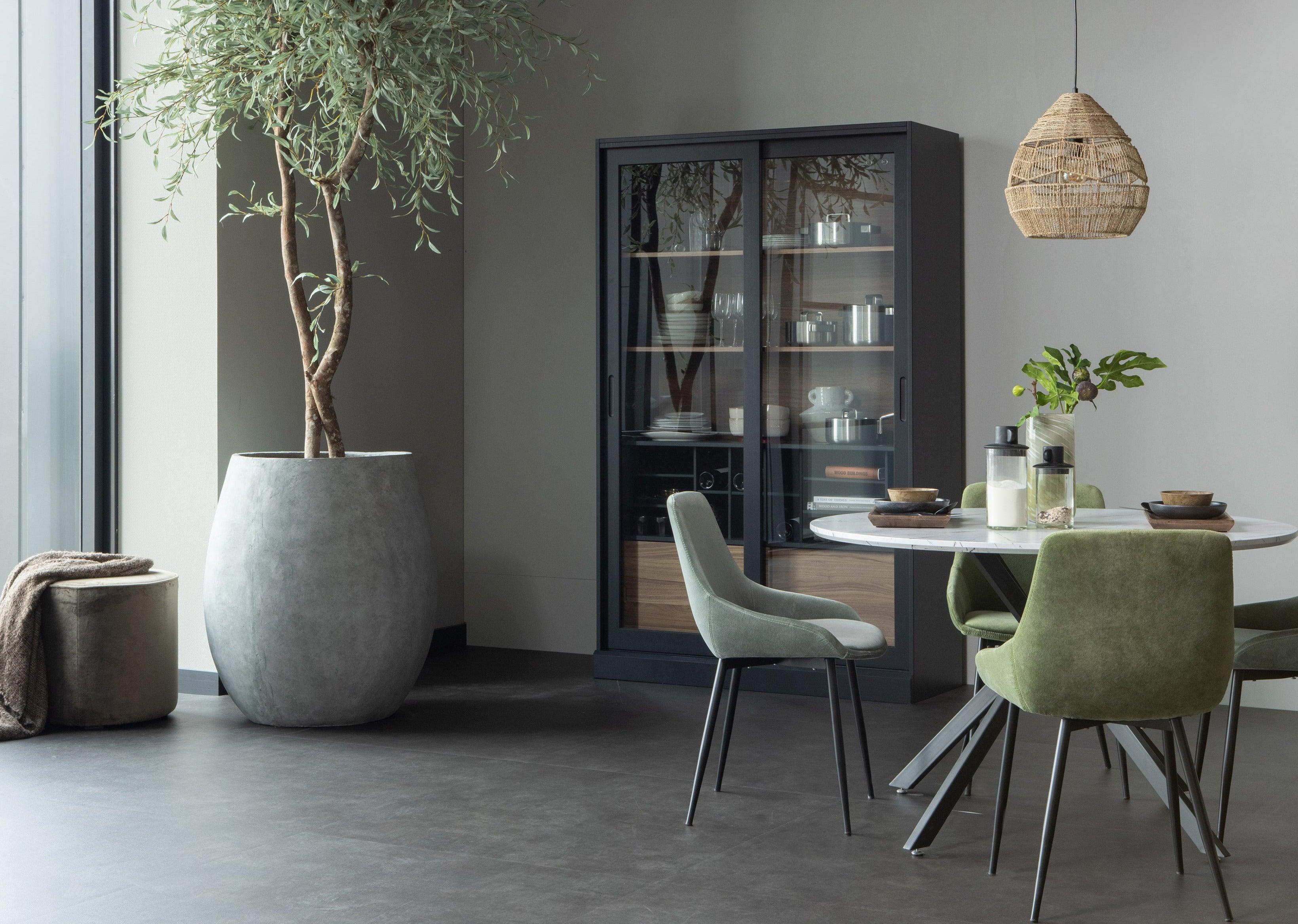
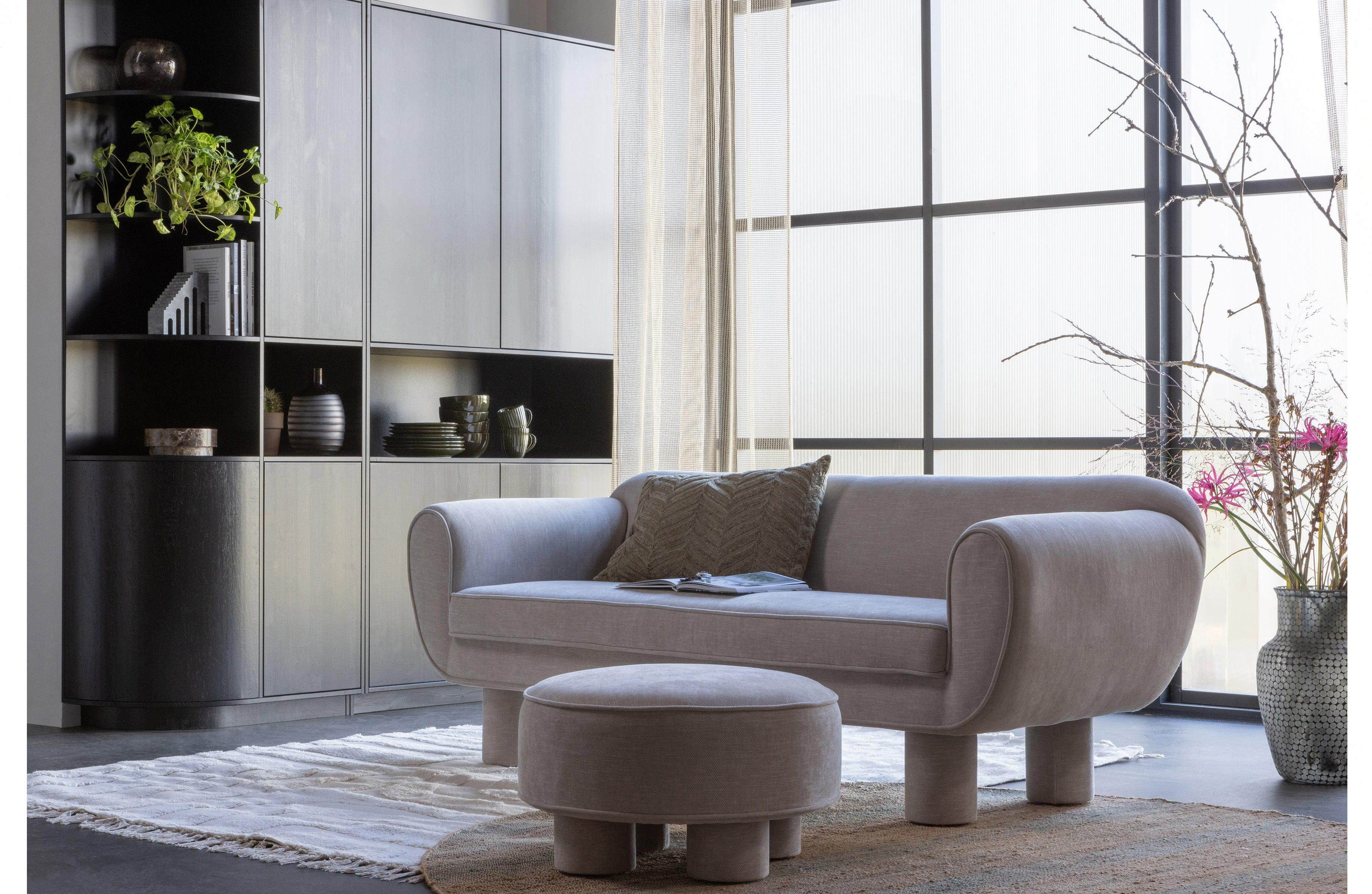
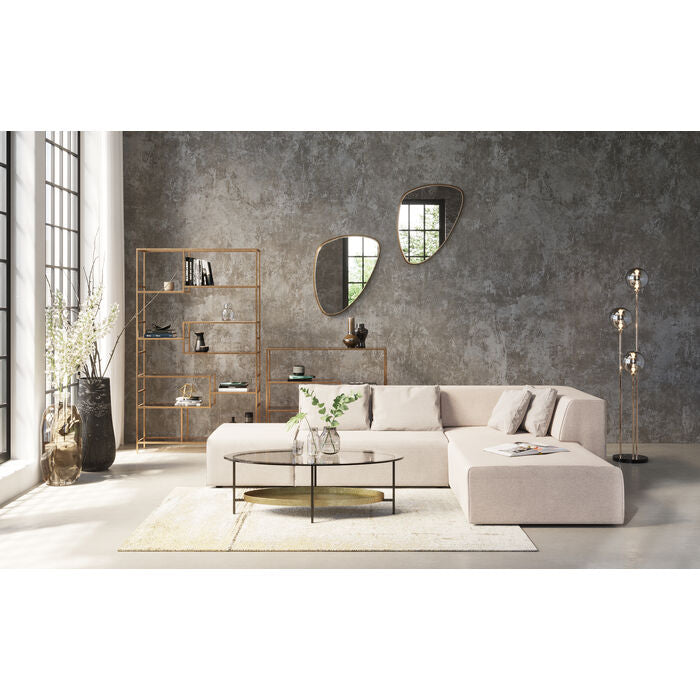
In the living room, shelves often sit alongside a TV cabinet – it’s worth matching both pieces in finish to create a cohesive look on the wall. In the dining room, a display cabinet showcases glasses and tableware, while in the office, a shelf organizes documents.
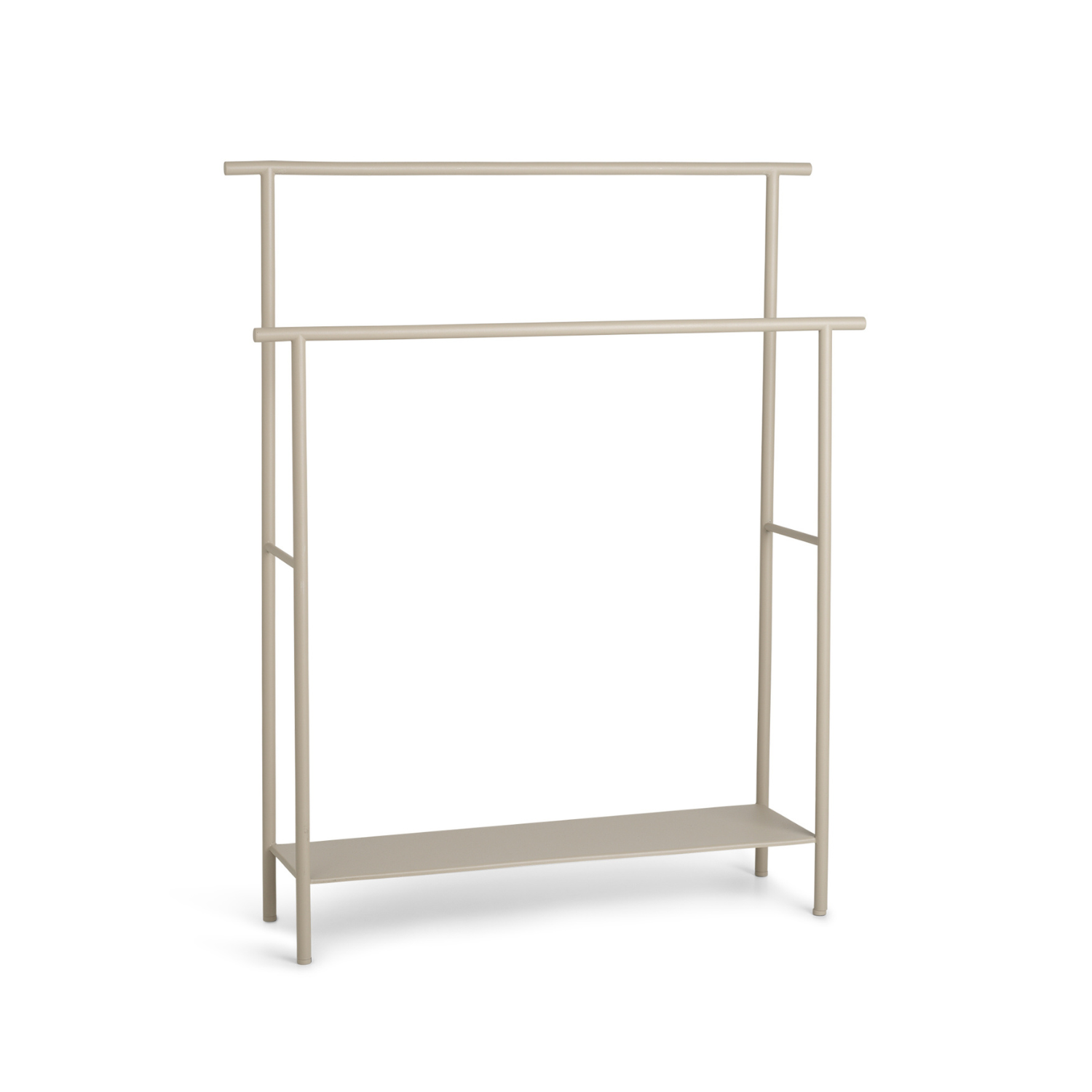
Complementing pieces include dressers for folded items, wall shelves where floor space is limited, and containers to tidy up shelf interiors. Larger furniture can be found among wardrobes.
How to Arrange Items on Shelves
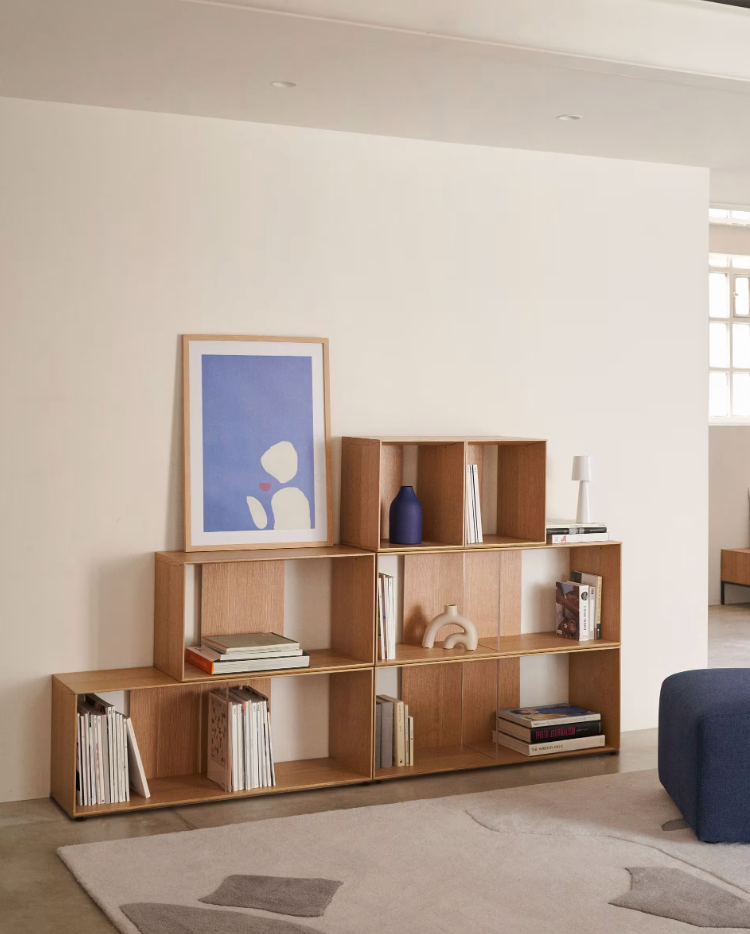
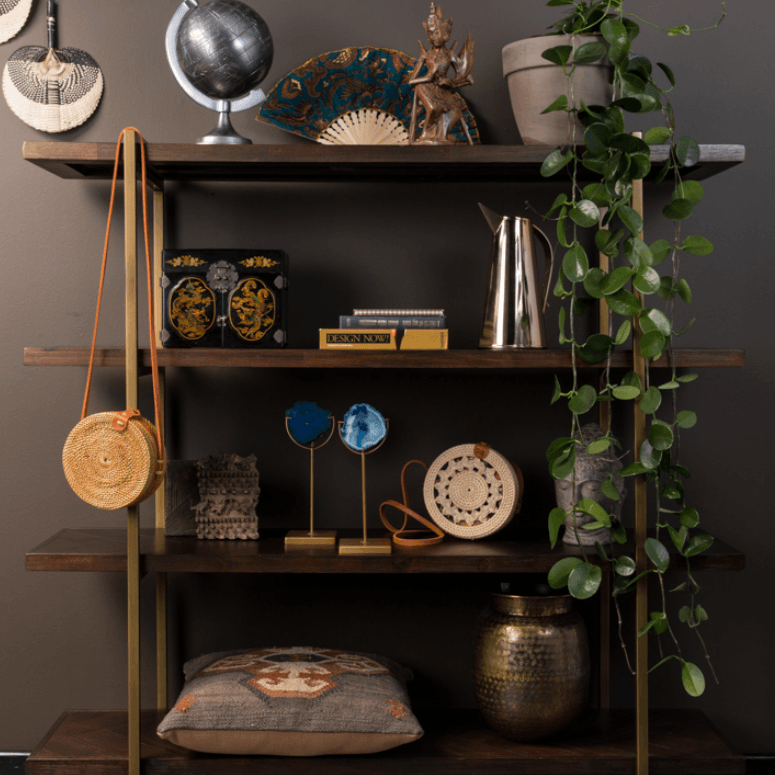
The best arrangements are mixed: some books vertically, some stacked horizontally, with a small decoration on top – a vase or a decorative object. It’s advisable to leave 20–30% of the surface empty.
Shelves and Cupboards – Frequently Asked Questions
What depth should a bookshelf have?
25–30 cm. Deeper shelves encourage stacking books in two rows.
What spacing should there be between shelves?
30–35 cm accommodates most books. For albums and binders, 35–40 cm is needed.
Should a shelf be secured to the wall?
Any tall and narrow furniture should be secured to the wall – this is a basic safety measure against tipping.
Free delivery on orders over 1000 PLN, showroom in Warsaw.