Living Room Lamps and Lighting for the Whole Home
Well-planned lighting transforms a space more than swapping out furniture. The same room can feel flat with just one overhead light, but with multiple sources, it becomes cozy and inviting. At Eye on Design, you'll find over ten thousand designer lamps from premium brands.
Layered Lighting – The Fundamental Principle
Professional designs rely on three layers of light. General lighting illuminates the entire room – typically a ceiling lamp or flush mount. Task lighting is for specific activities: reading, cooking, working. Ambient lighting creates a mood in the evening and highlights selected areas.
In practice, in a living room over 20 m², it's advisable to have at least three independently controlled light sources. This way, you can enjoy the evening without turning on the overhead light.
Types of Lamps
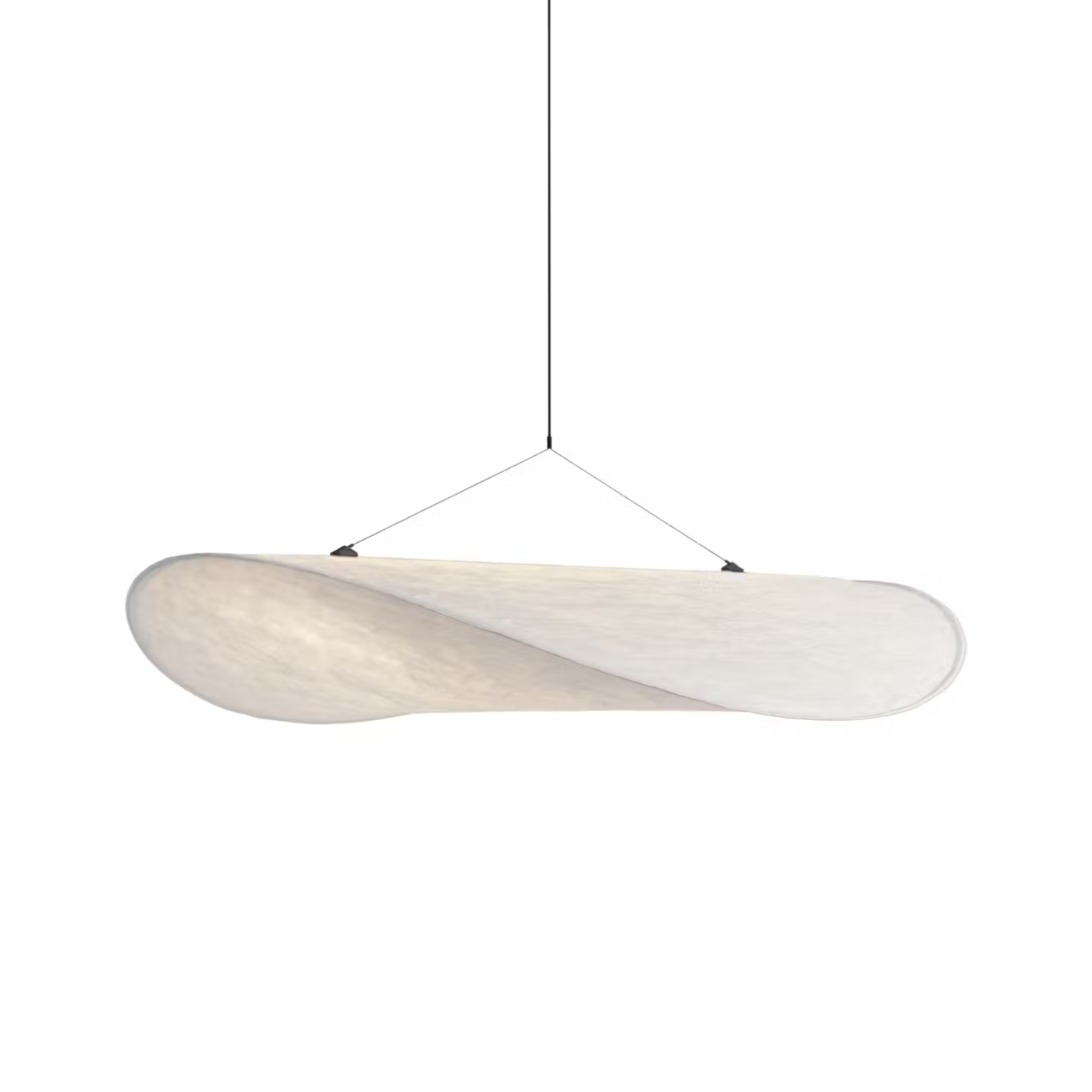
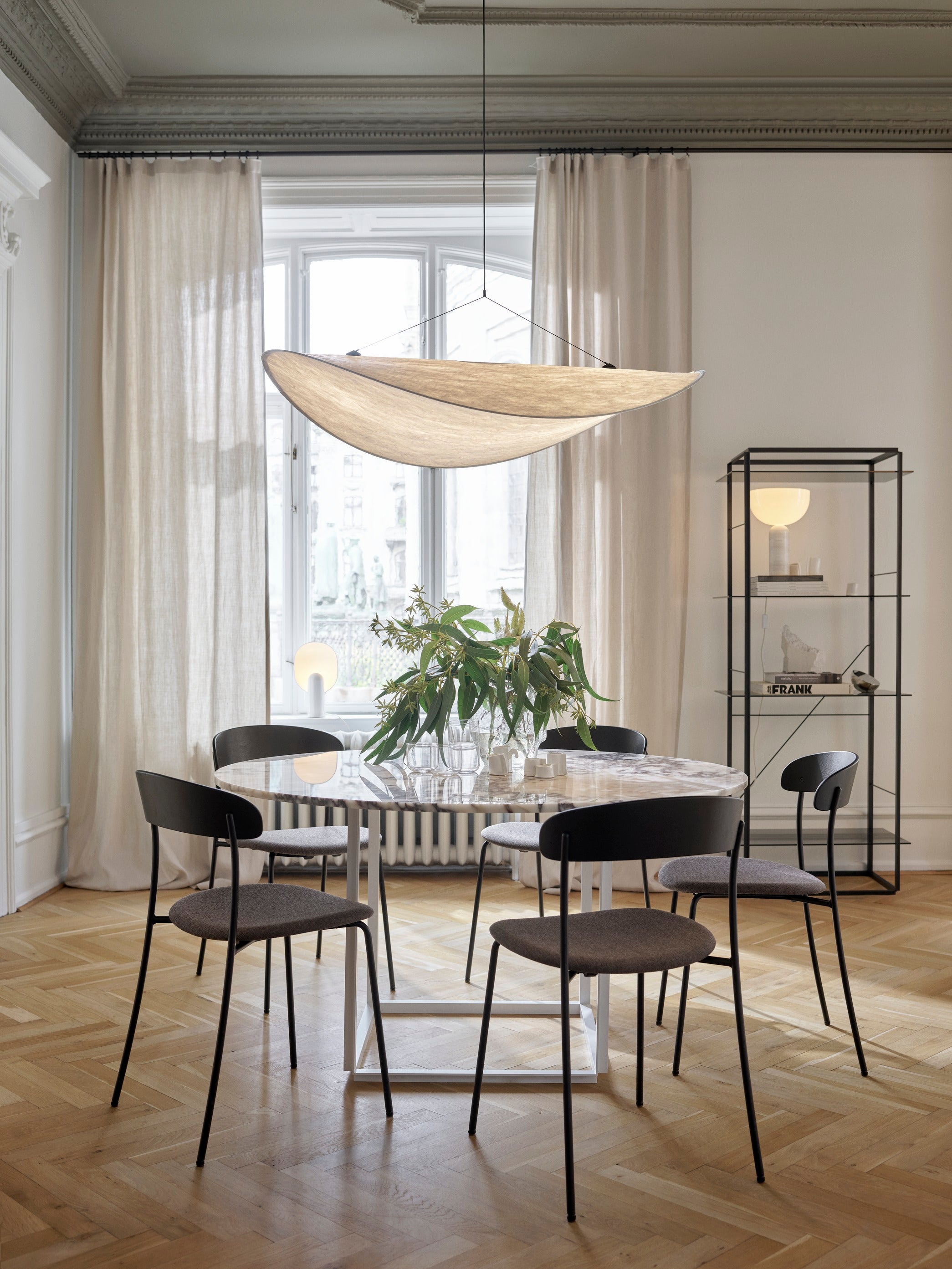
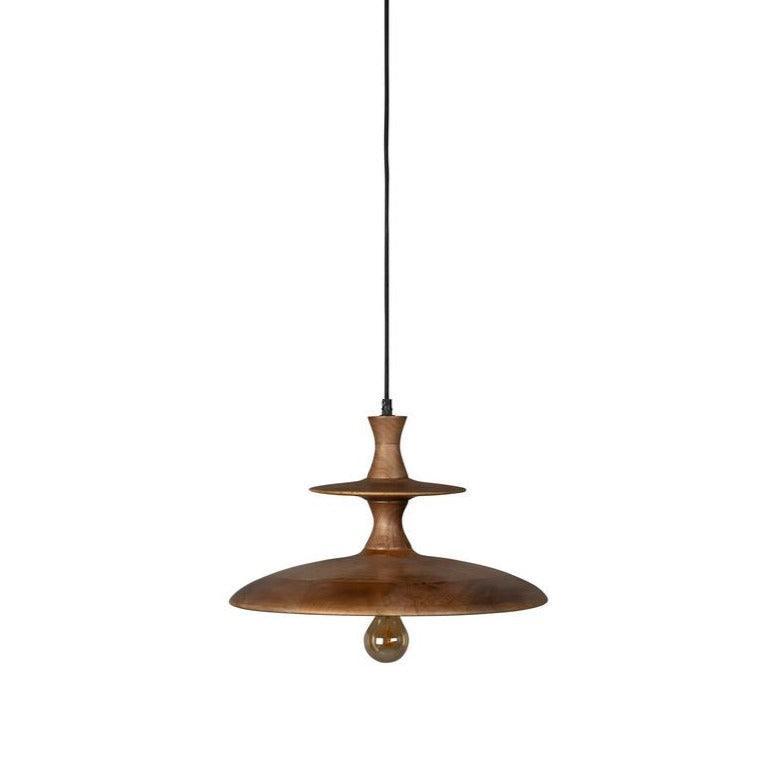
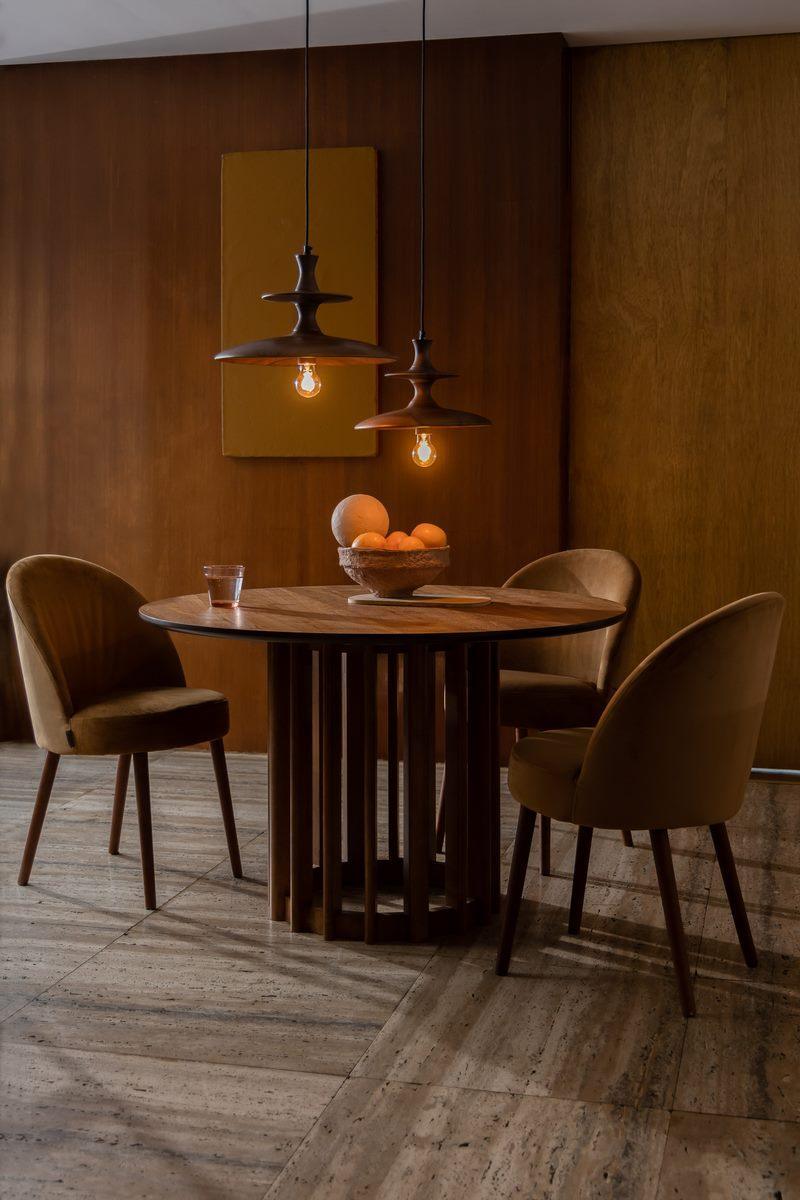
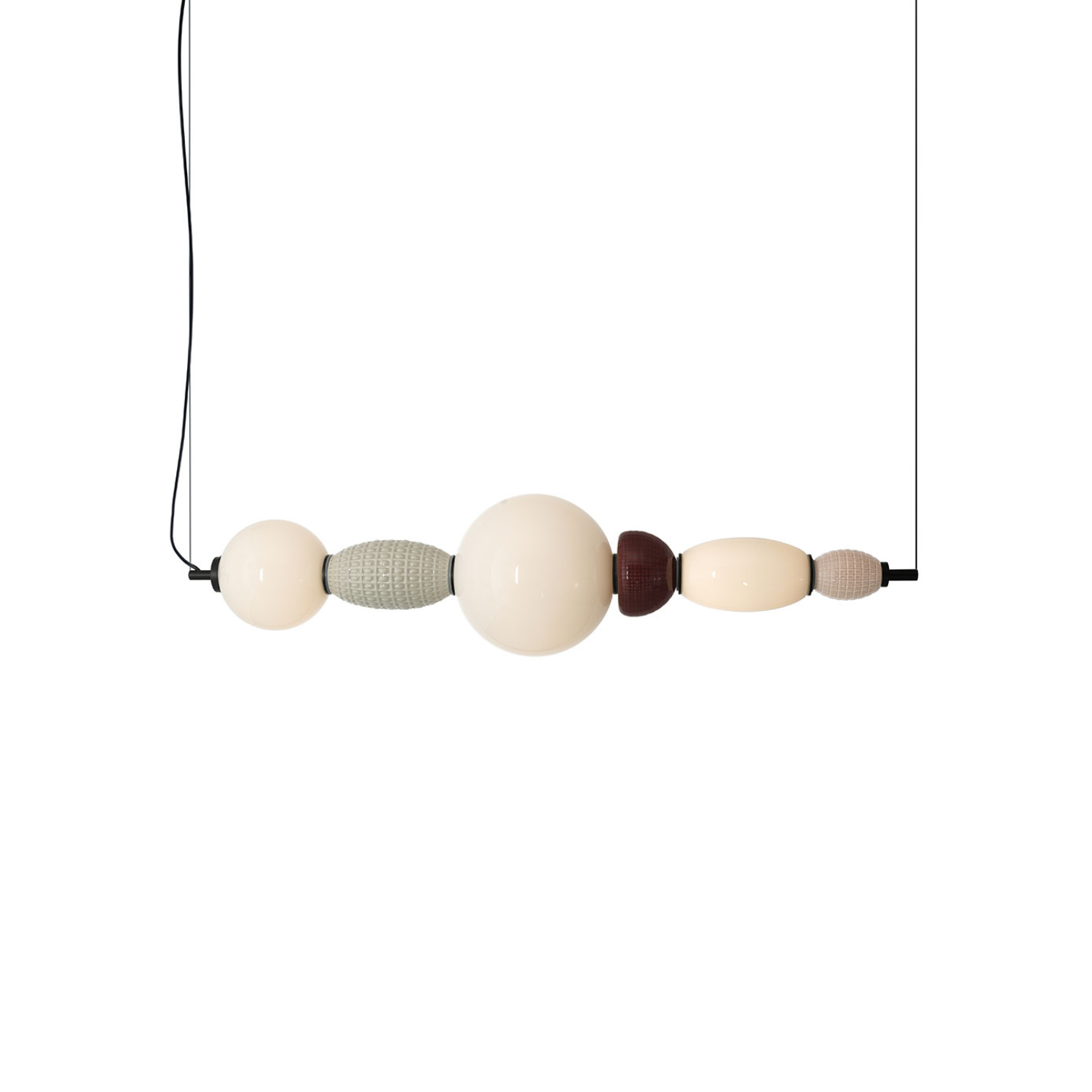
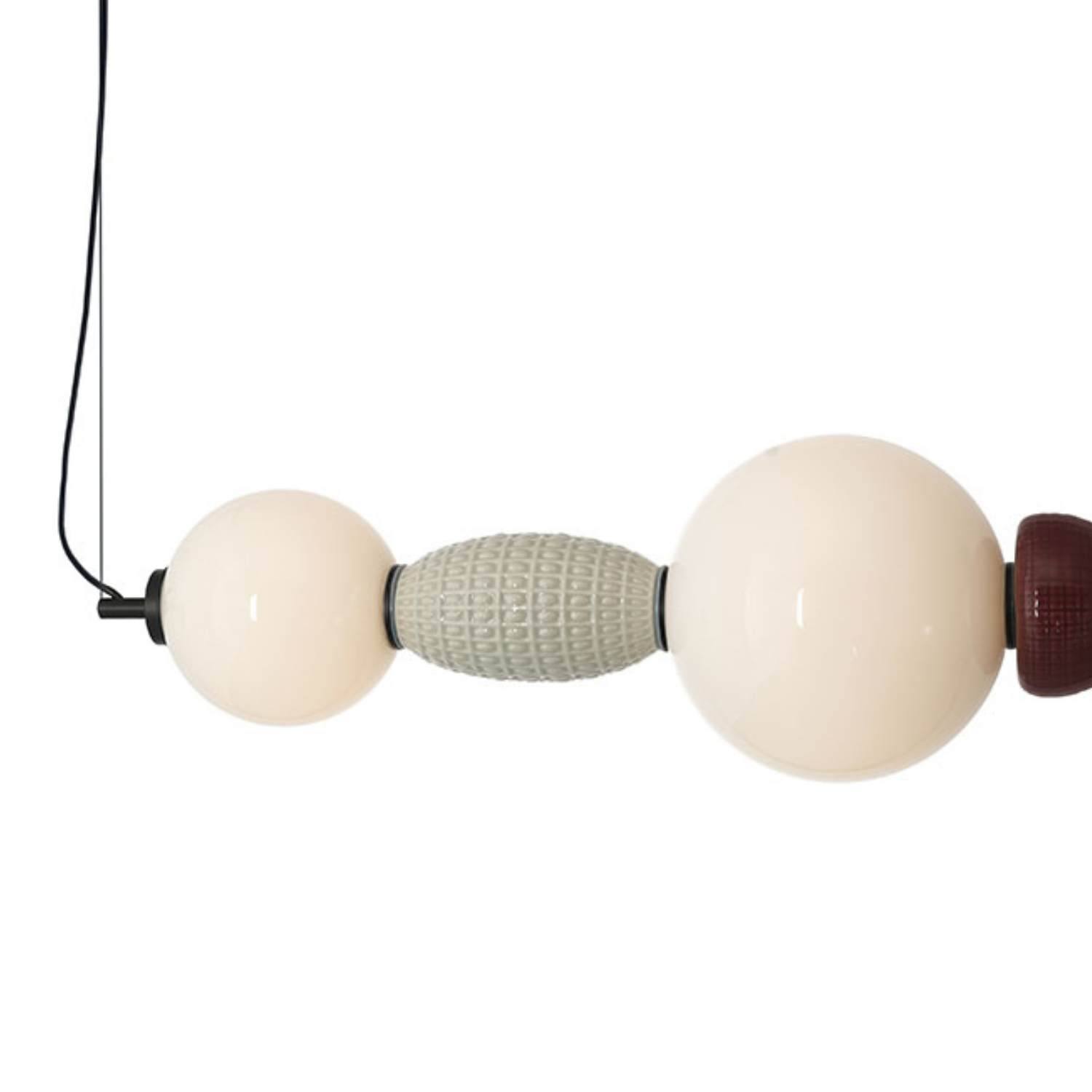
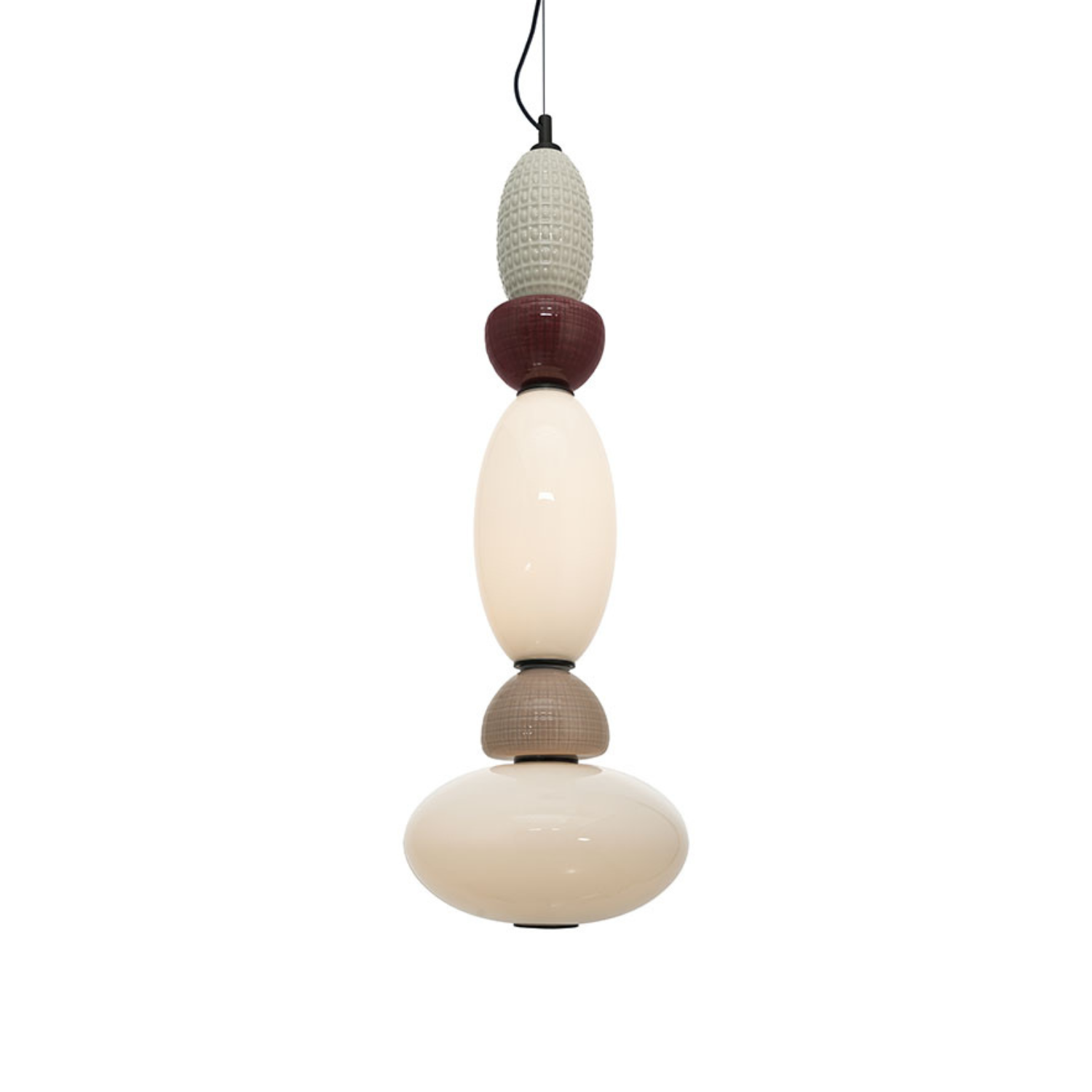
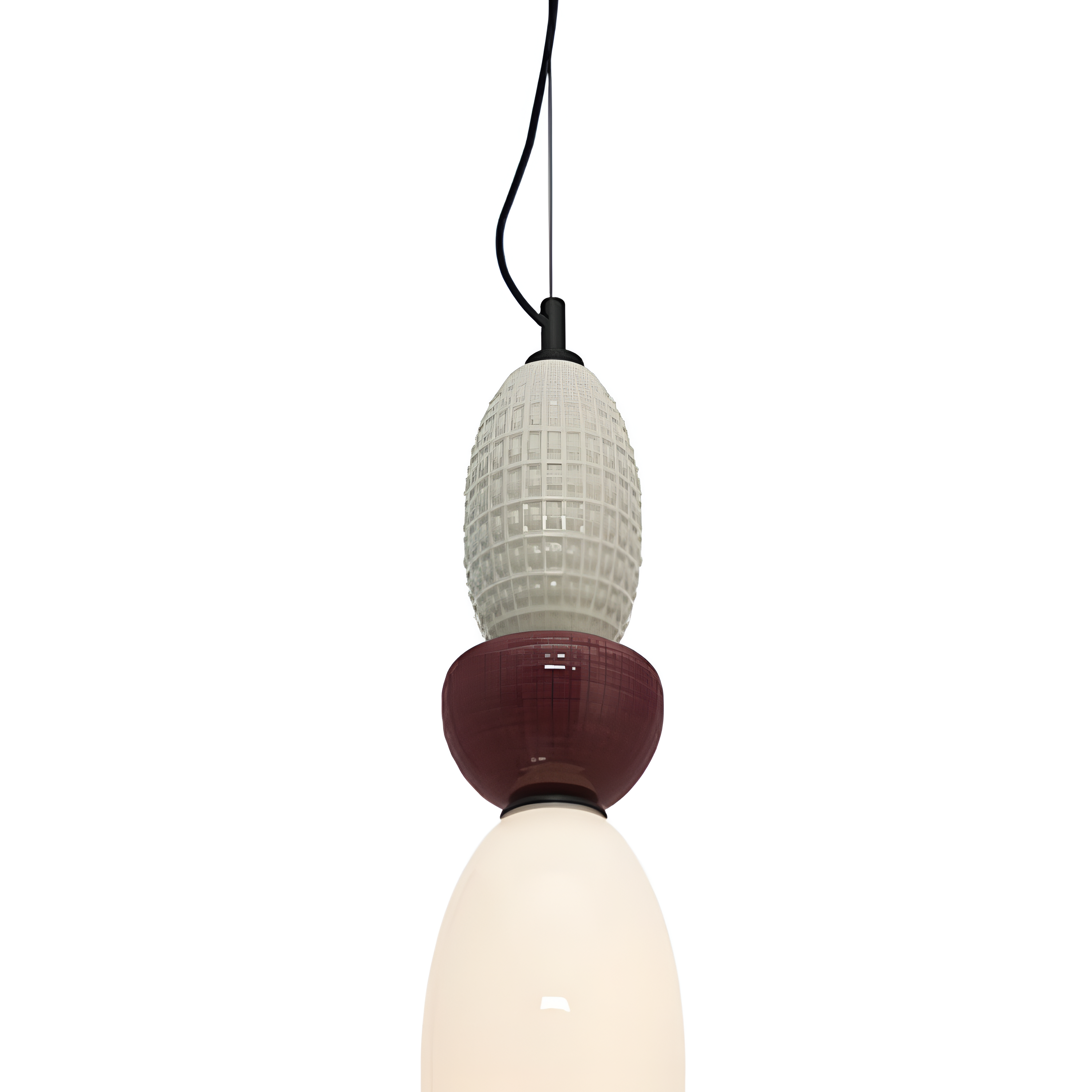
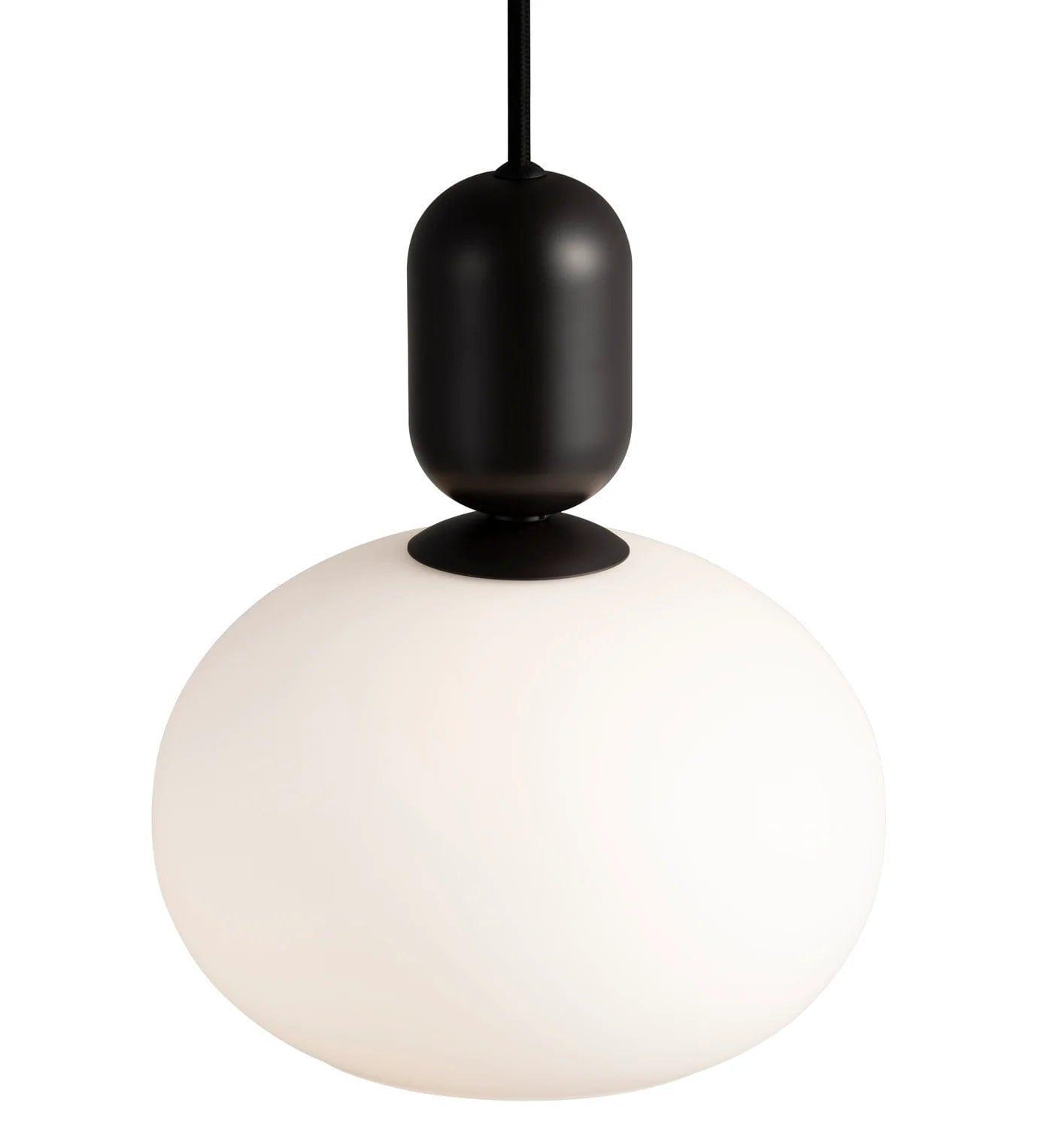
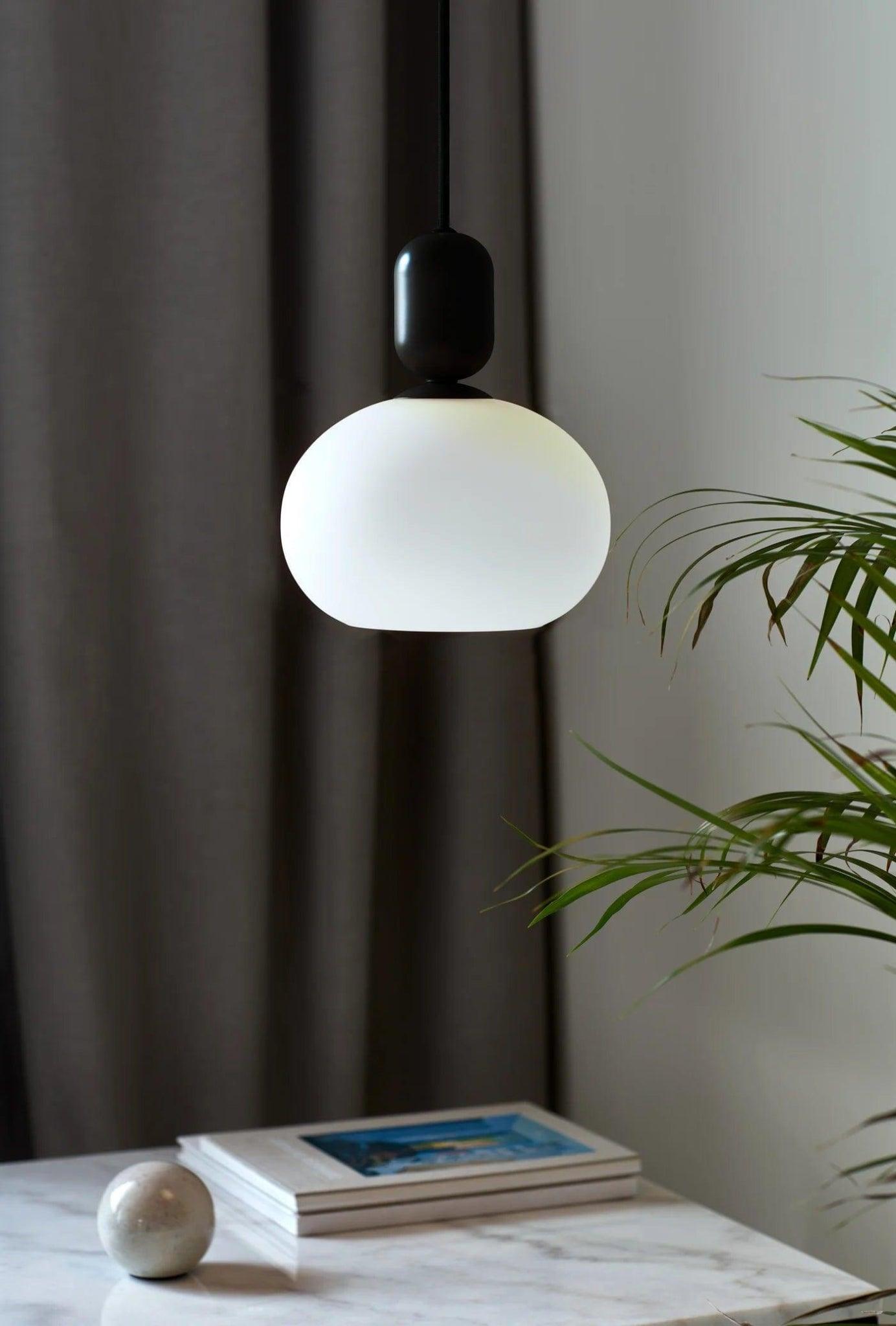
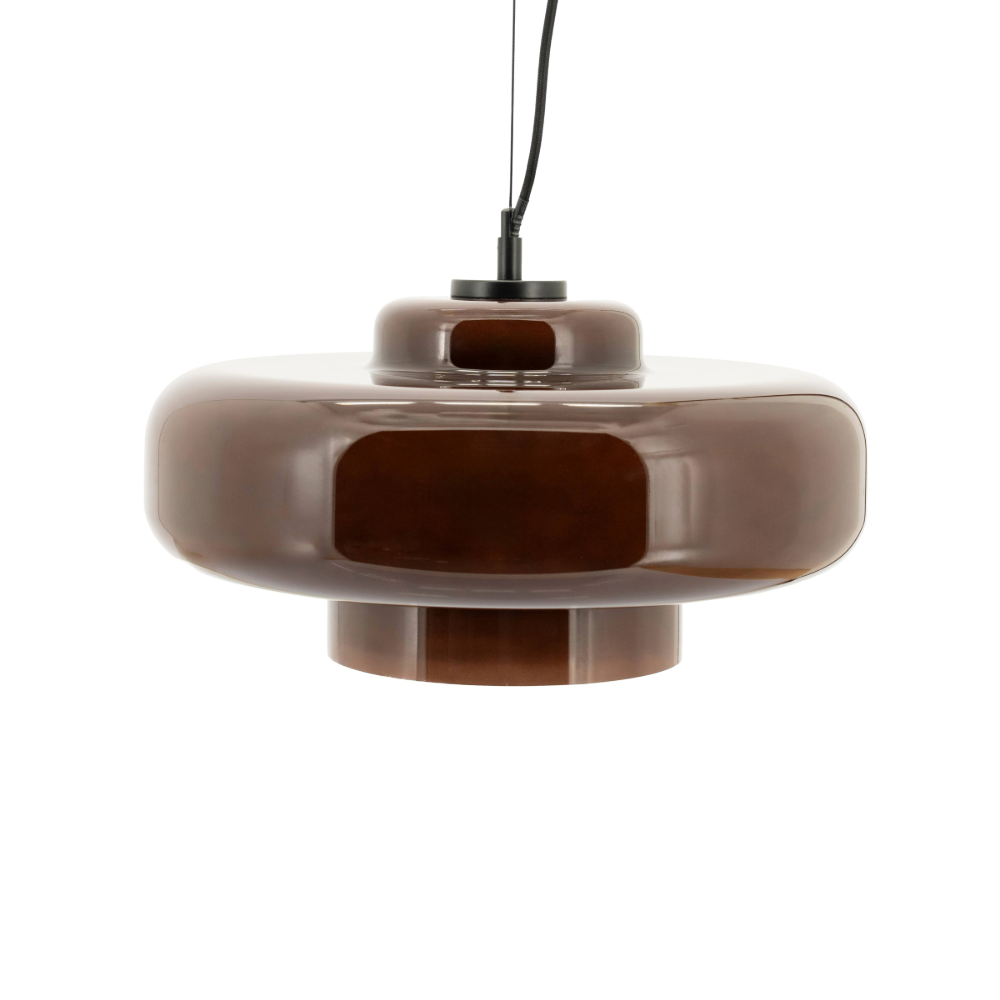
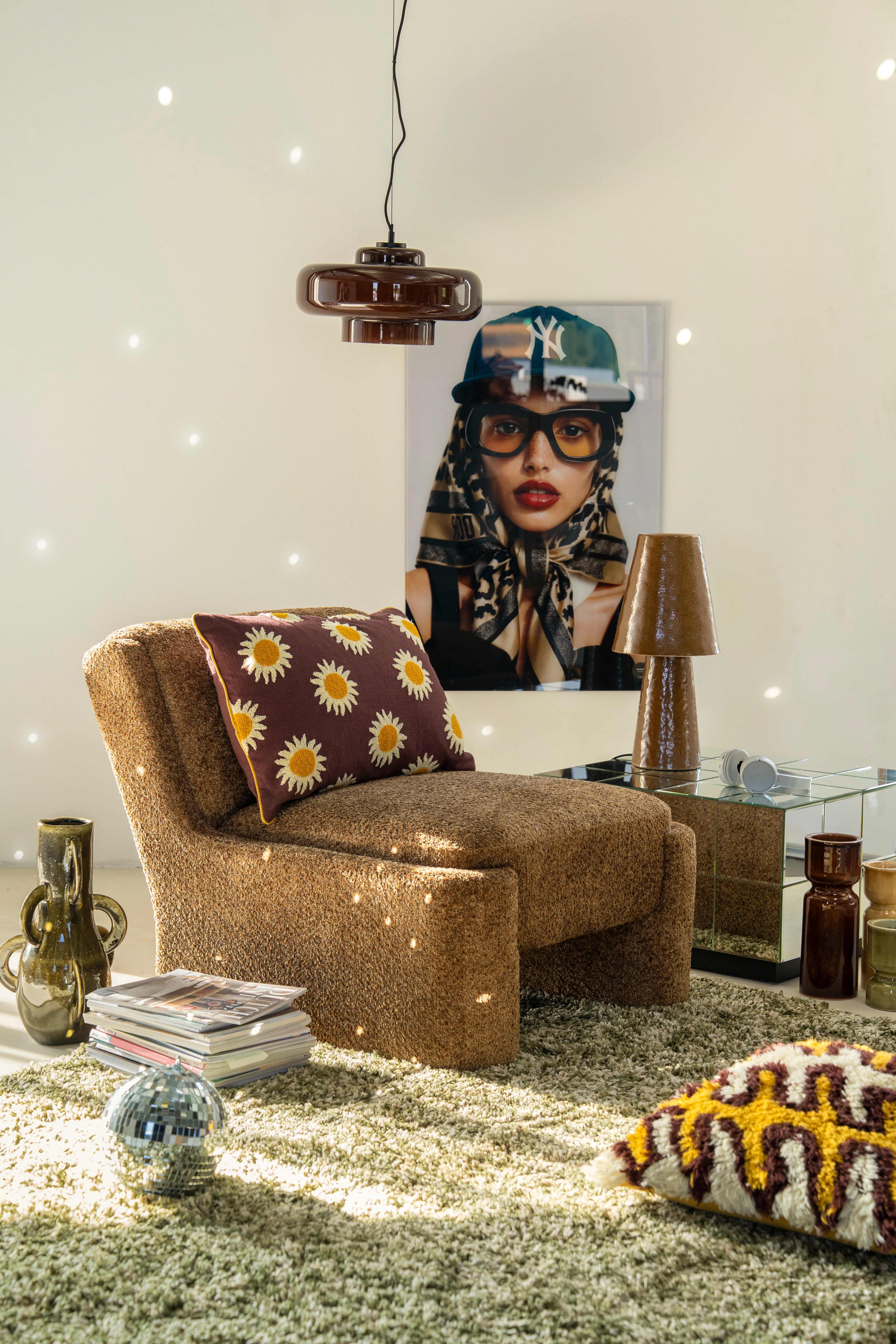
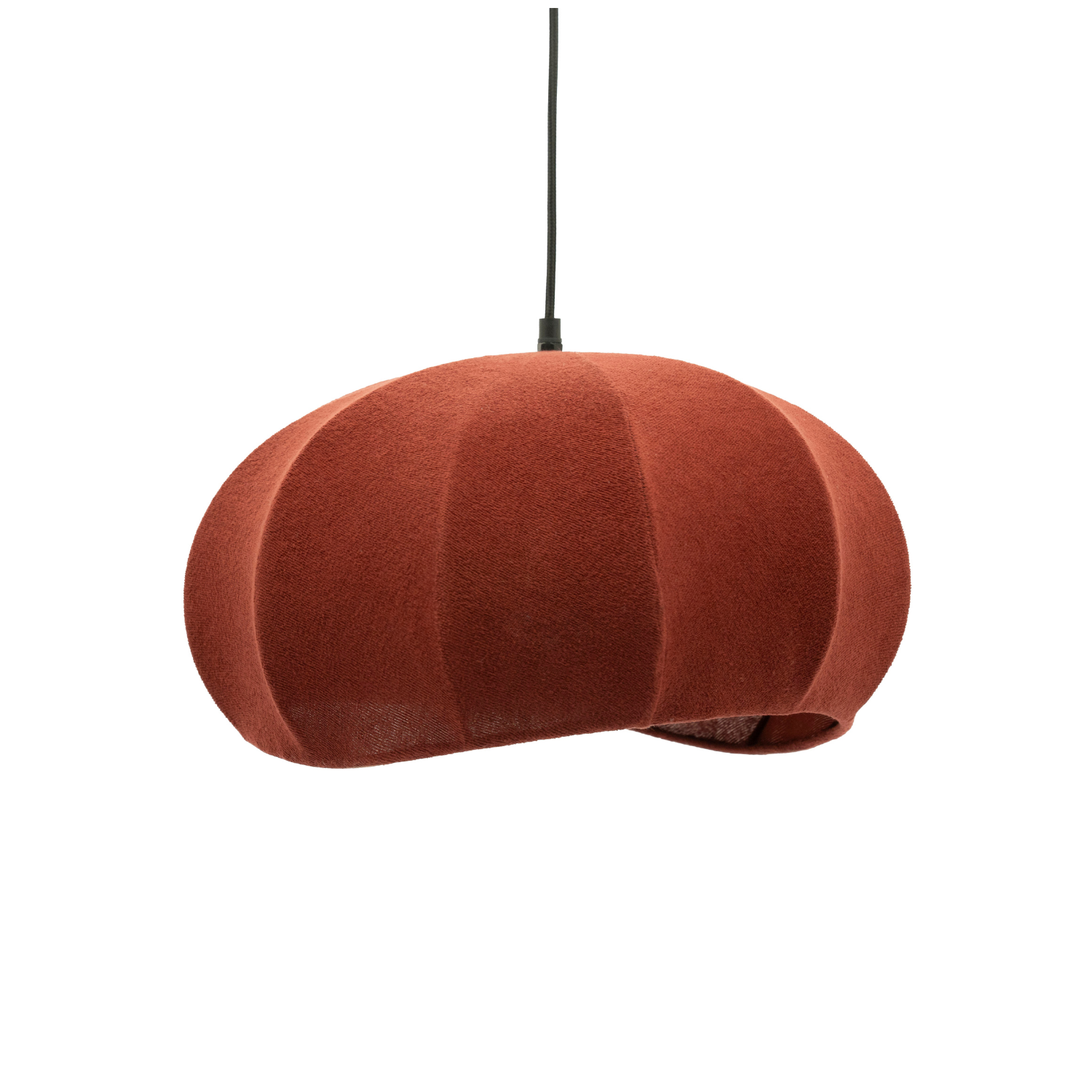
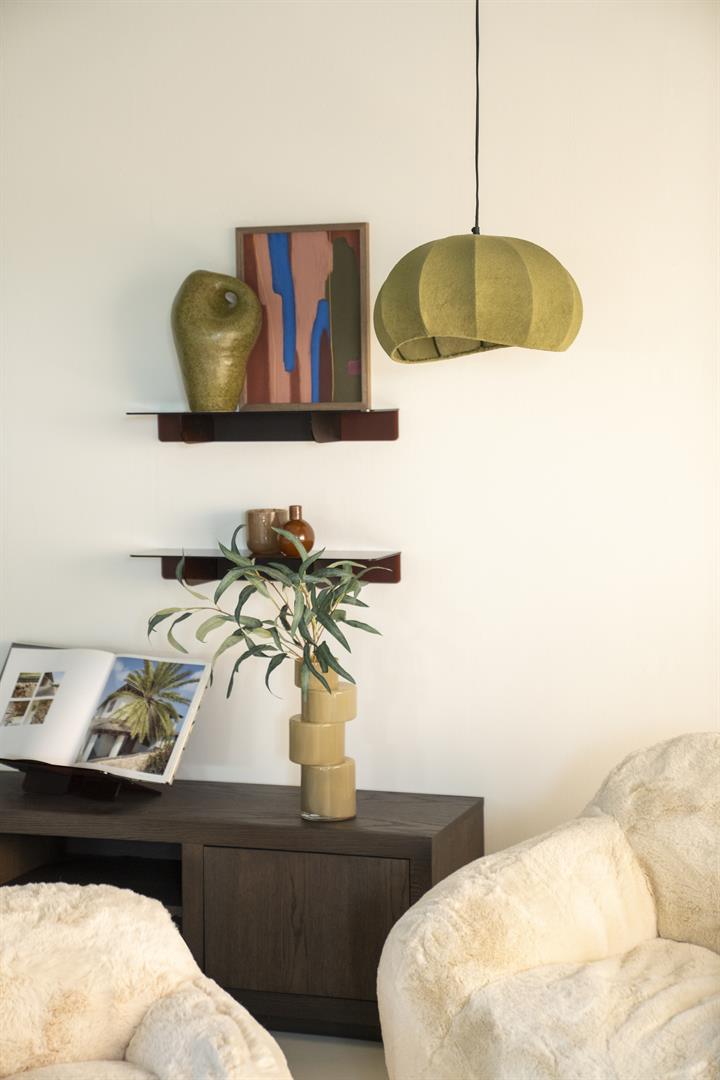
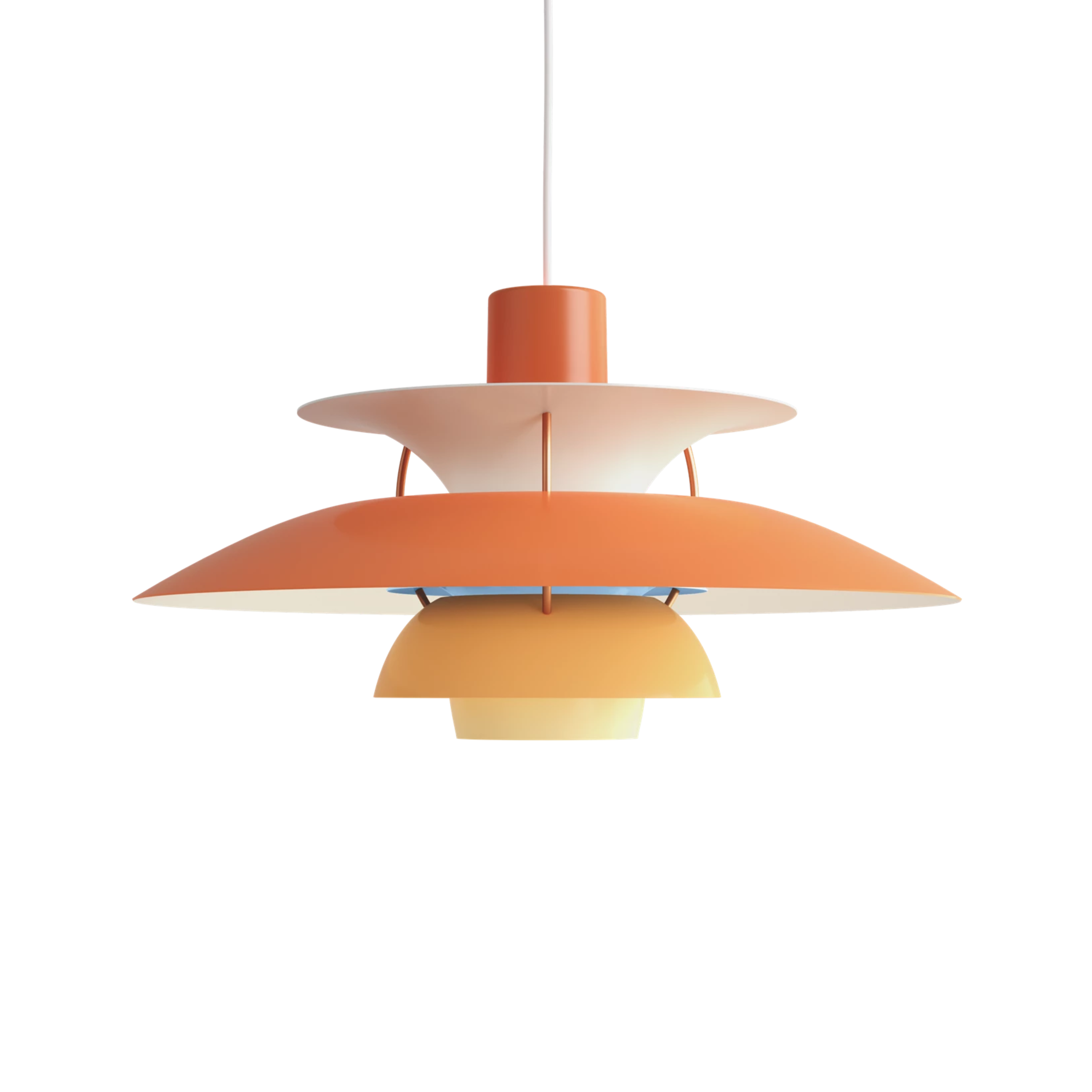
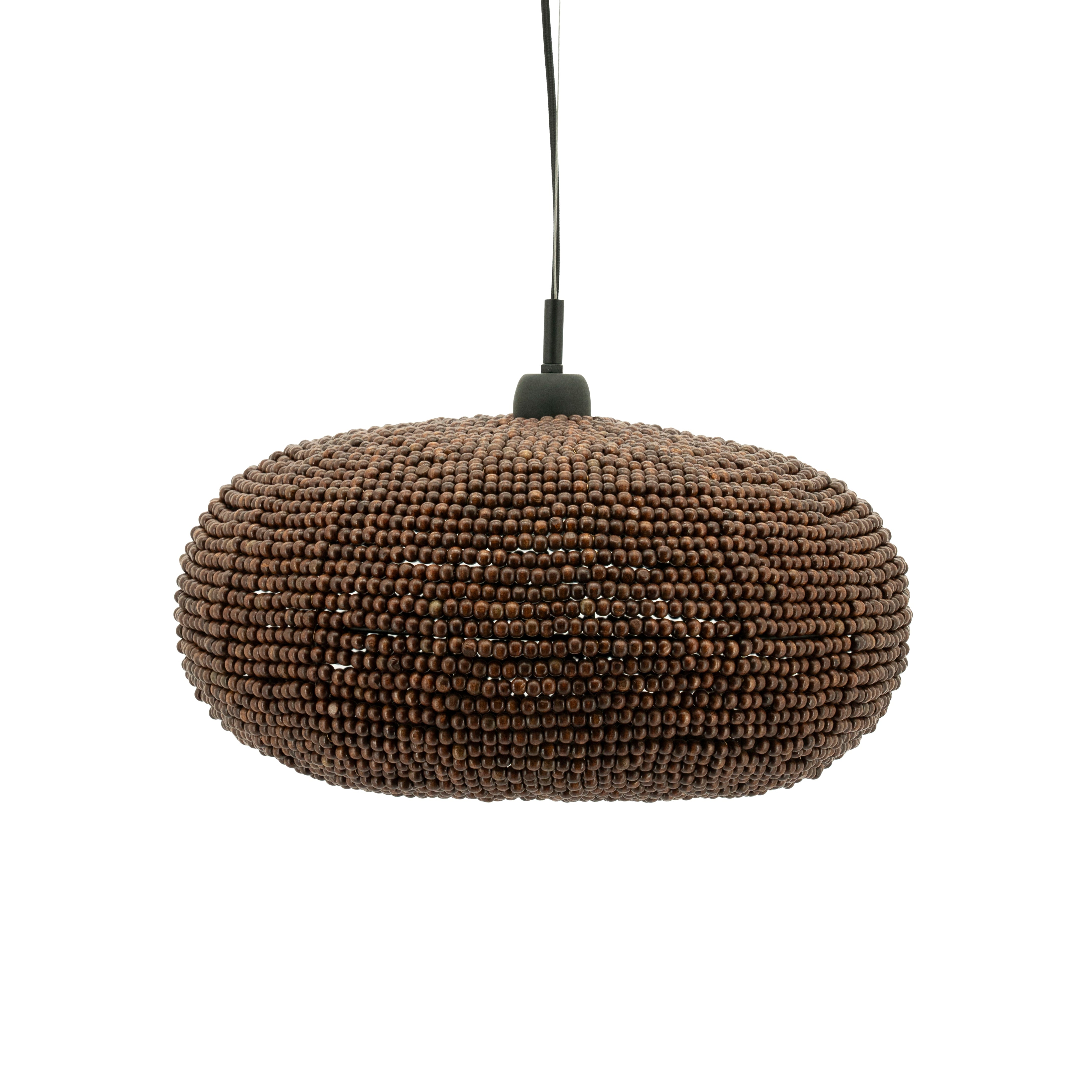
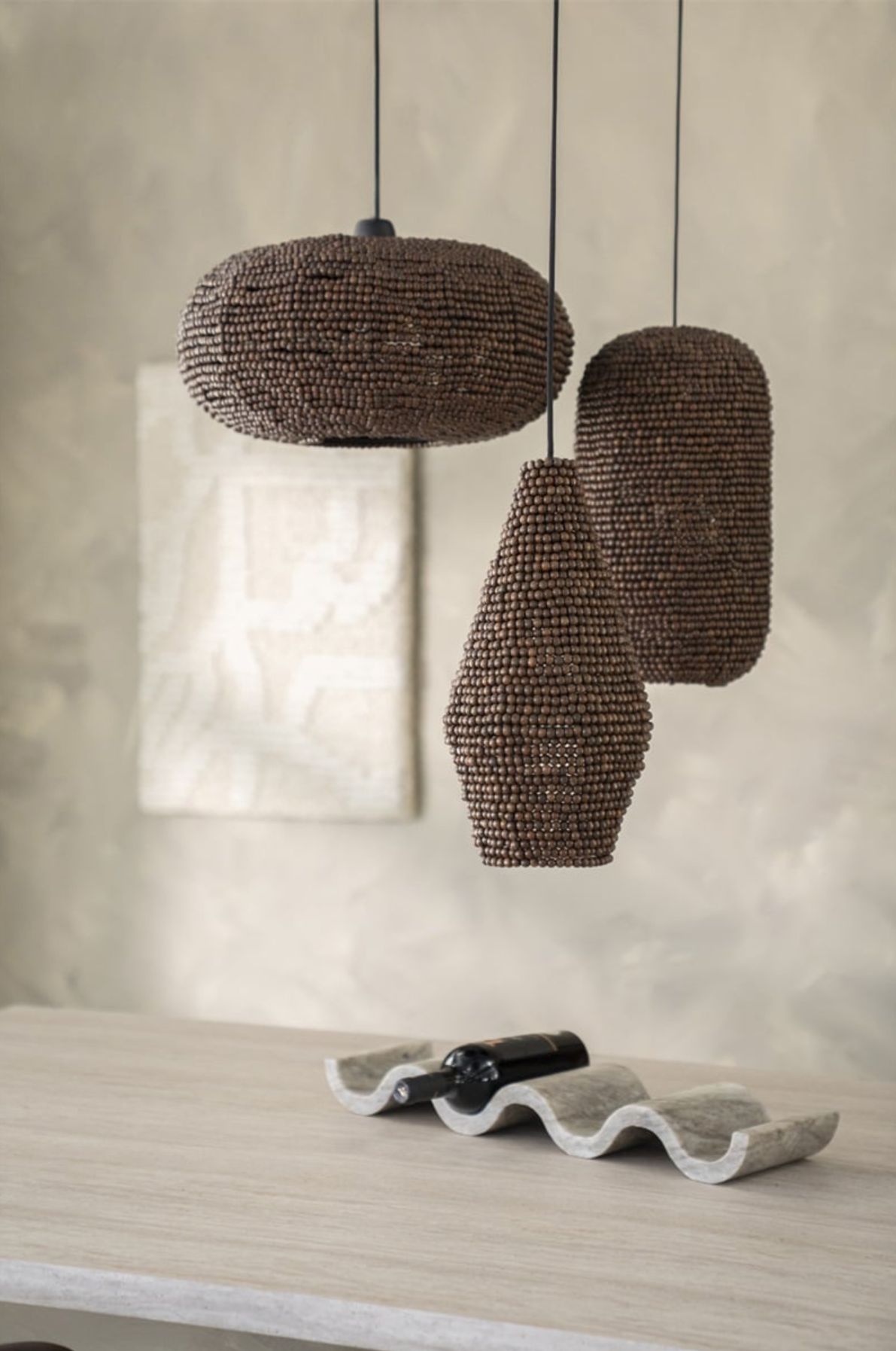
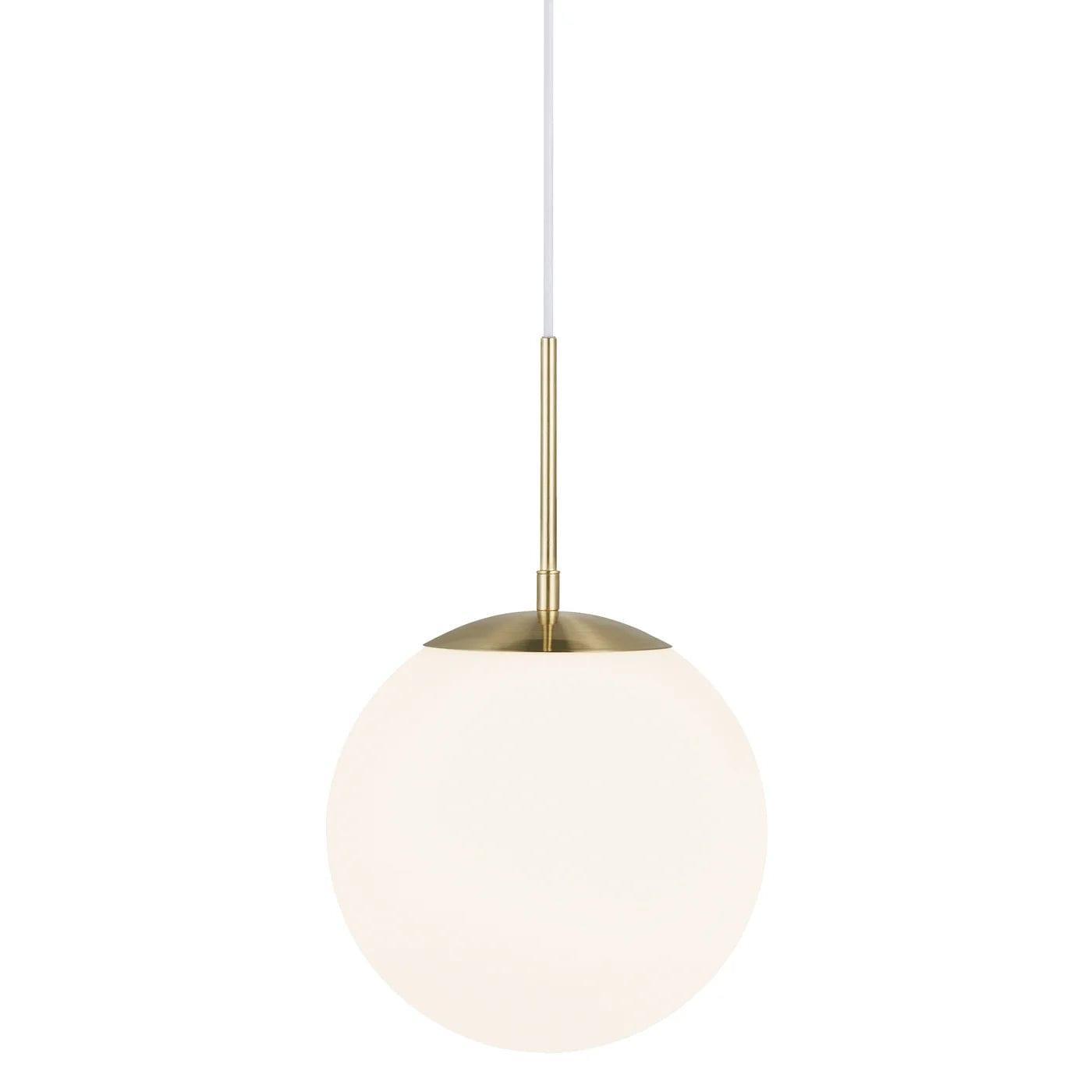
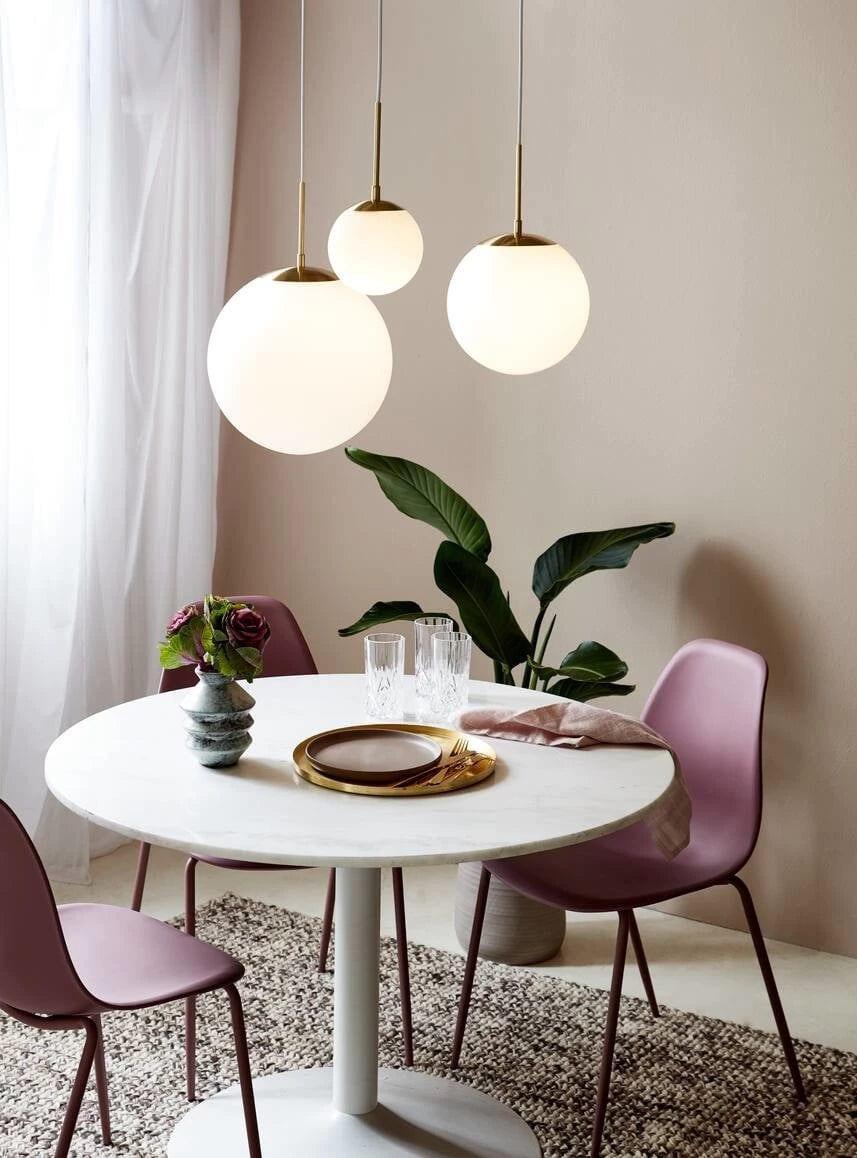
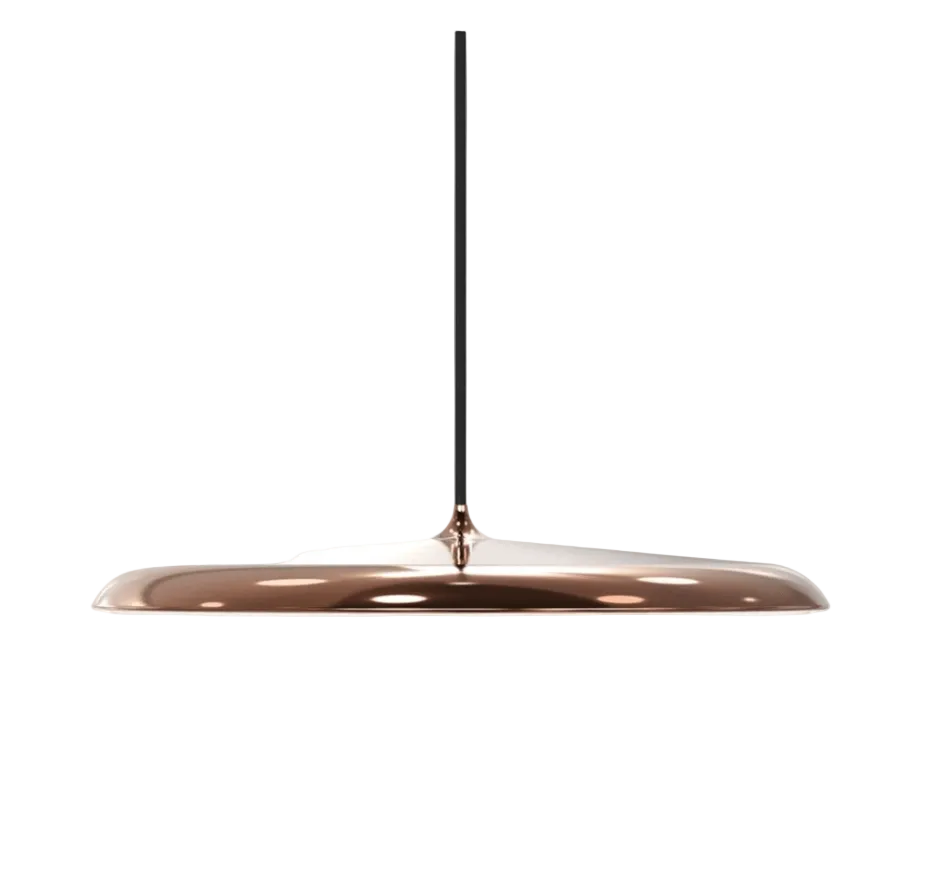
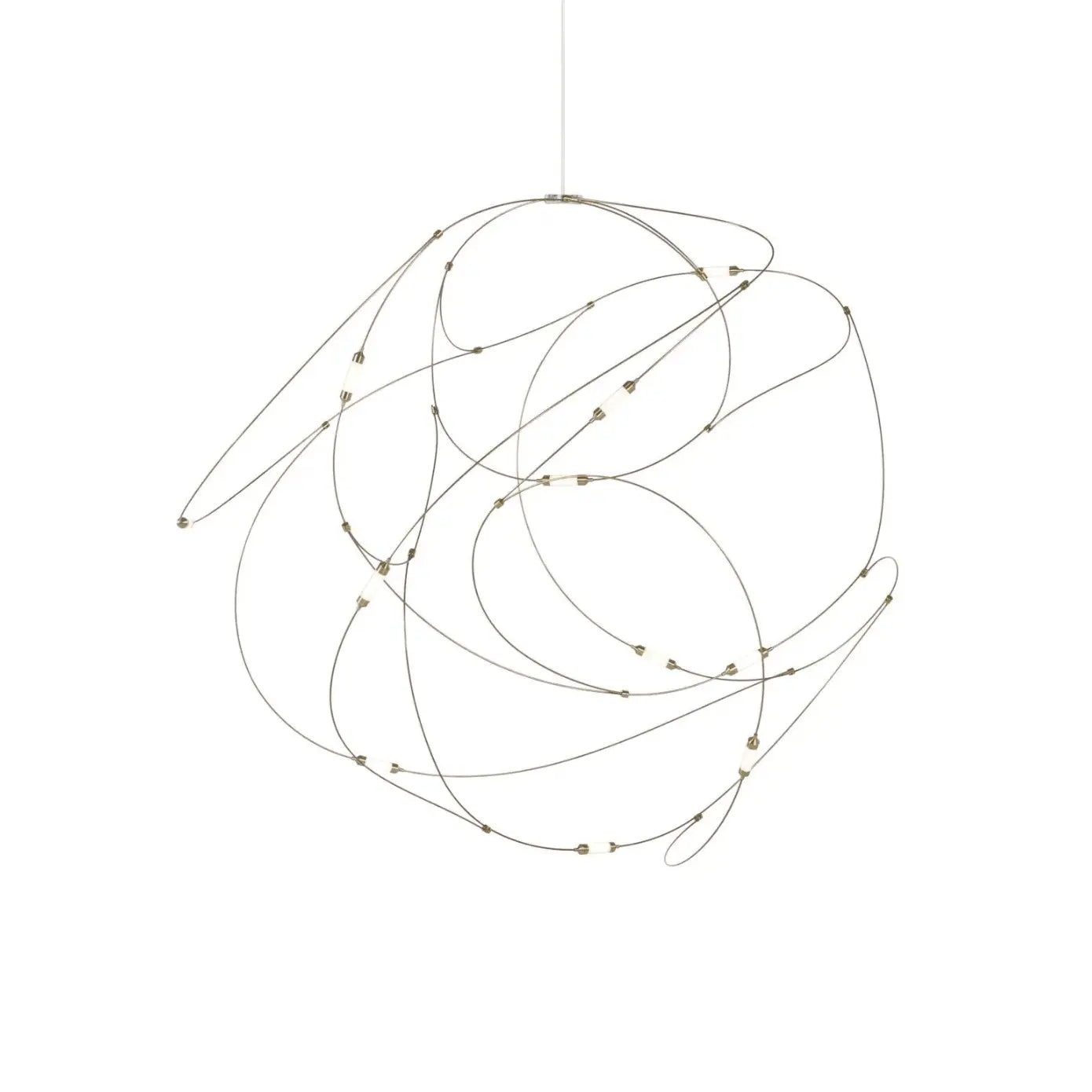
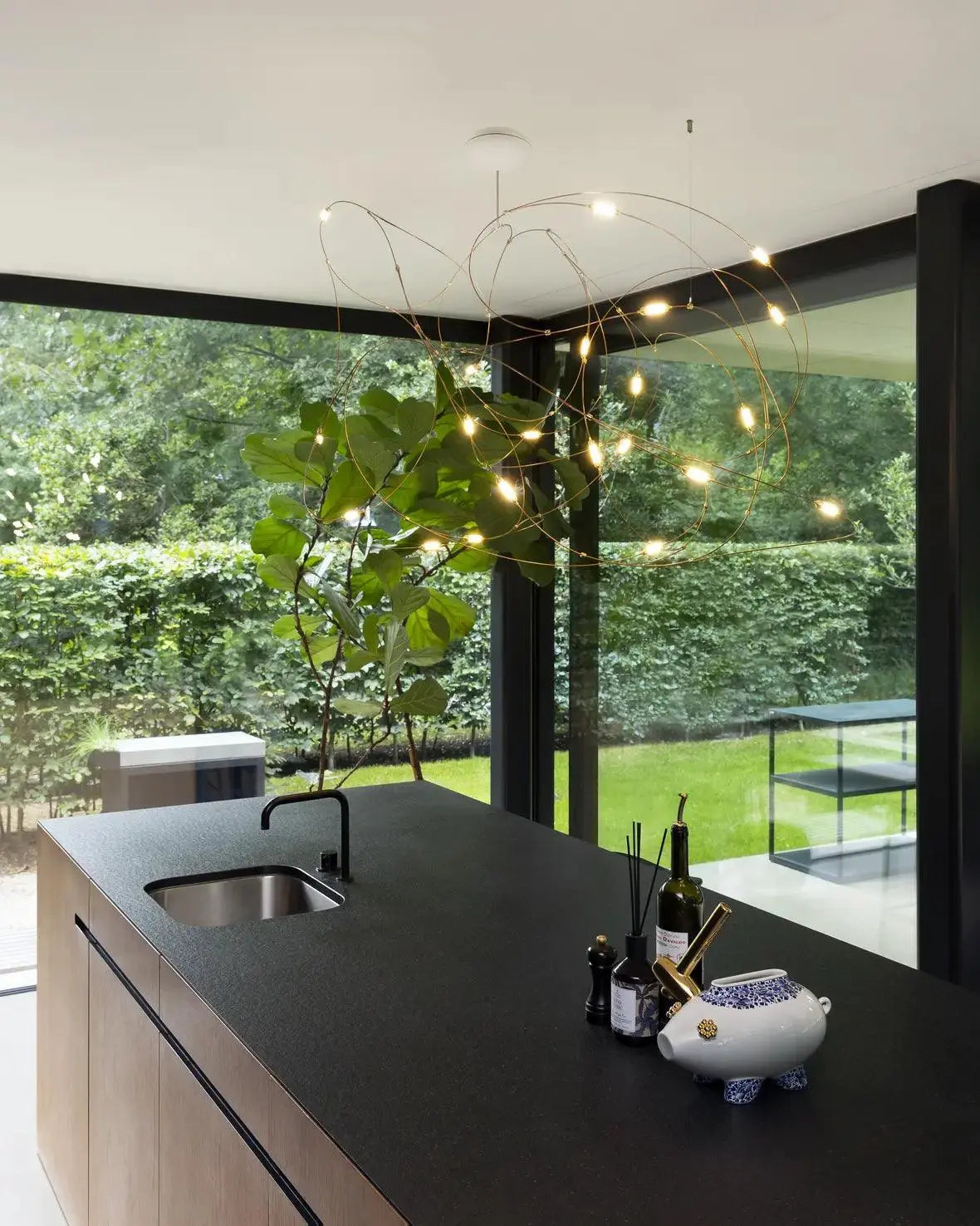
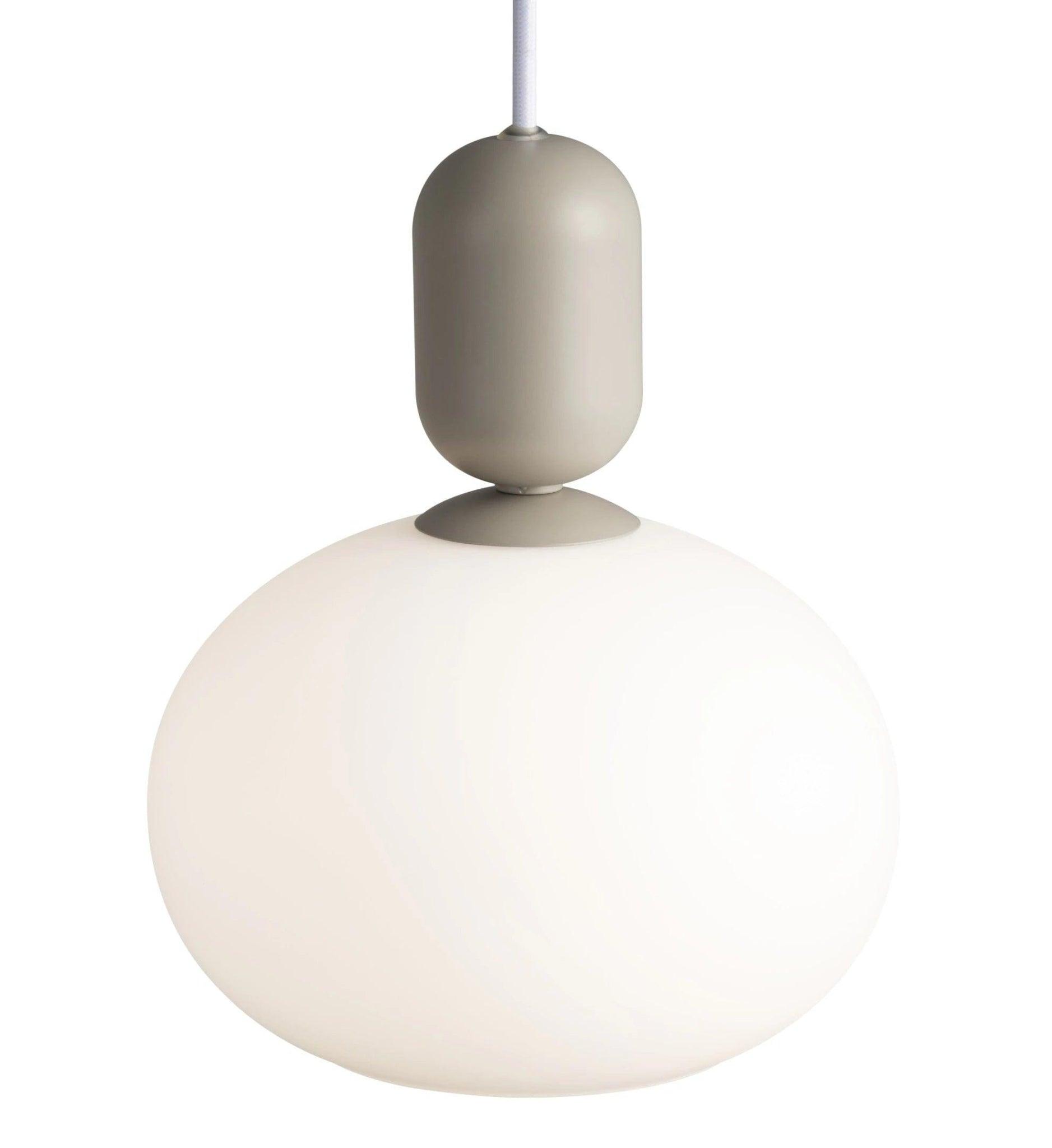
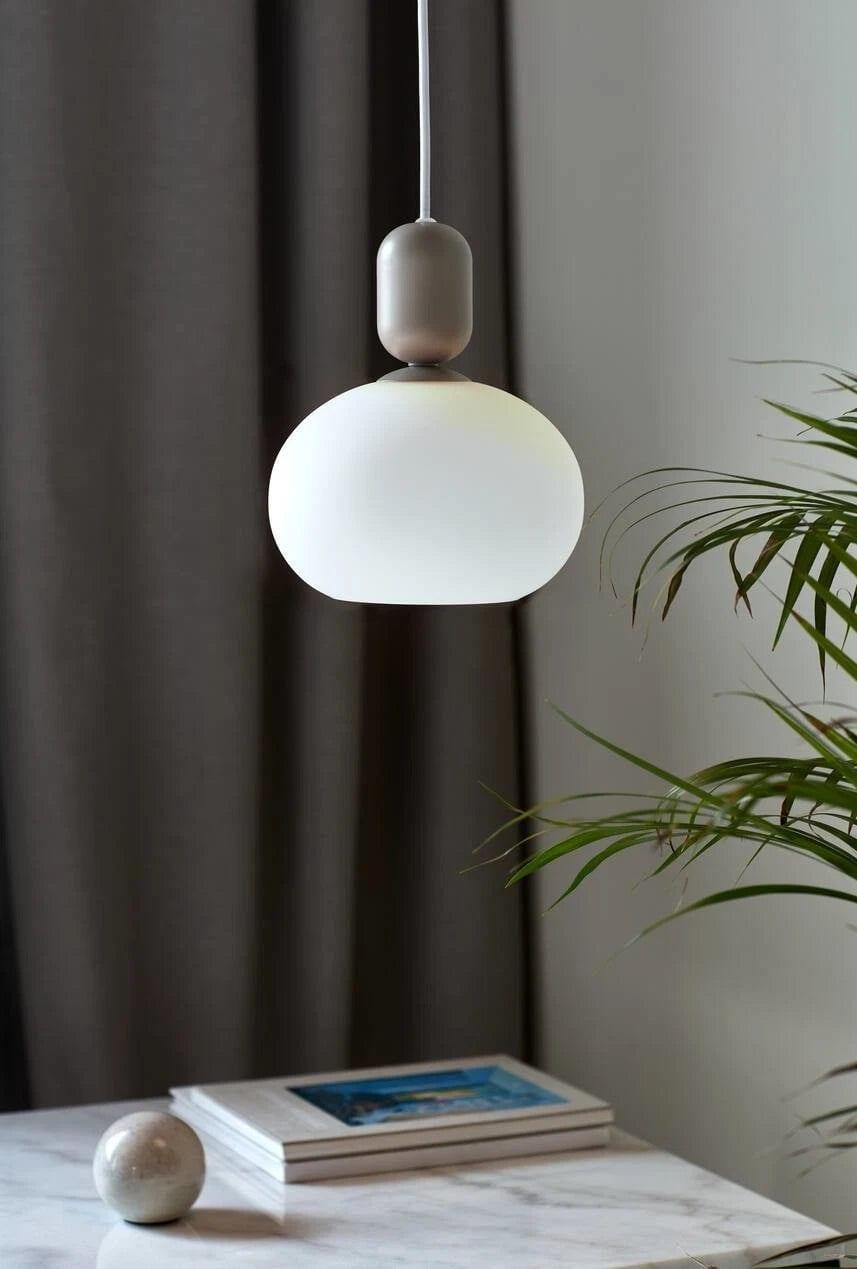
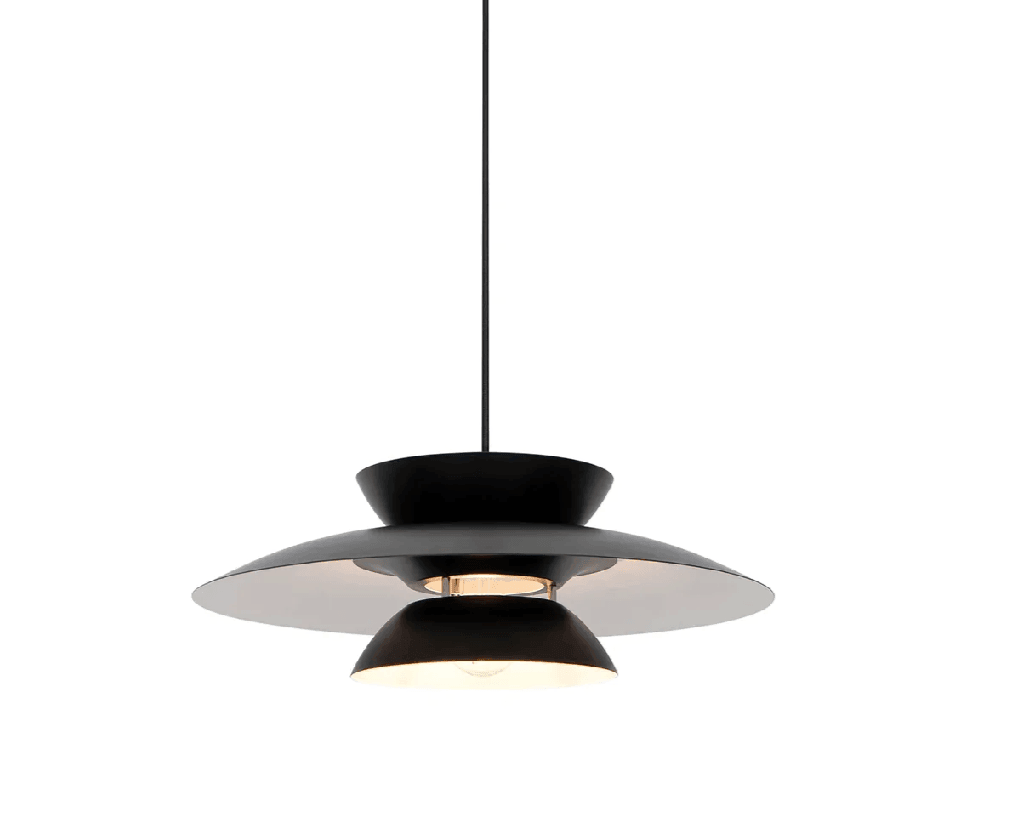
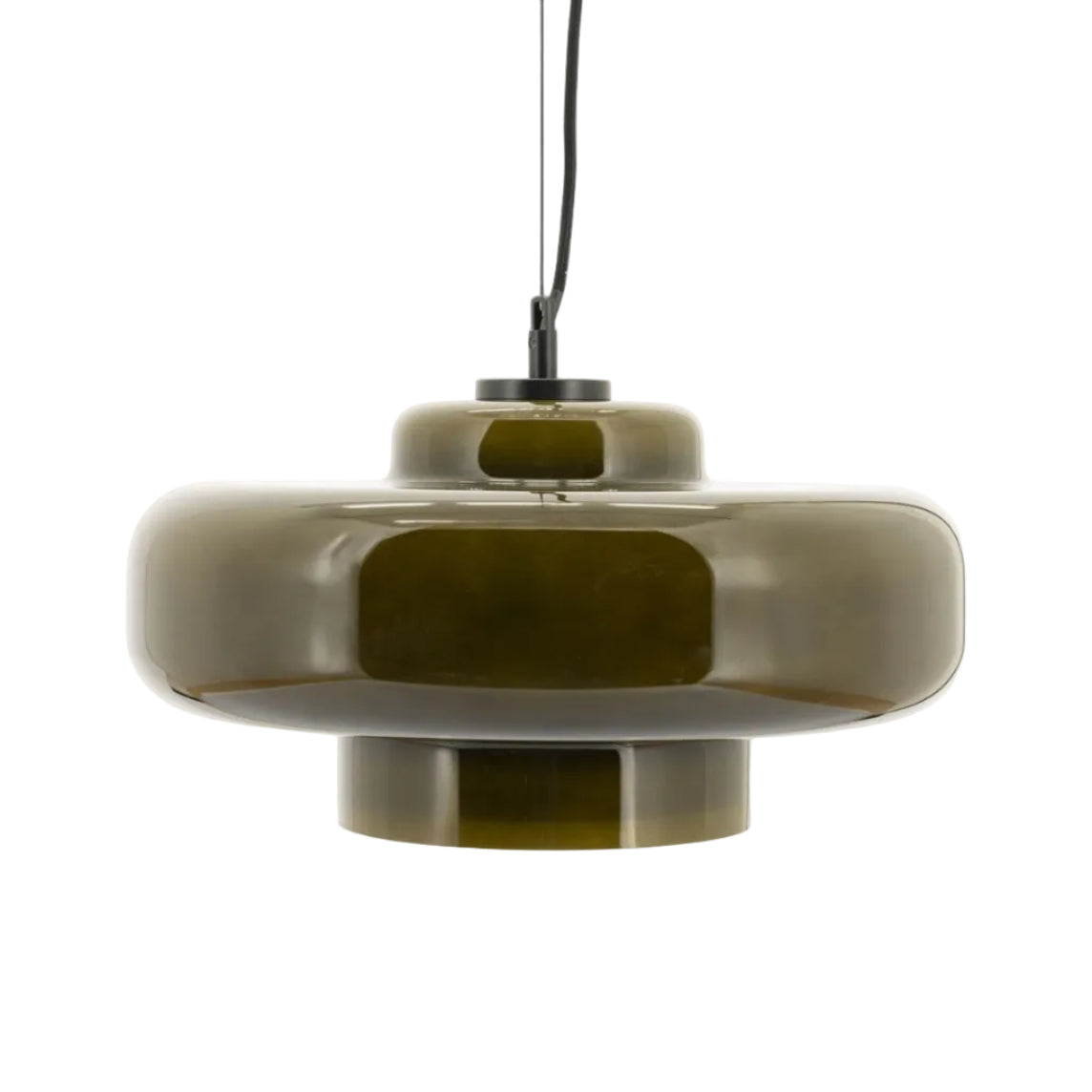
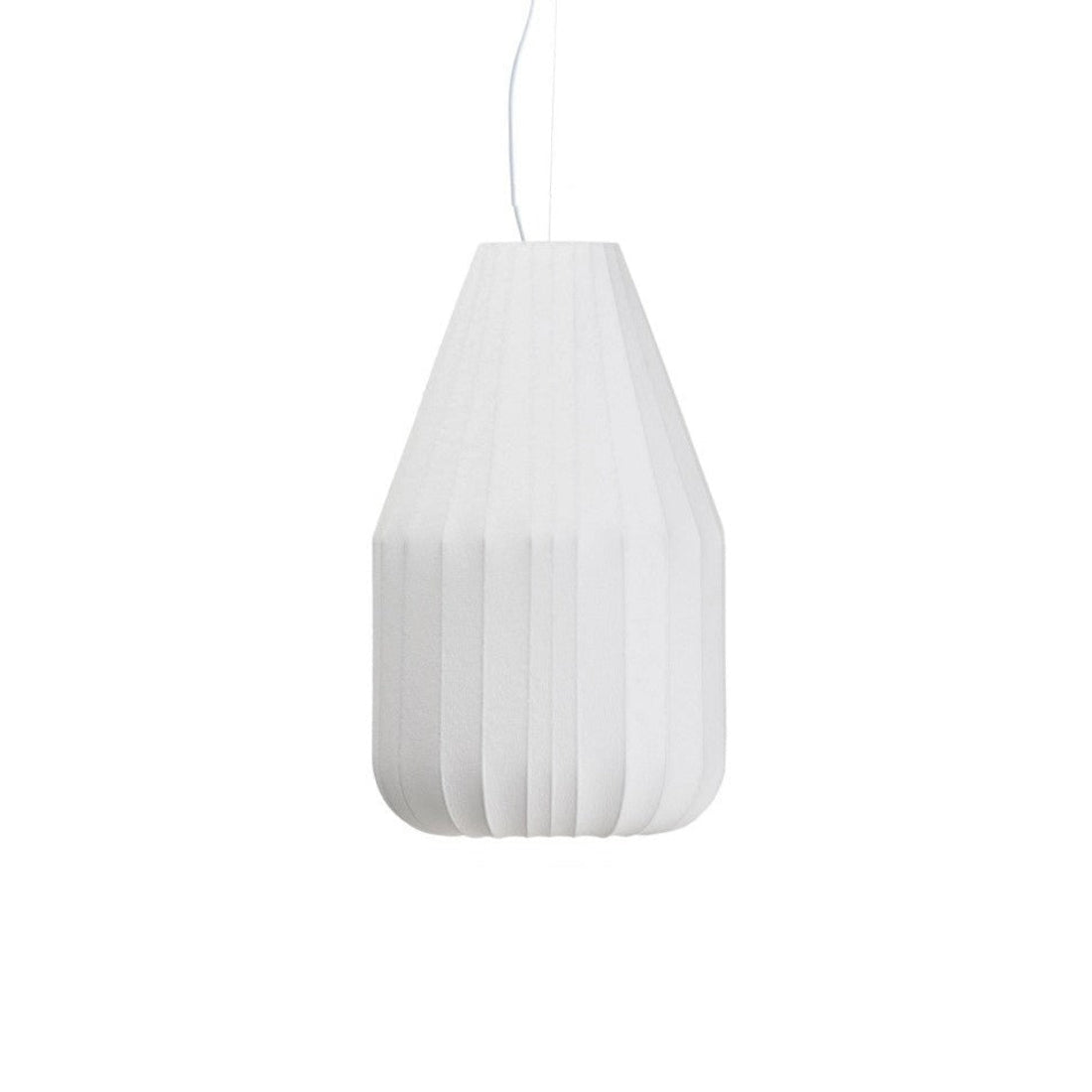
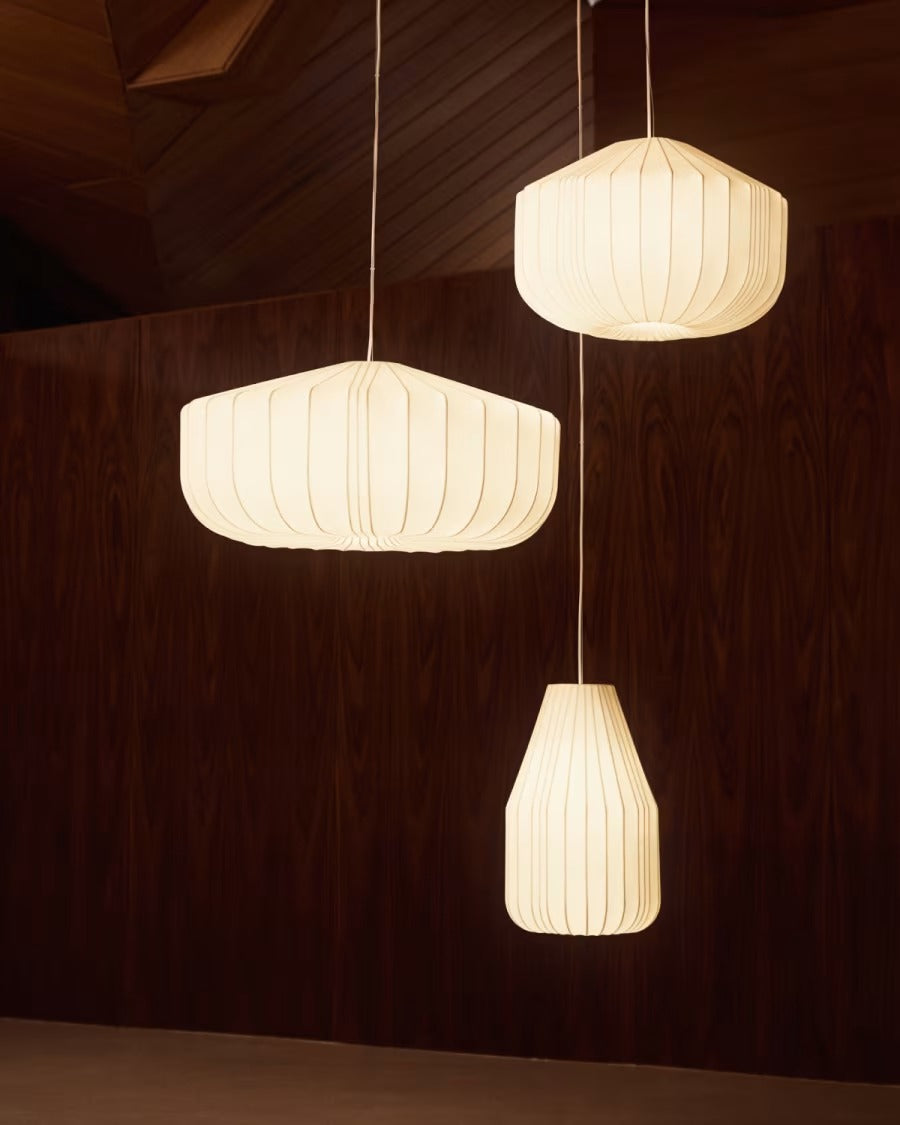
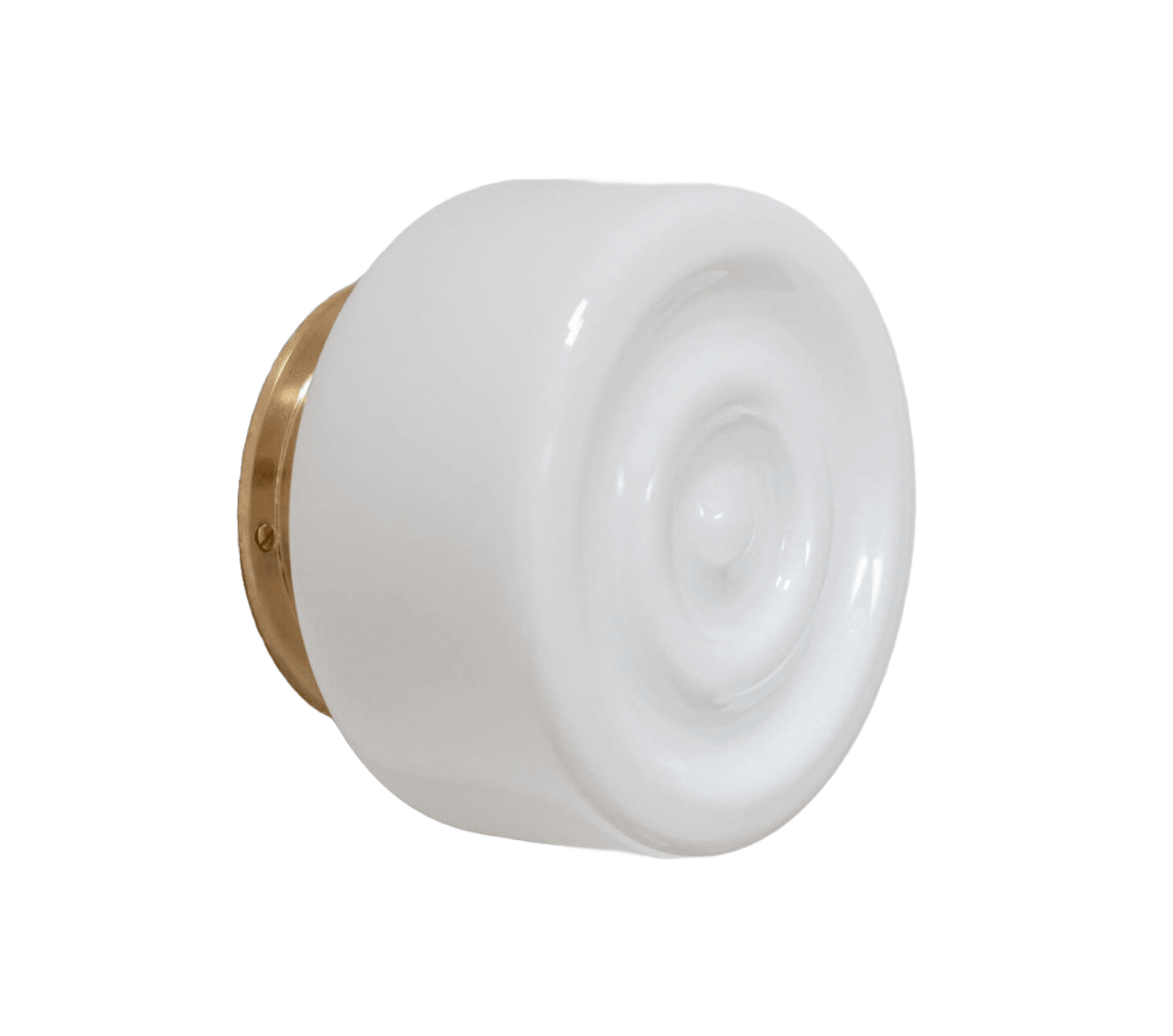
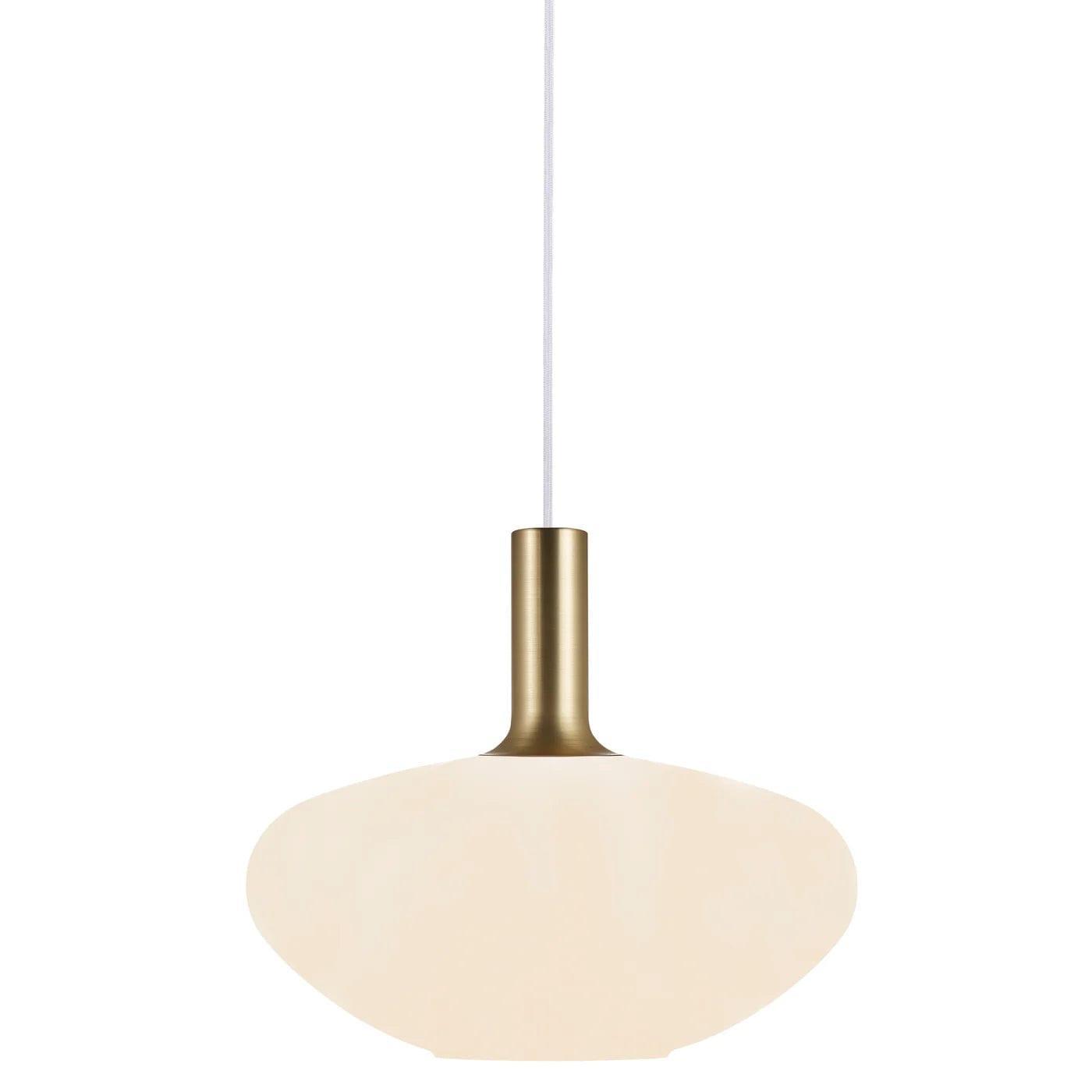
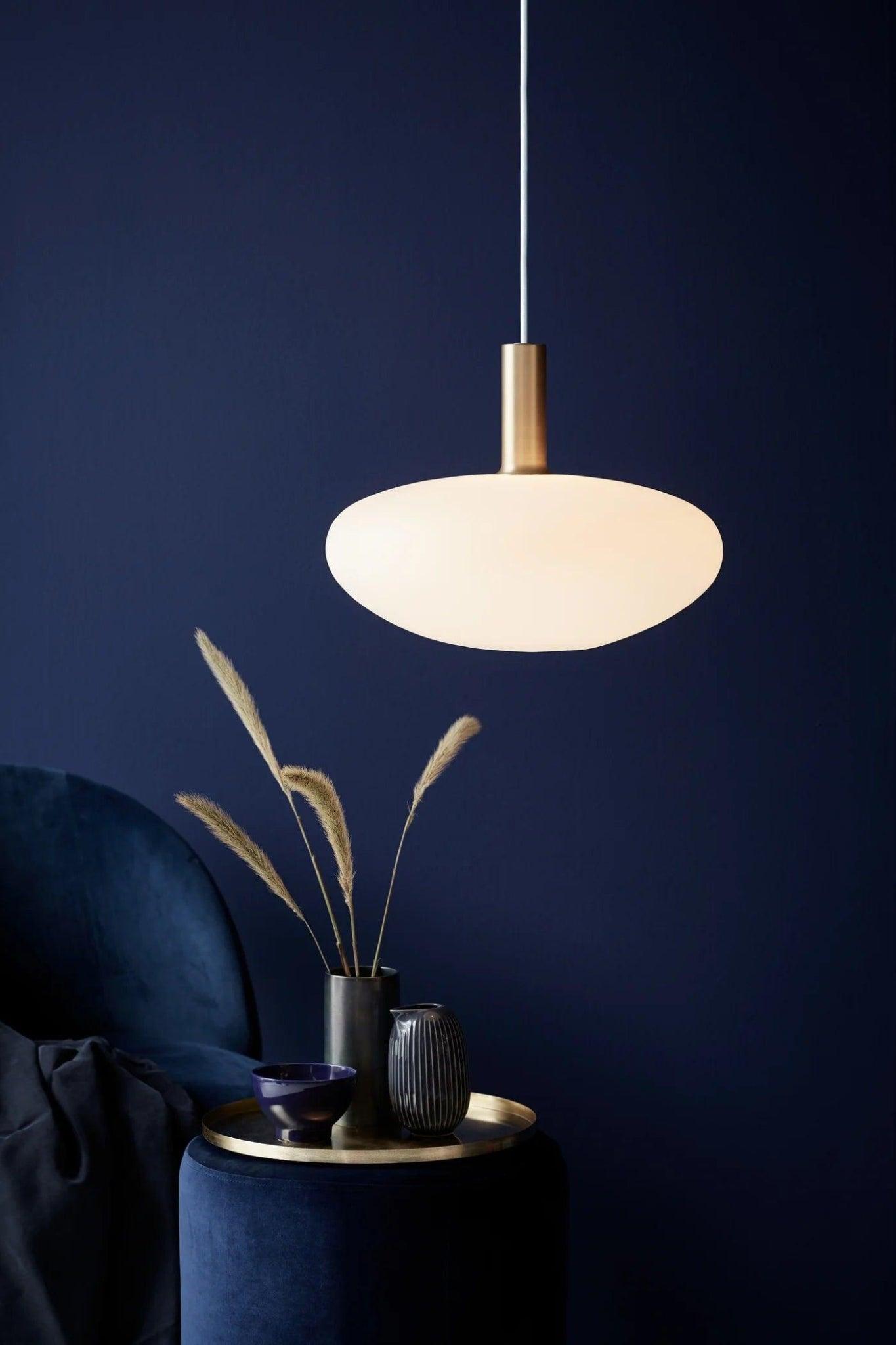
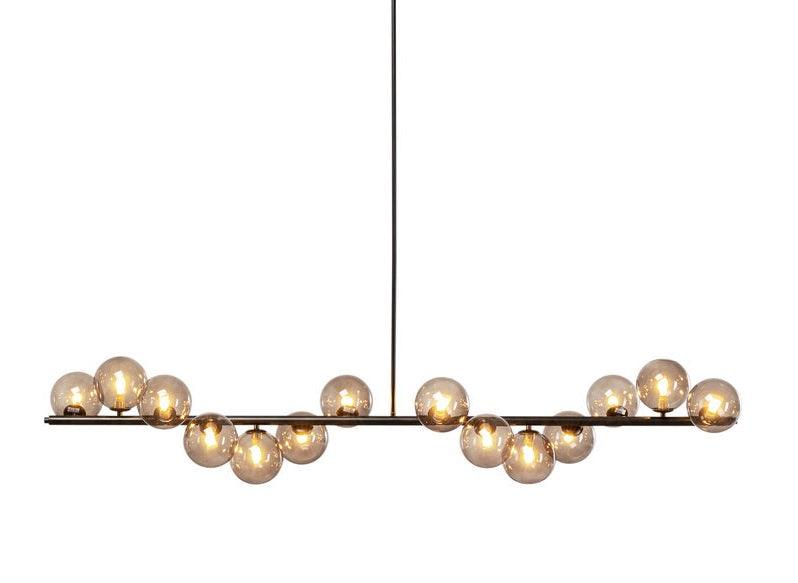
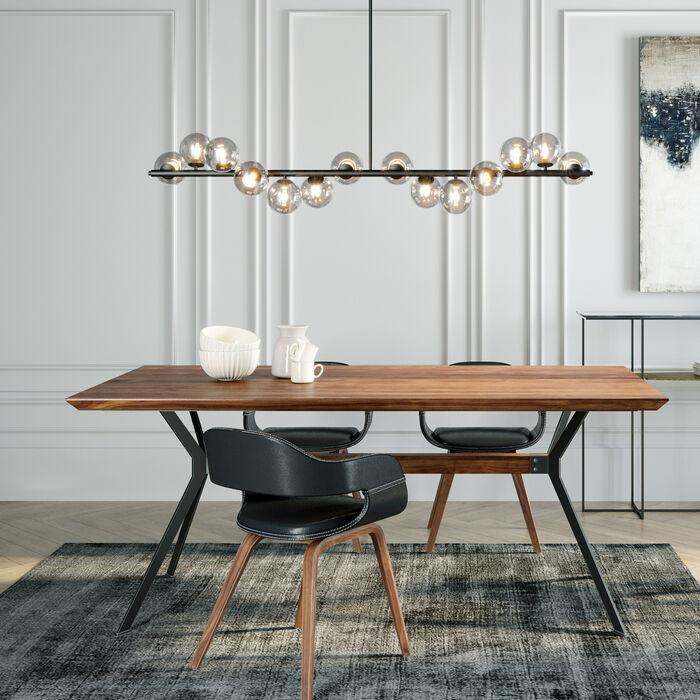
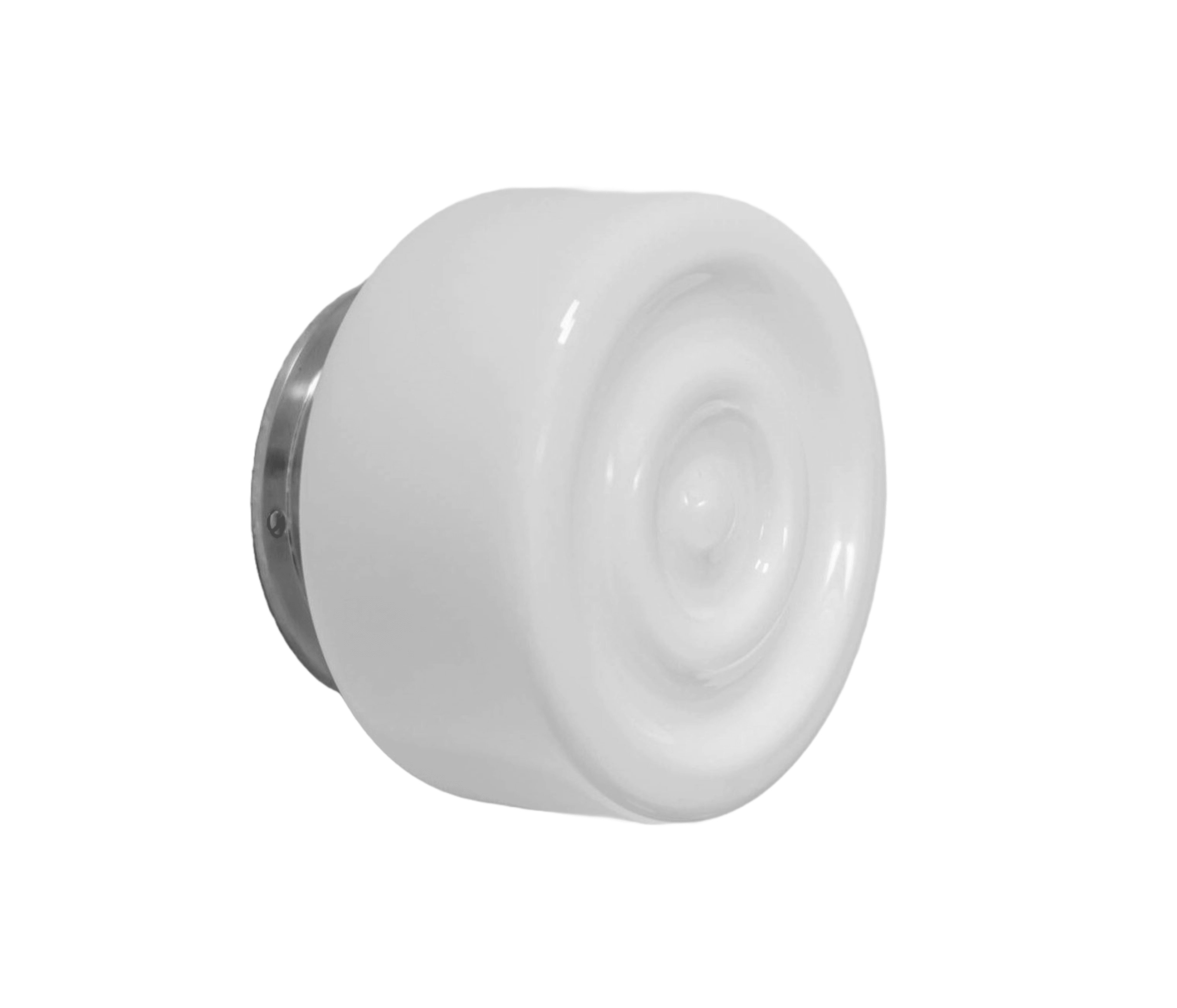
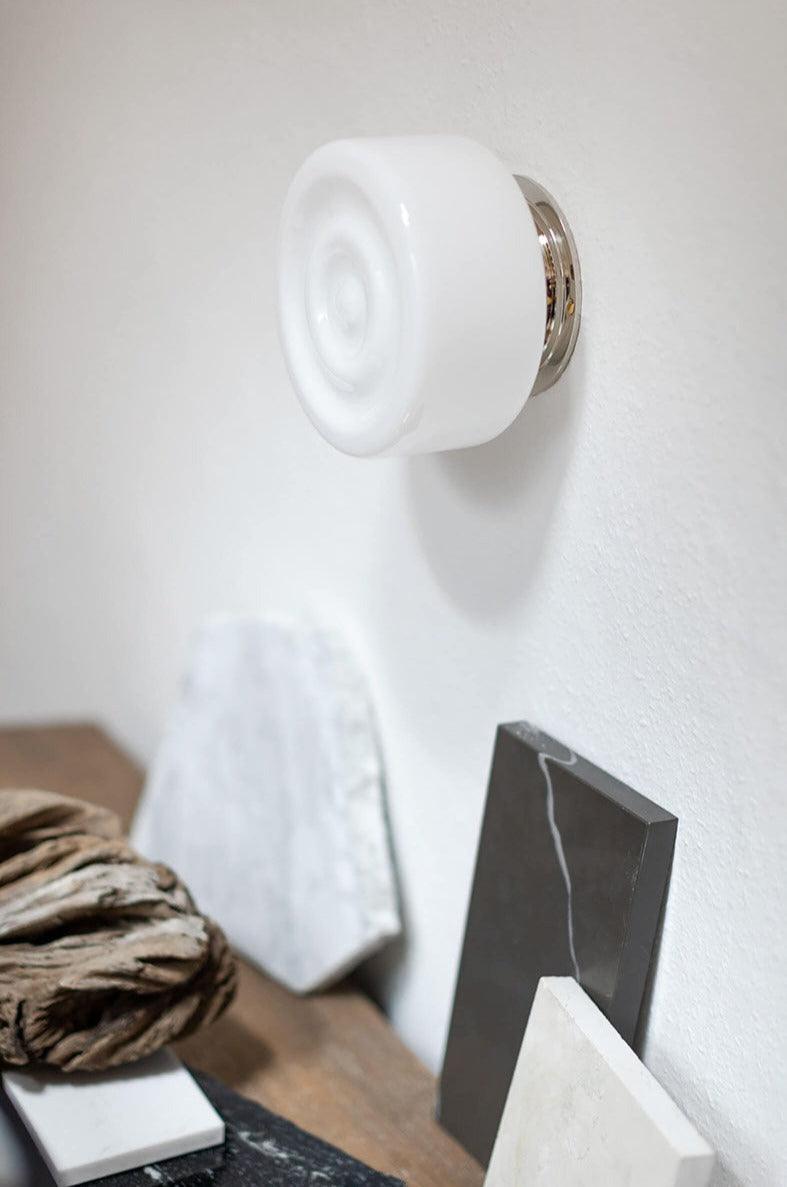
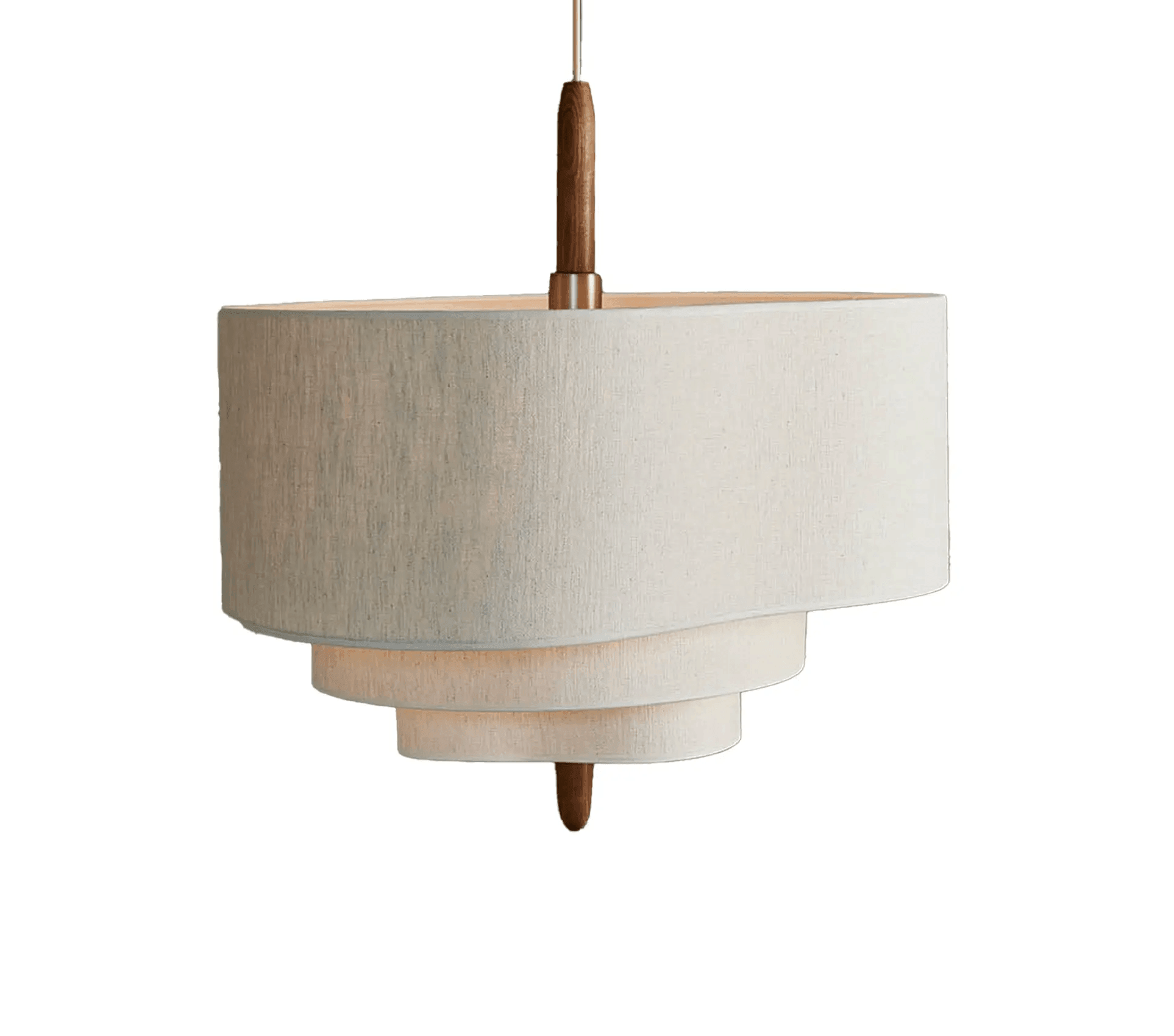
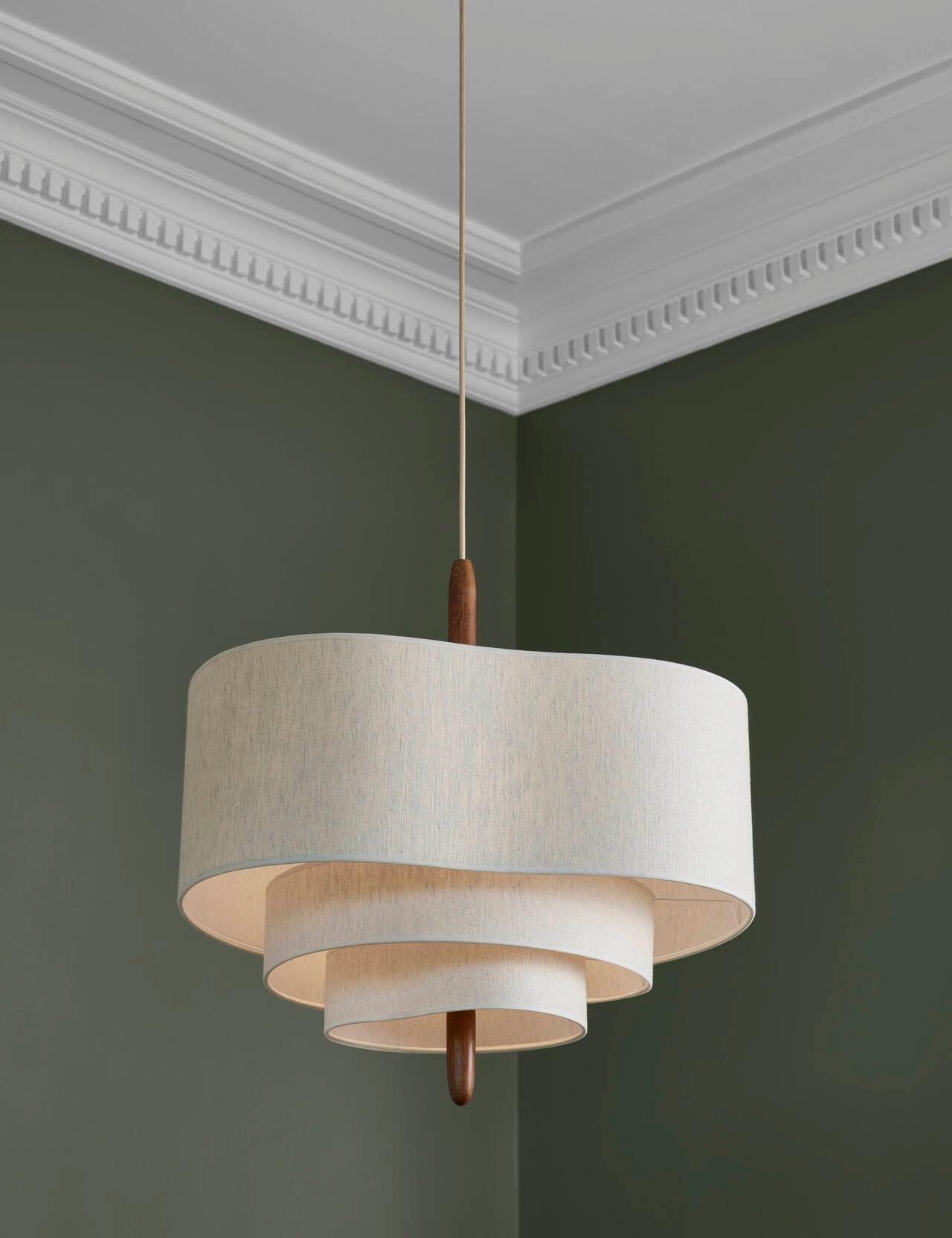
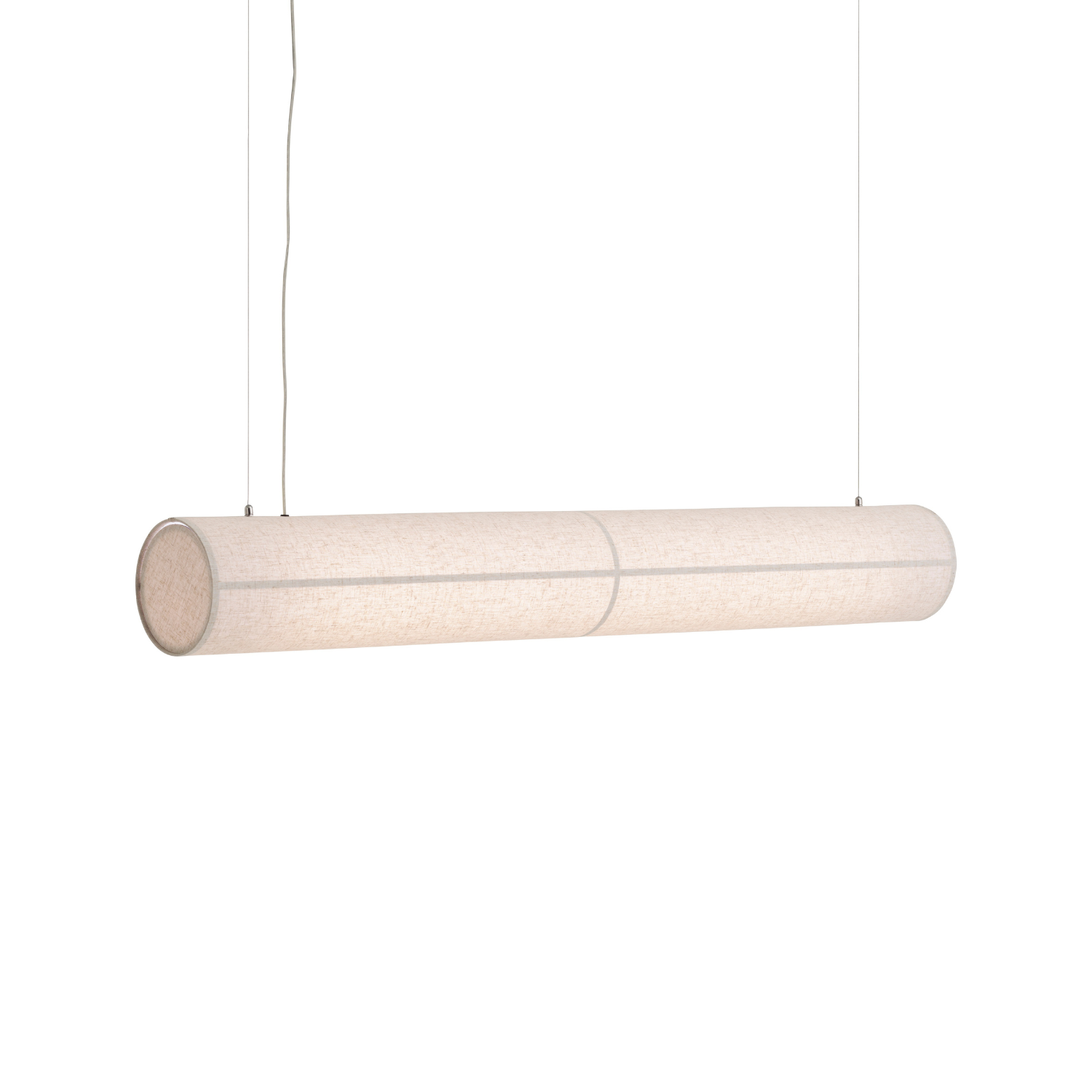
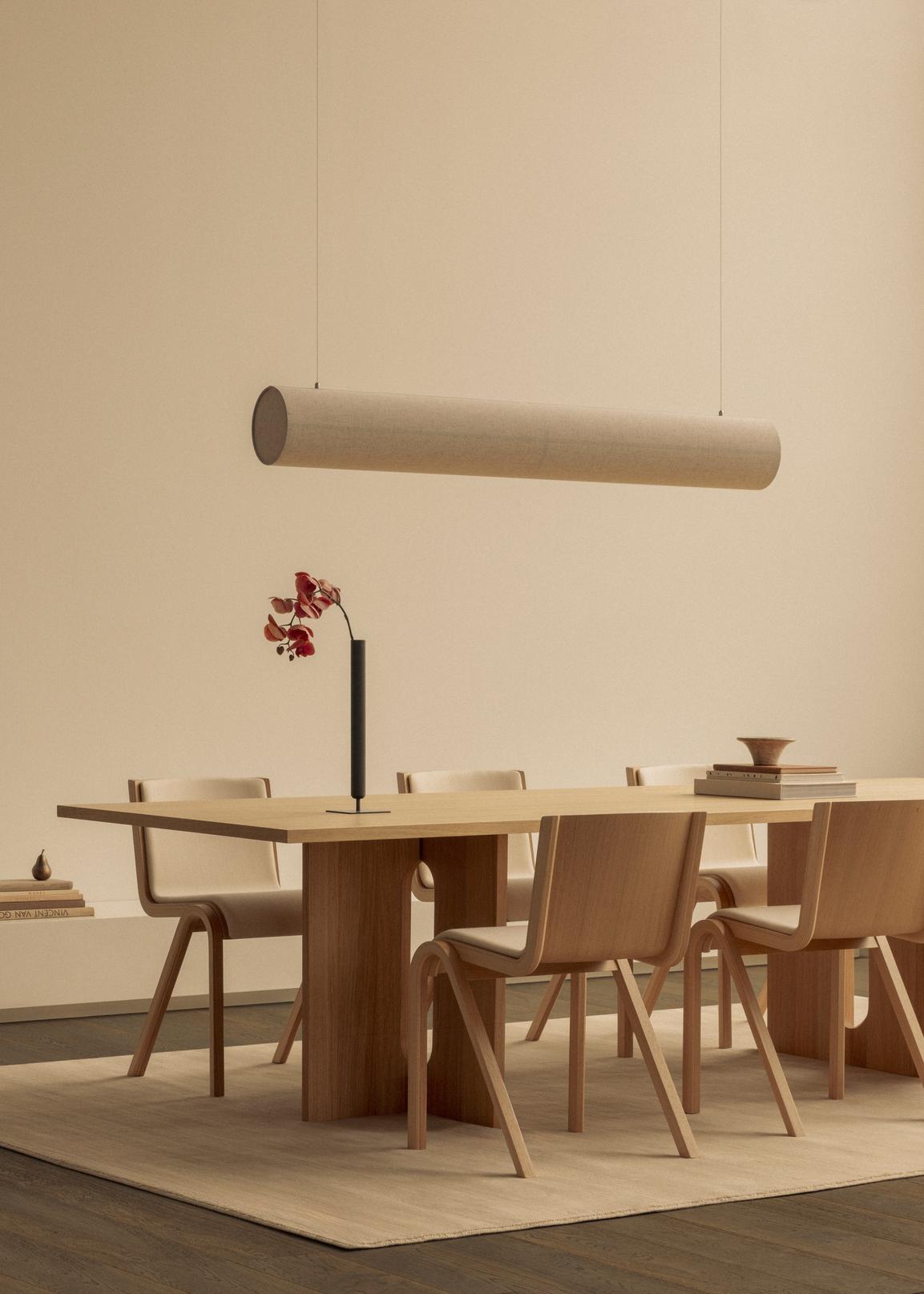
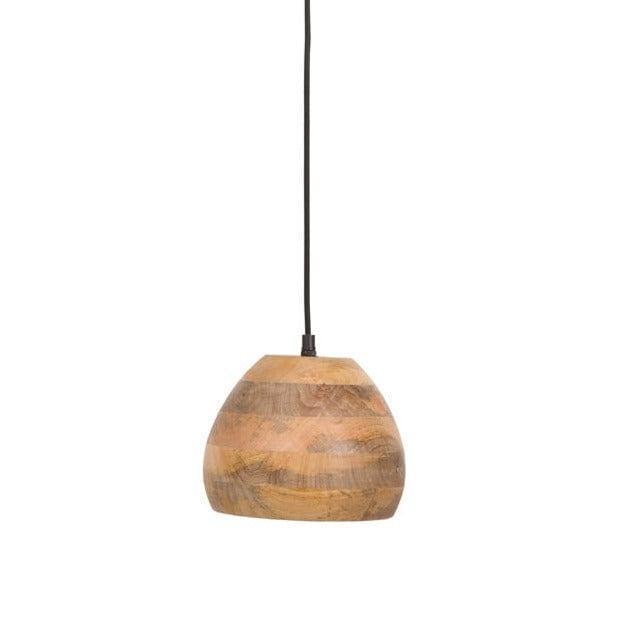
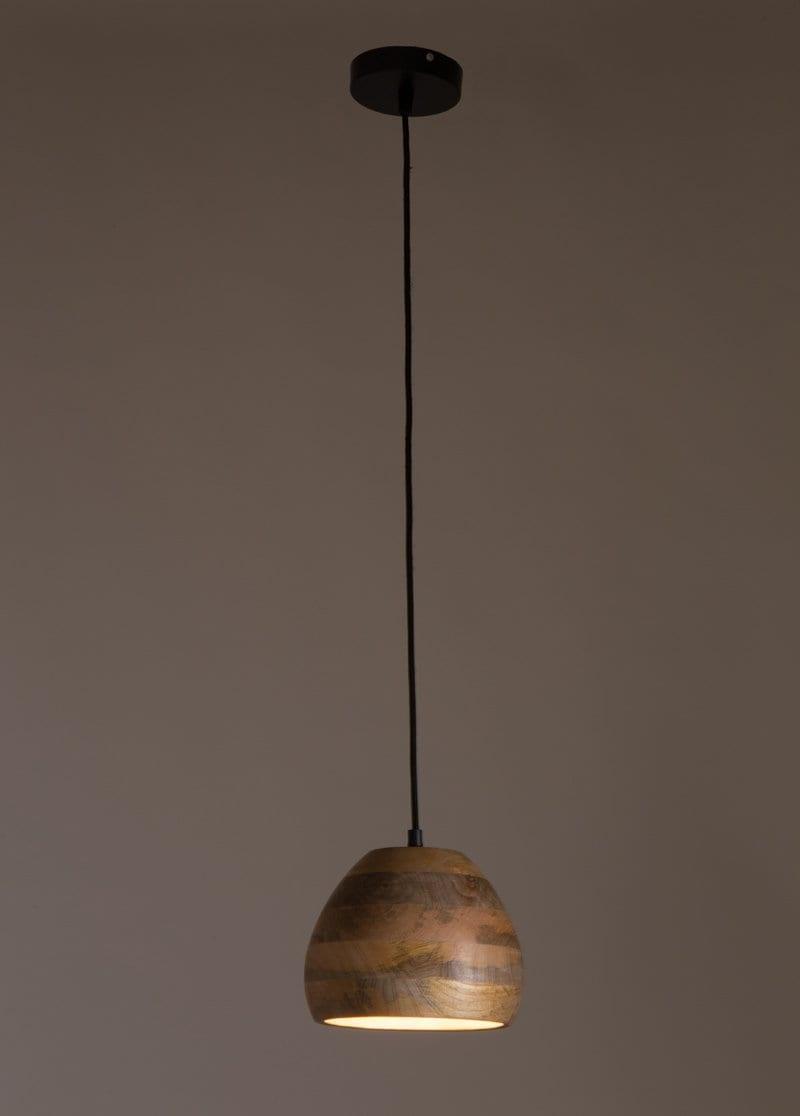
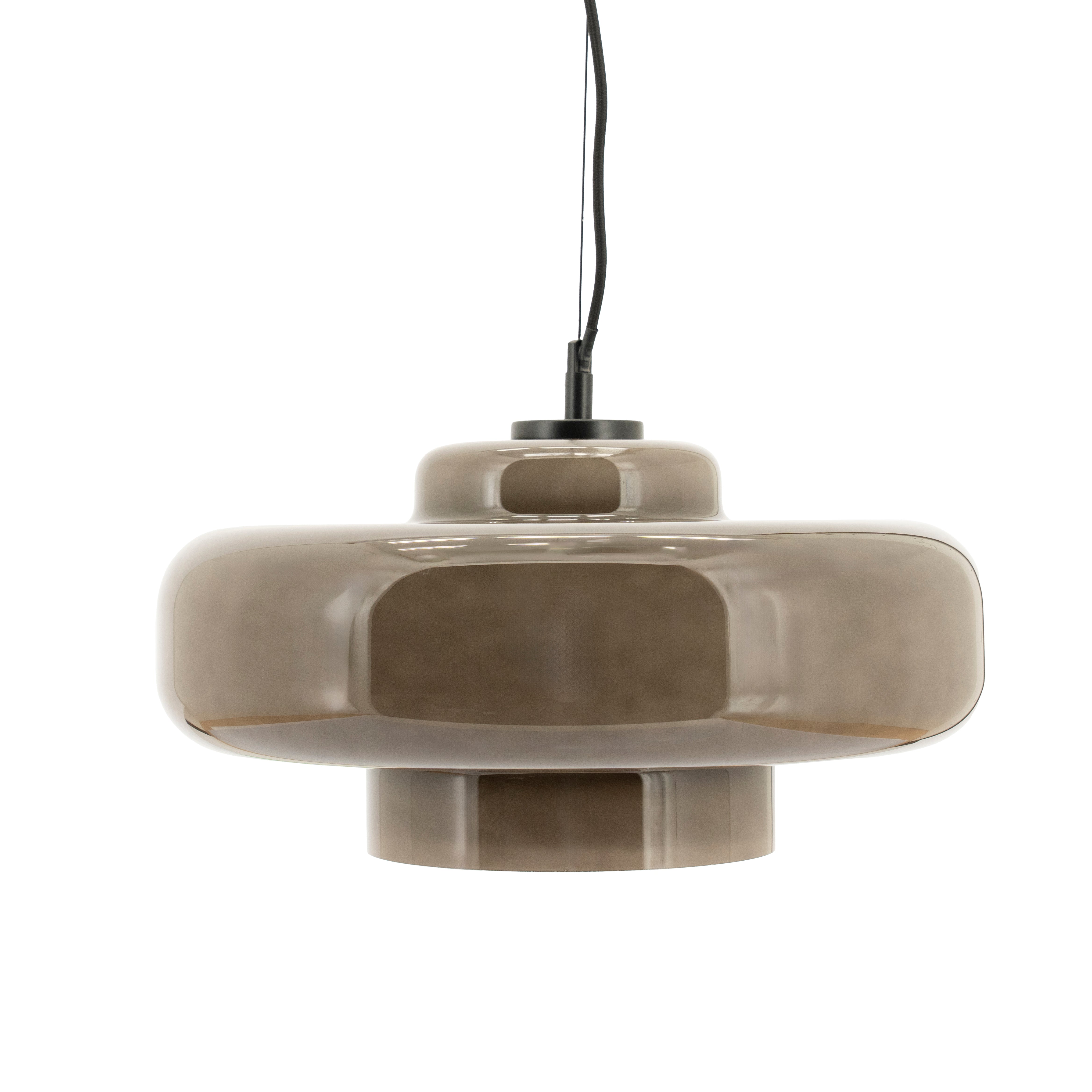
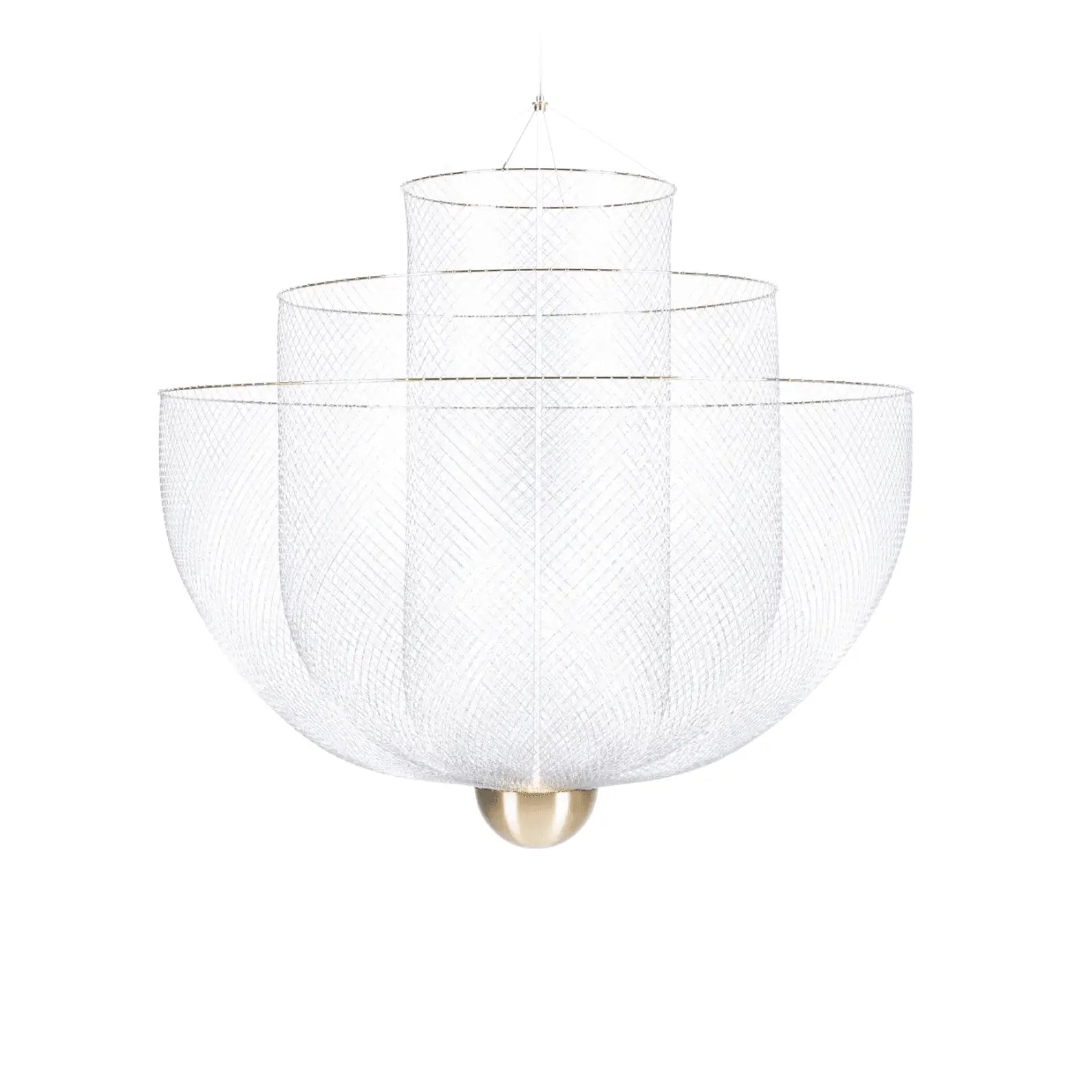
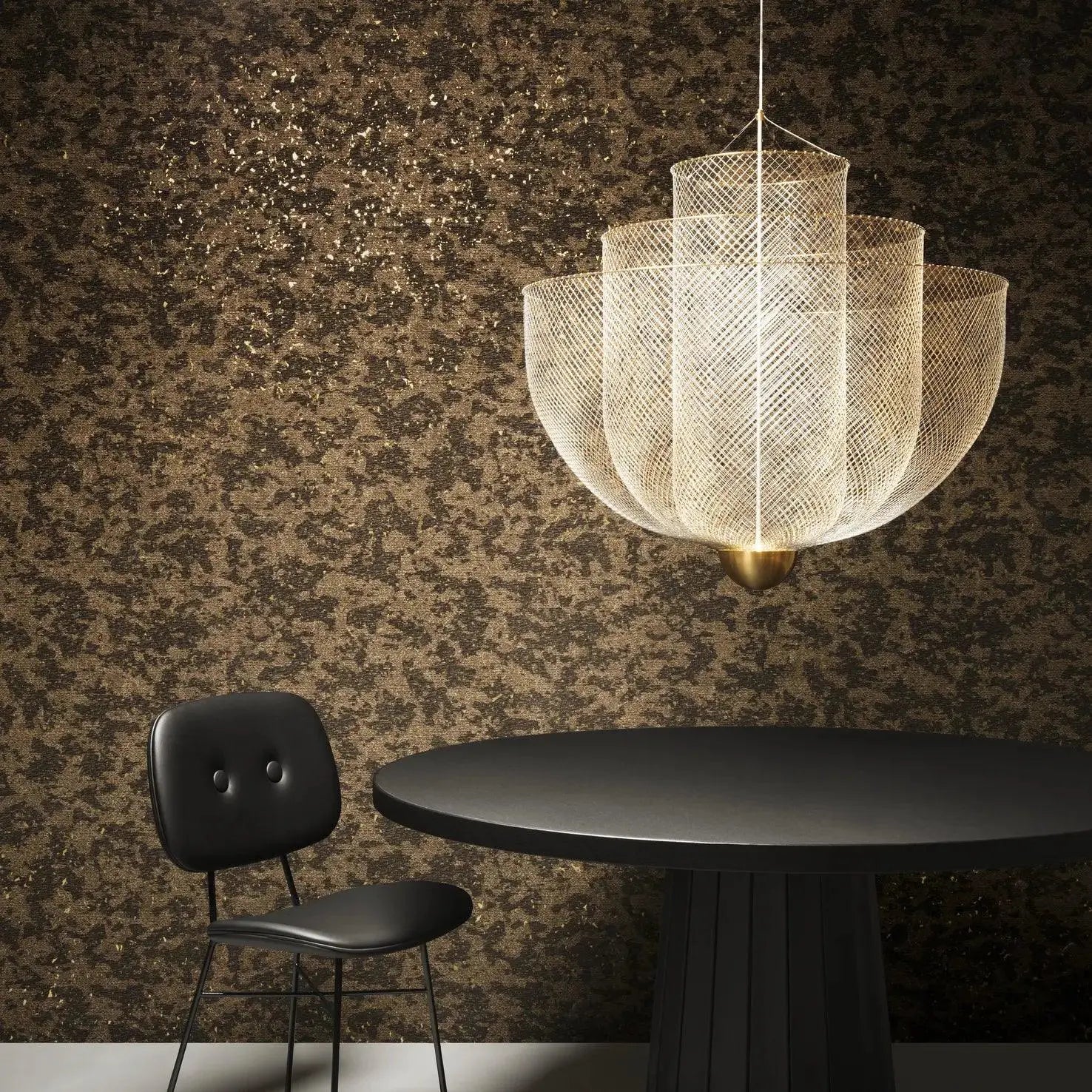
Ceiling lamps and flush mounts provide general lighting and work well in any room, even those with low ceilings. Hanging lamps define areas – above a table, kitchen island, or coffee table. Striking chandeliers serve as the main decorative feature of the space.
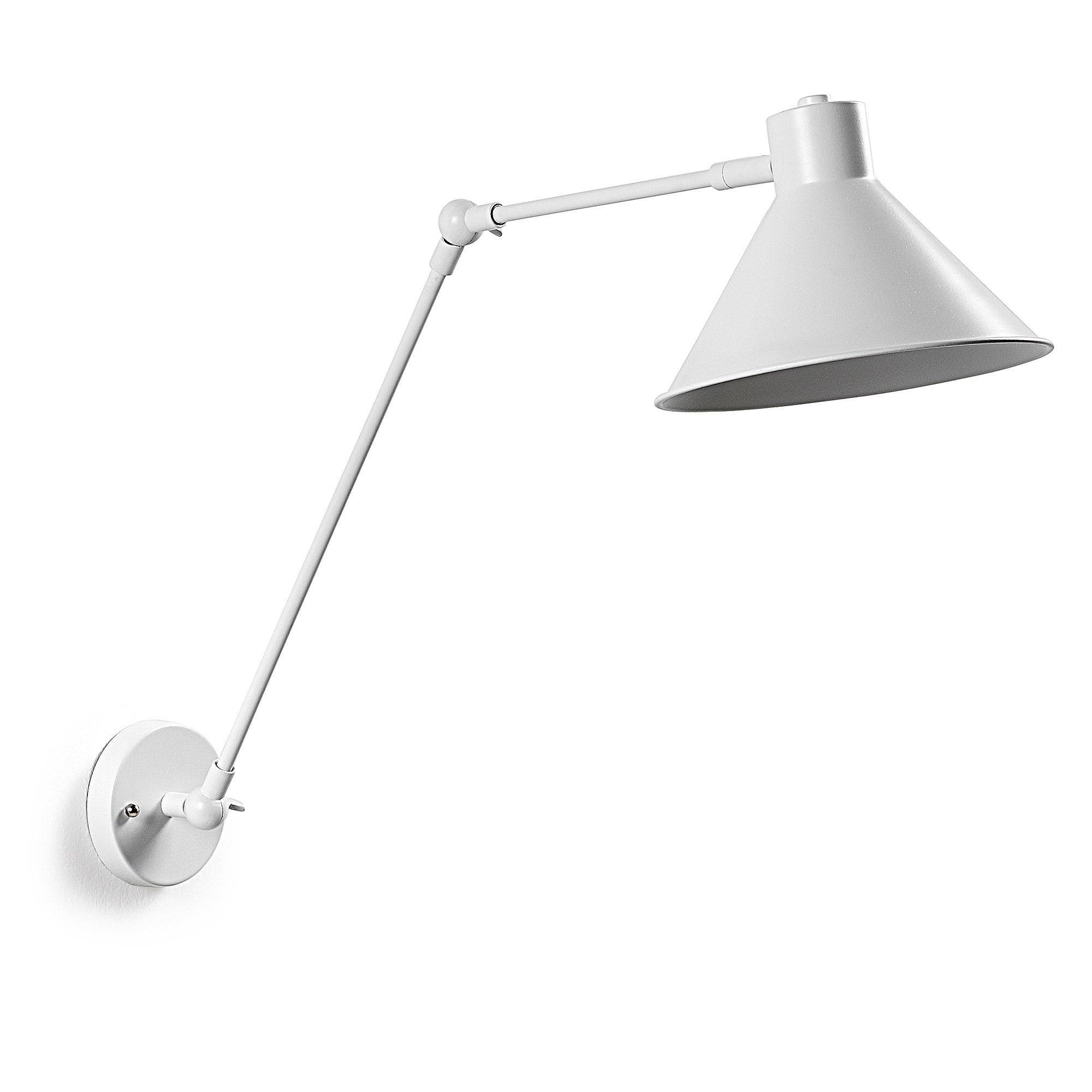
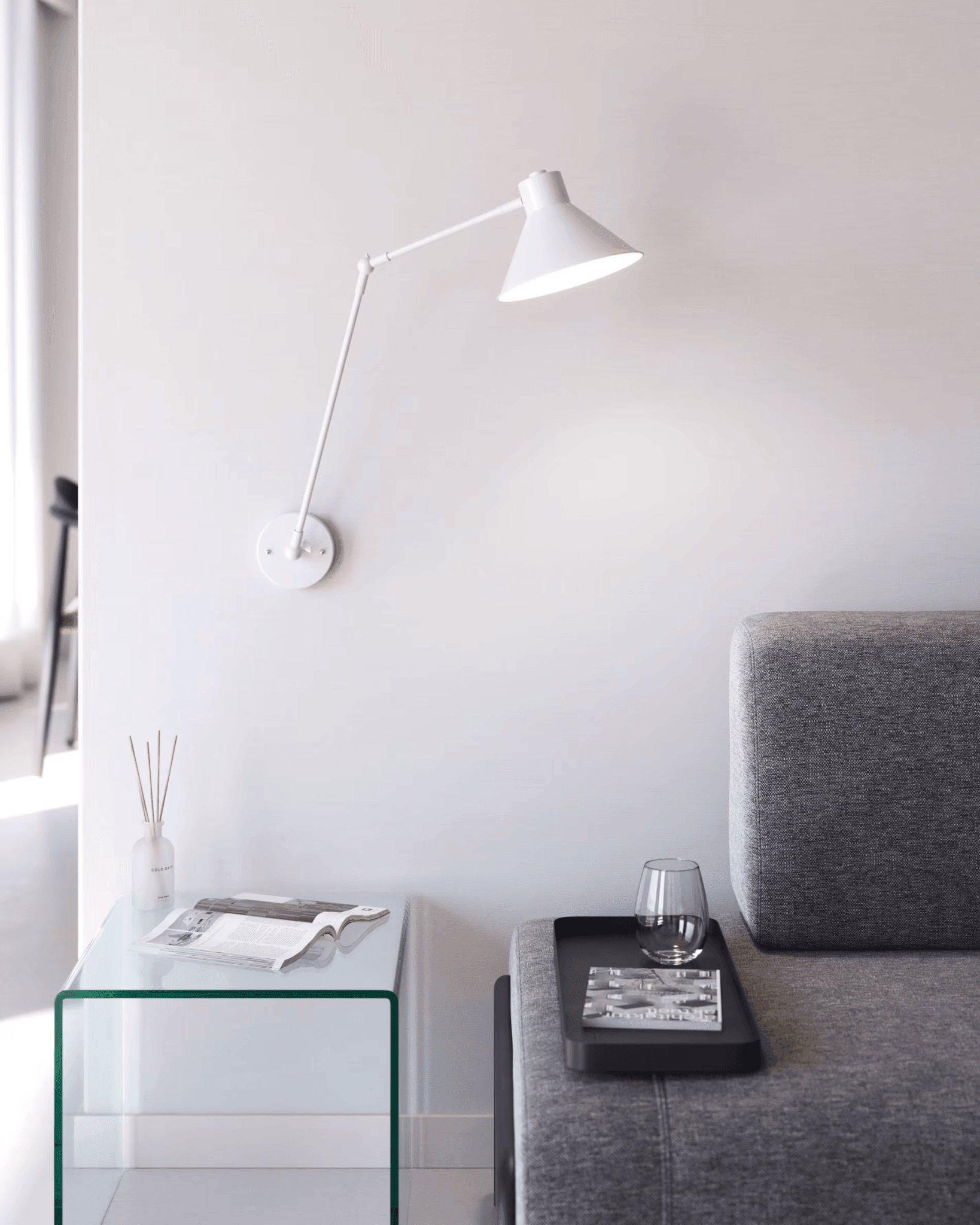
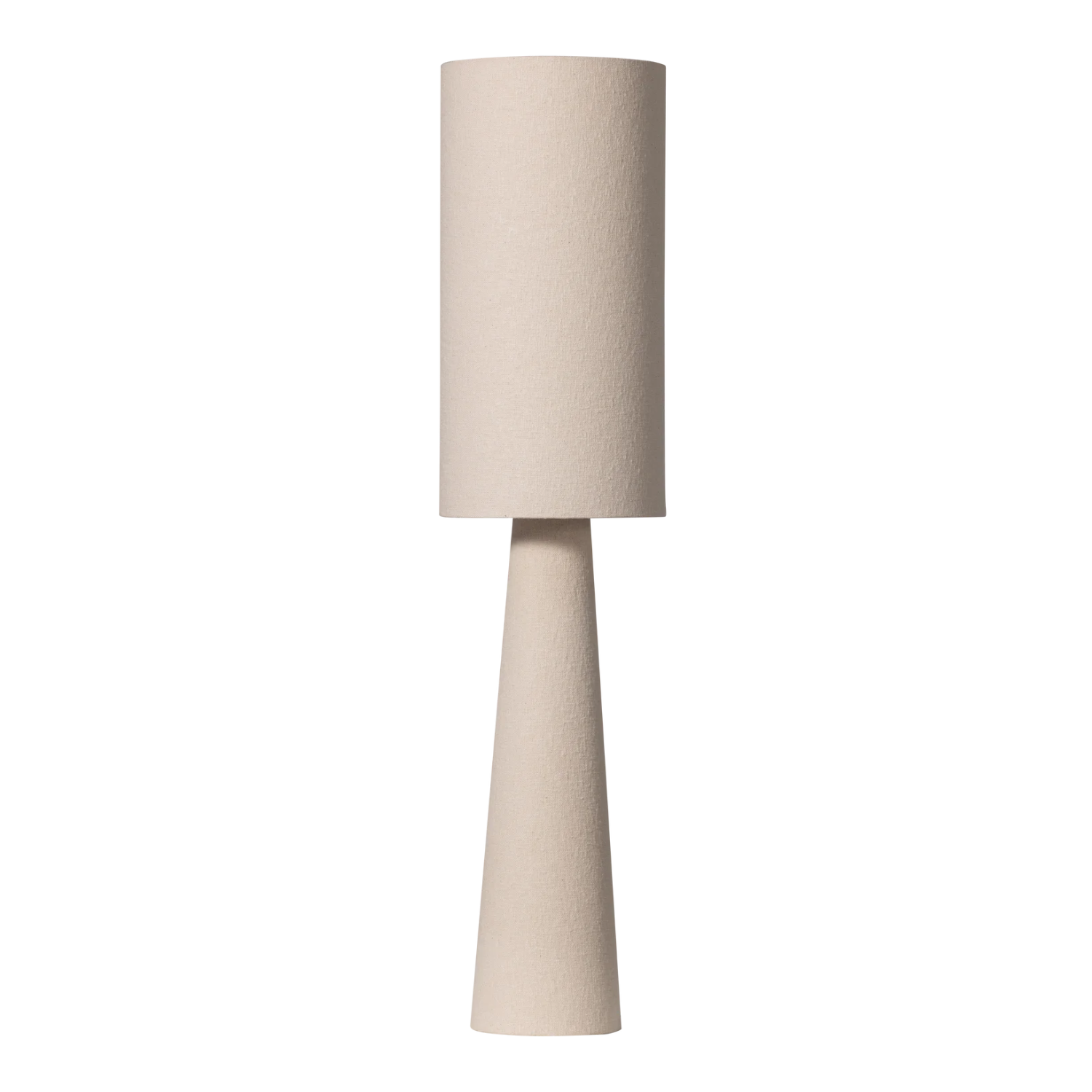
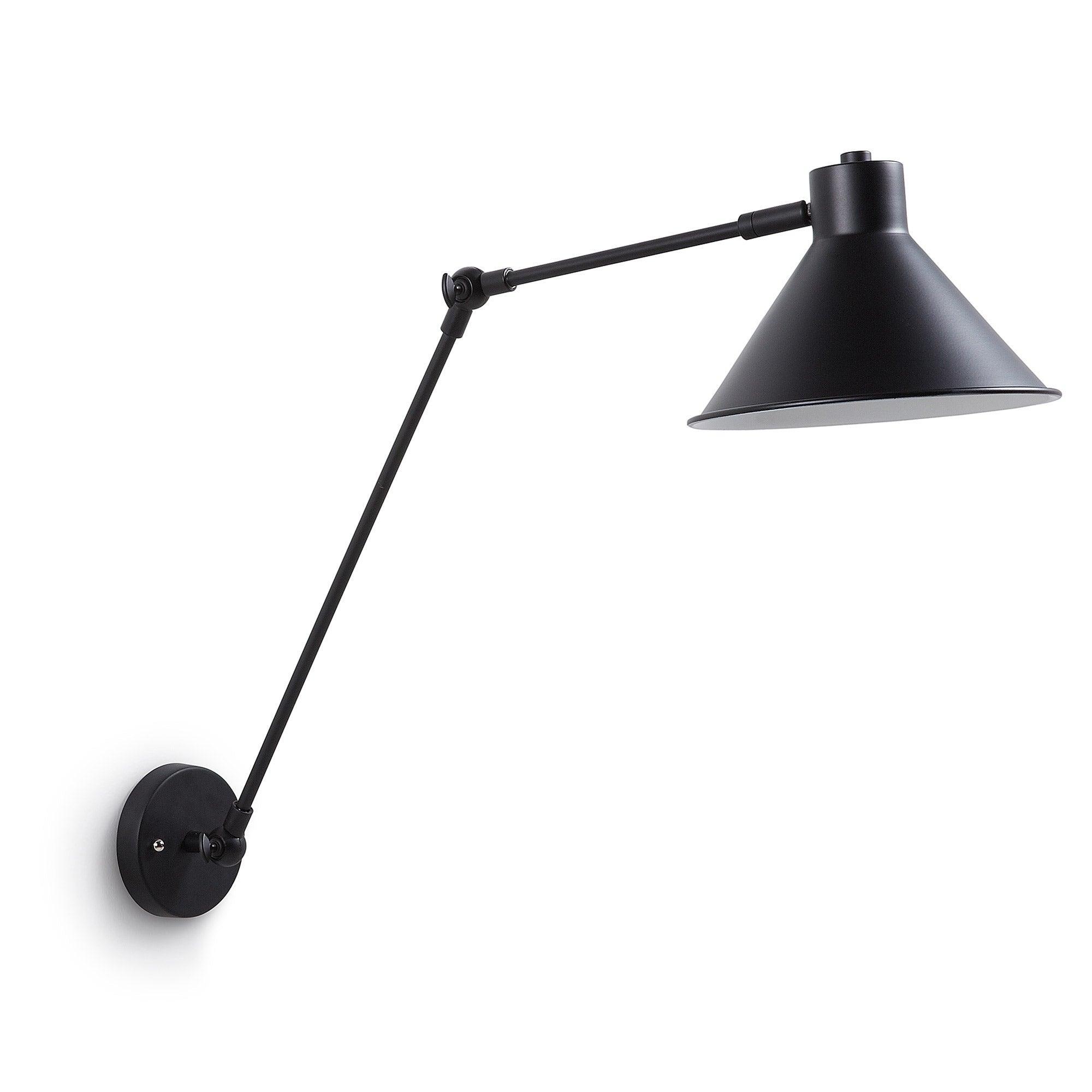
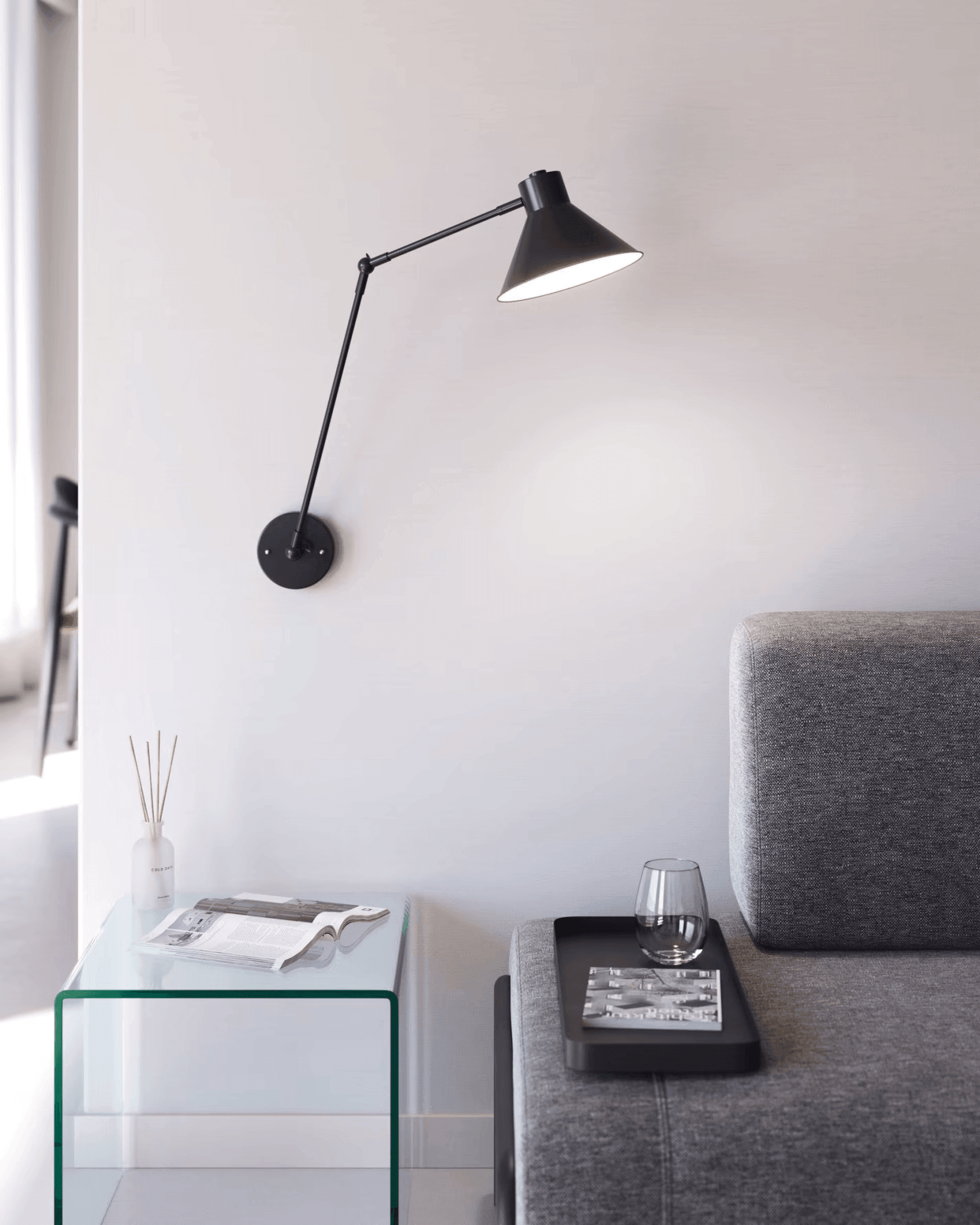
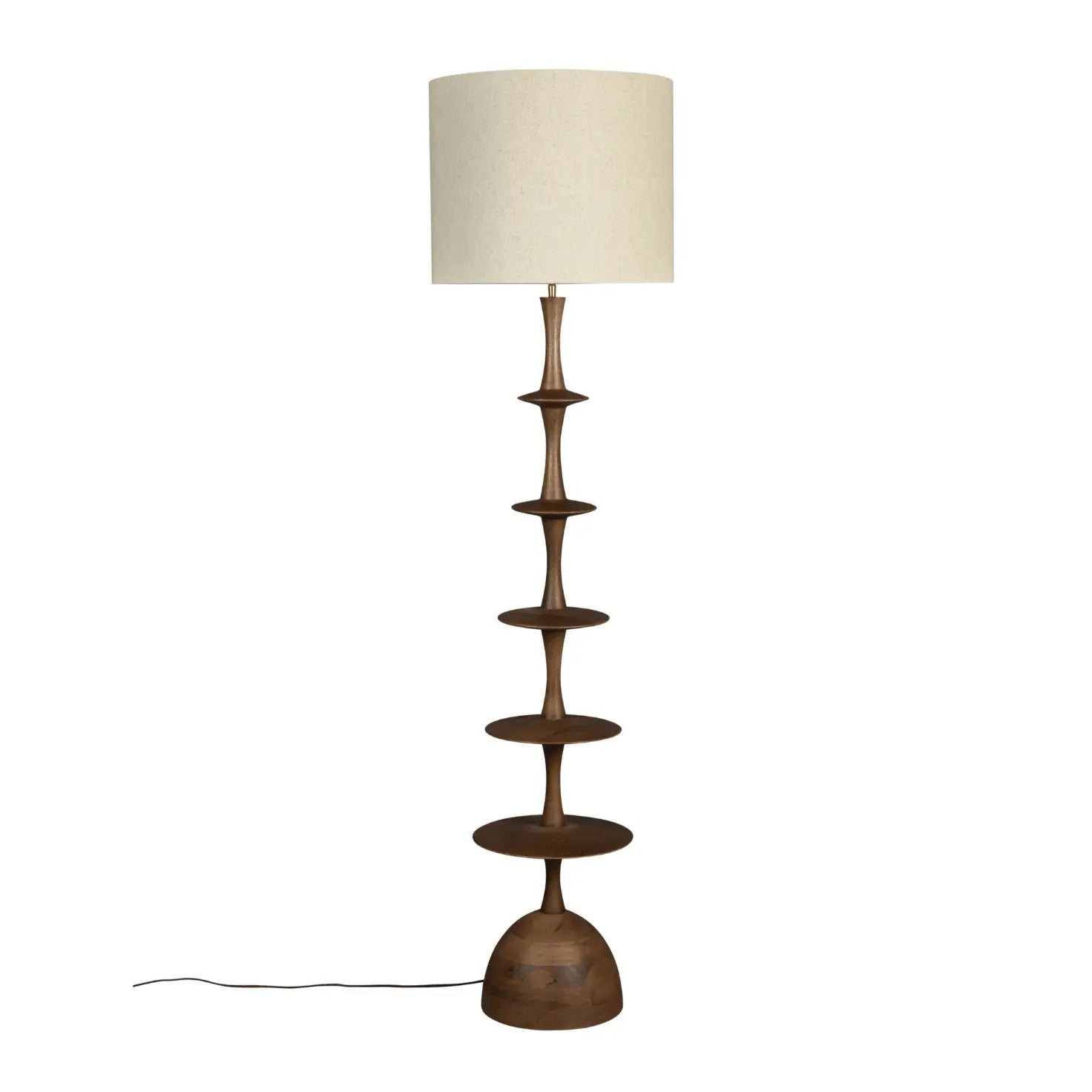
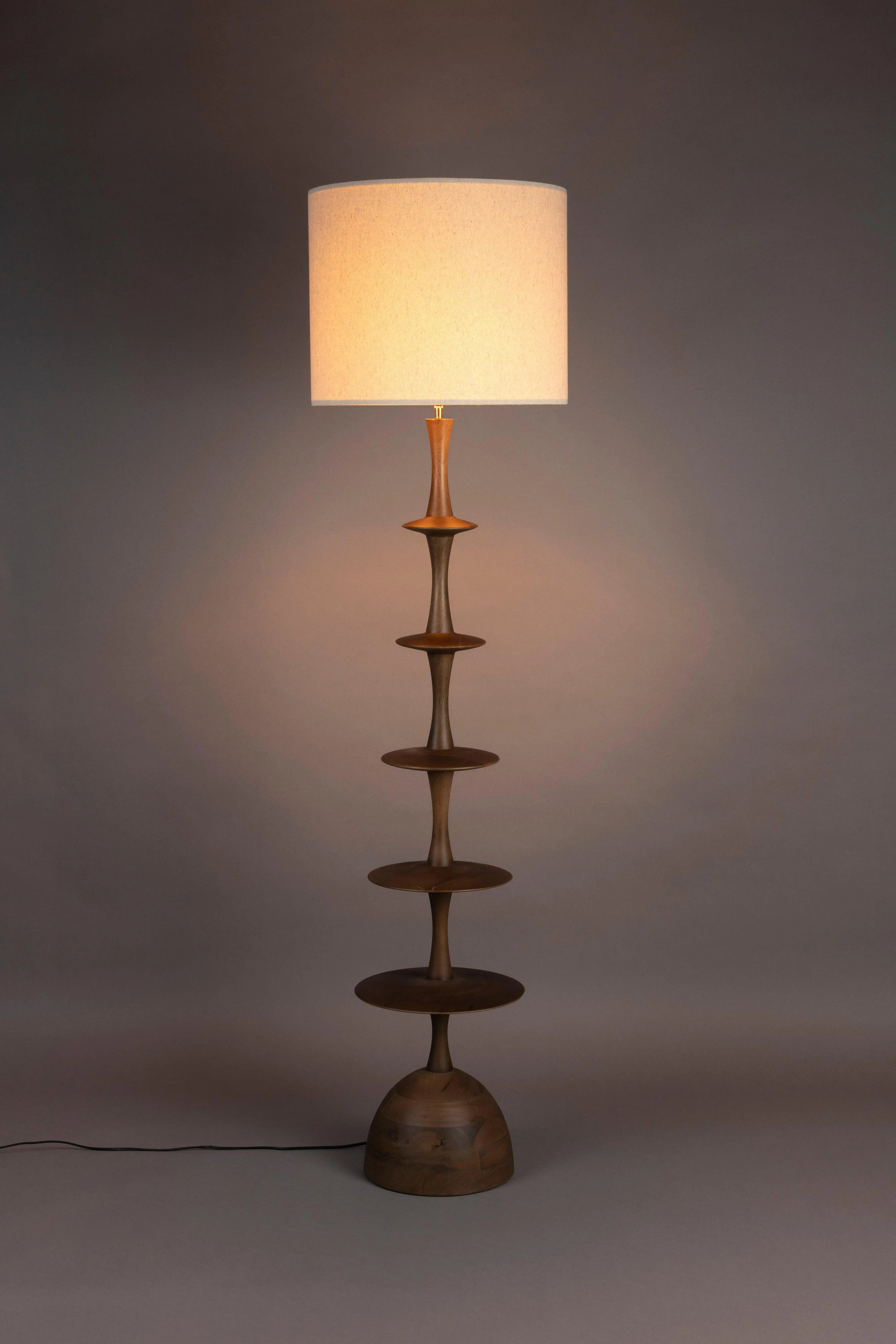
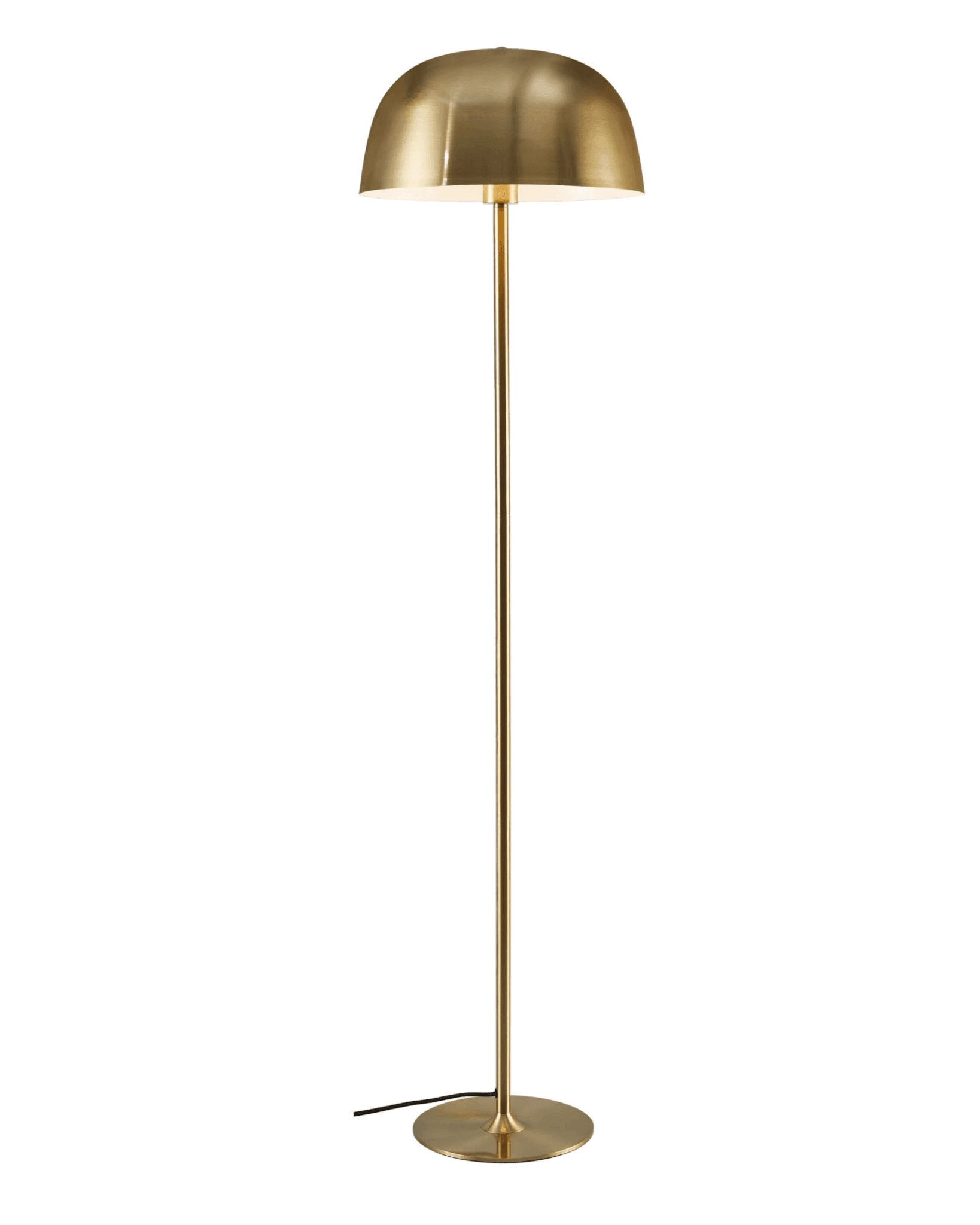
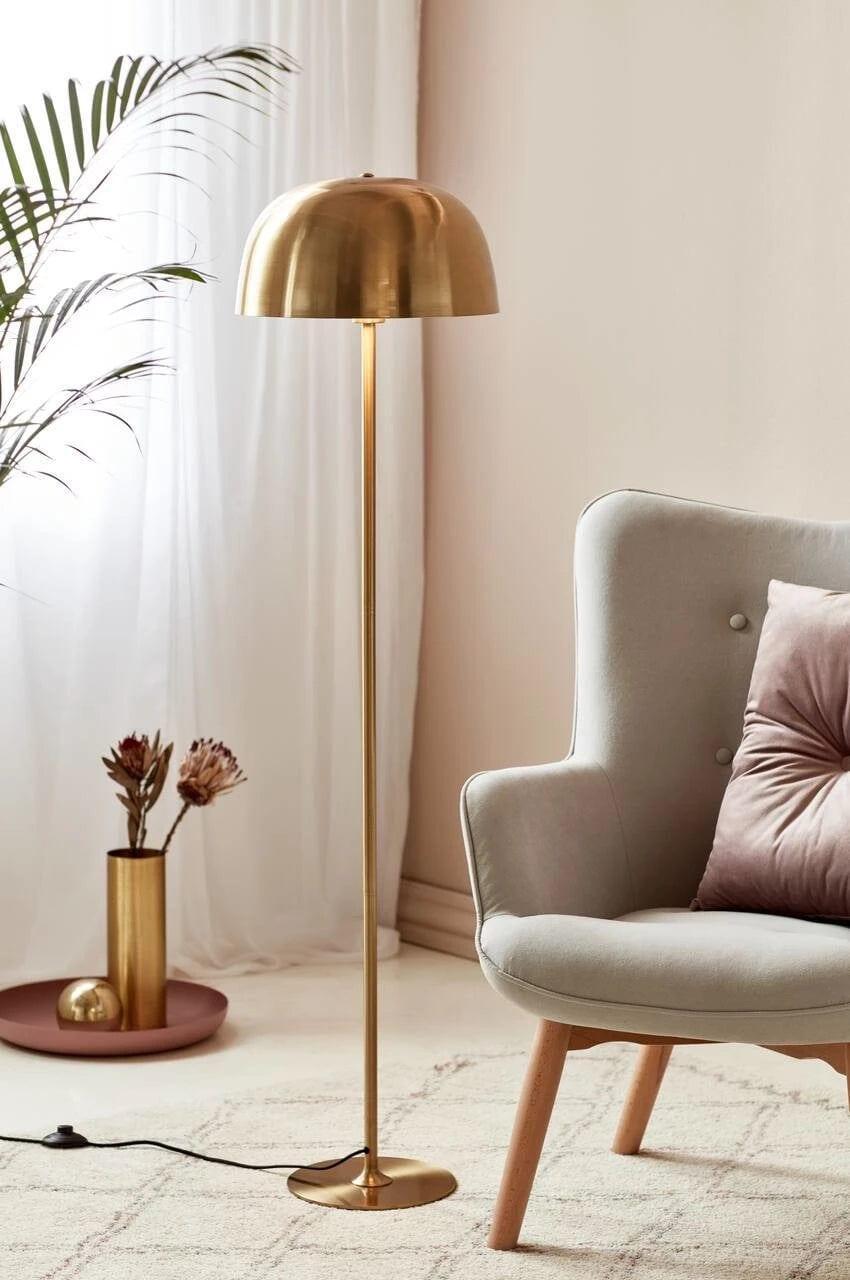
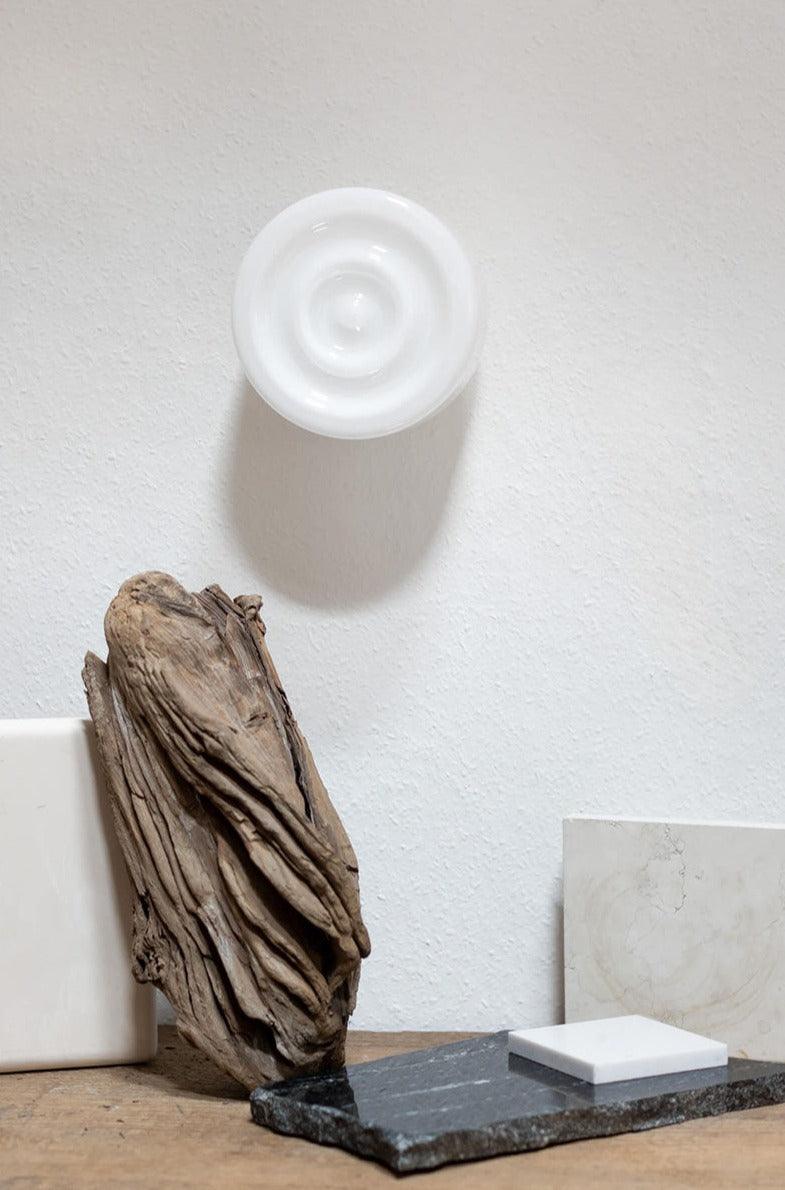
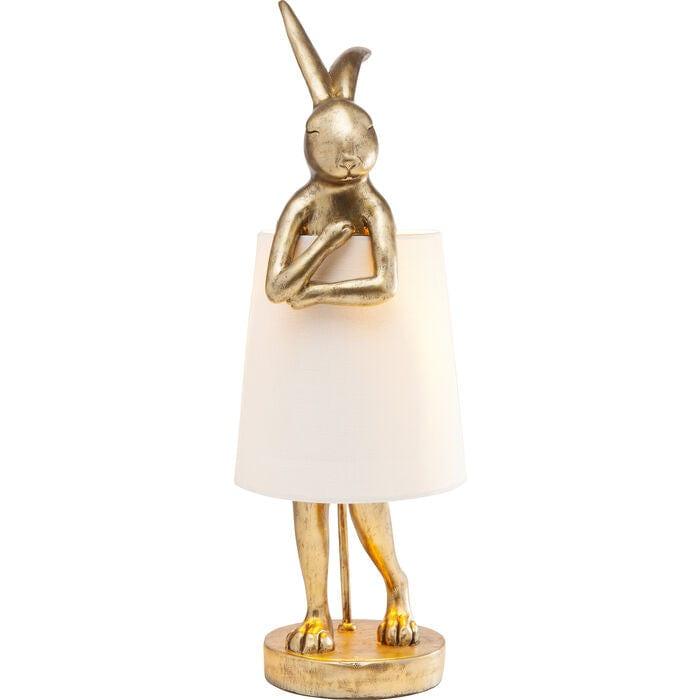
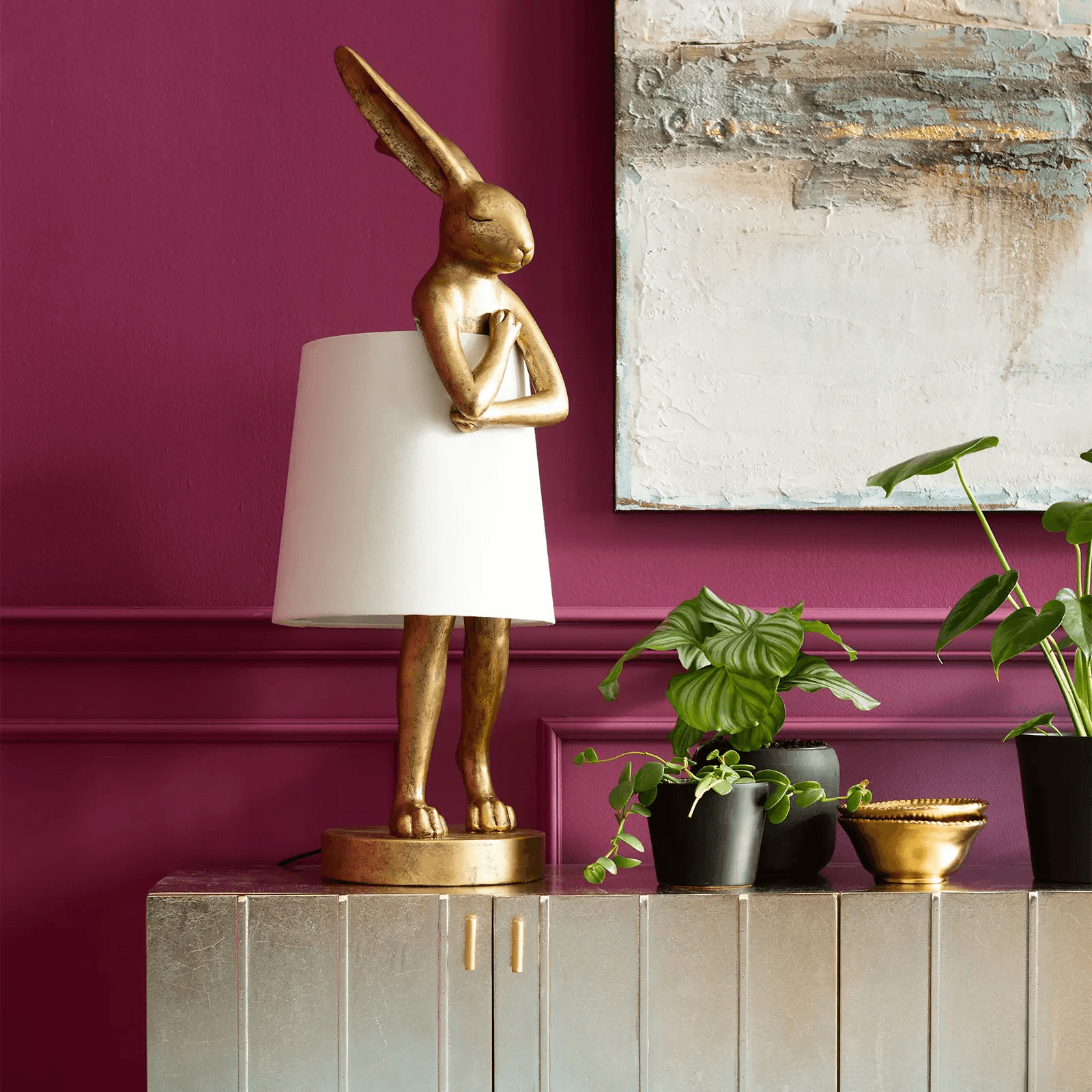
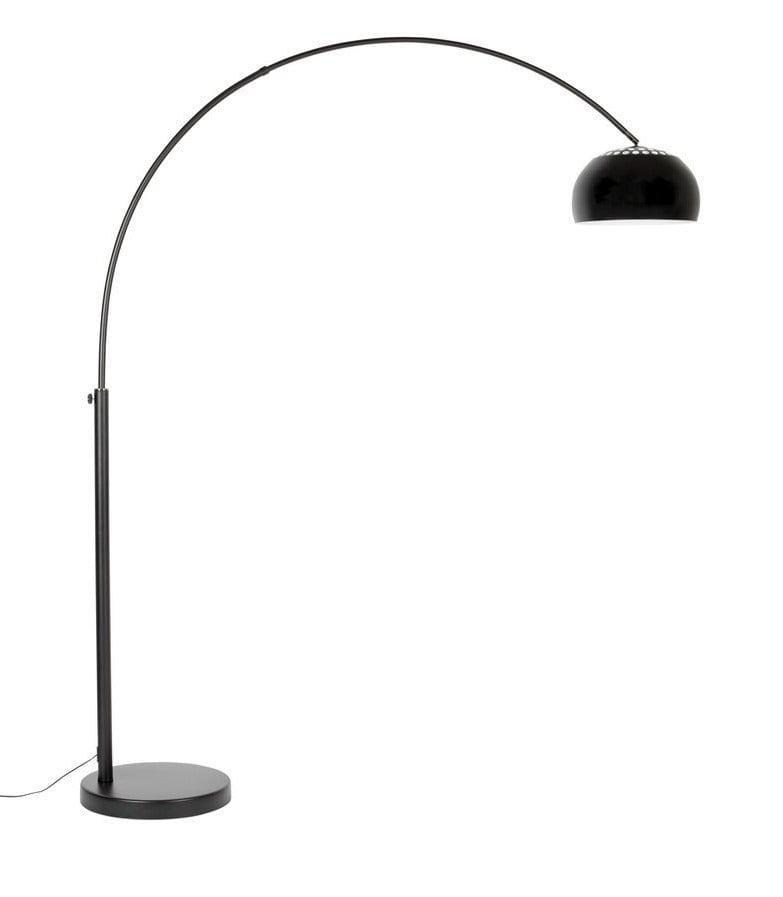
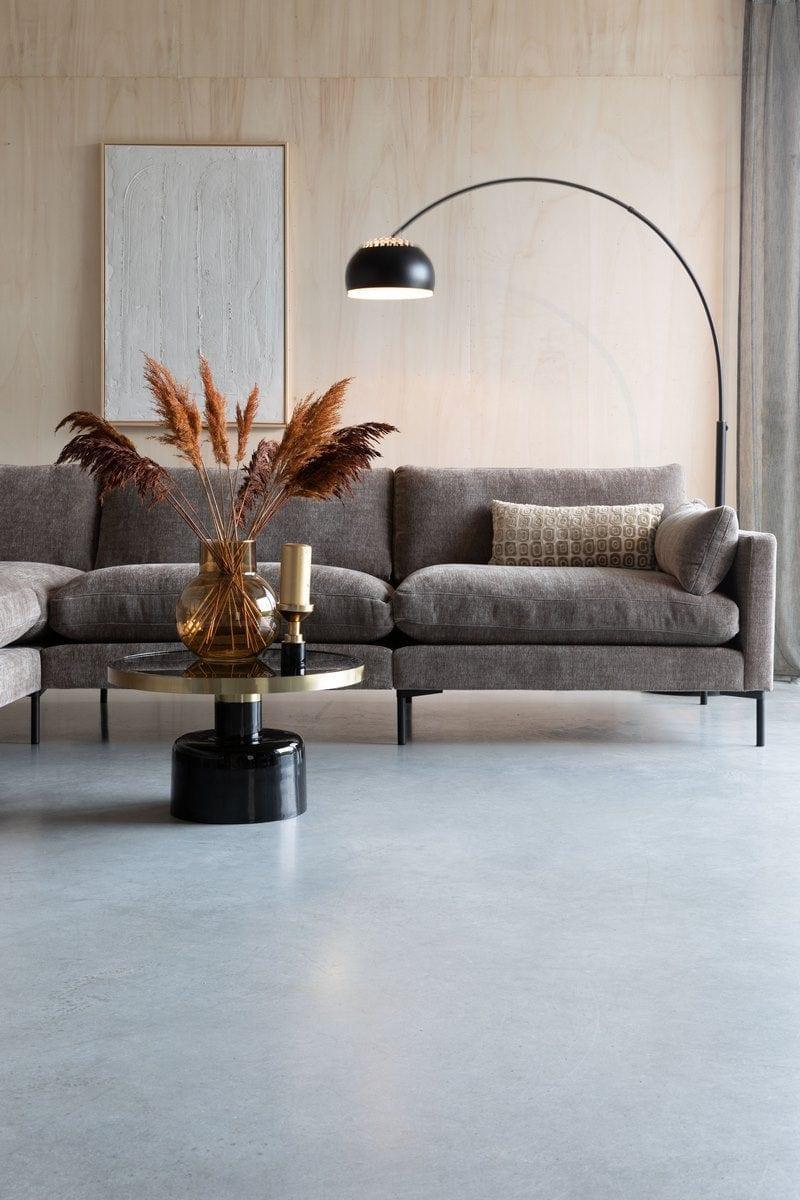
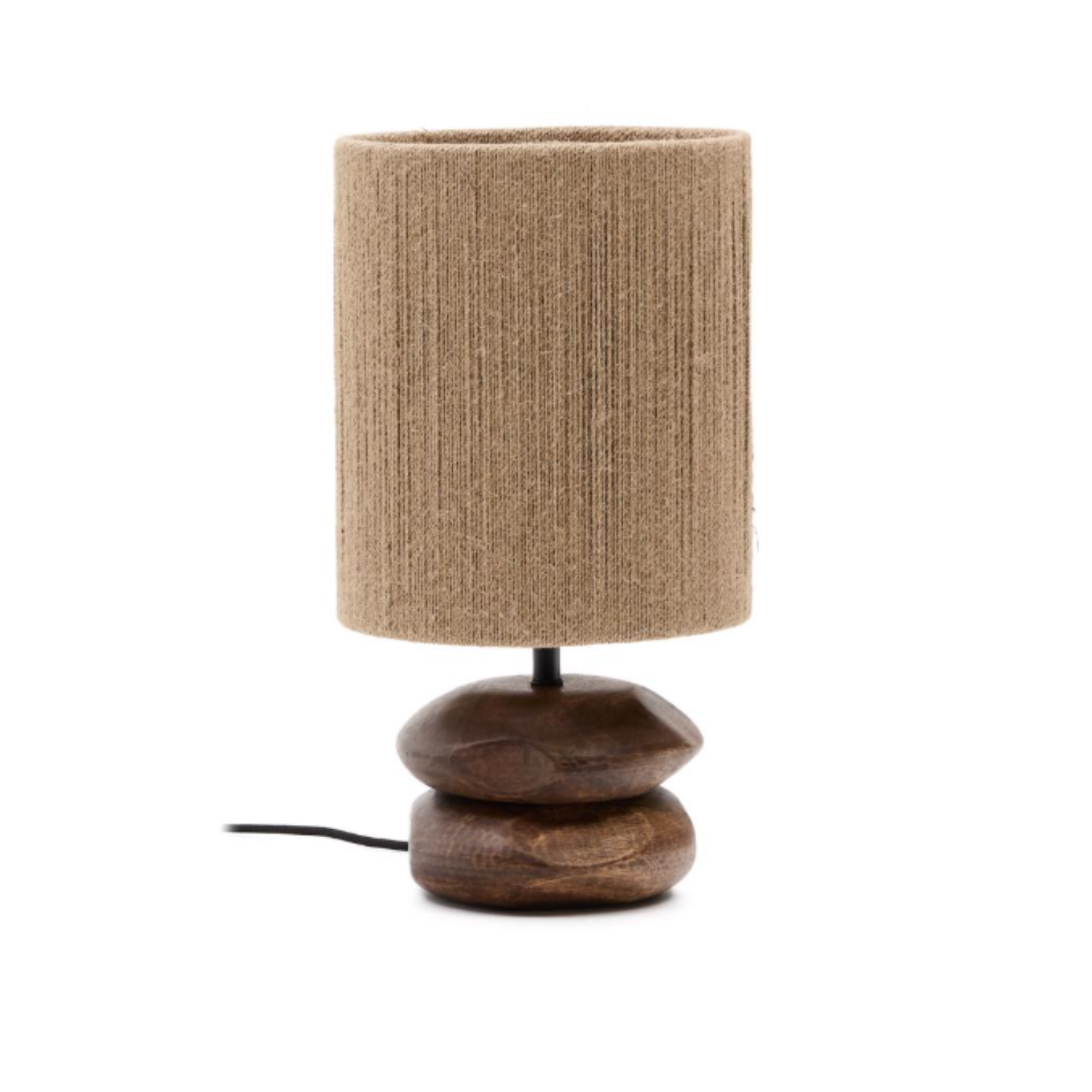
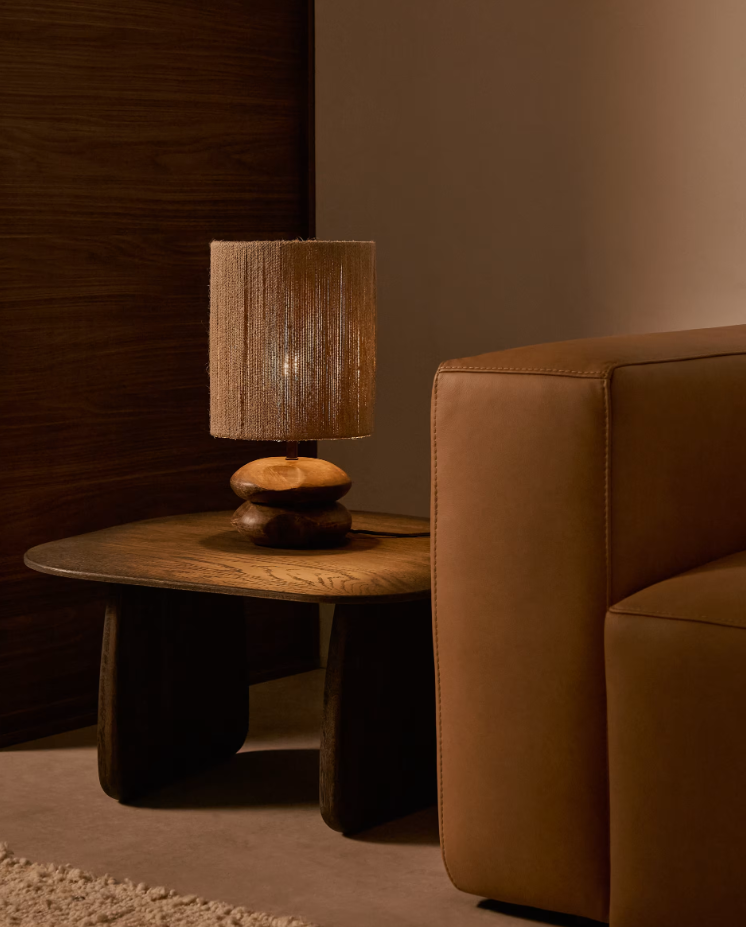
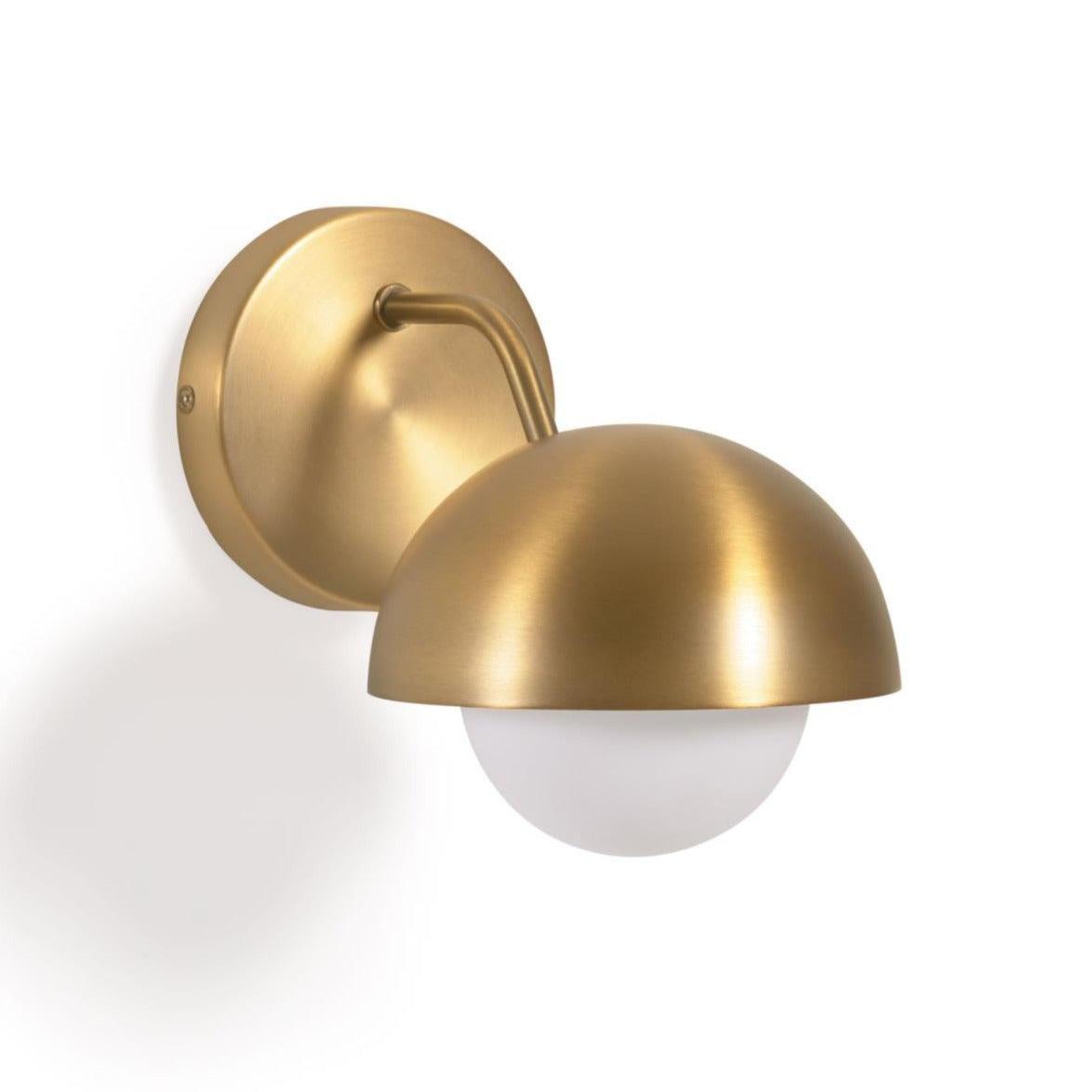
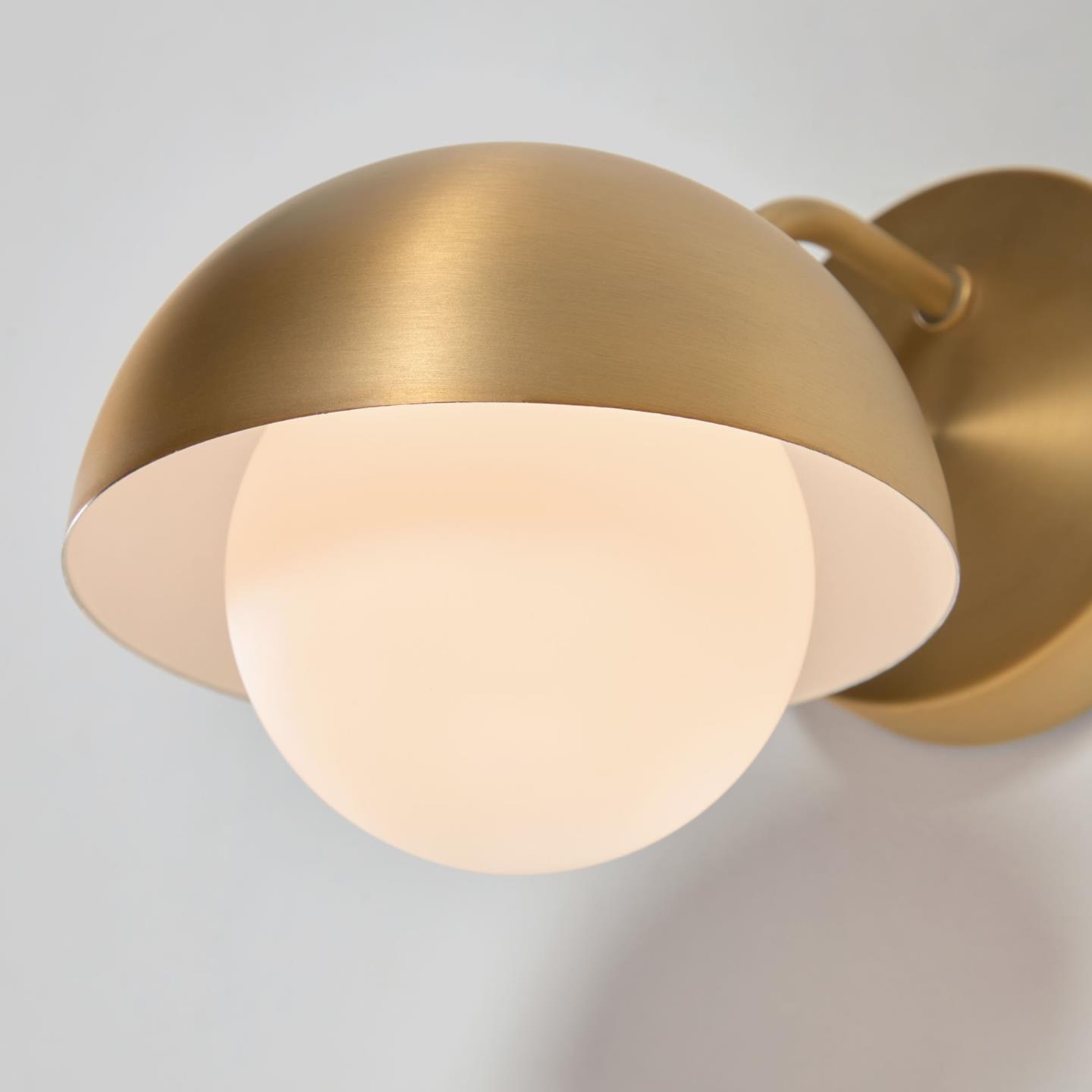
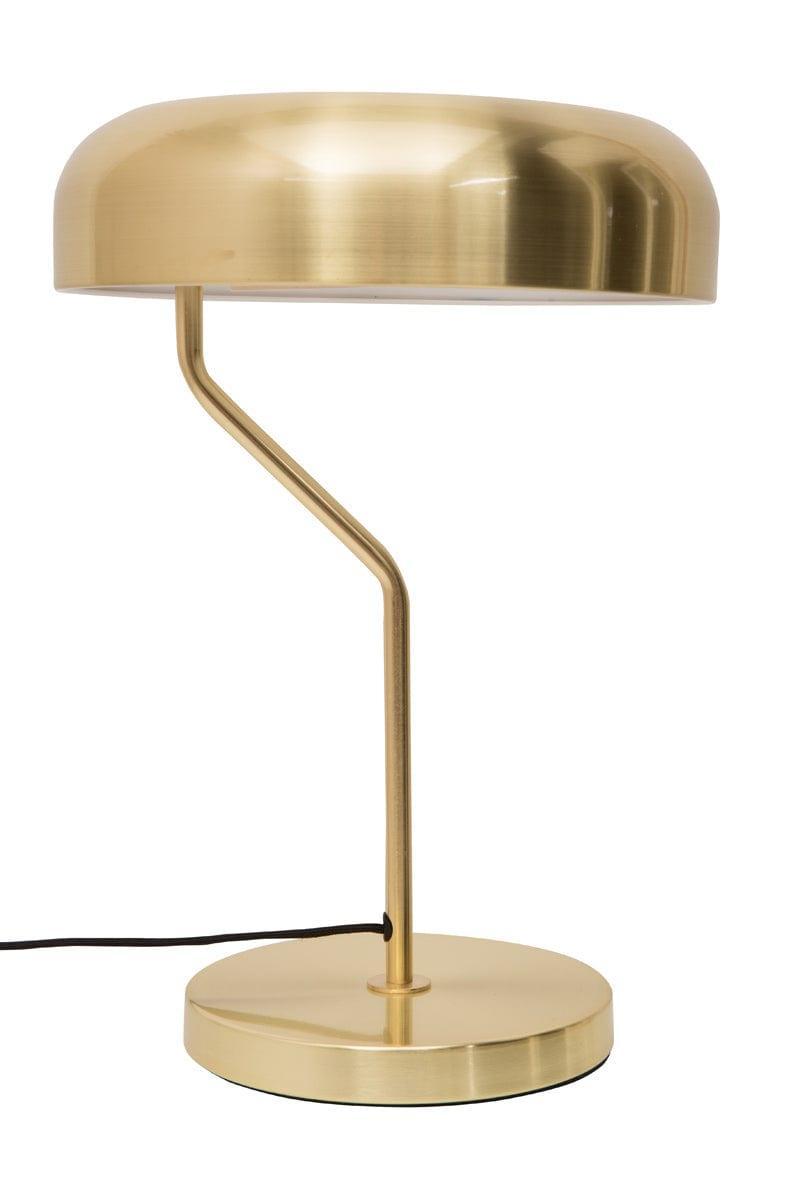
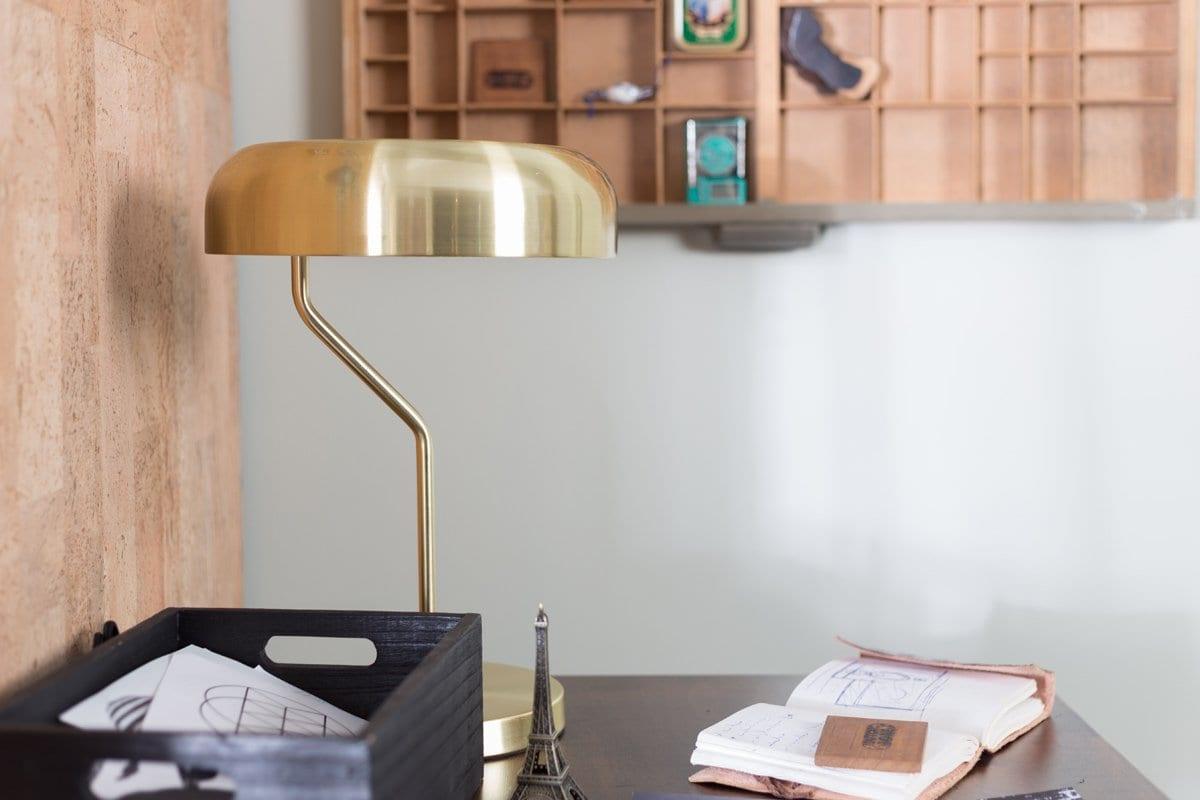
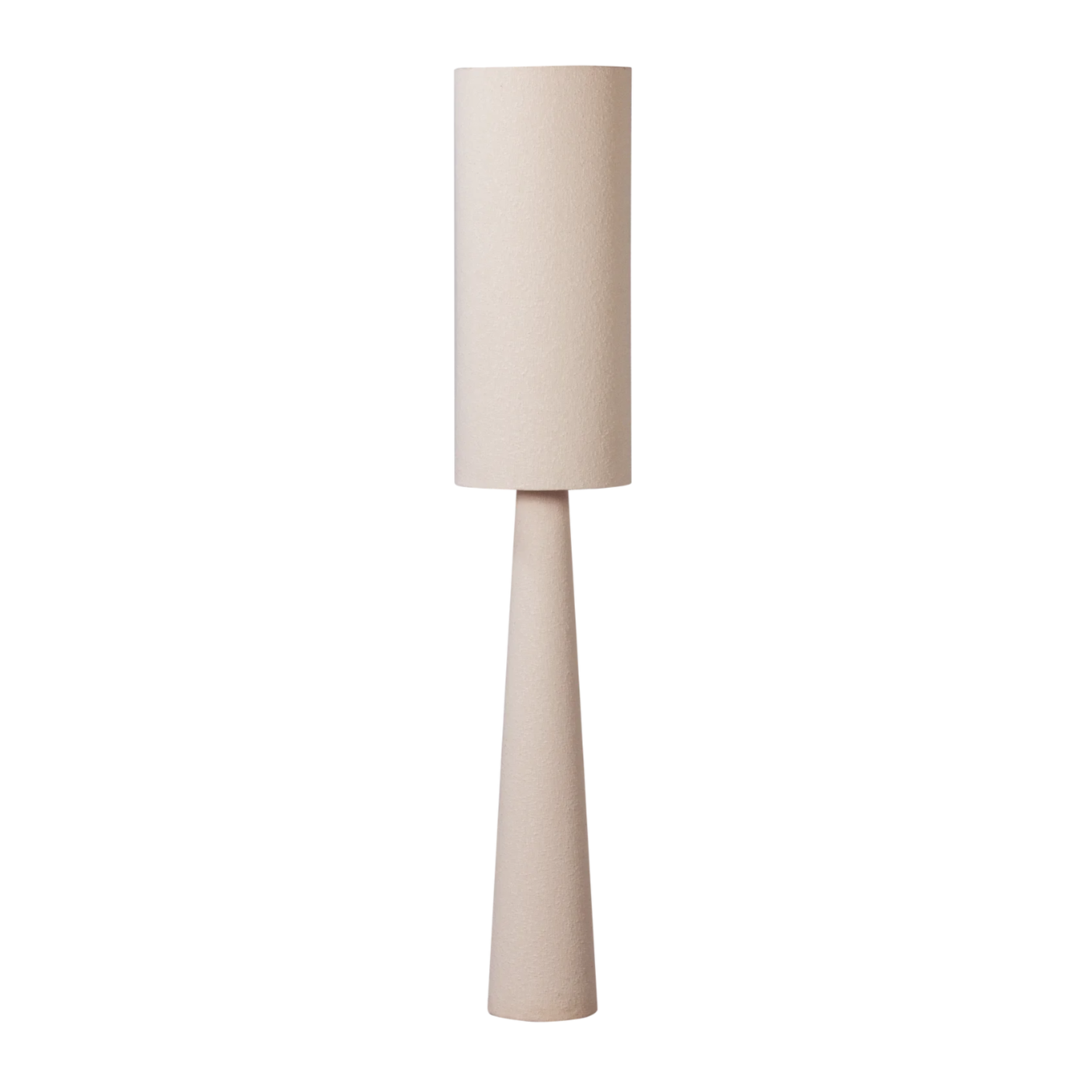
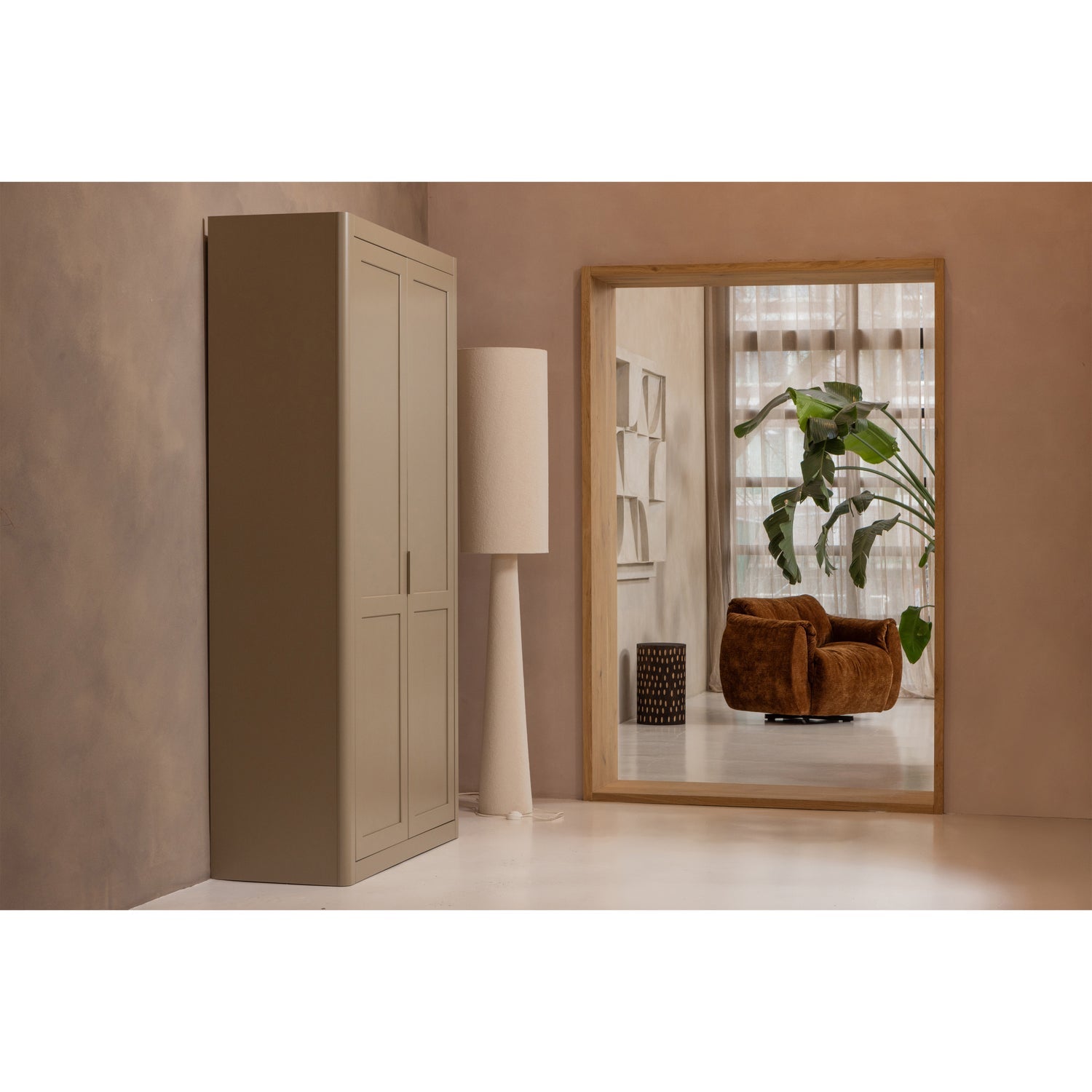
Floor lamps require no installation – just a power outlet – and are perfect for illuminating a reading chair. Table lamps can be placed on a dresser or nightstand, while wall sconces save space on surfaces and work wonderfully beside a bed or above a mirror.
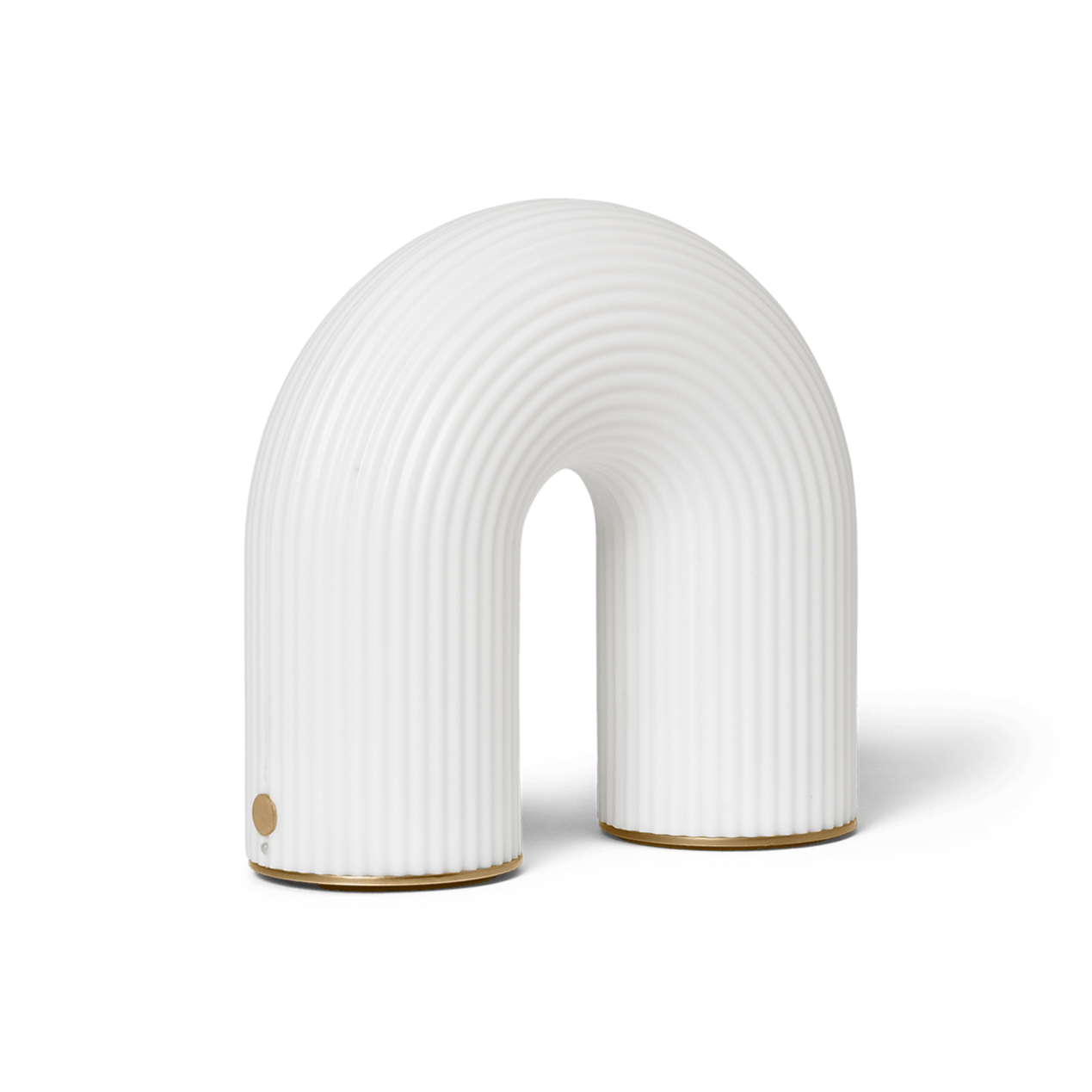
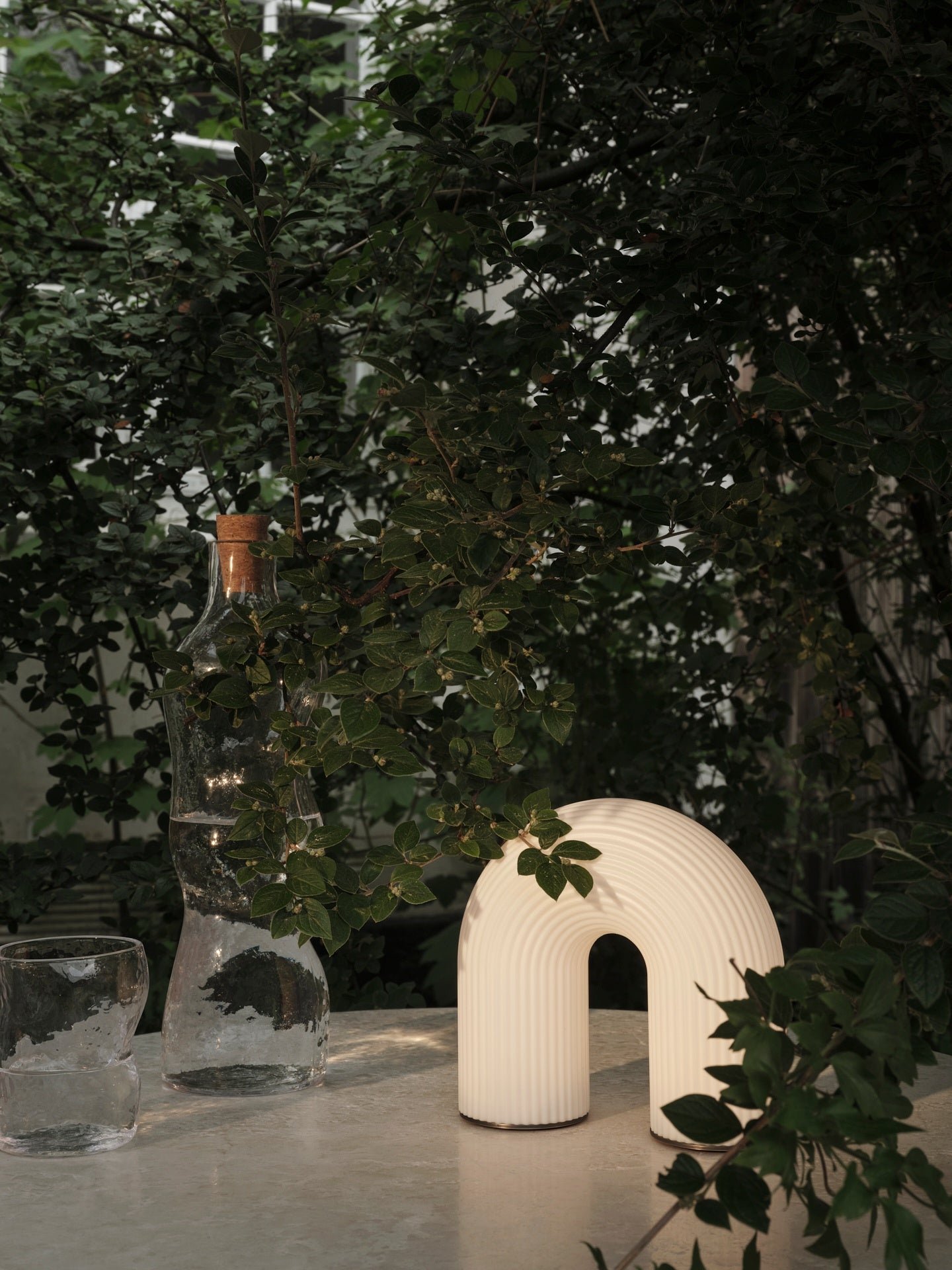
If you lack access to wiring, battery-operated lamps are a wireless solution. For your terrace and garden, choose outdoor lamps.
Lamps for the Living Room
In the living room, the best setup includes: a ceiling lamp for general light, a floor lamp next to the sofa or armchair, and sconces or a table lamp on the dresser.
If there is a TV area in the living room, it's worth illuminating the wall behind the screen – this reduces contrast and eye strain during evening viewing.
Lighting for Bedrooms, Kitchens, and Dining Rooms
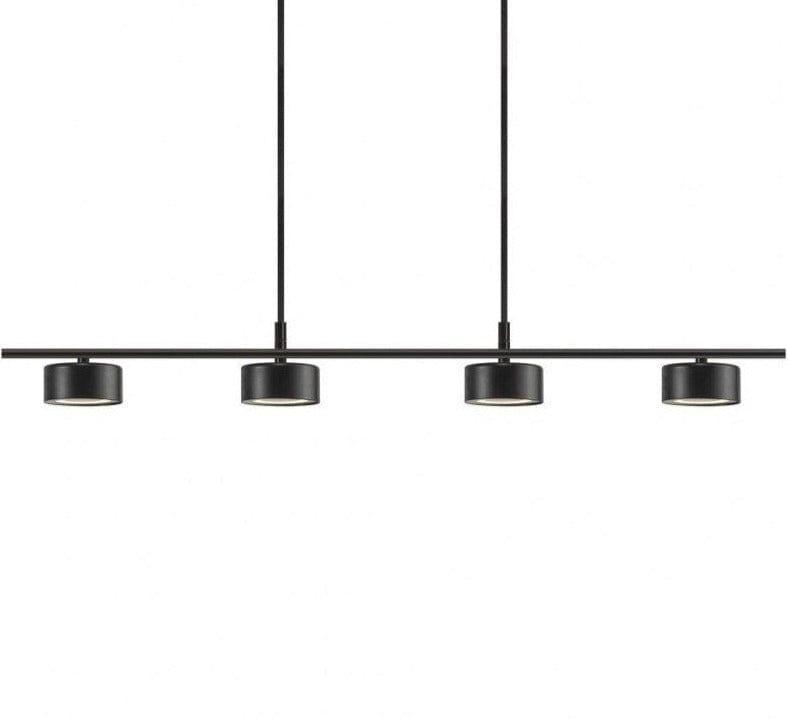
In the bedroom, wall sconces on either side of the bed are most convenient – they free up space on the nightstand and provide light for reading. In the kitchen, it's essential to illuminate the work surface, and a row of hanging lamps looks great above the island.
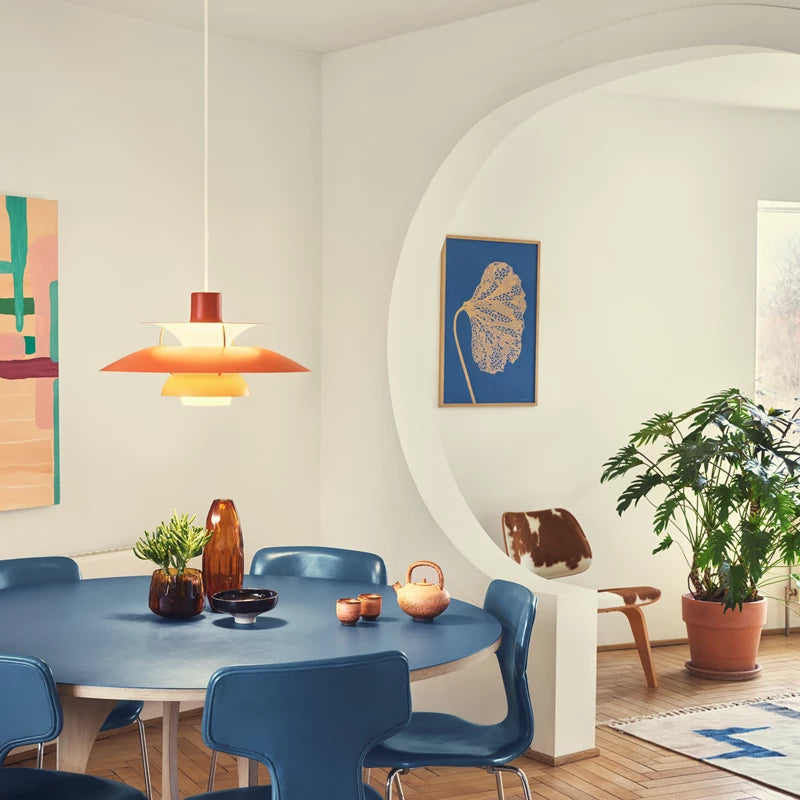
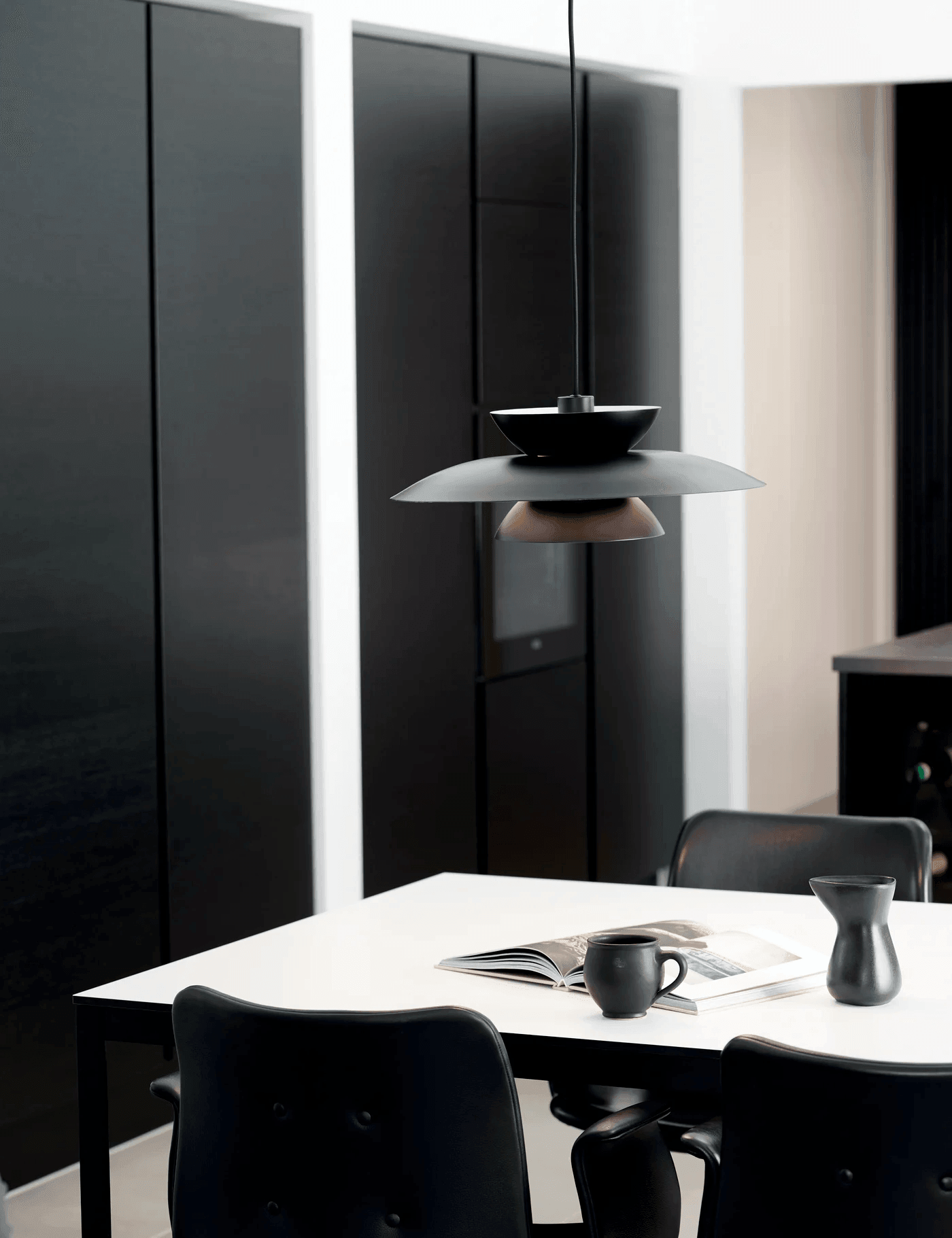
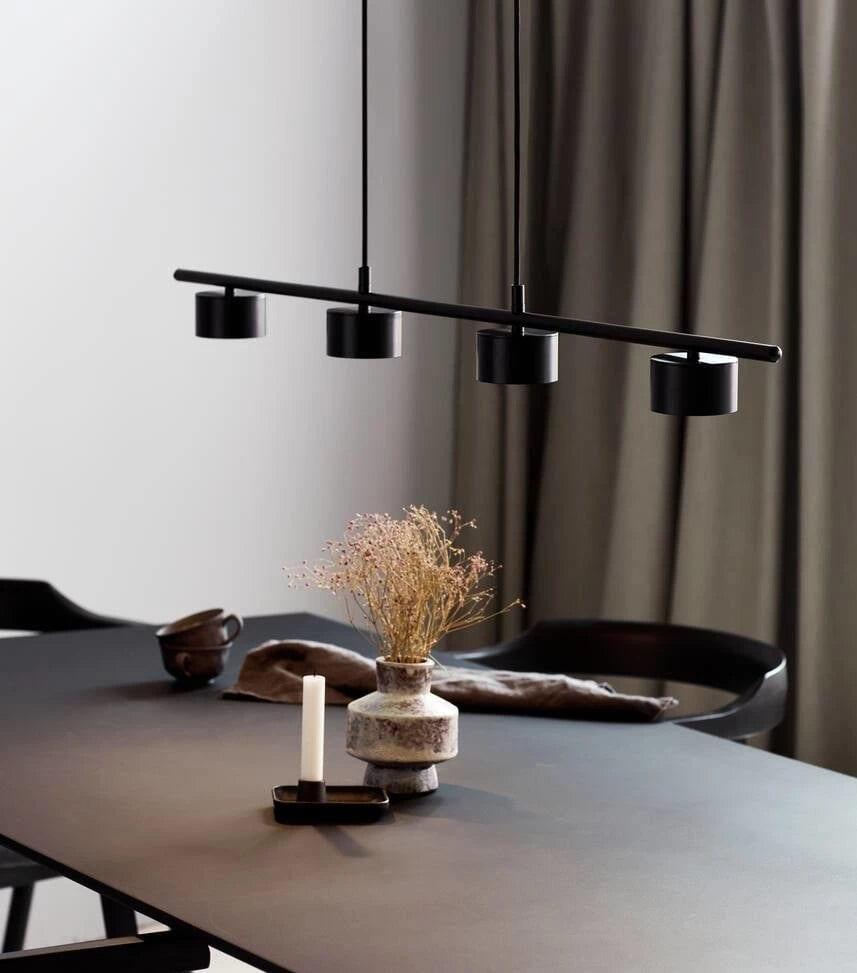
In the dining room, hang the lamp so that the bottom edge of the shade is above the eye level of seated guests – this way, the light won't glare and won't obstruct conversations. In the hallway, a low flush mount works well, and in the office, a lamp with an adjustable arm is ideal.
Light Color and Intensity
Warm light (2700–3000 K) promotes relaxation – choose it for the living room and bedroom. Neutral light (around 4000 K) is better for work and is suitable for the kitchen, bathroom, and office. Mixing colors in one room can create an inconsistent effect, so it's best to stick to one.
A dimmer switch makes a practical difference – the ability to adjust brightness allows one lamp to serve both evening reading and social gatherings.
Style
Lamps can easily be matched to the character of the interior: Scandinavian, Japandi, loft, glamour, or mid-century modern. Learn more about the role of light in our article Evening Rituals That Start from the Interior.
Lighting – Frequently Asked Questions
How many lamps should be in the living room?
In a living room over 20 m², it's advisable to have at least three independent light sources: general, task, and ambient.
What color light is best for the living room?
Warm, 2700–3000 K – promotes relaxation. Neutral light is better reserved for the kitchen, bathroom, and work areas.
At what height should a lamp be hung above the table?
So that the bottom edge of the shade is above the eye level of seated guests – this way, the light won't dazzle and won't obstruct the view.
What is the difference between a flush mount and a ceiling lamp?
A flush mount is installed directly against the ceiling, making it suitable for low rooms. A ceiling lamp can have a suspension and a larger shade.
Discover lamps and lighting at Eye on Design – free shipping on orders over 1000 PLN, showroom in Warsaw.
Free shipping on orders over 1000 PLN, showroom in Warsaw.