

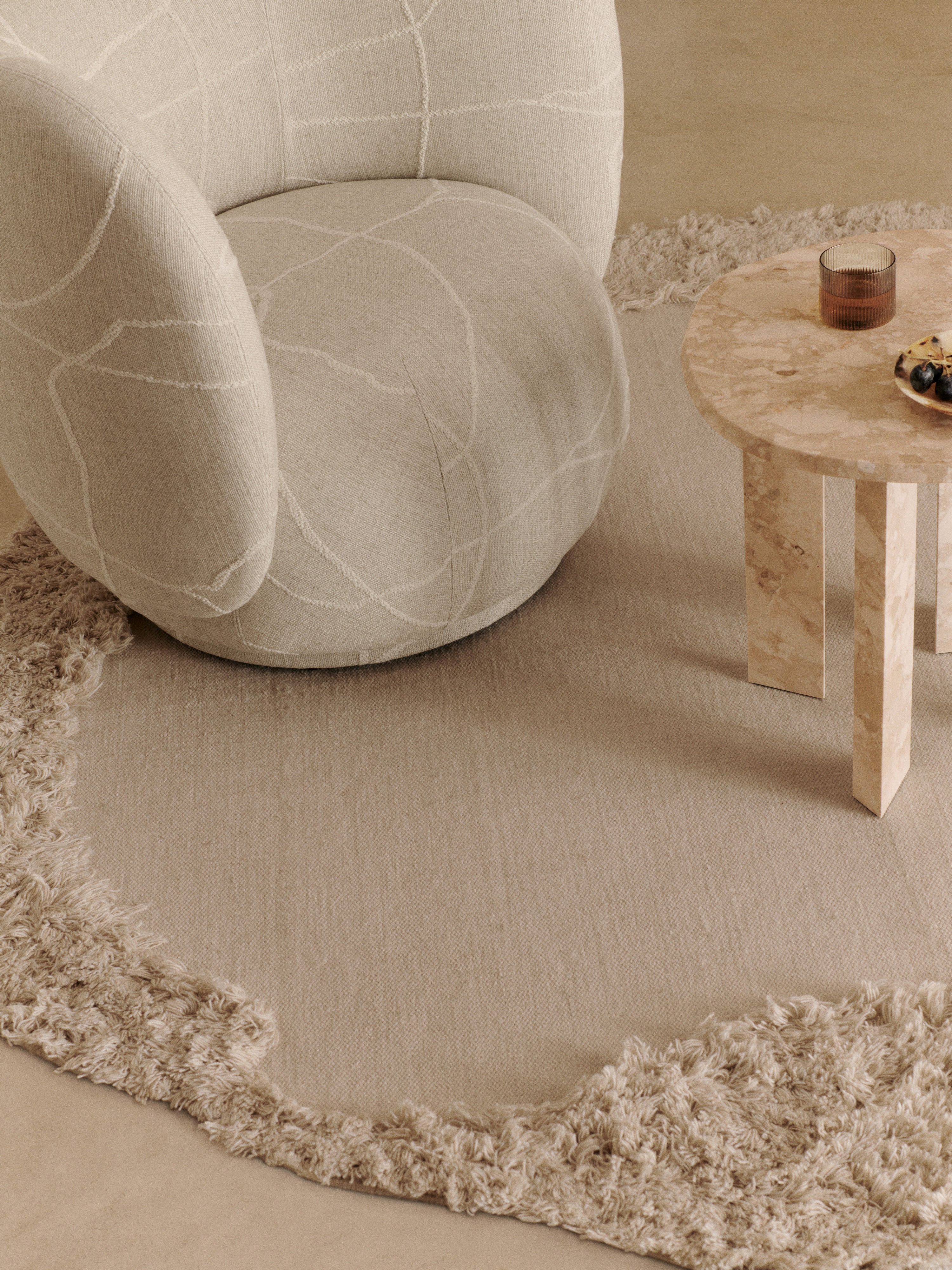

A small living room does not forgive random decisions. It is in small spaces that it shows whether the sofa was chosen consciously — or just "fit in." Premium interior designers treat the sofa in a small living room as an architectural element: it must be visually light, proportional, and create the atmosphere of the entire space.
A well-chosen sofa can make the living room look larger, more organized, and definitely more expensive.
Sofa for a small living room – how to choose? Designer tricks
1. A light shape is absolutely essential 2. Compact depth in a small living room = more space 3. A color that enlarges the space (but looks luxurious) 4. Sofa for a small living room instead of a large sectional 5. High legs make a huge difference 6. Thin armrests = more space 7. Fabric that doesn't overwhelm 8. The arrangement of the sofa matters 9. Modular Sofa with Sleeping Function as a Premium Solution 10. Sofa as the Main Element of Style Summary

1. A light shape is absolutely essential
Designers consistently repeat: in a small living room, heavy, bulky sofas always look worse than in a showroom. Visual lightness matters.
The best options are:
slim legs
thin armrests
simple, geometric shape
no heavy built-in base
Designer tip: If you see more floor under the sofa, the space automatically seems larger. This is one of the simplest optical tricks used in magazine shoots.

2. Compact depth in a small living room = more space
A sofa that is too deep is the most common mistake in small living rooms. Even a beautiful model can "kill" the proportions of the space.
Ideal parameters:
85–95 cm depth – comfort + lightness
max. 100 cm – if the living room is open
under 90 cm – for very small spaces
Designer tip: In premium designs, shorter seats are often chosen, compensating for comfort with a greater number of cushions.

3. A color that enlarges the space (but looks luxurious)
White is not always the best choice. Premium interiors rely on soft, neutral shades. In small living rooms, light shades, such as beige and gray, work best as they visually enlarge the space.
The best colors for a small living room:
warm beige
greige
light taupe
broken white
soft gray-beige
Designer tip: A solid-colored sofa in the tone of the wall makes the shape "disappear," and the space appears larger. Similarly, it's worth choosing accessories and other furnishings in neutral colors to keep the entire arrangement cohesive.

4. Sofa for a small living room instead of a large sectional
Contrary to intuition, in small living rooms, a classic sofa often looks better than a sectional.
When to choose a sofa: if you're wondering which sofa for a small living room will be best, a simple, visually light model usually wins.
when the living room is under 20 m²
when you care about lightness
when you want to avoid a cramped effect
when you ask which sofa will work best in a small space for everyday use

When a corner sofa makes sense:
compact model
open form
short chaise longue
When choosing furniture for small rooms, the right piece plays a key role, especially when comparing which sofa or corner sofa better utilizes the space.
Designer tip: A small sofa + armchair looks lighter than one large corner sofa. In a small living room, a compact sofa for a small living room often provides more seating without overwhelming the space.

5. High legs make a huge difference
This detail changes everything. A sofa on high legs looks lighter, more elegant, and modern.
Optimal height:
12–18 cm
Designer tip: This is a trick often used in calm luxury style — lightness without minimalism.

6. Thin armrests = more space
Wide sides can "take away" even 20–30 cm in width, so in a small room, minimalist design without massive sides and unnecessary embellishments is the ideal solution.
Best solutions:
narrow armrests
slightly rounded shapes
no armrests (in modern interiors)
Such modern solutions improve the functionality of the furniture and help make better use of the available space.
Designer tip: Two sofas of the same width can have completely different seating space — all due to the armrests.

7. Fabric that doesn't overwhelm
In small living rooms, calm materials work best:
matte
solid colors
fine texture
soft bouclé (if the shape is light)

Stylish fabrics and cushions should create a harmonious whole with the rest of the interior.
Avoid:
large patterns
strong quilting
shiny fabrics
Parents of small children may consider upholstery in a darker color if easier maintenance is important for everyday use.
Designer tip: A solid fabric makes the sofa look more "architectural."

8. The arrangement of the sofa matters
In a small living room, the sofa should organize the space rather than divide it, so it's worth adjusting the furniture placement to the size of the room and the free passage in the living area.
Best arrangements:
against the wall
parallel to the longest wall
without blocking the passage
The sofa is most often placed in a corner or against a wall, as it saves valuable space and organizes the interior of a small room.
Designer Tip: Pulling the sofa away from the wall in a small living room rarely looks good — it's a trick more suited for large spaces, and in a small room, every centimeter is precious.
9. Modular Sofa with Sleeping Function as a Premium Solution
Modular sofas are increasingly chosen for smaller interiors because a new sofa in this form offers great flexibility in compact spaces.
Why?
adaptation to the area
flexibility in layout
visual lightness
Such models can easily be adapted to the available space, starting even from a two-seater sofa module.
This solution is particularly popular in modern arrangements. In the future, such a module can also be expanded with additional furnishings if the needs of the residents change.

10. Sofa as the Main Element of Style
In a small living room, the sofa is often the most important piece of furniture. In every living room, including small ones, seating furniture often becomes the focal point of the arrangement. It should define the character of the interior.
The best options are:
minimalist shapes
soft curves
calm color palette
high-quality fabrics
Sofa bed with sleeping function is an excellent solution when you need extra space for guests or don't have a guest room. A model with a storage compartment for bedding provides additional storage space and is perfect for small apartments. For everyday use, the ability to unfold and additional features are particularly important. Modern sofas and contemporary furniture combine minimalist design with aesthetics and practicality.

Summary
Choosing a sofa for a small living room is a matter of proportions. A light structure, slender legs, compact depth, and calm color palette ensure that even a small space can look elegant and timeless. These details distinguish a "nice" interior from a premium one.


