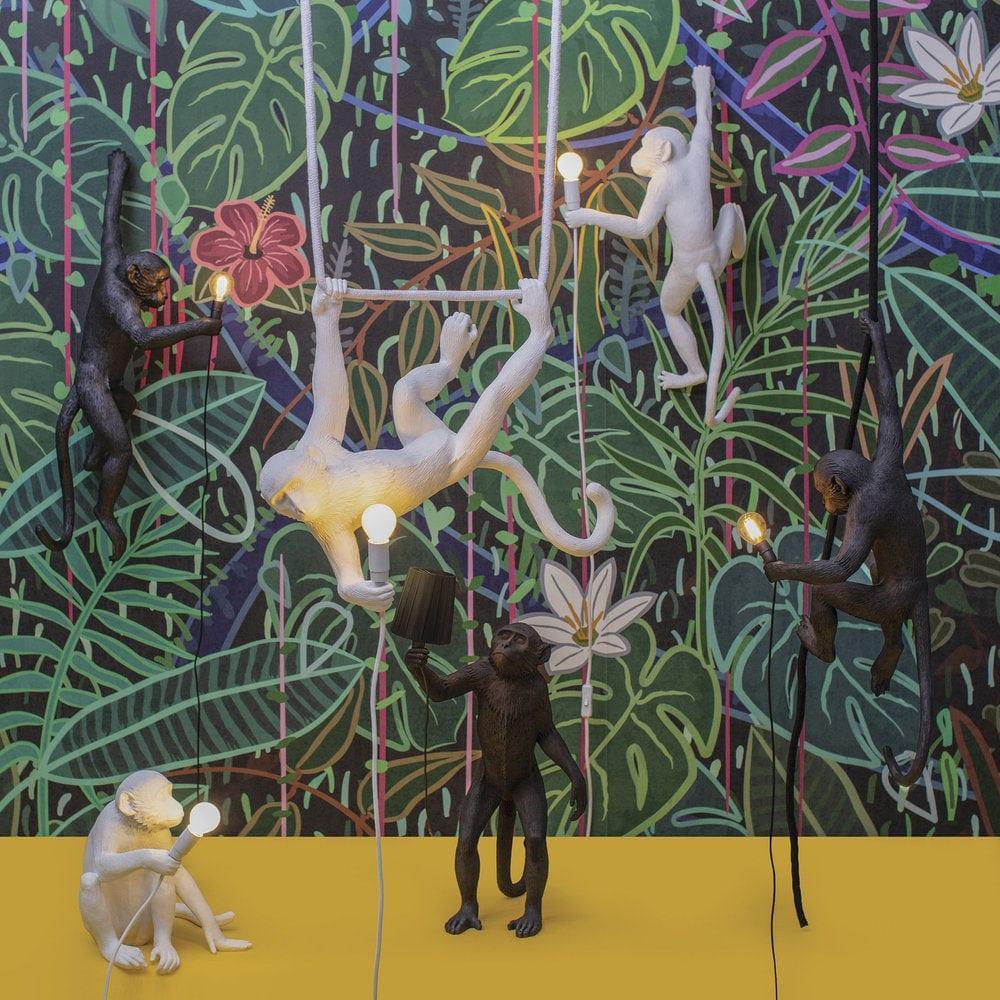
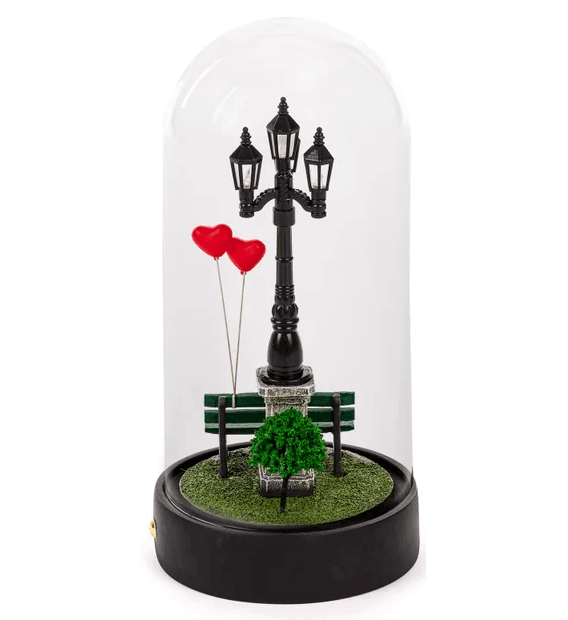
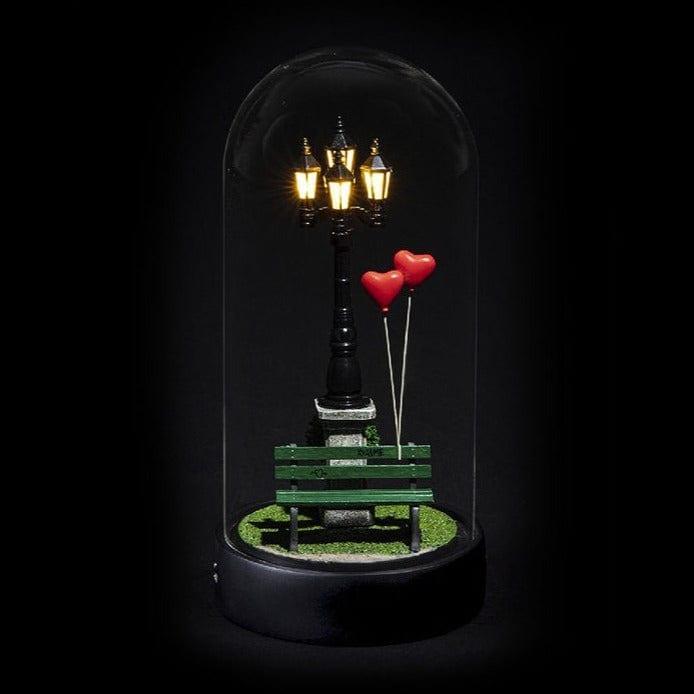
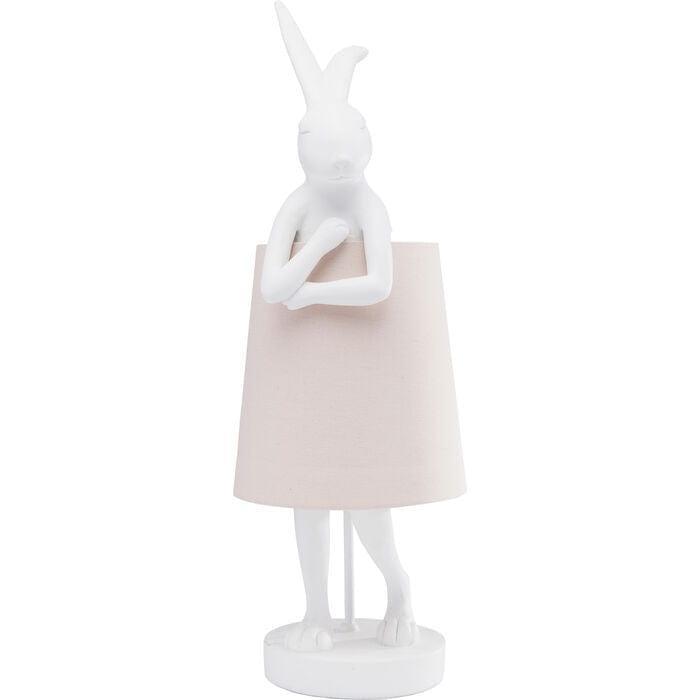
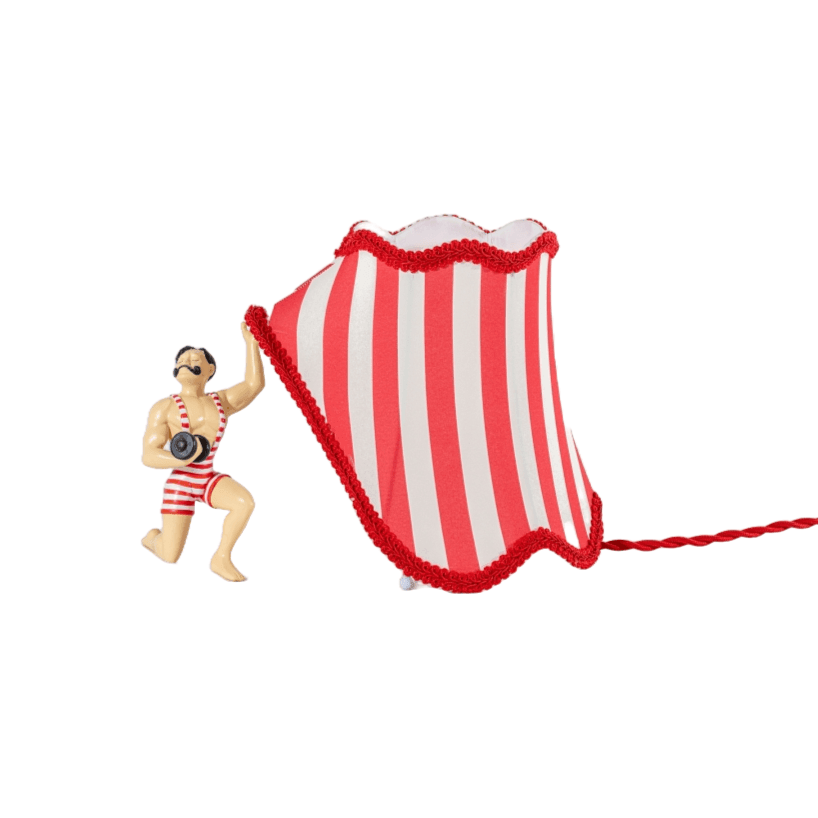
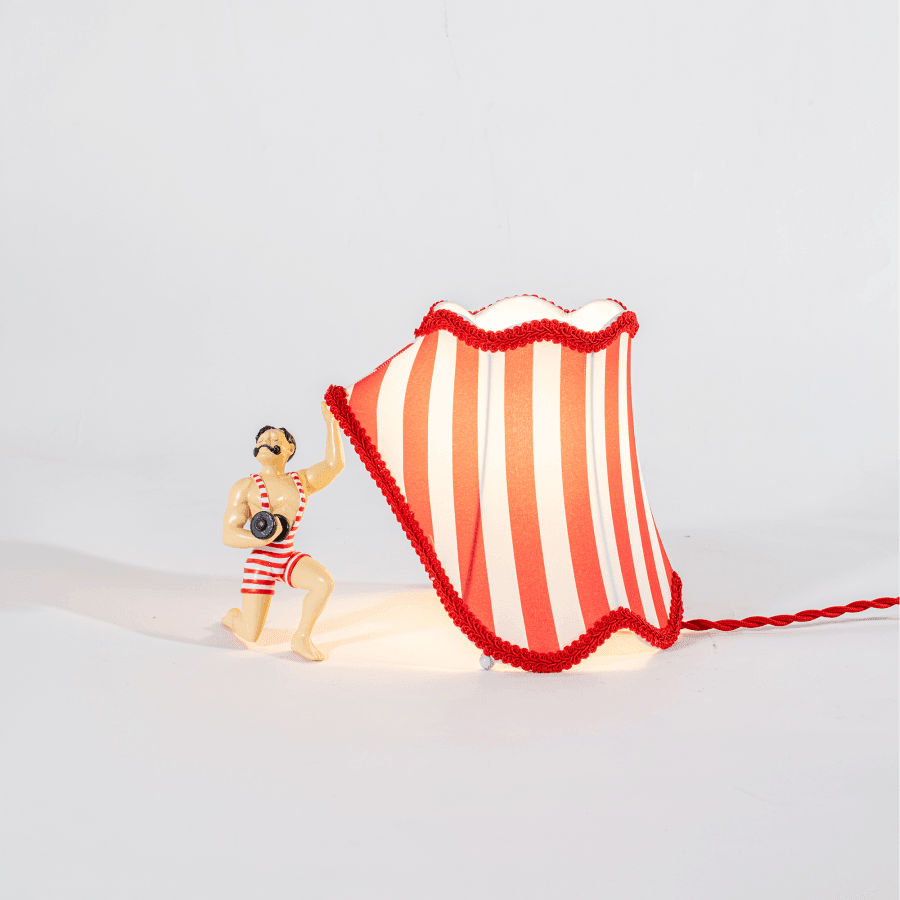
Decorative Lamps
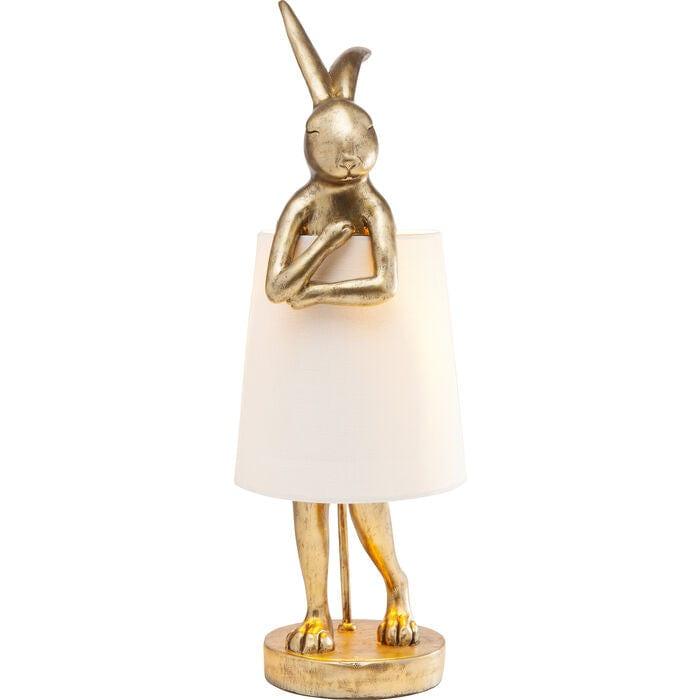
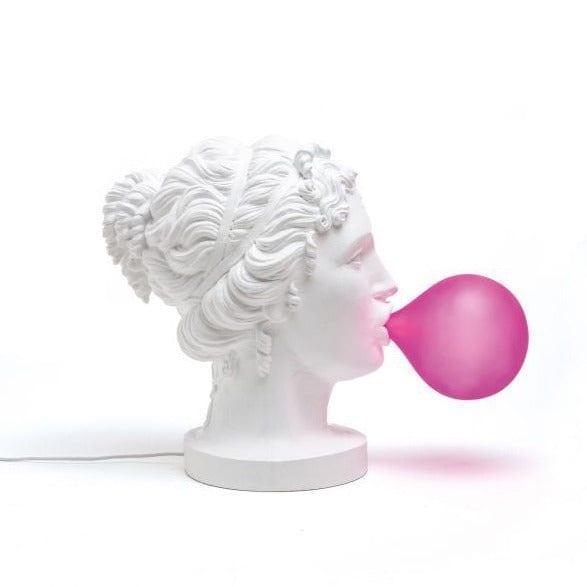
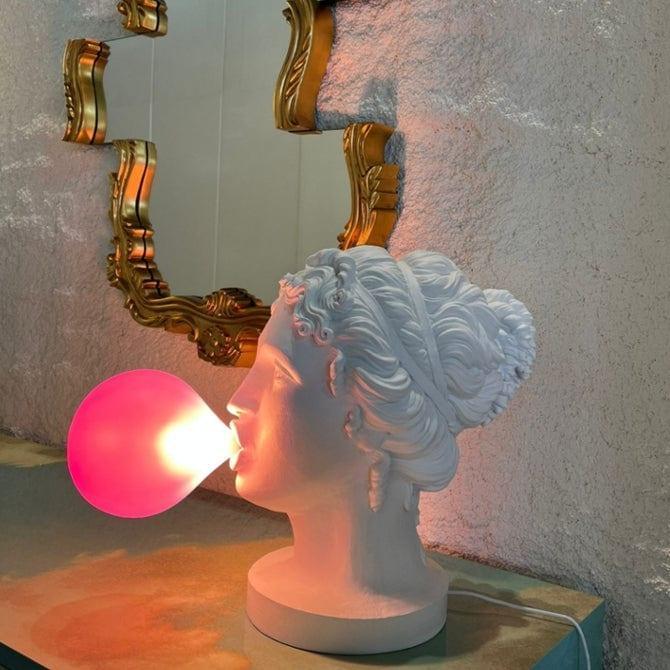
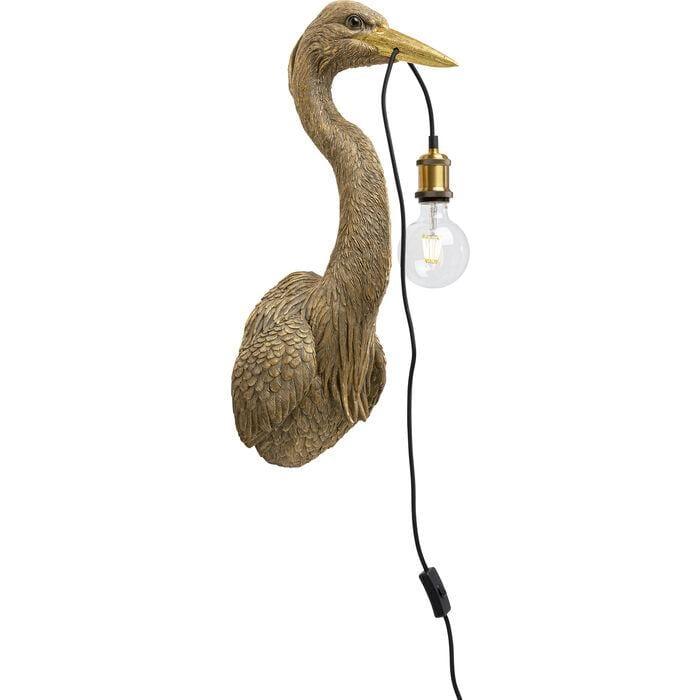
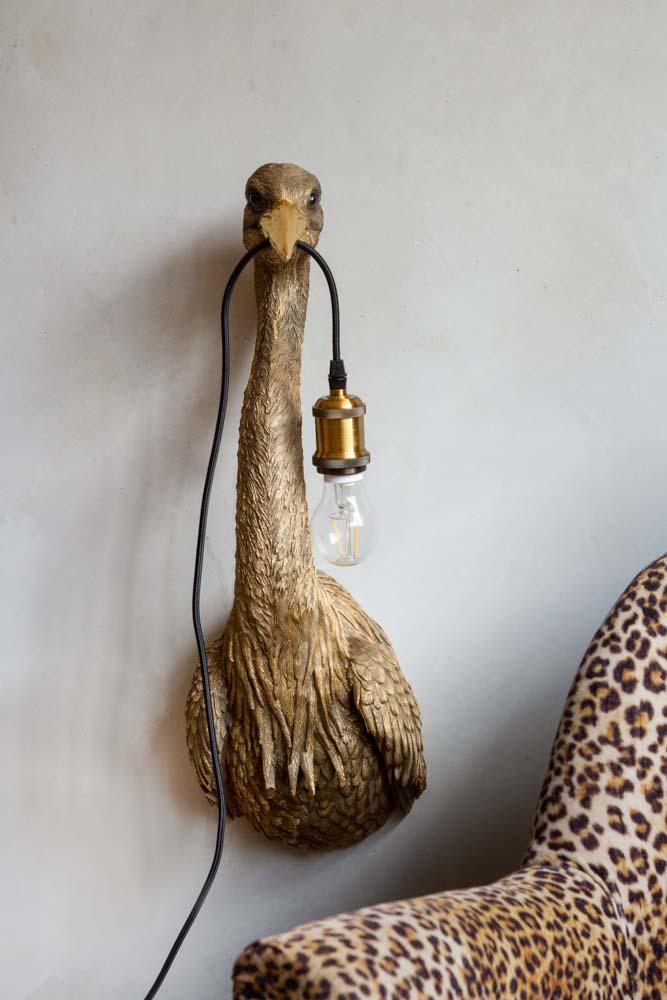
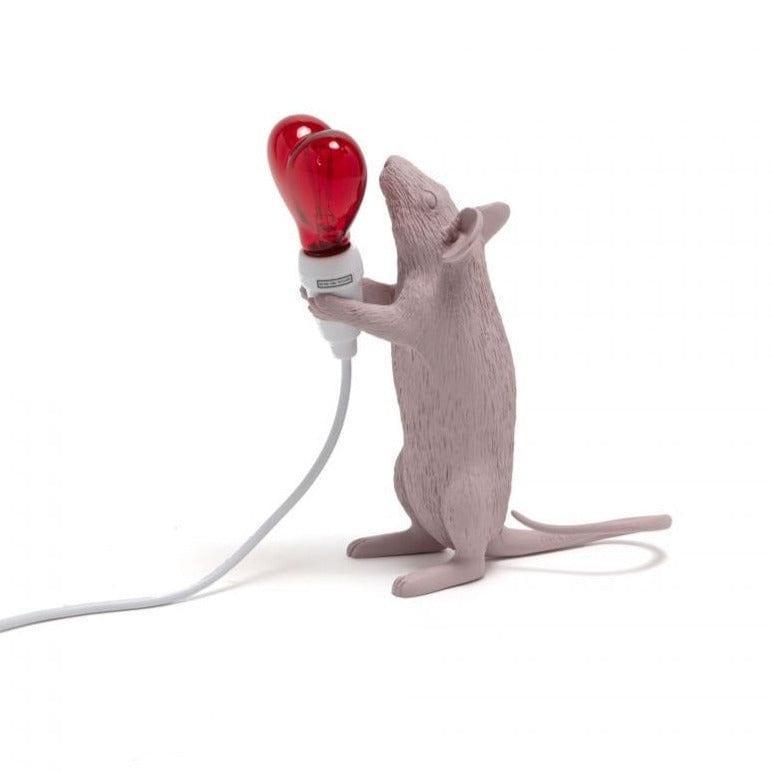
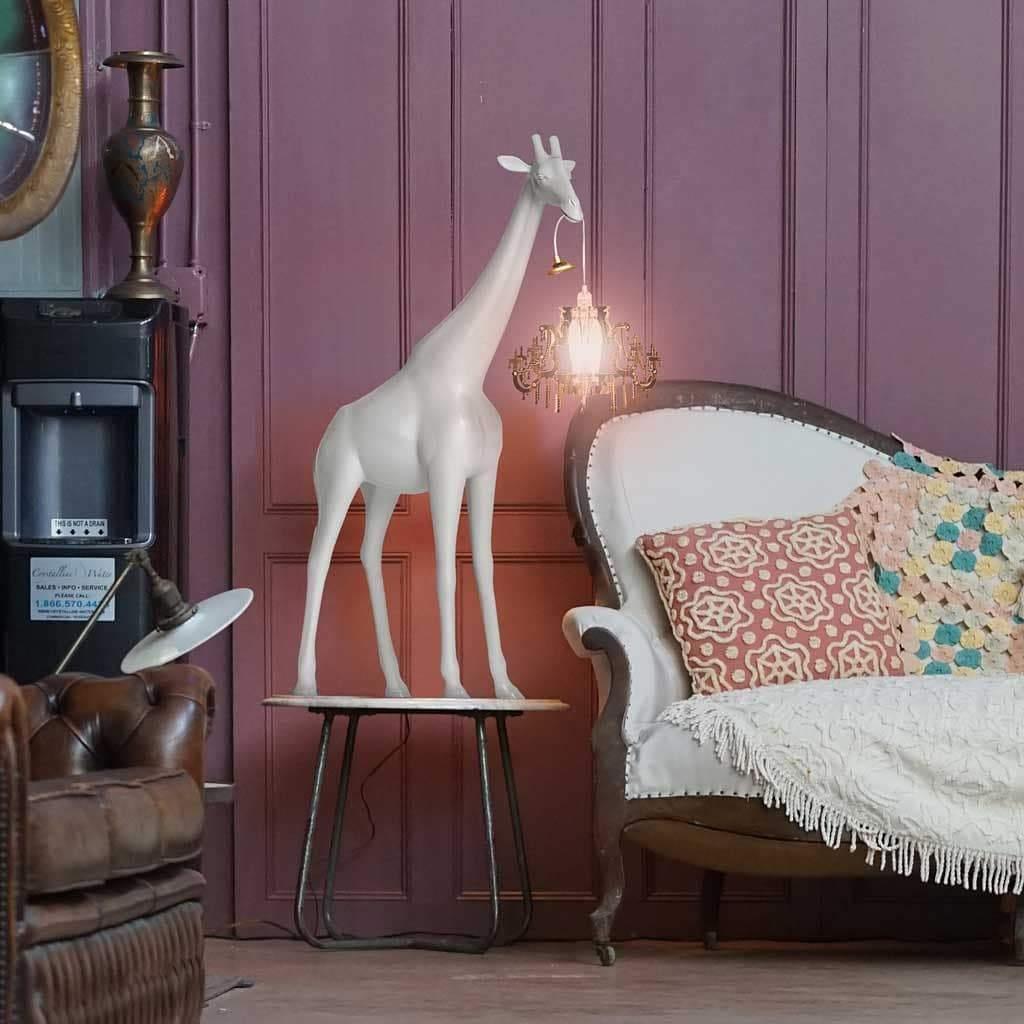
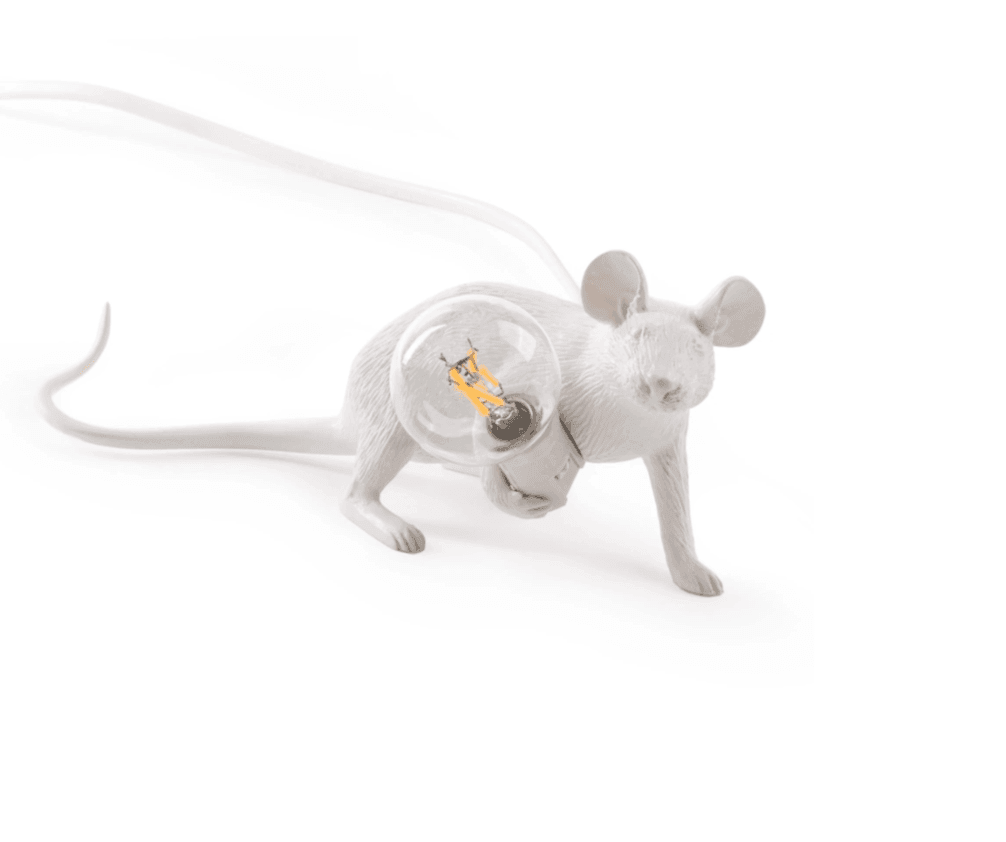
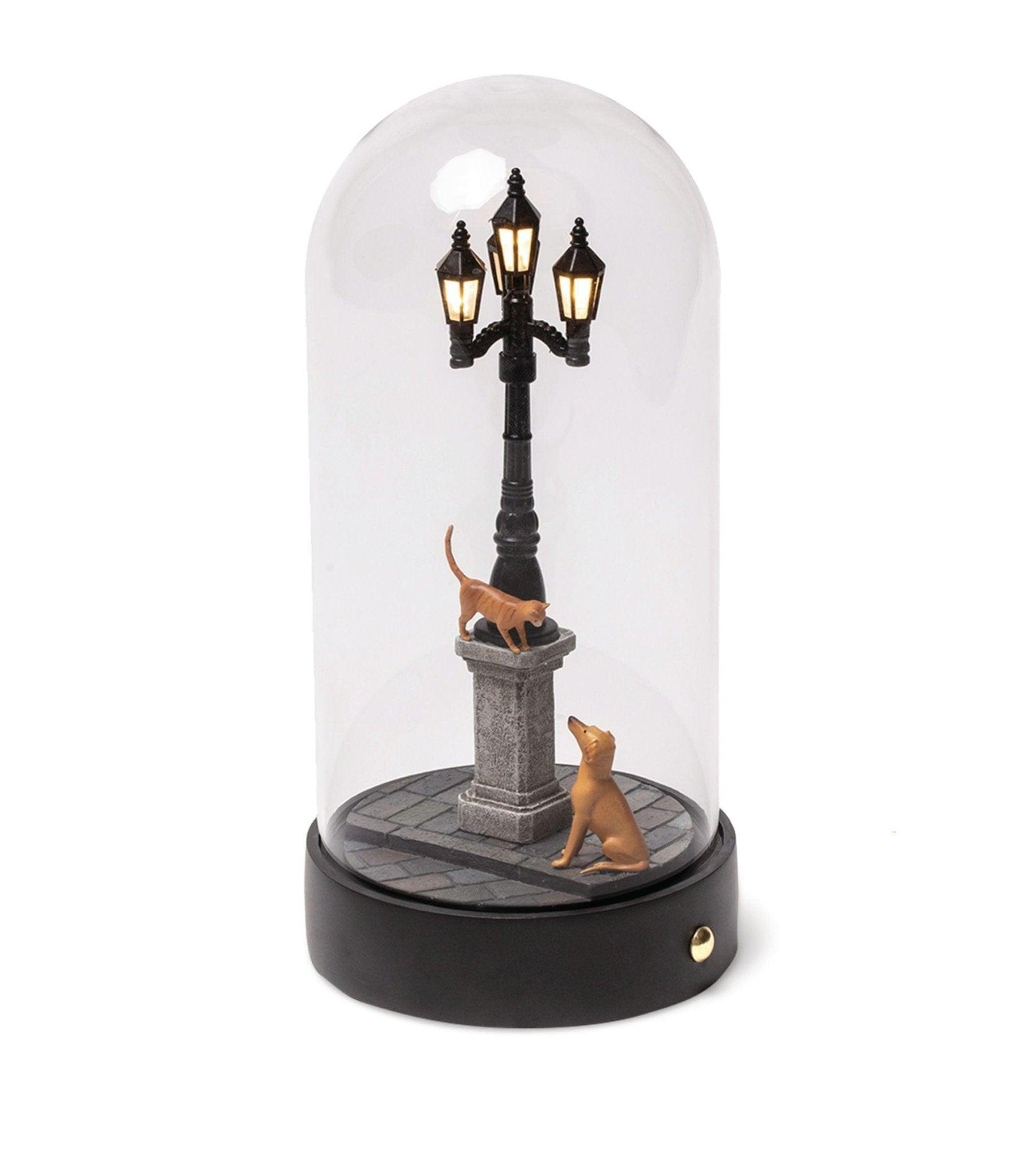
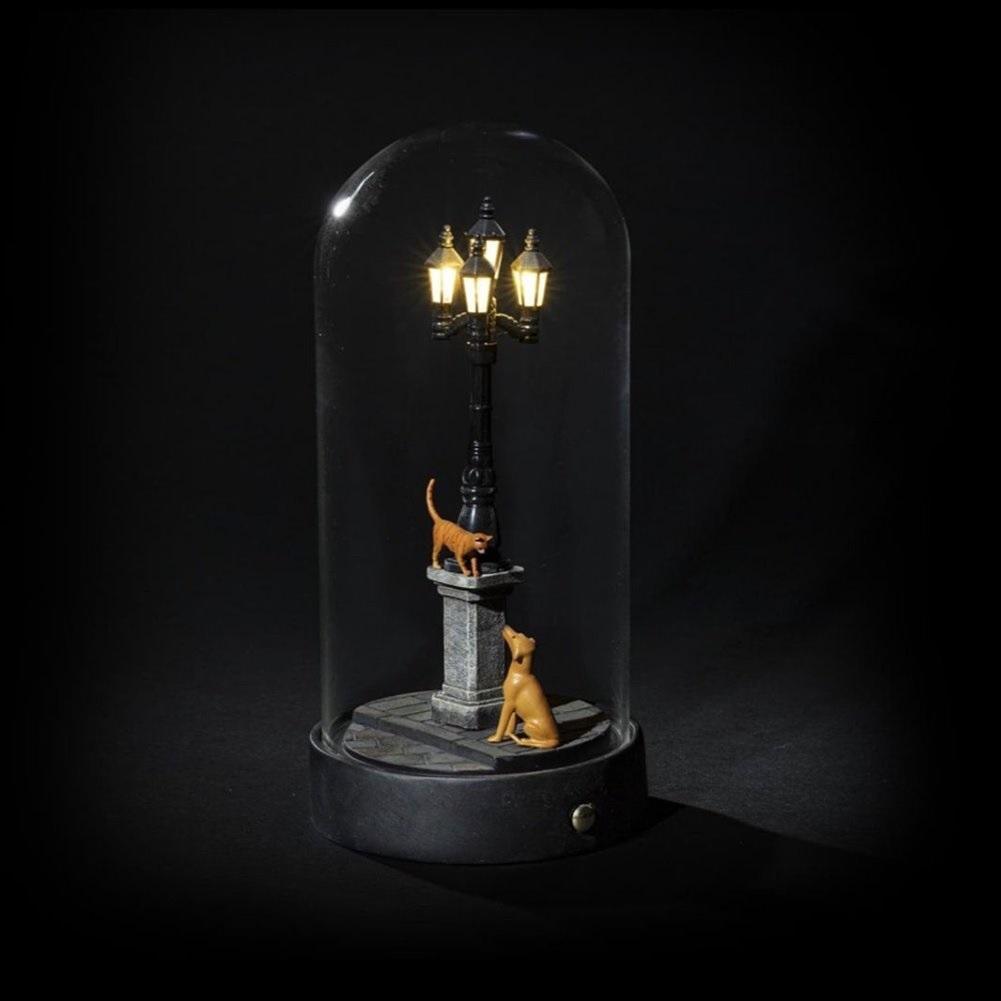
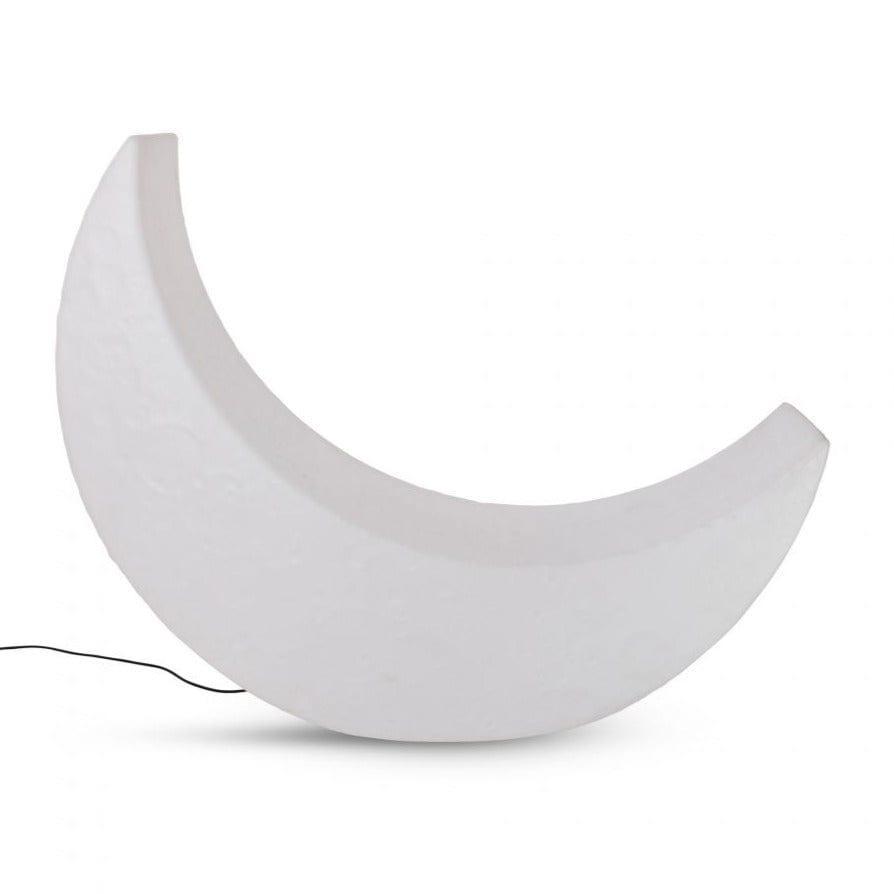
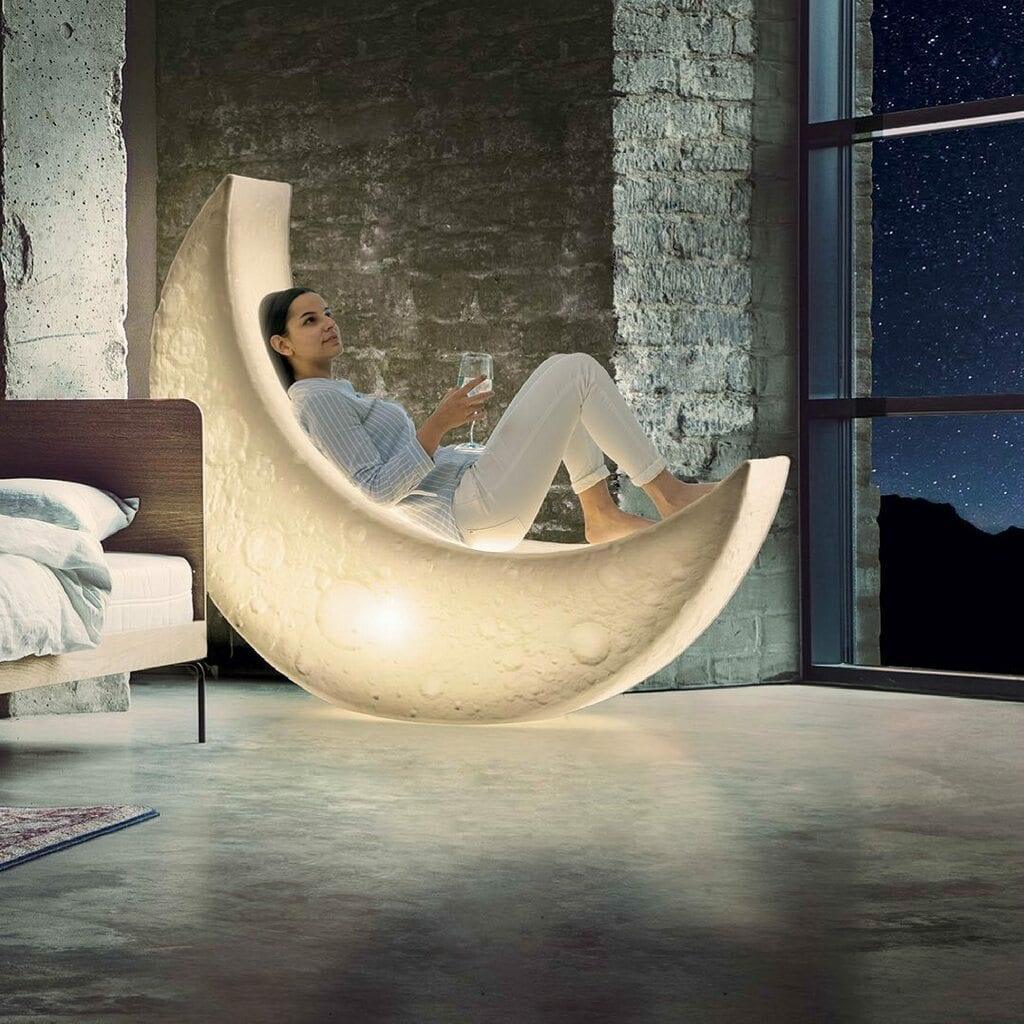
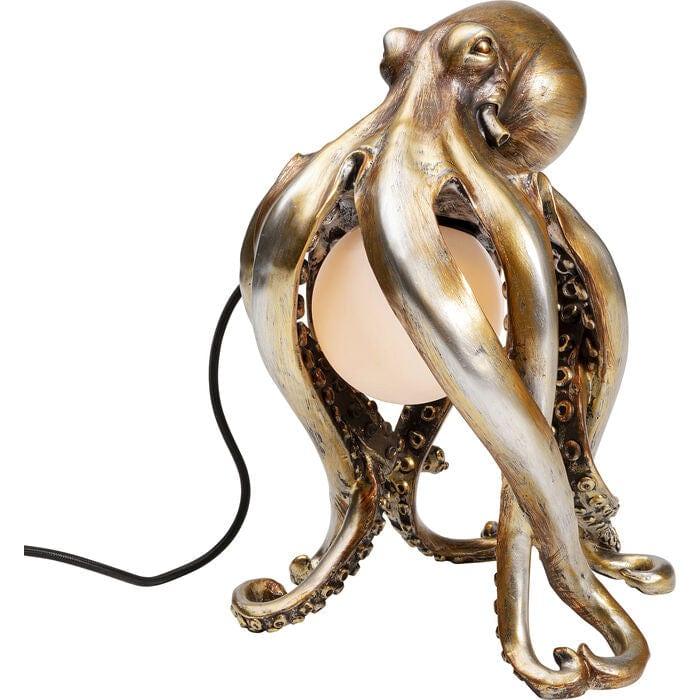
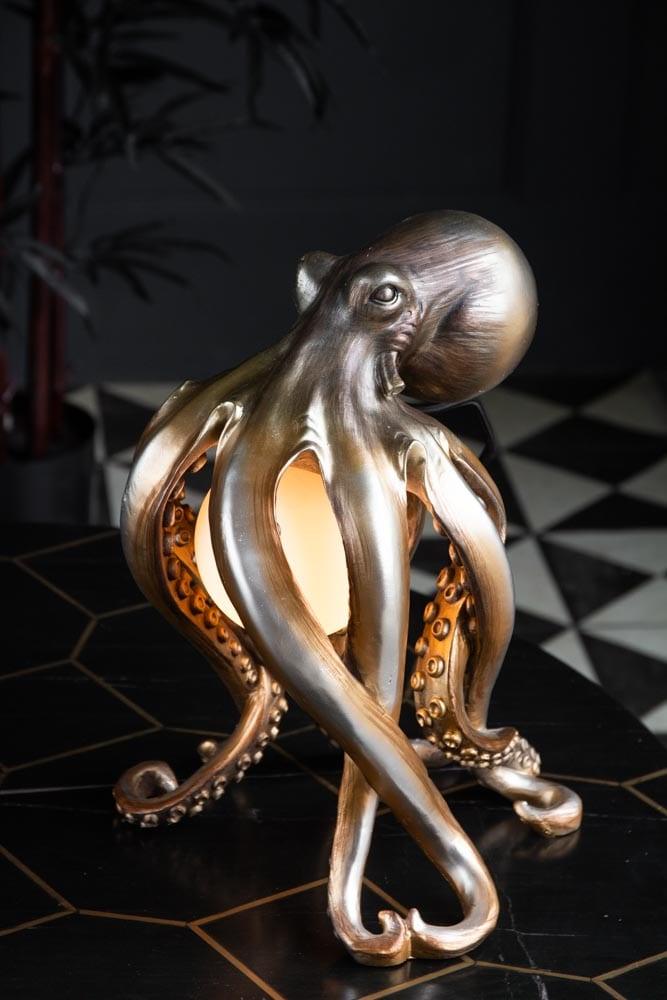
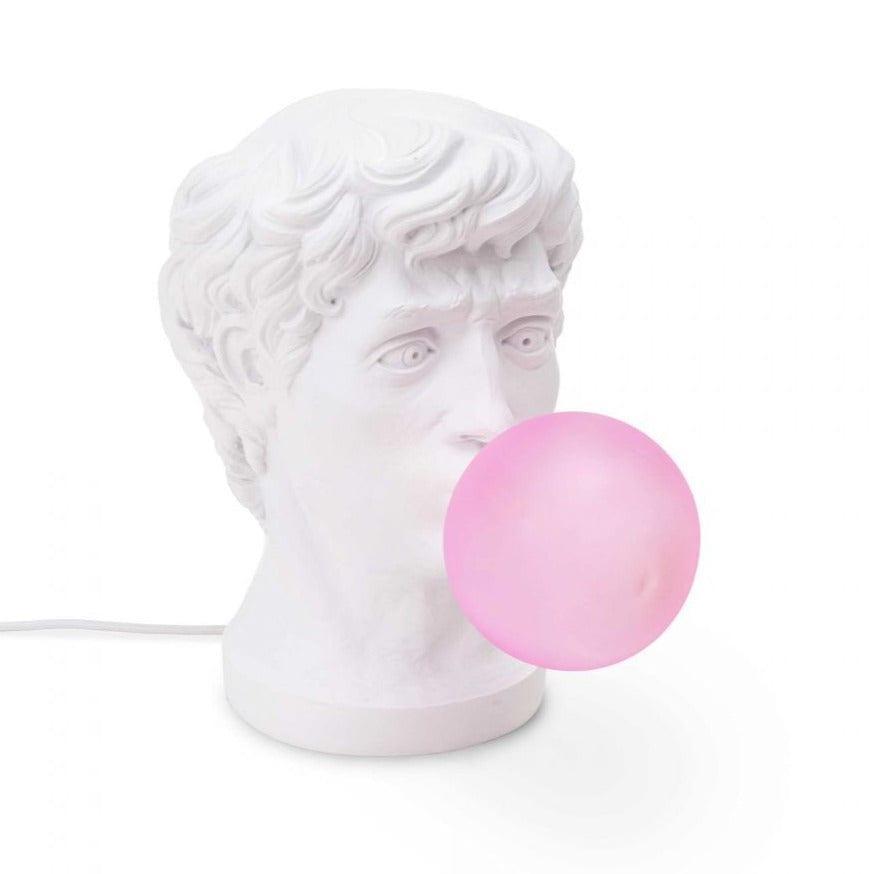
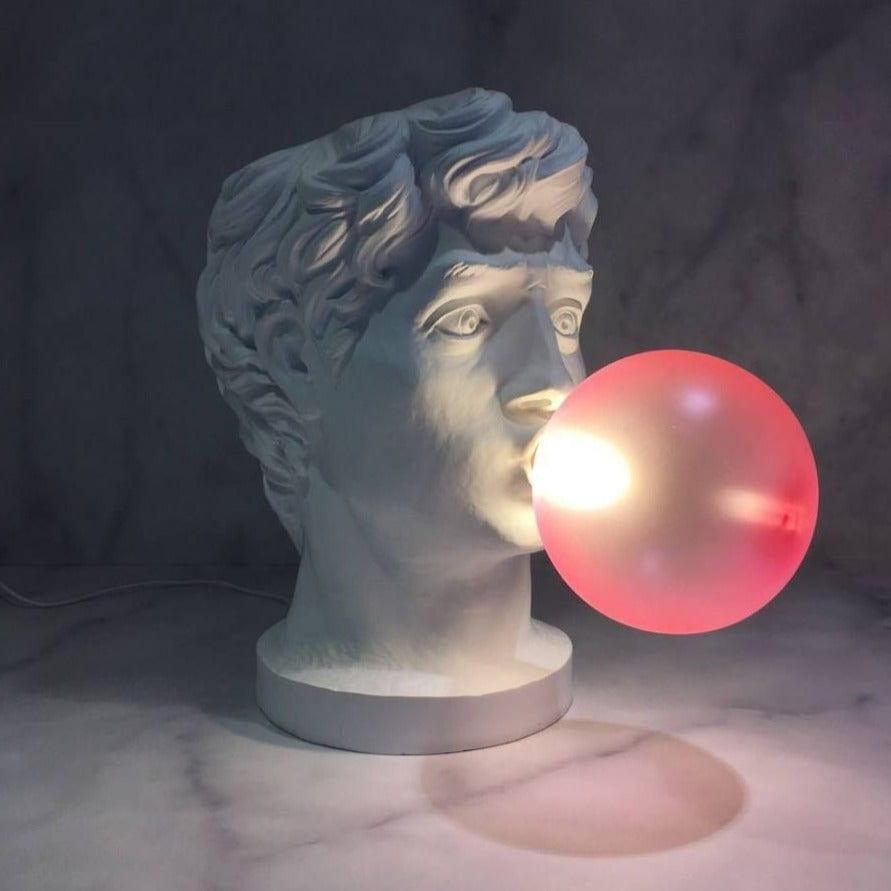
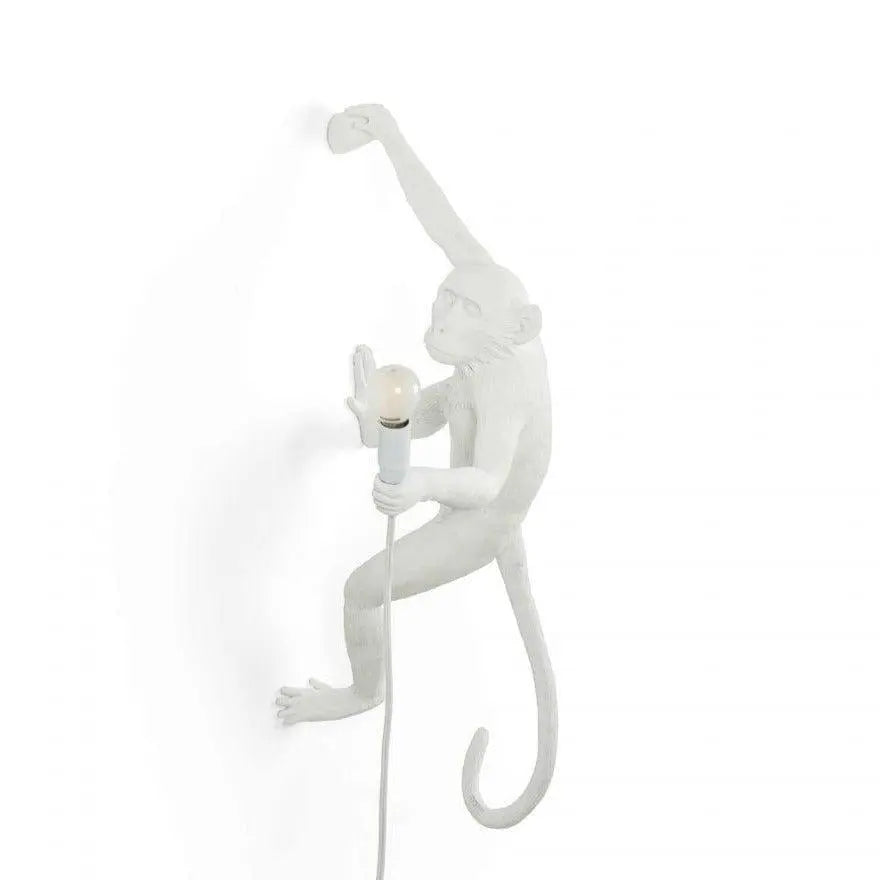
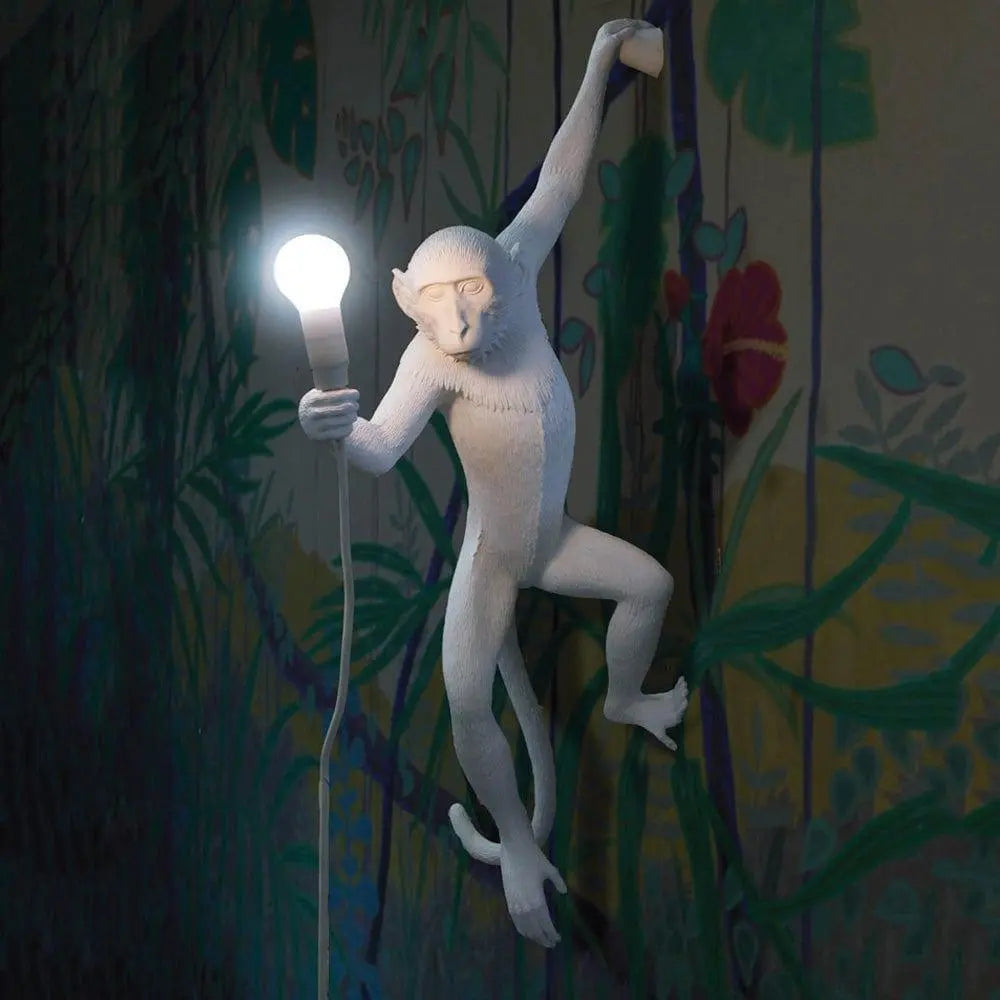
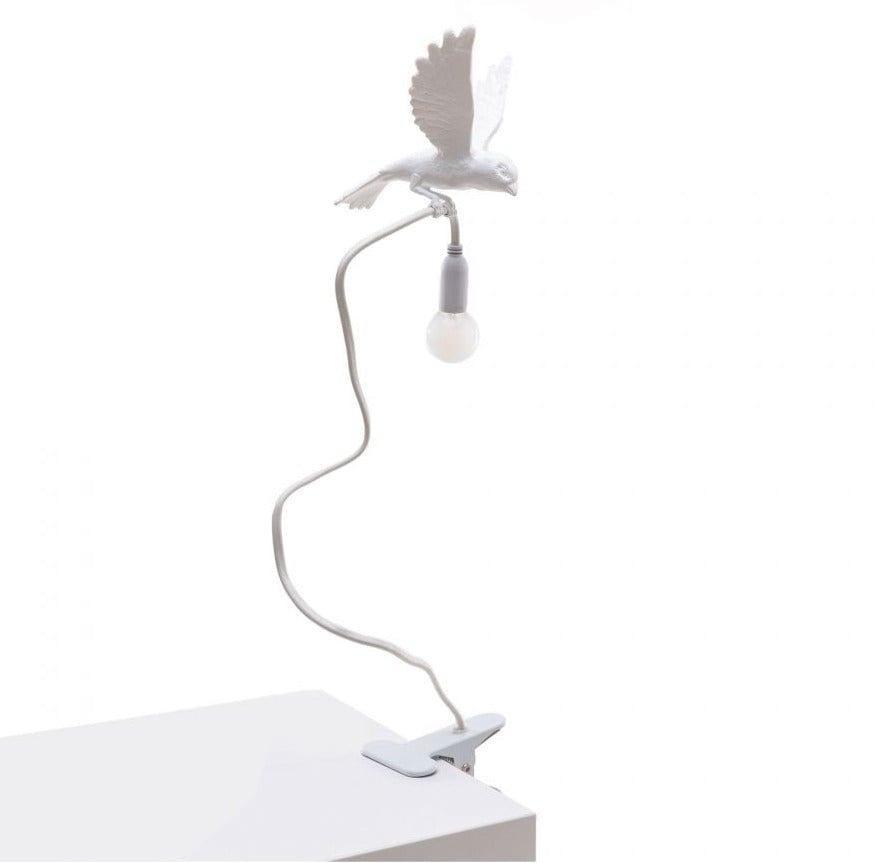
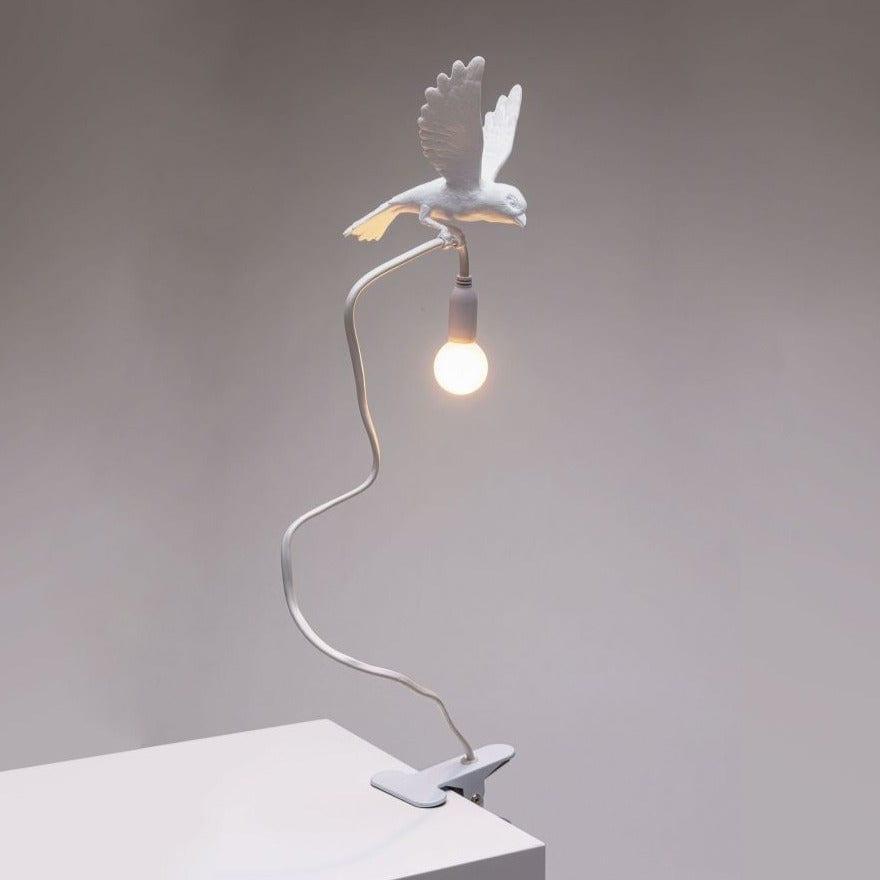
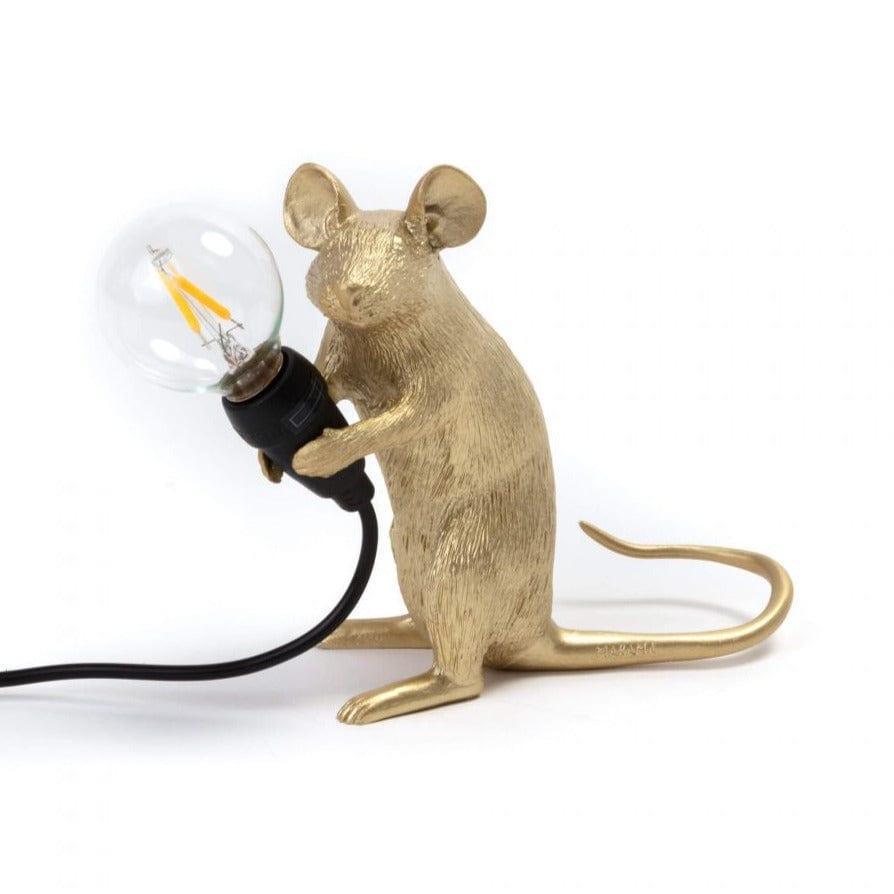
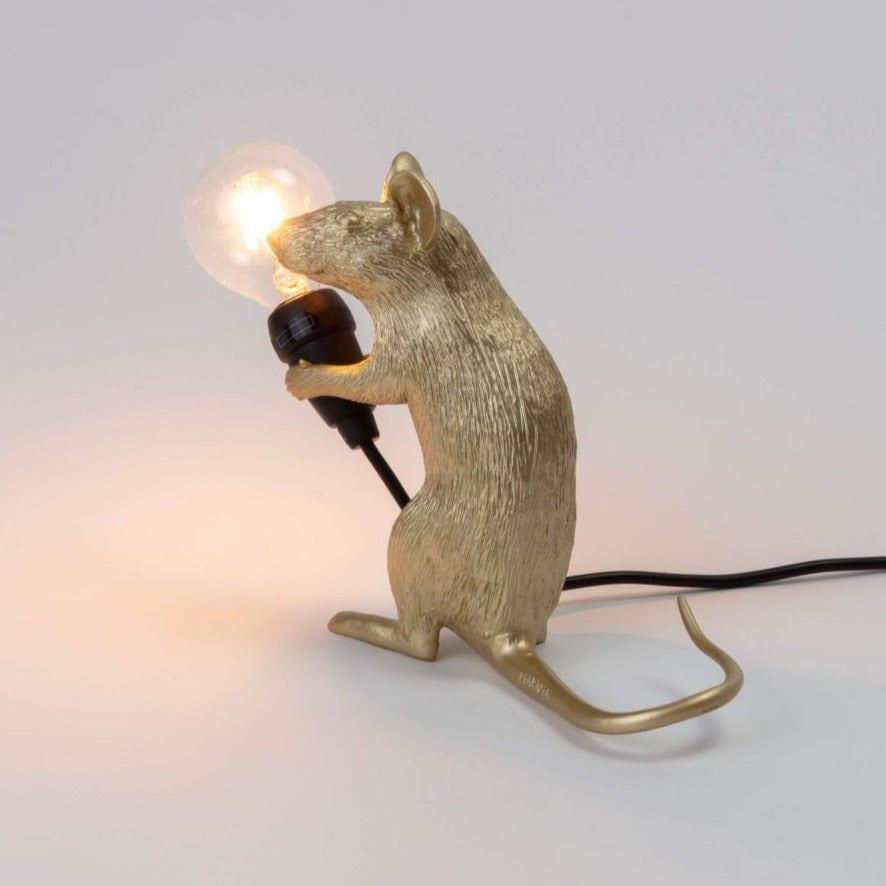
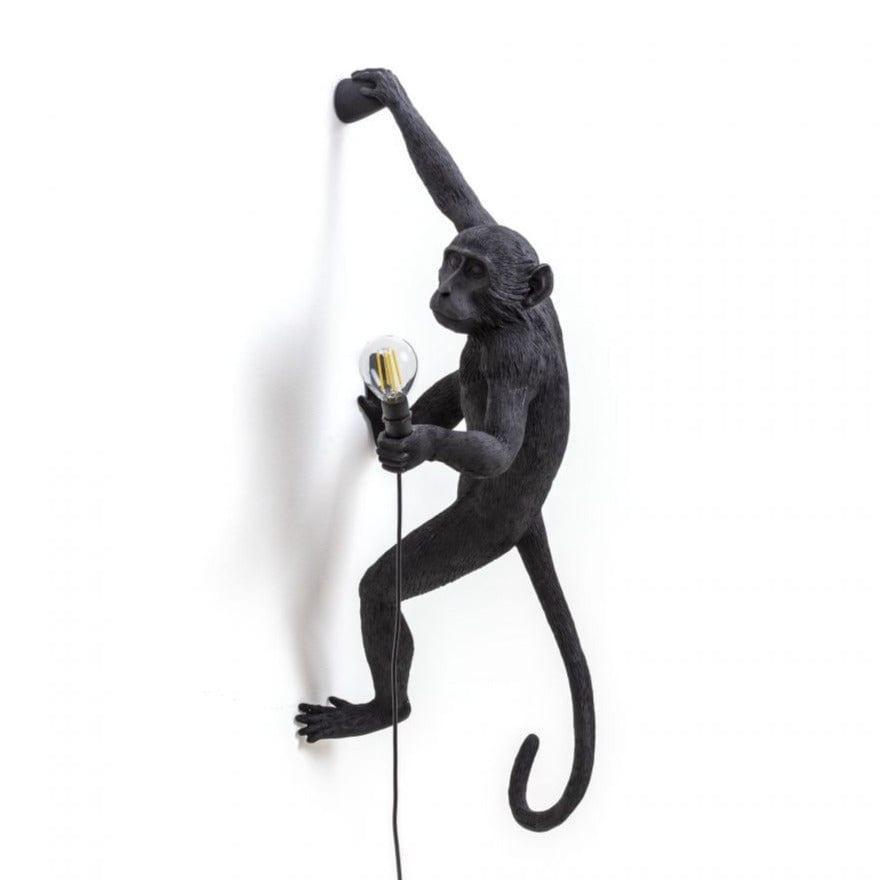
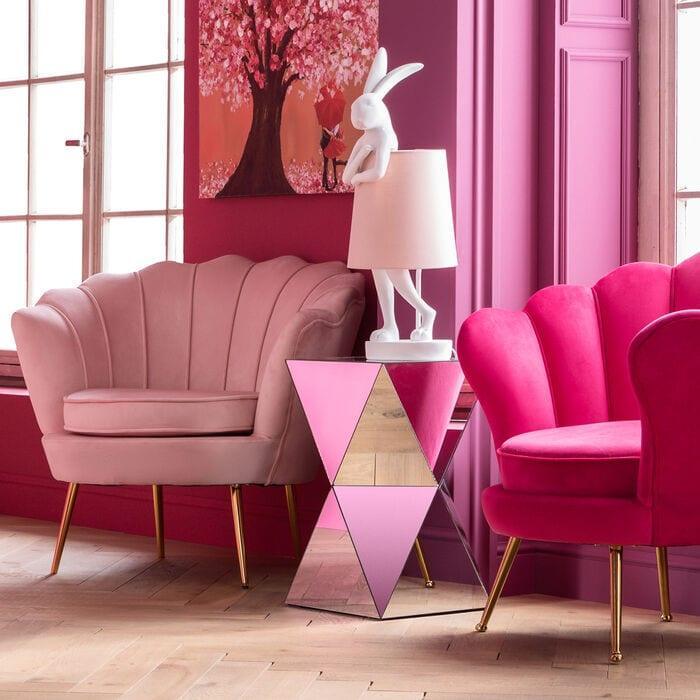
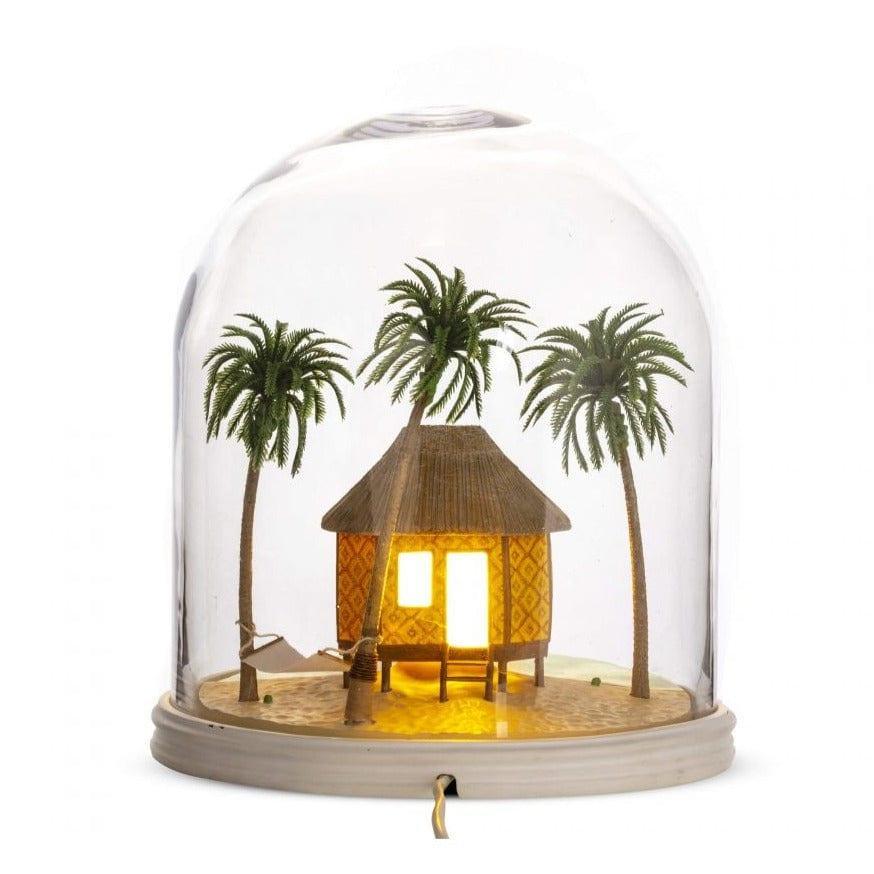
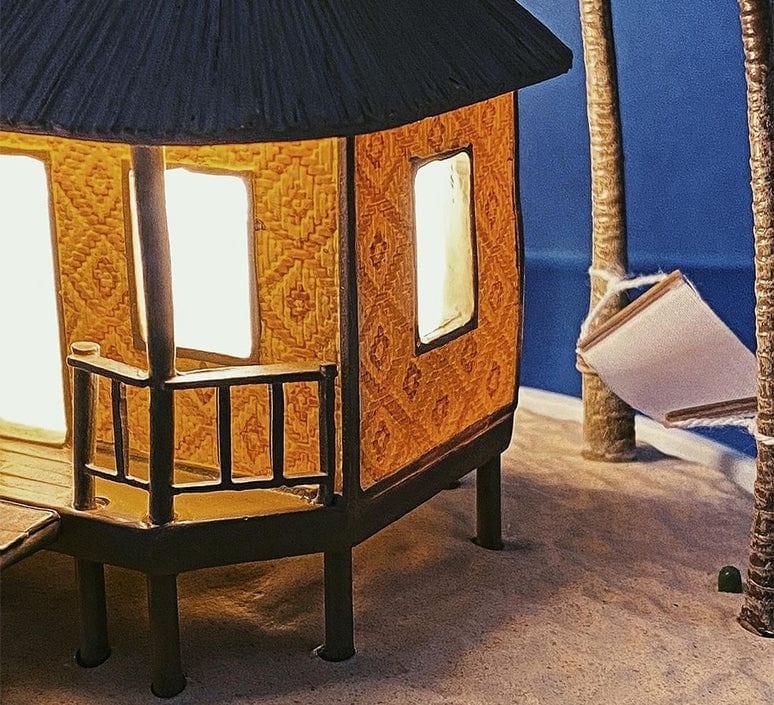
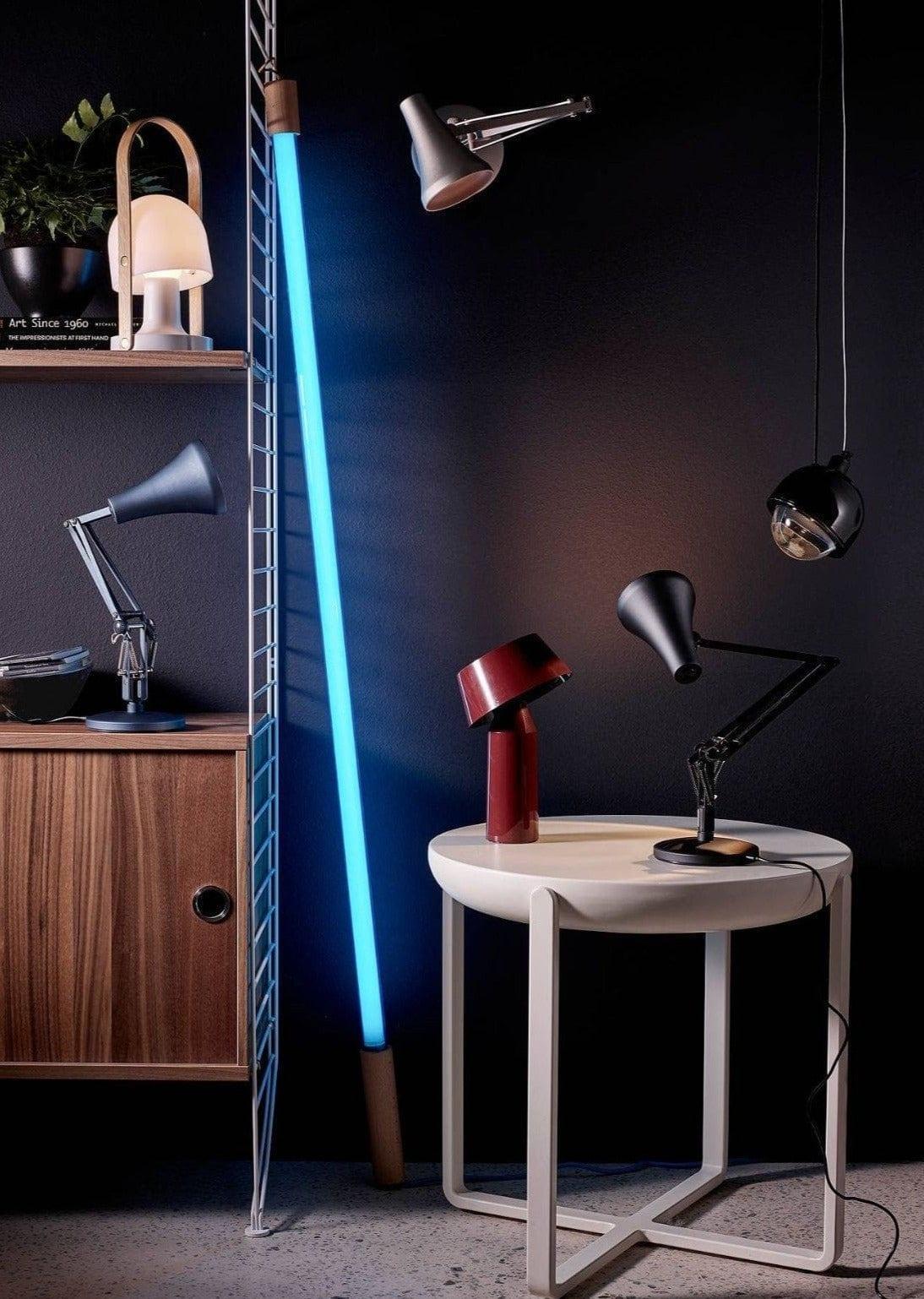
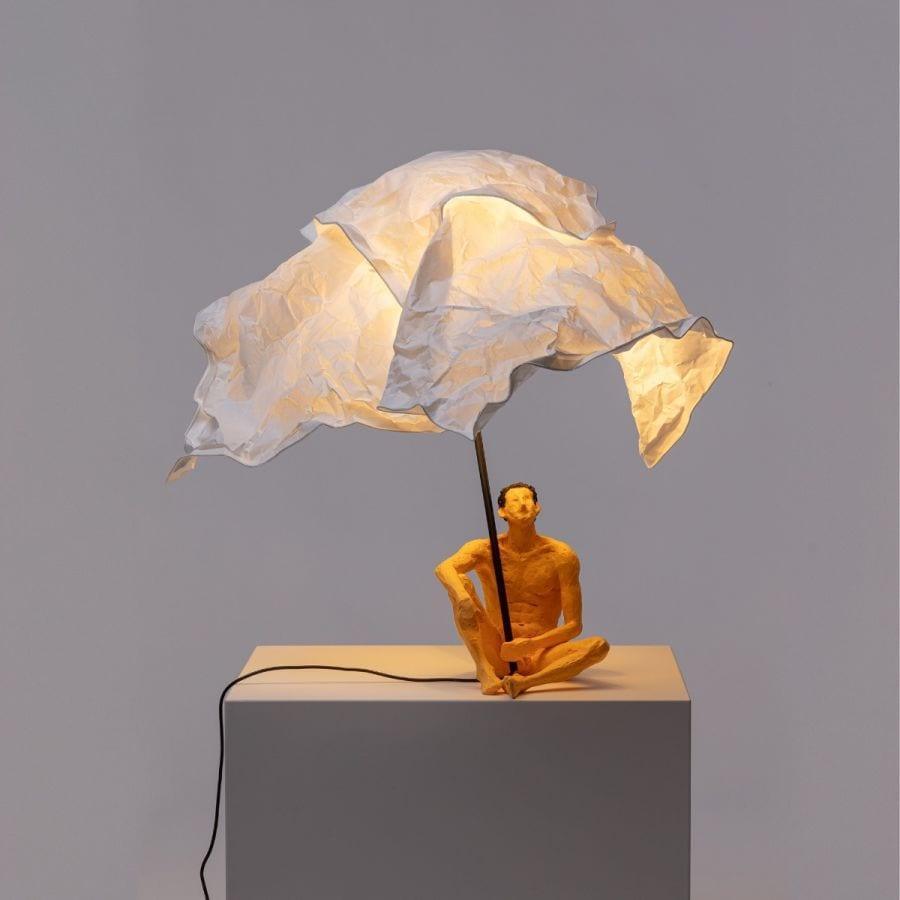
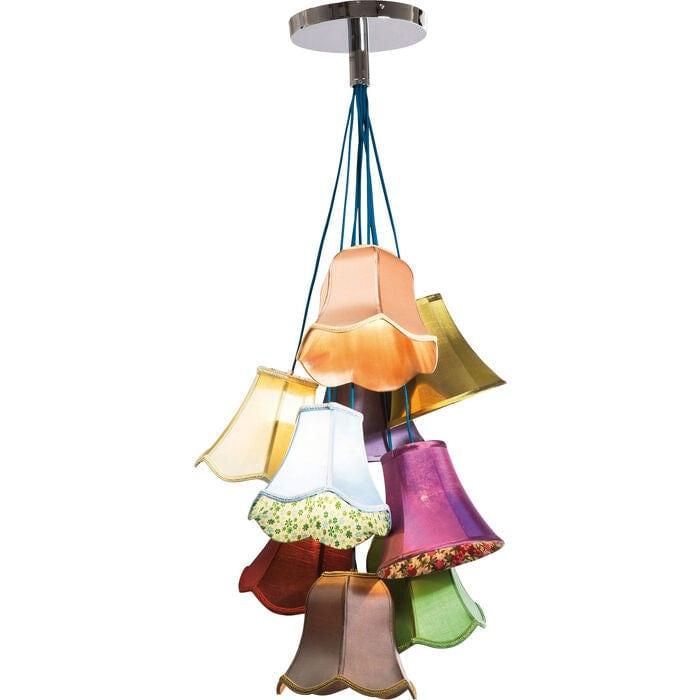
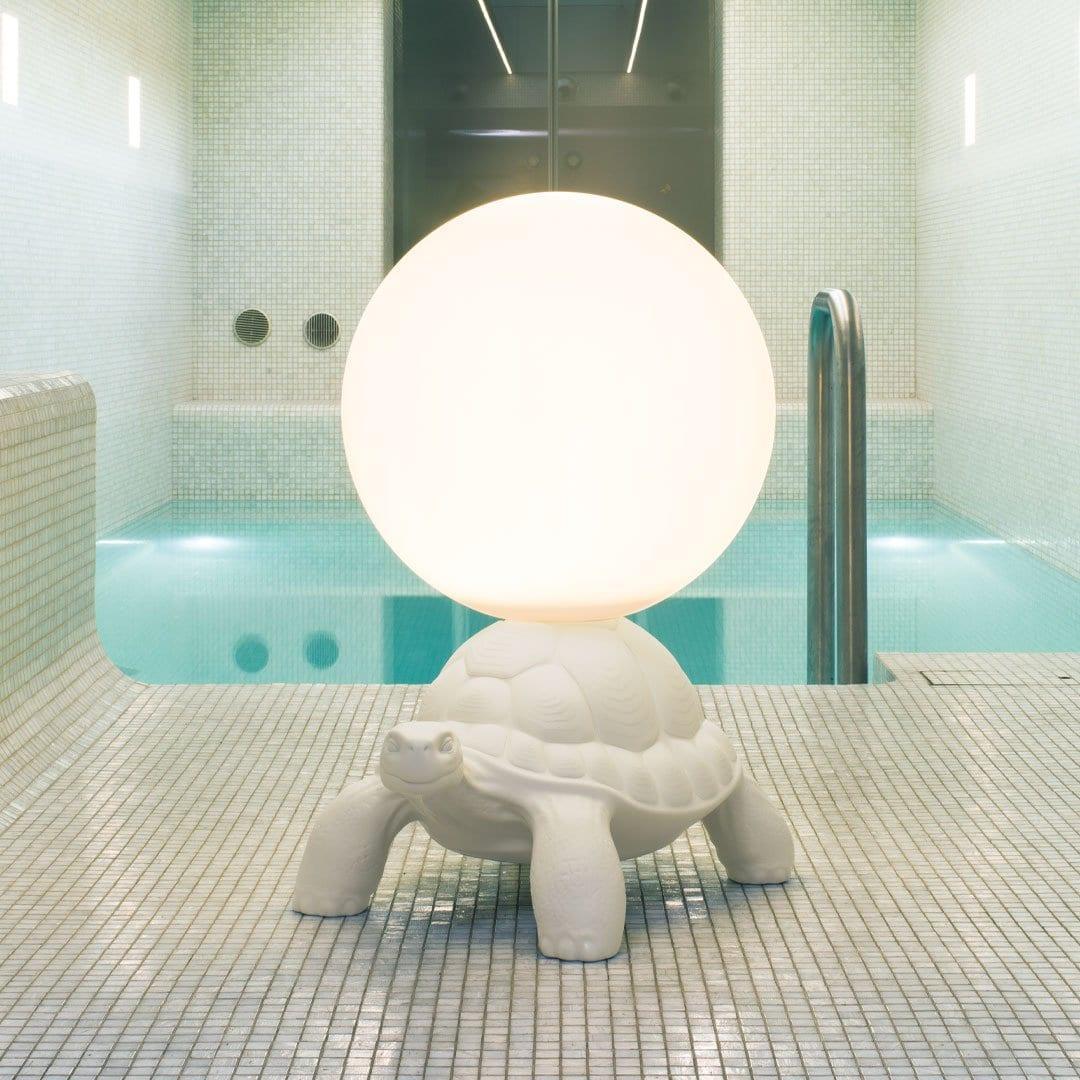
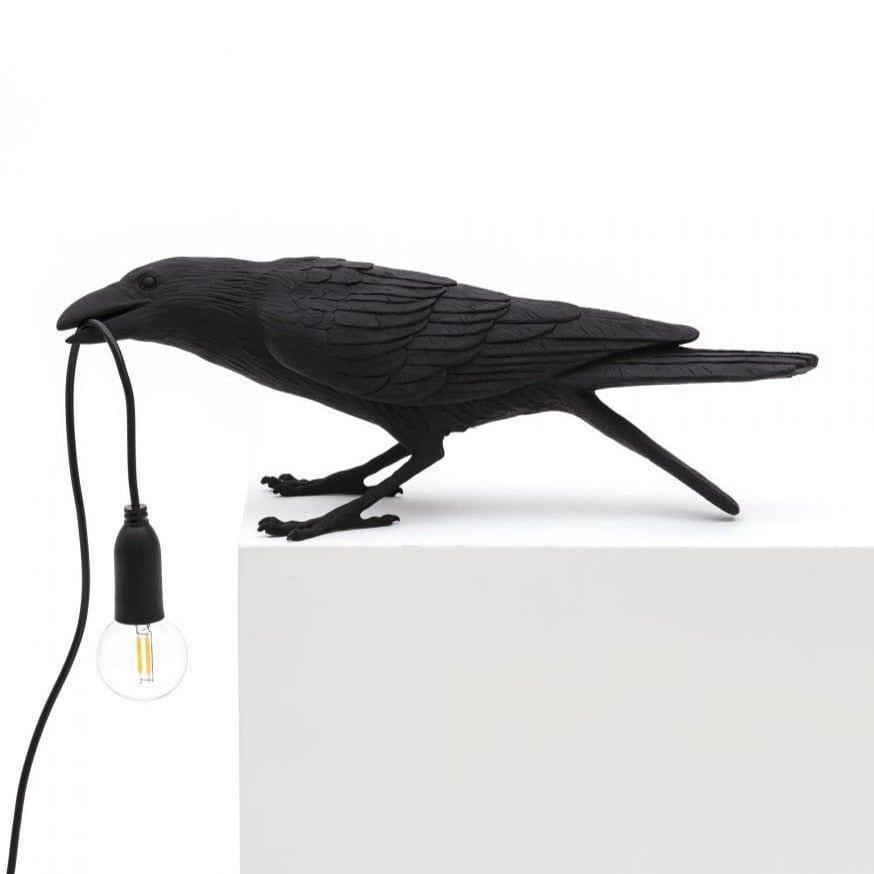
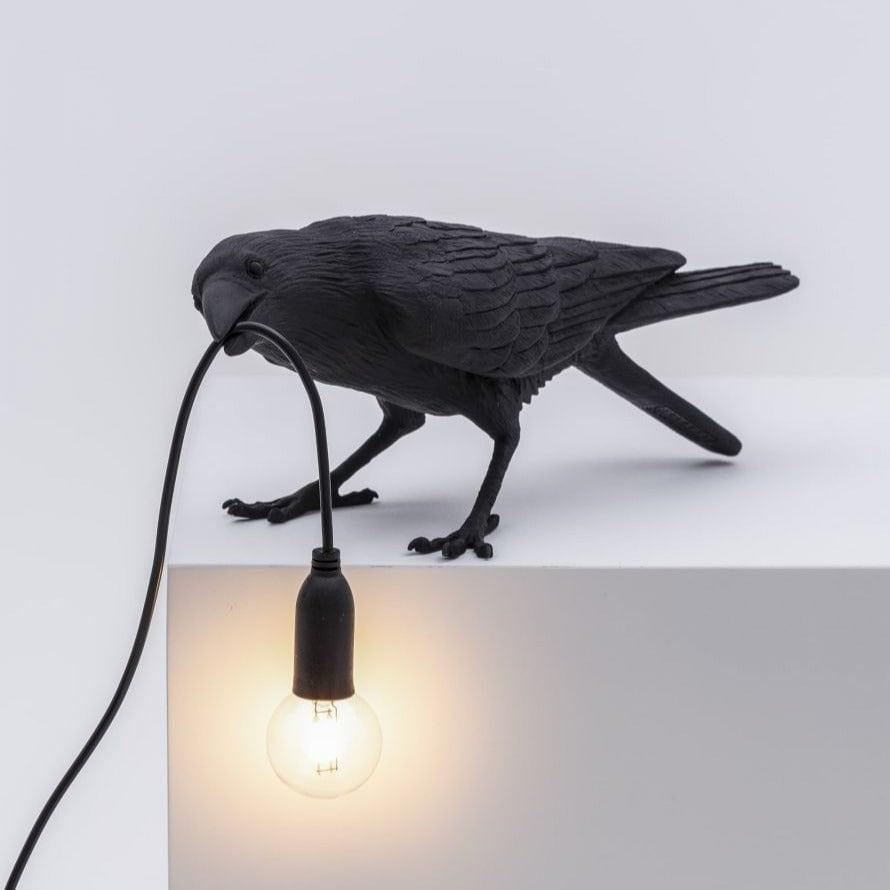
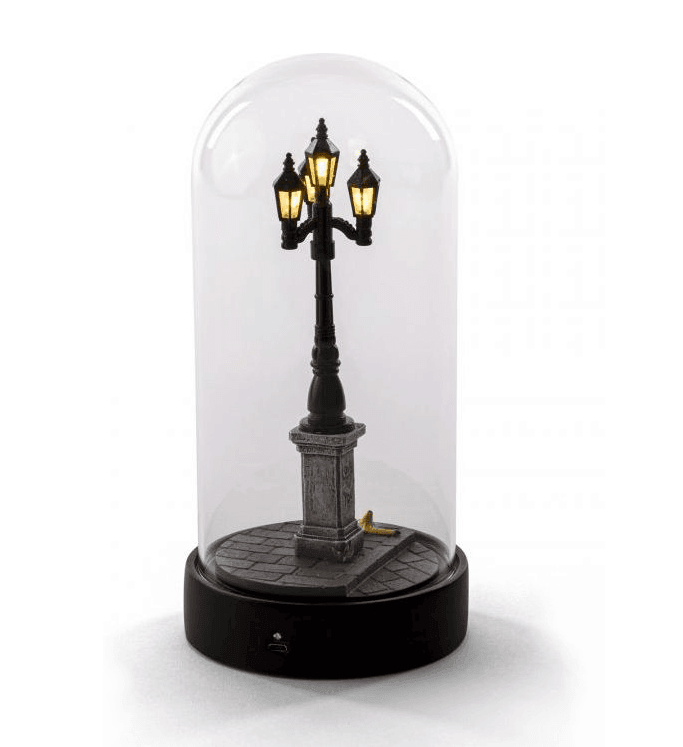
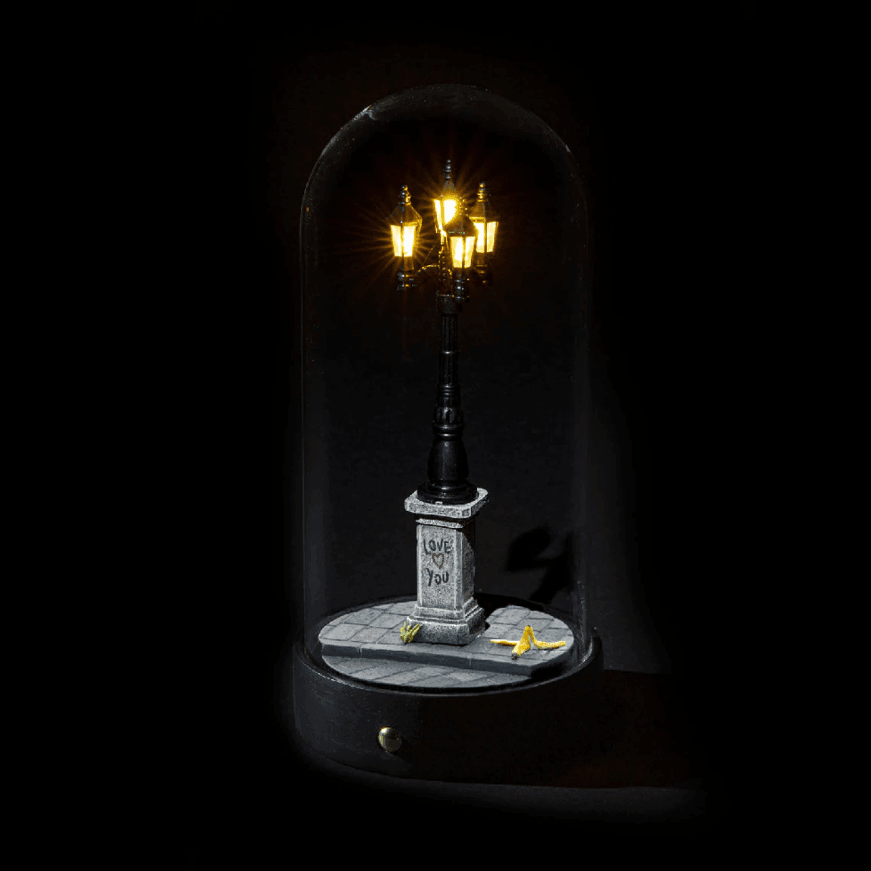
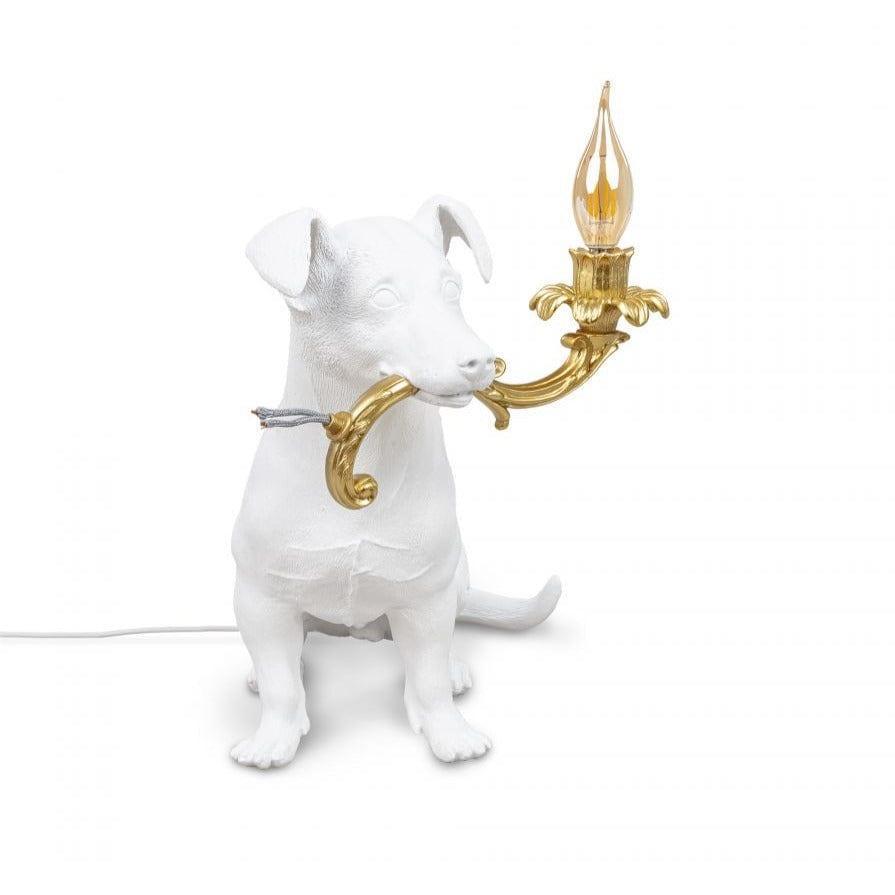
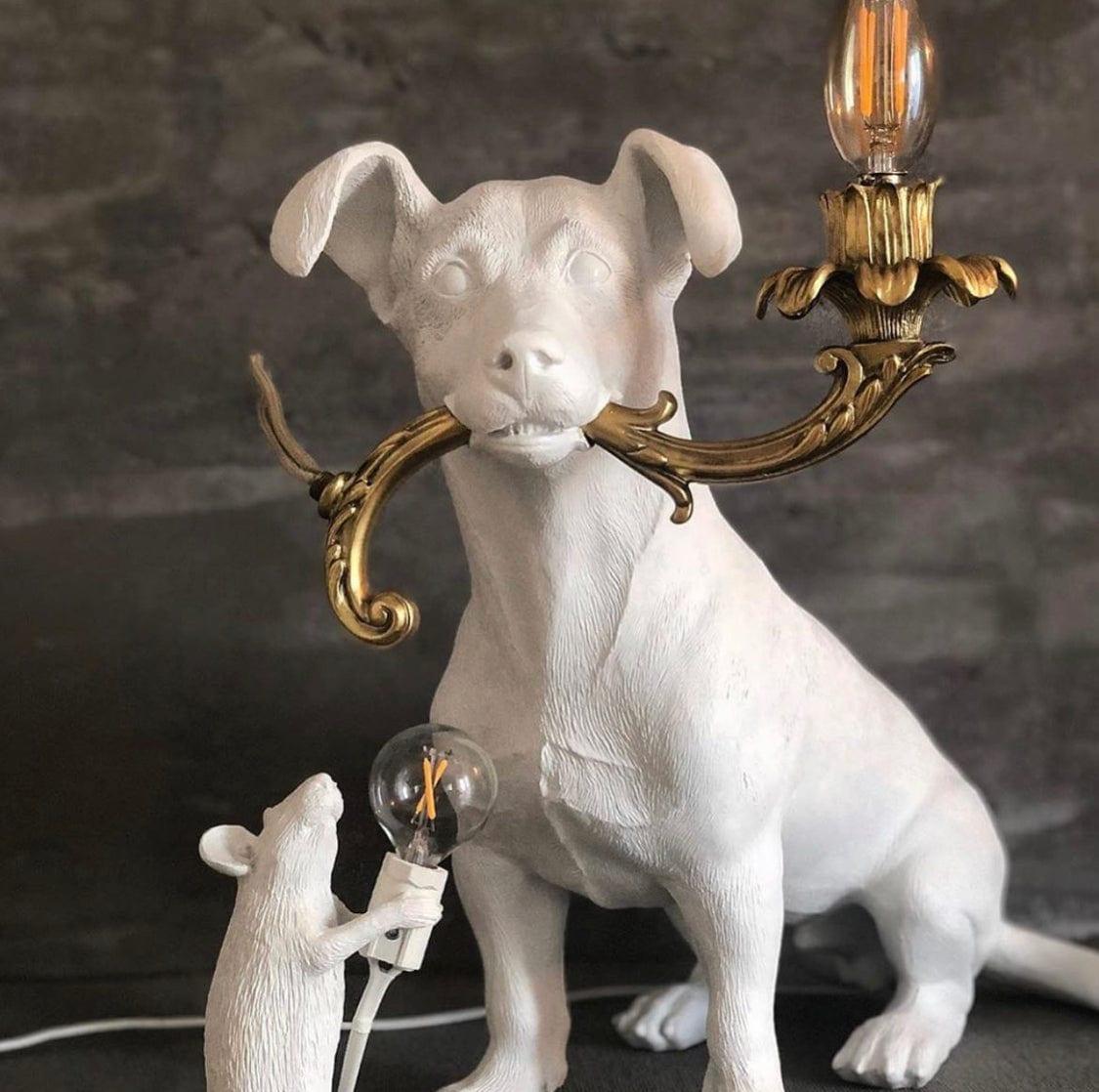
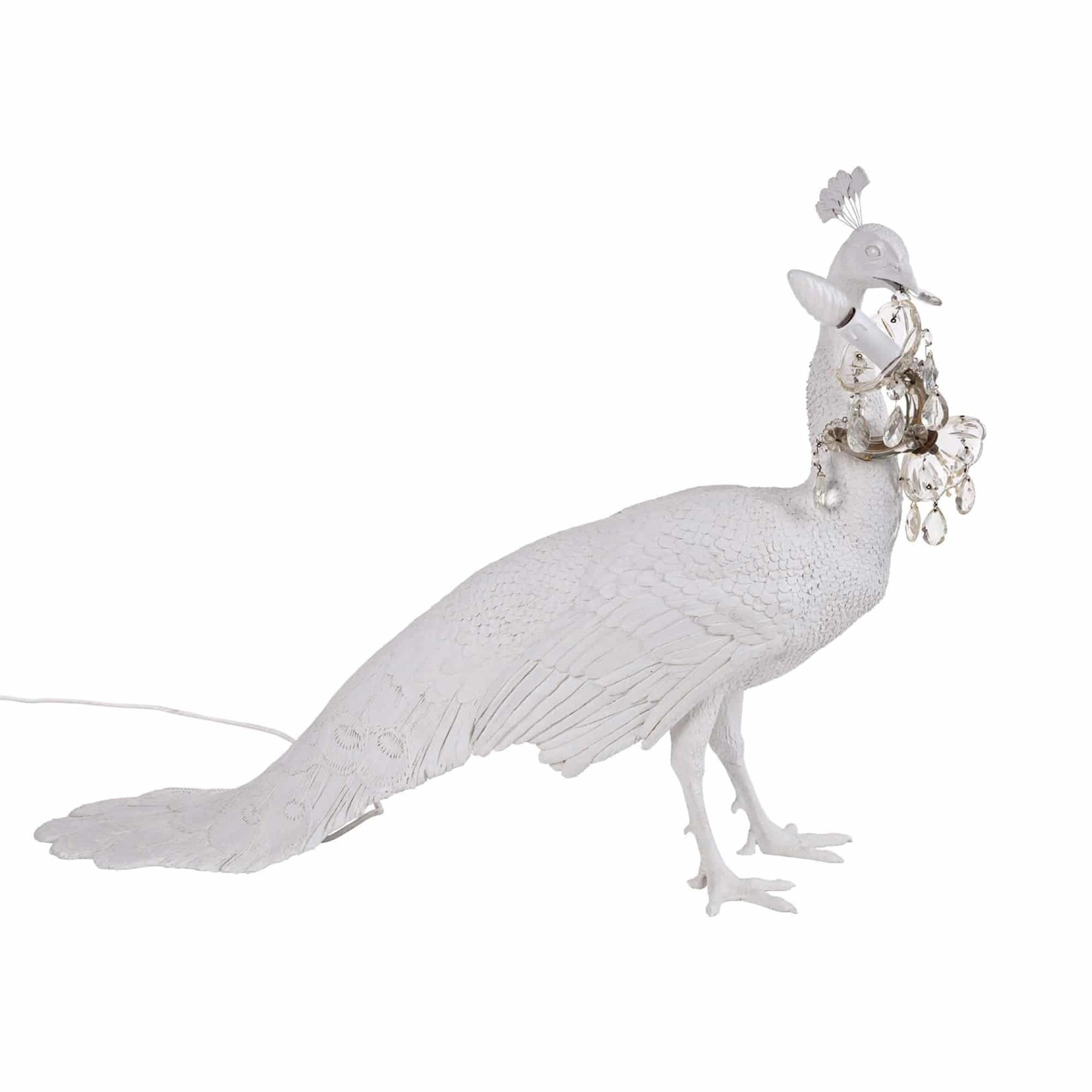
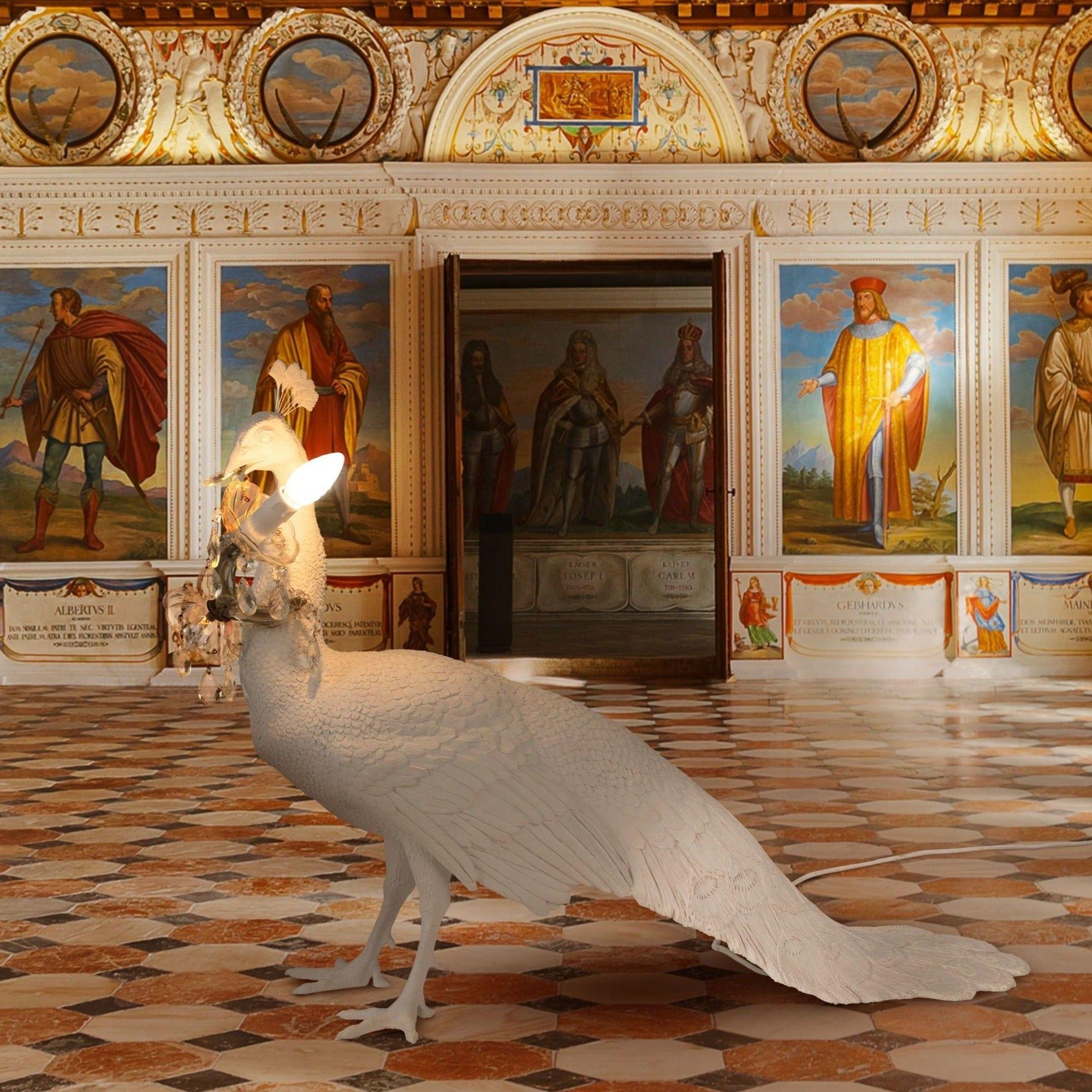
A decorative lamp is not meant to illuminate the entire room – its purpose is to create ambiance and draw the eye. It often looks interesting even when turned off, as form matters just as much as the light it emits.
What Role Does It Play in Lighting?
In a well-planned interior, light is divided into three layers: general, task, and ambient. A decorative lamp belongs to the third layer – it works alongside the ceiling lamp and floor lamp, rather than replacing them.
In the evening, often just this layer is enough – the room becomes cozy without harsh overhead light.
Shapes and Materials
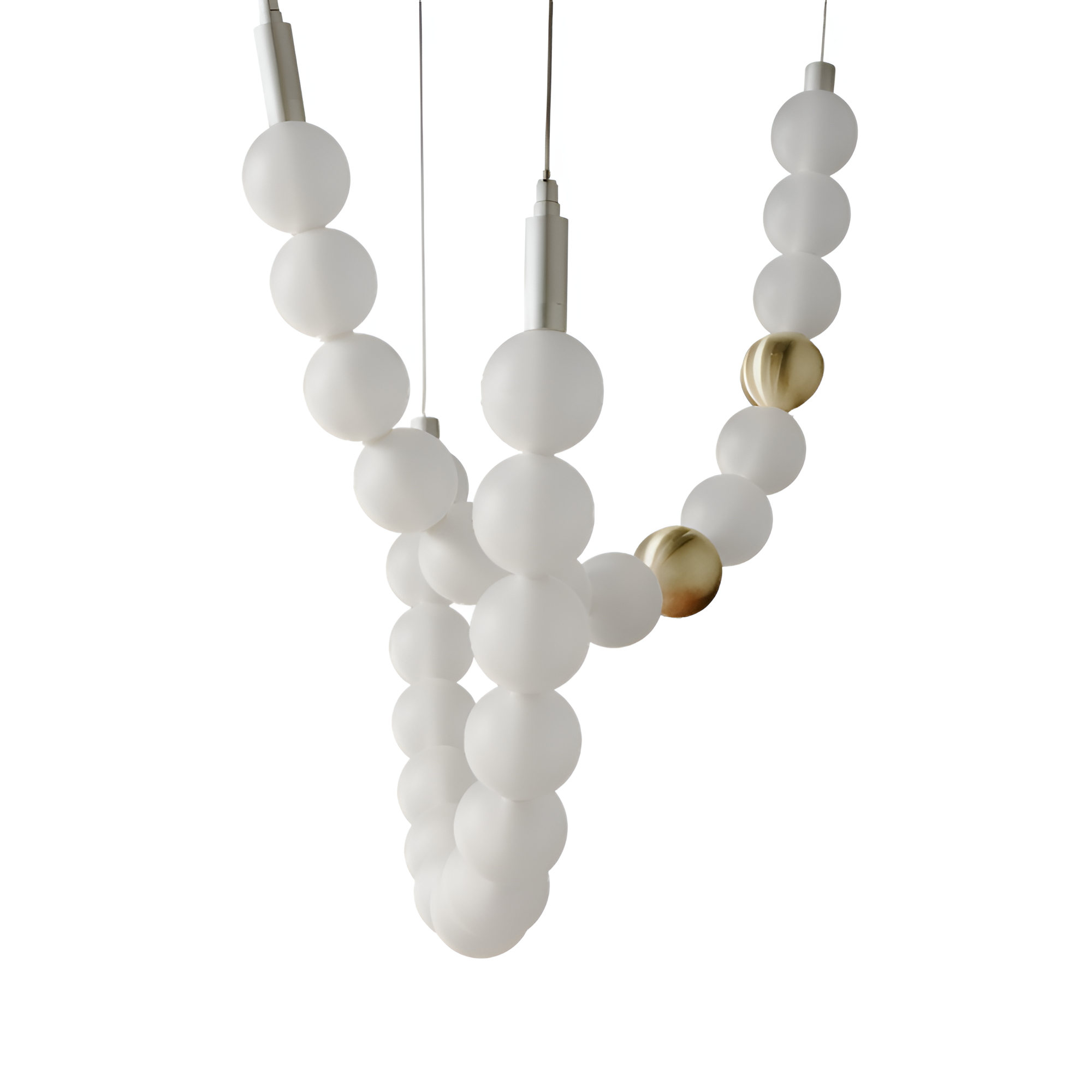
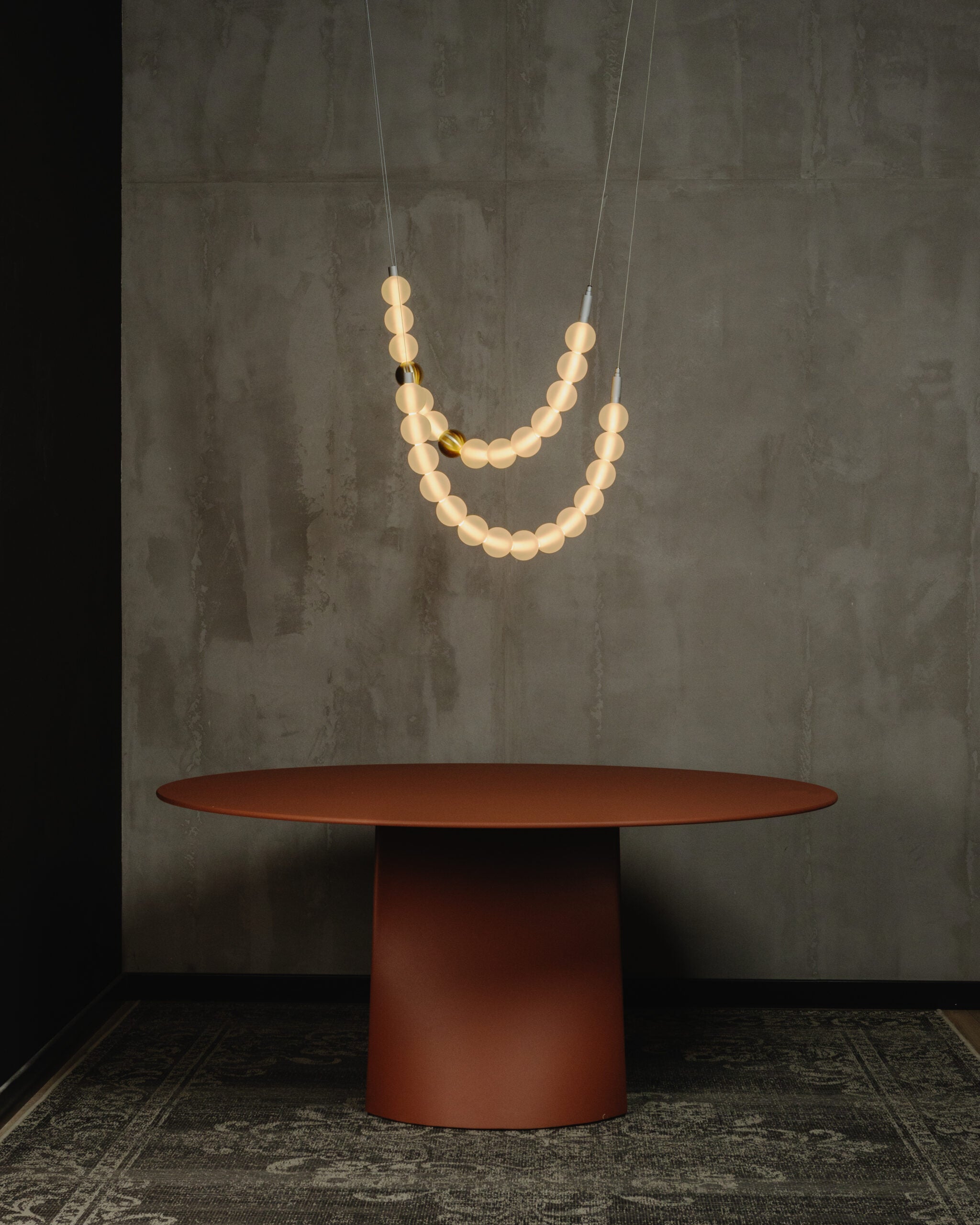
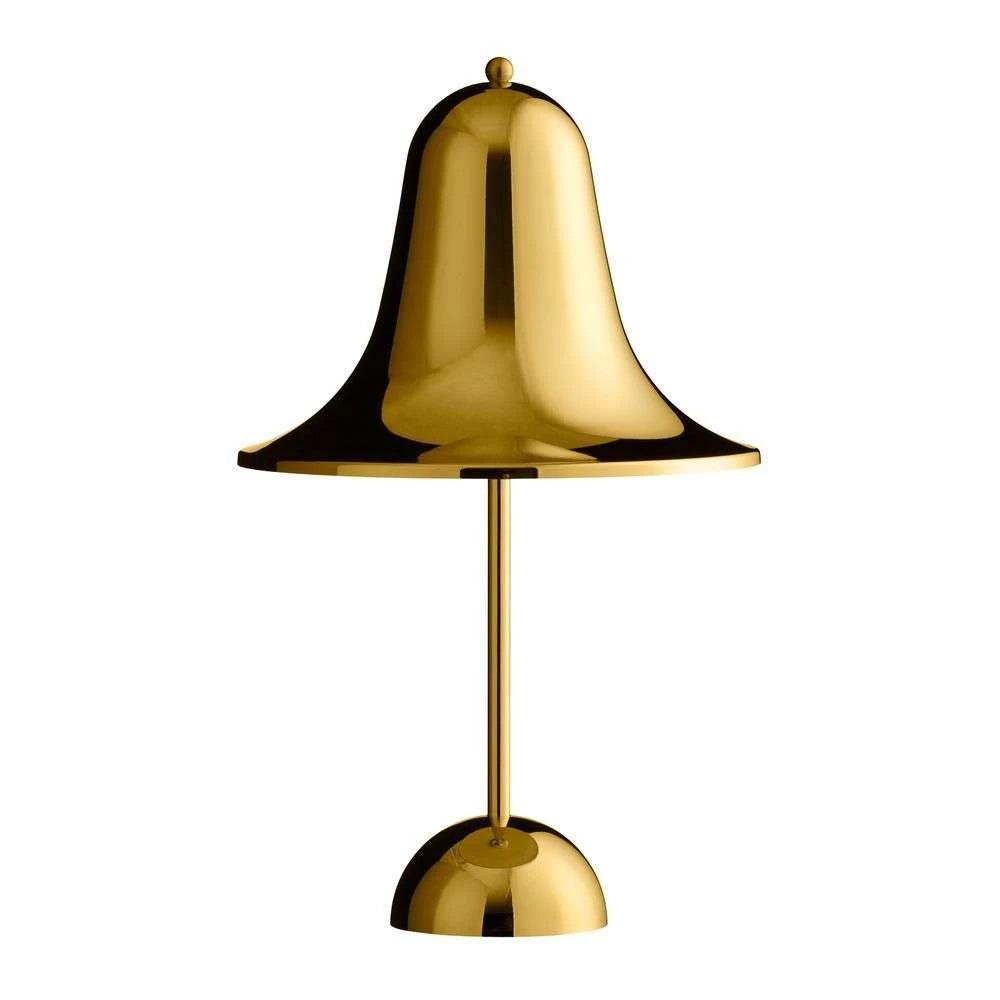
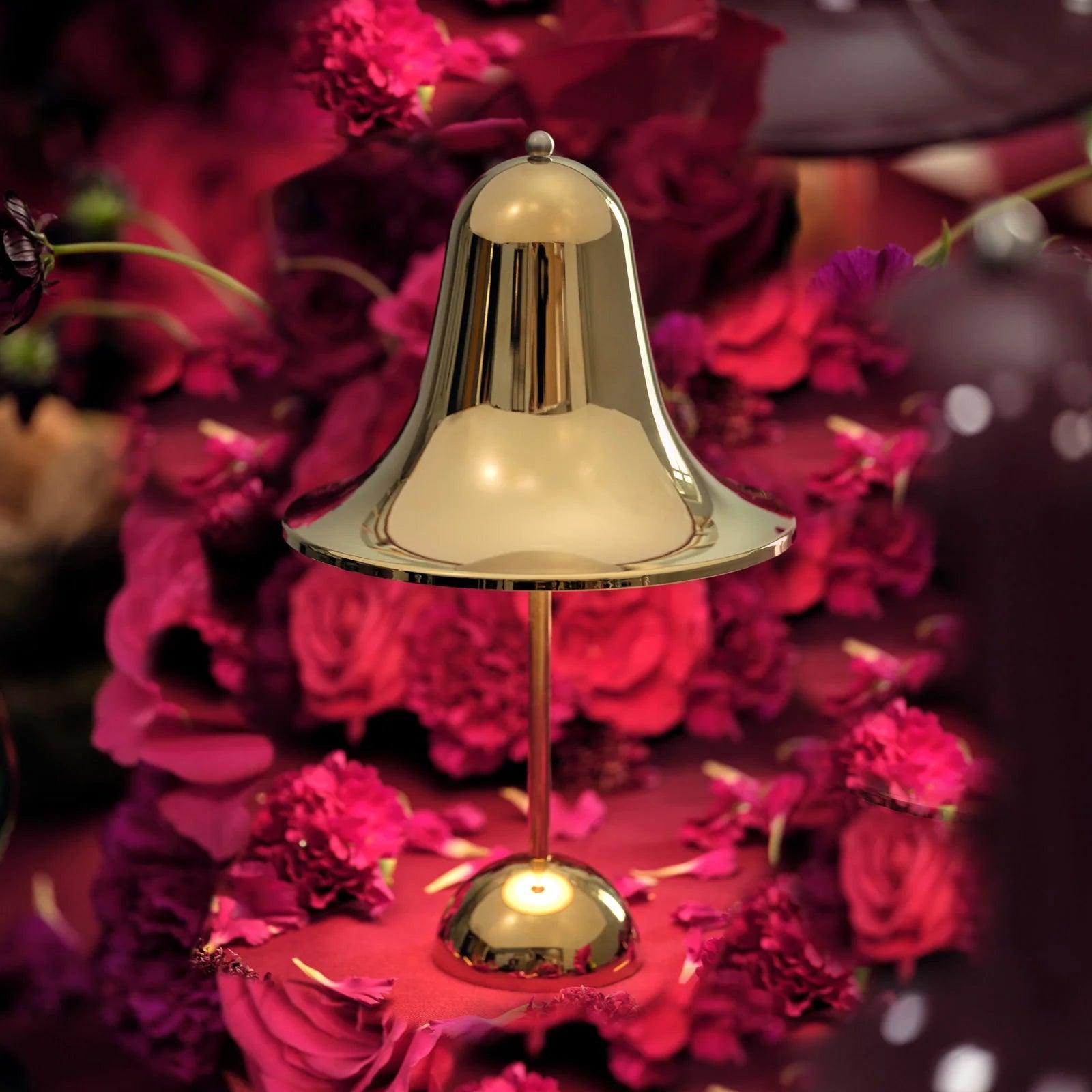
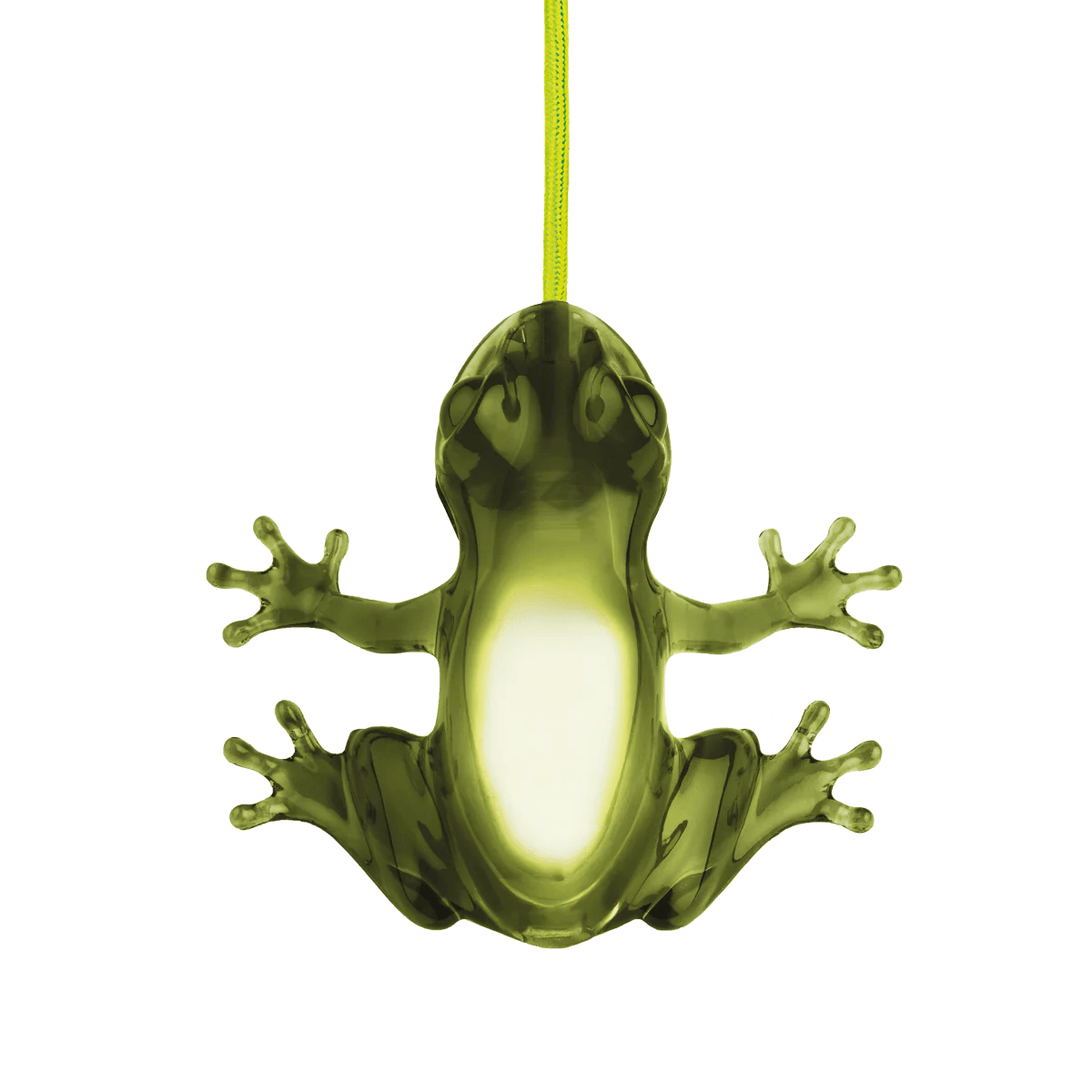
Glass – smoky, amber, transparent – interacts with light in the most interesting ways and casts reflections on the walls. Ceramic and metal provide a stronger, sculptural form that stands out as an object in its own right.
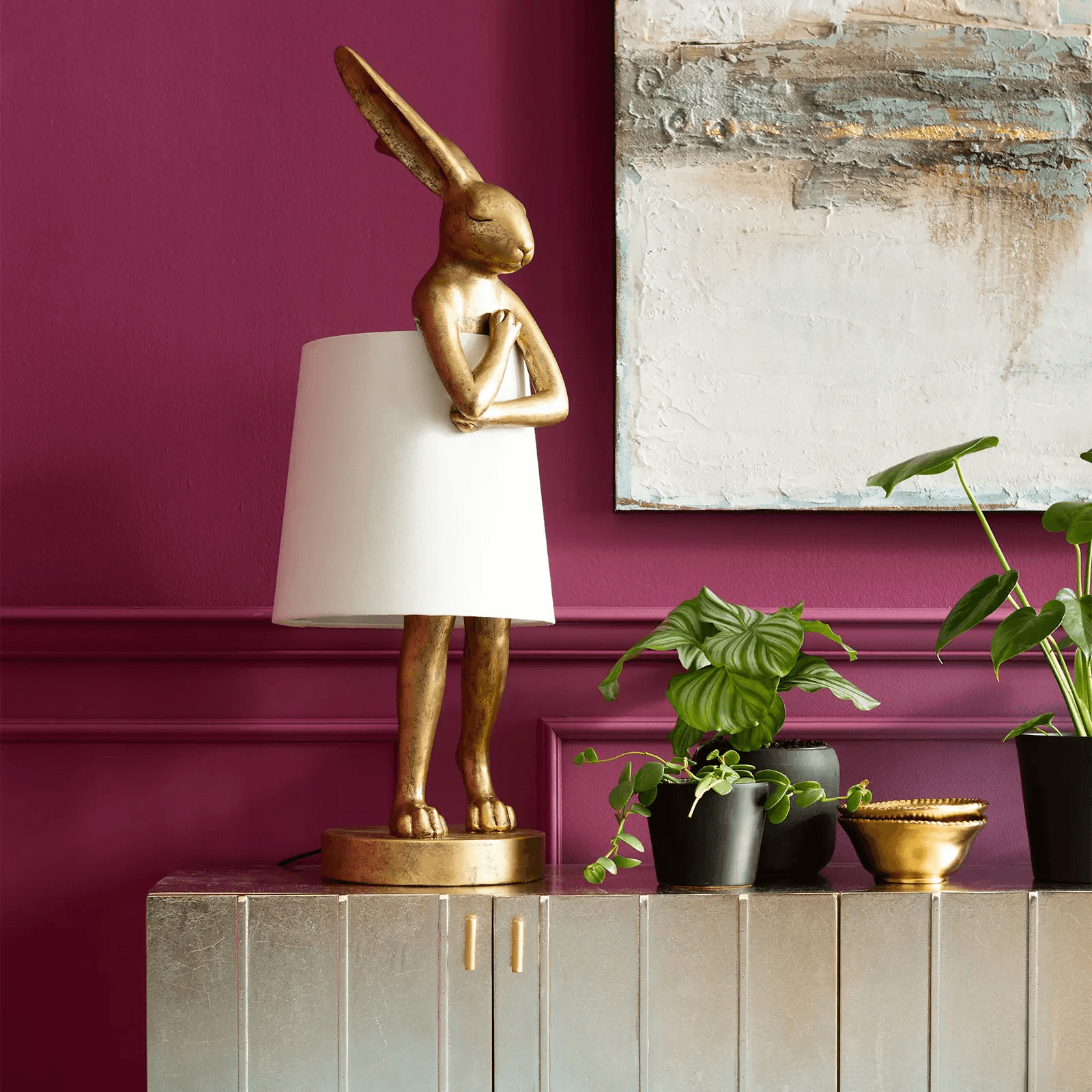
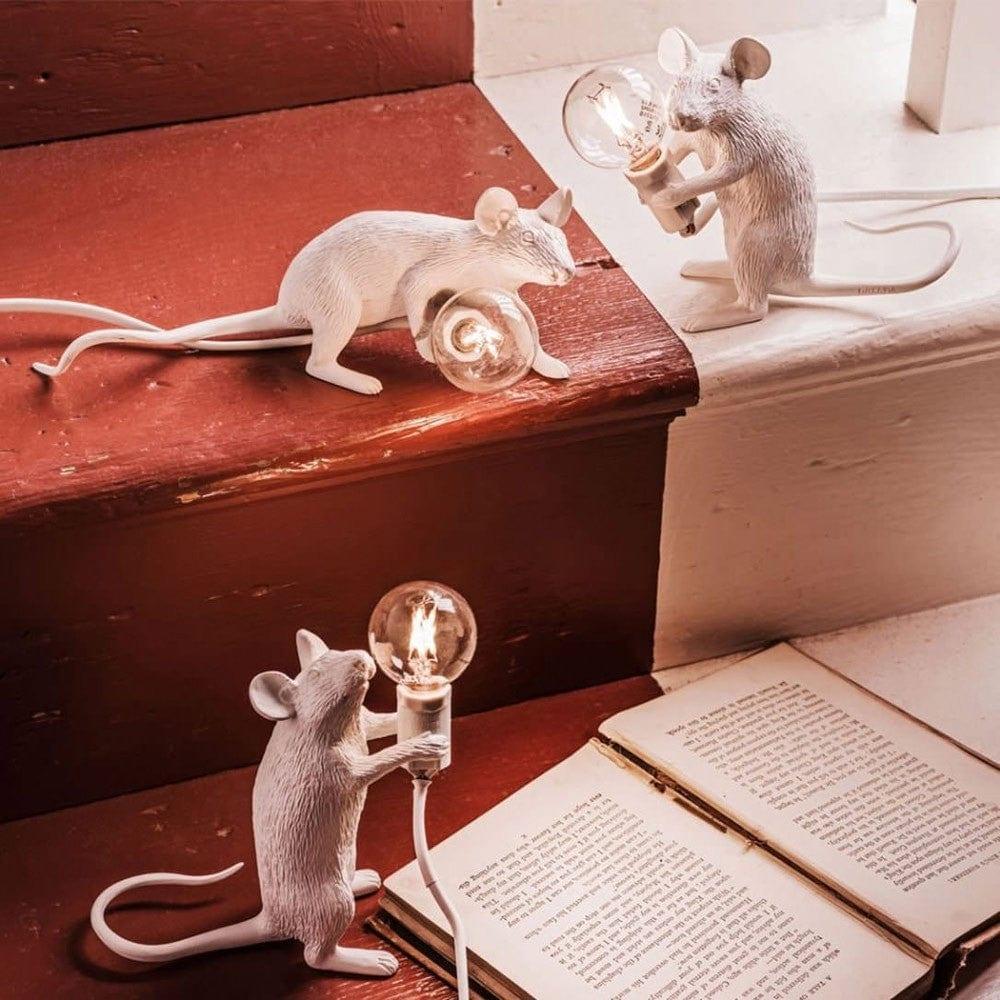
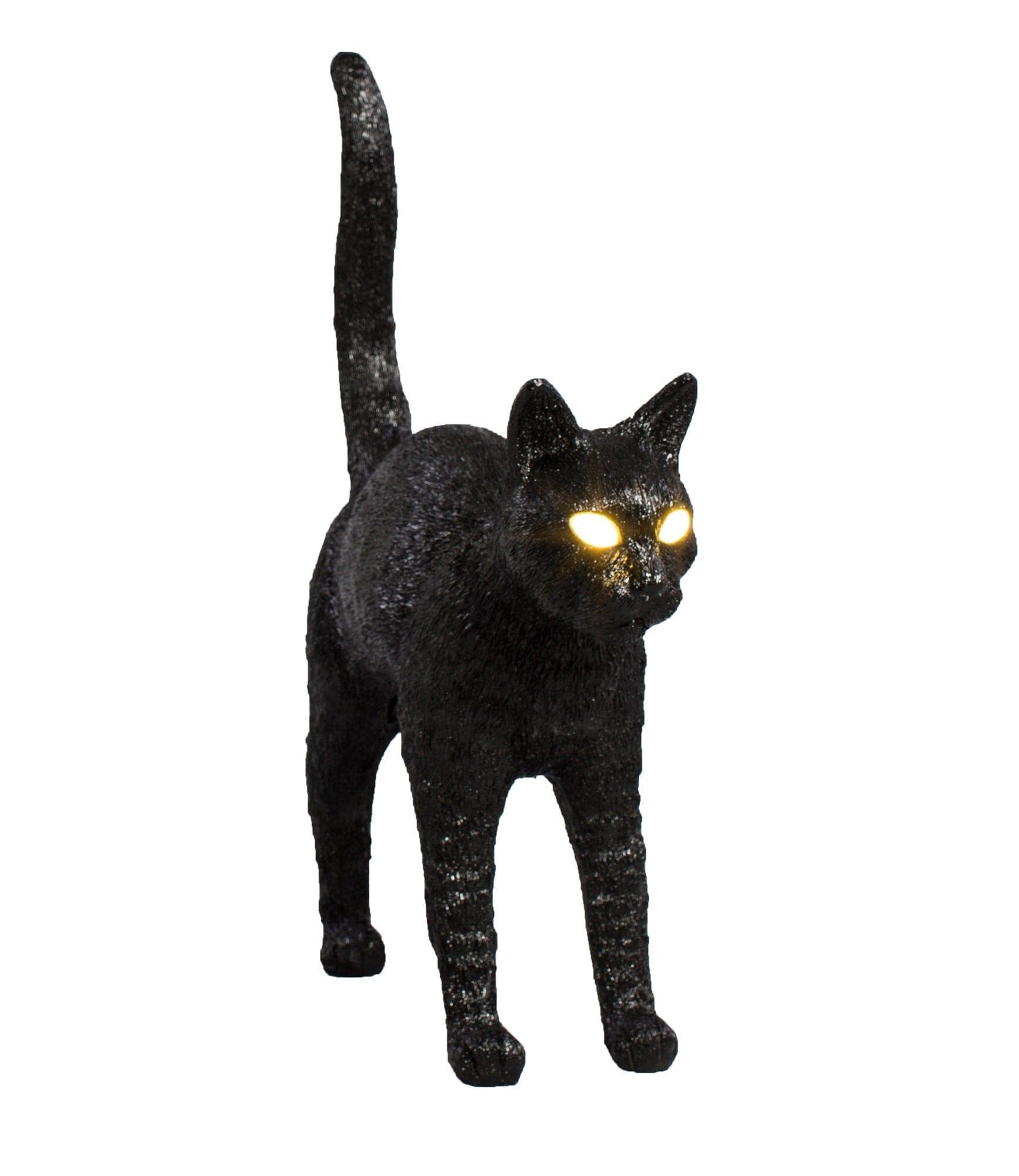
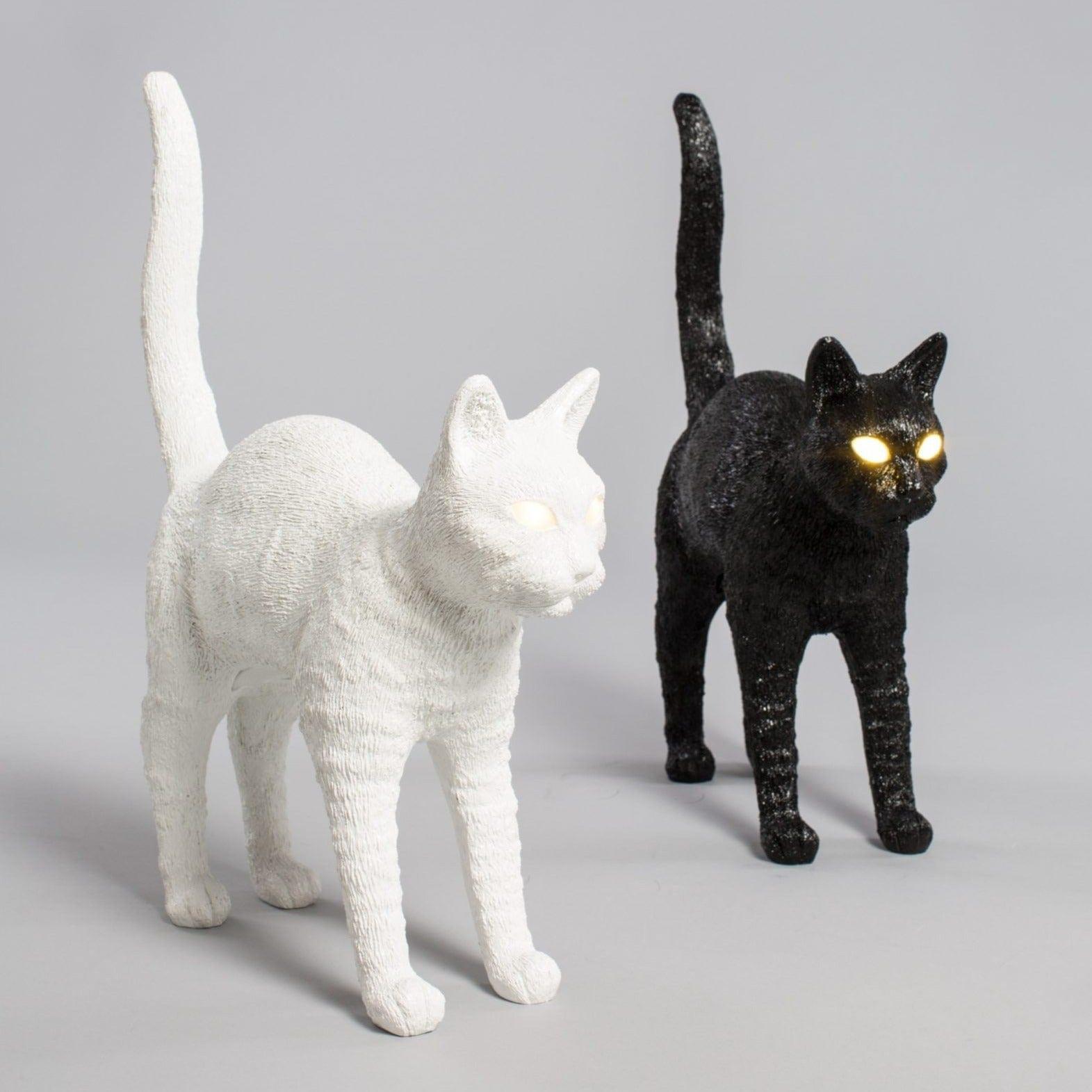
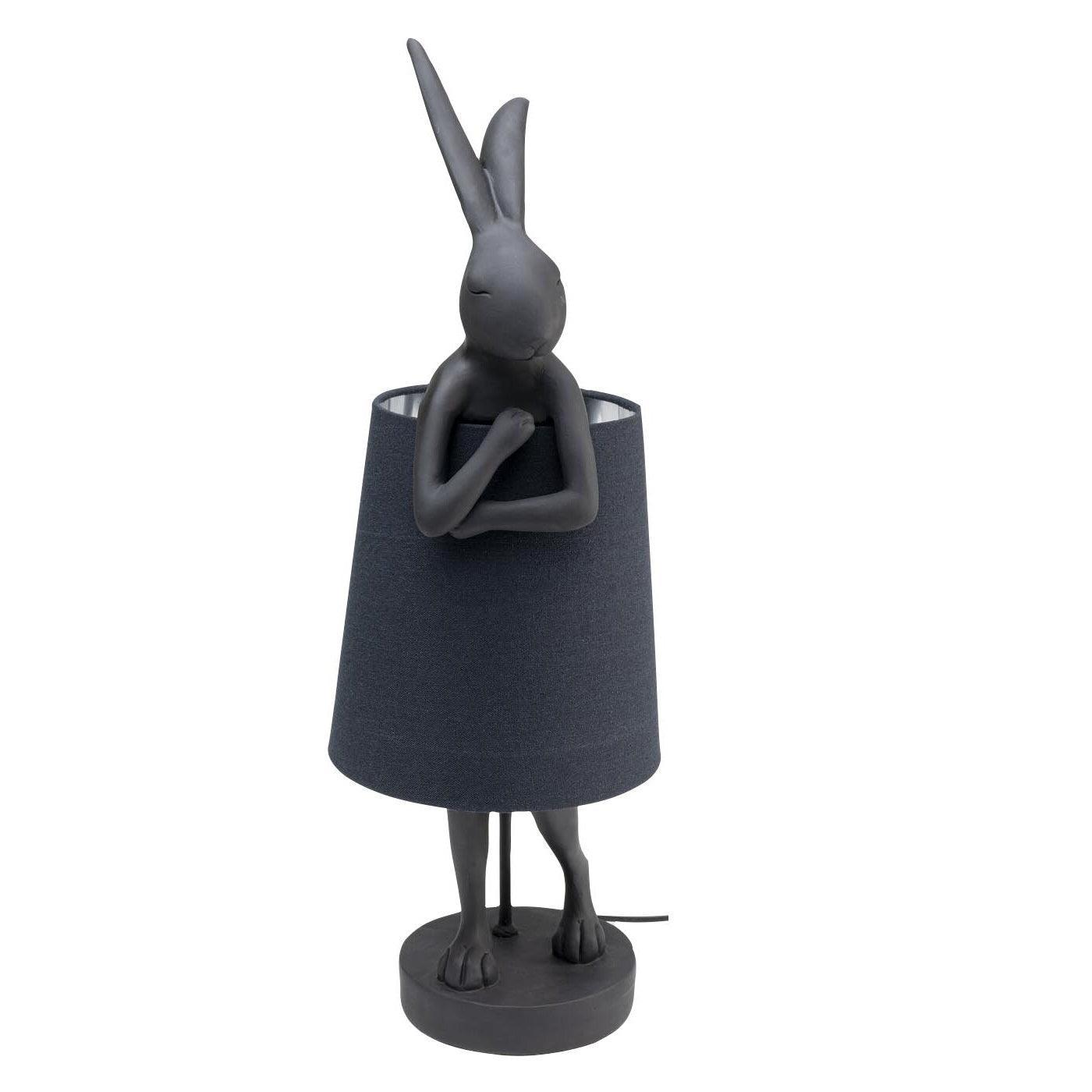
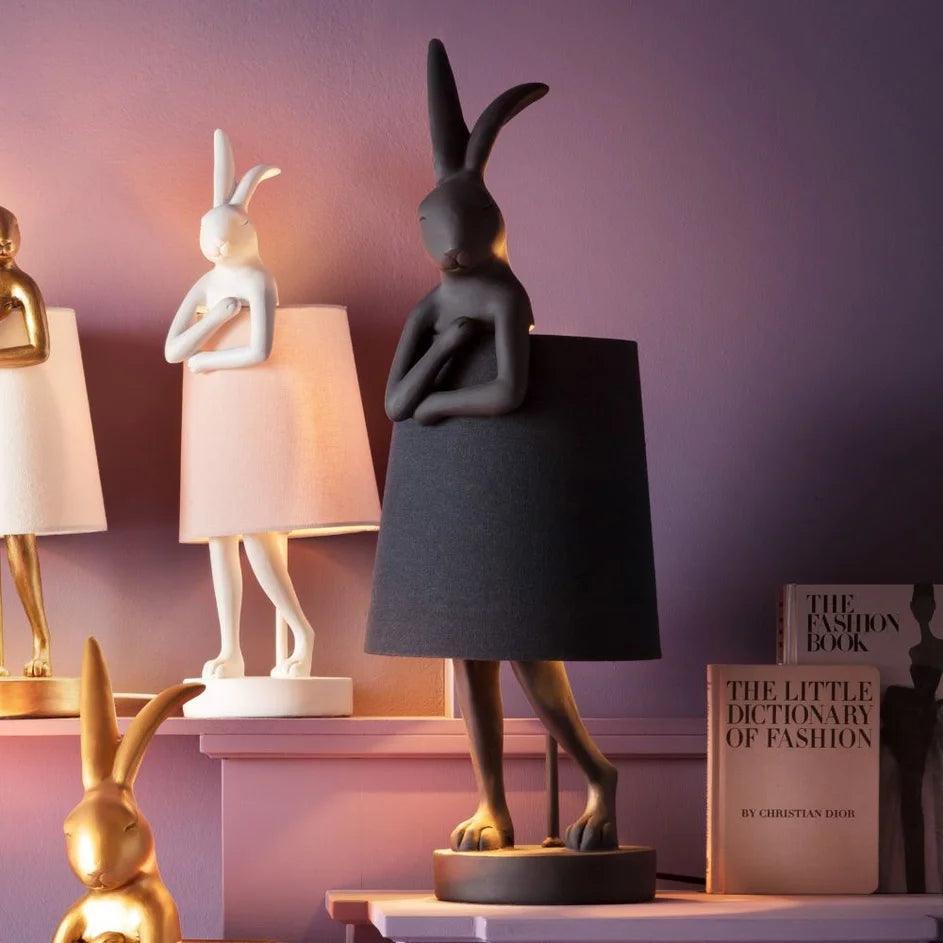
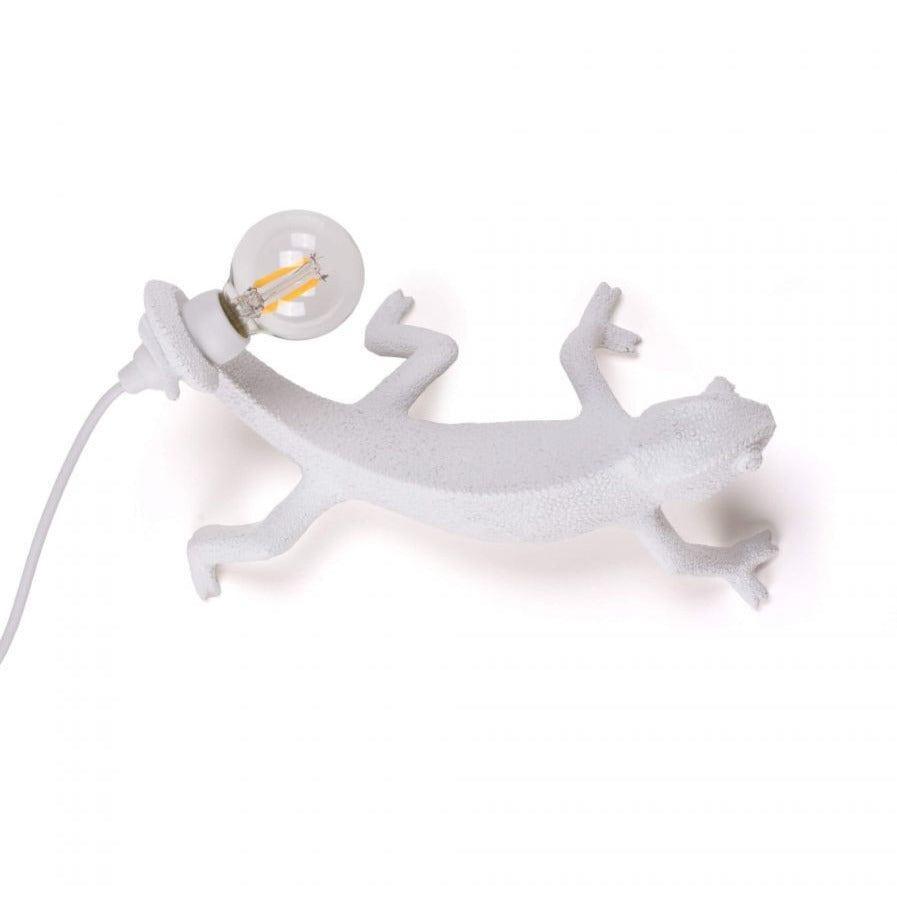
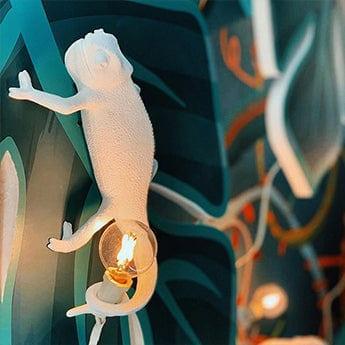
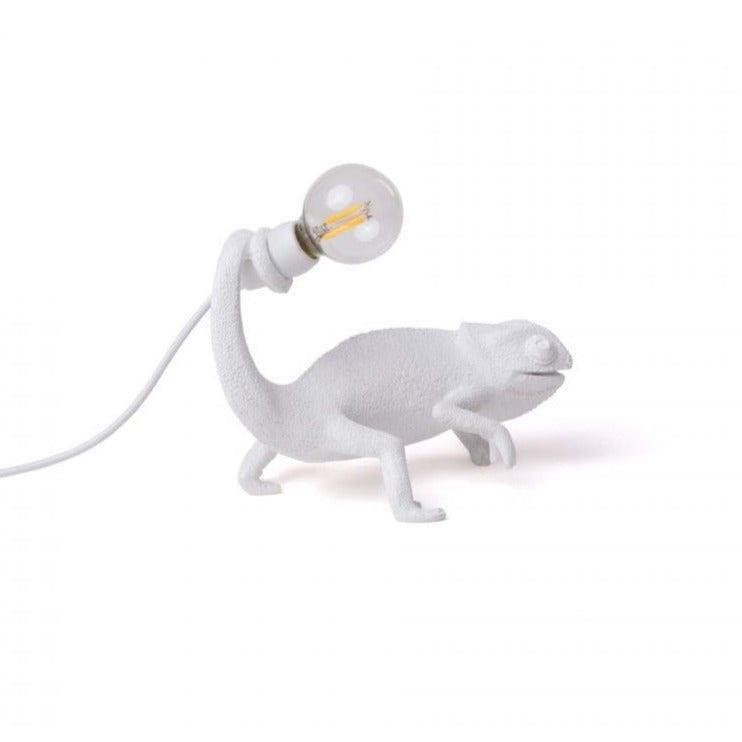
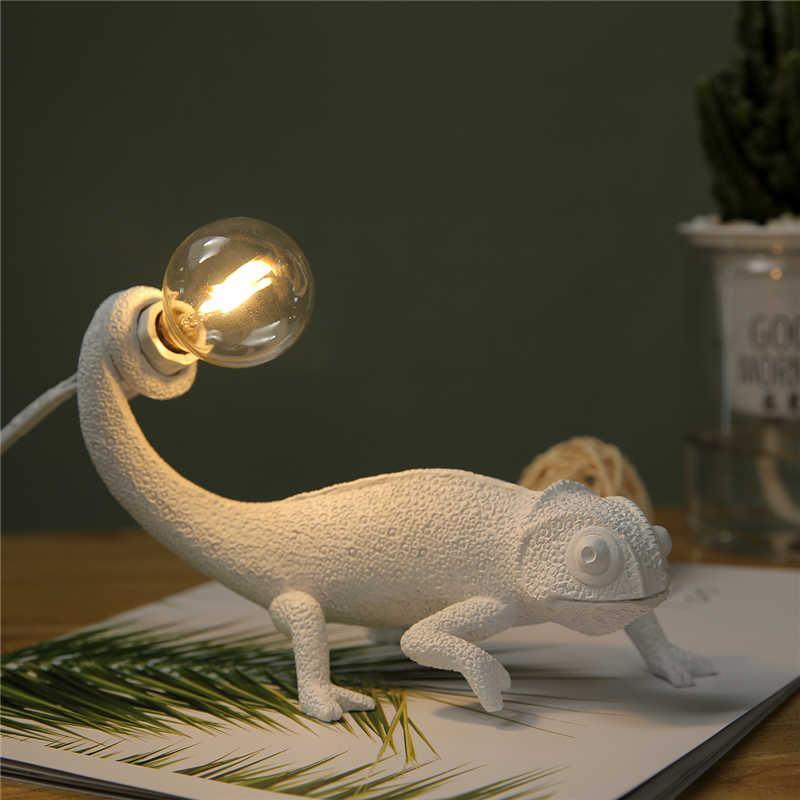
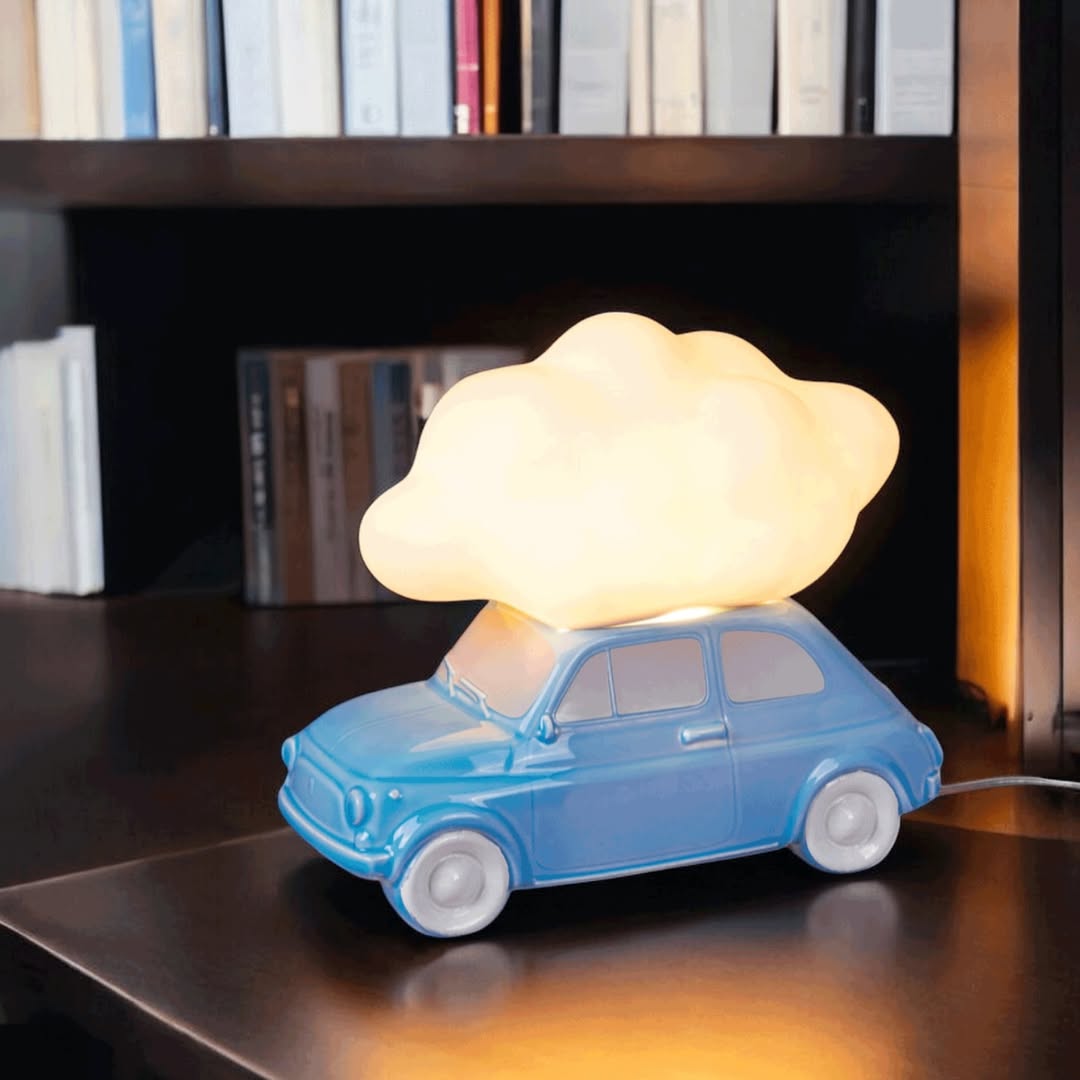
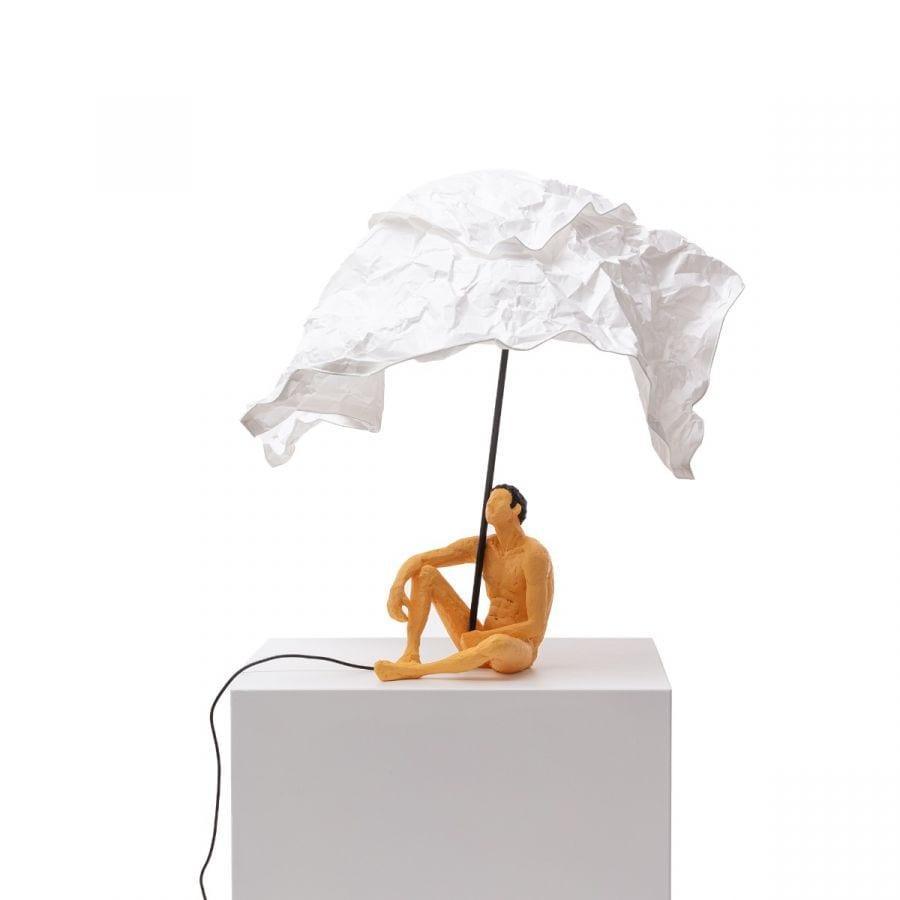
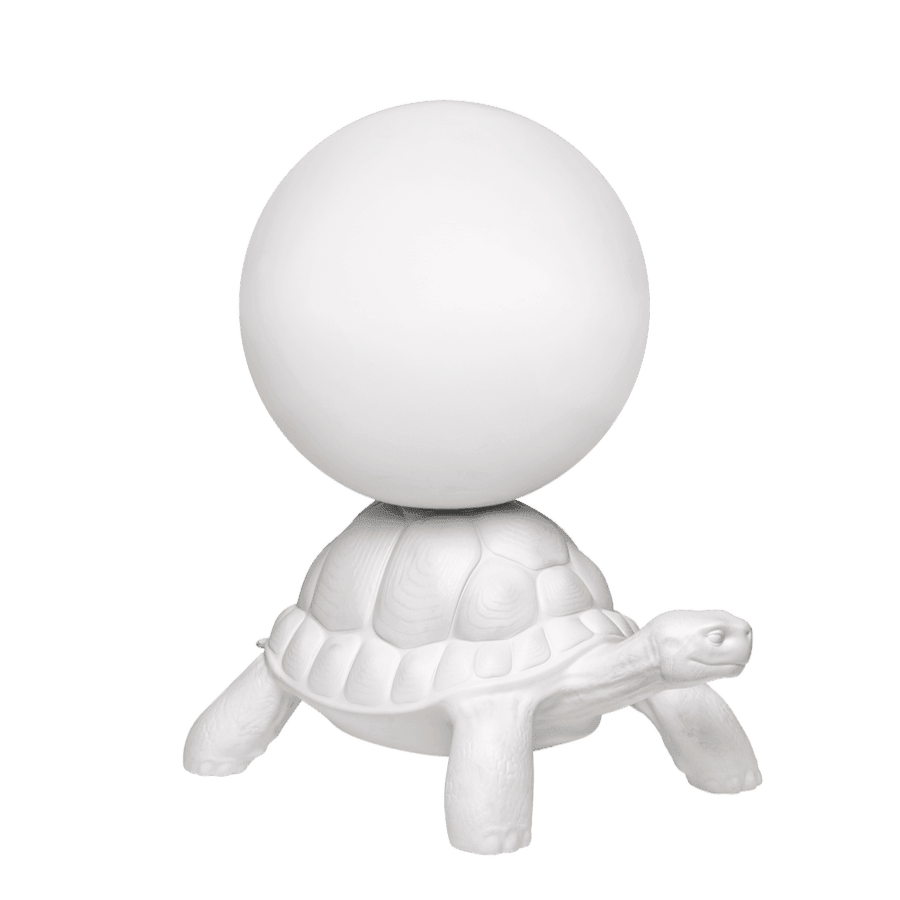
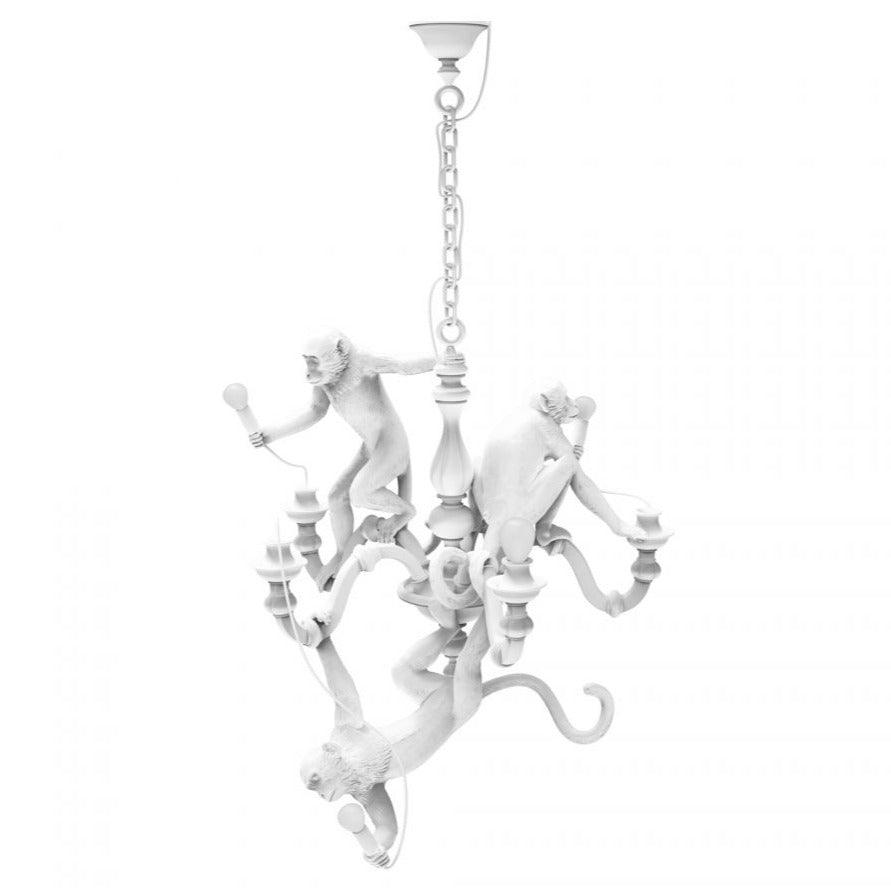
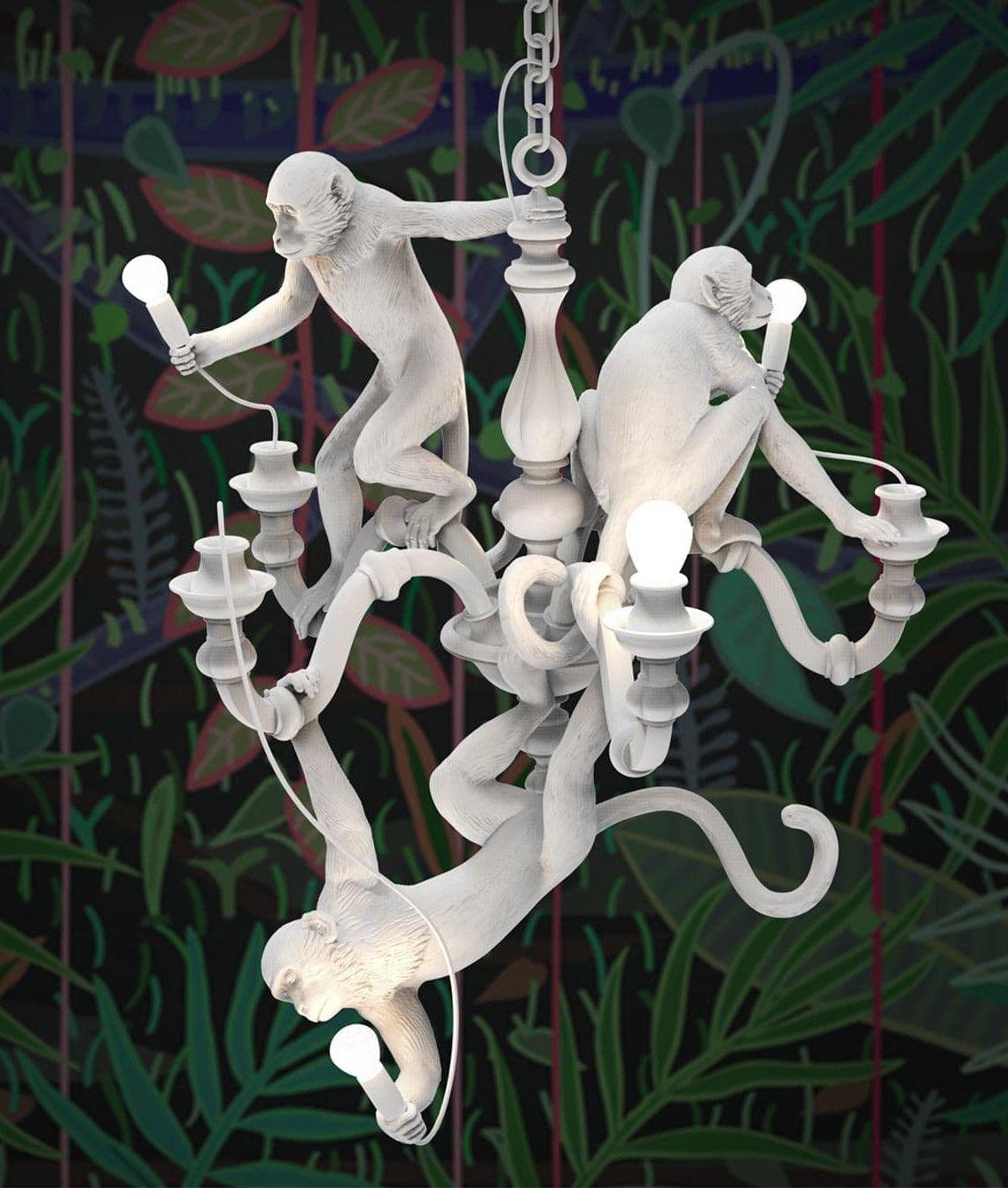
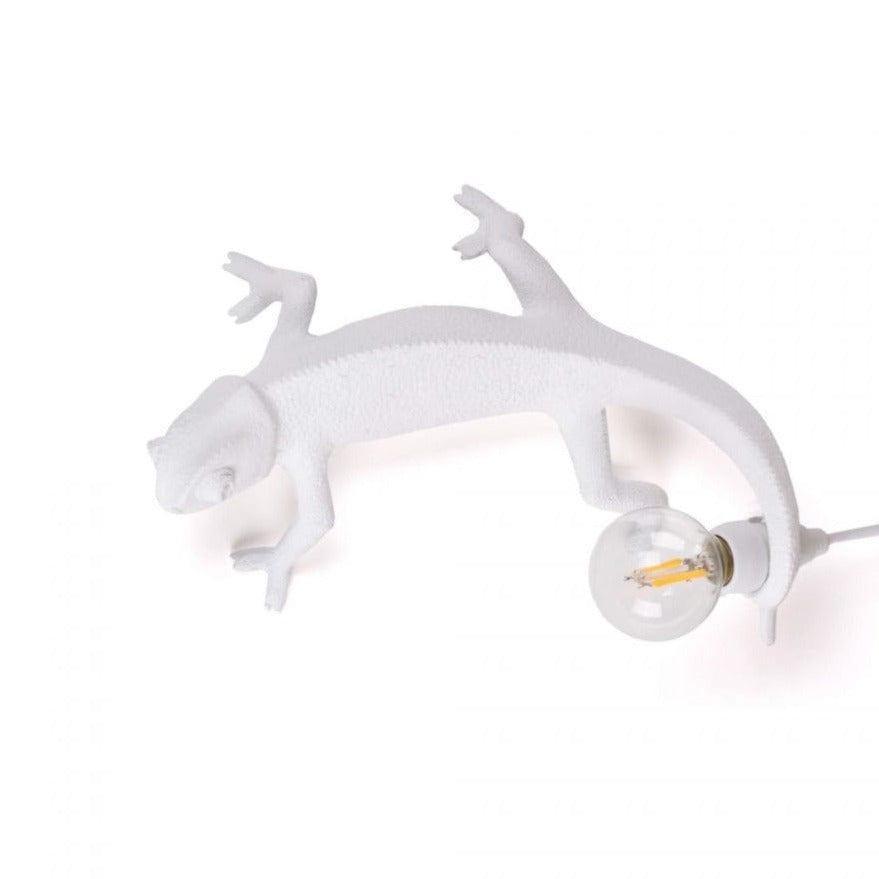
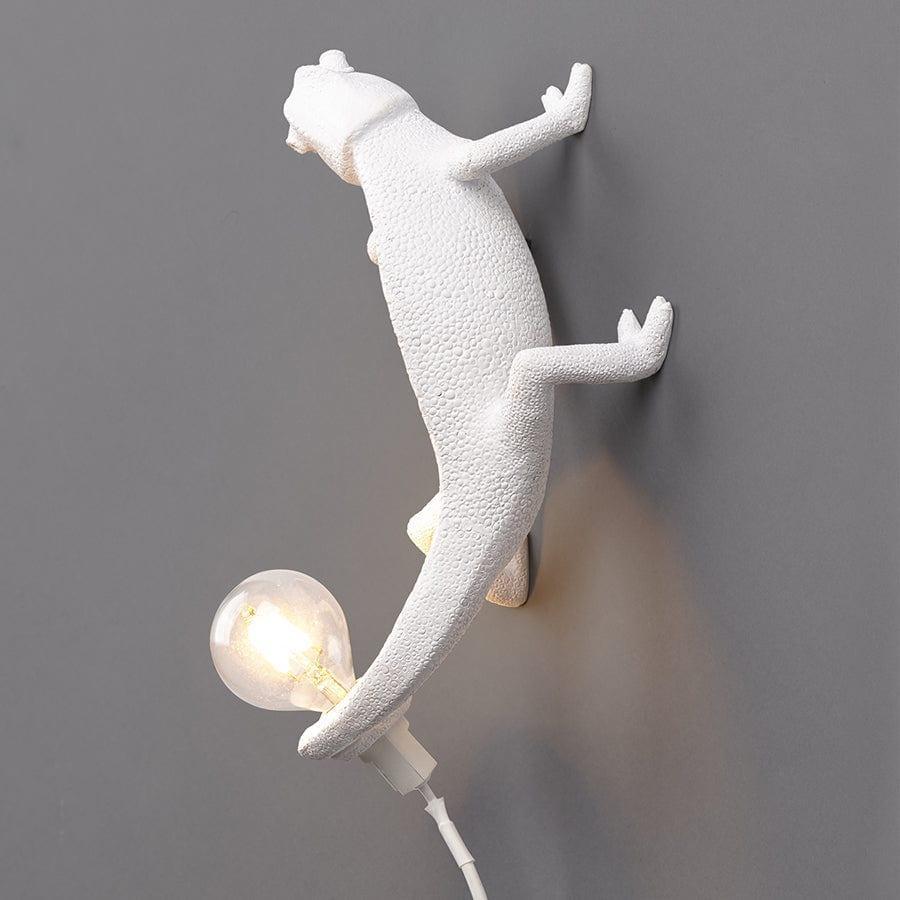
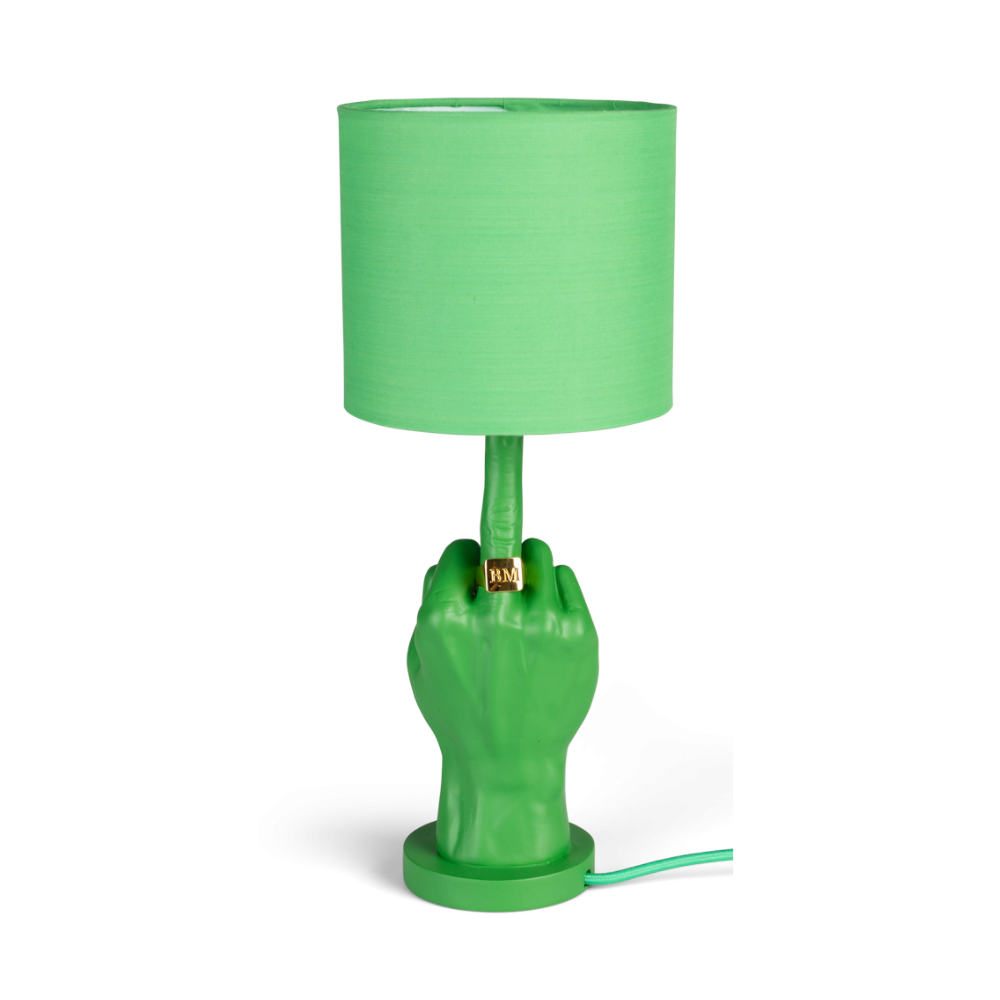
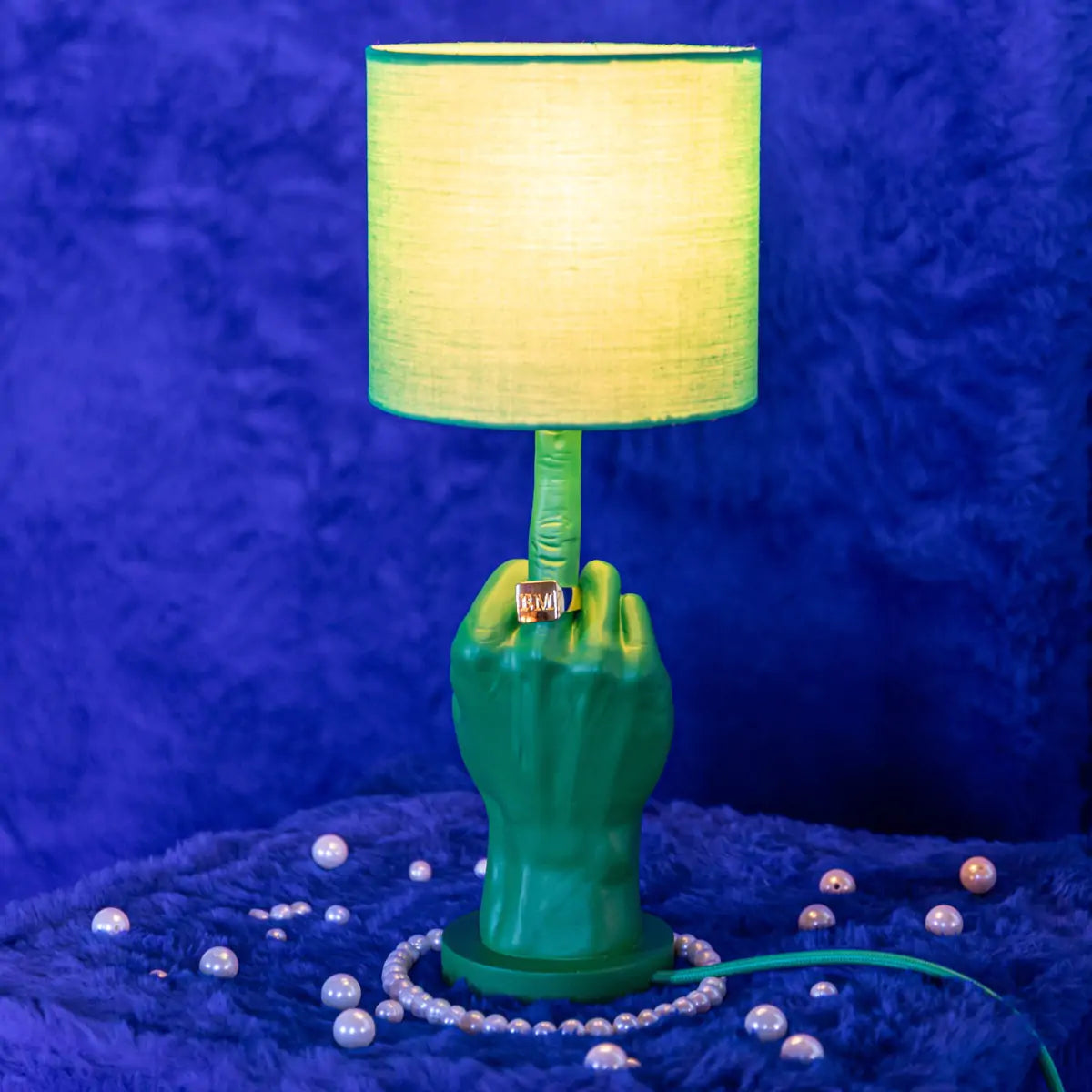
Models with sculptural shapes look great when paired with vases and decorative items on the same surface – it's important that they vary in height.
Where to Place It
Most often on a dresser, shelf, or console – anywhere the light can create a focal point for the eye. In the living room, it works well in a corner that would otherwise remain dark.
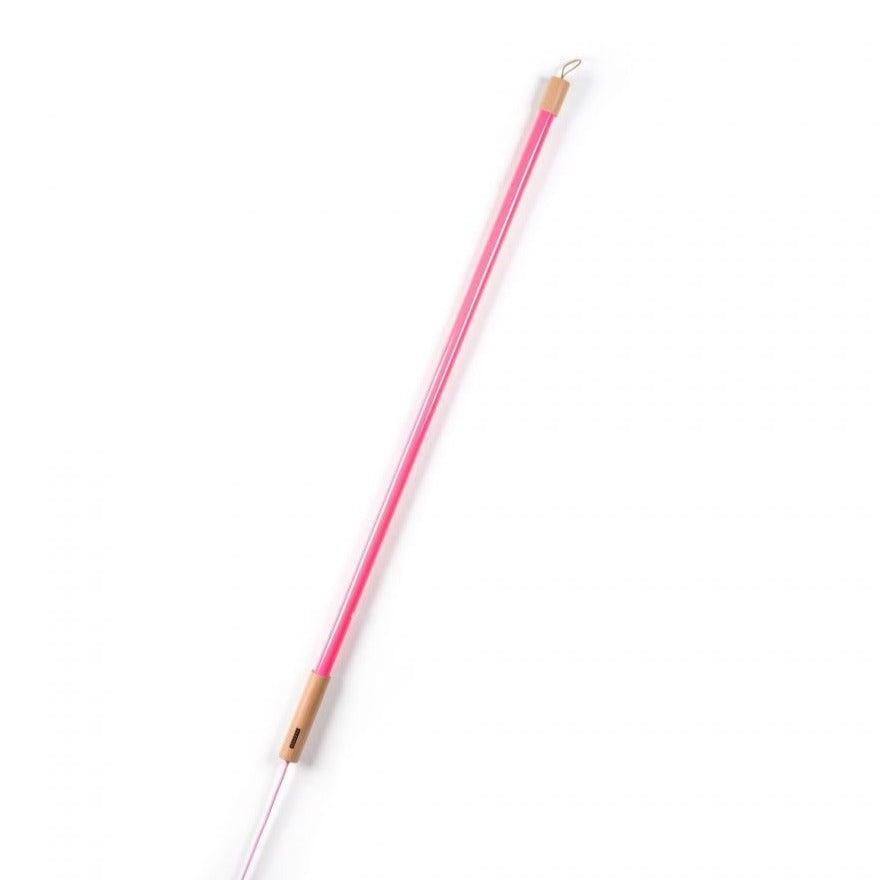
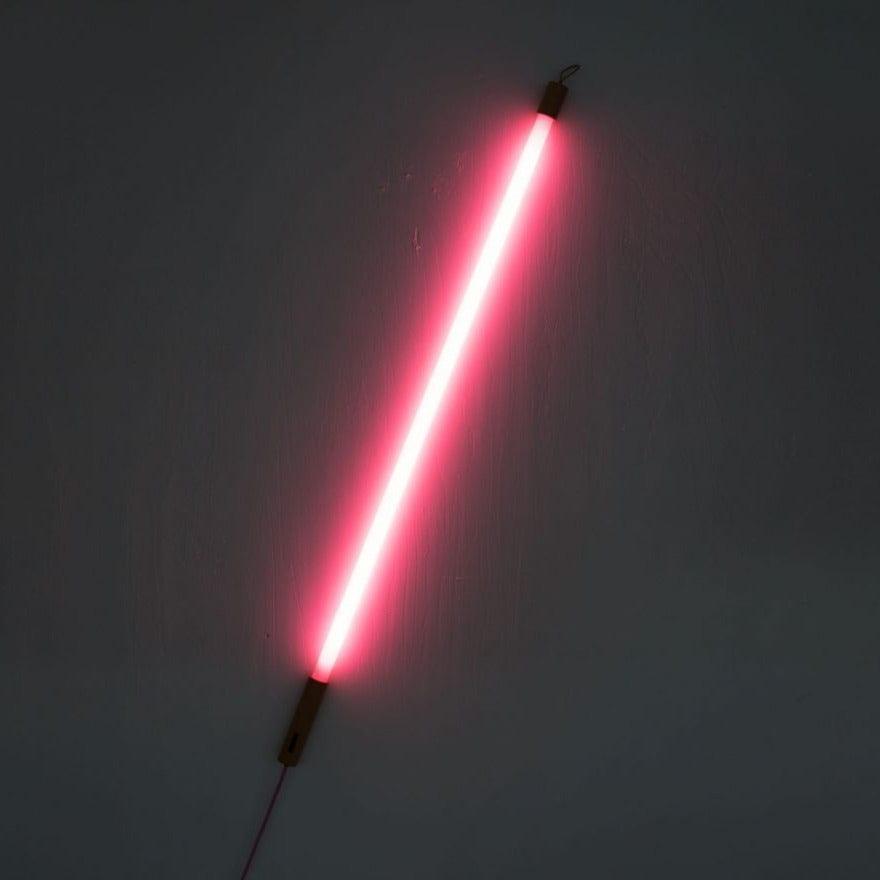
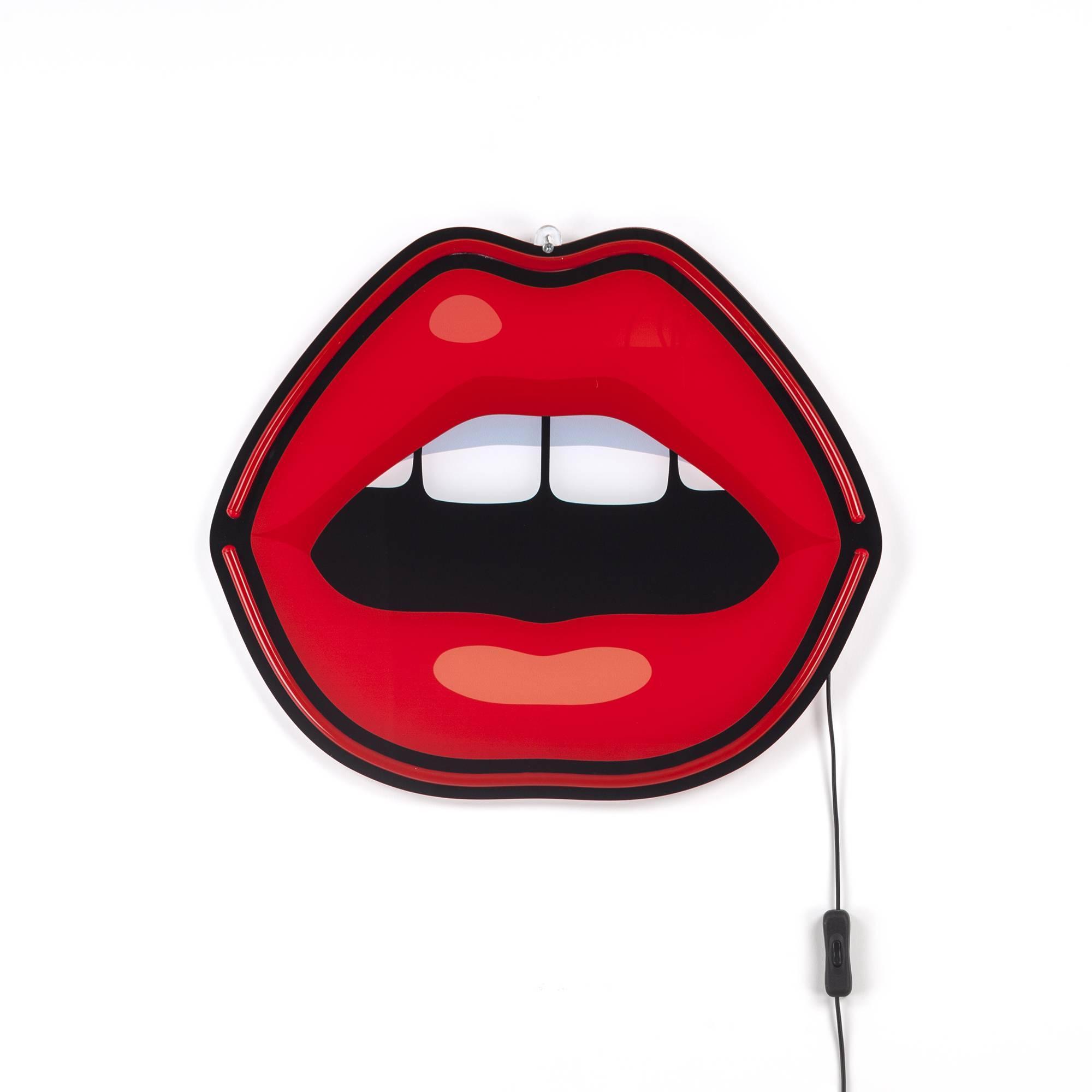
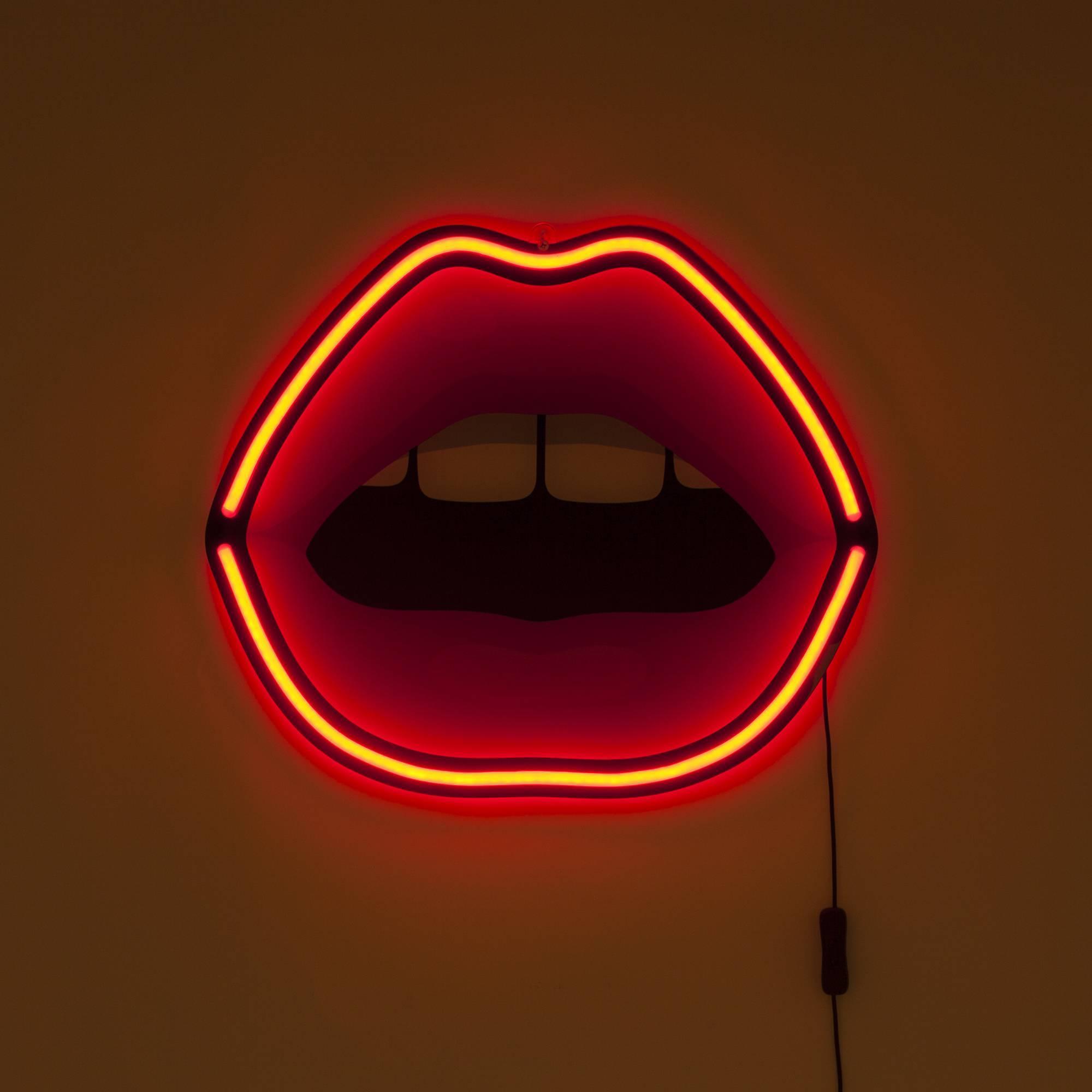
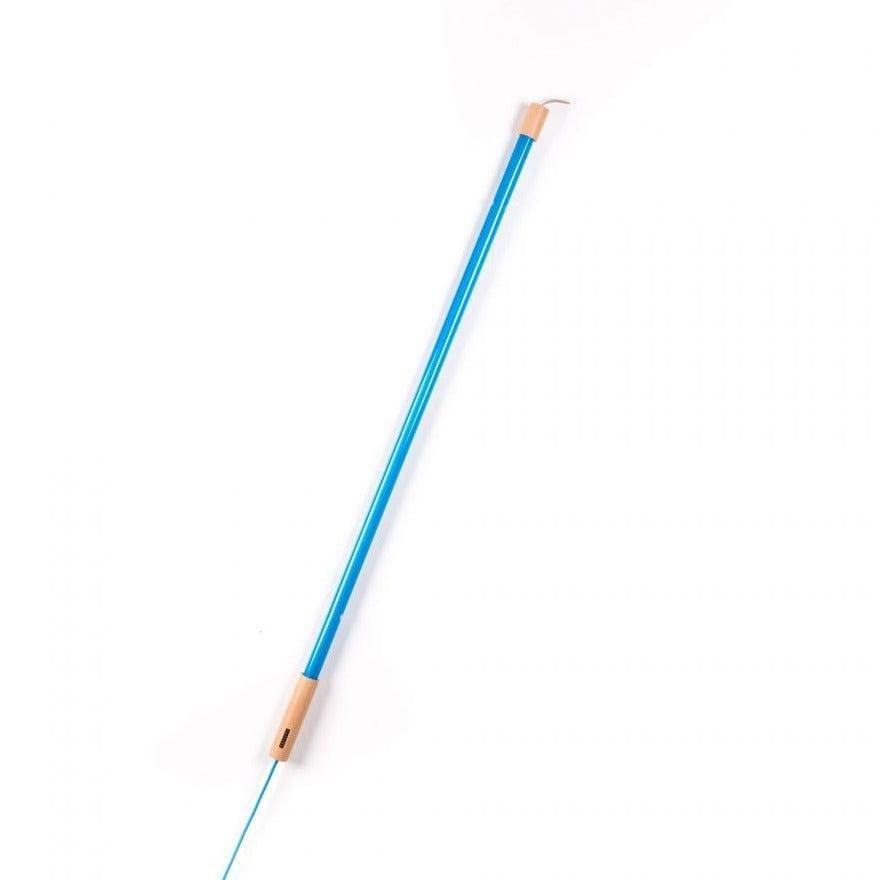
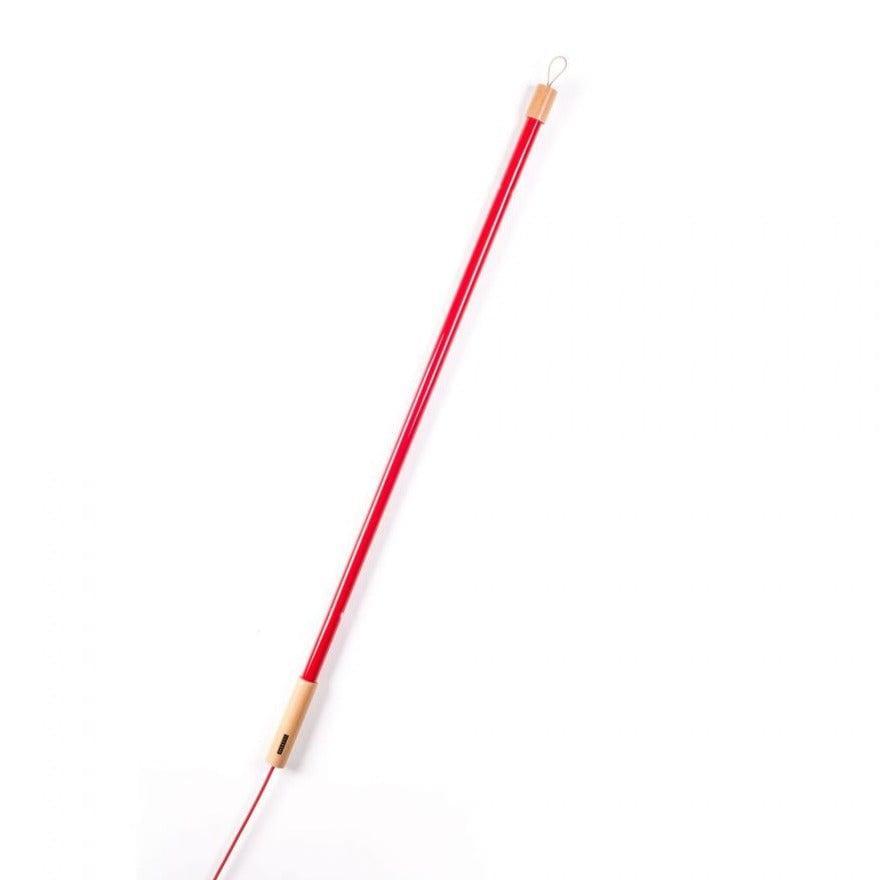
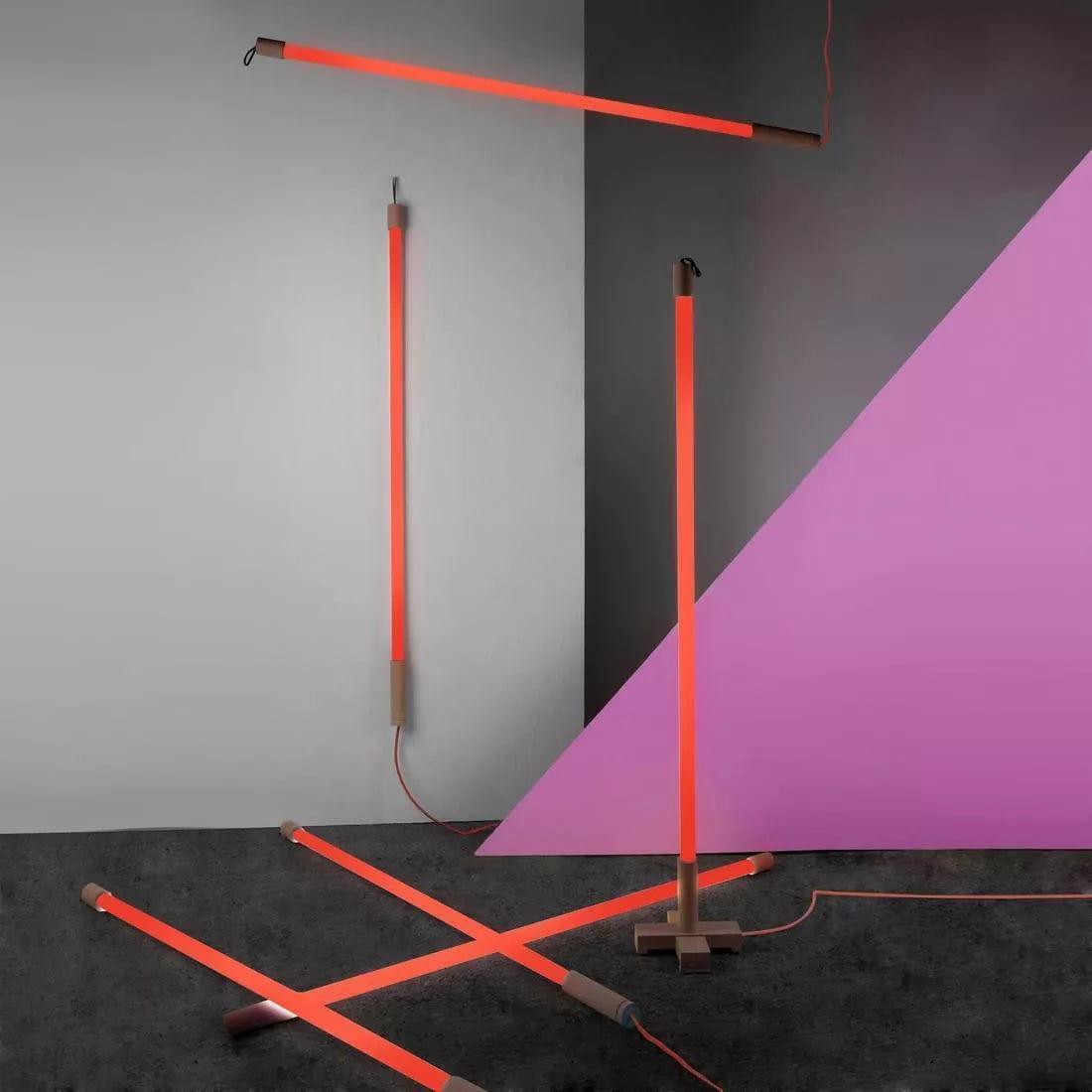
An eye-catching alternative is neon lights – glowing signs and shapes that serve as wall decorations. You can find the entire collection in the lamps section, with wireless models among the battery-operated lamps.
Color and Dimming
For ambient lighting, choose a warm color temperature, 2200–2700 K – lower than that of general lighting. A dimmer or a decorative bulb with low wattage makes a bigger difference here than the lamp's form itself.
Decorative Lamps – Frequently Asked Questions
Is a decorative lamp sufficient as lighting?
No – it provides ambient light. General and task lighting are also needed.
What color of light?
Warm, 2200–2700 K. It's about mood, not visibility.
Where should I place a decorative lamp?
On a dresser, shelf, or console – best in a group with items of varying heights.
Free shipping on orders over 1000 PLN, showroom in Warsaw.