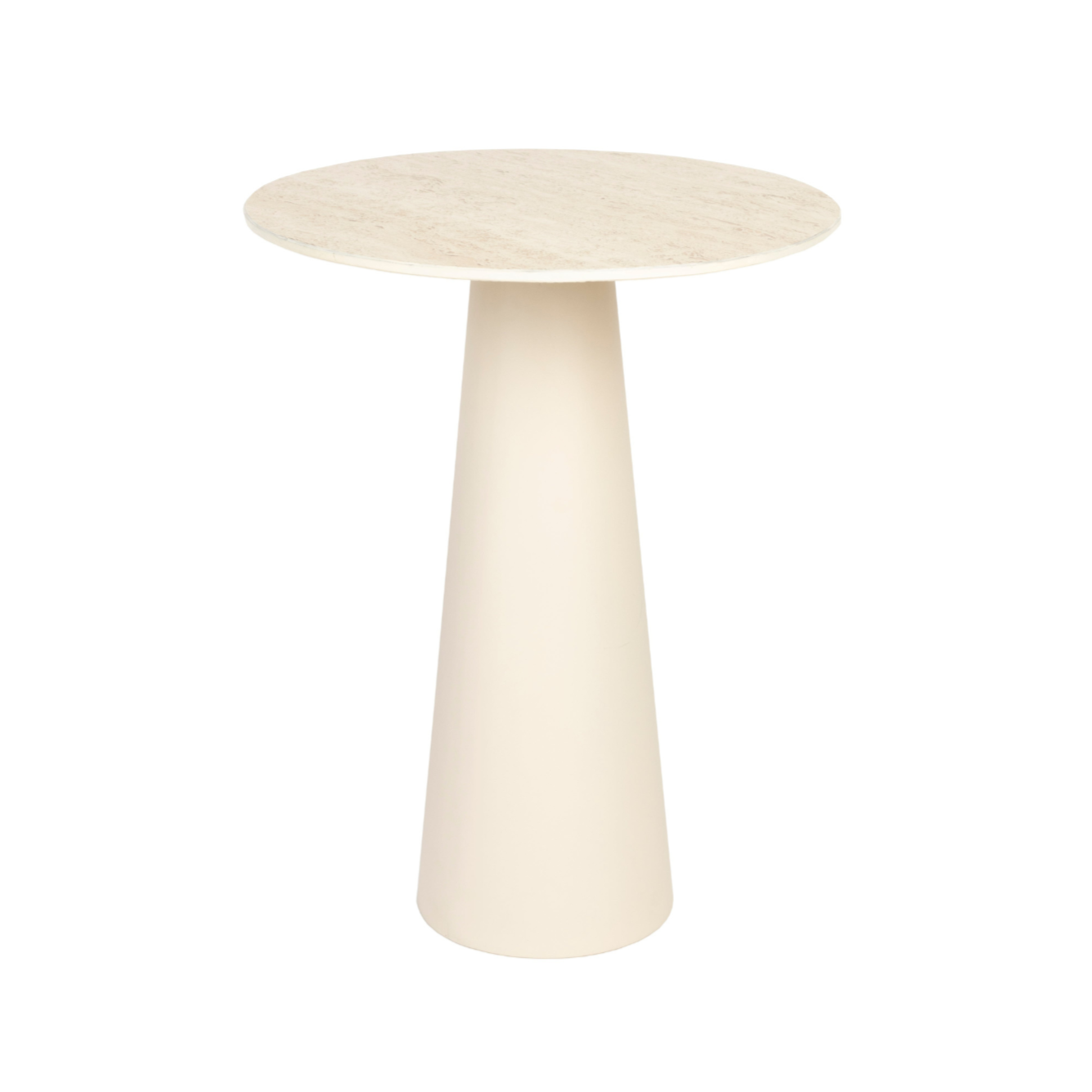
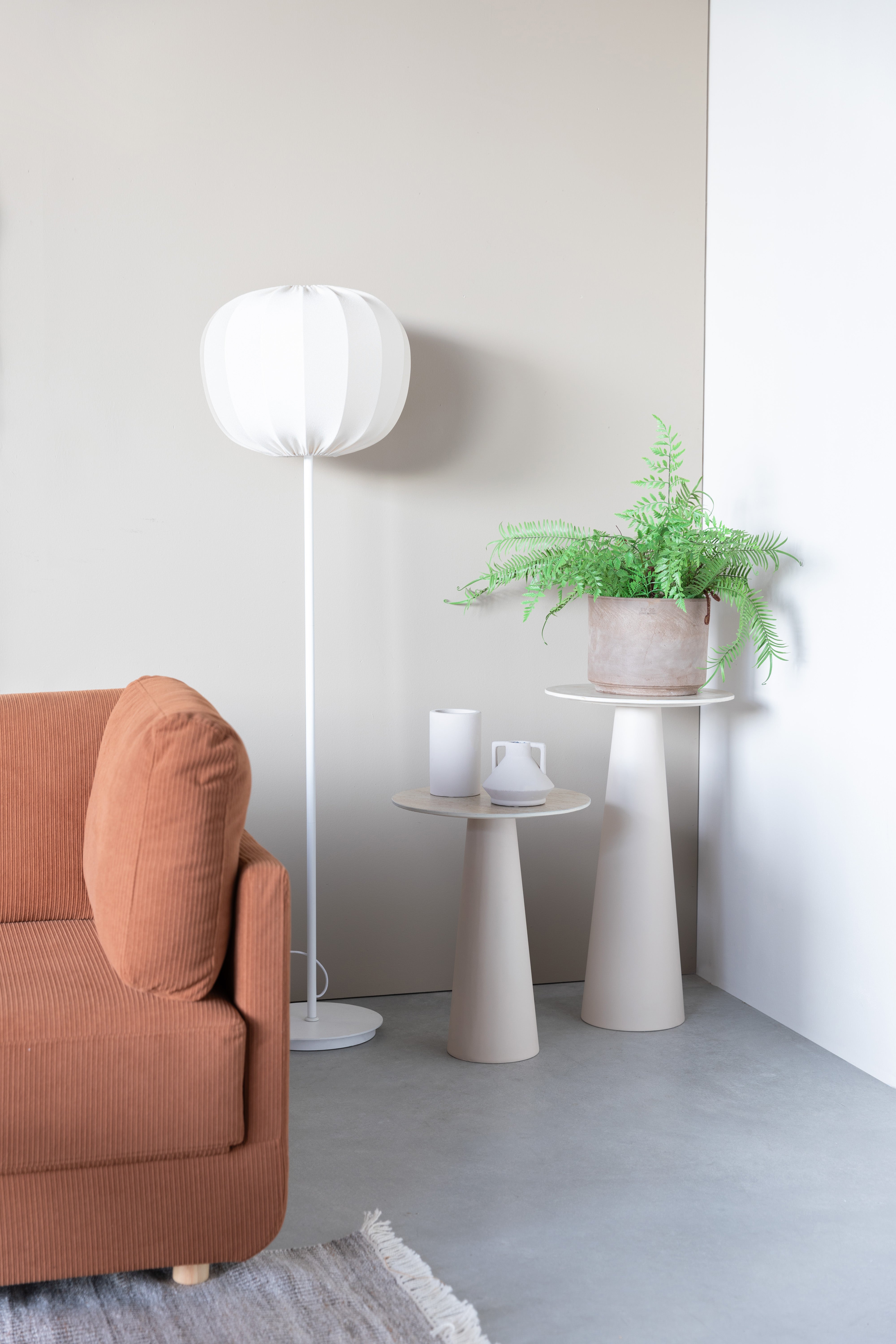
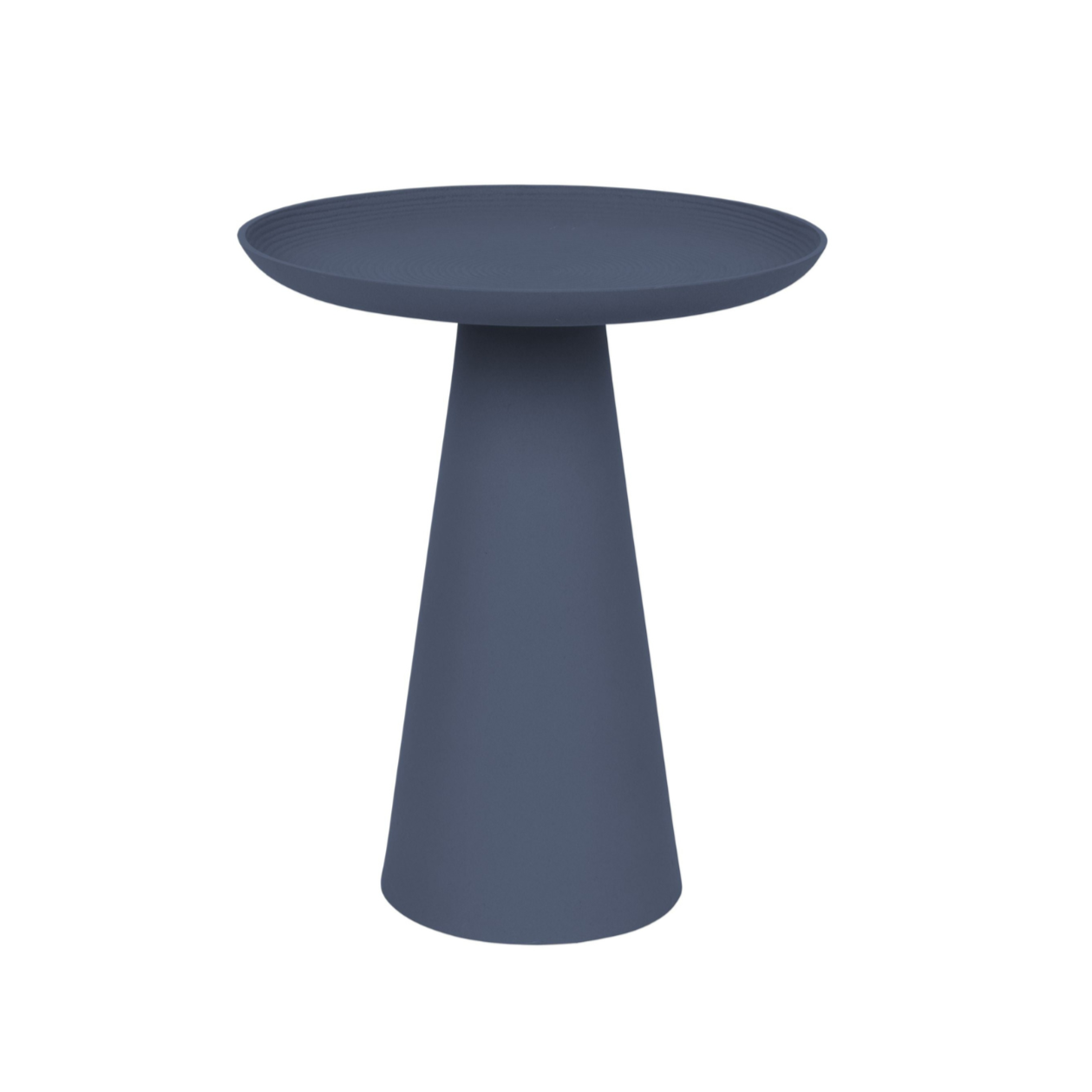
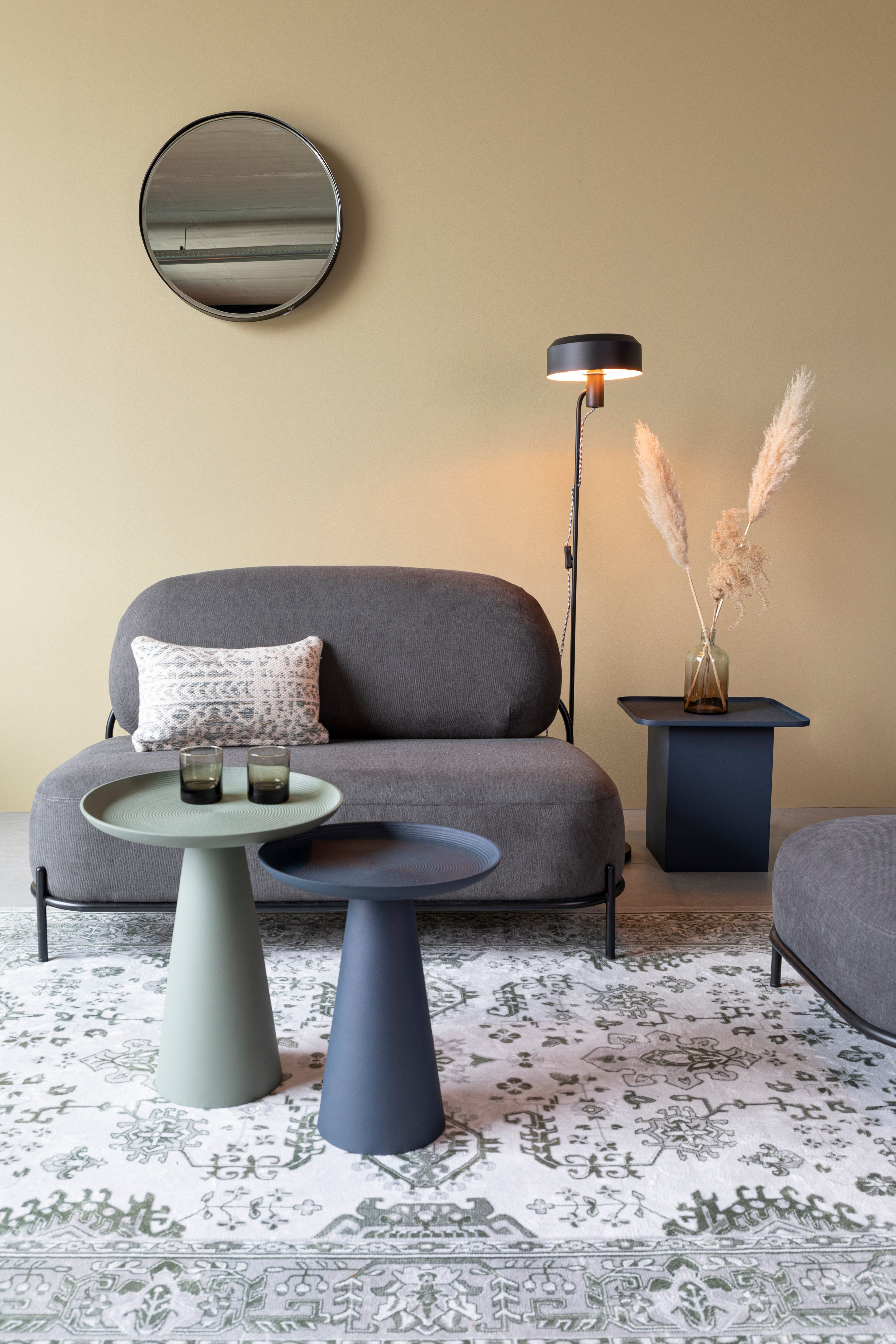
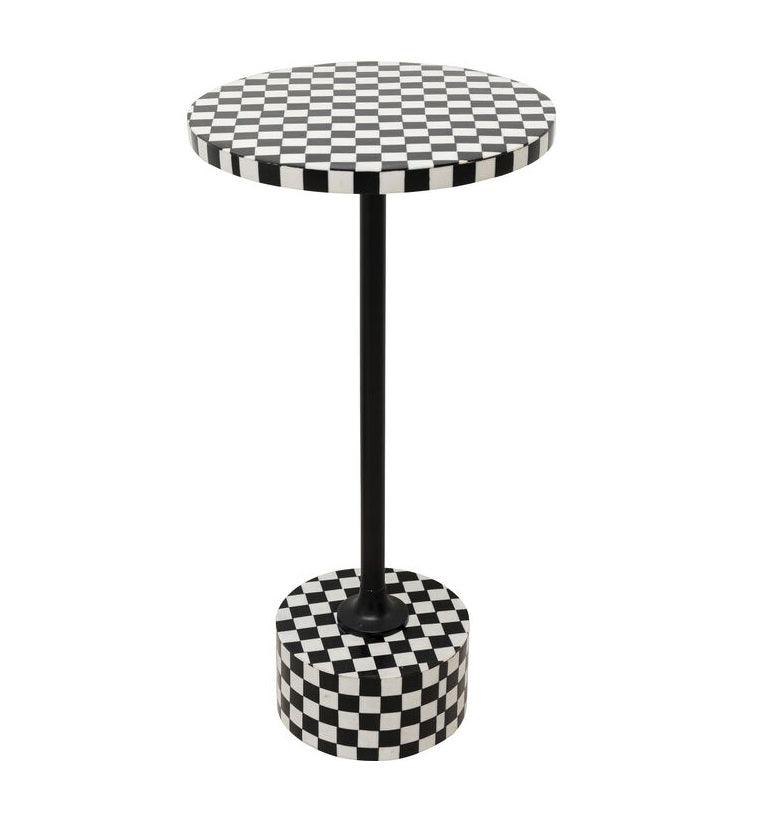
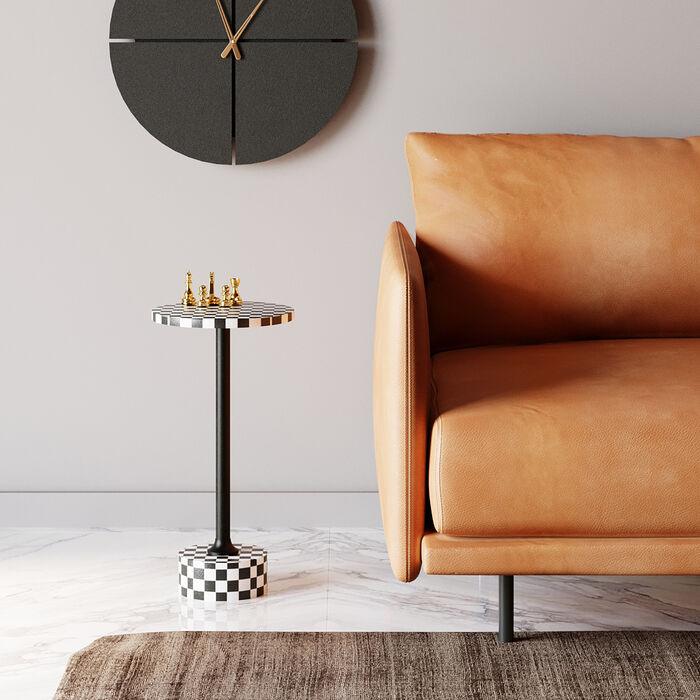
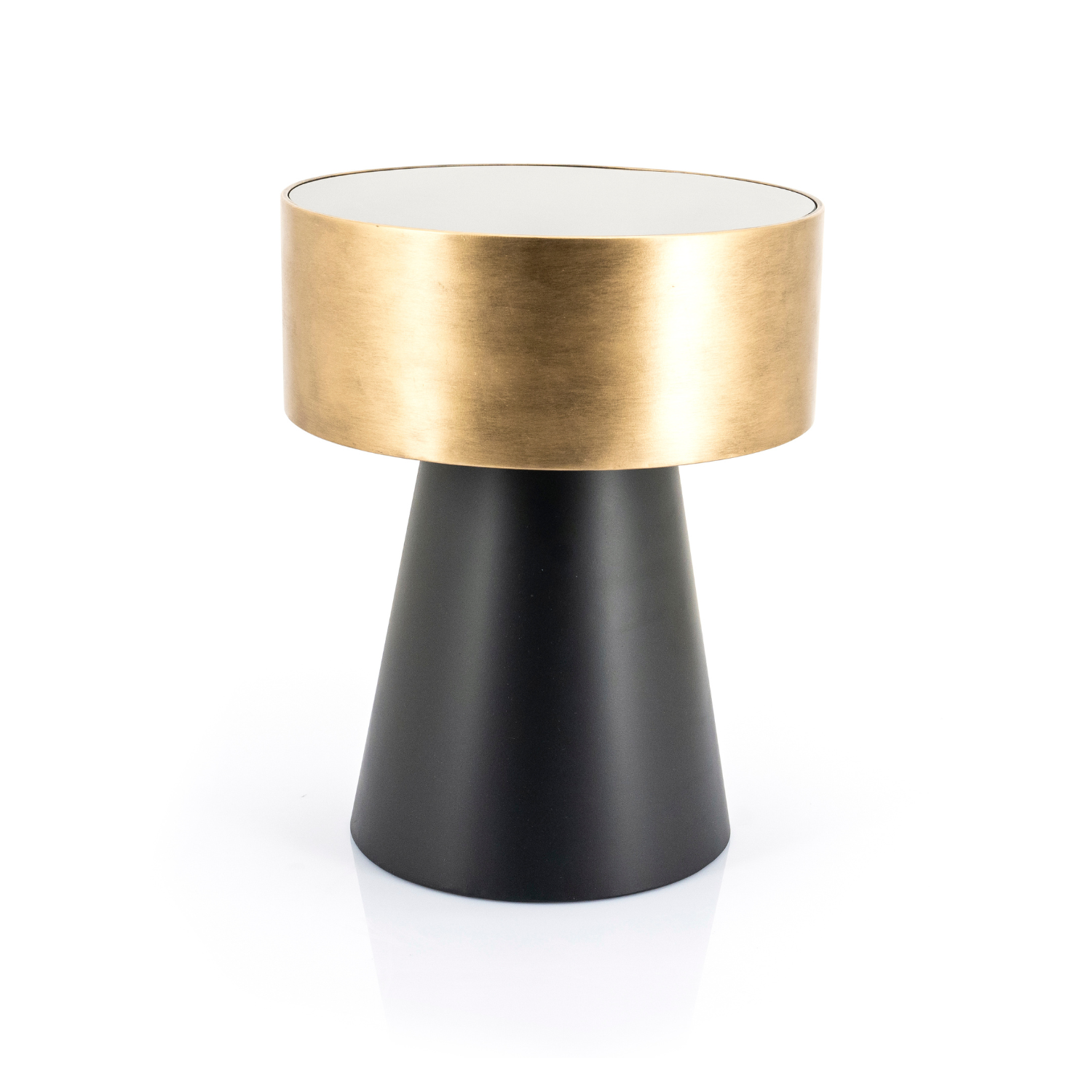
Side Tables
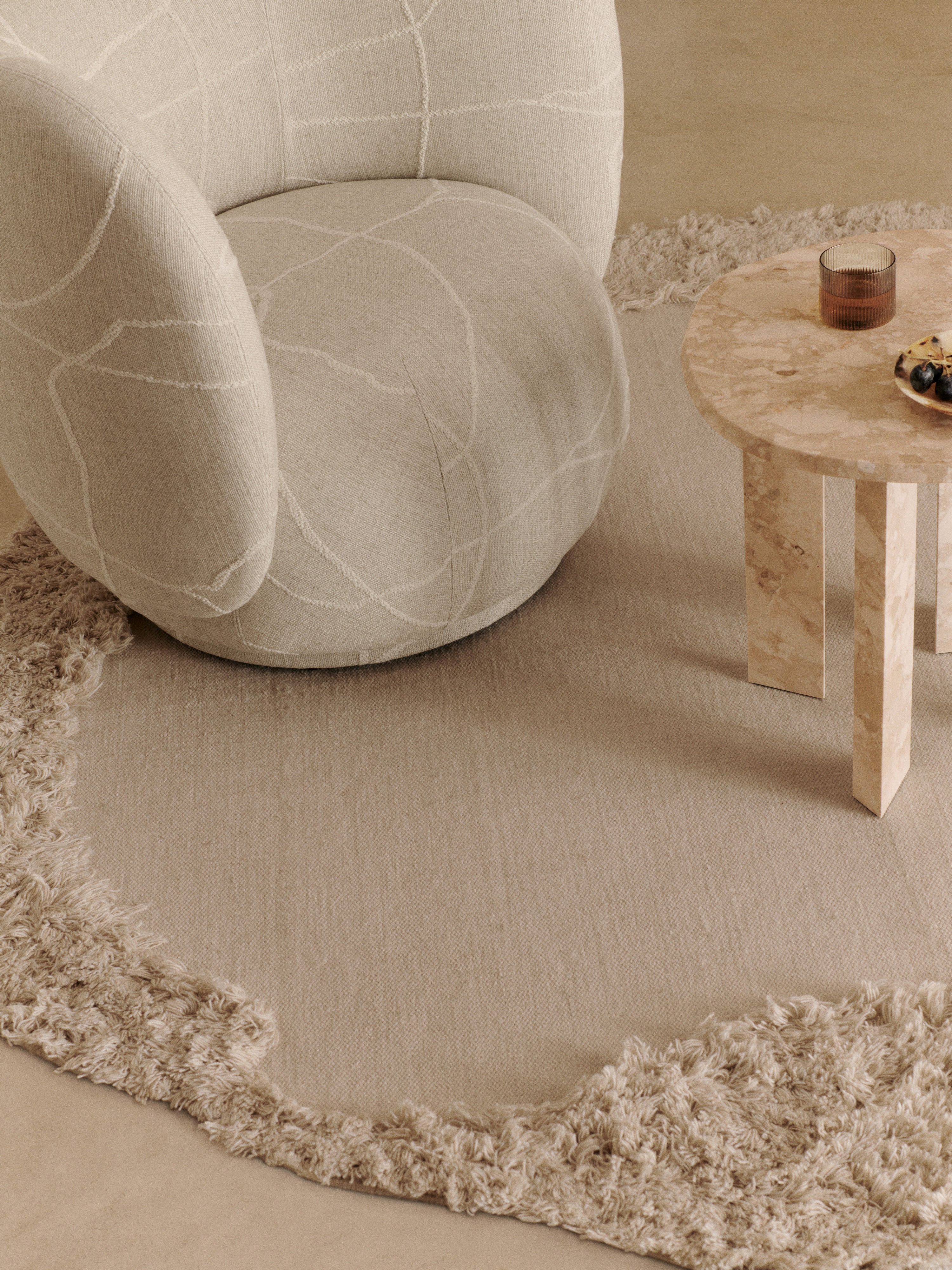
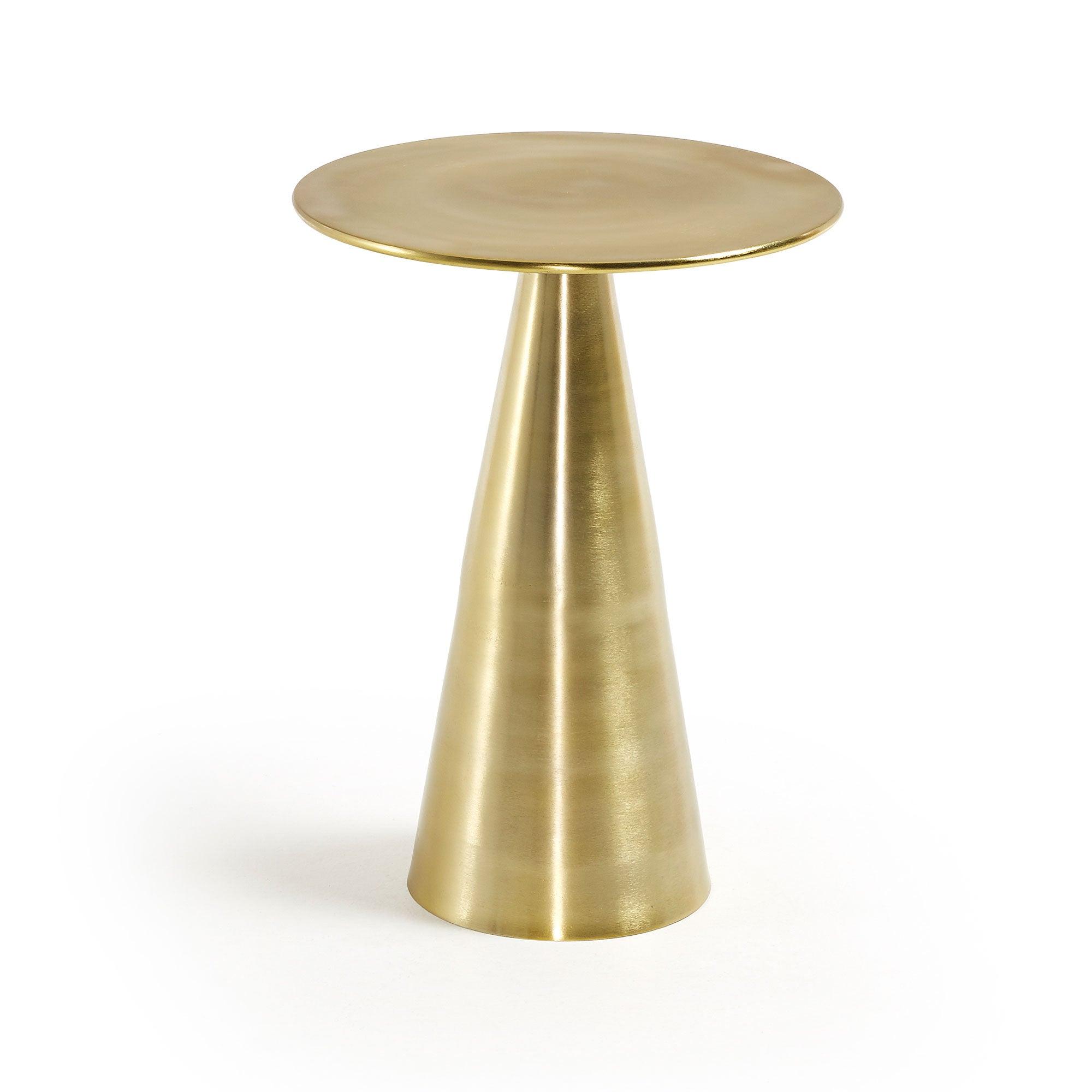
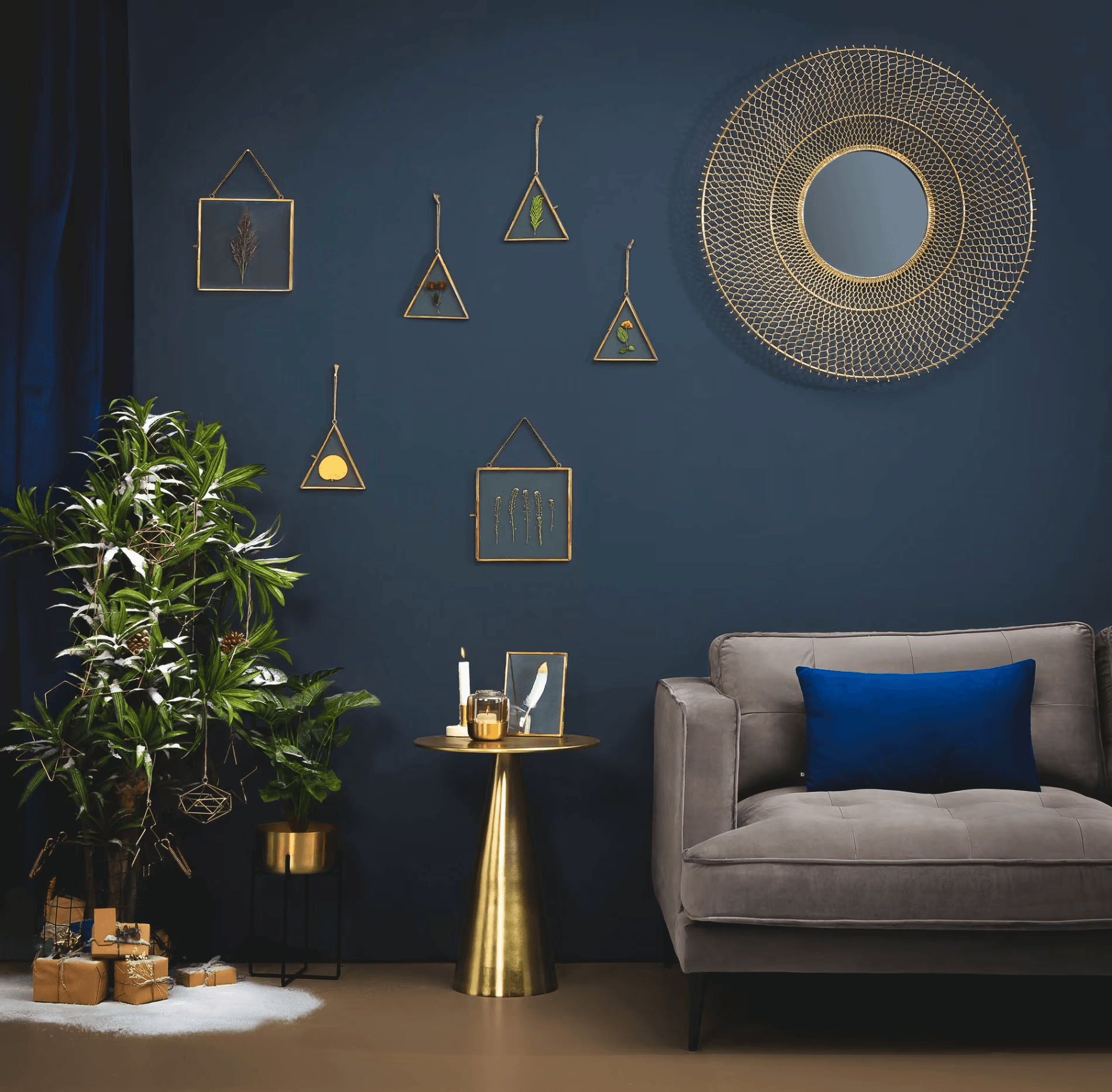
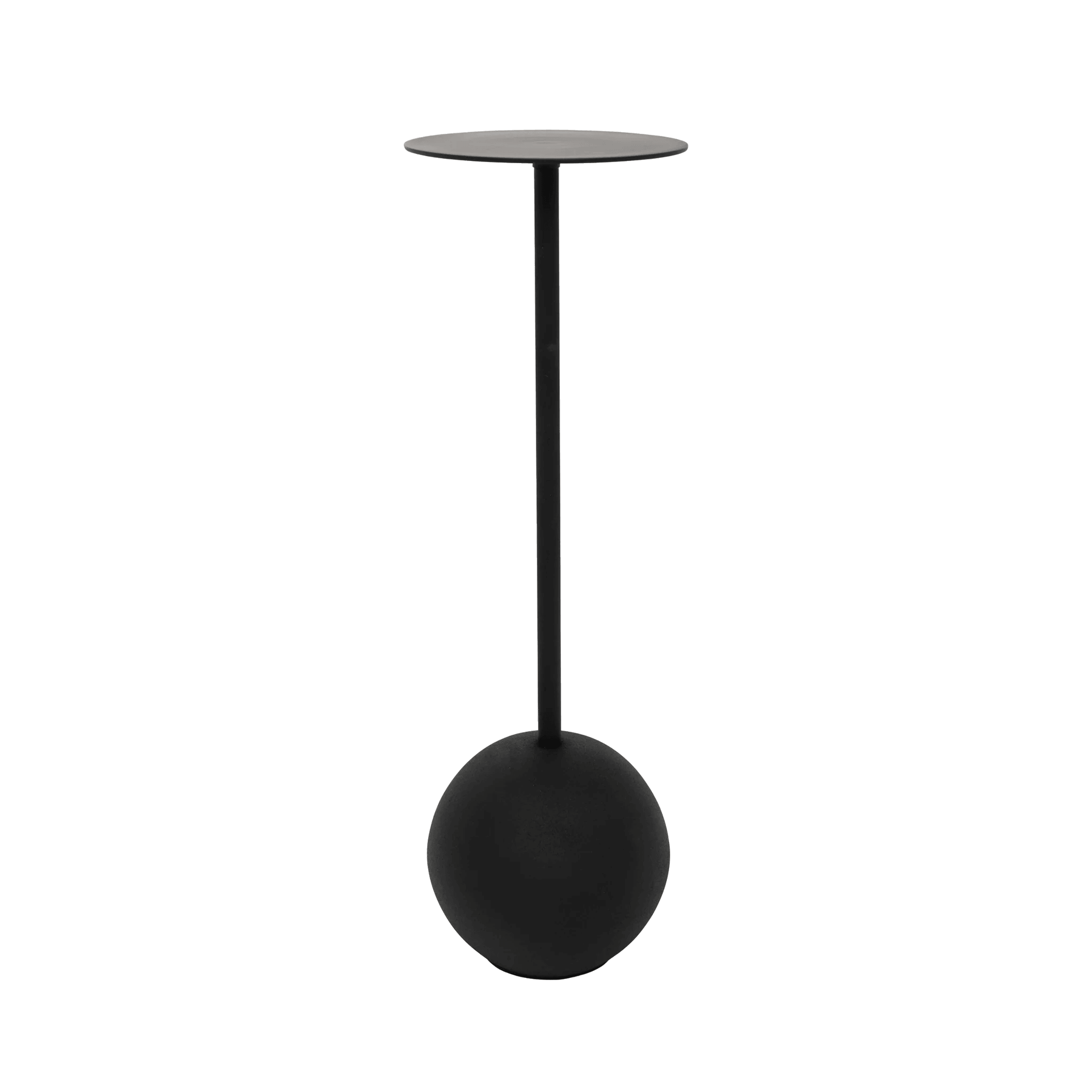
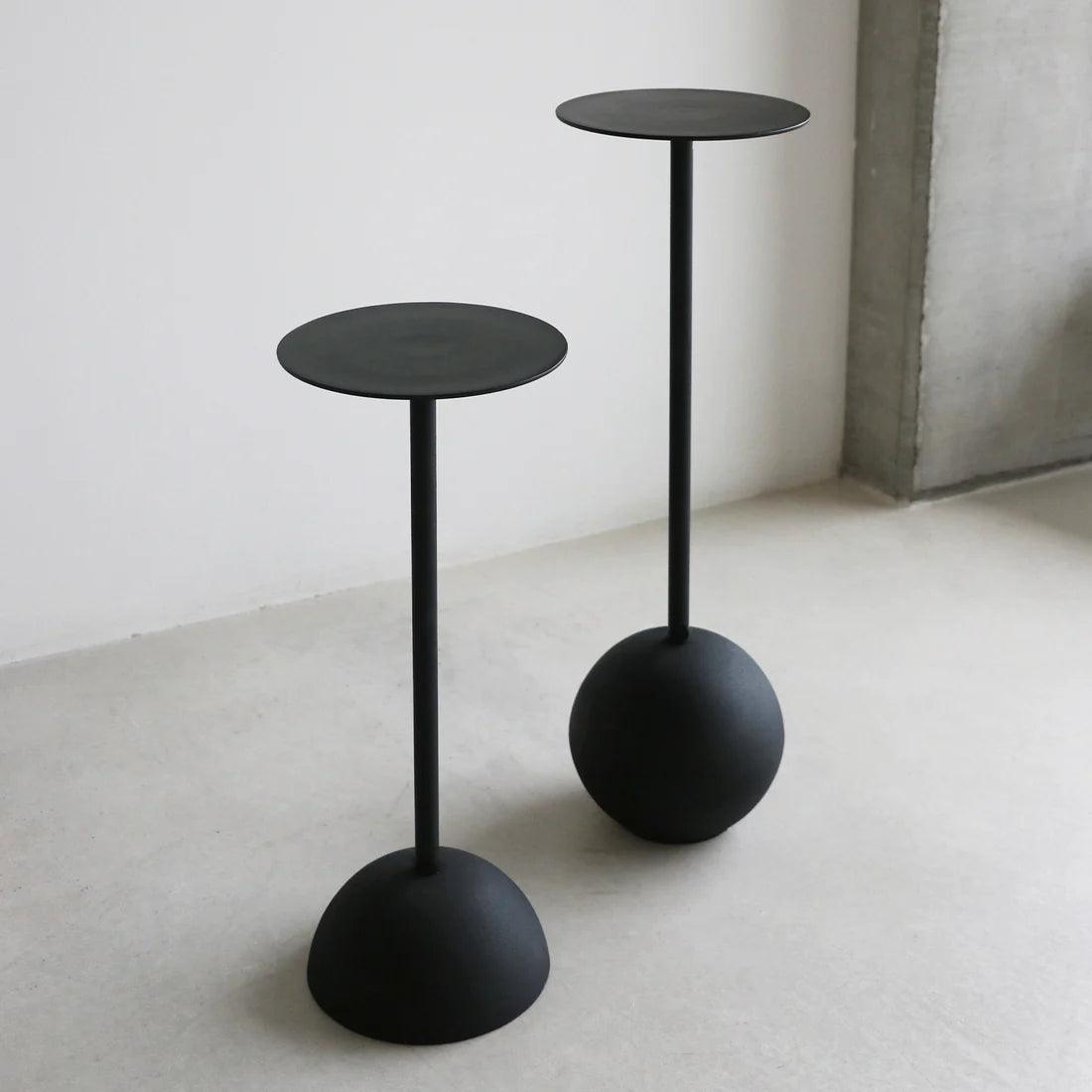
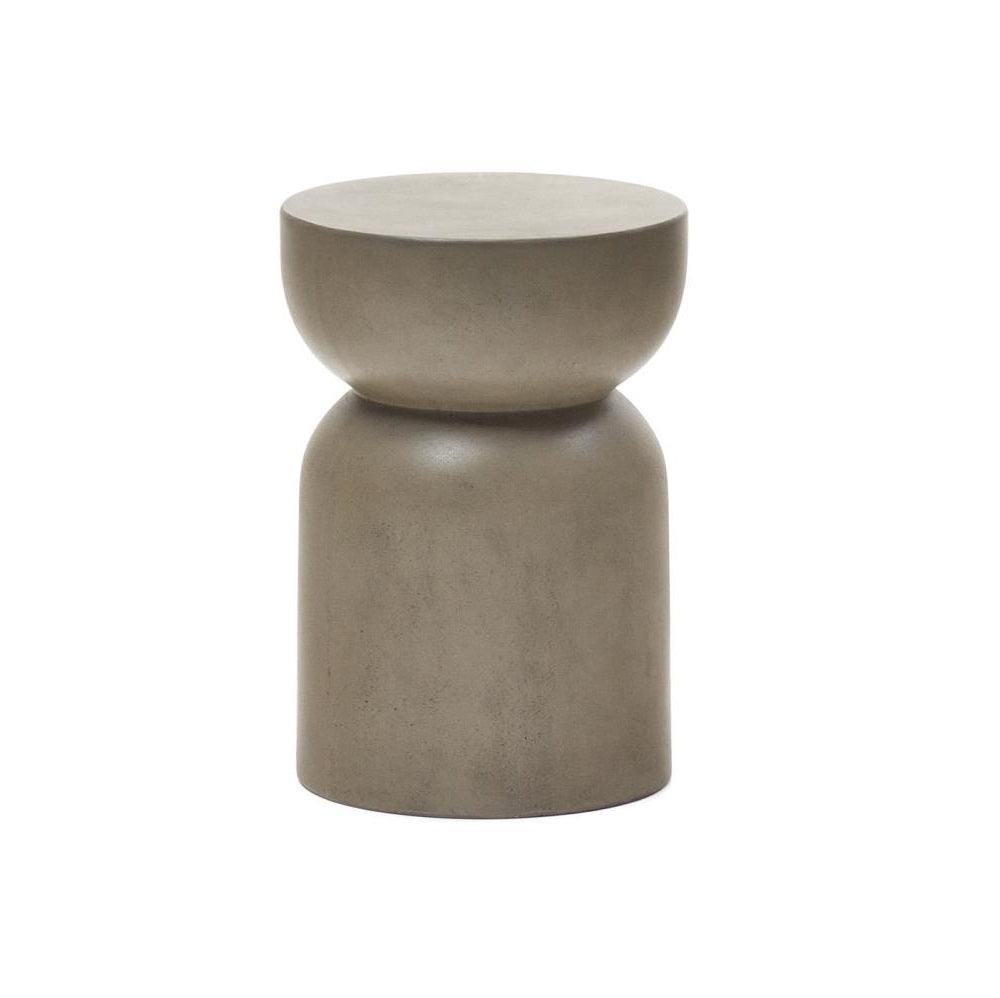
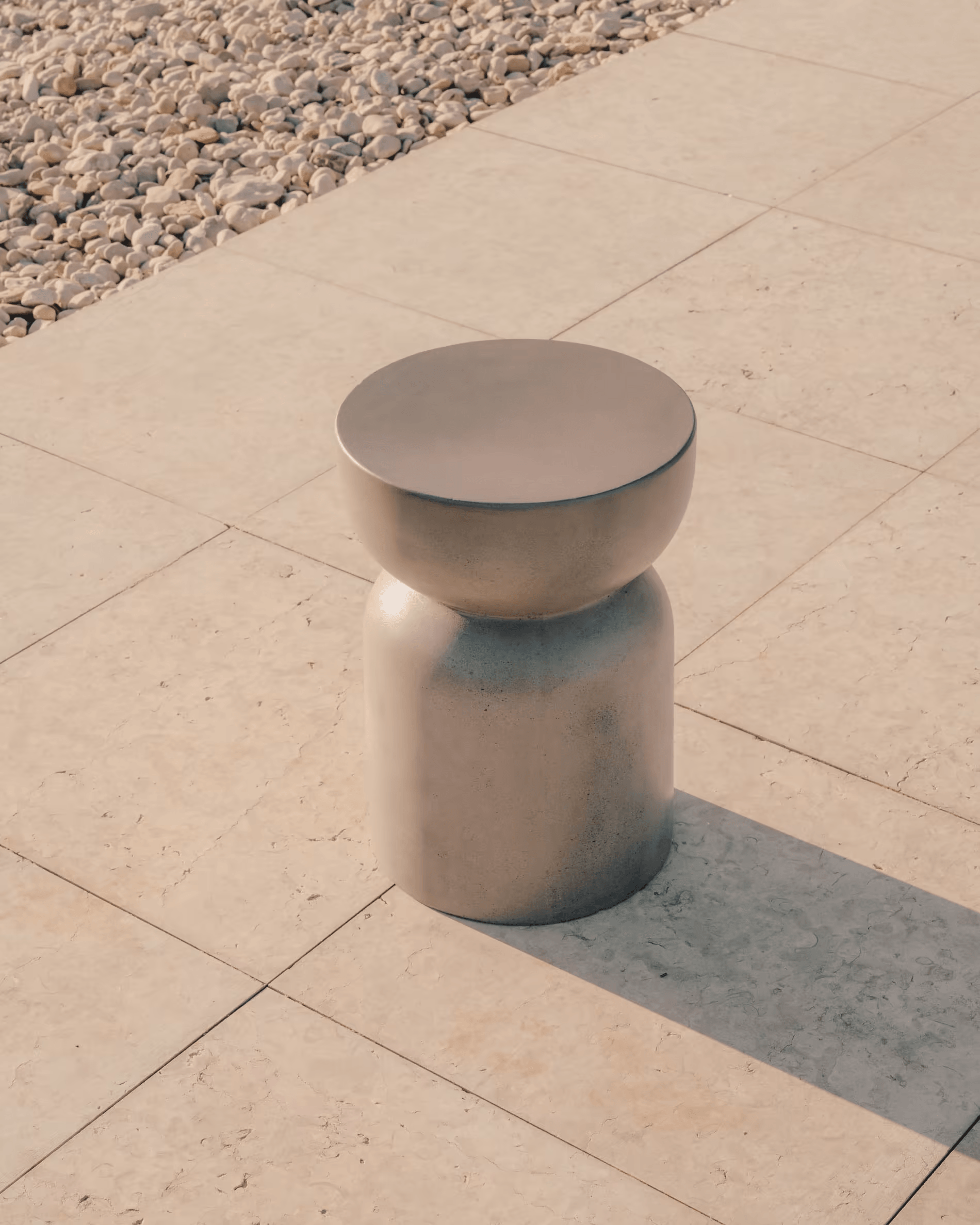
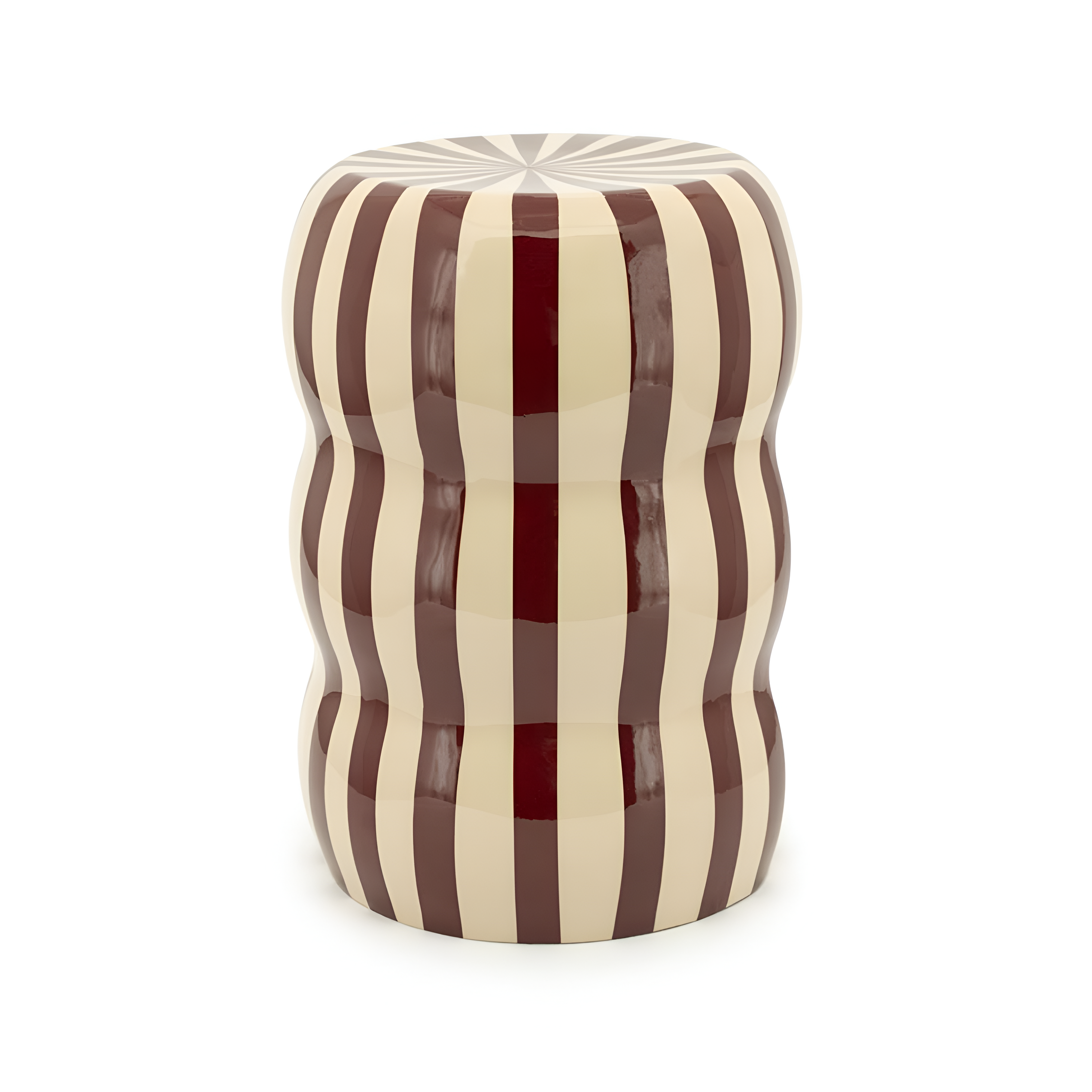
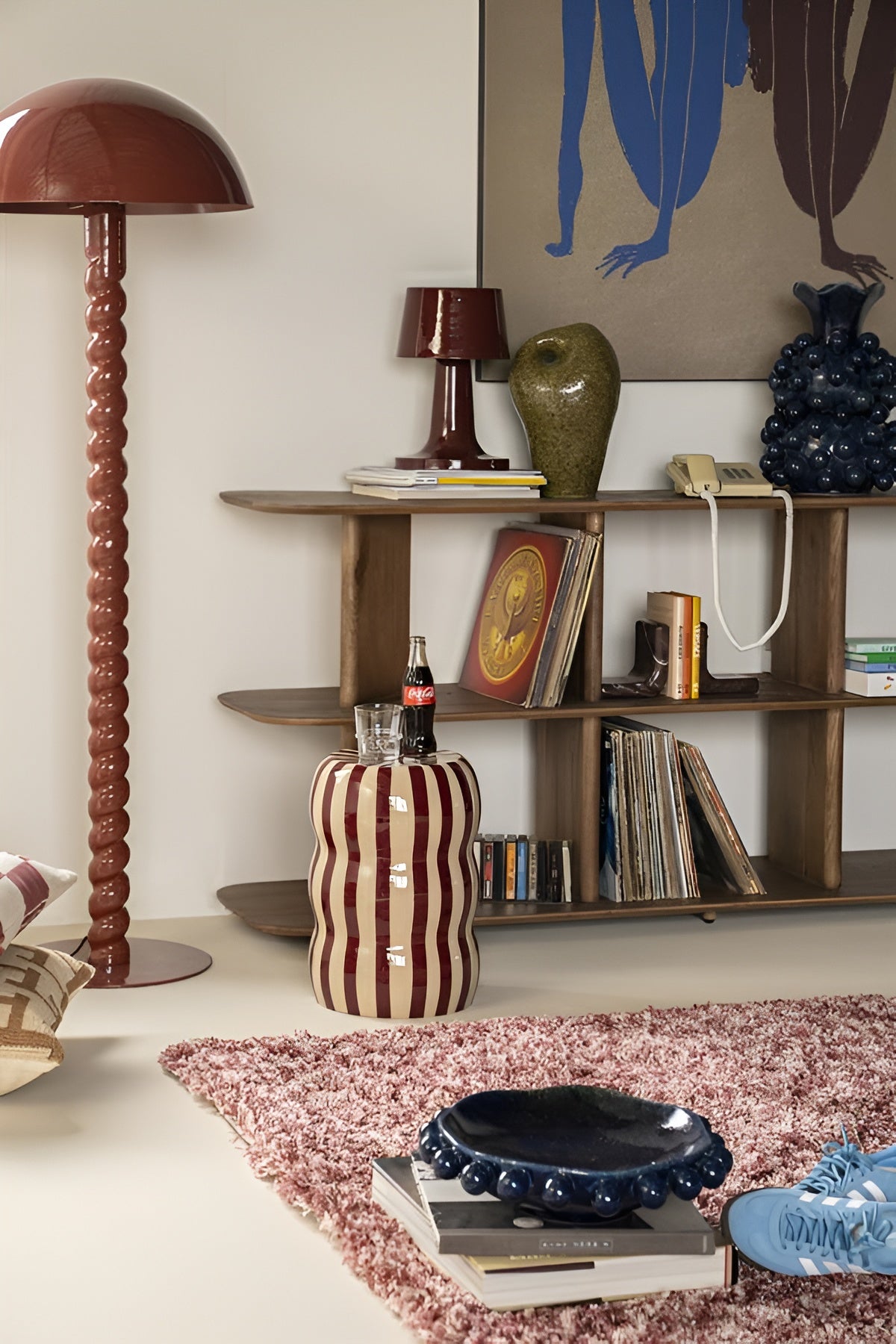
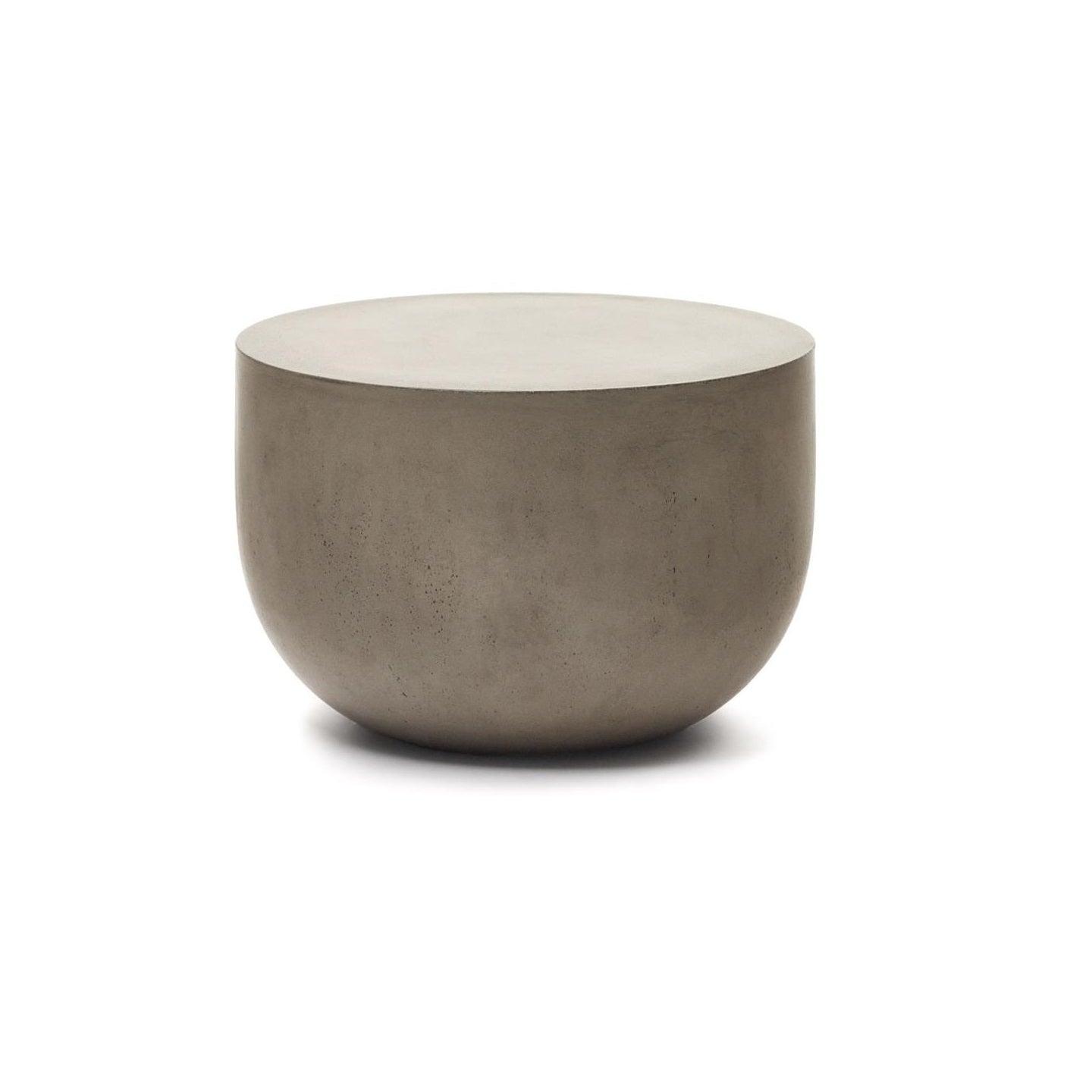
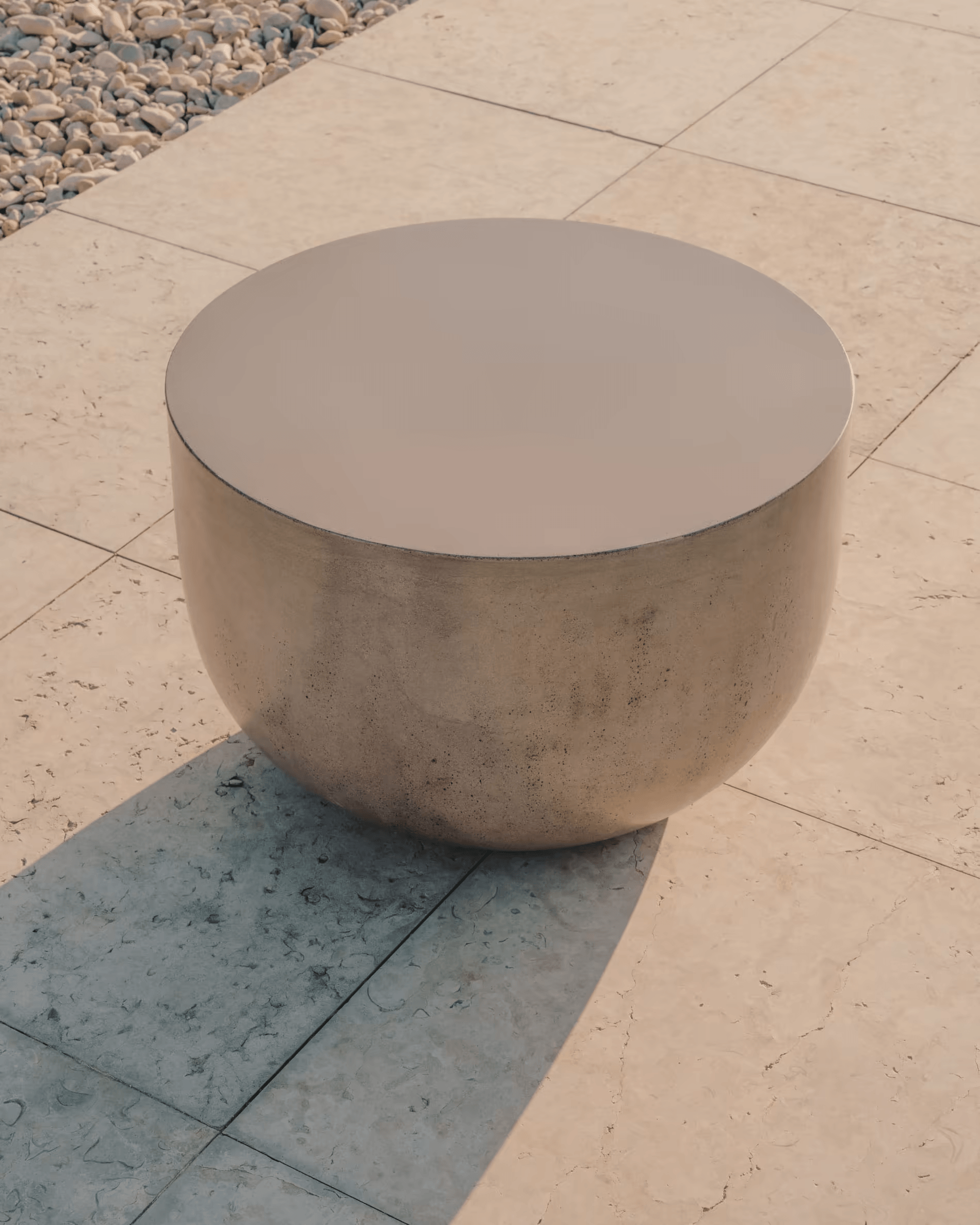
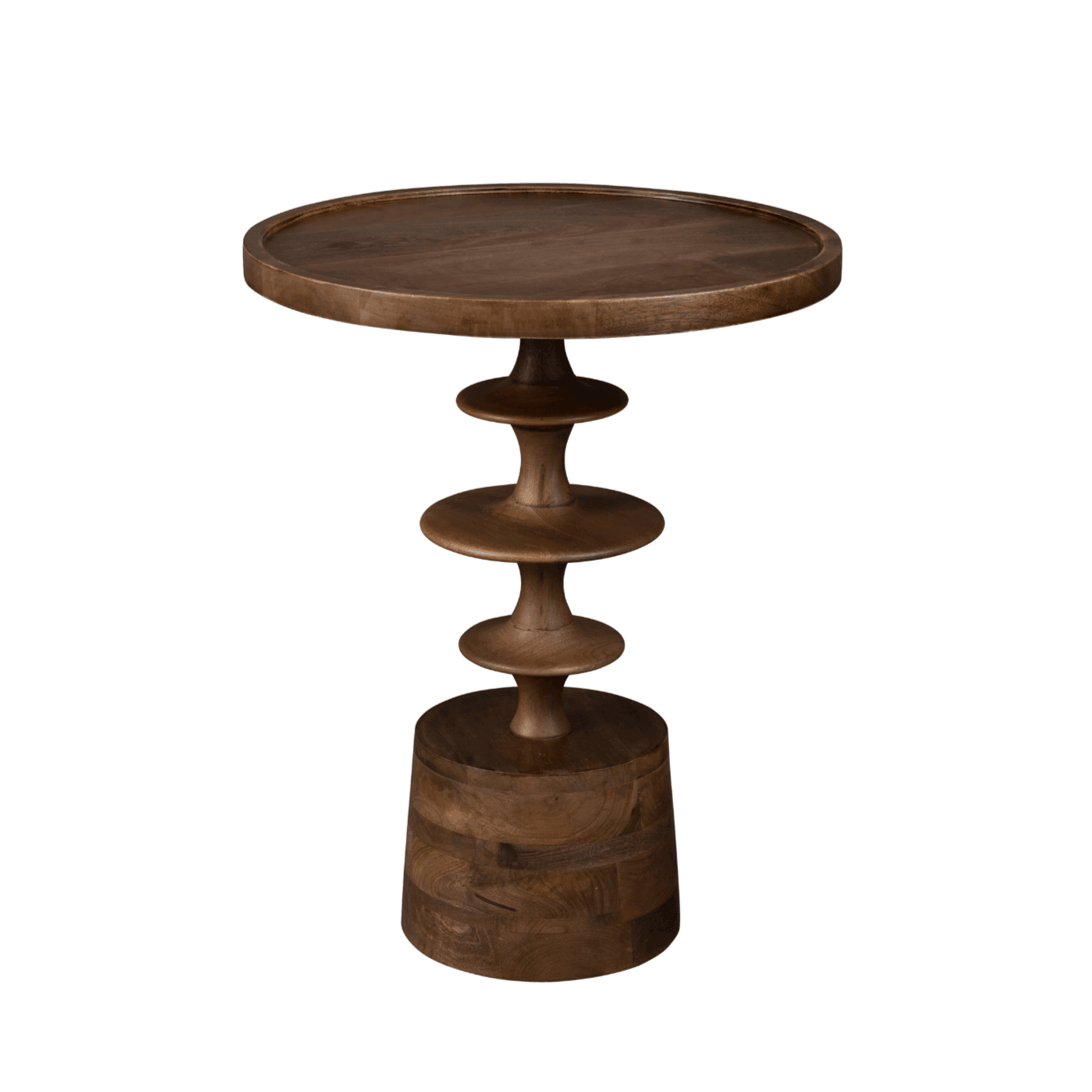
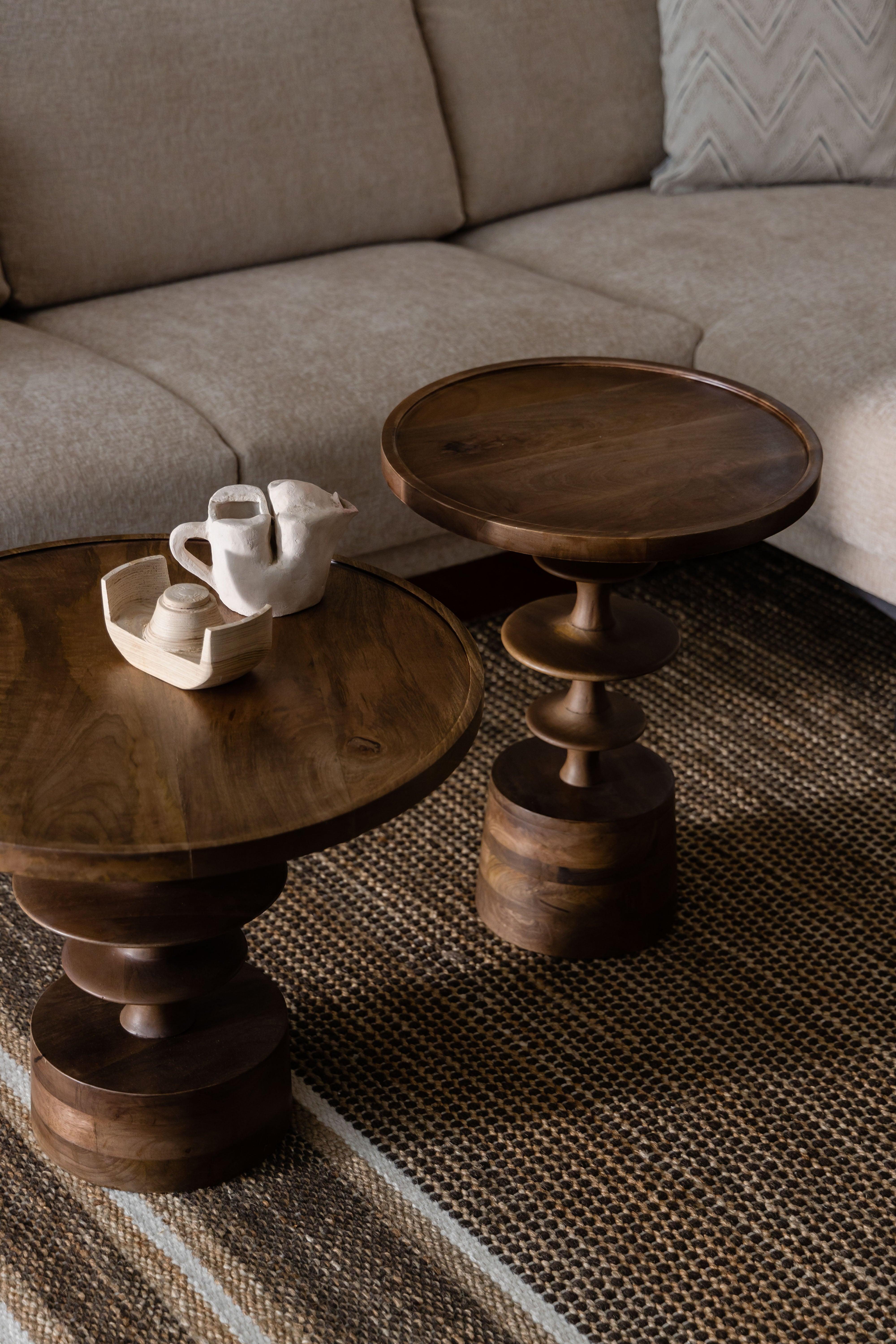
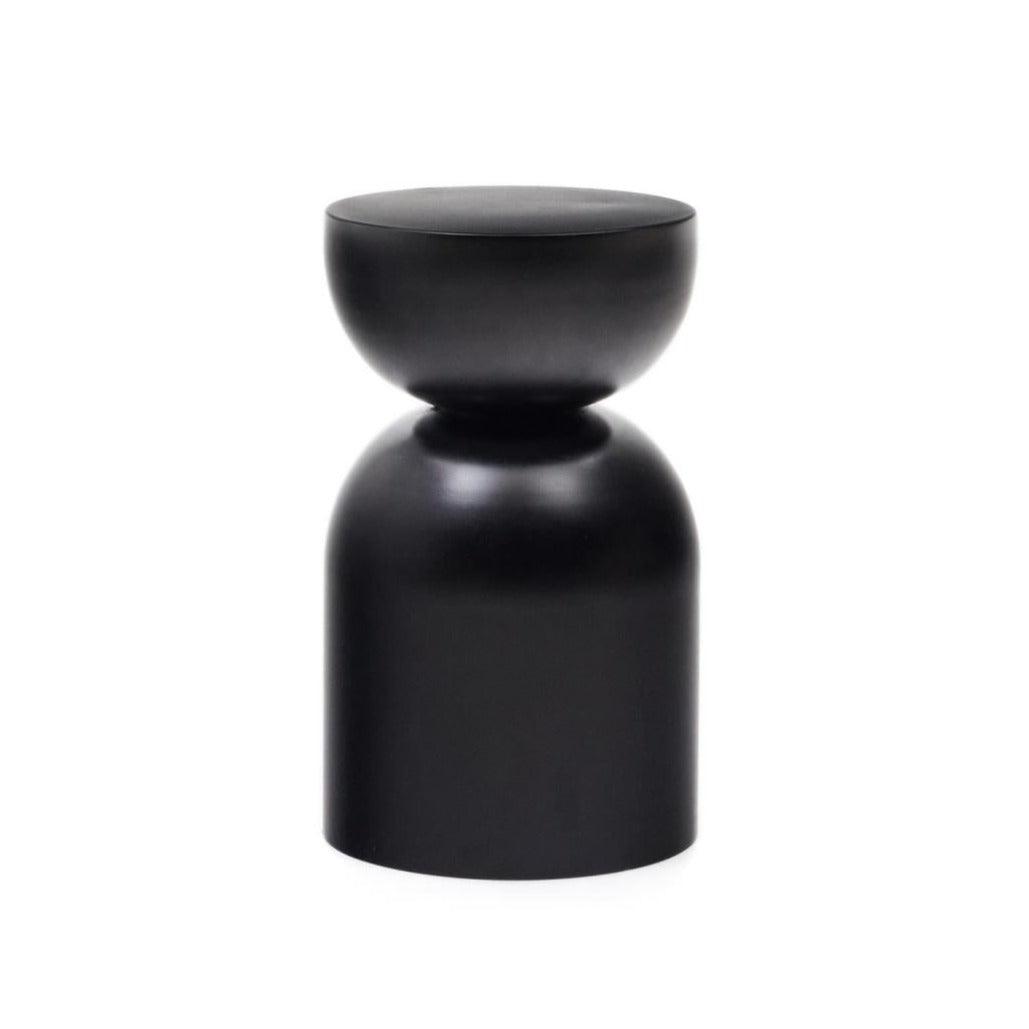
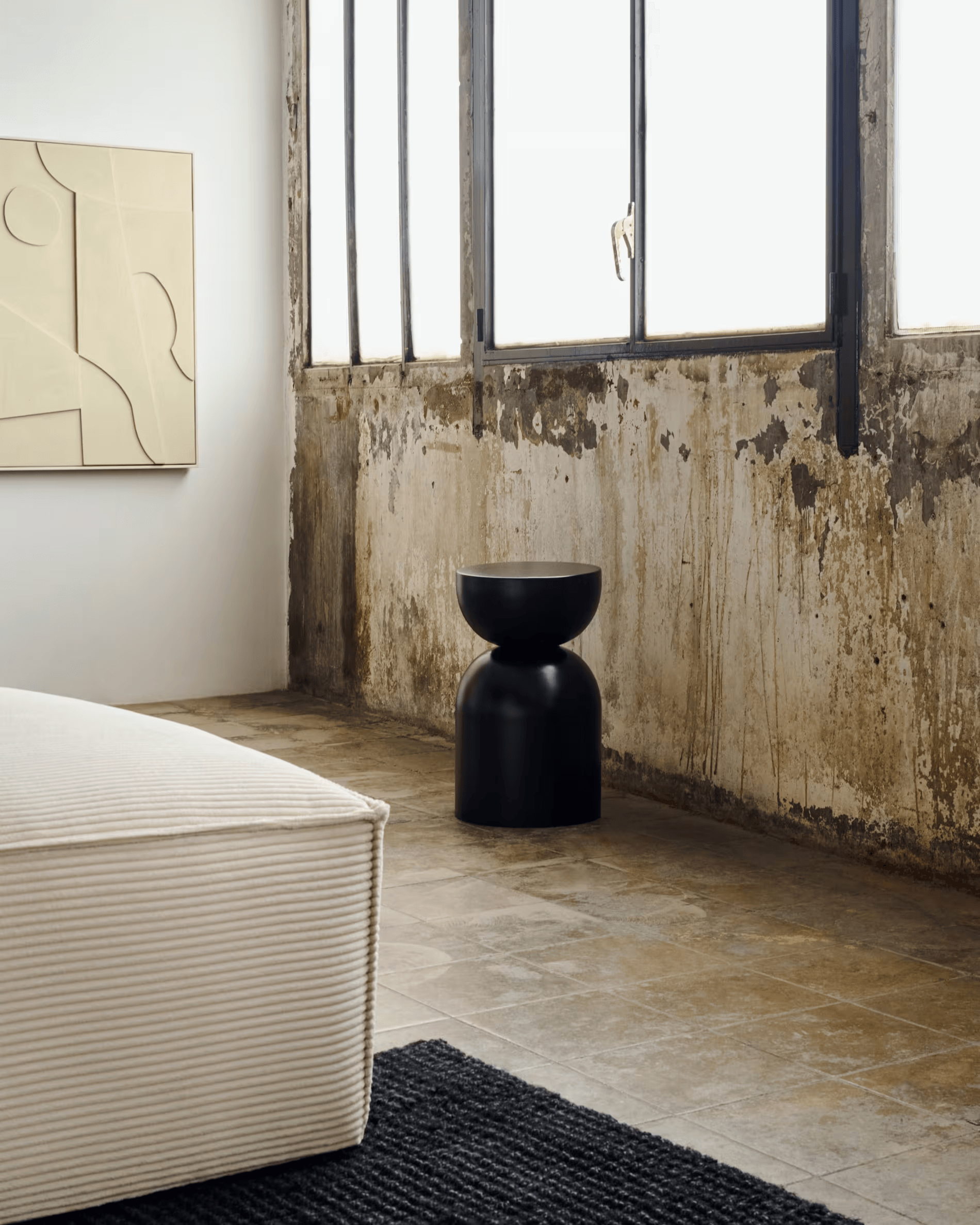
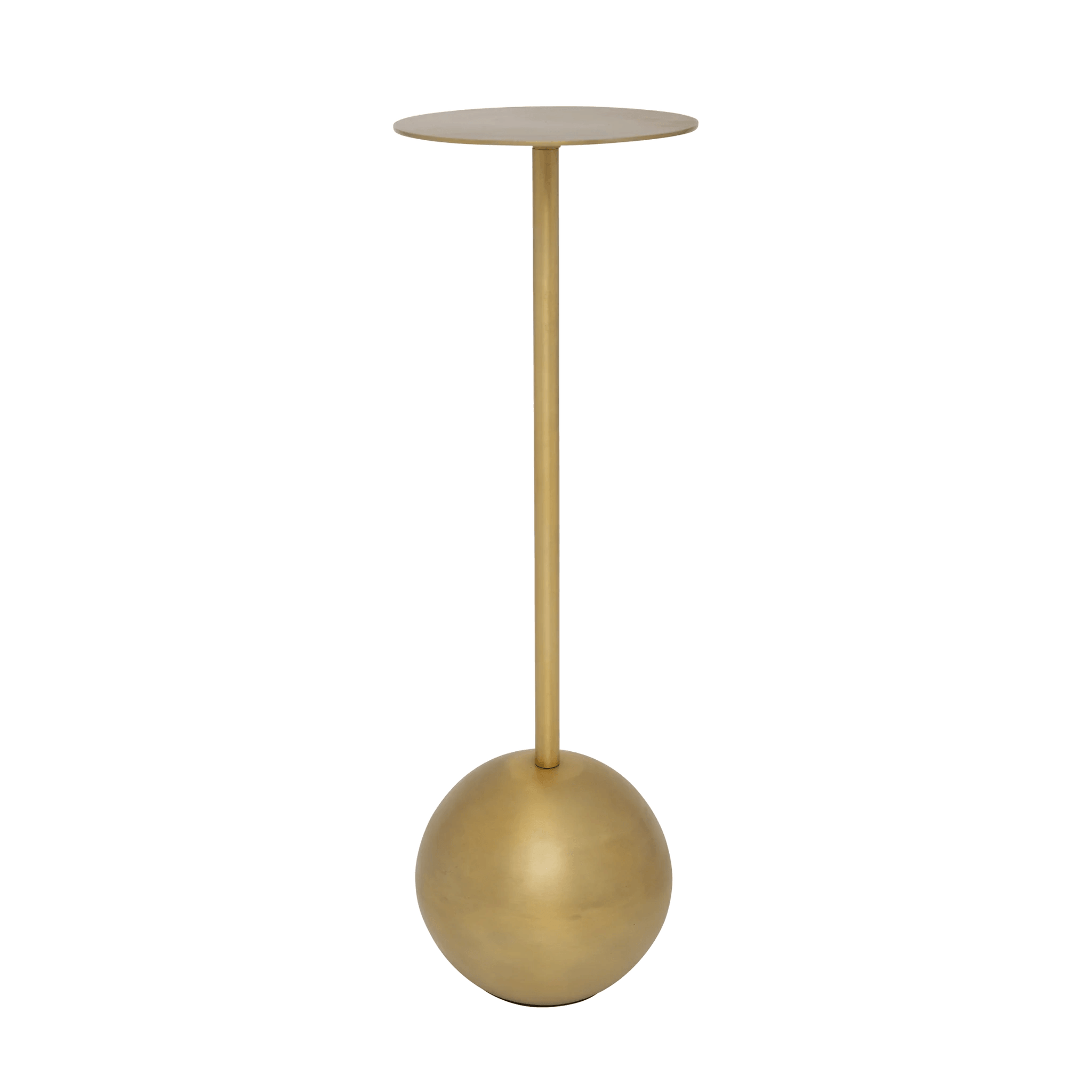
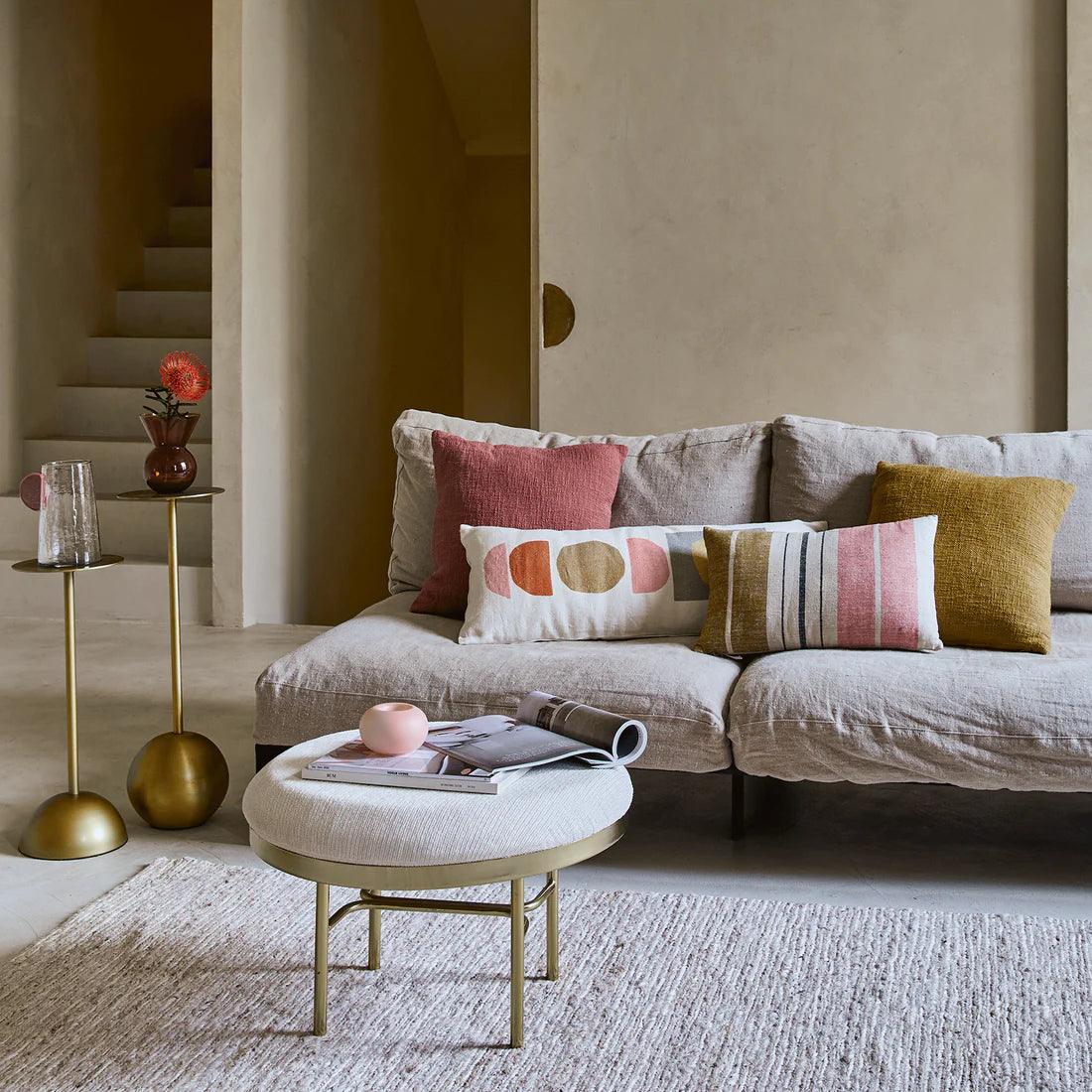
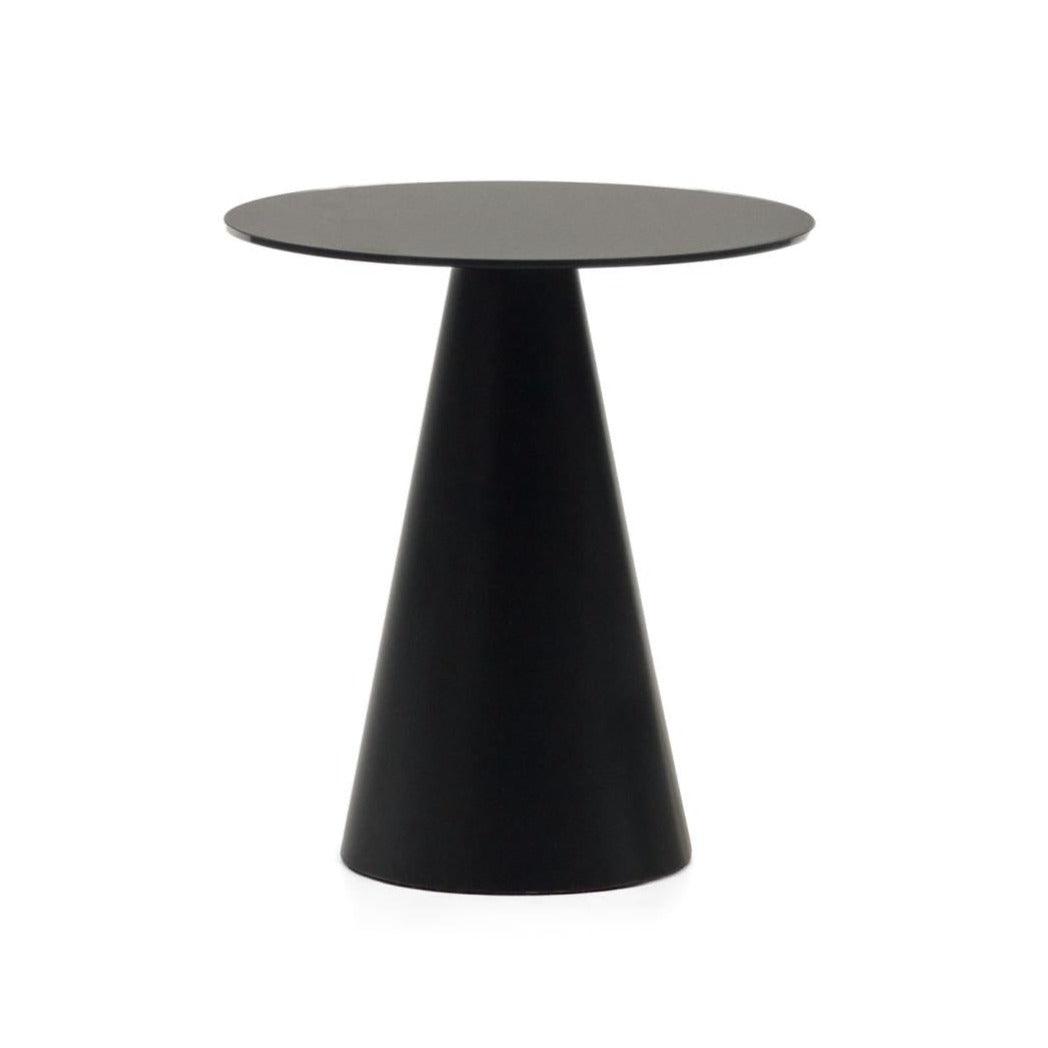
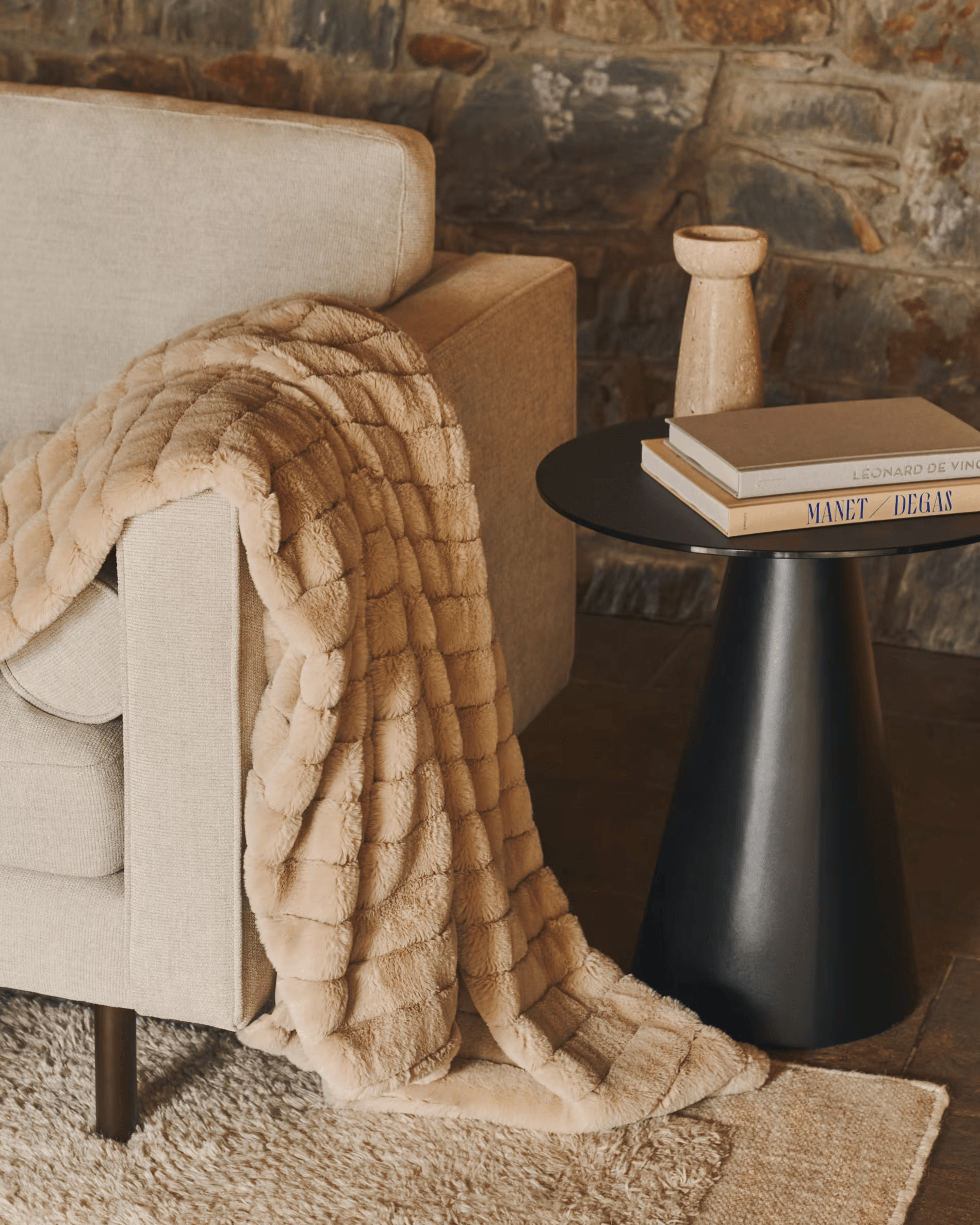
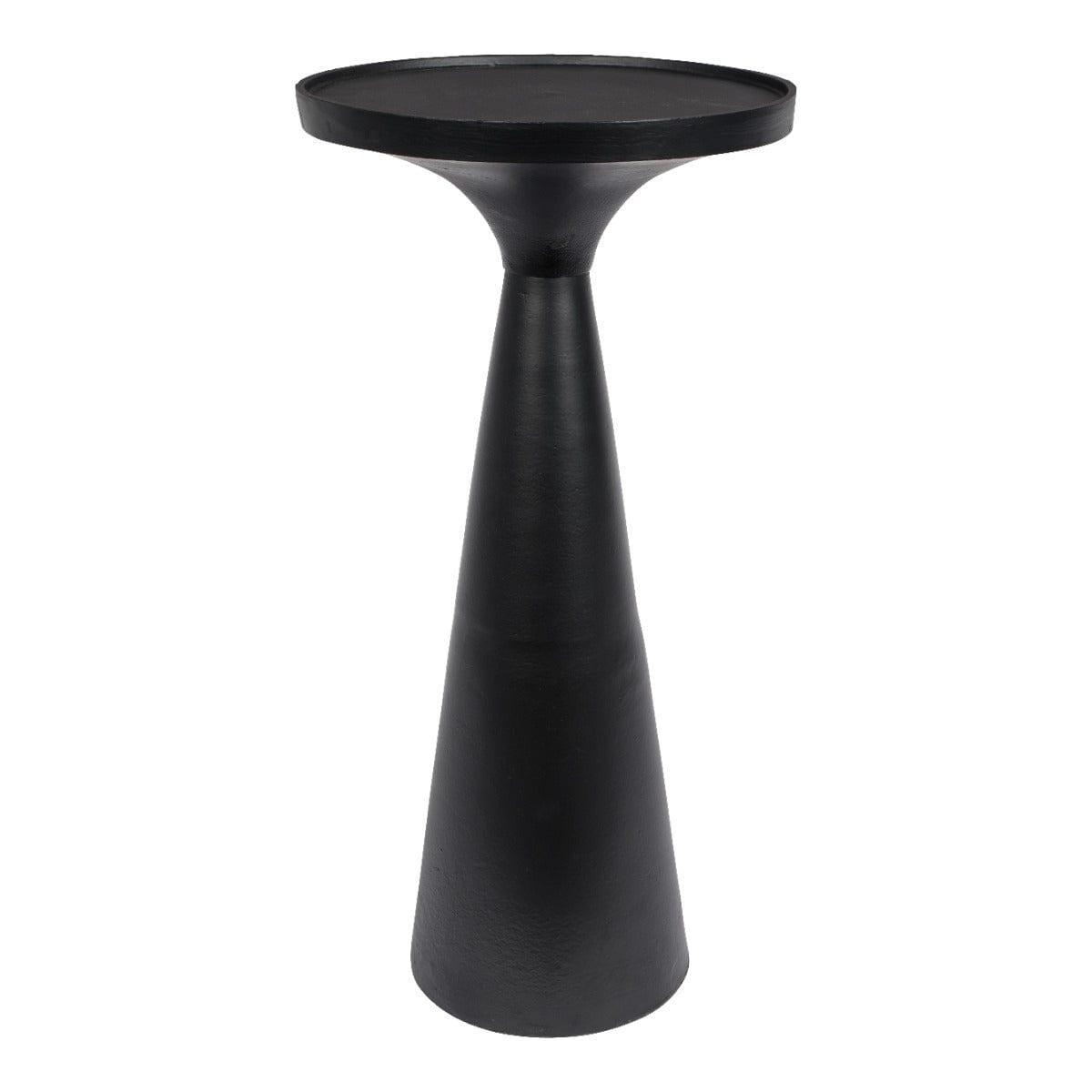
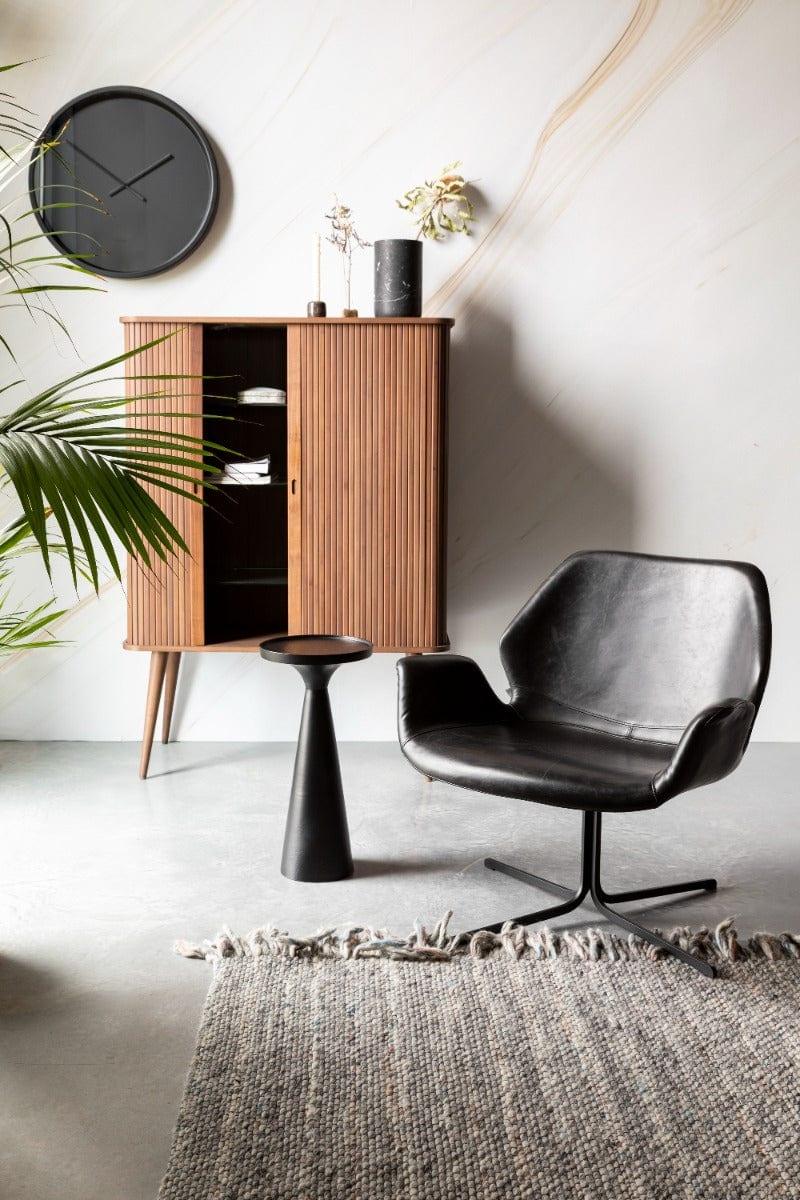
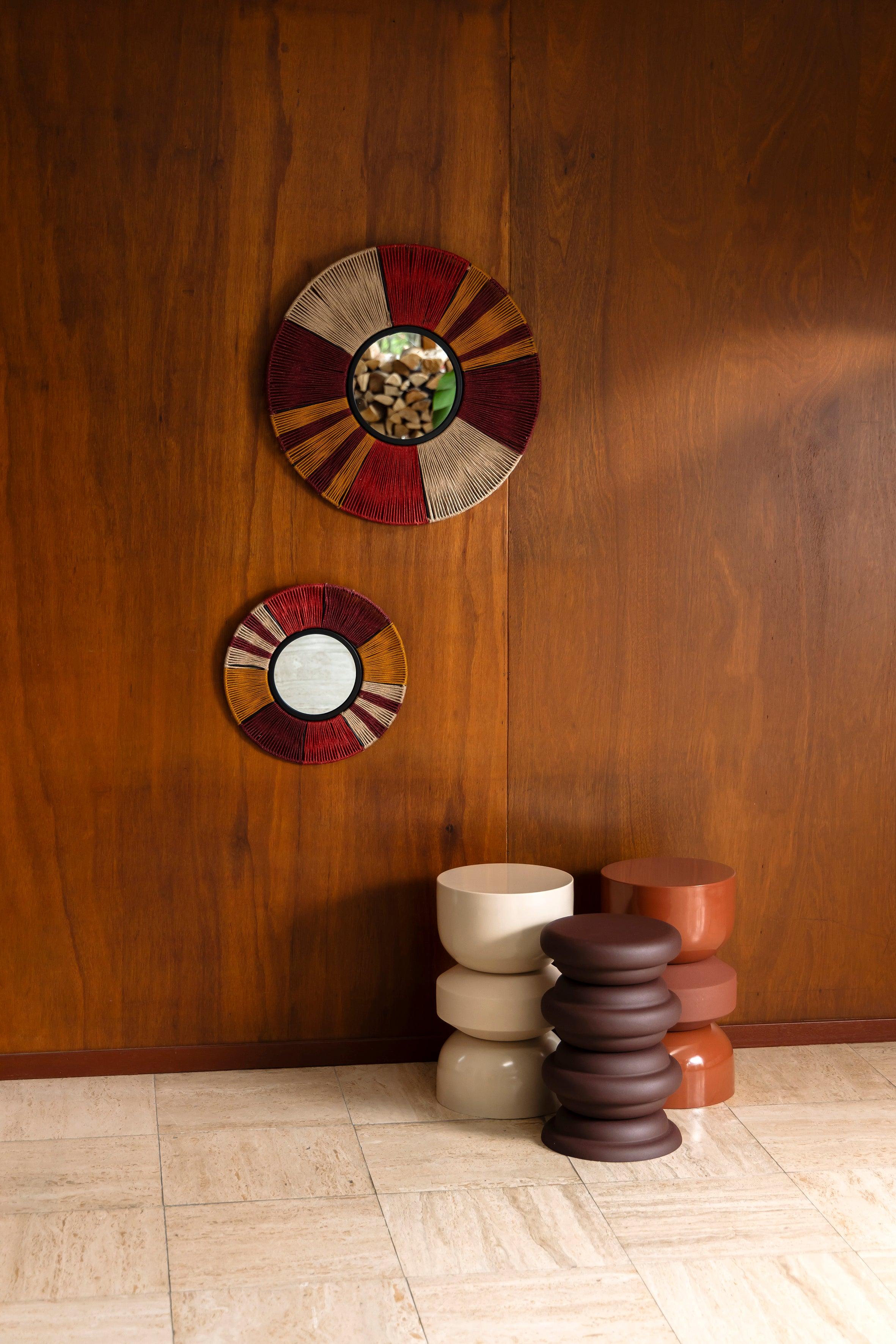
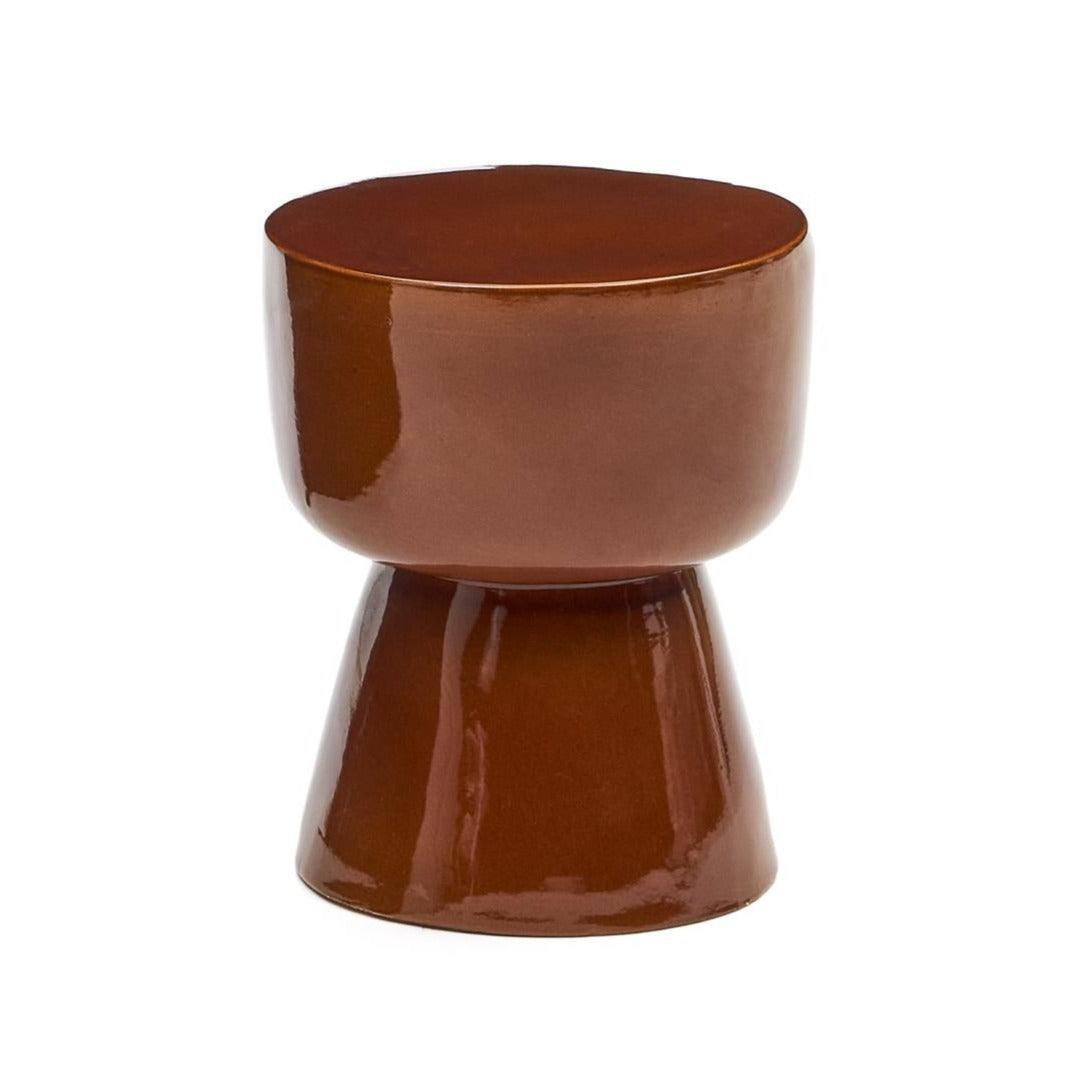
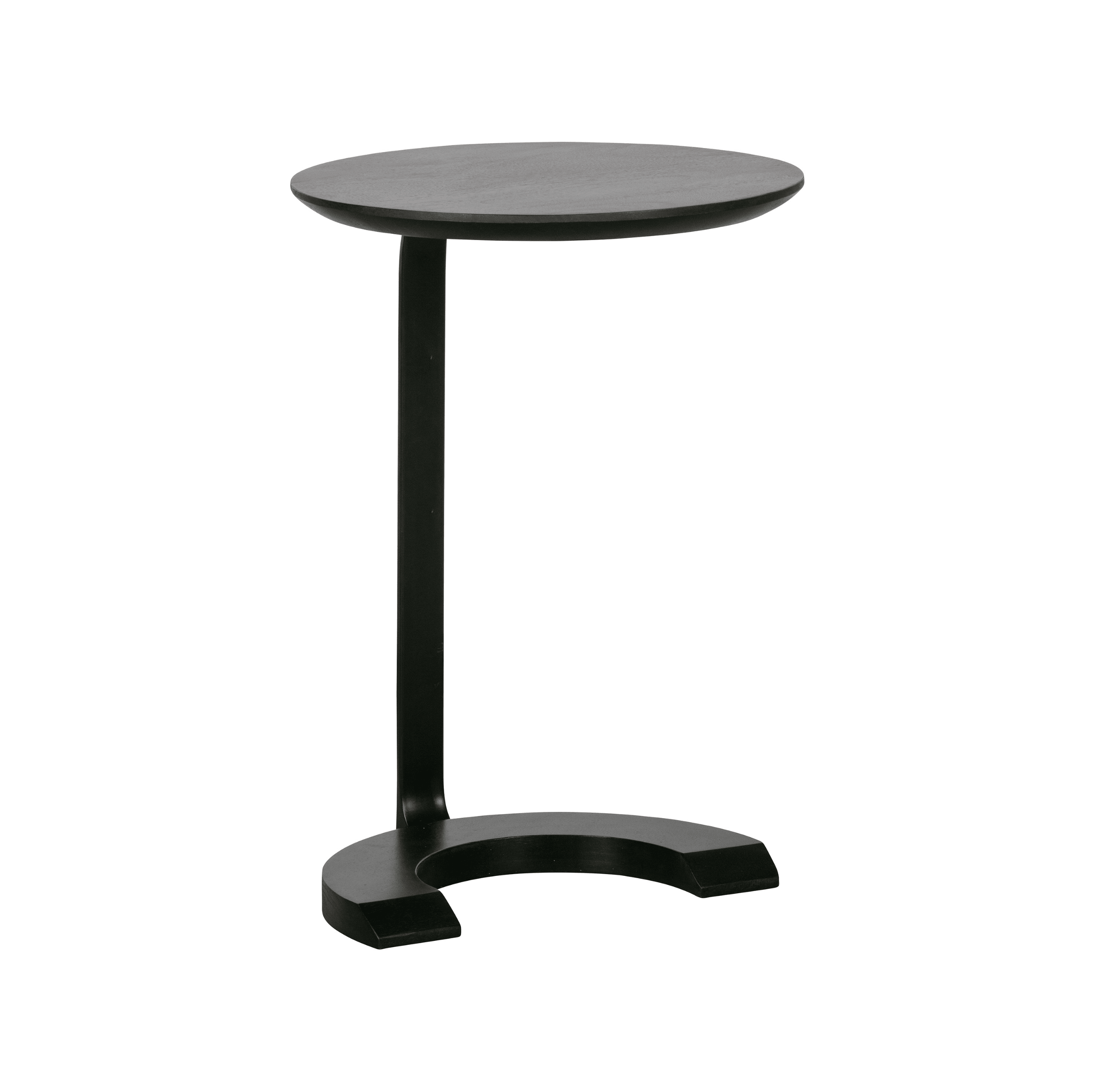
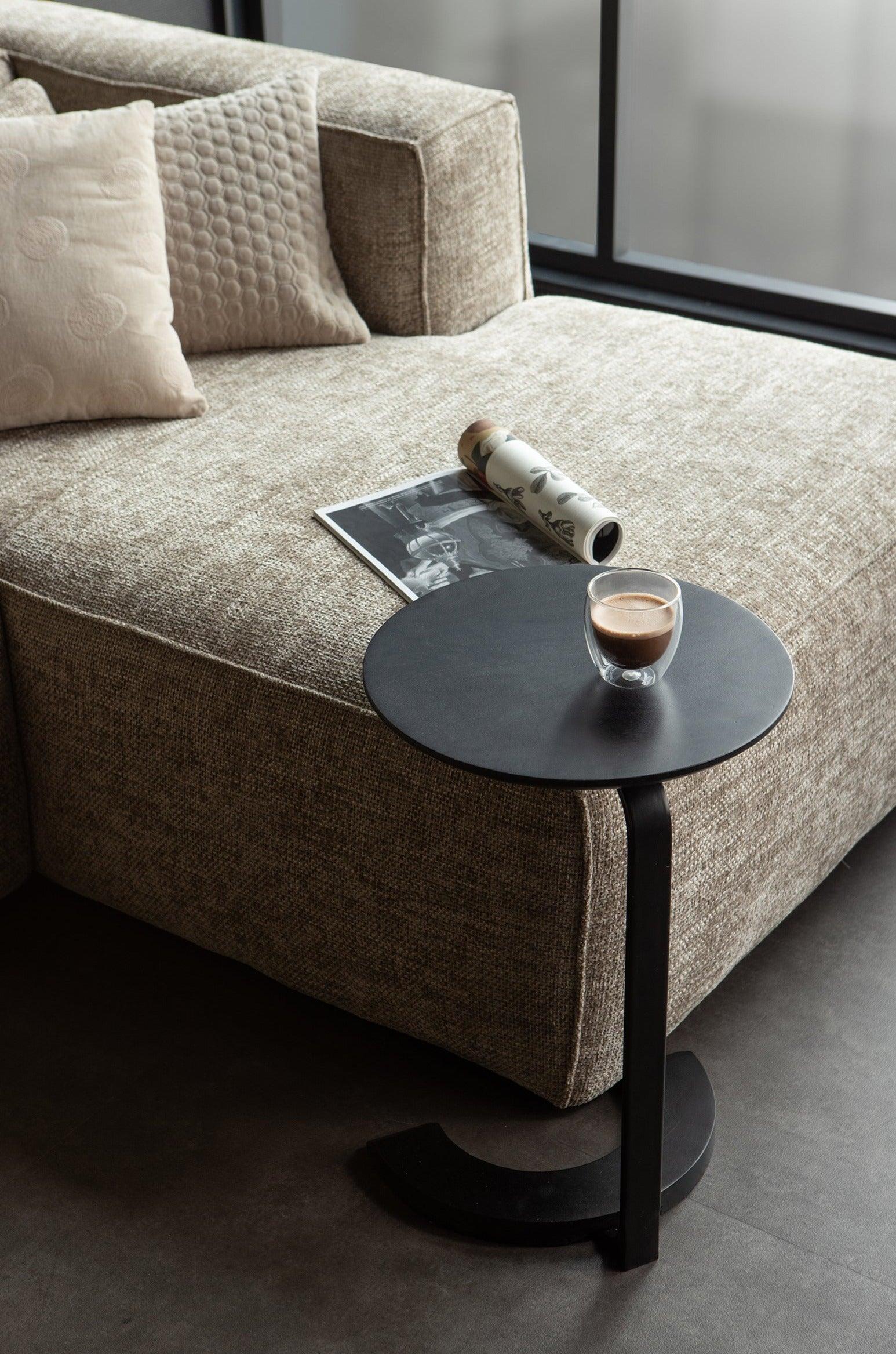
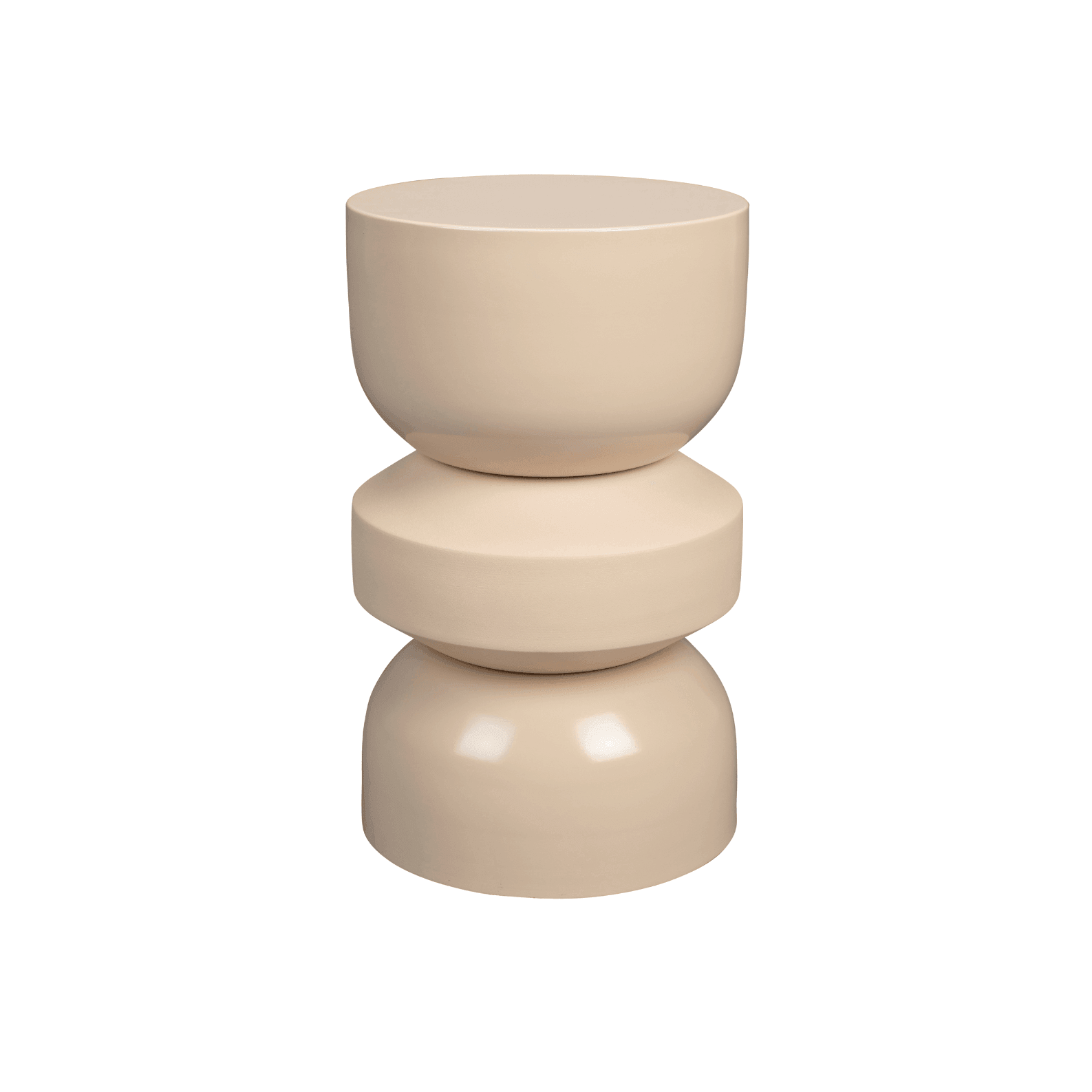
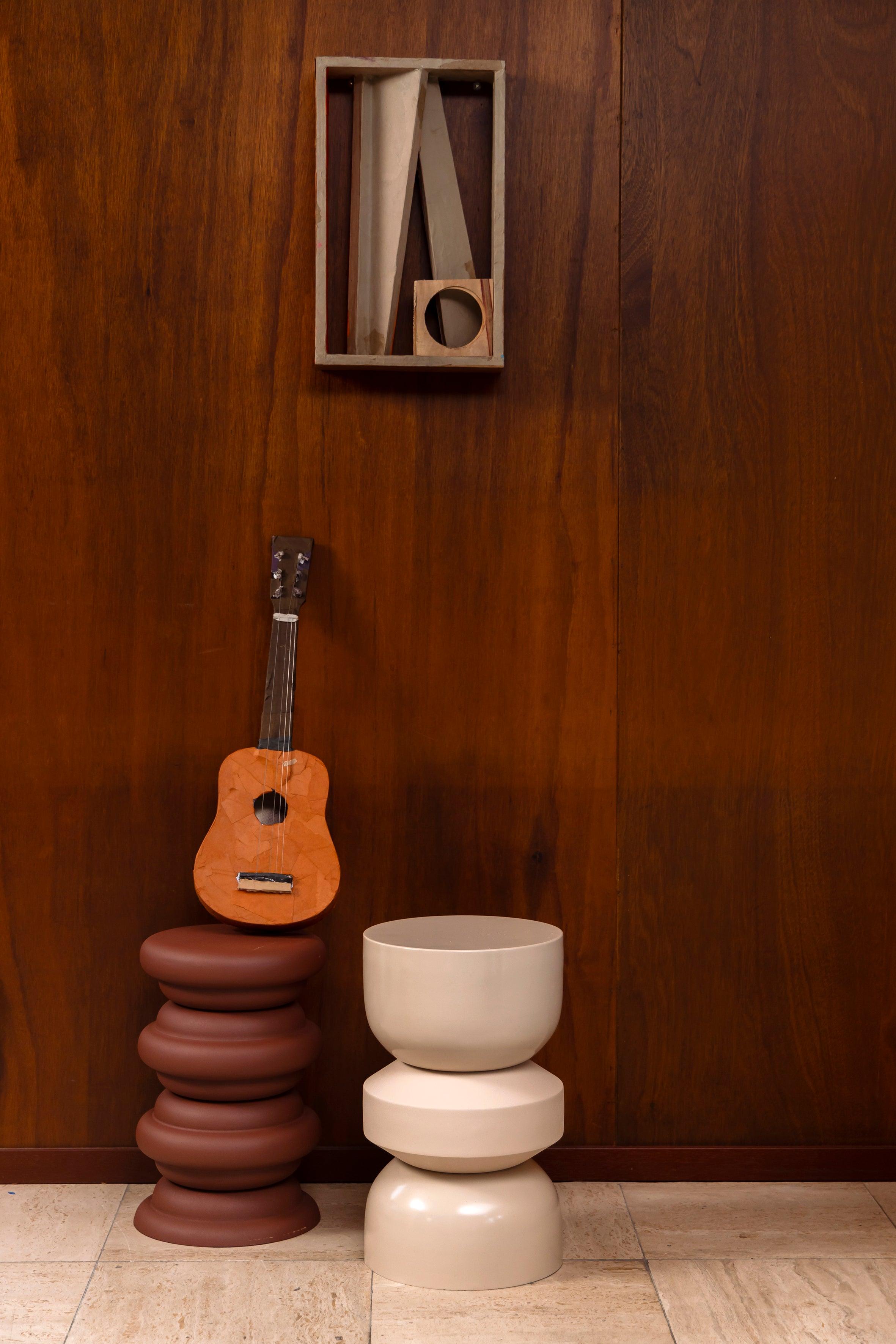
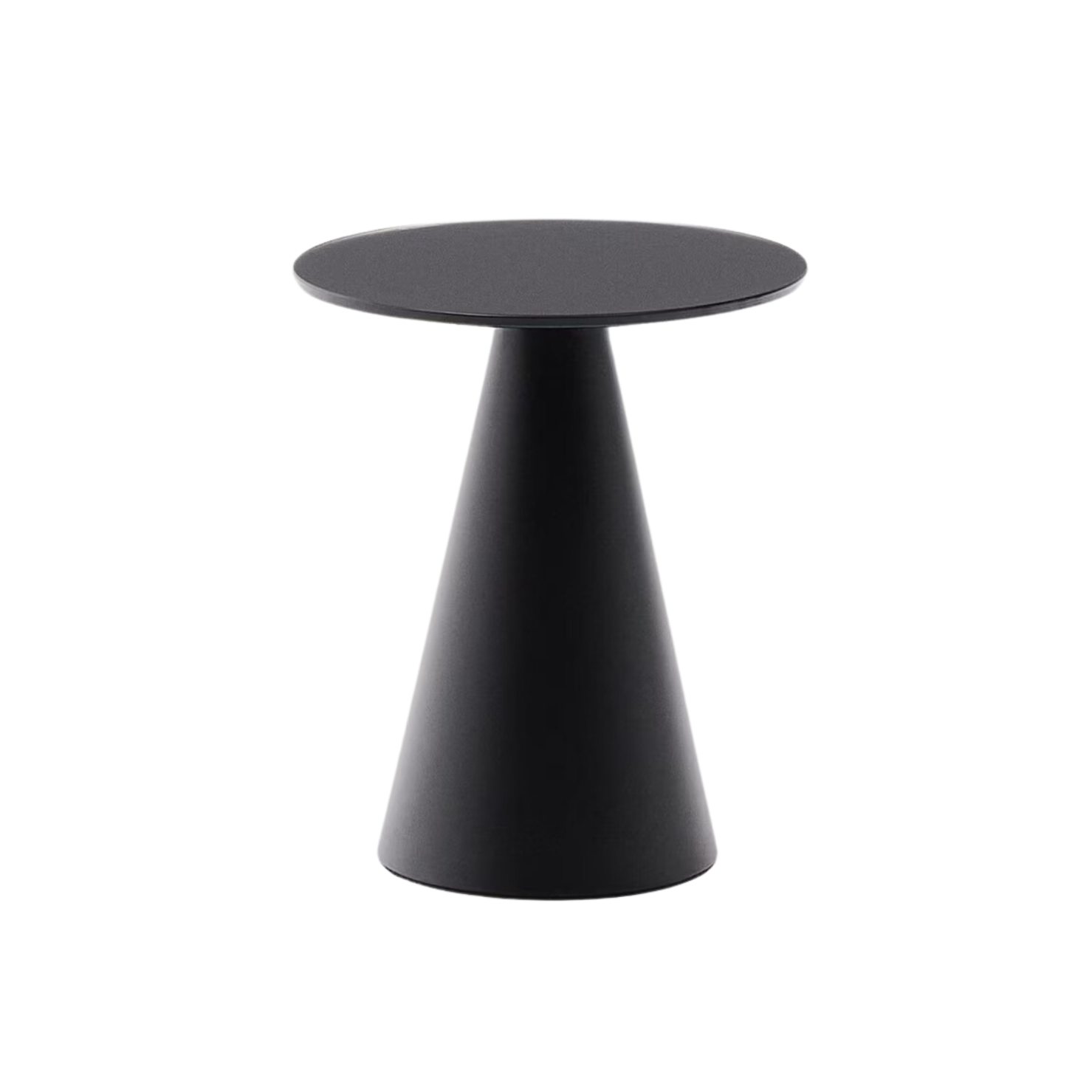
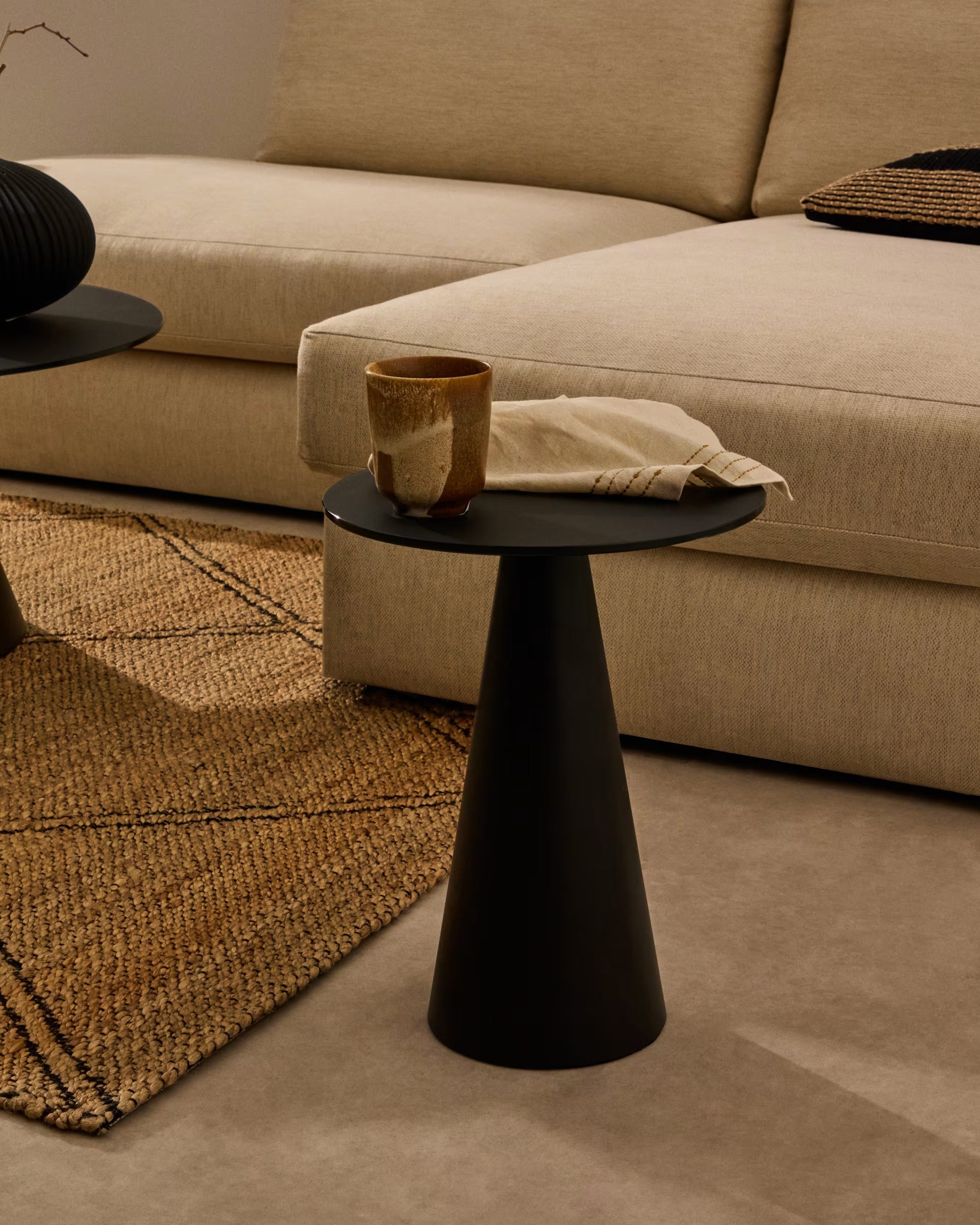
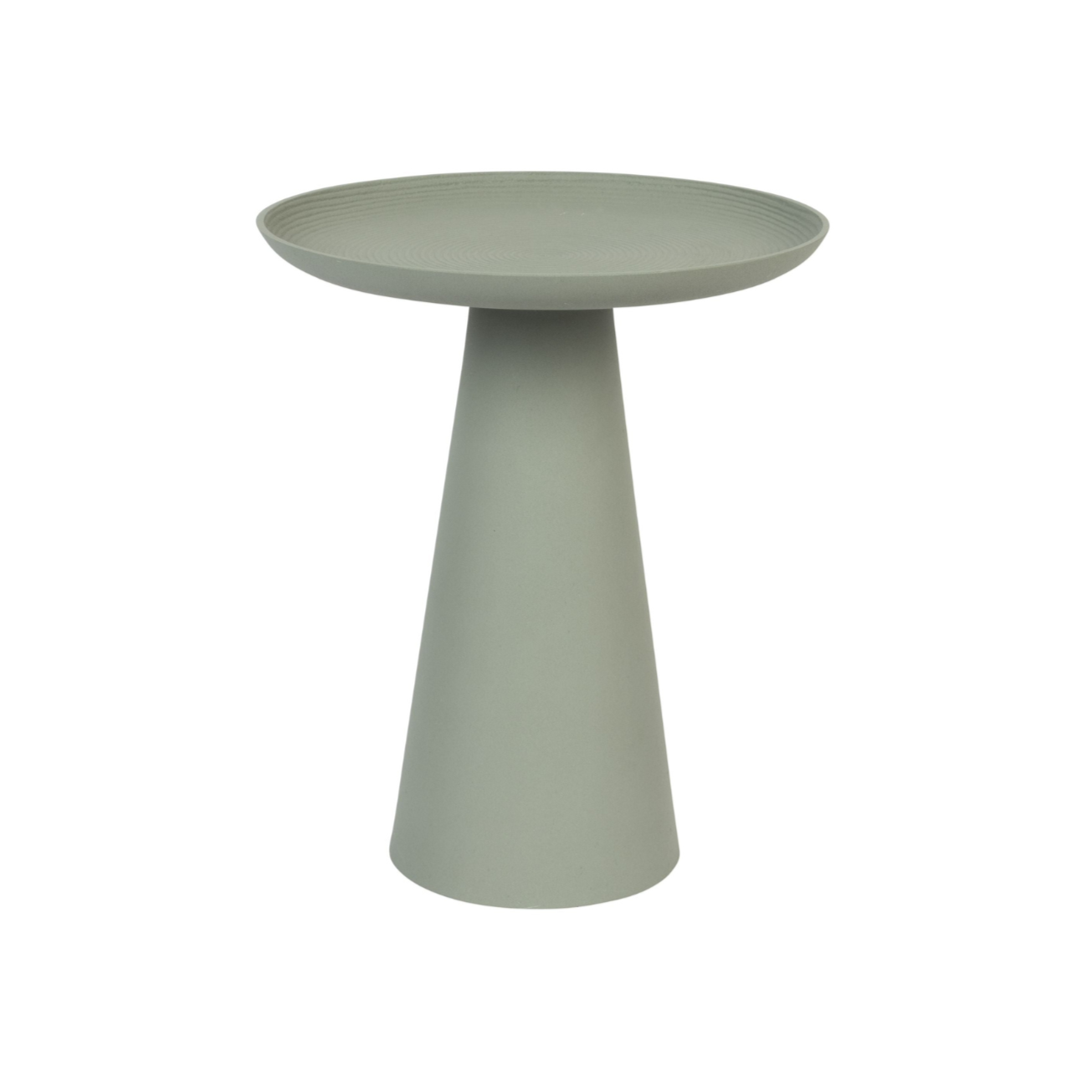
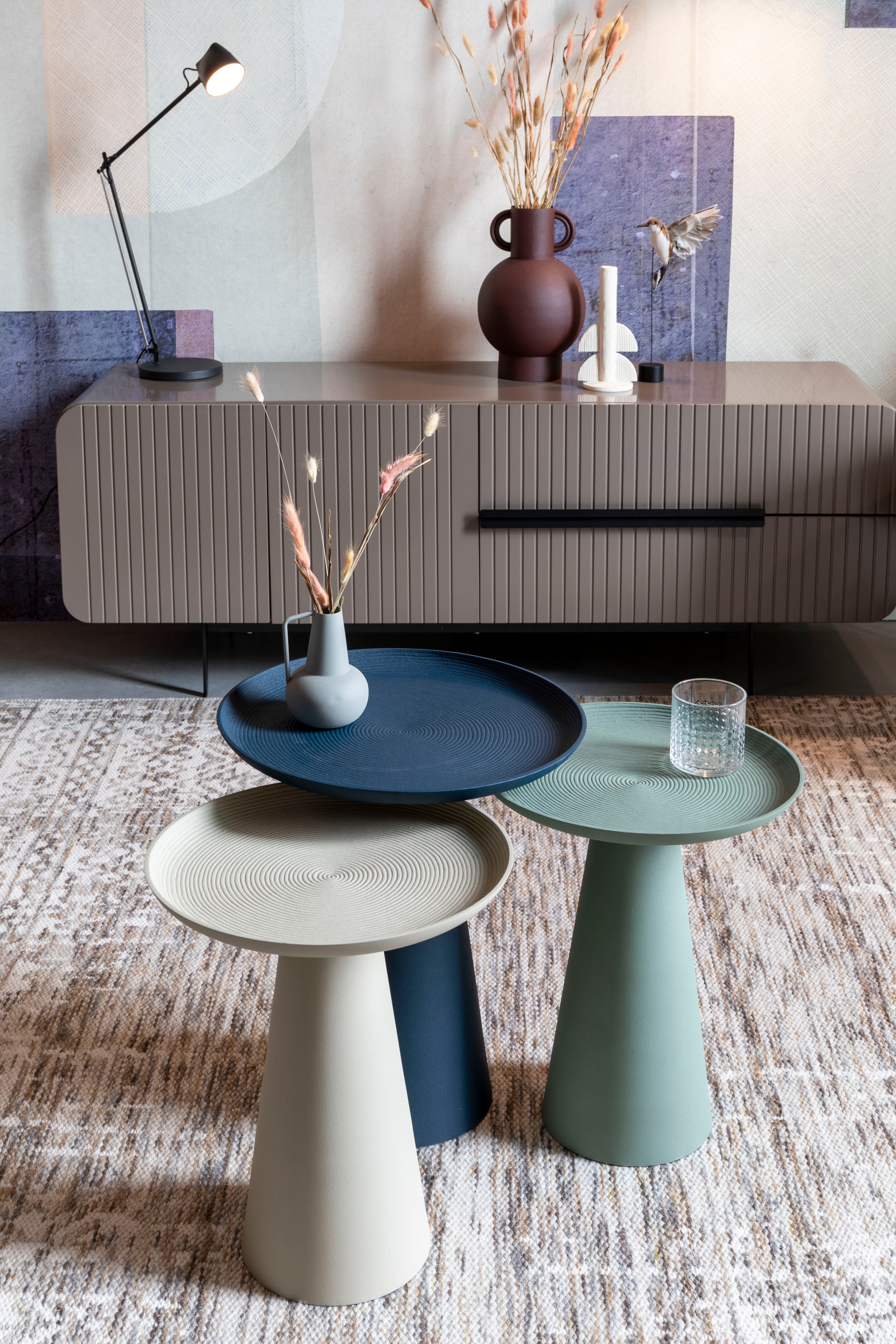
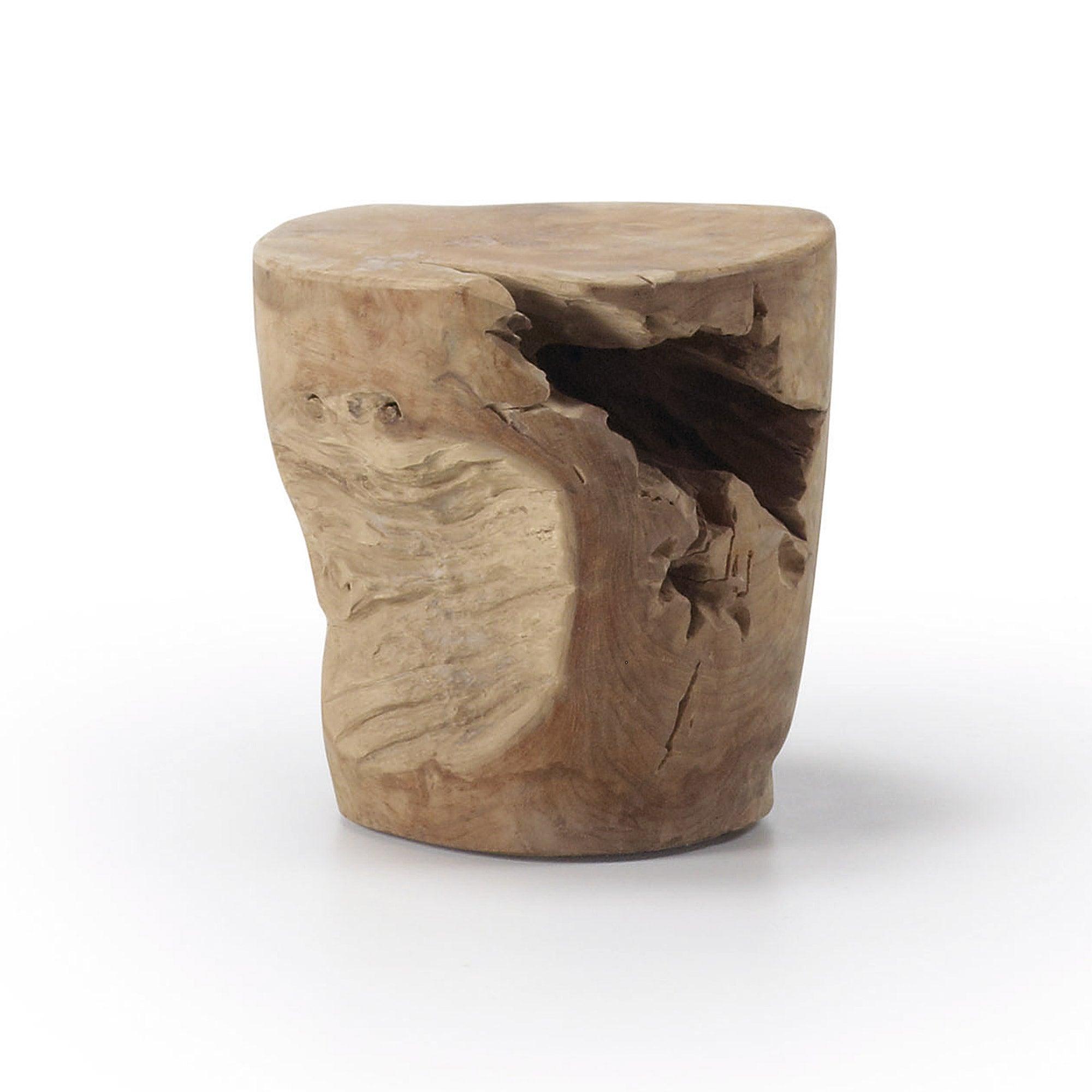
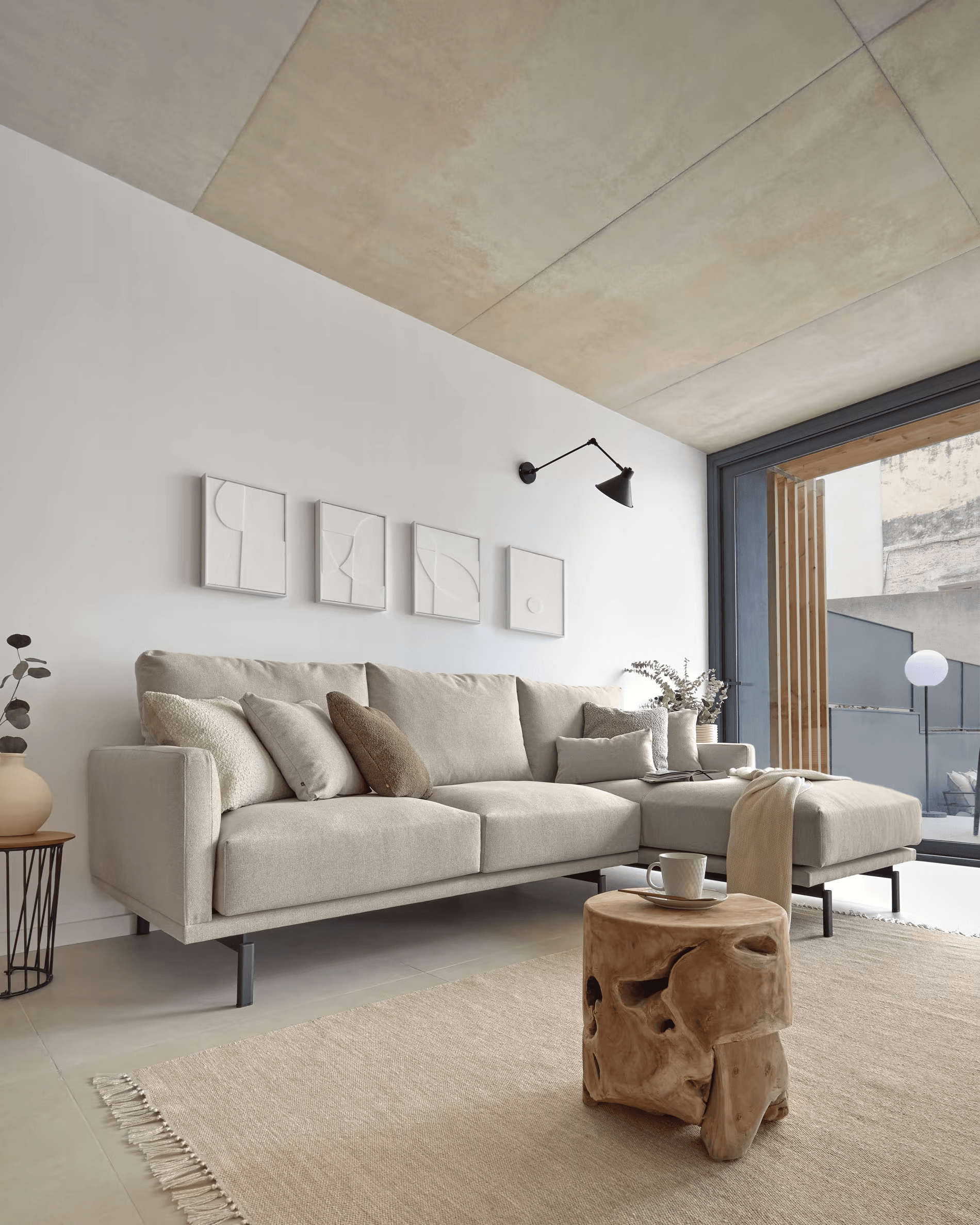
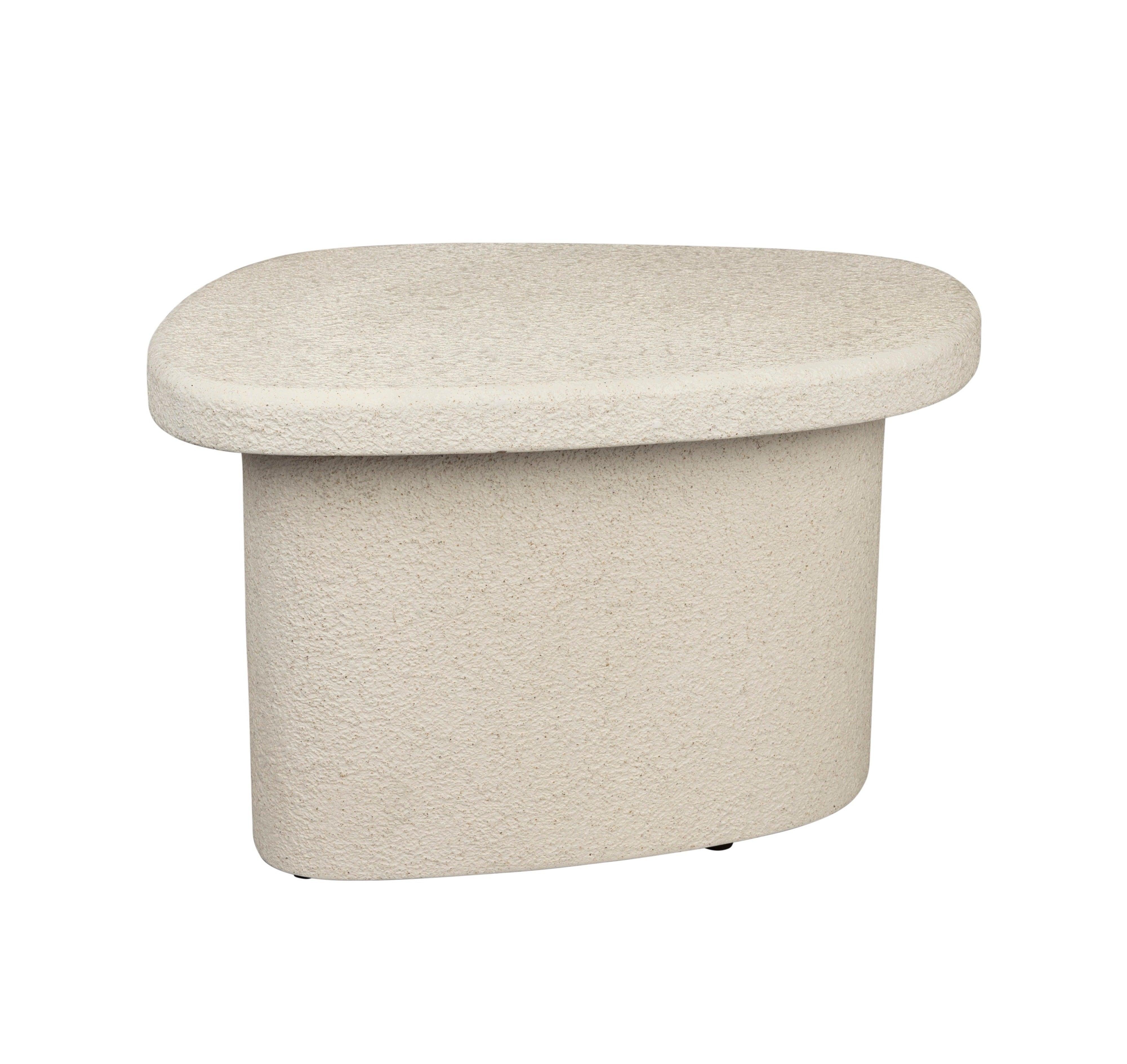
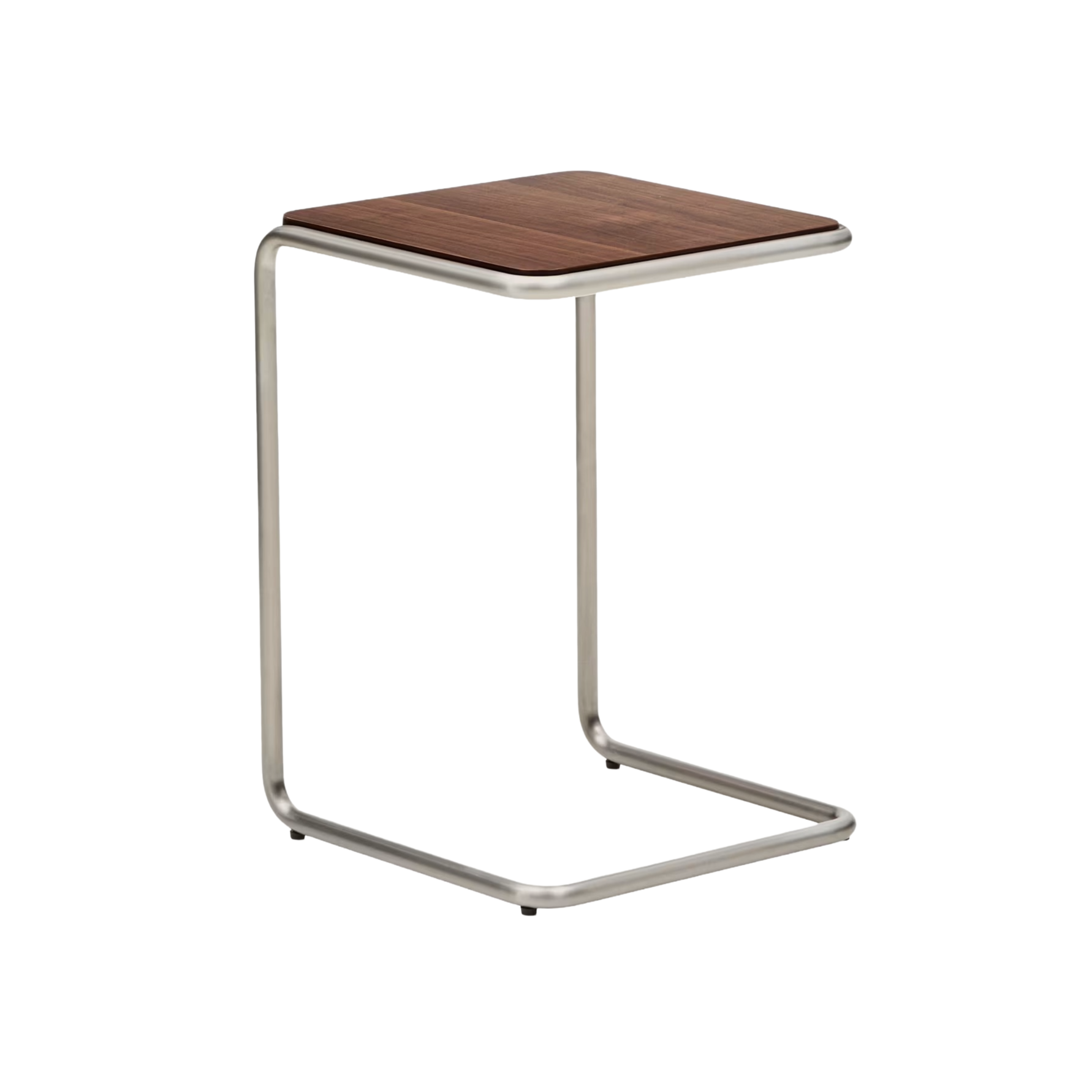
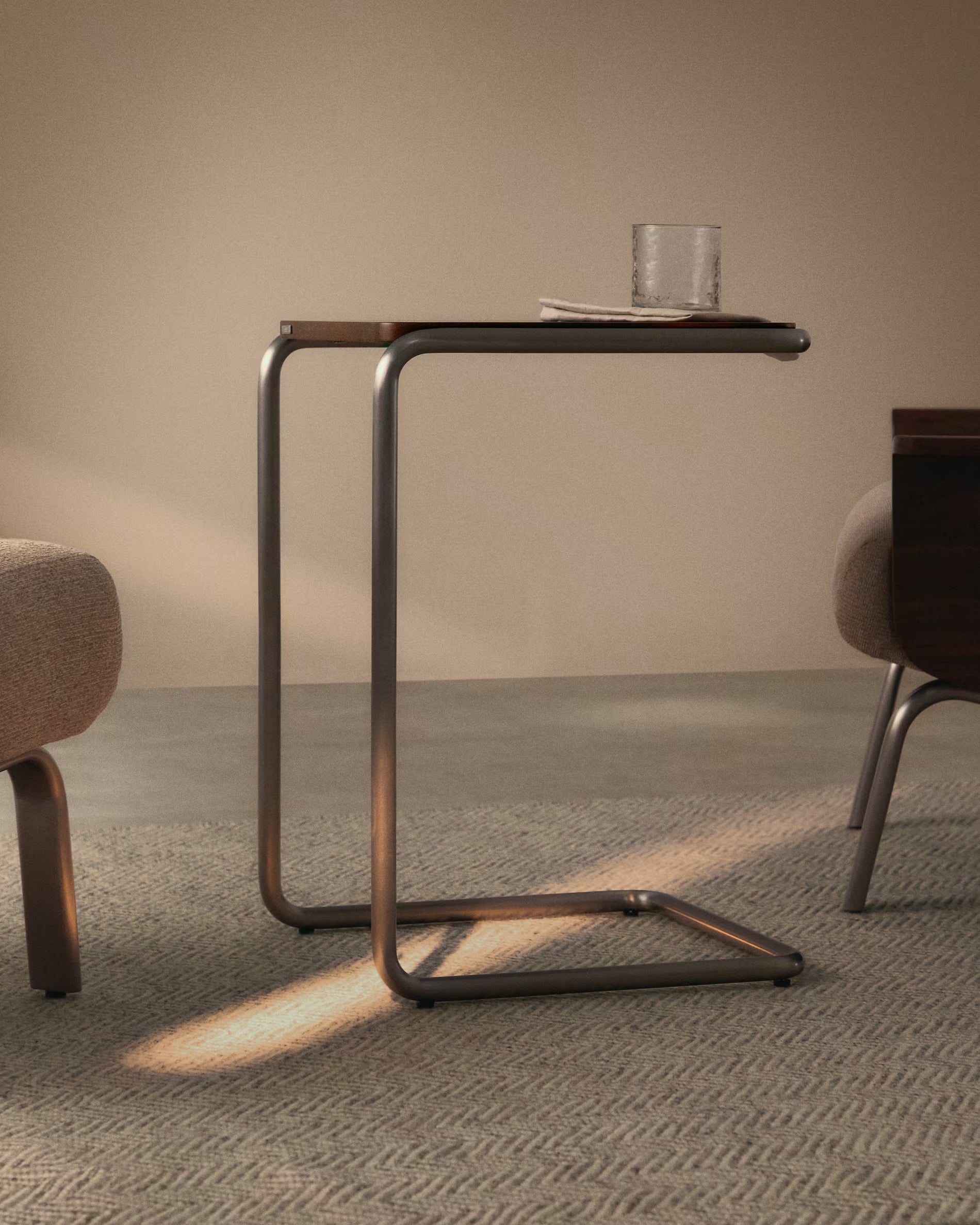
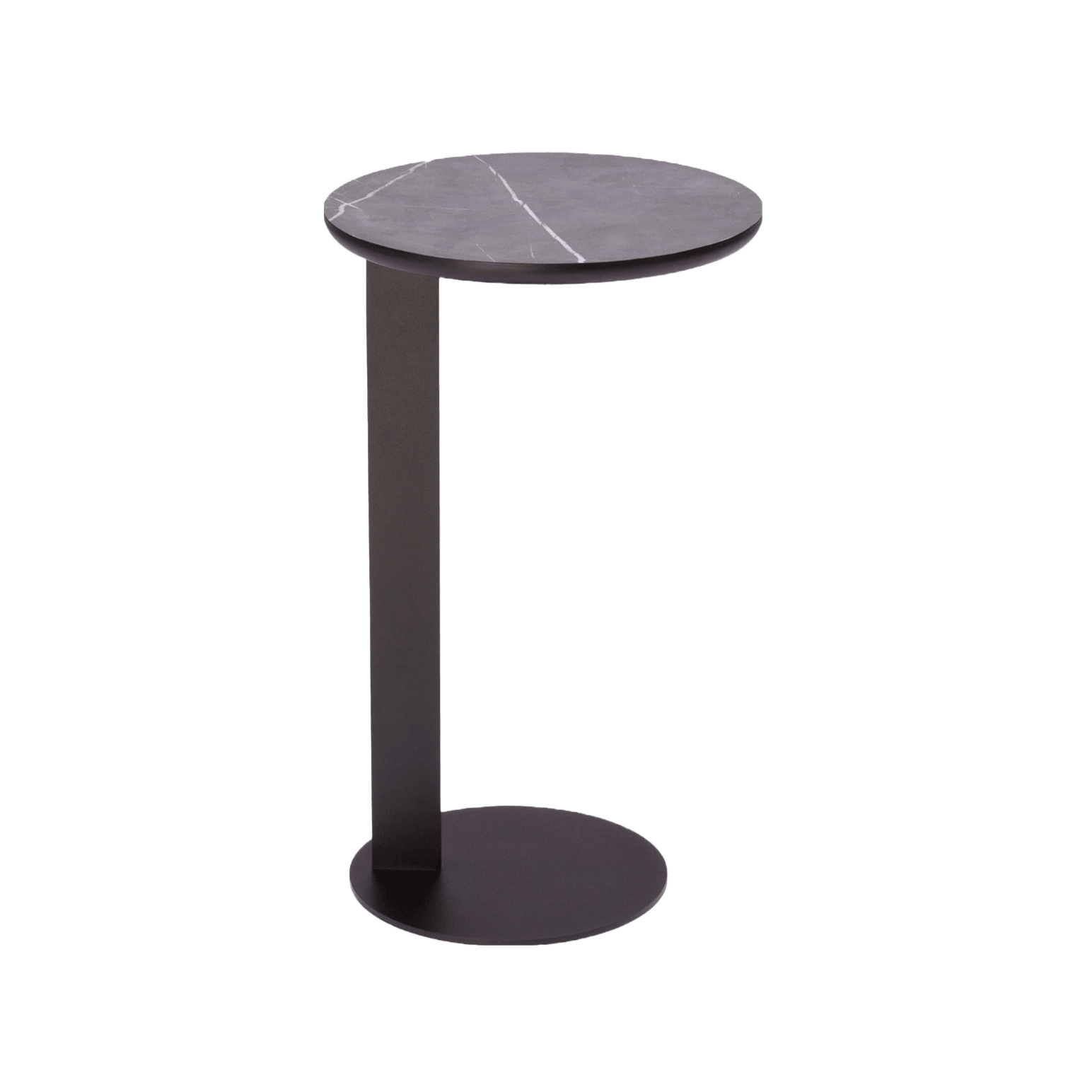
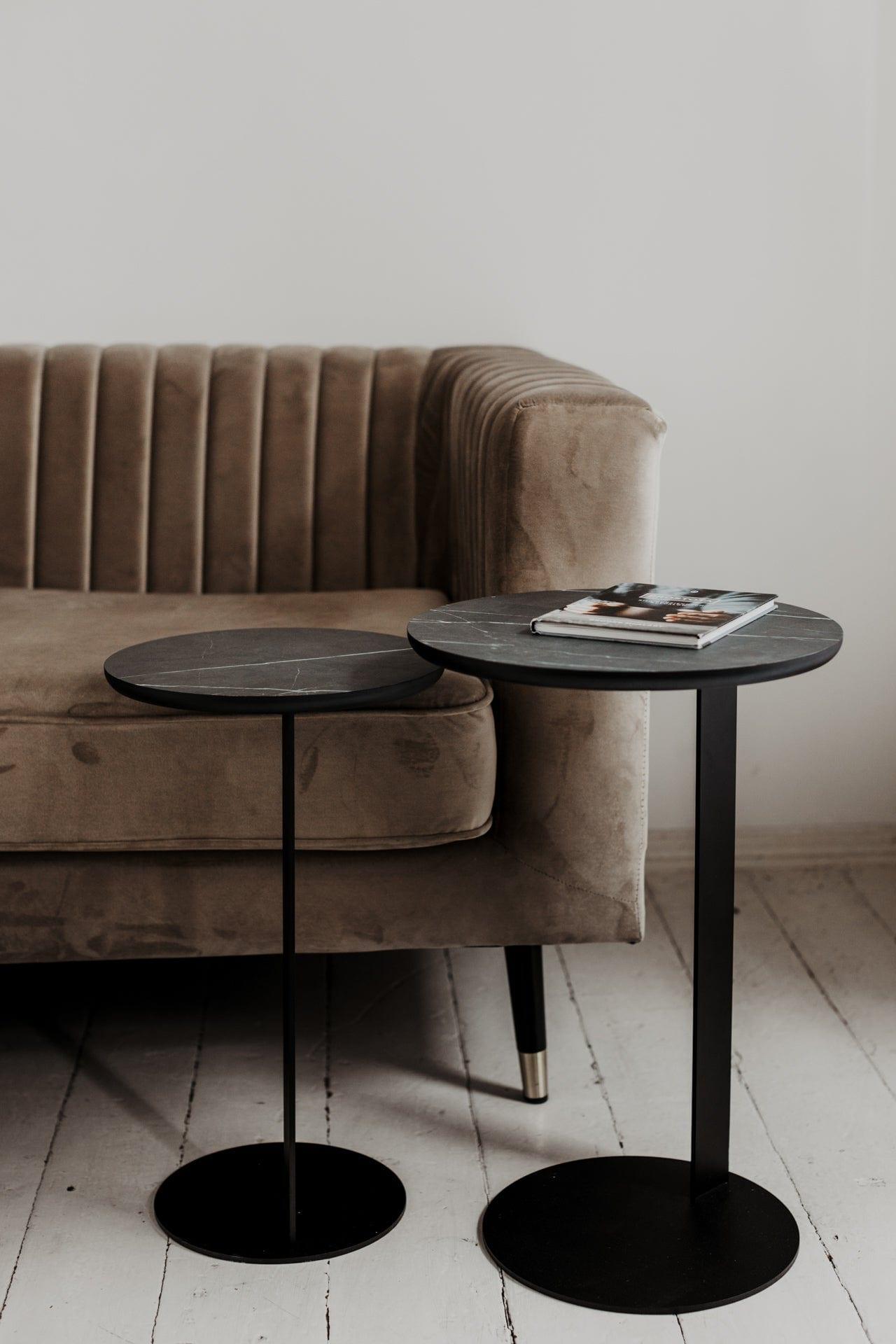
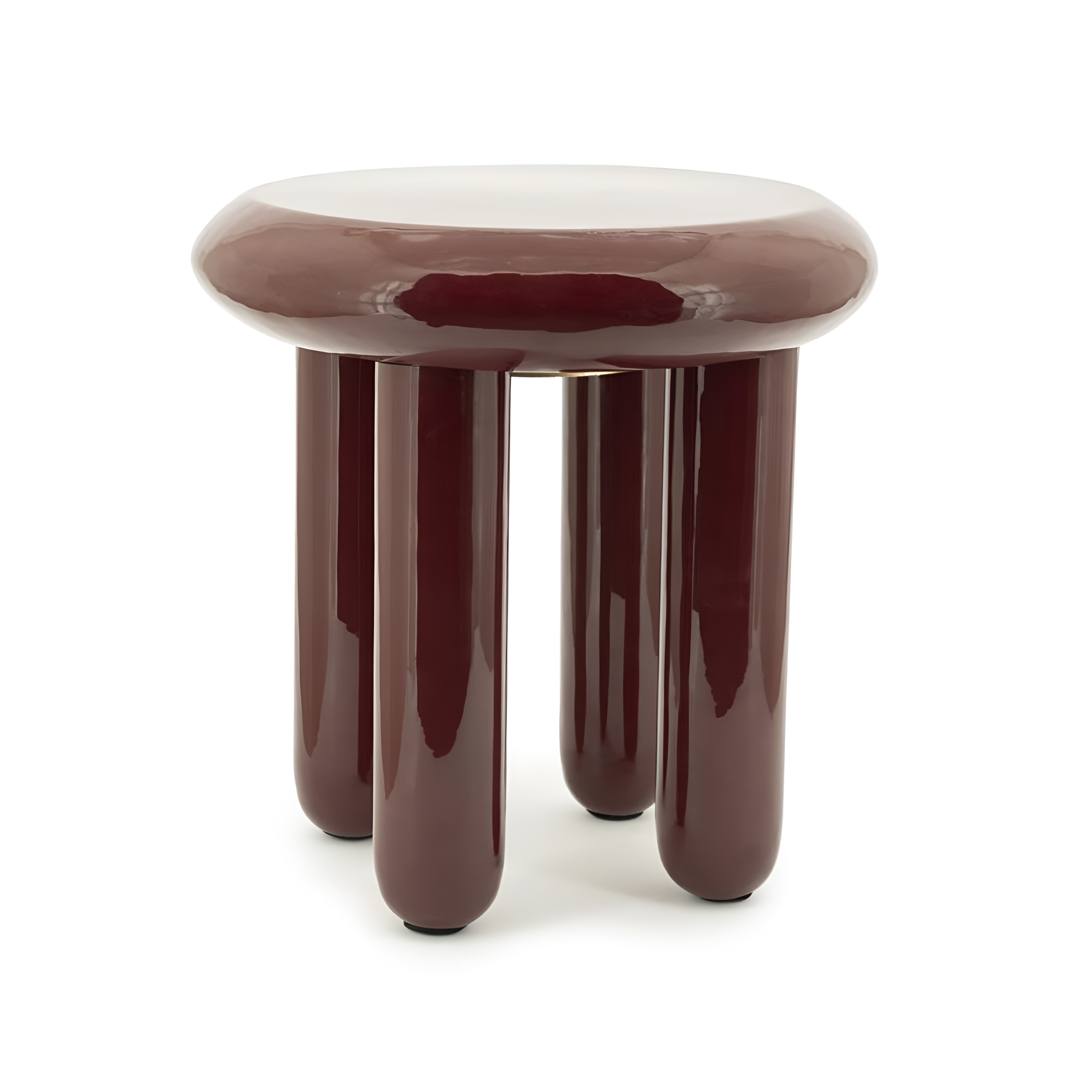
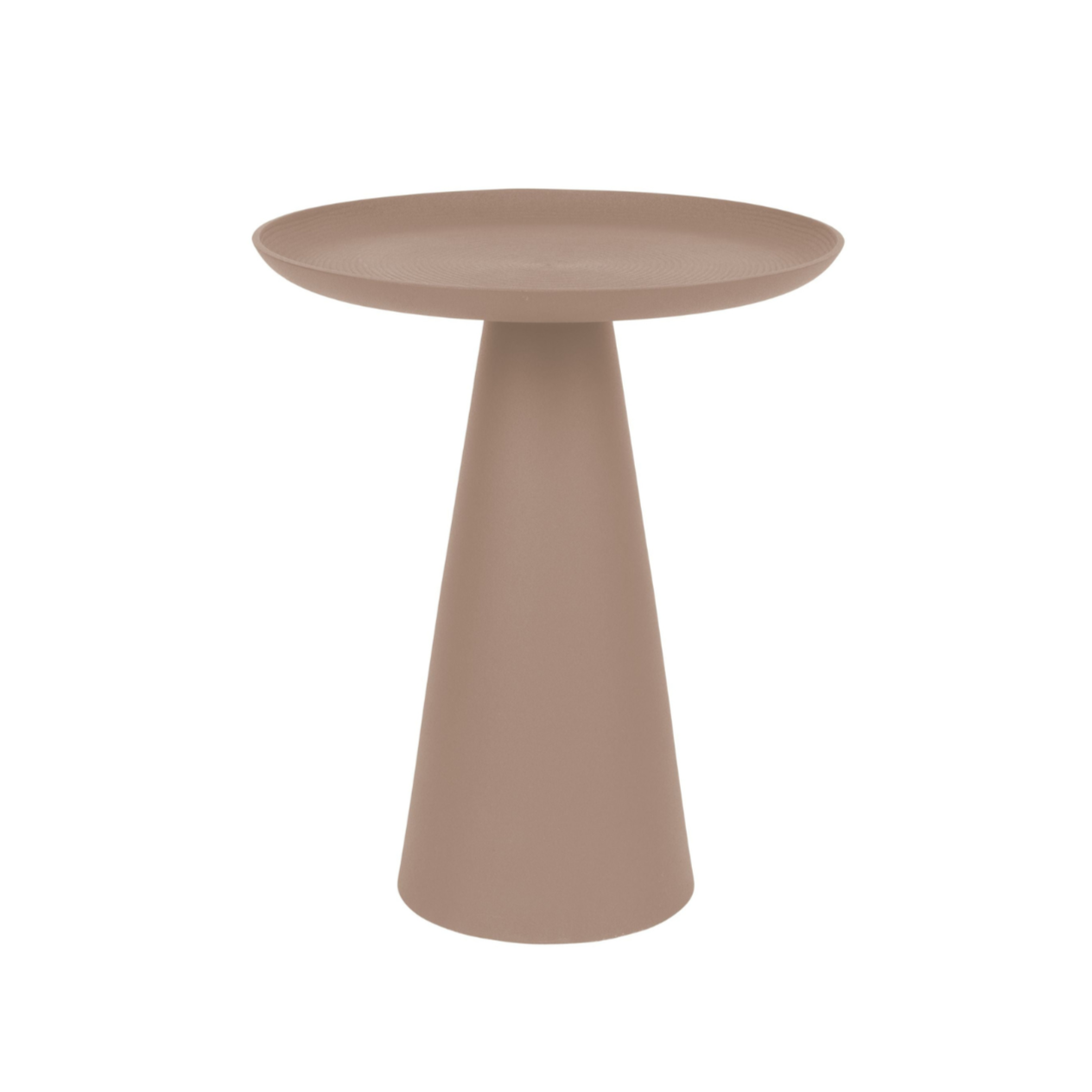
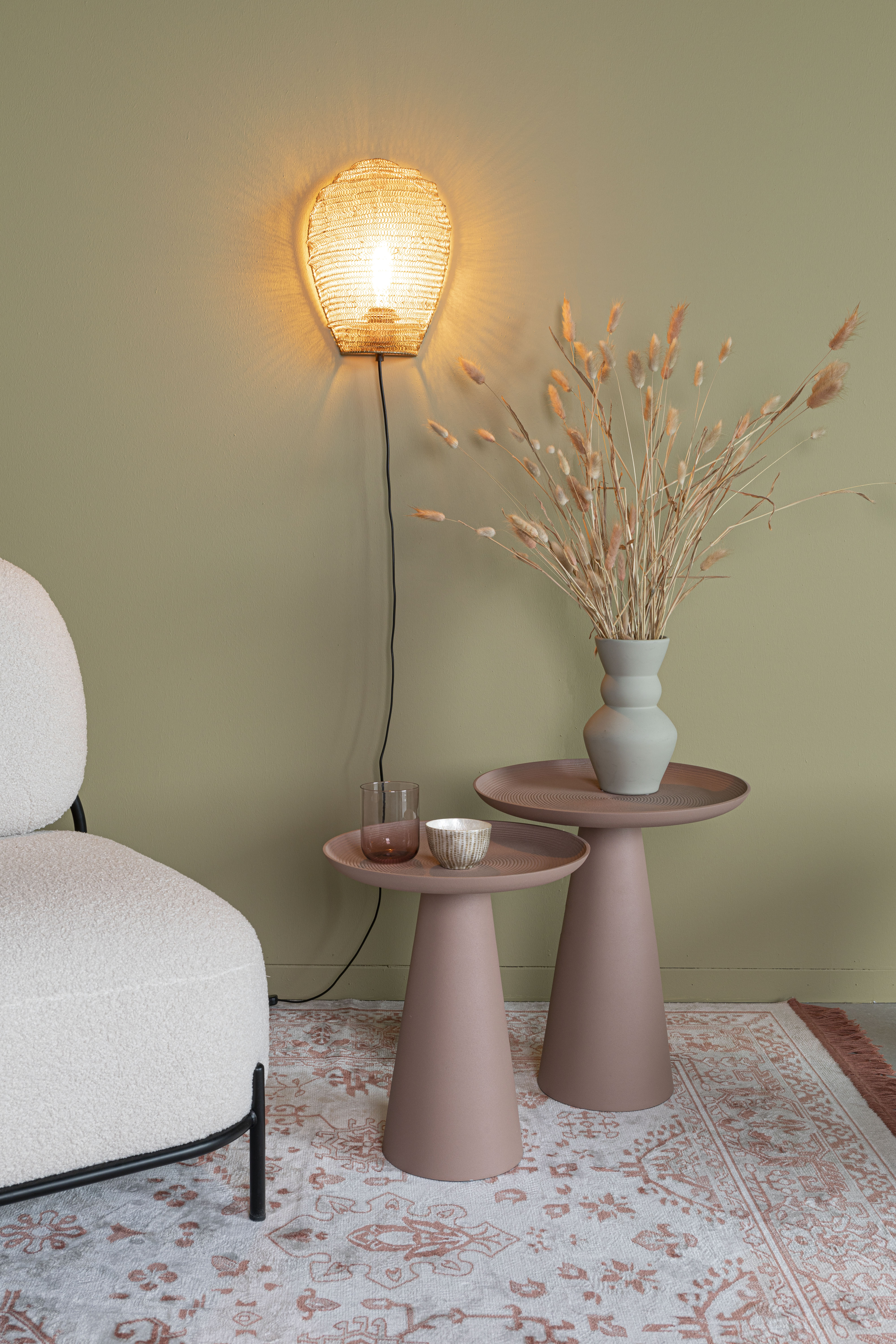
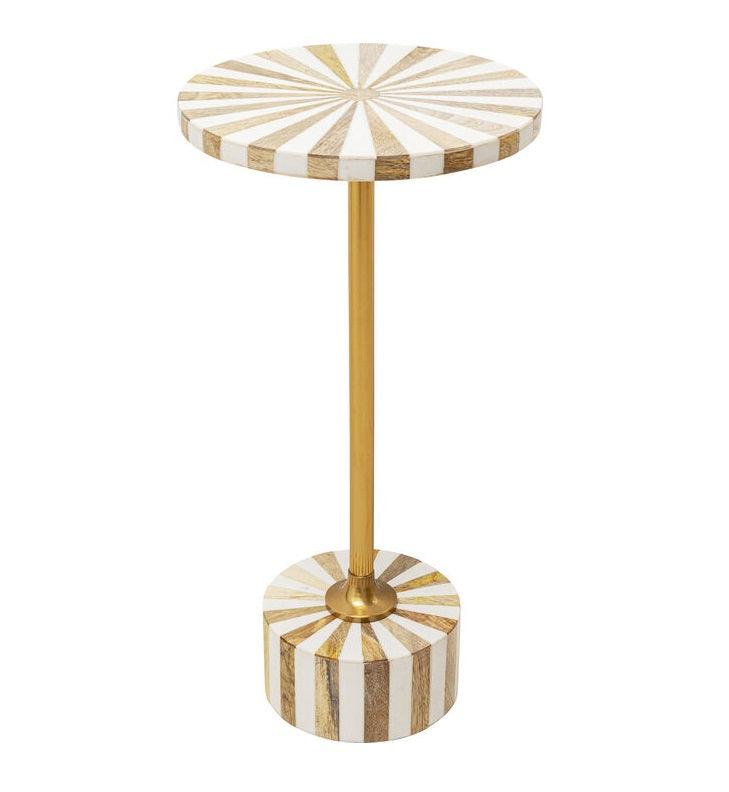
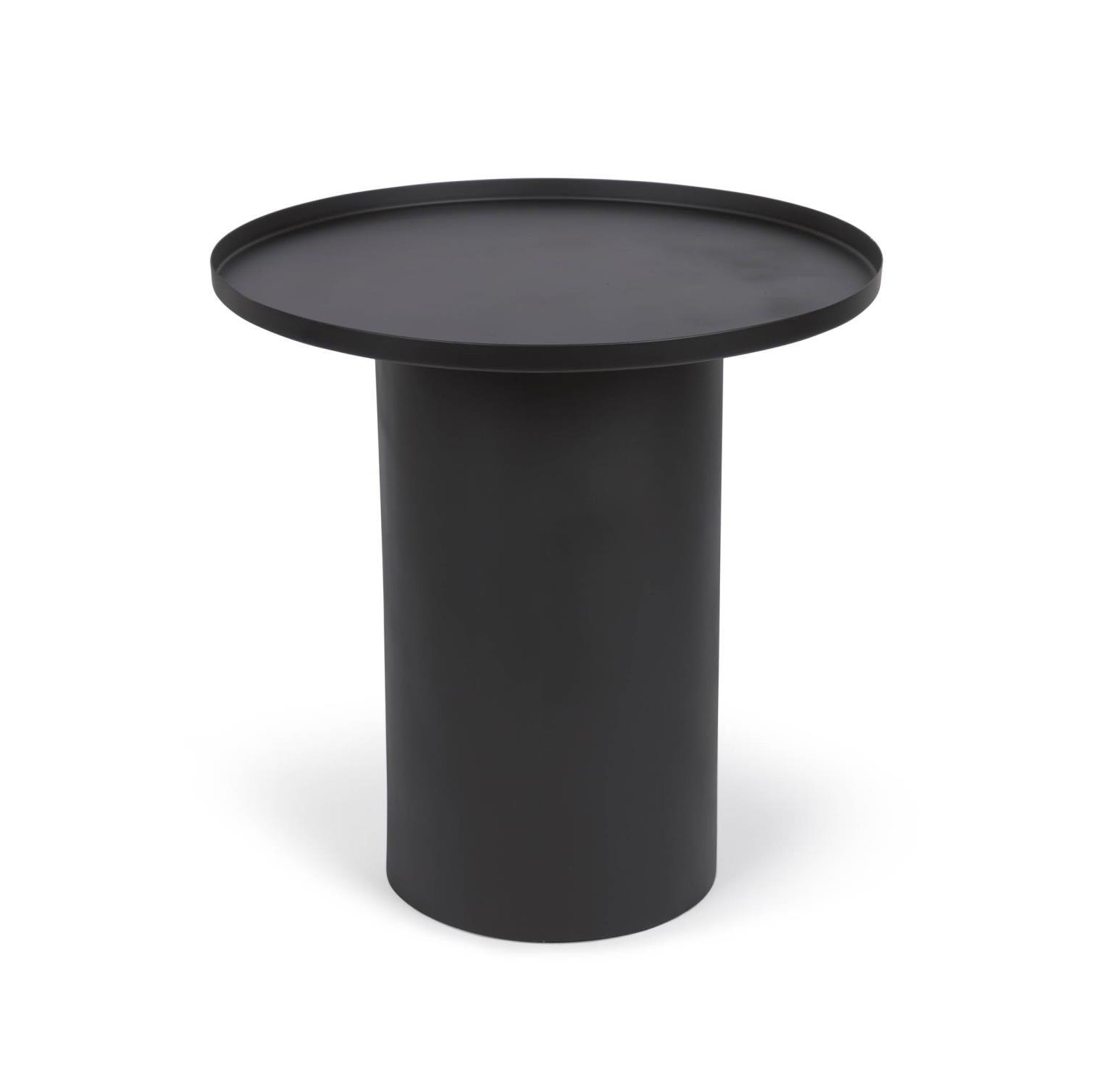
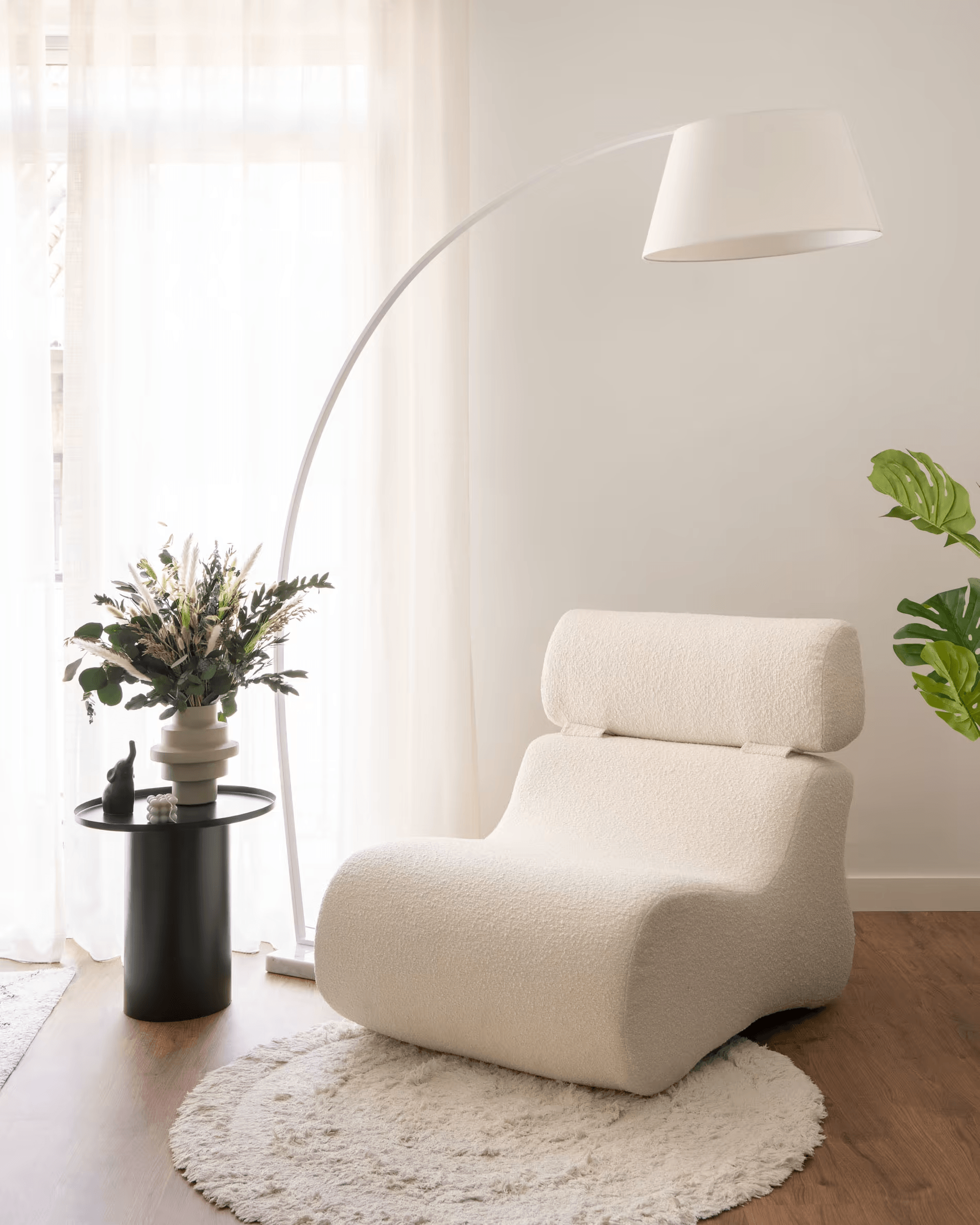
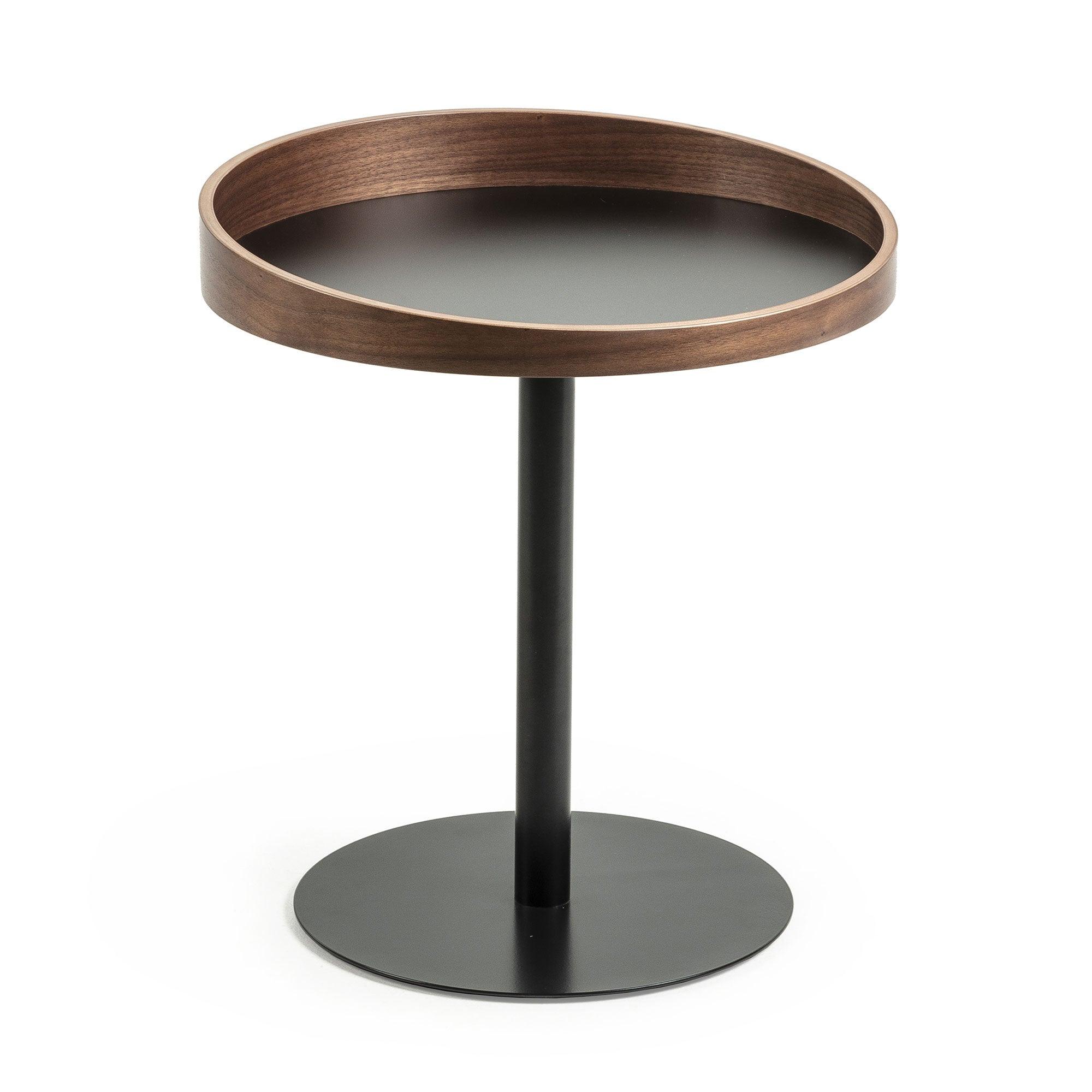
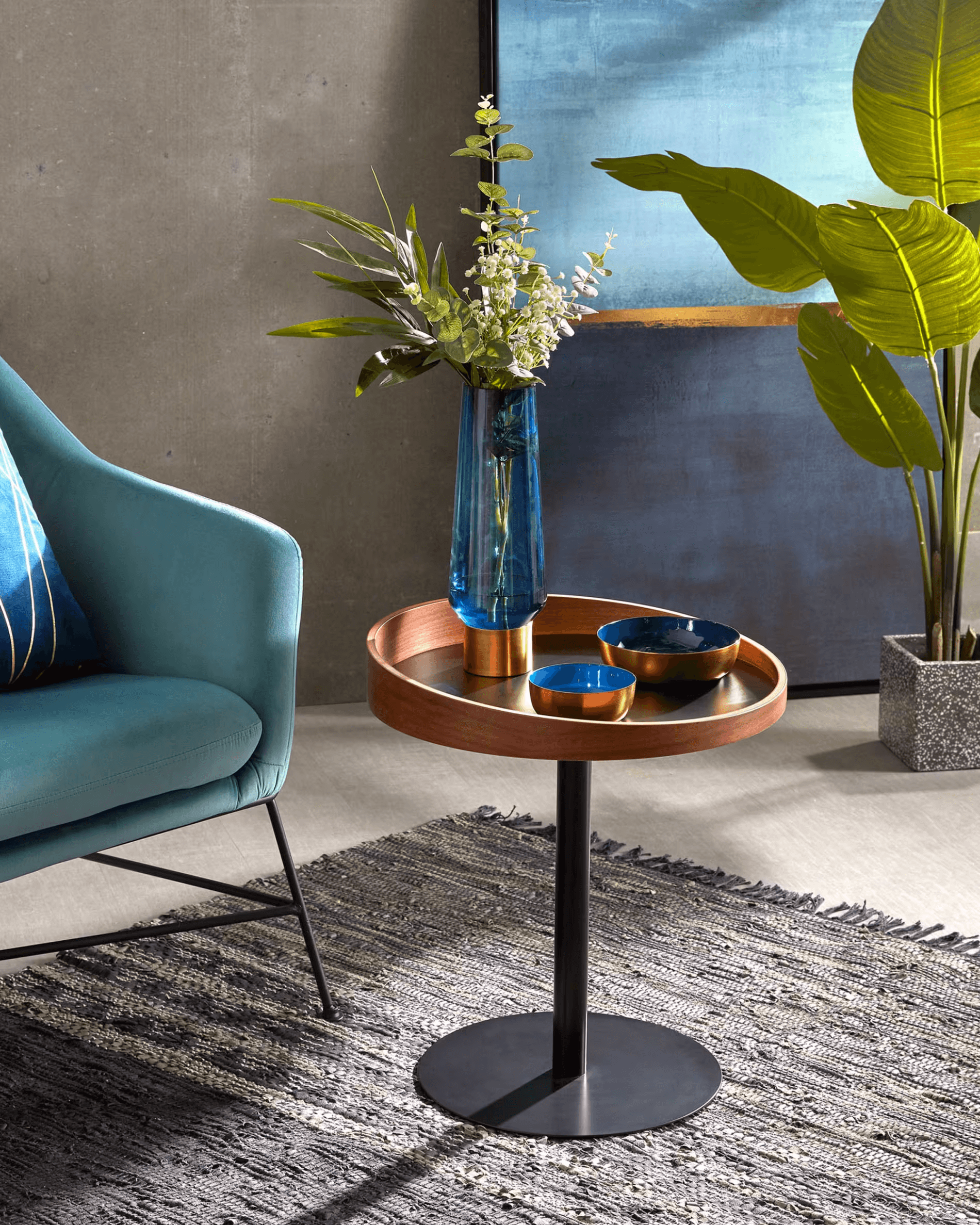
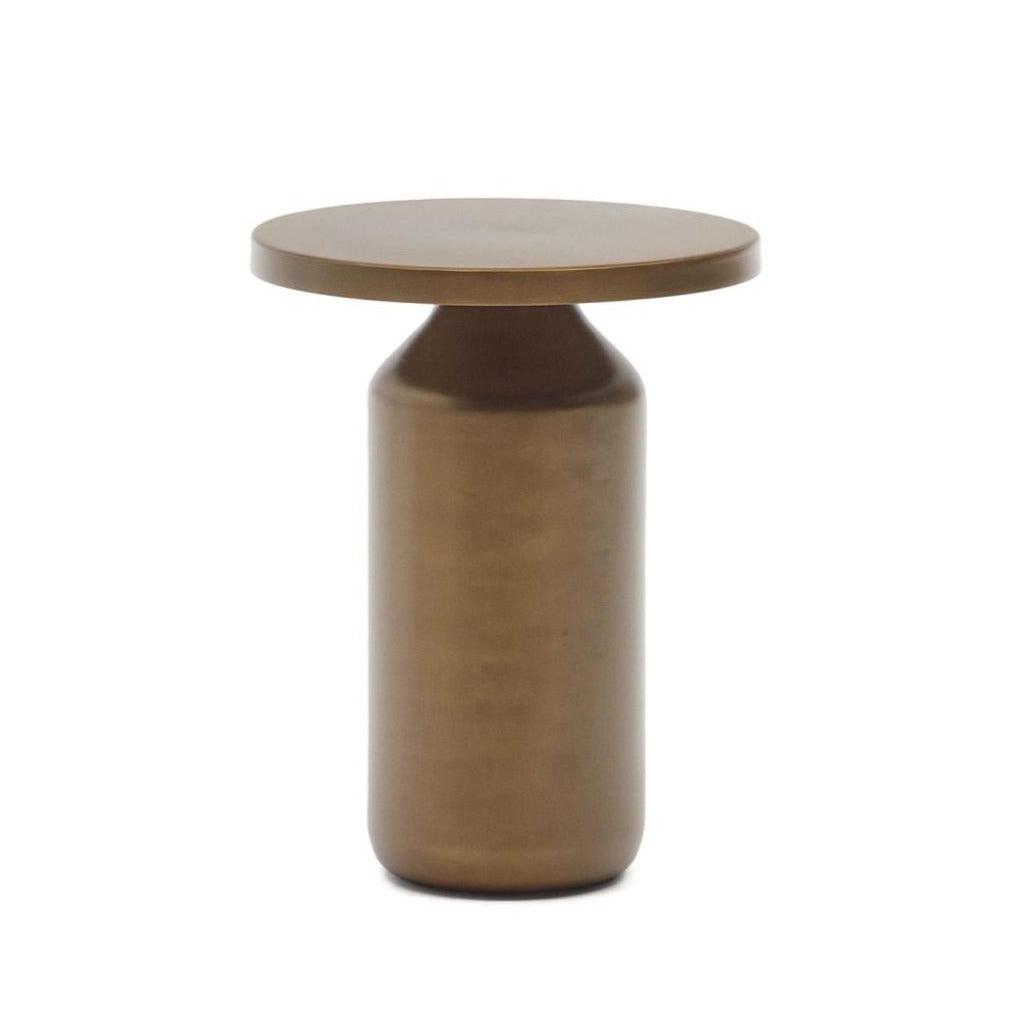
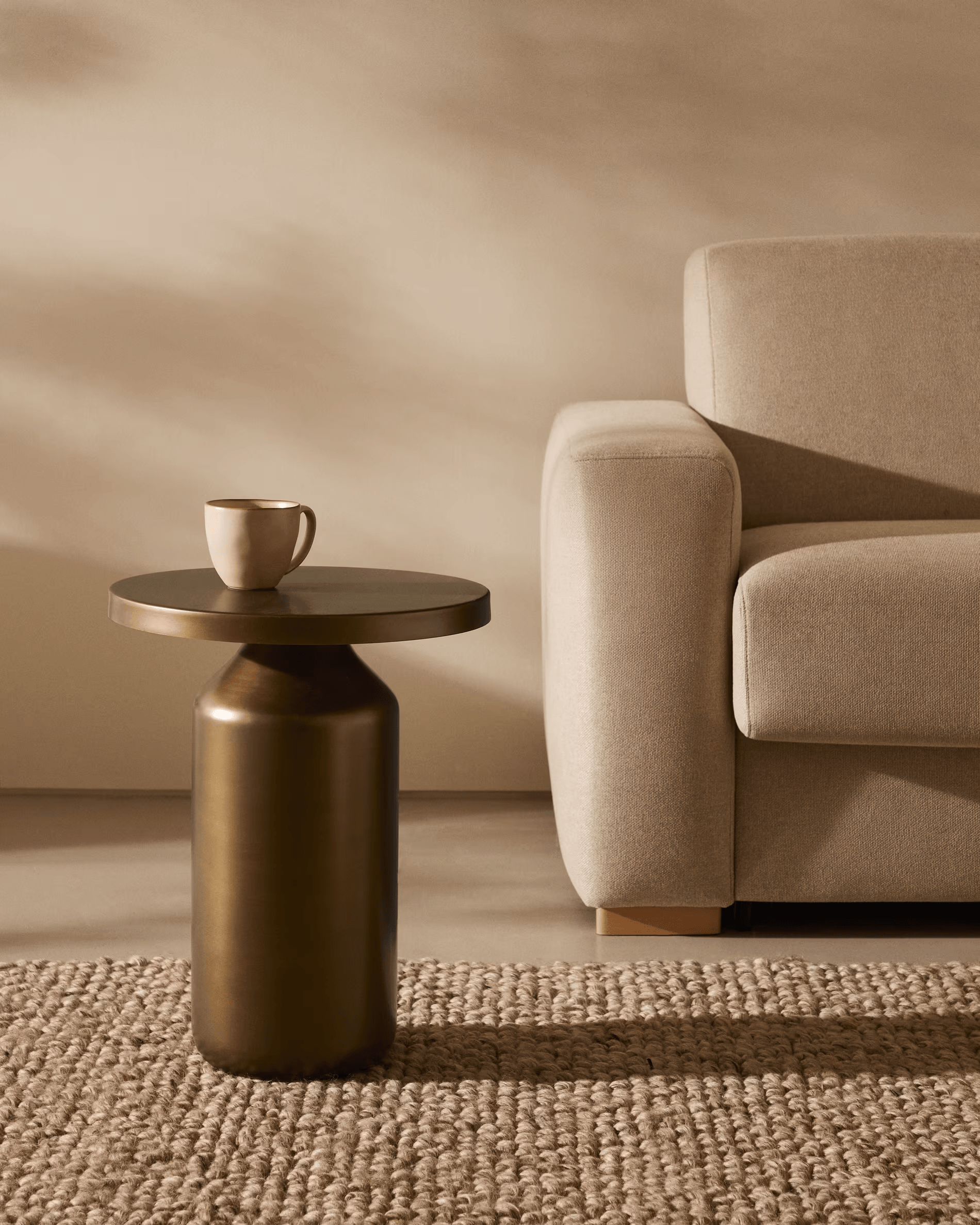
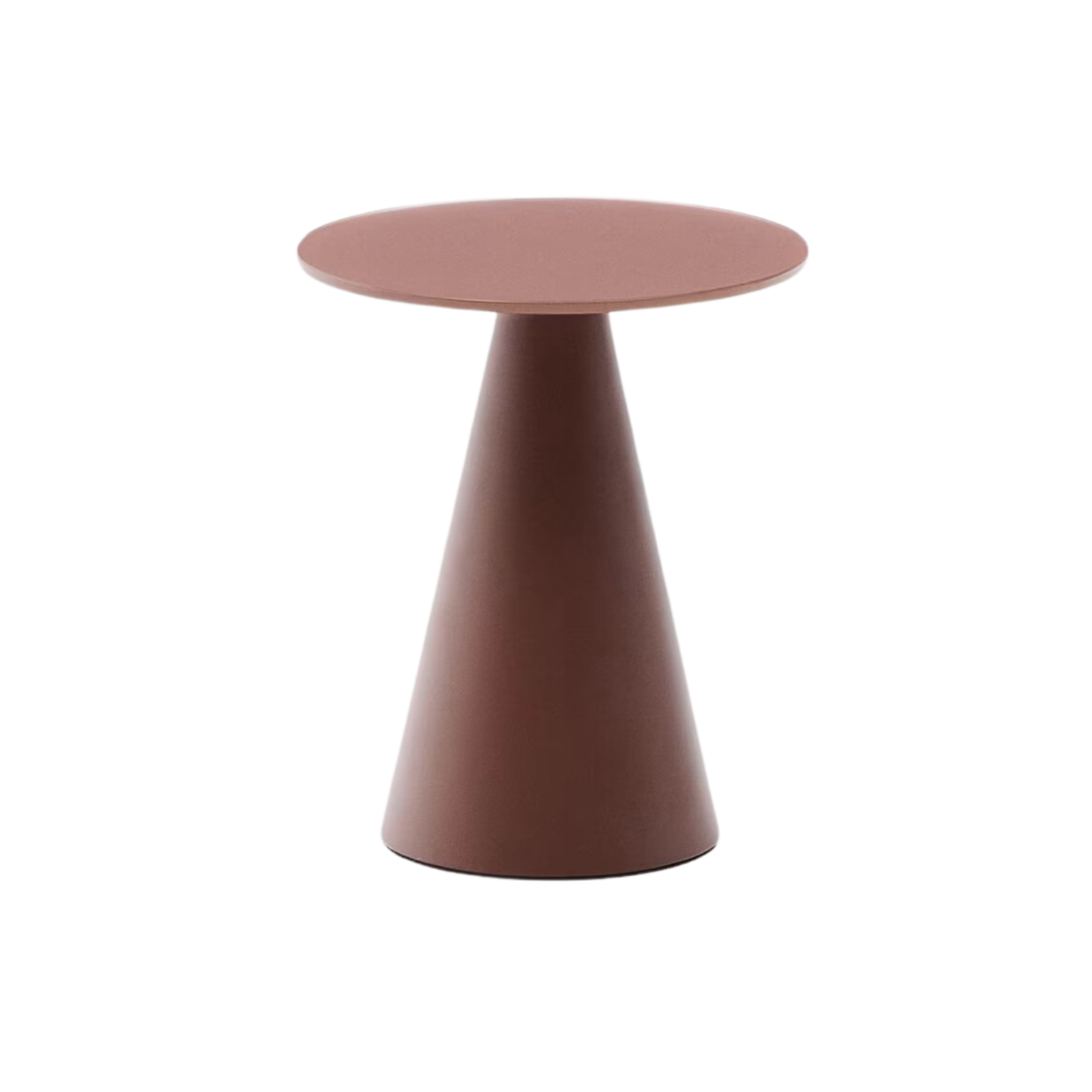
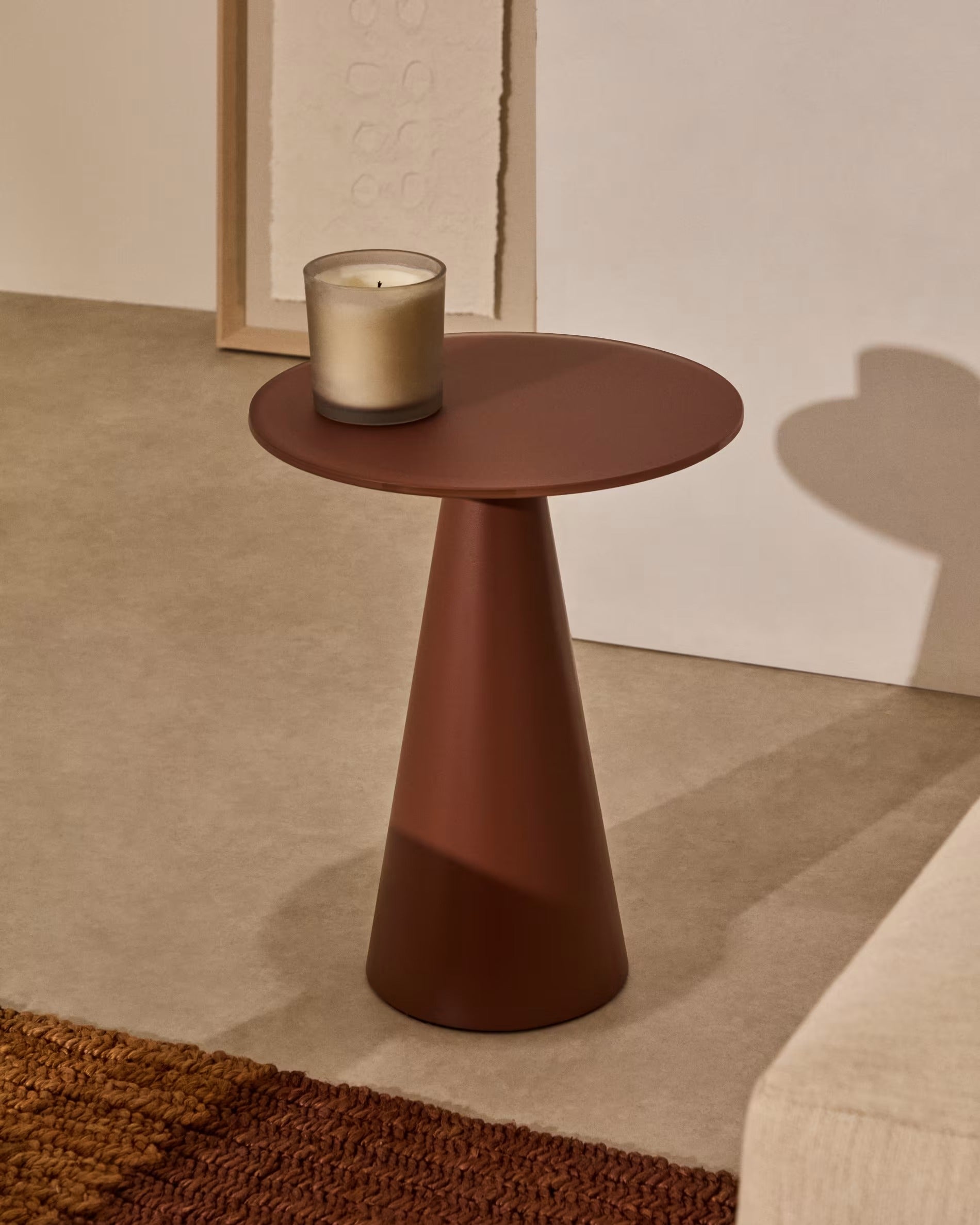
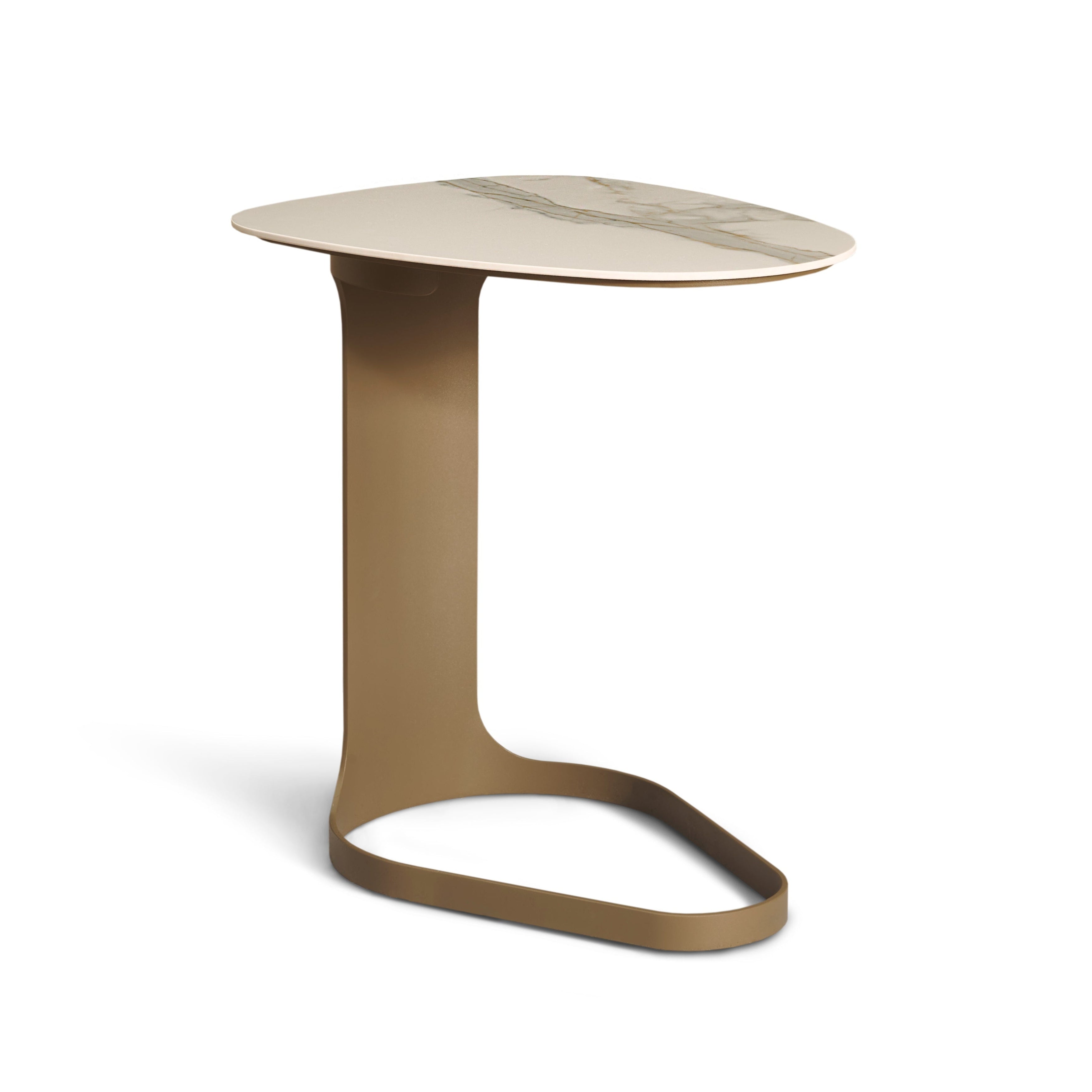
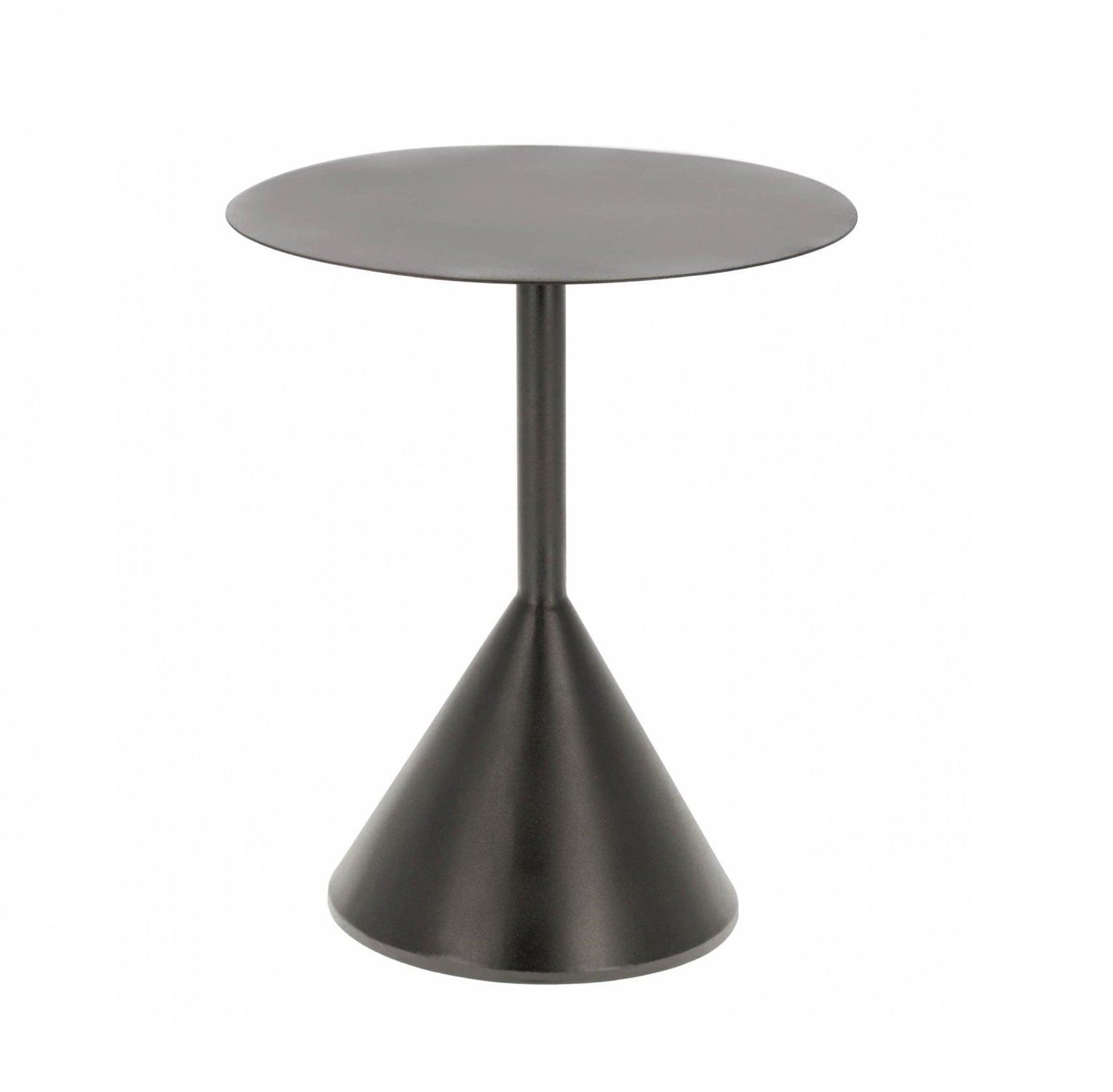
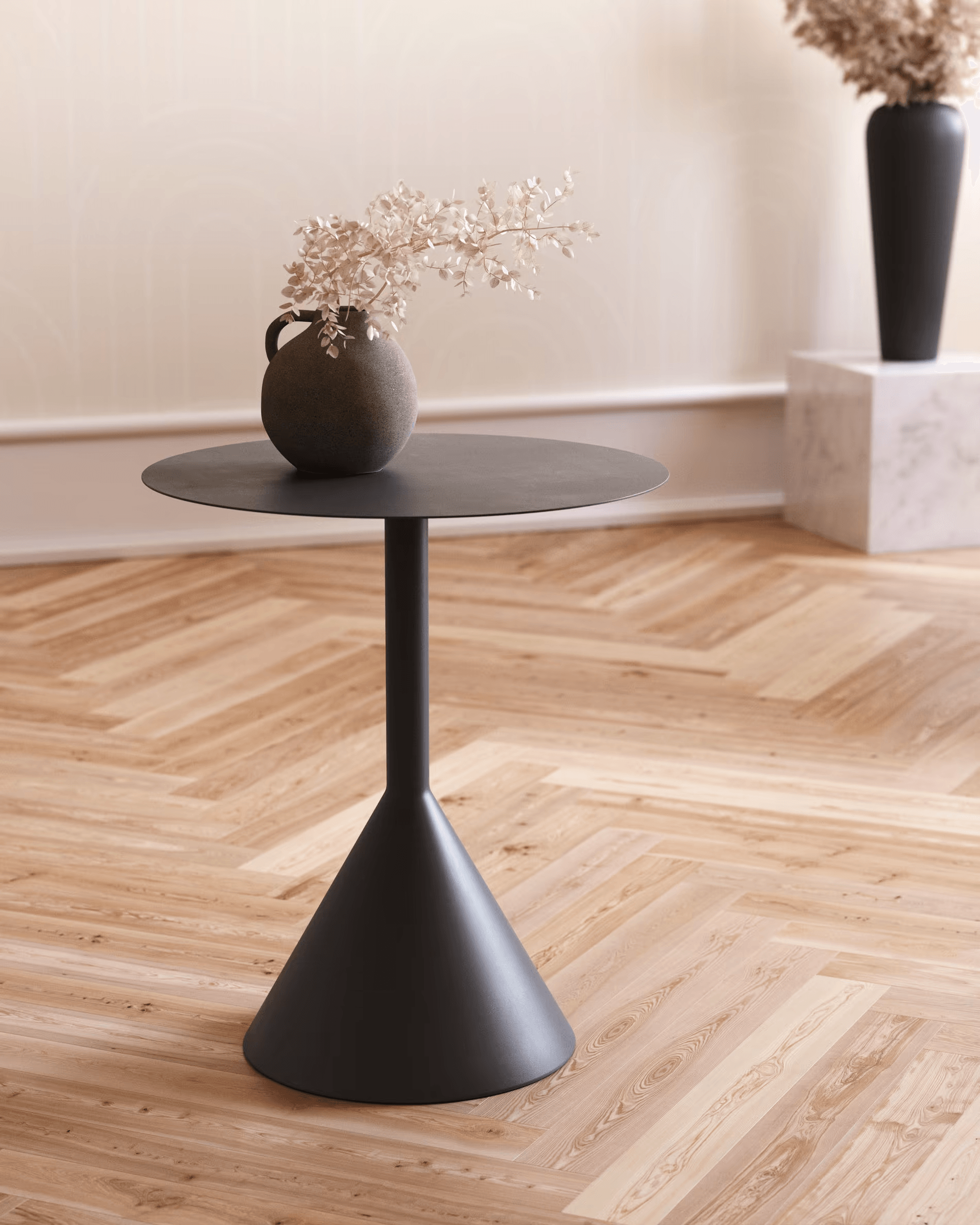
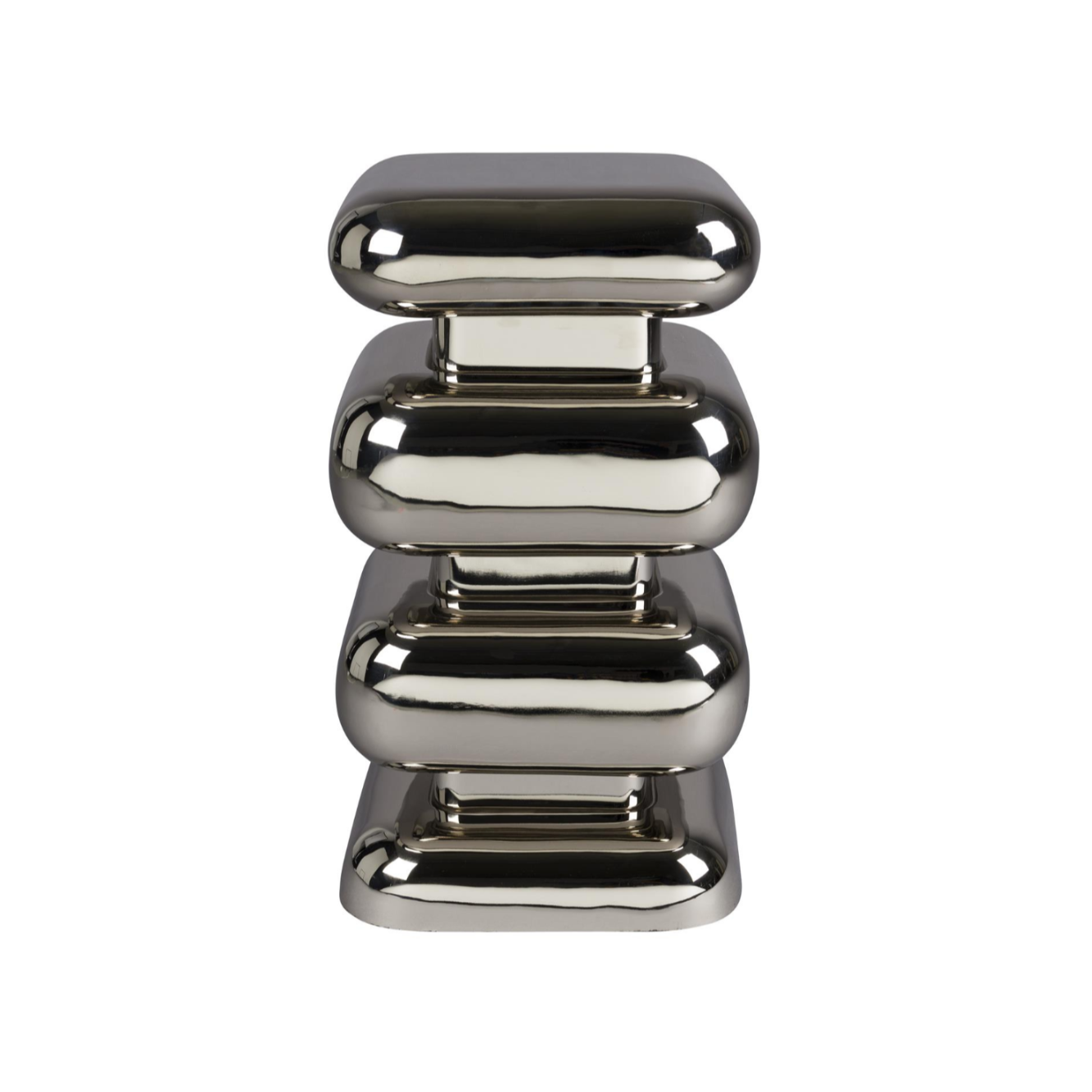
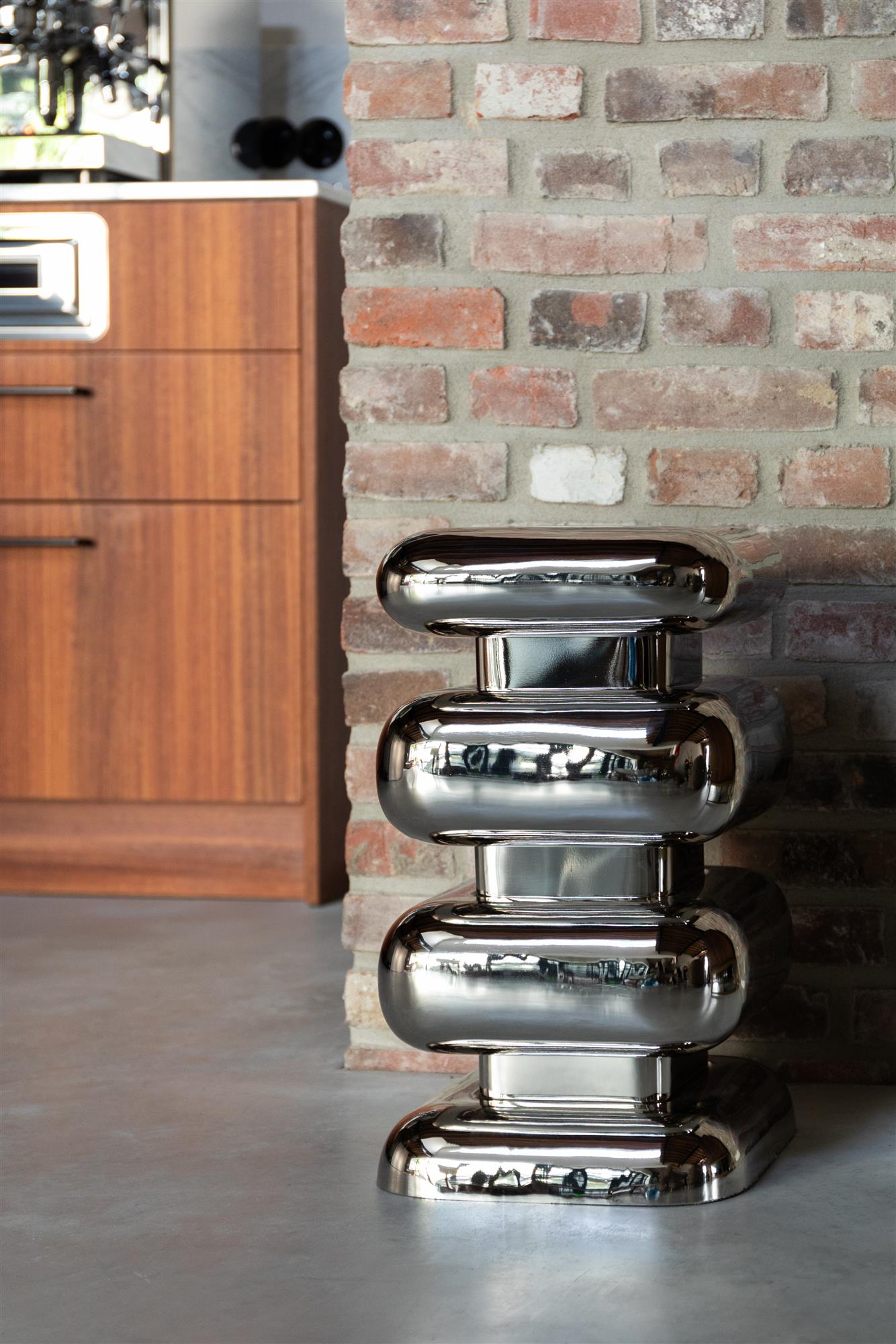
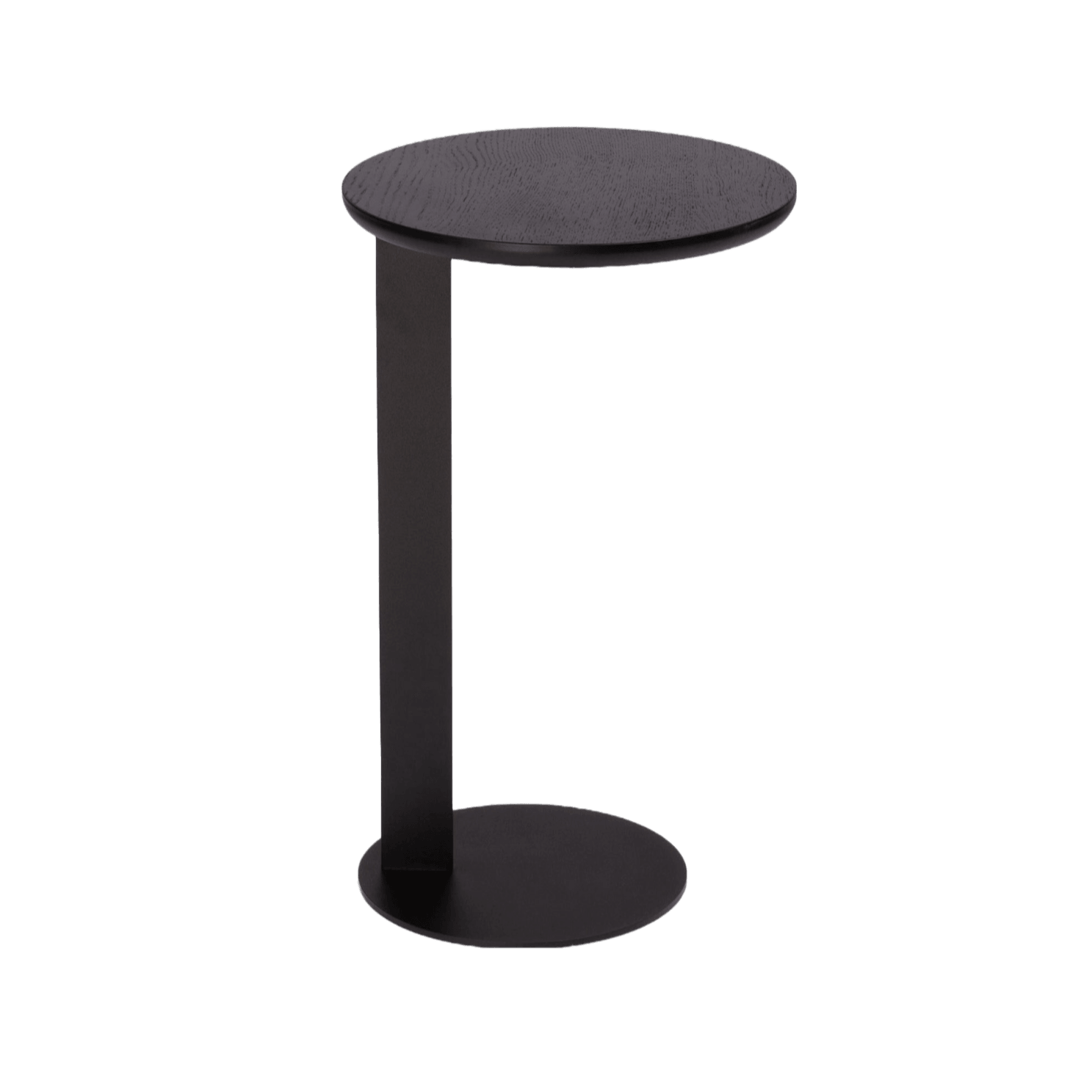
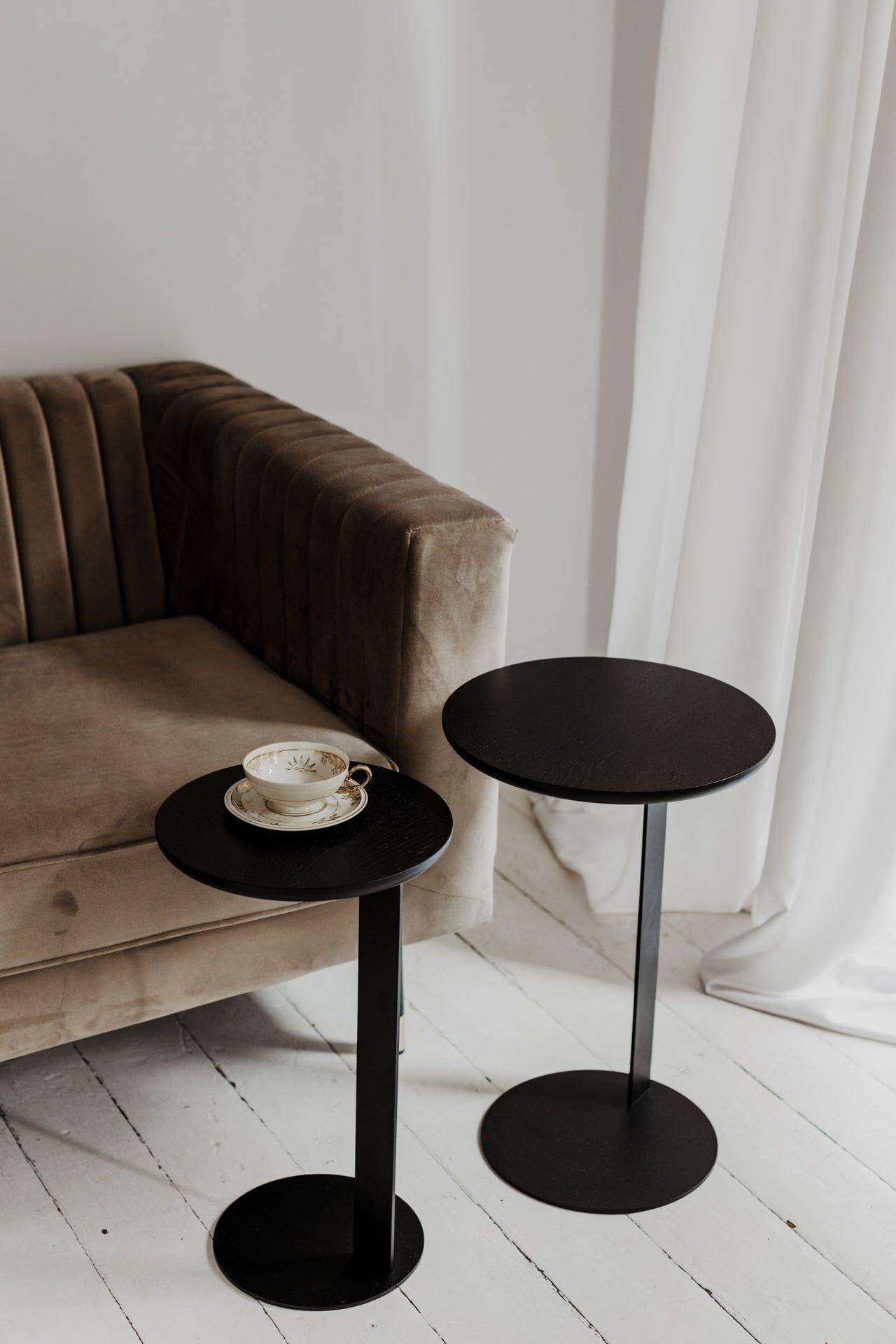
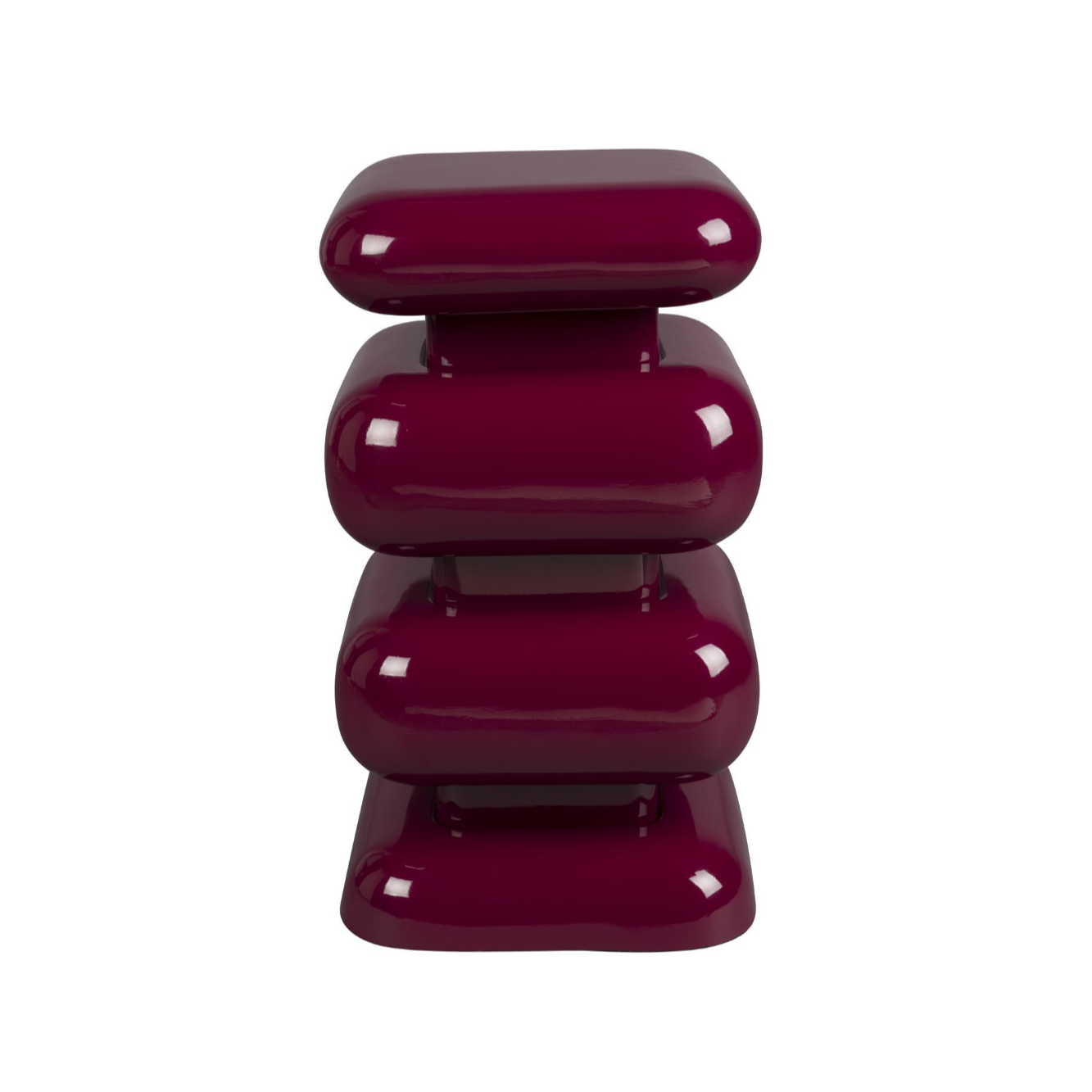
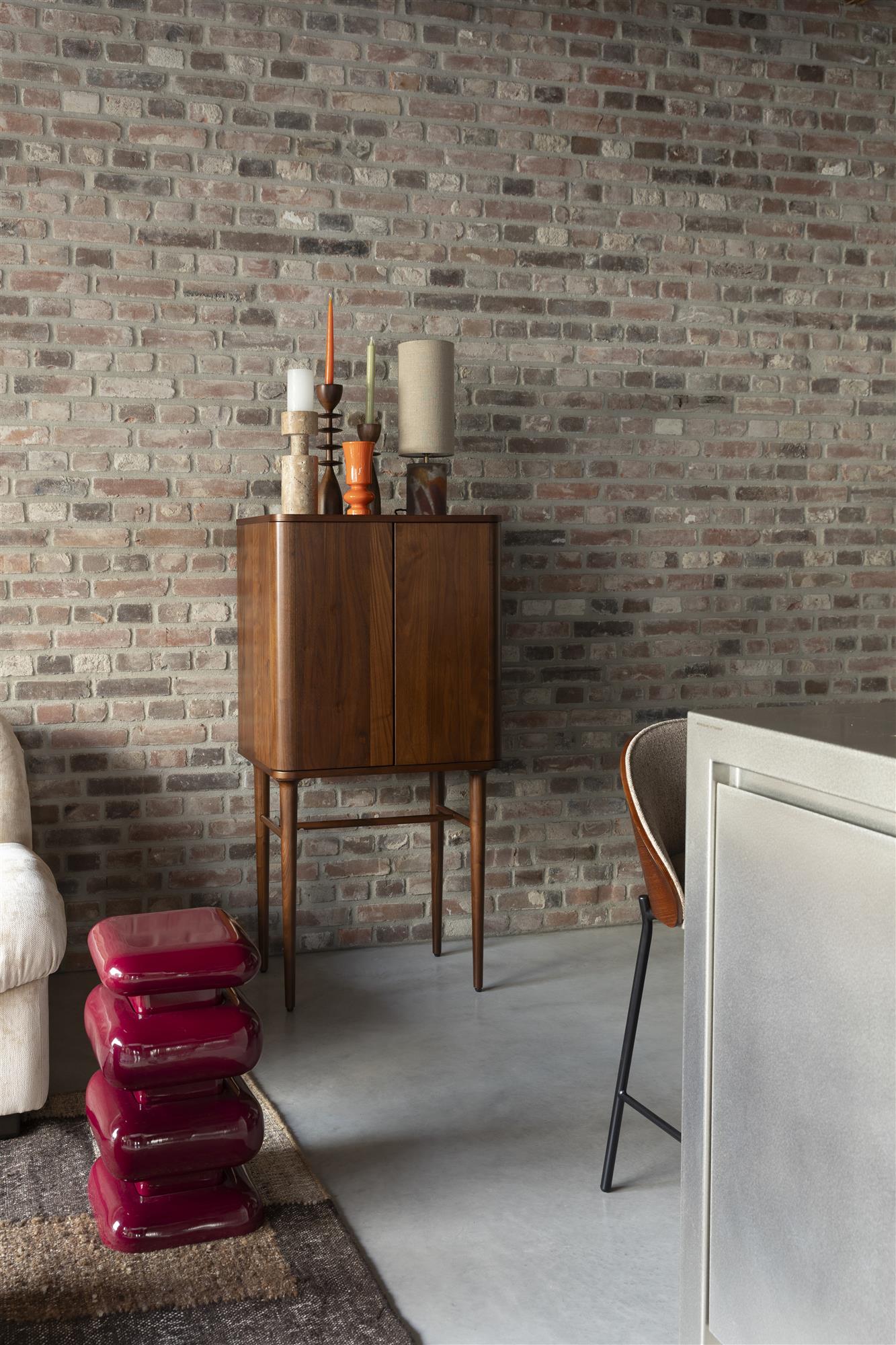
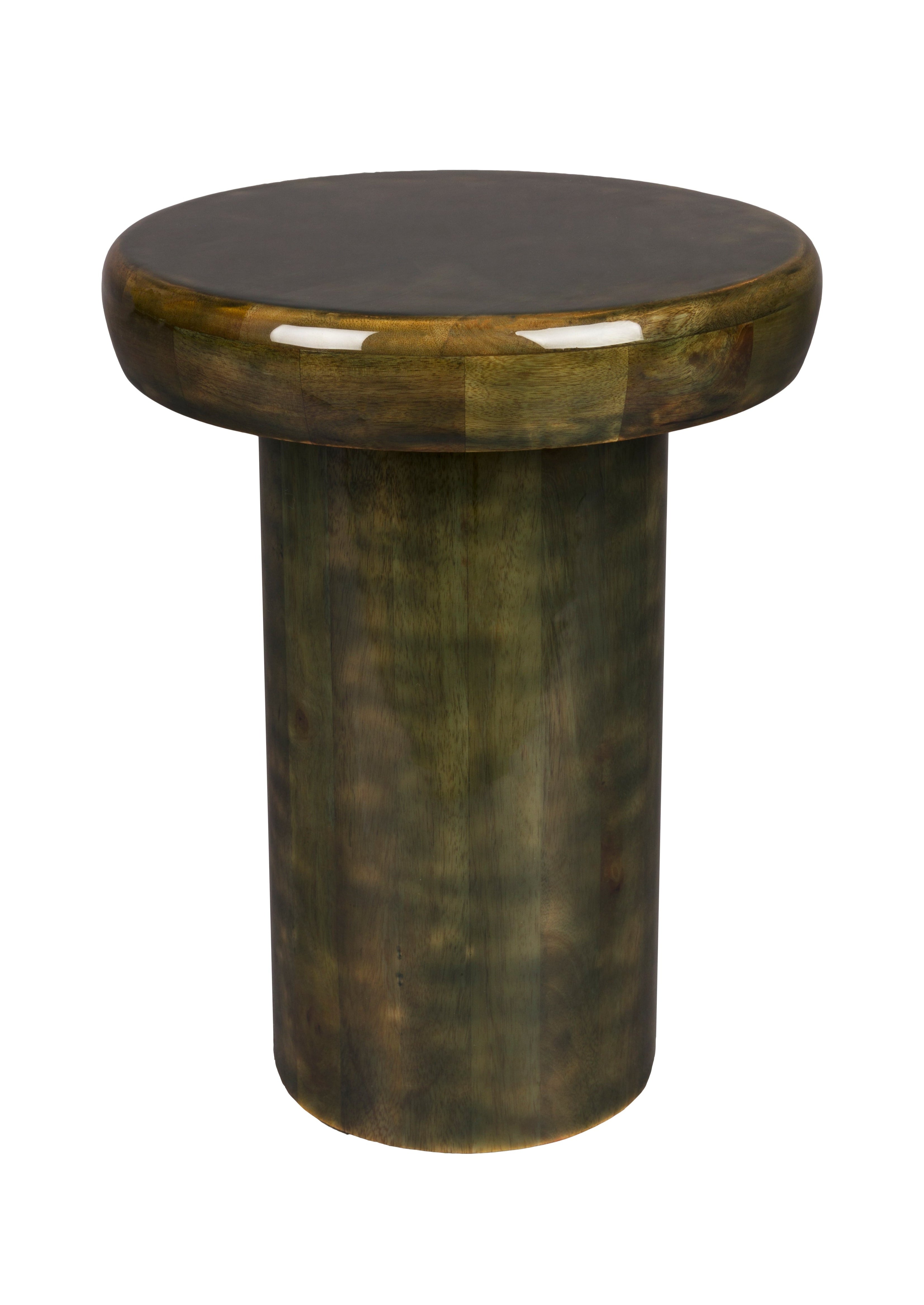
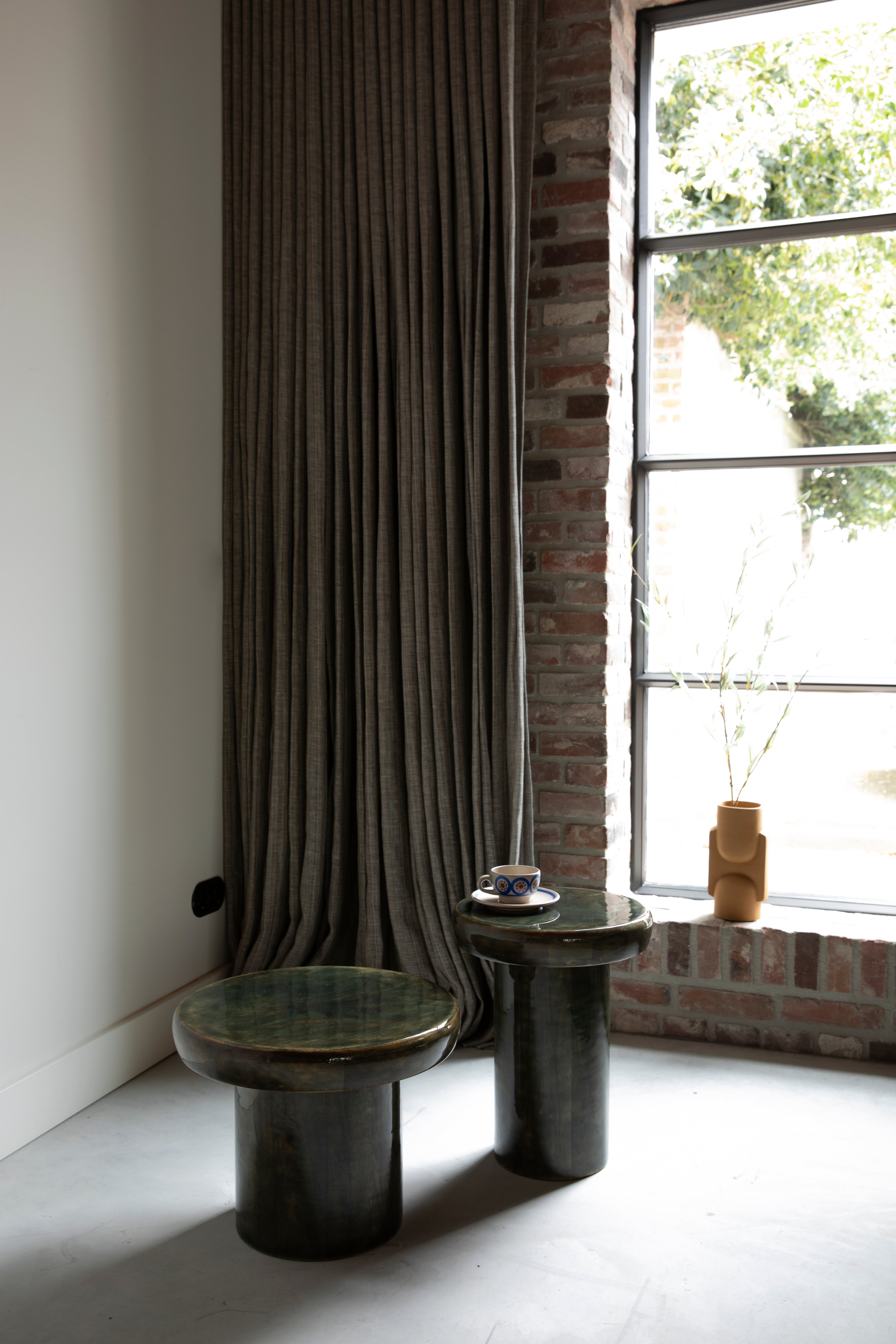
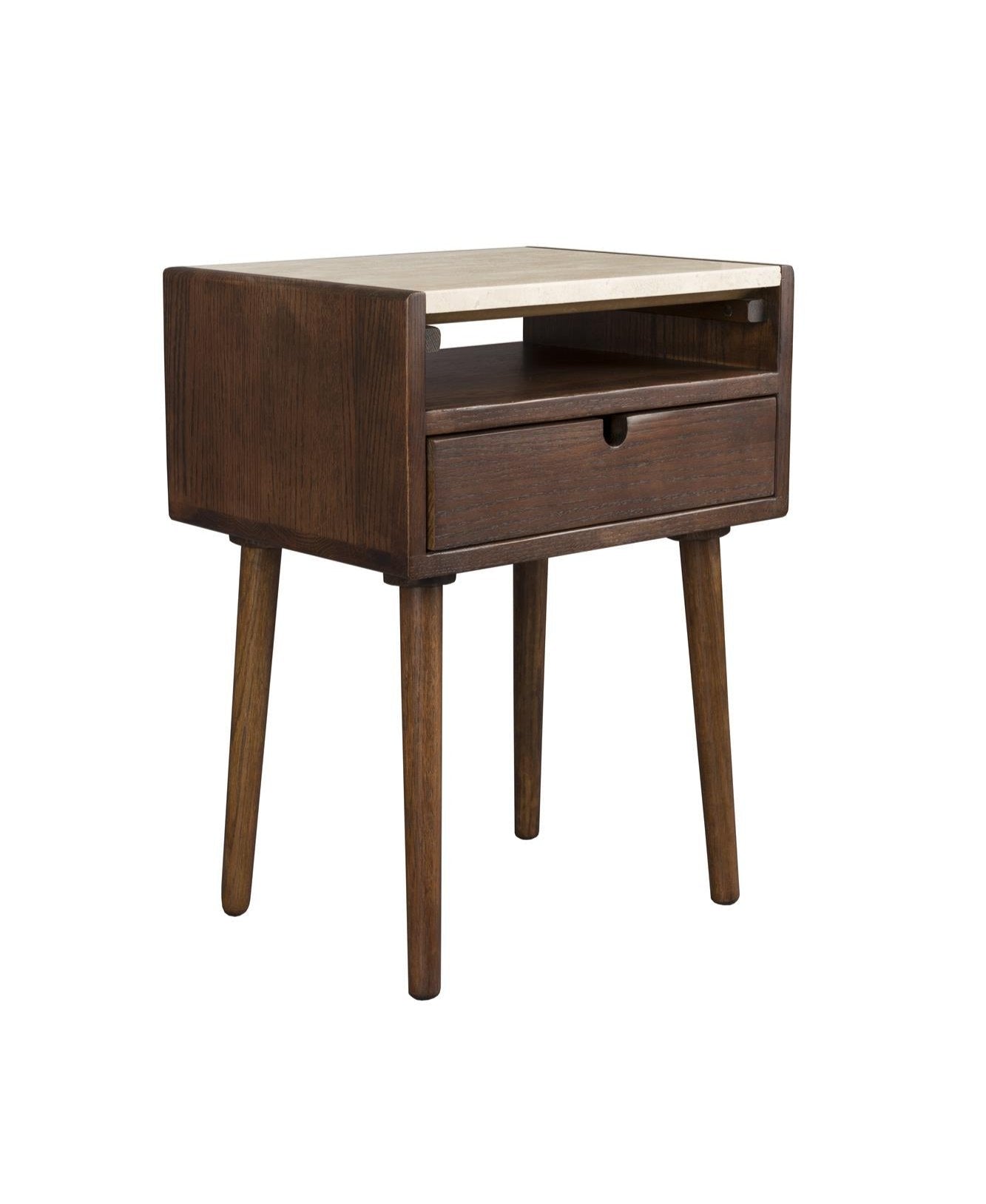
A side table is unique in one way: it is mobile. Its lightweight design, often featuring wheels or a handle, allows you to move it wherever it’s needed – next to an armchair, beside the bed, or near the sofa during gatherings.
When It Works Best
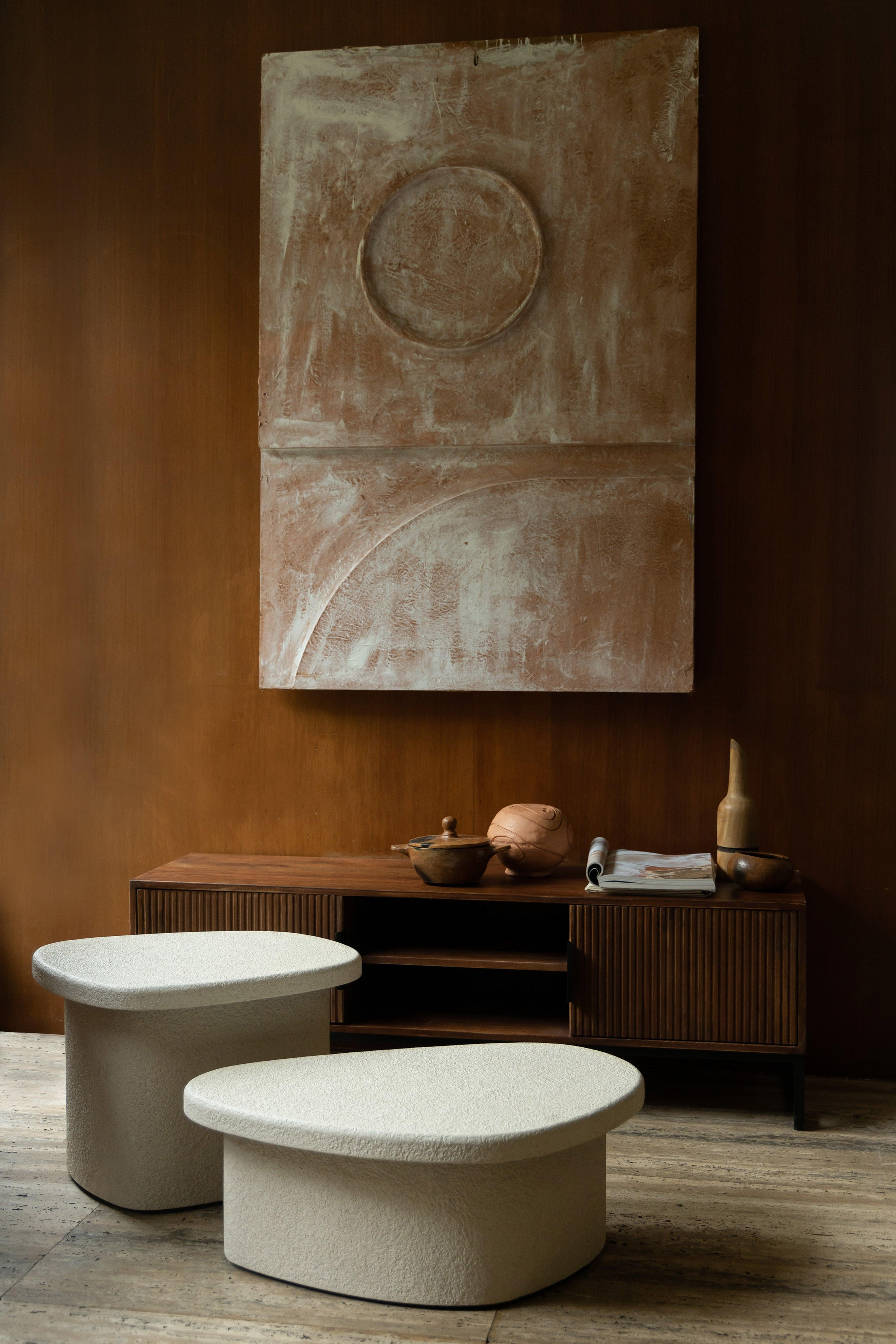
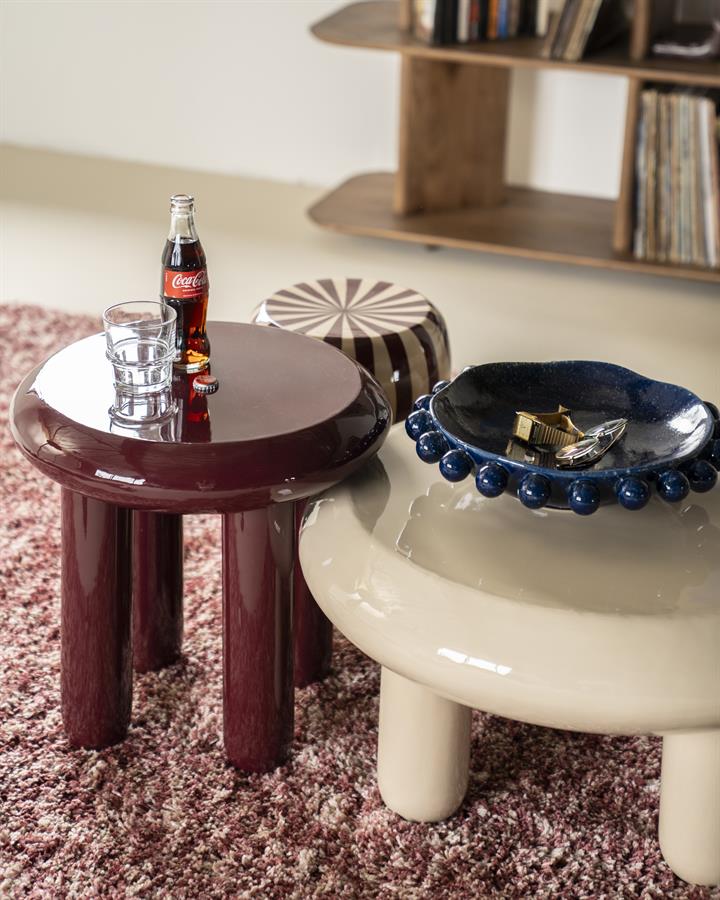
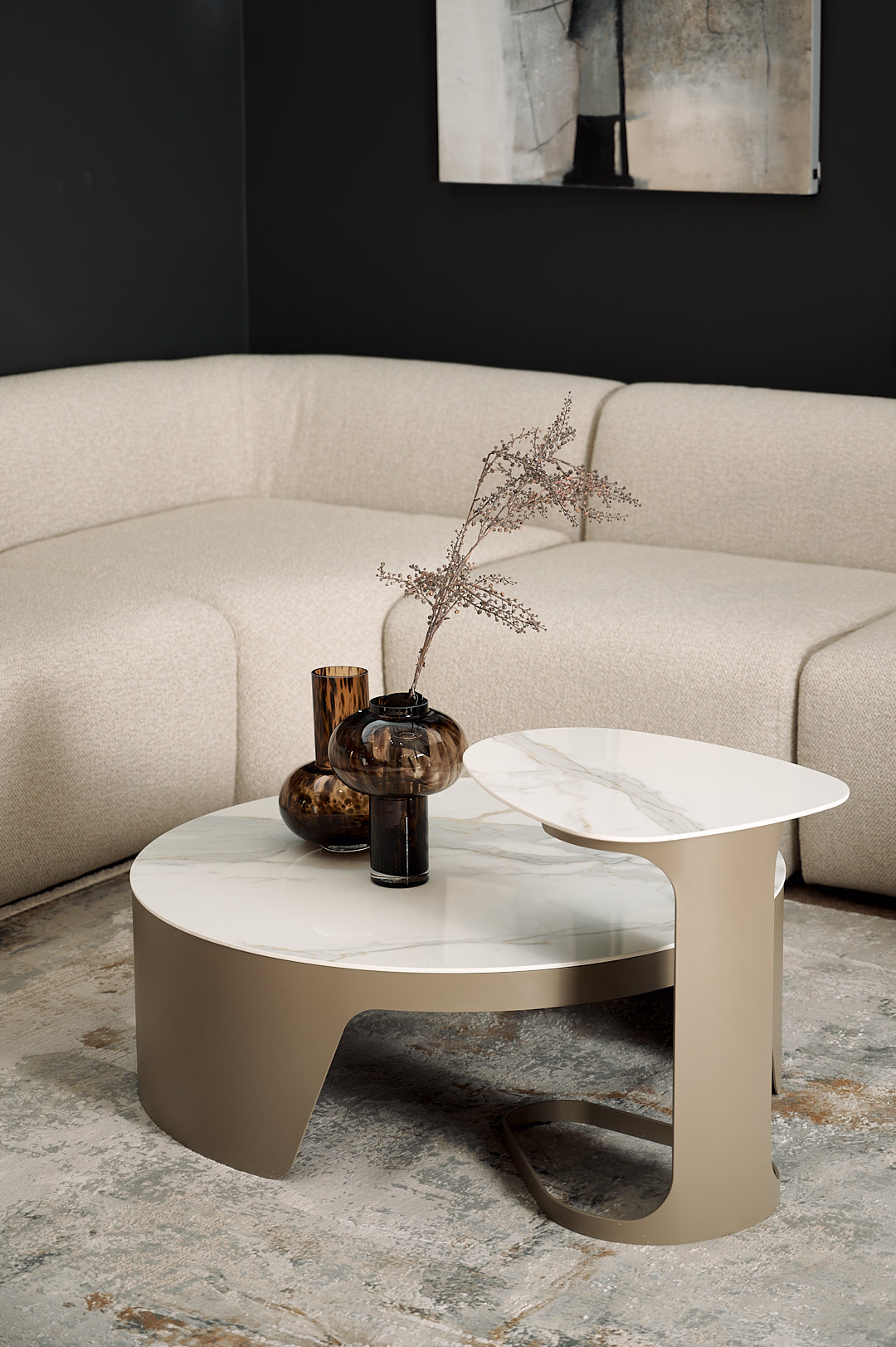
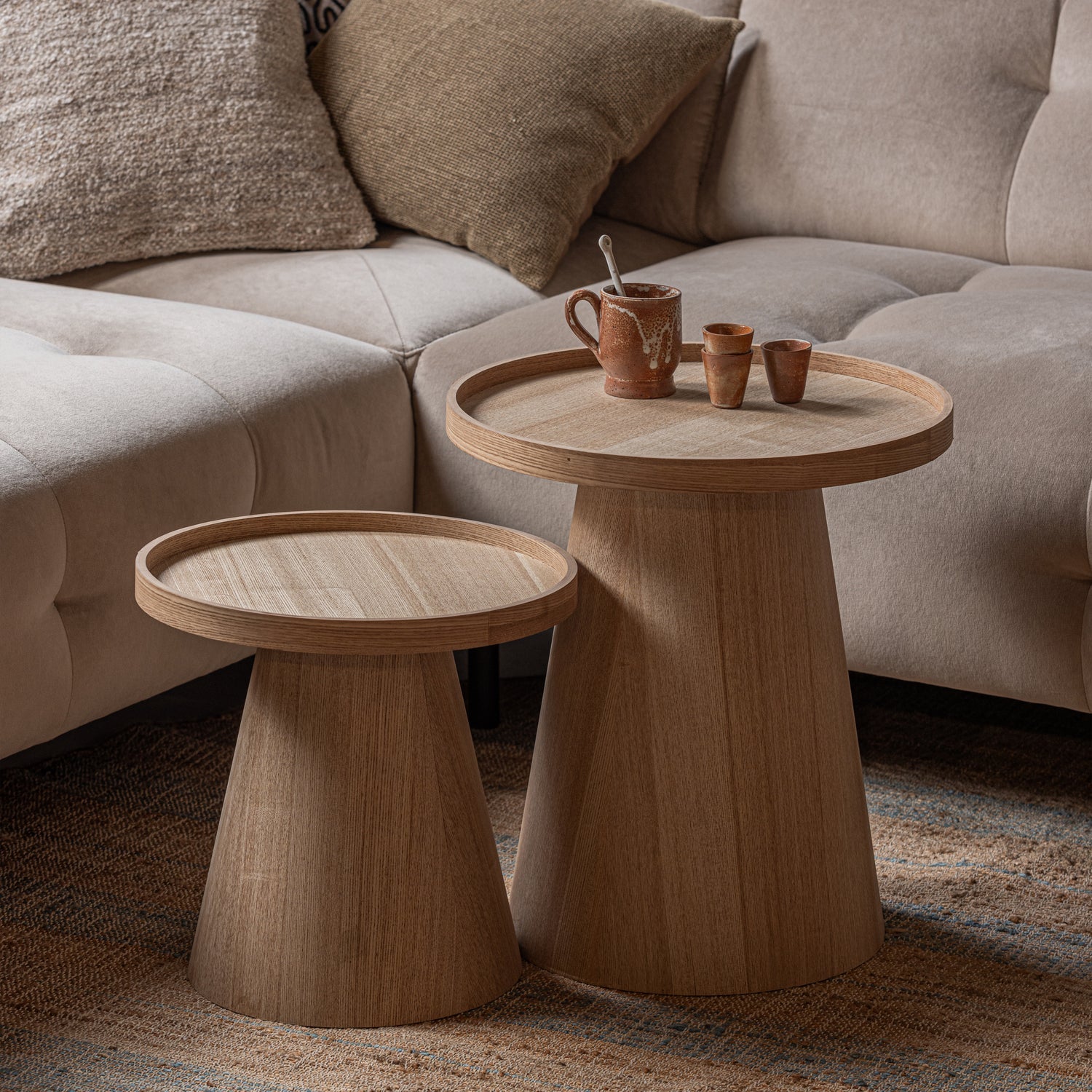
In a small living room where there isn’t space for a large coffee table – two lightweight tables can be pulled apart for guests and pushed together for everyday use. They also serve as a complement when a side table is already on the other side of the sofa.
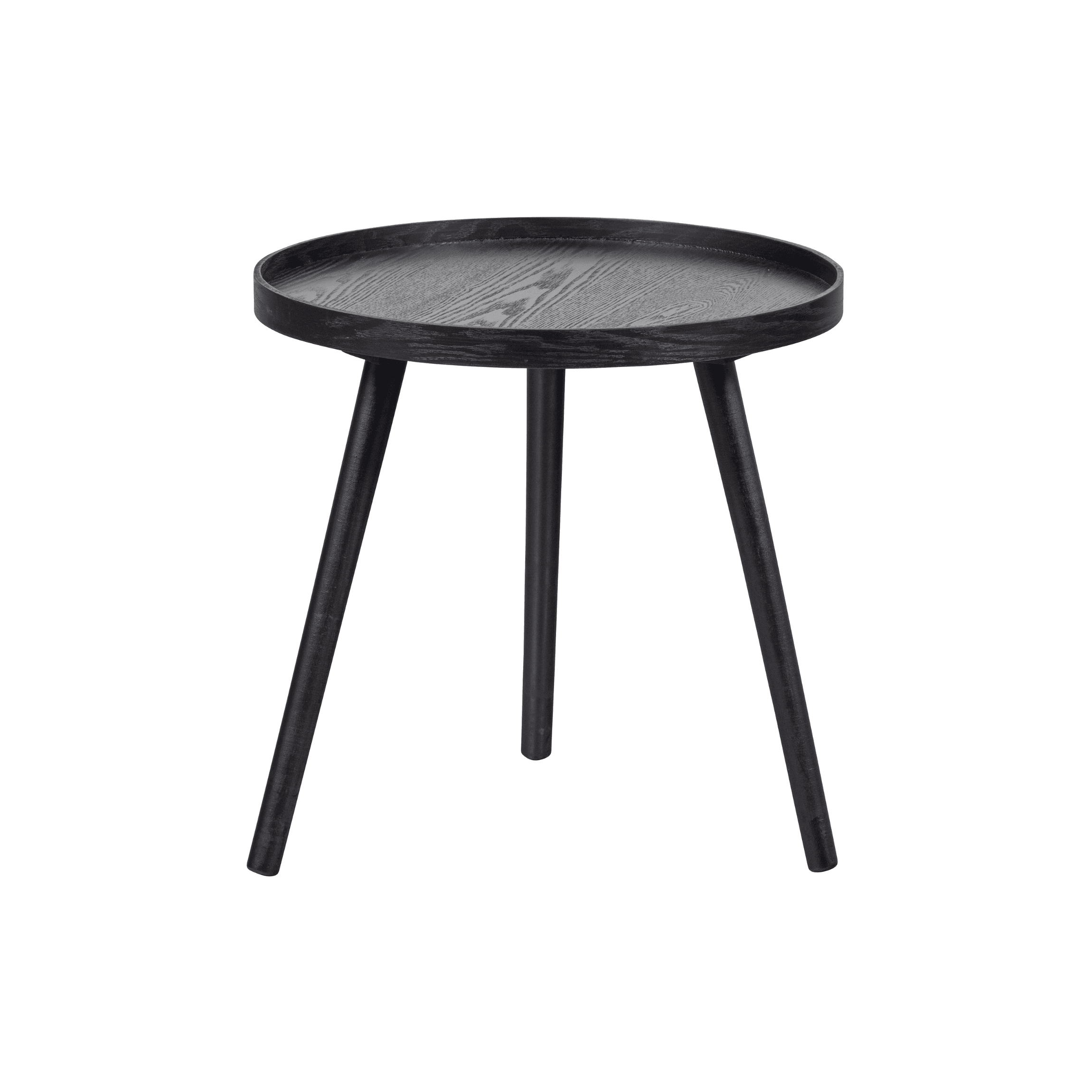
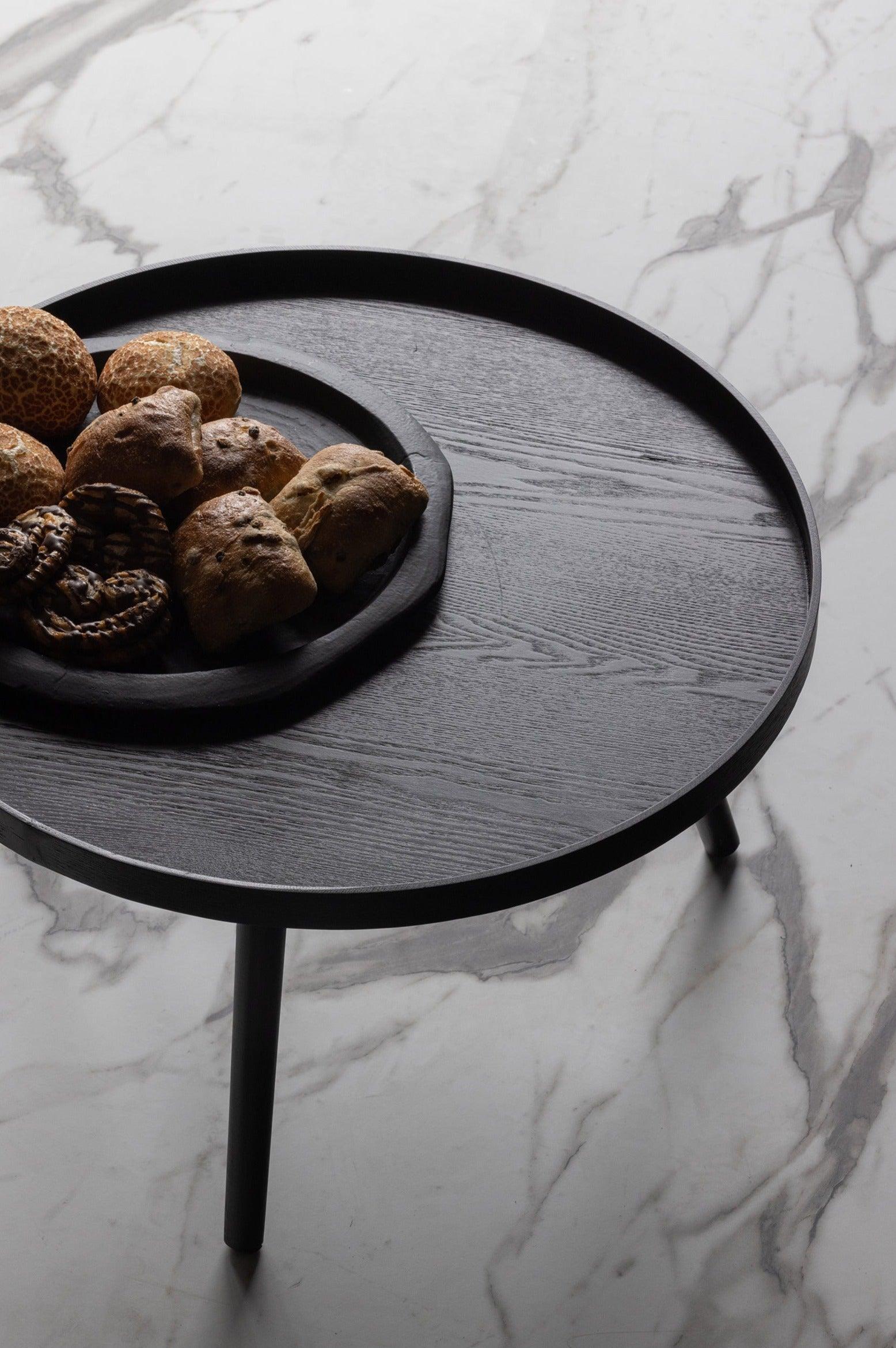
They often act as a rolling tray – with a top that can be removed and taken to the kitchen.
Height and Stability
The tabletop should be at seat height of the armchair or a few centimeters higher – typically 50–60 cm. For models with wheels, check if they have a lock; without it, the table will roll away with any pressure on the surface.
A lightweight table is easier to move, but a heavier one will be more stable when you place a lamp on it.
In Other Rooms
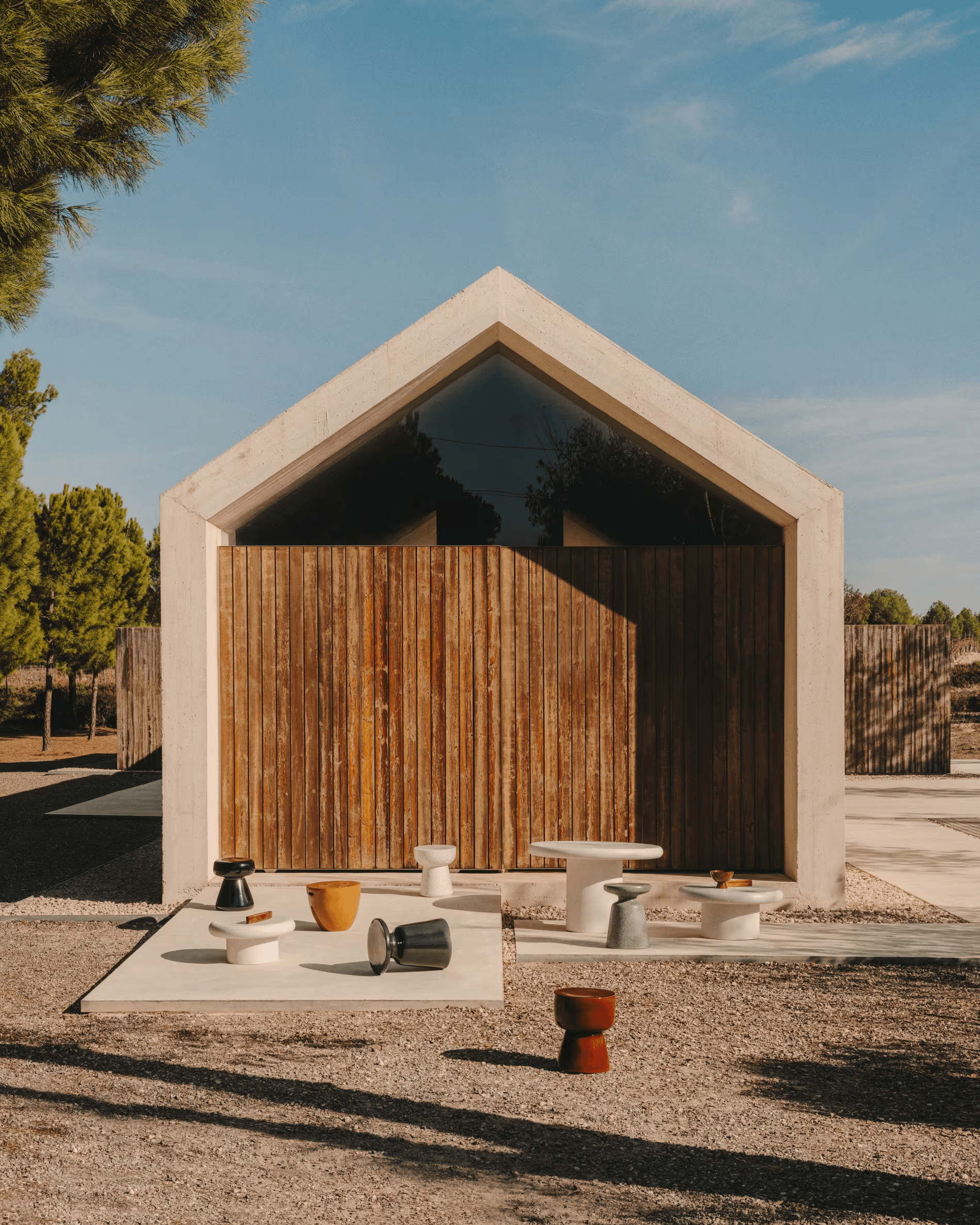
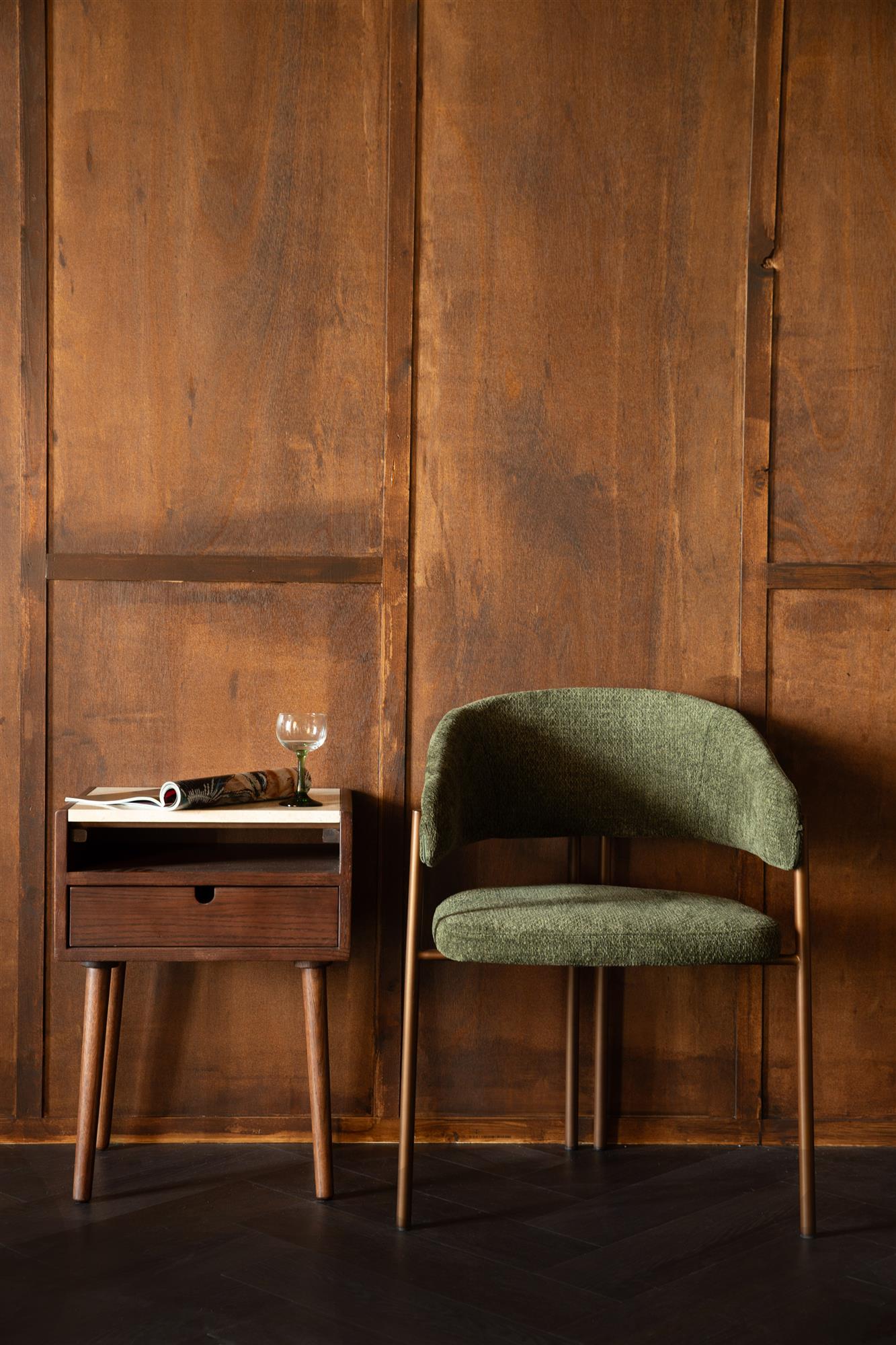
In the bedroom, a side table can replace a nightstand – providing a lighter effect, though without storage. In the office, it works well next to a reading chair, and on the terrace – as a mobile surface next to a lounge chair.
What to Pair It With
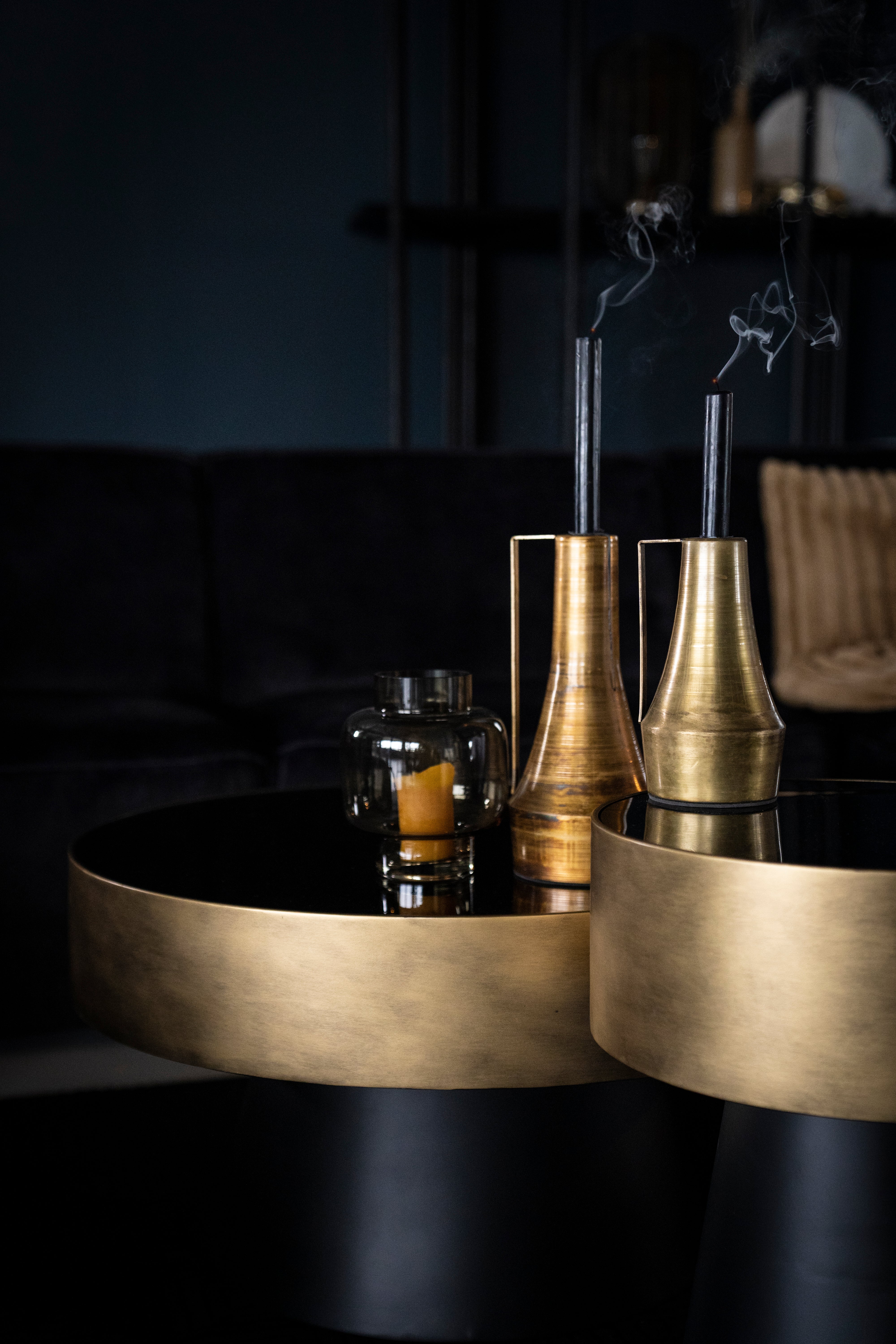
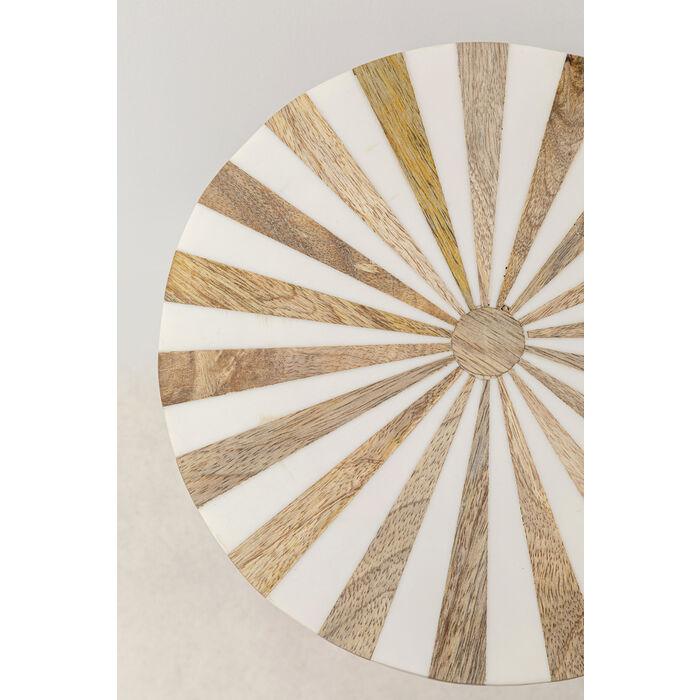
On the tabletop, it’s great to place a table lamp, a vase, or a tray to organize small items. You can find a full selection of tabletops in the table selection guide.
Frequently Asked Questions
What is the height of a side table?
Typically 50–60 cm – at the height of the armchair seat or a few centimeters higher.
Is a wheeled table stable?
Yes, as long as it has a lock on at least two wheels. Without it, it shifts when leaned on.
How does it differ from a side table?
A side table is lighter and designed for moving, while a side table usually stays in one place.
Free delivery on orders over 1000 PLN, showroom in Warsaw.