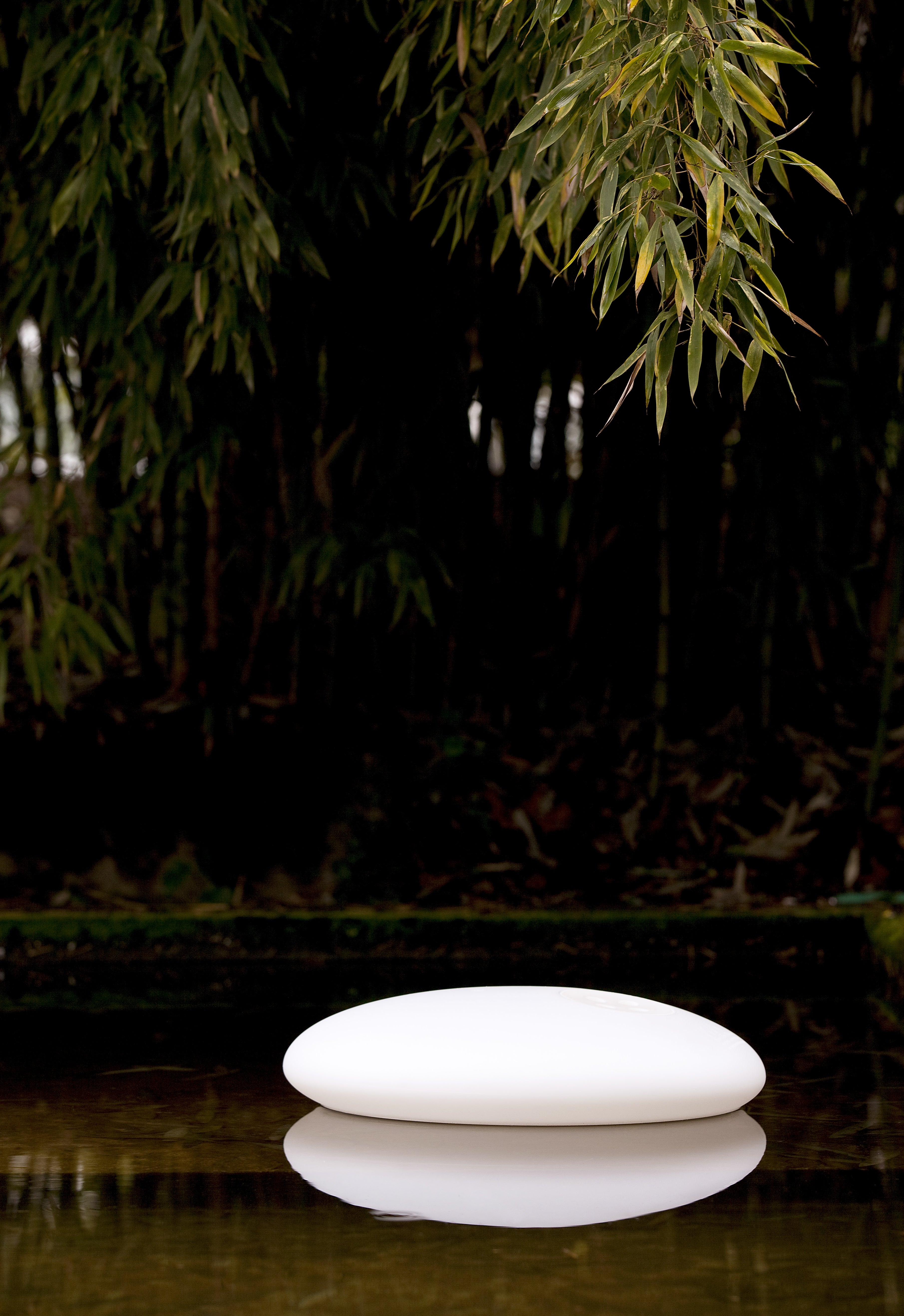
Outdoor Lamps for Gardens and Patios
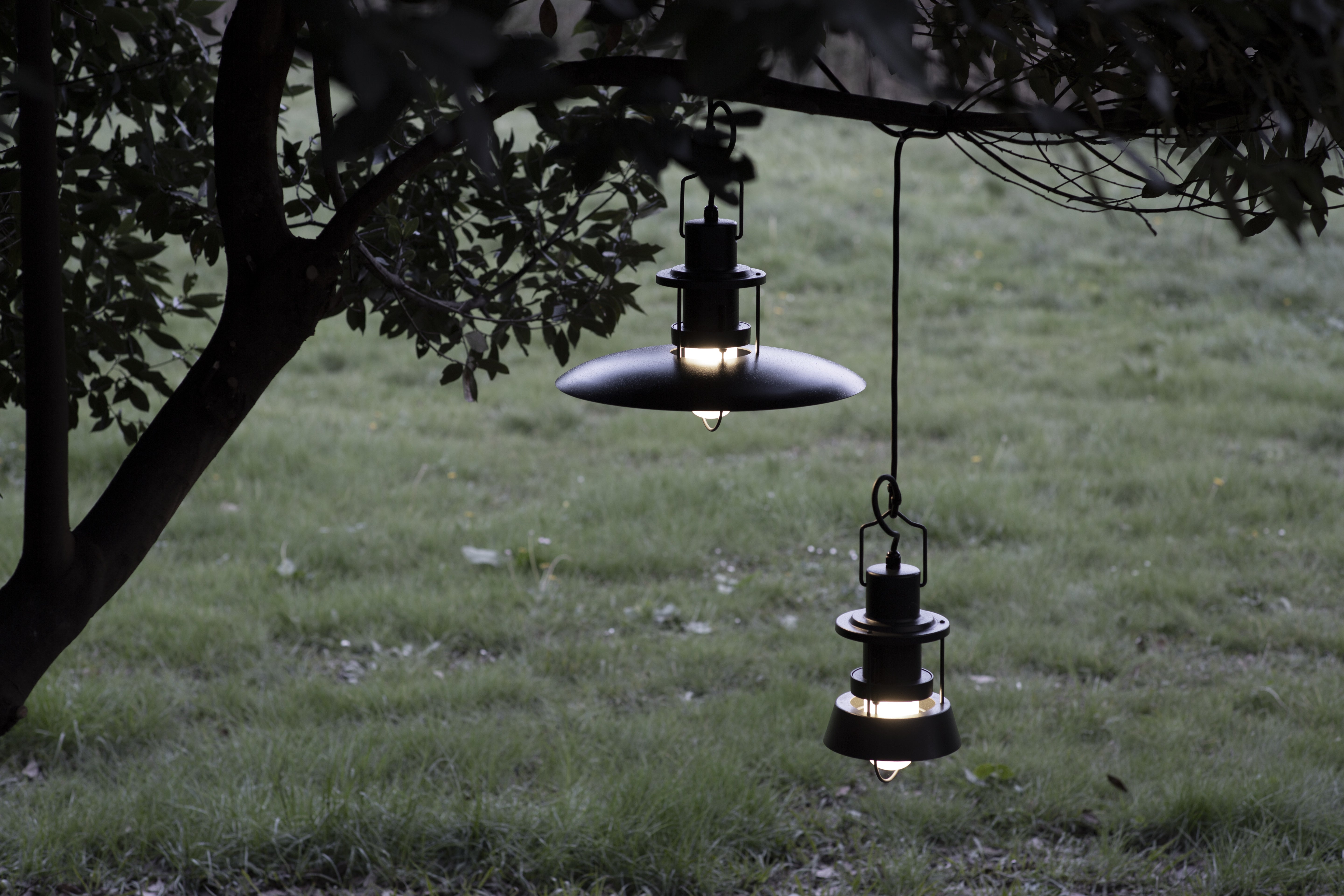
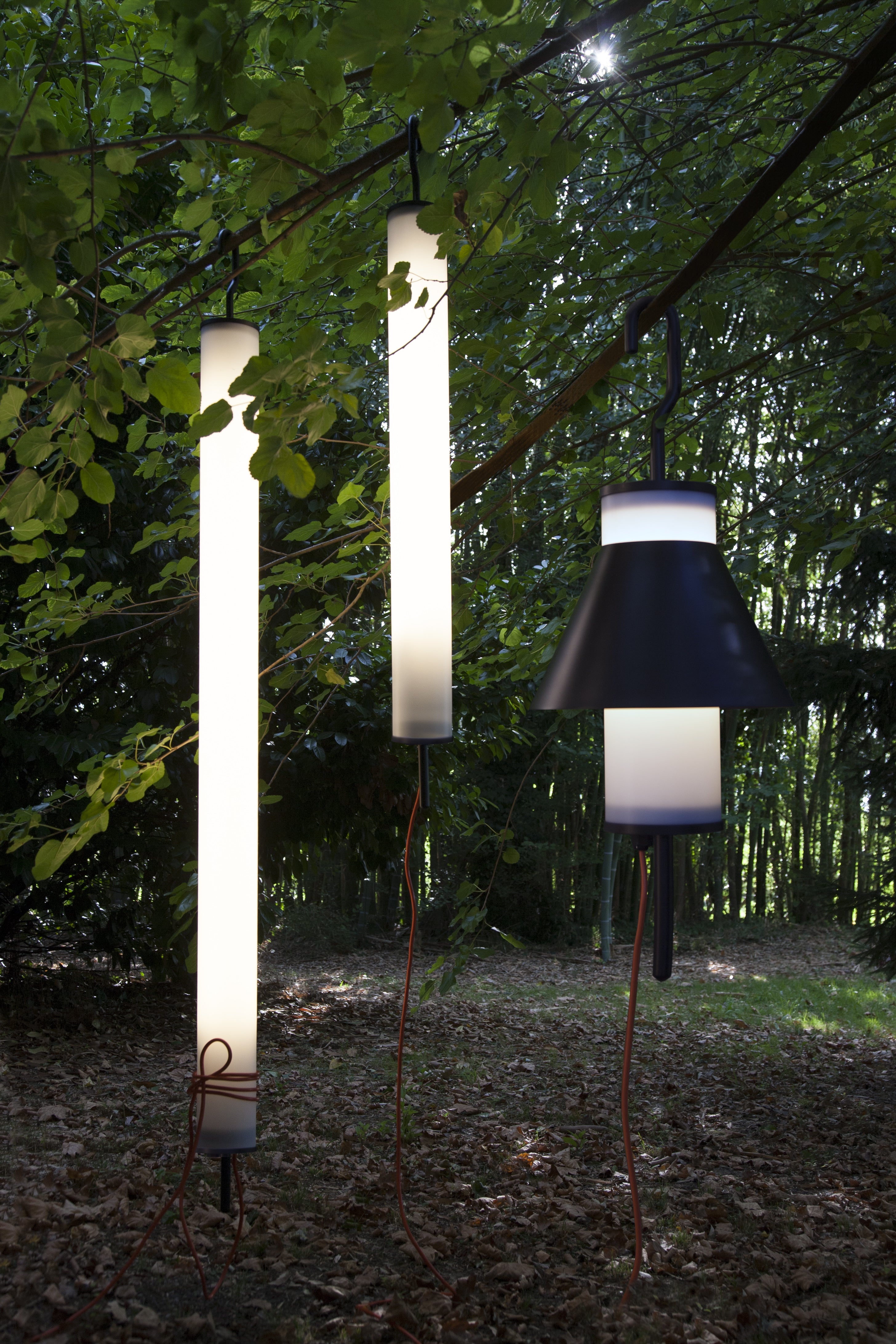
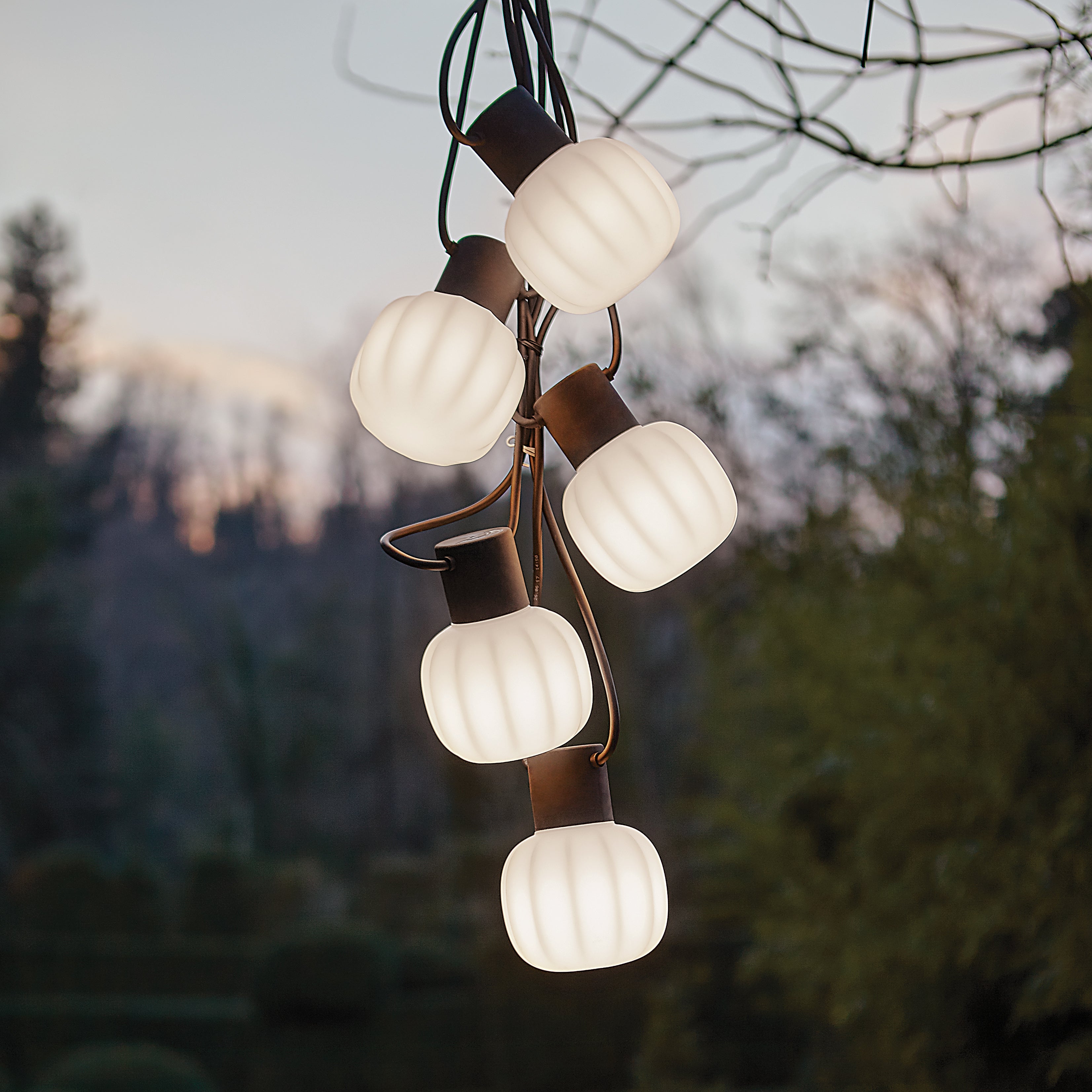
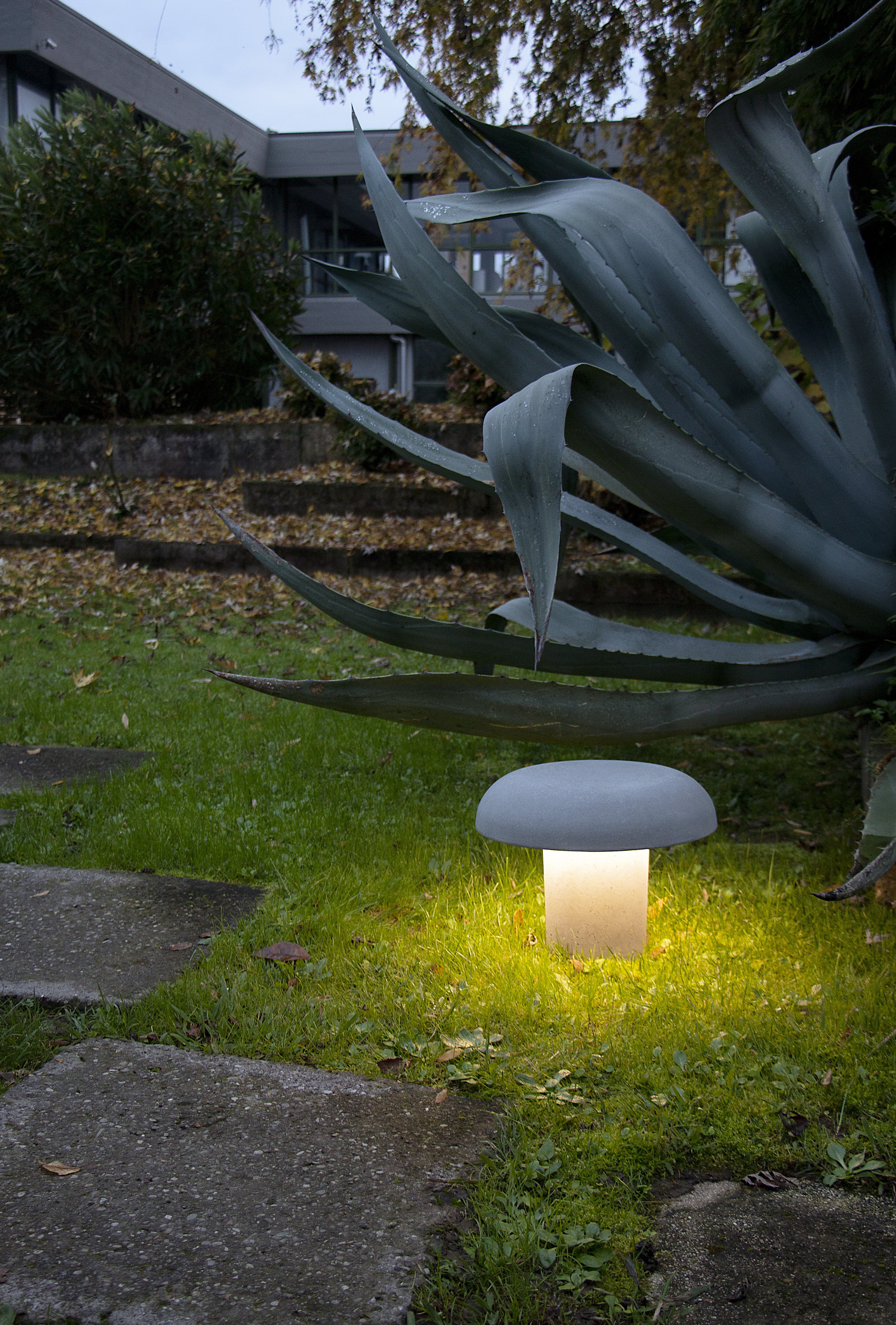
Outdoor lighting serves two purposes: safety and ambiance. When well-planned, it allows you to enjoy your patio long after sunset and makes your garden look more attractive in the evening than during the day.
IP Class – The Most Important Parameter
For outdoor lamps, the degree of protection IP is crucial. The second digit indicates water resistance: IP44 is sufficient under a roof, IP54 for an open patio, and IP65 where the lamp is directly exposed to rain and hose washing.
For lighting pathways and areas where water collects, choose a minimum of IP65.
Types of Outdoor Lighting
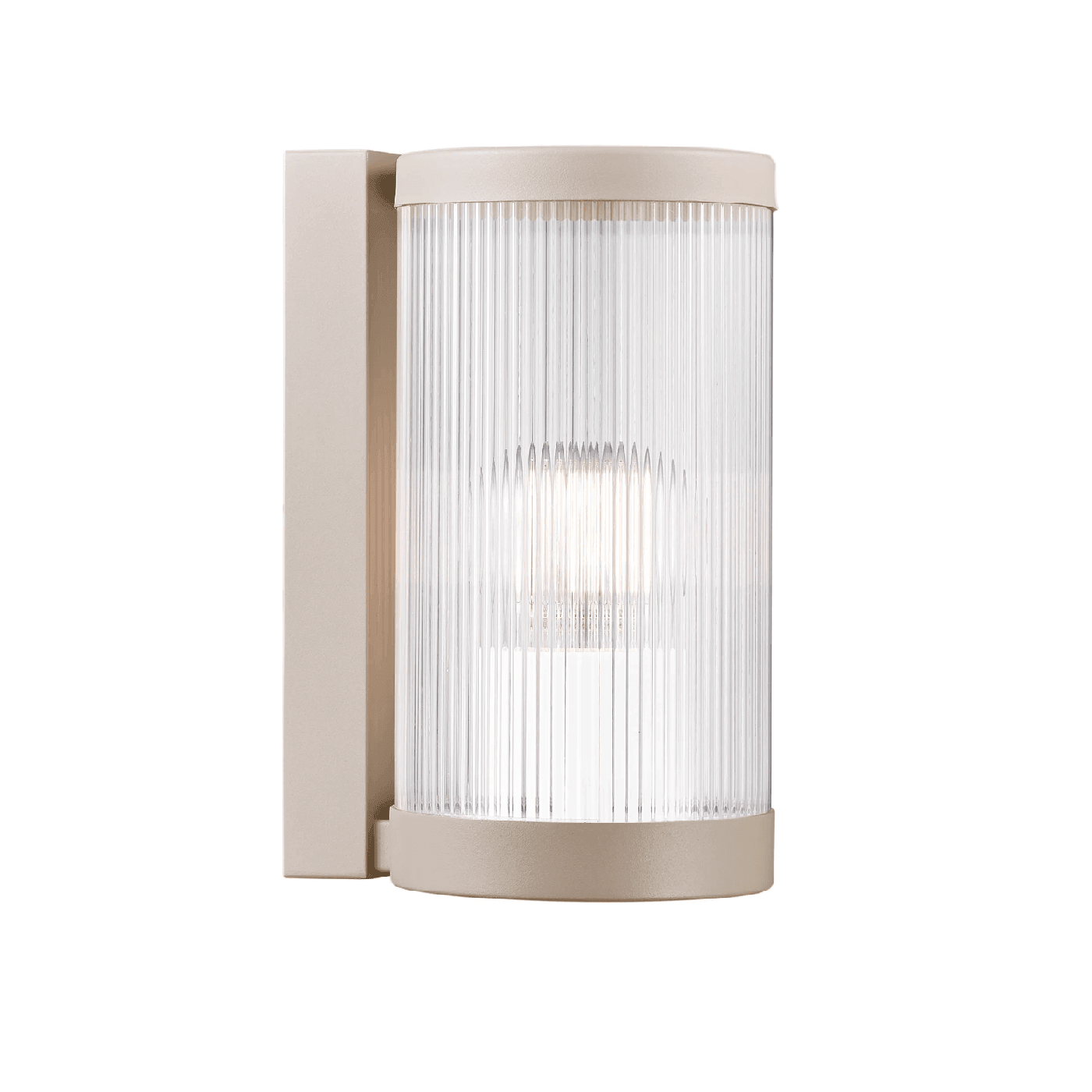
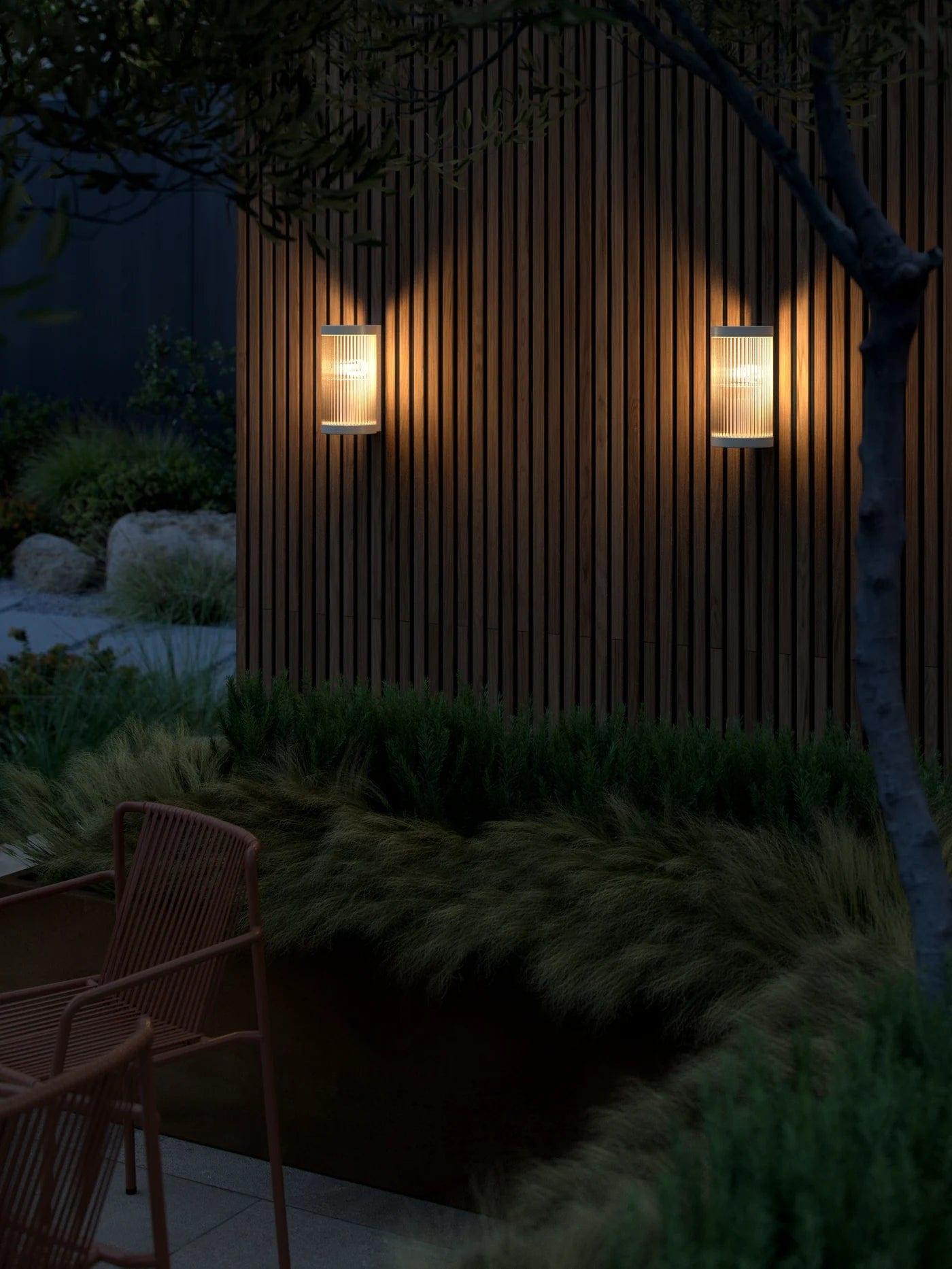
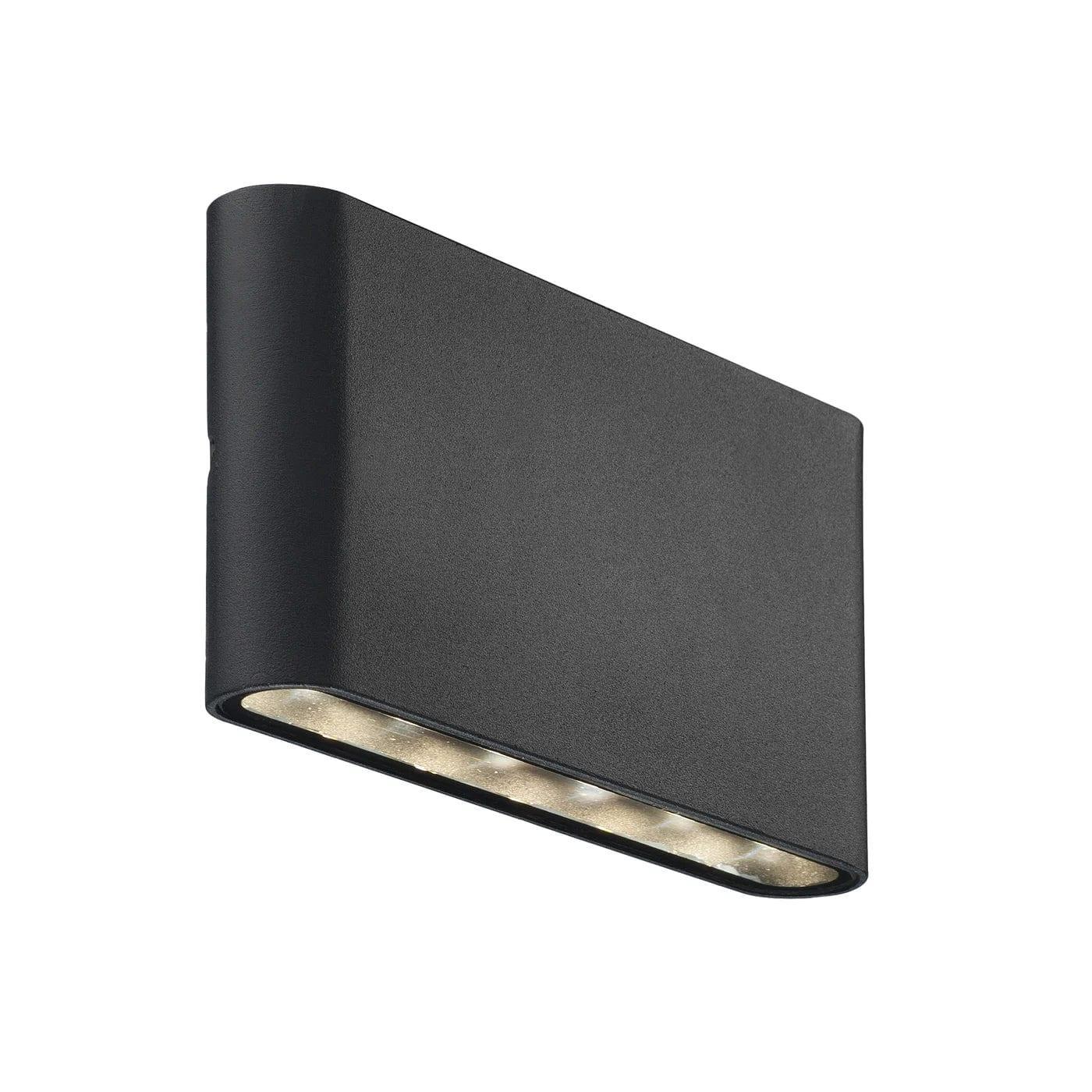
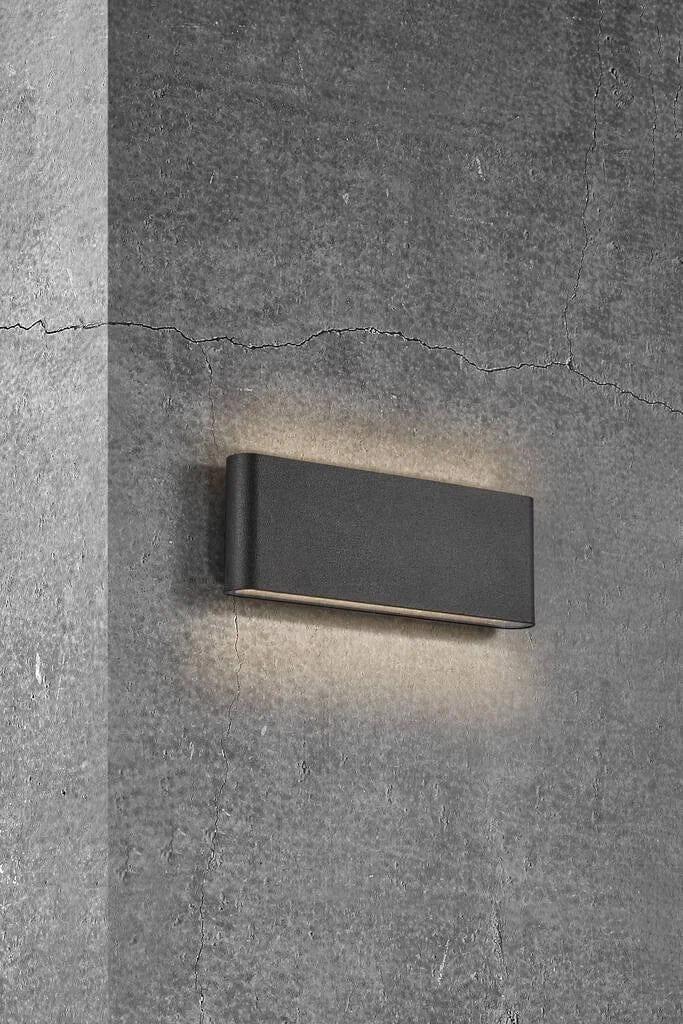
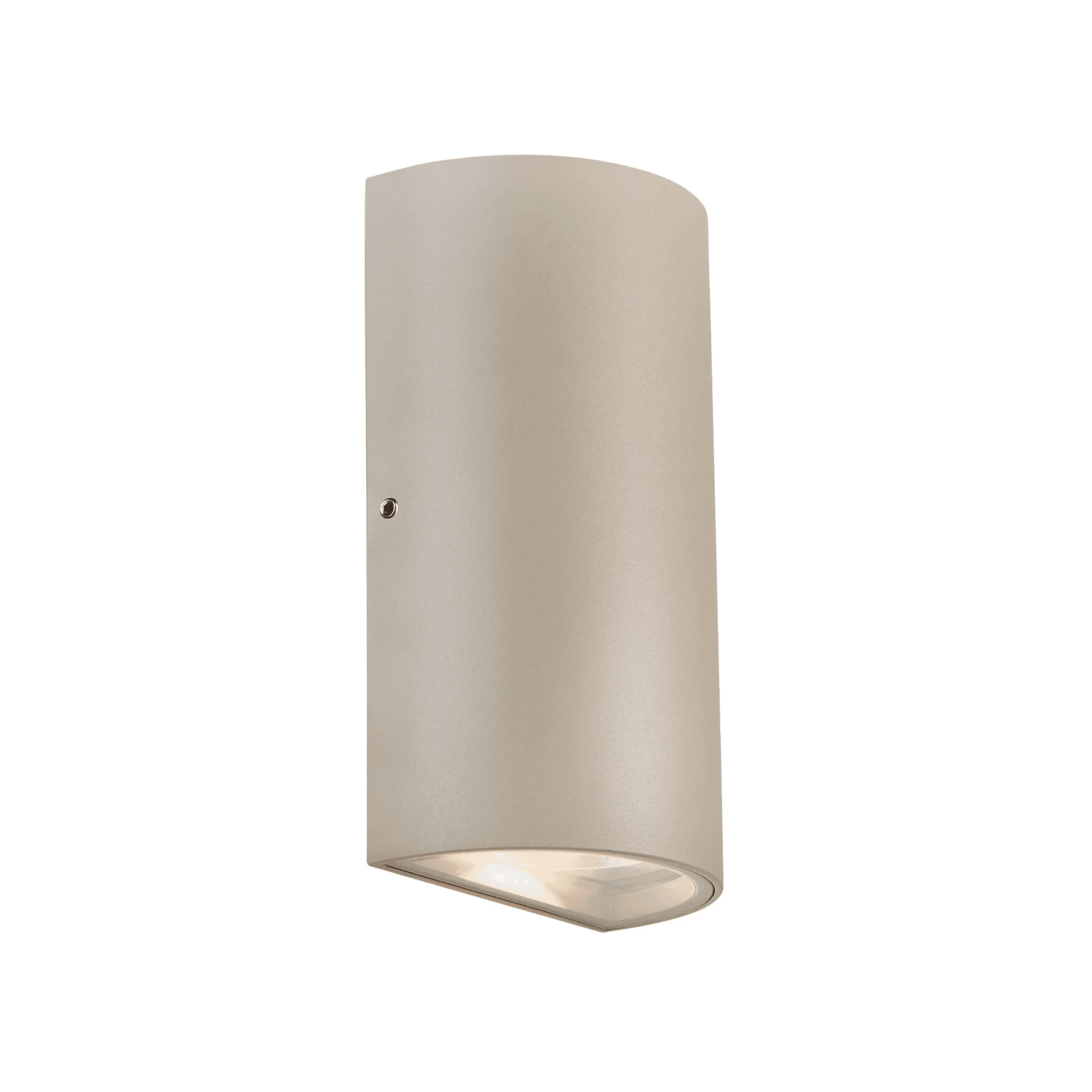
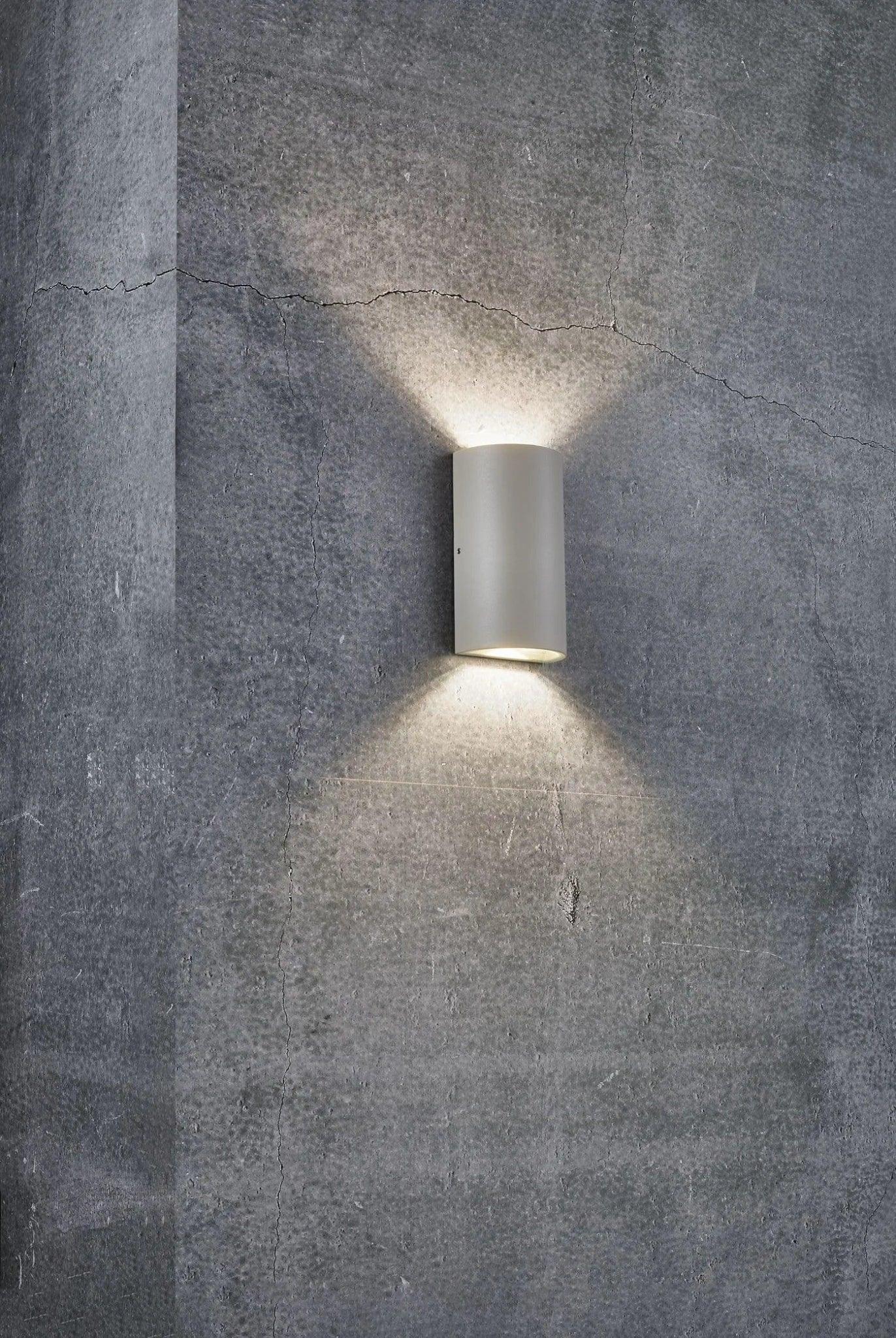
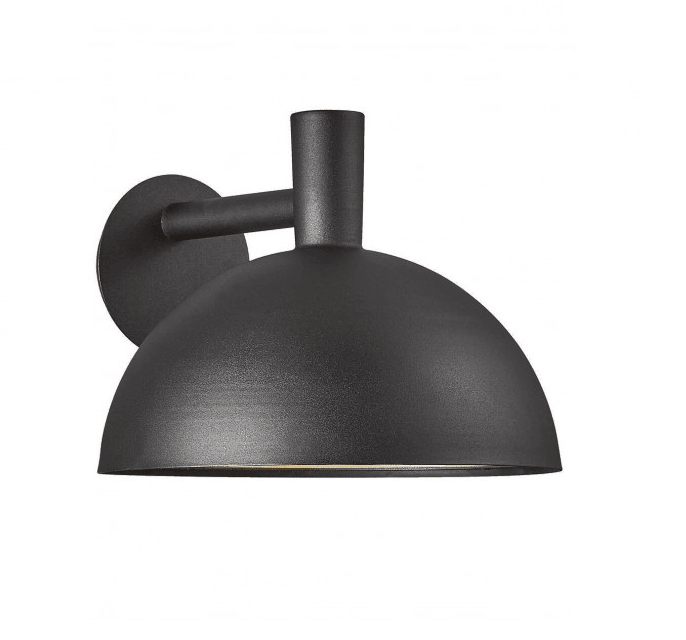
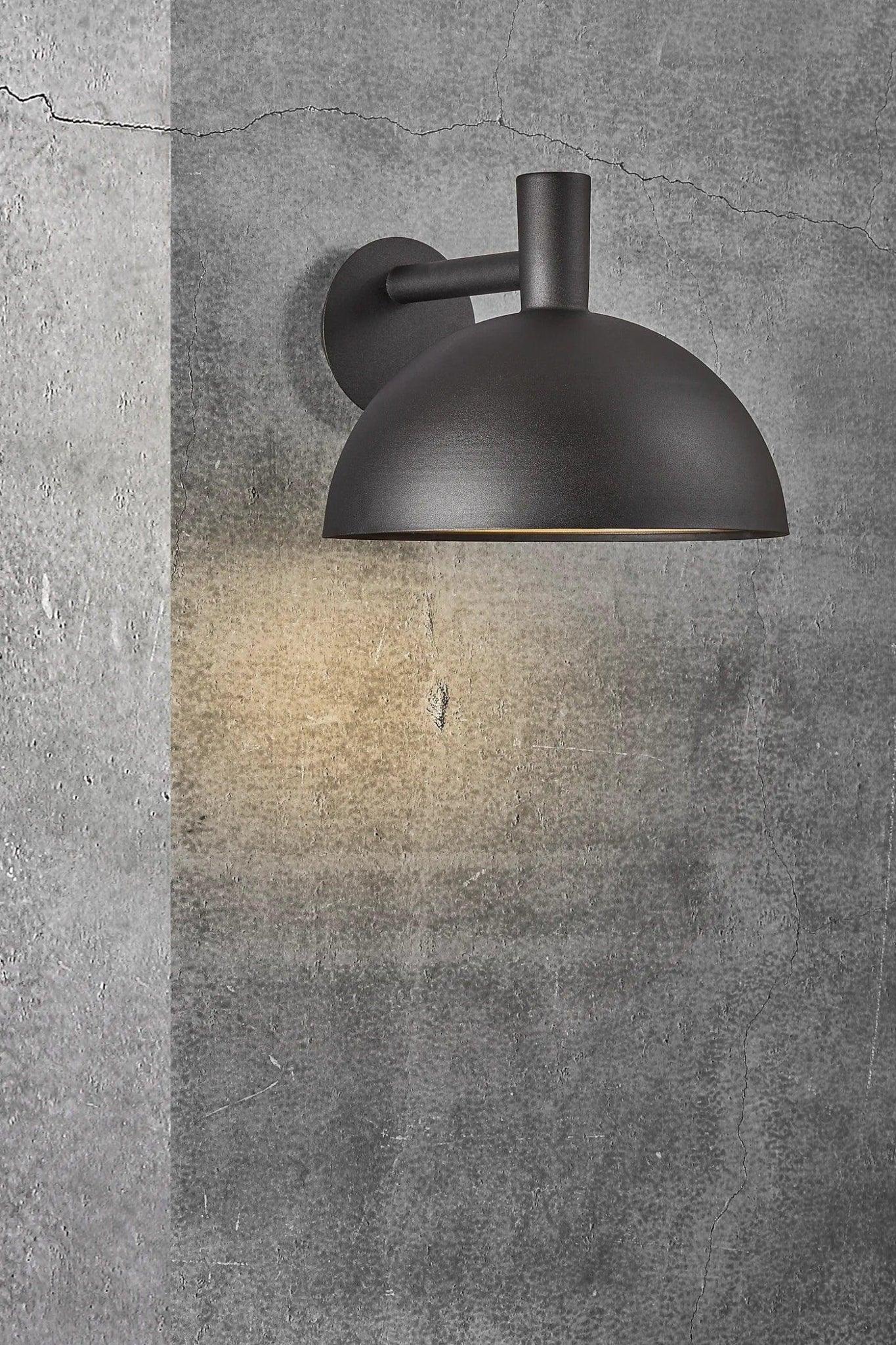
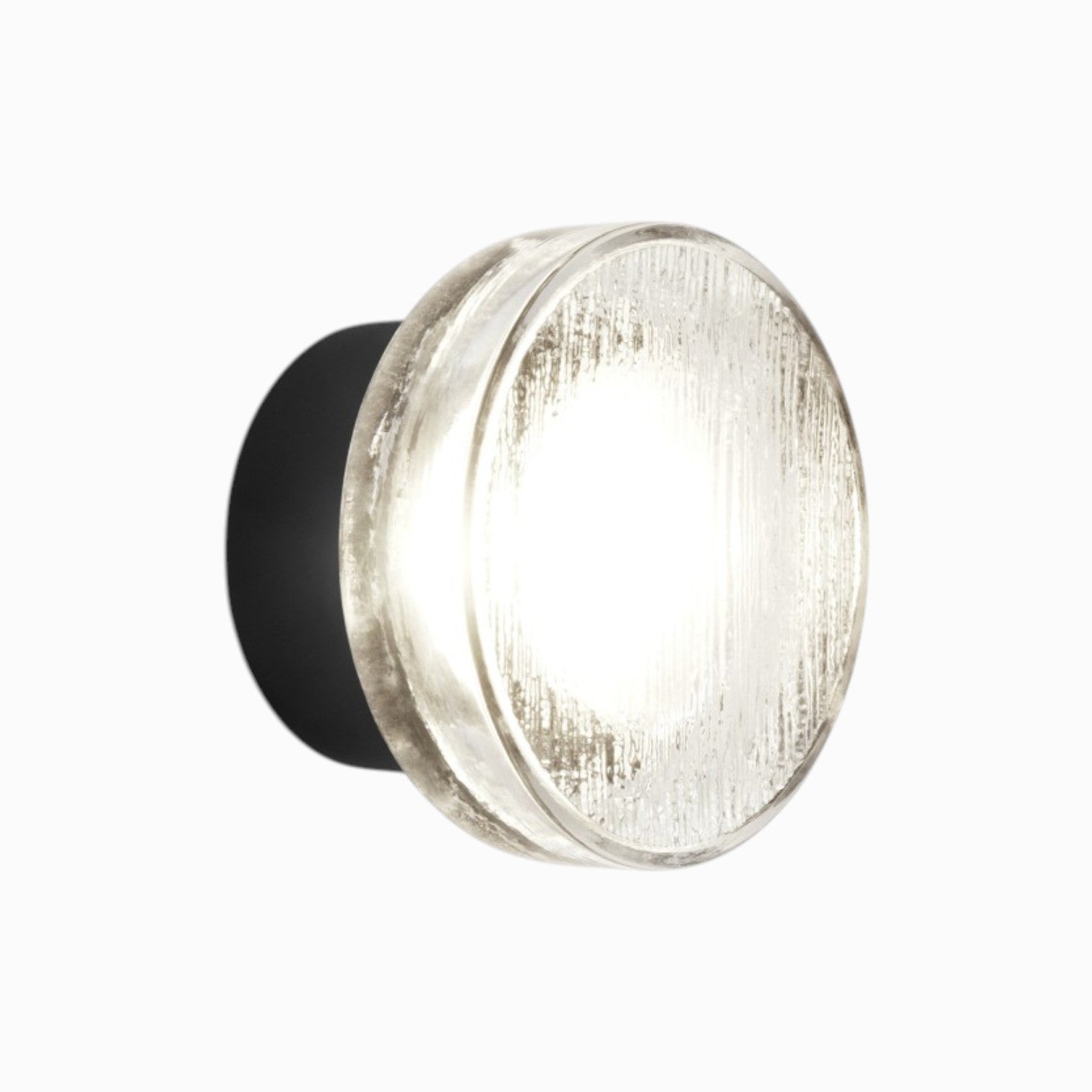
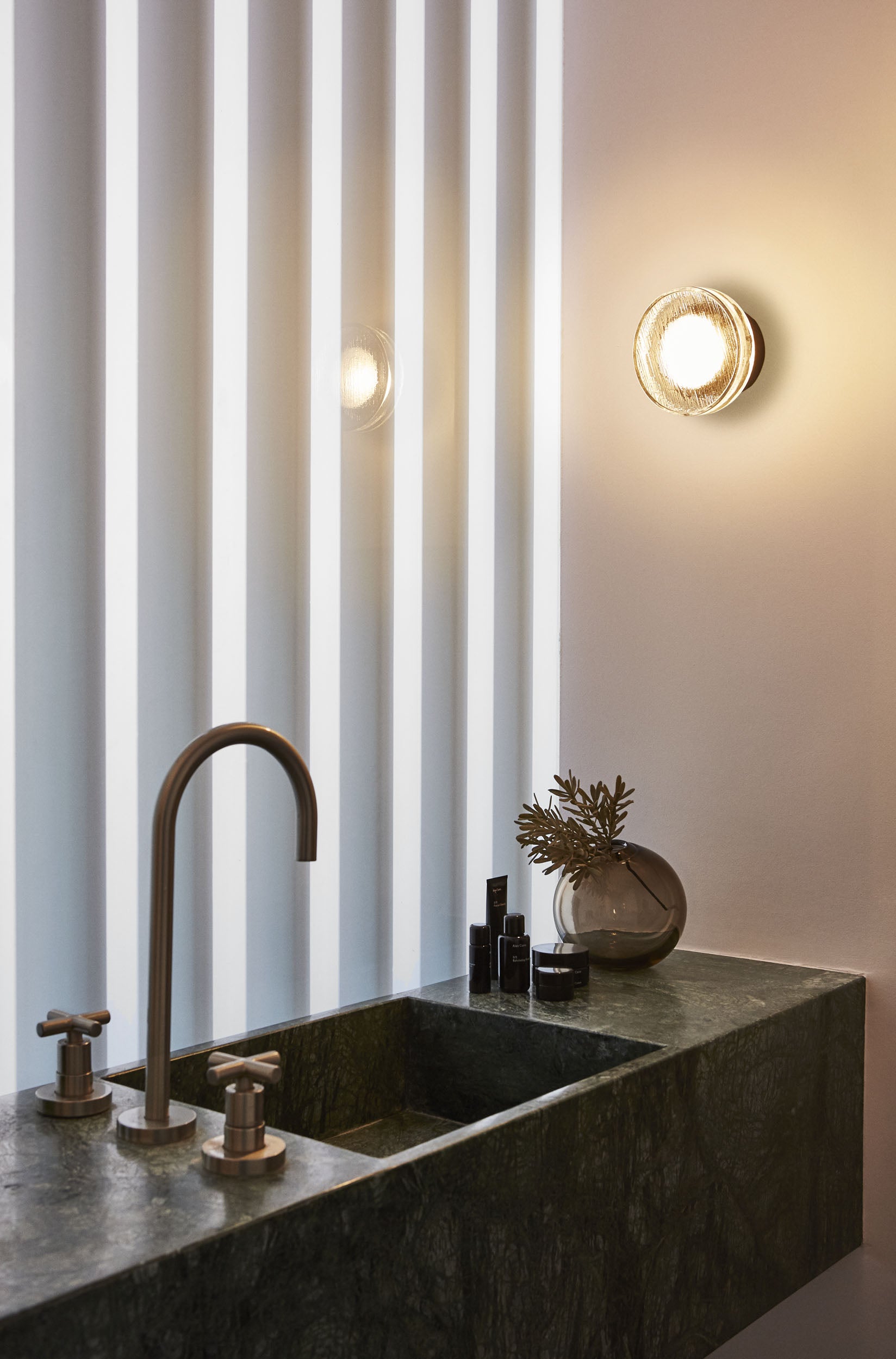
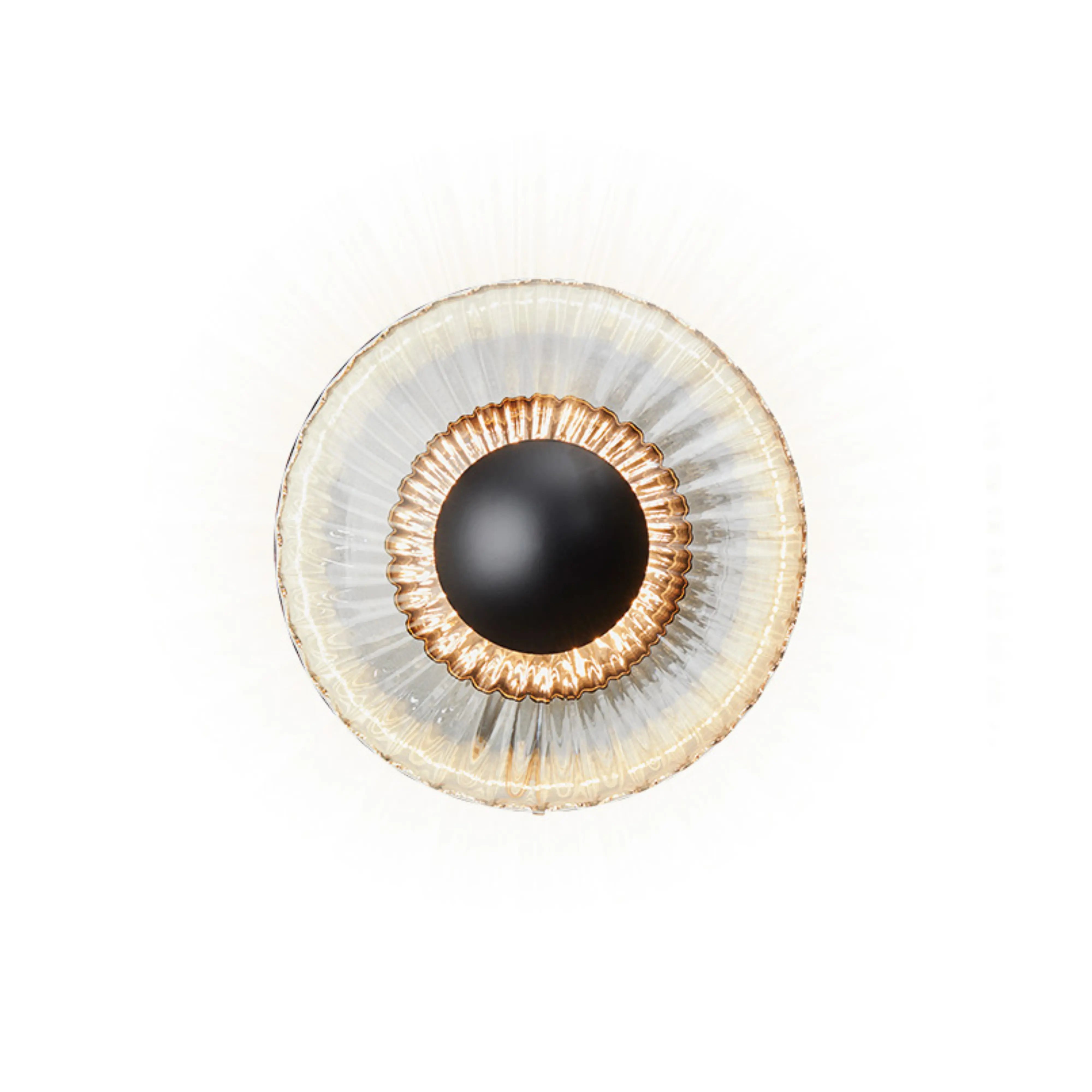
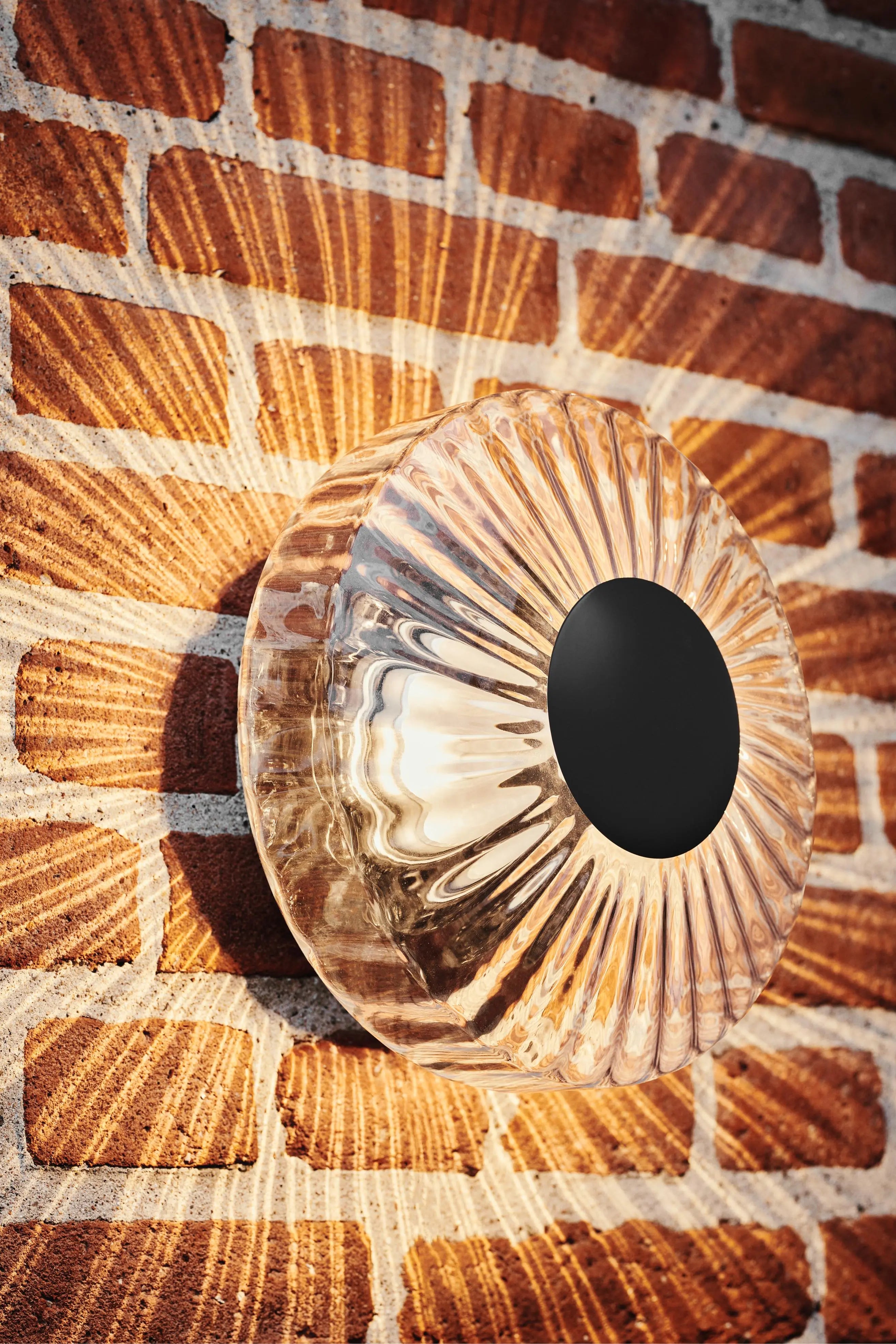
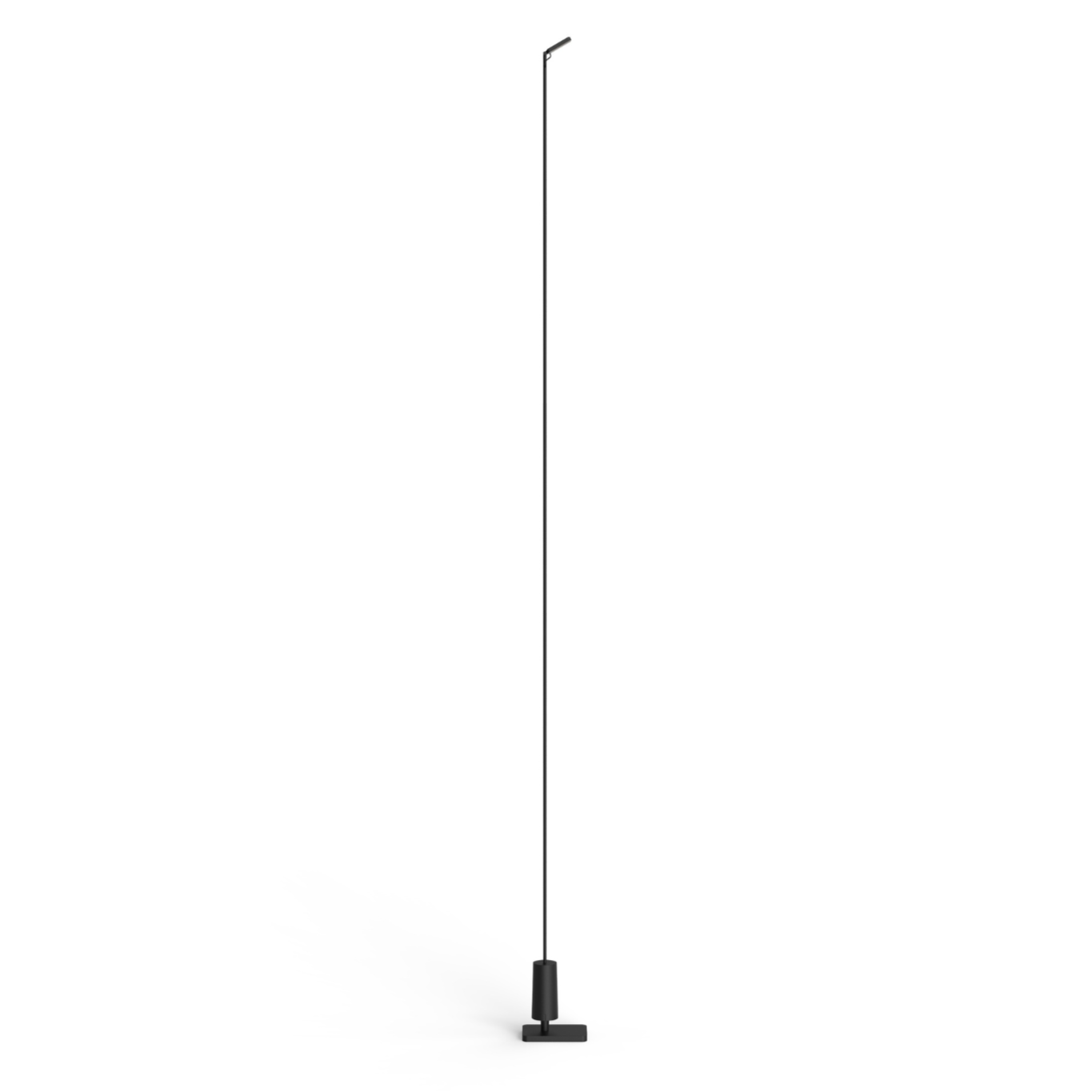
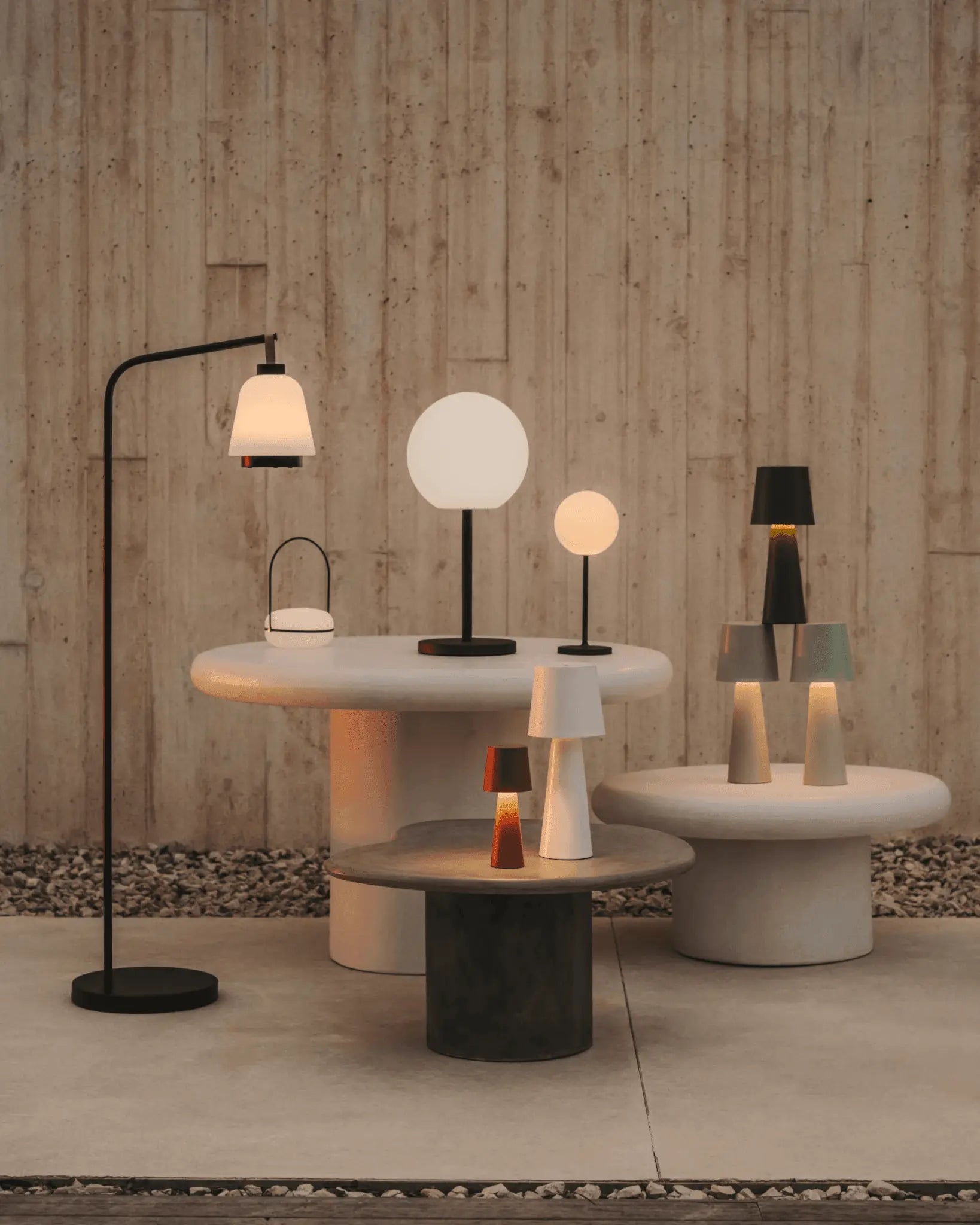
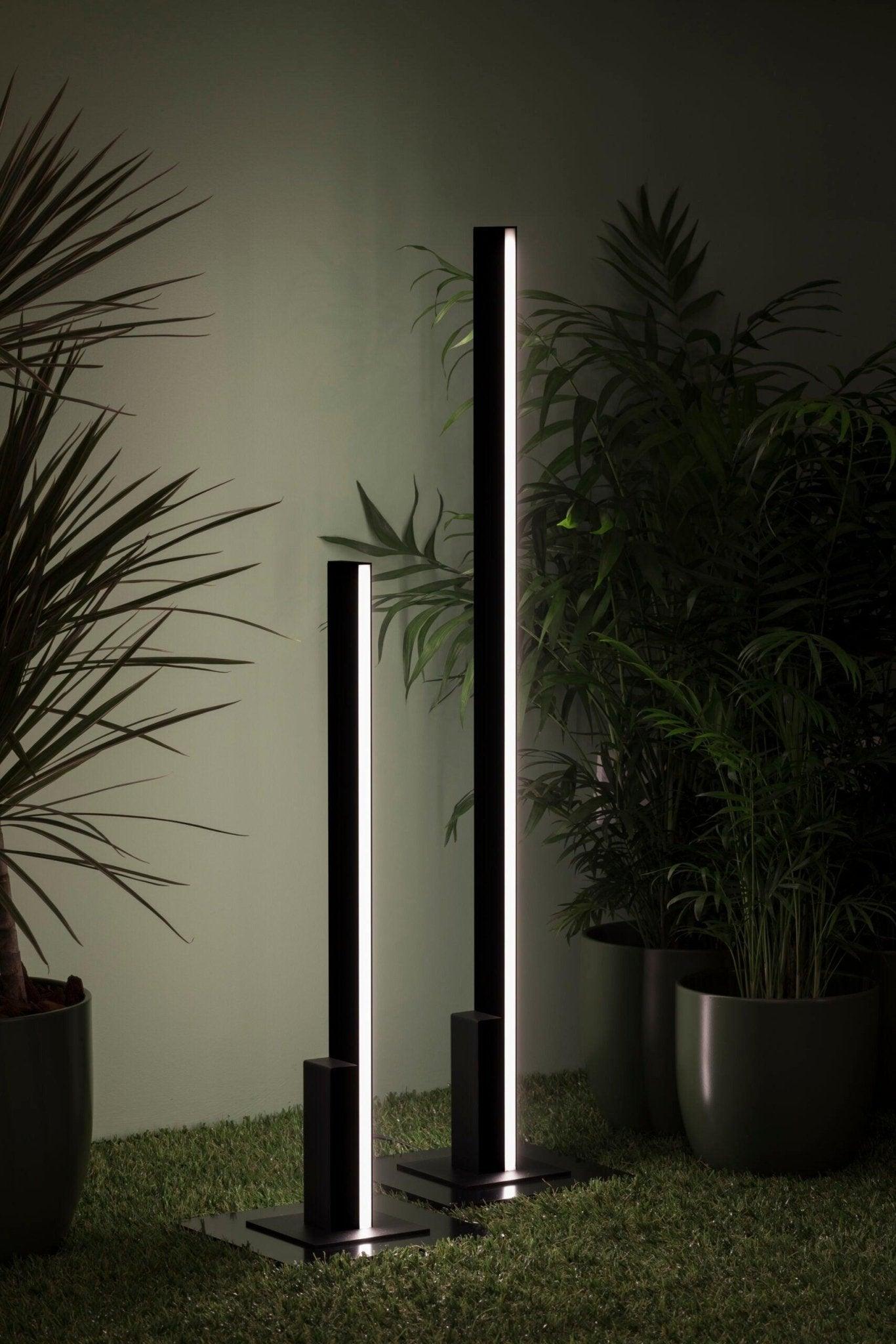
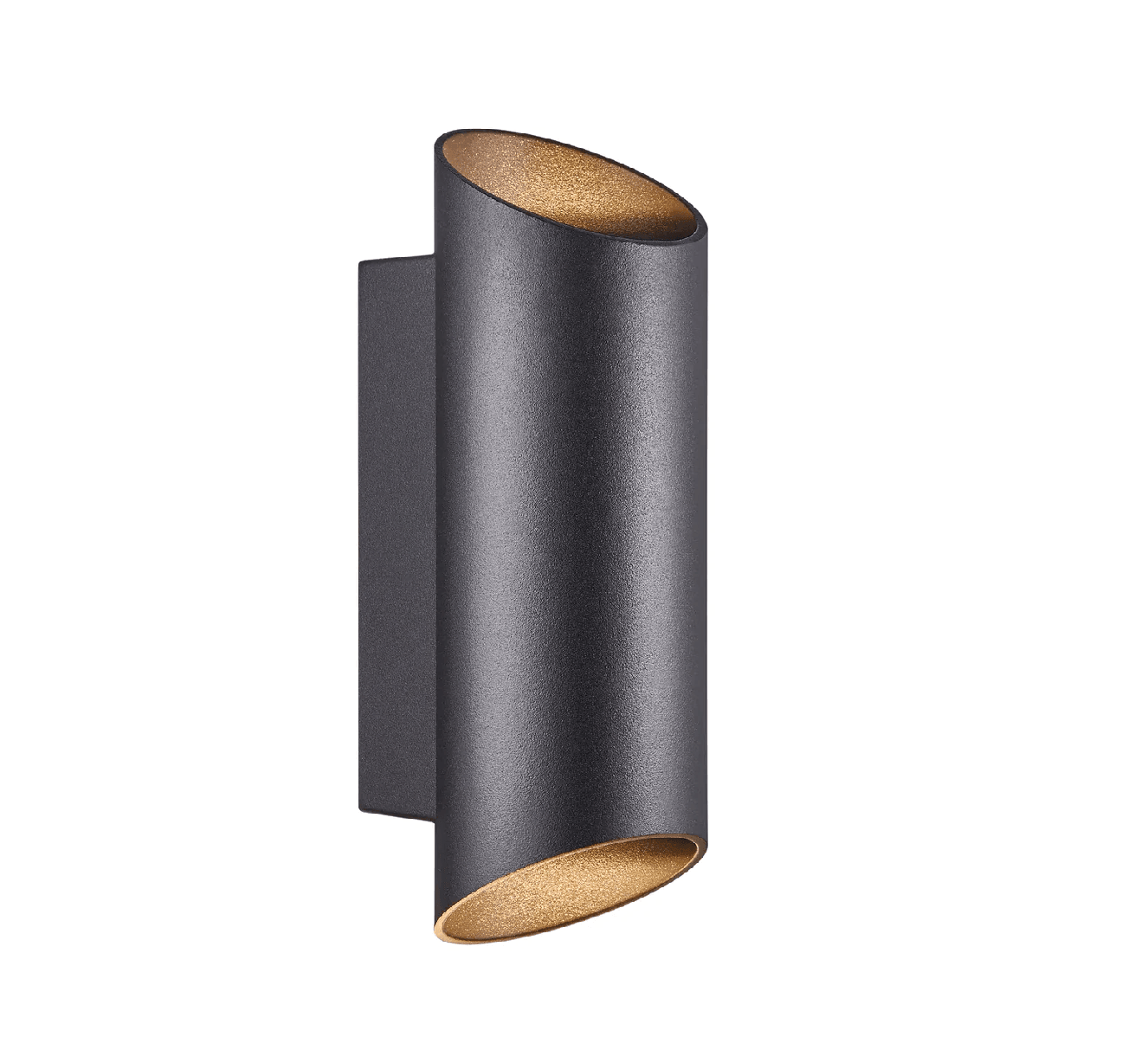
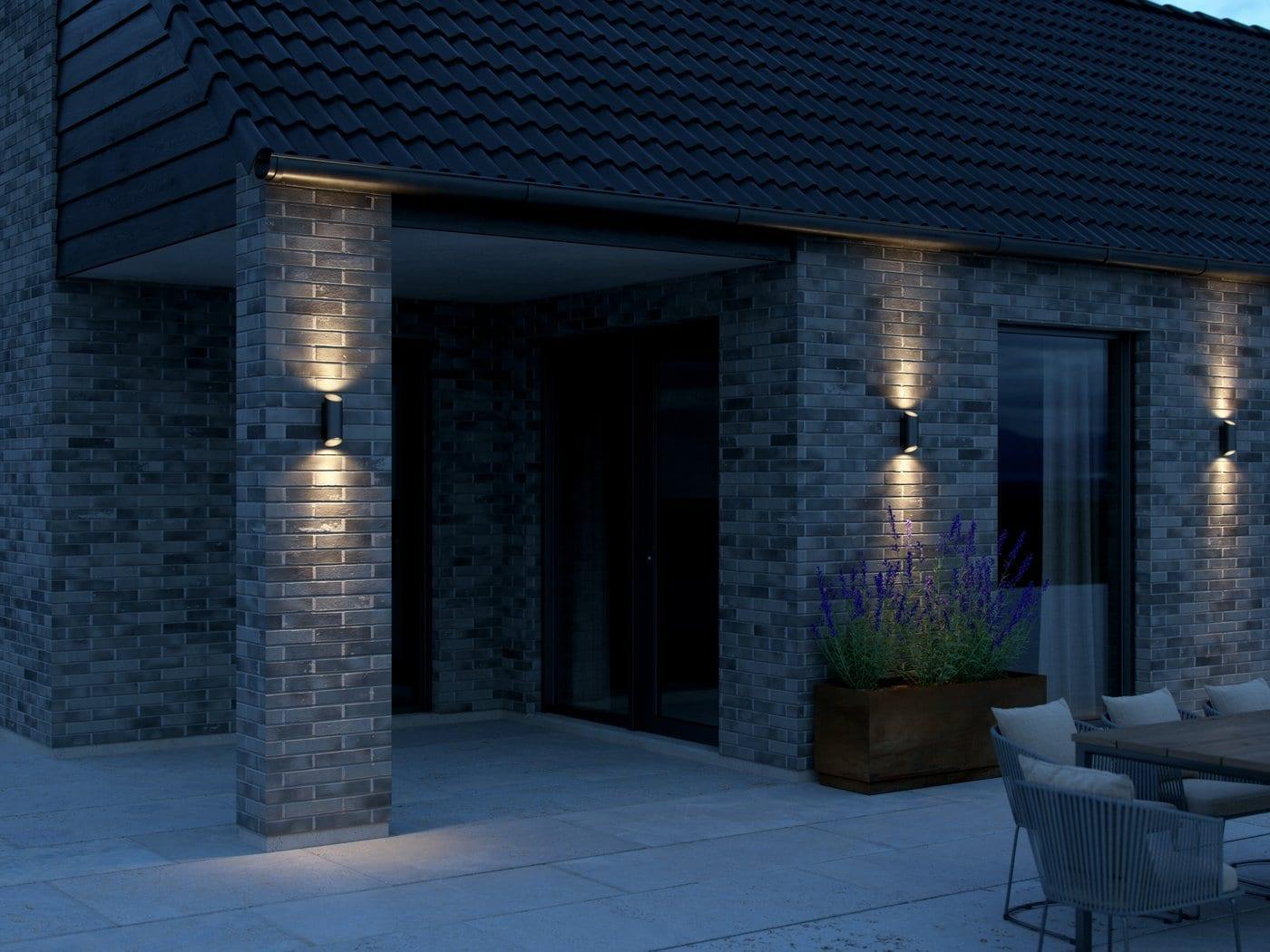
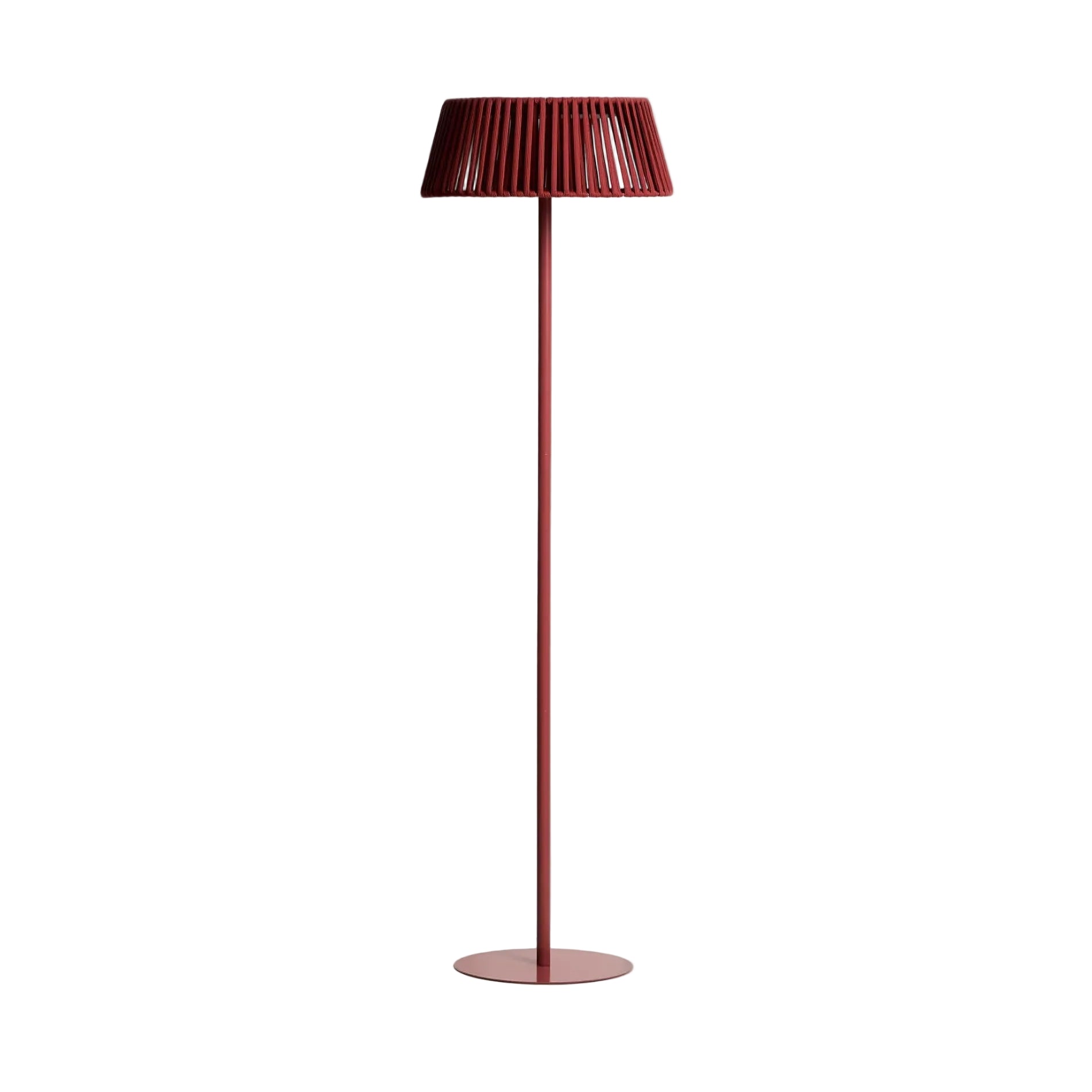
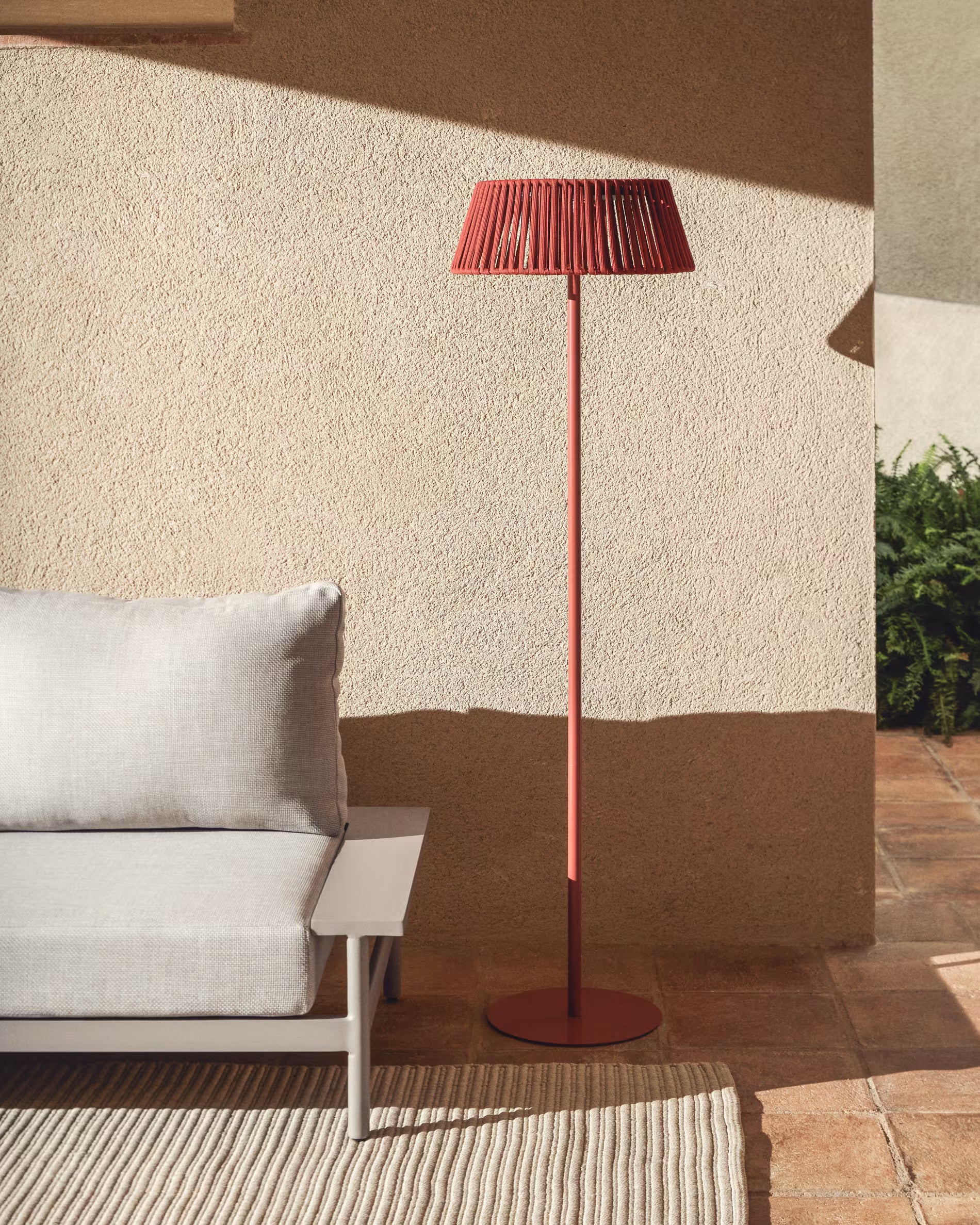
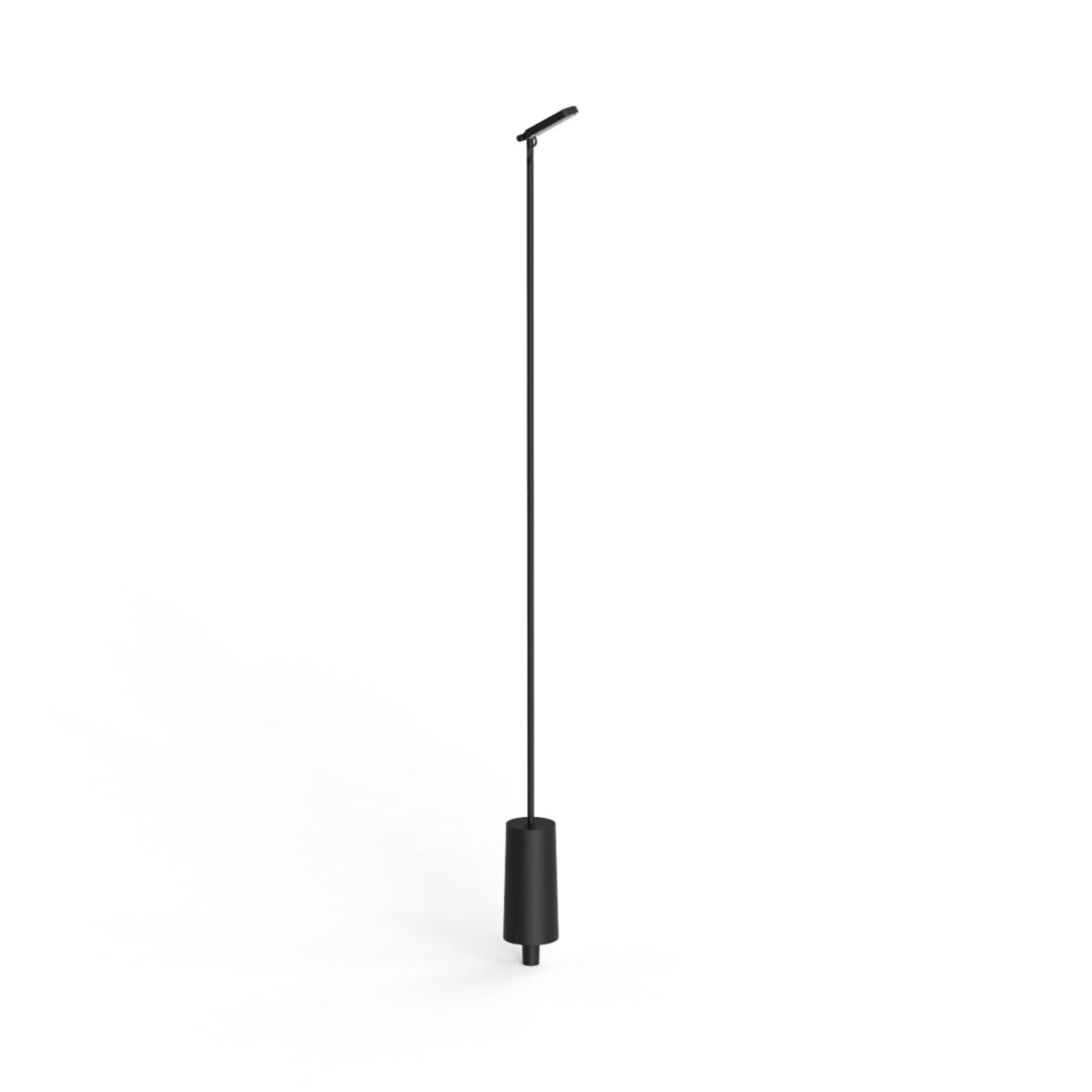
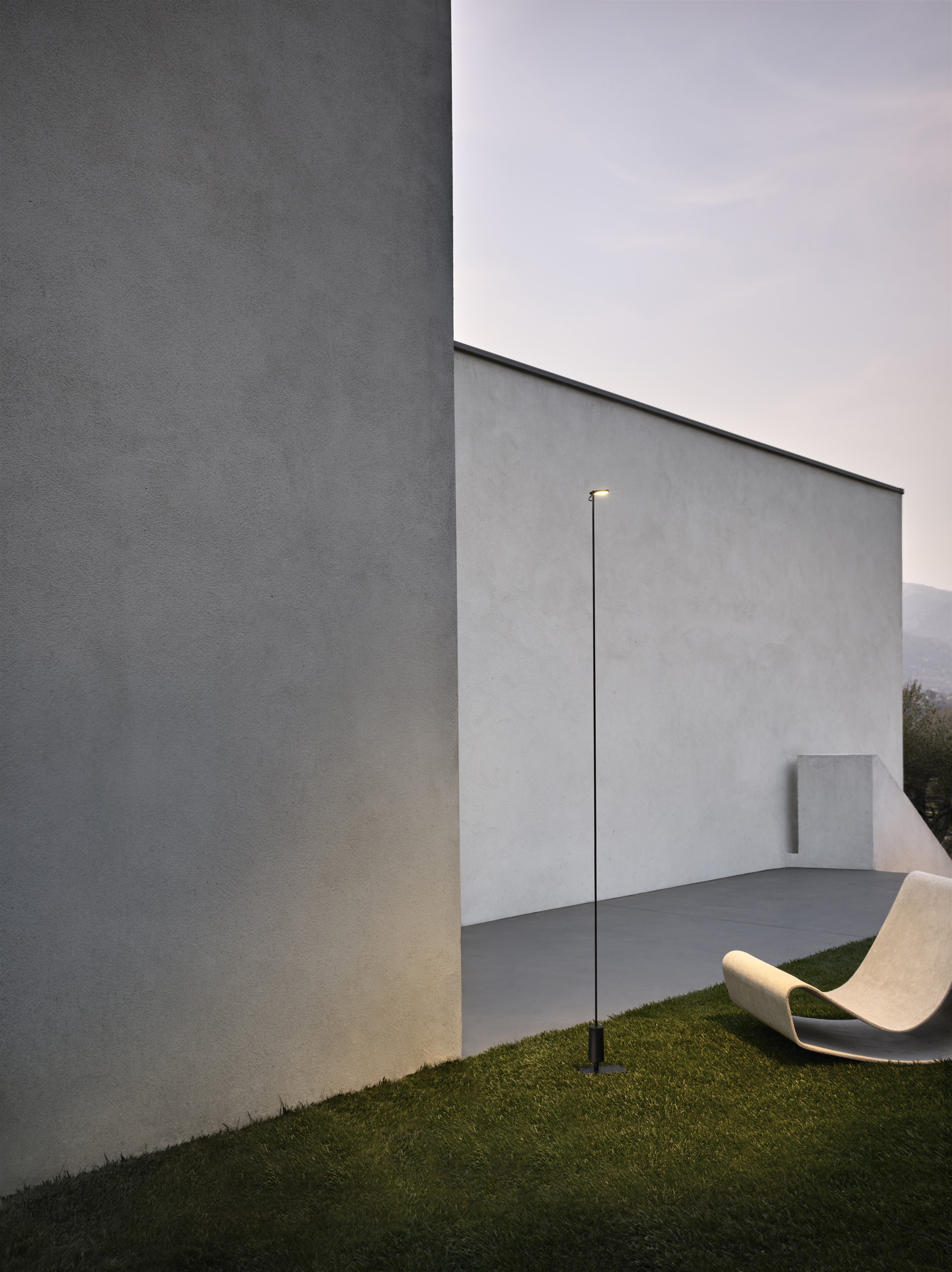
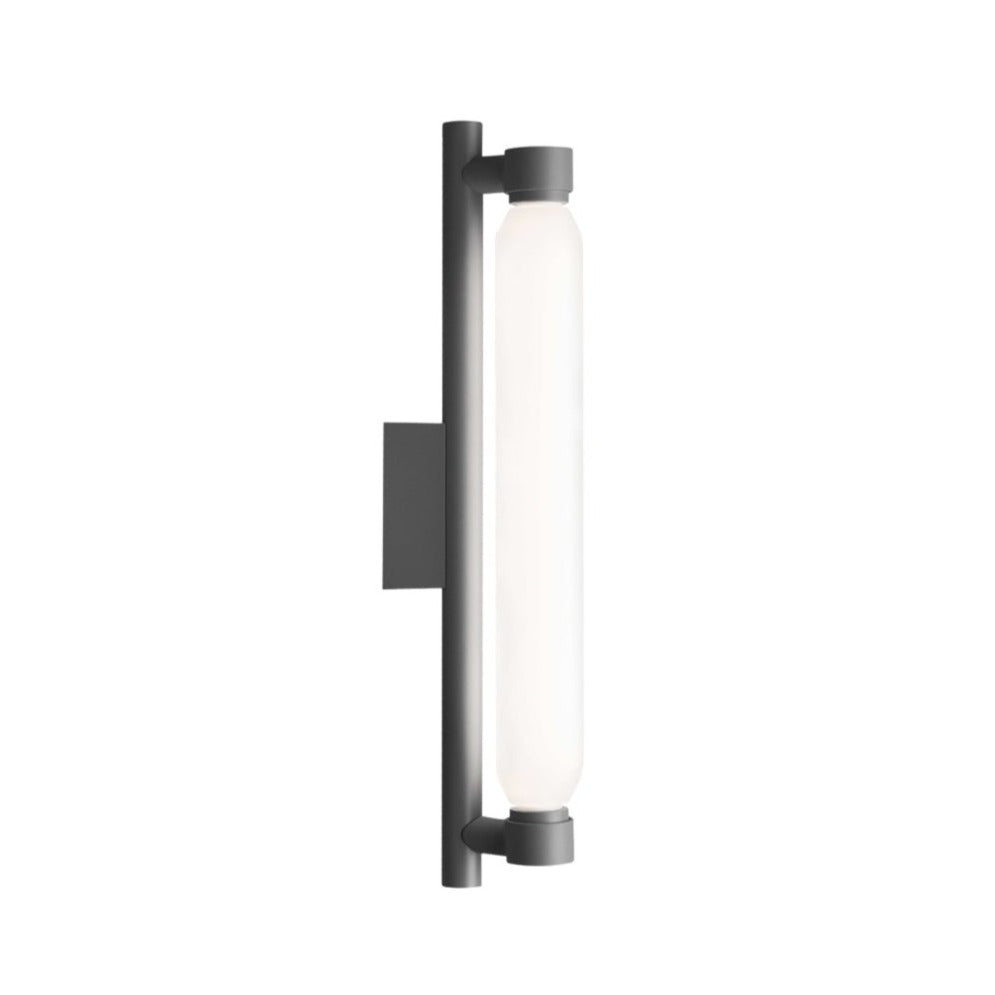
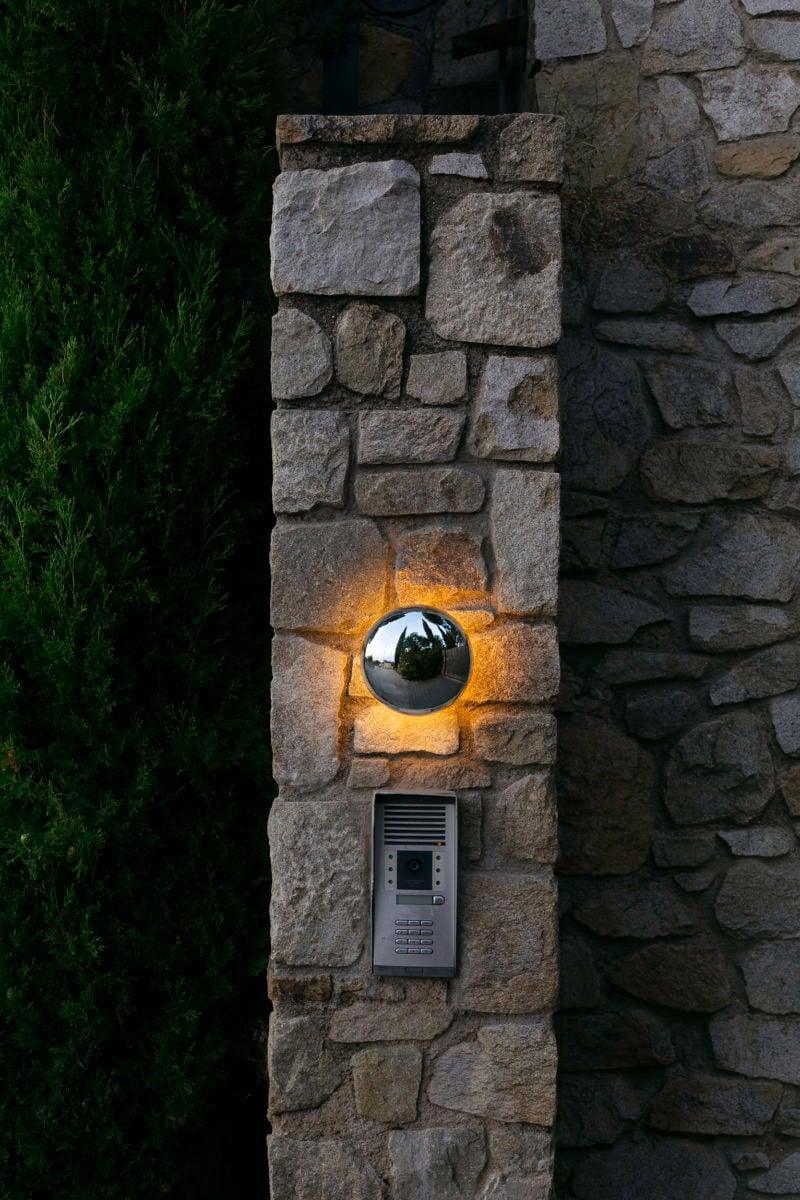
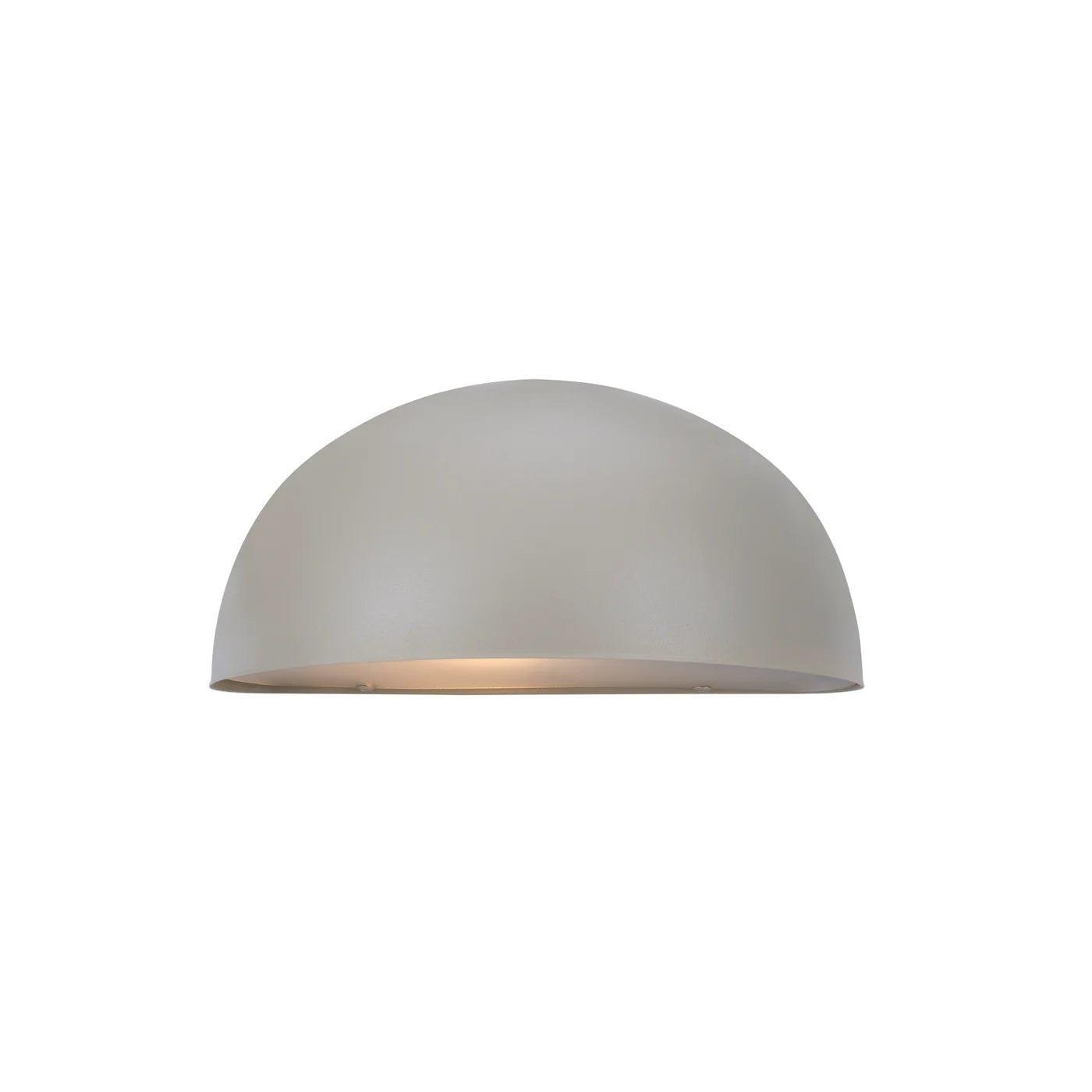
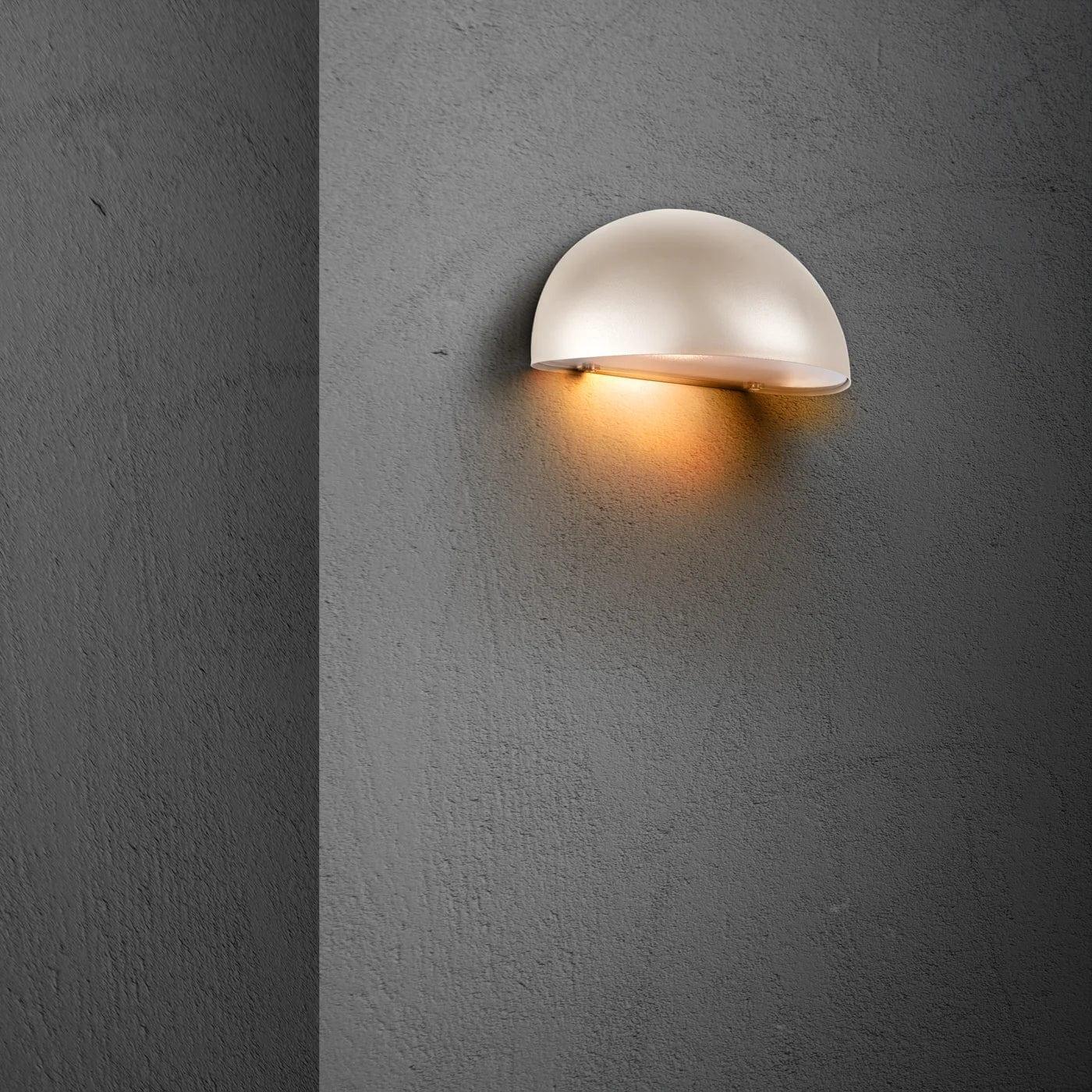
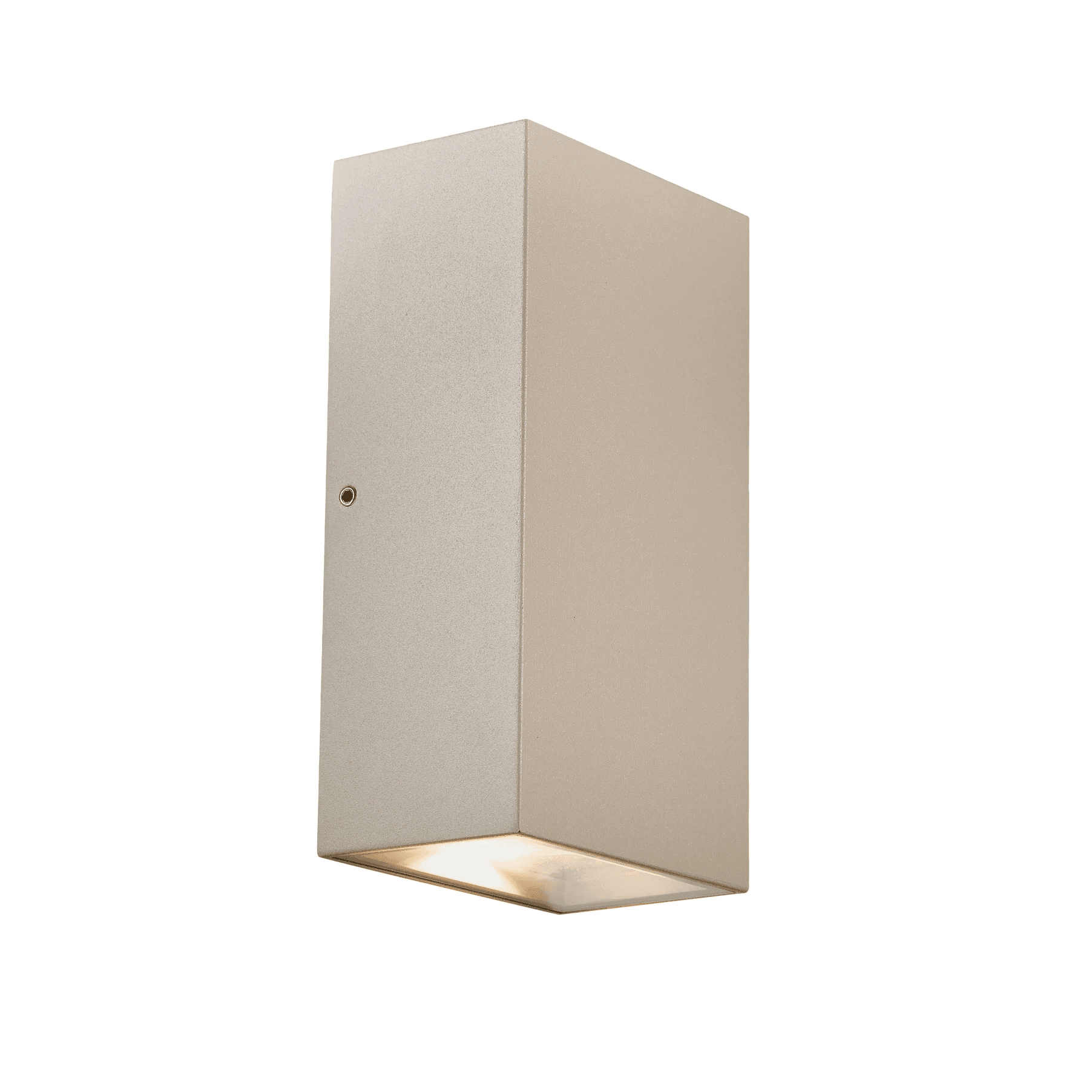
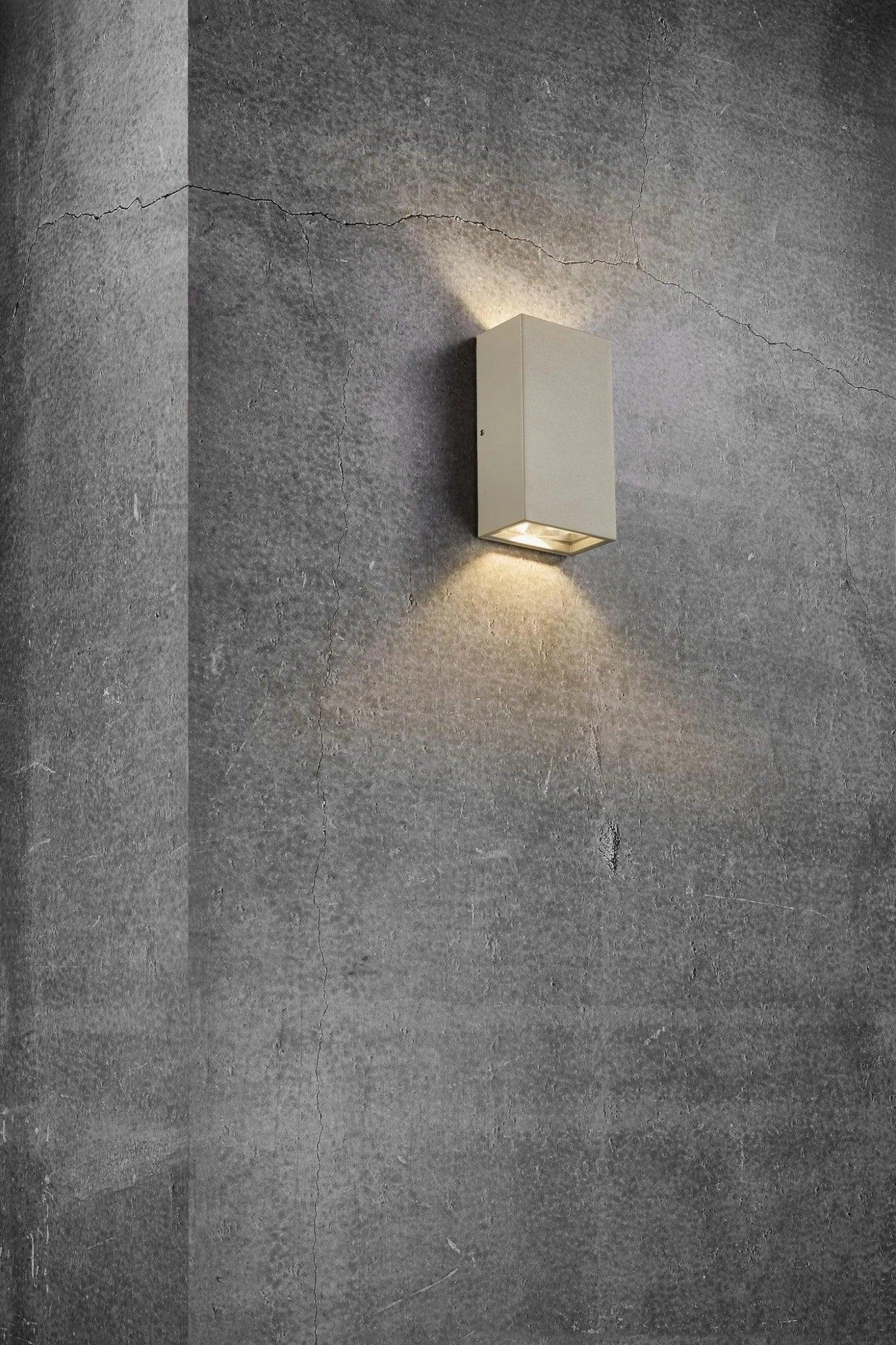
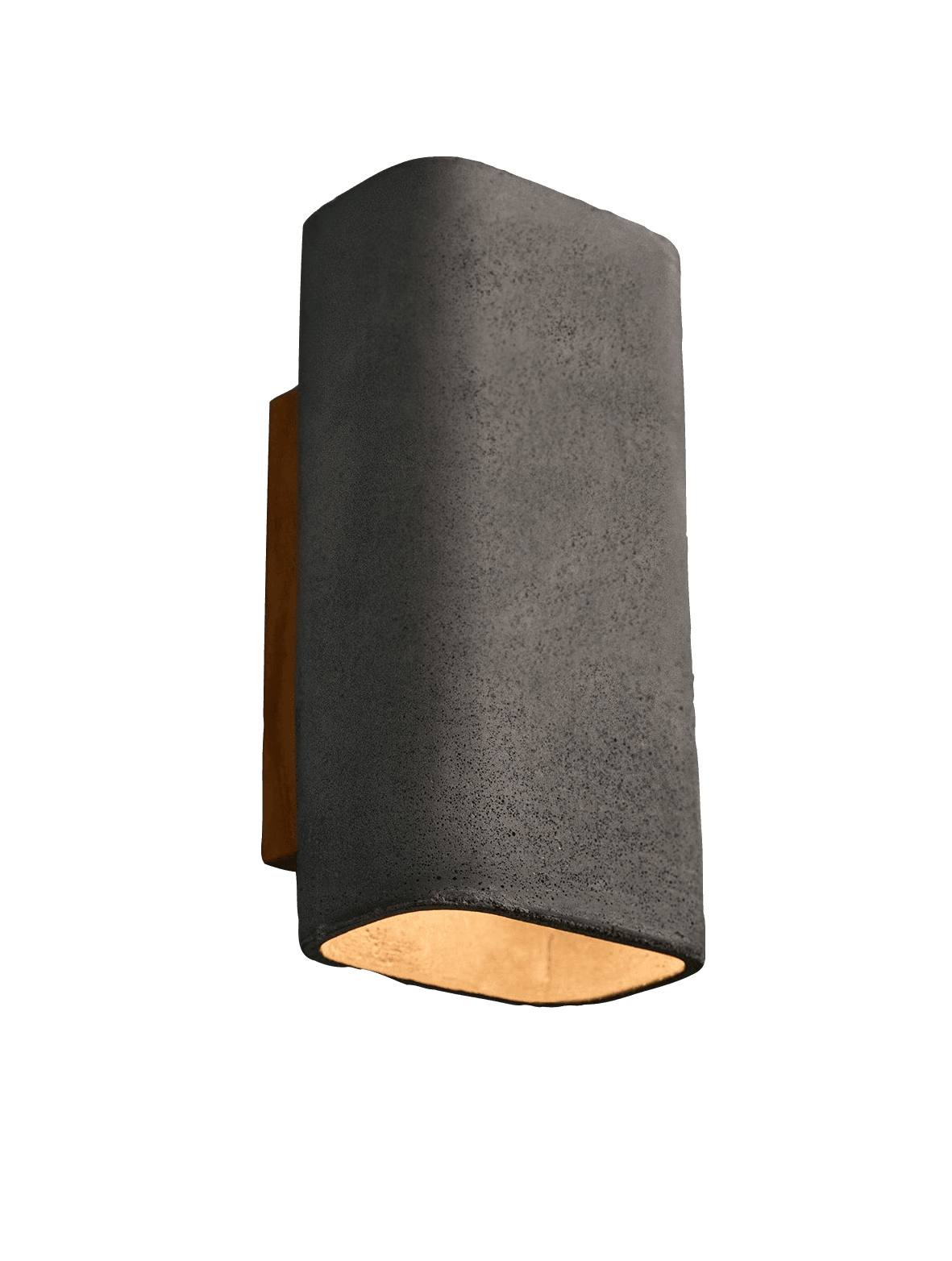
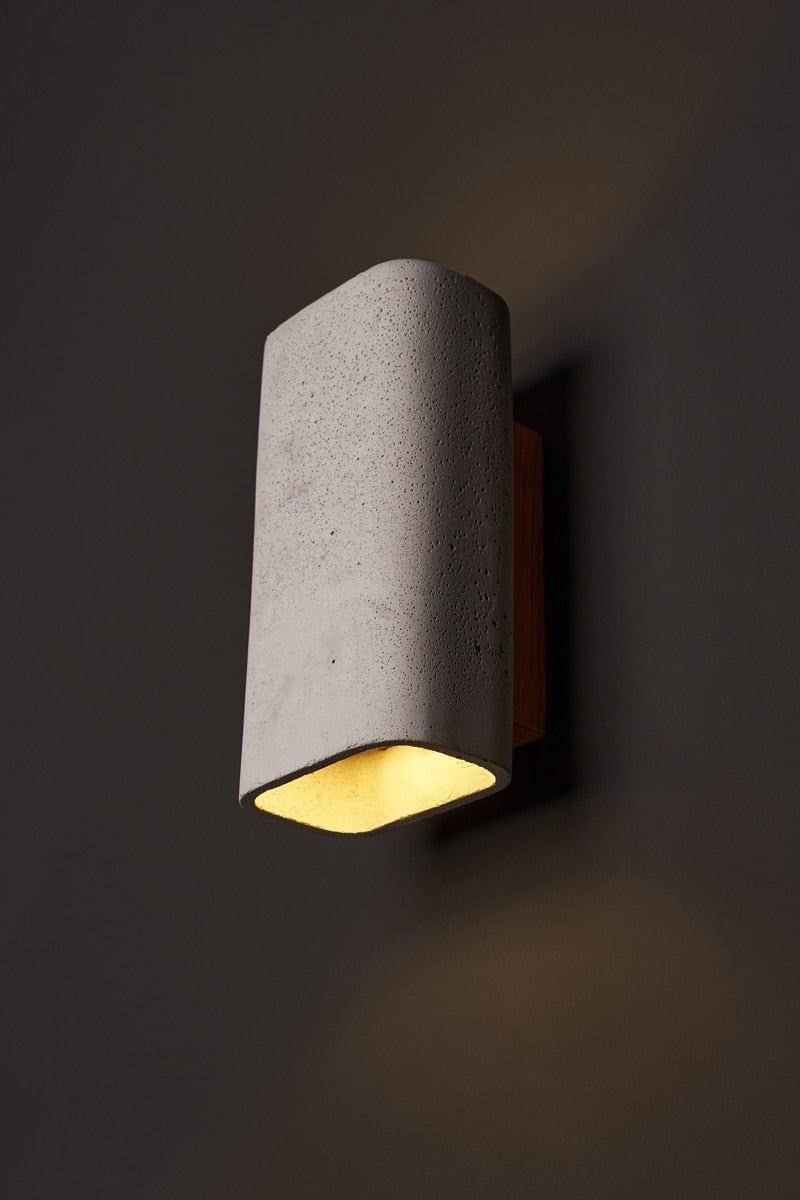
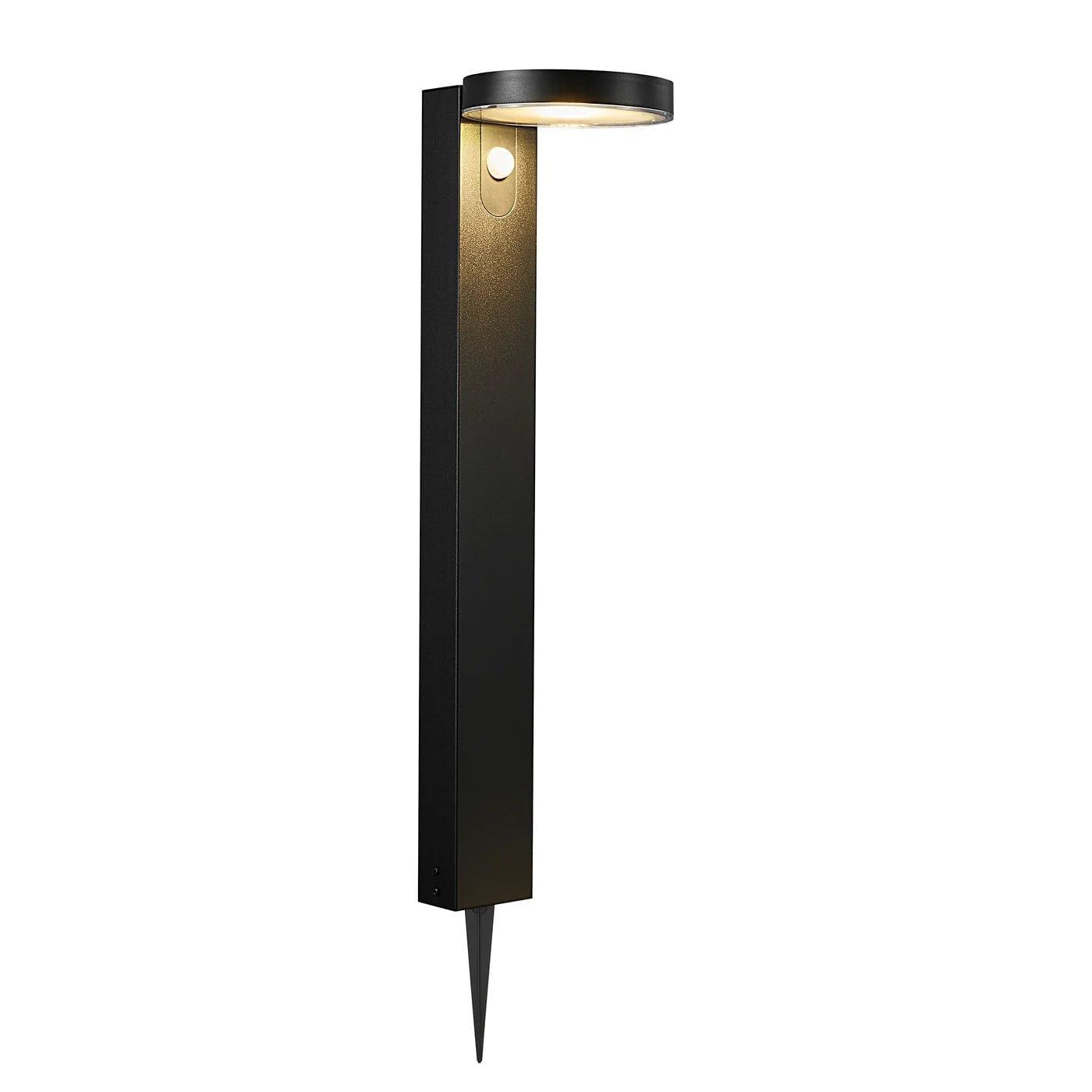
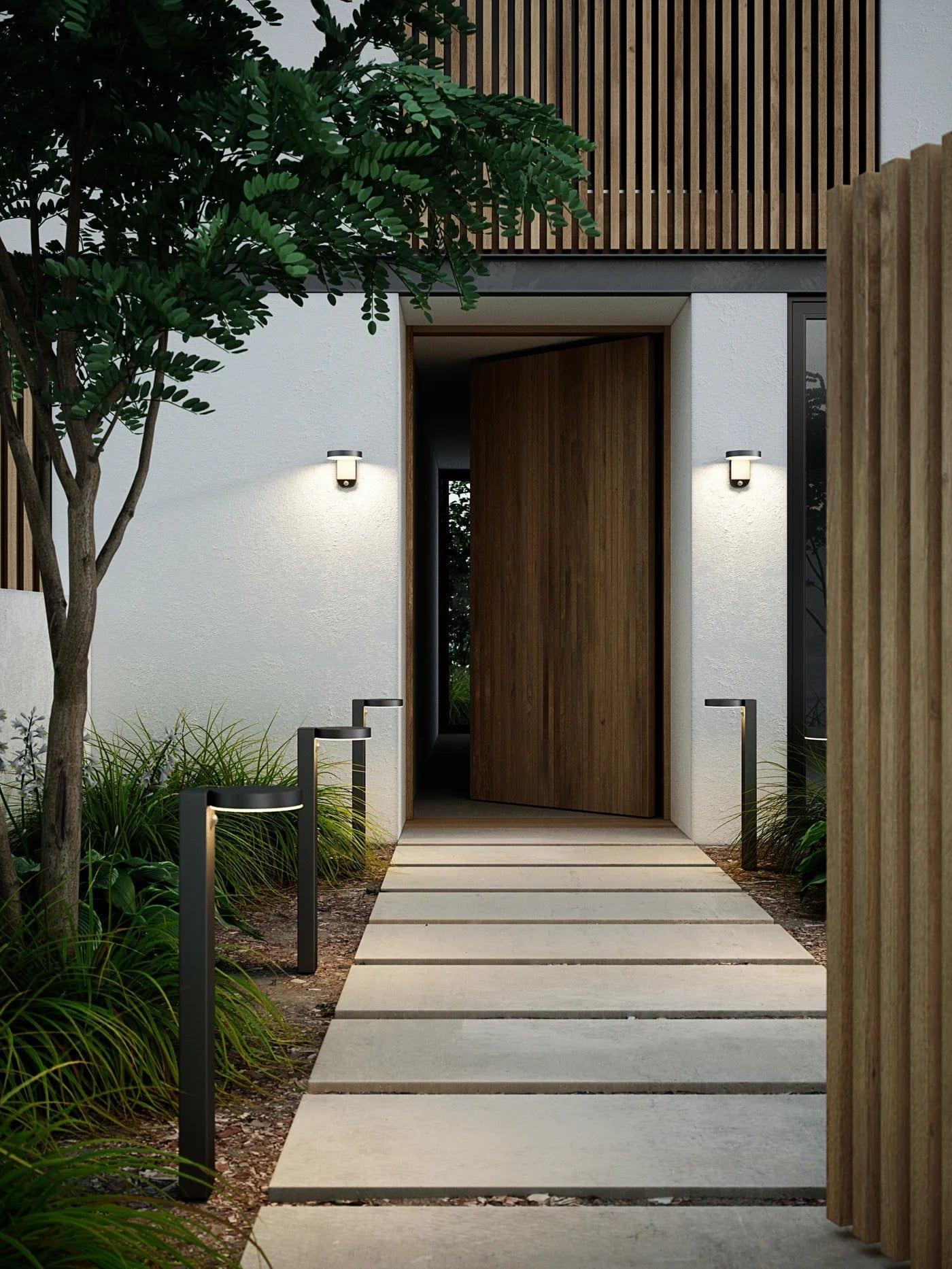
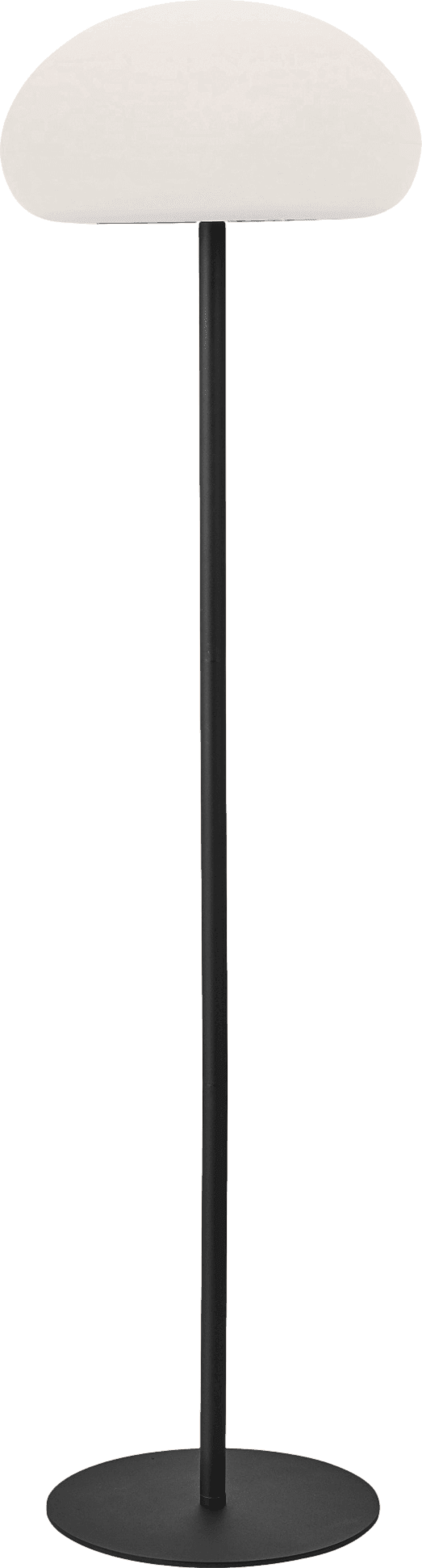
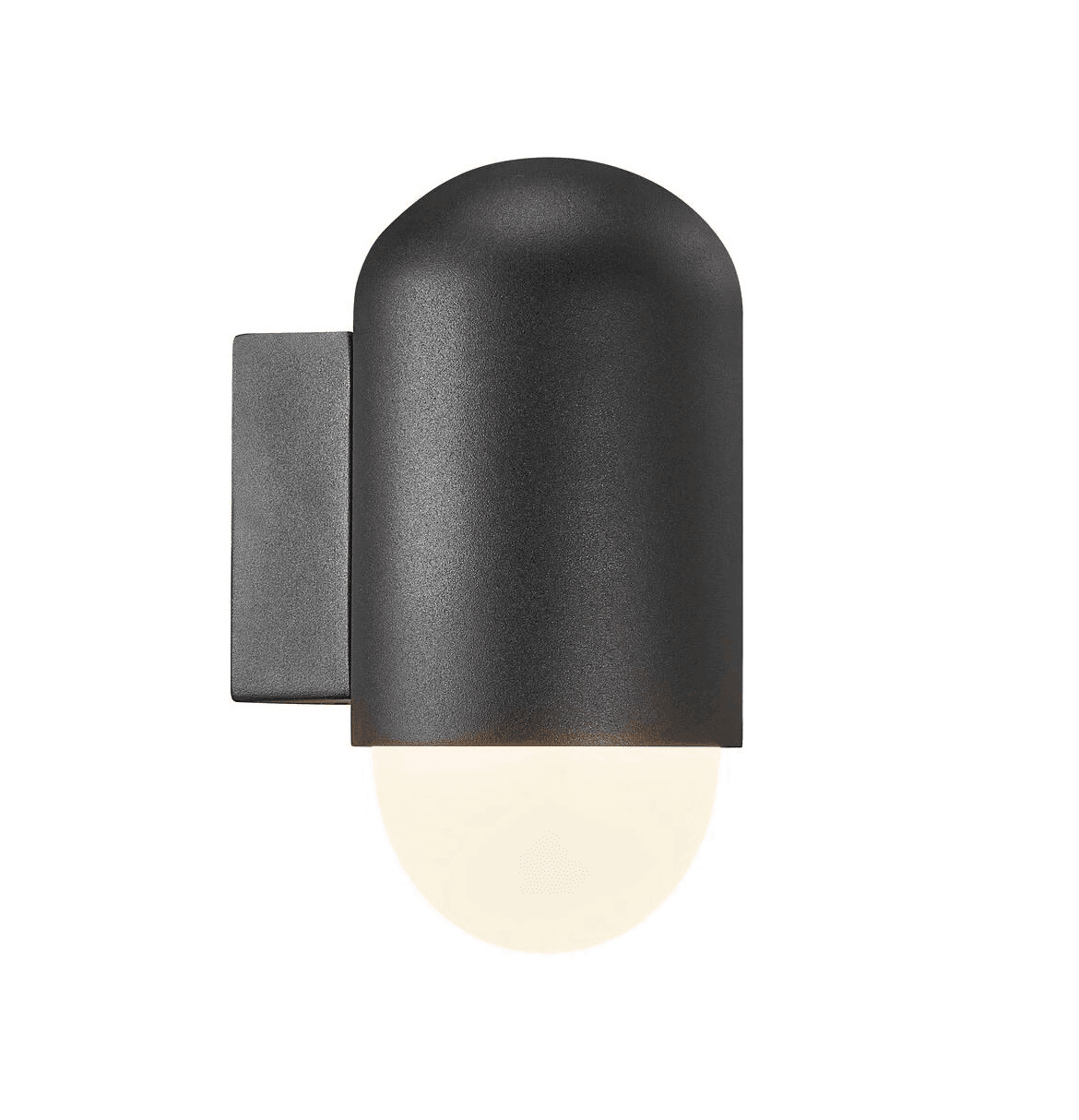
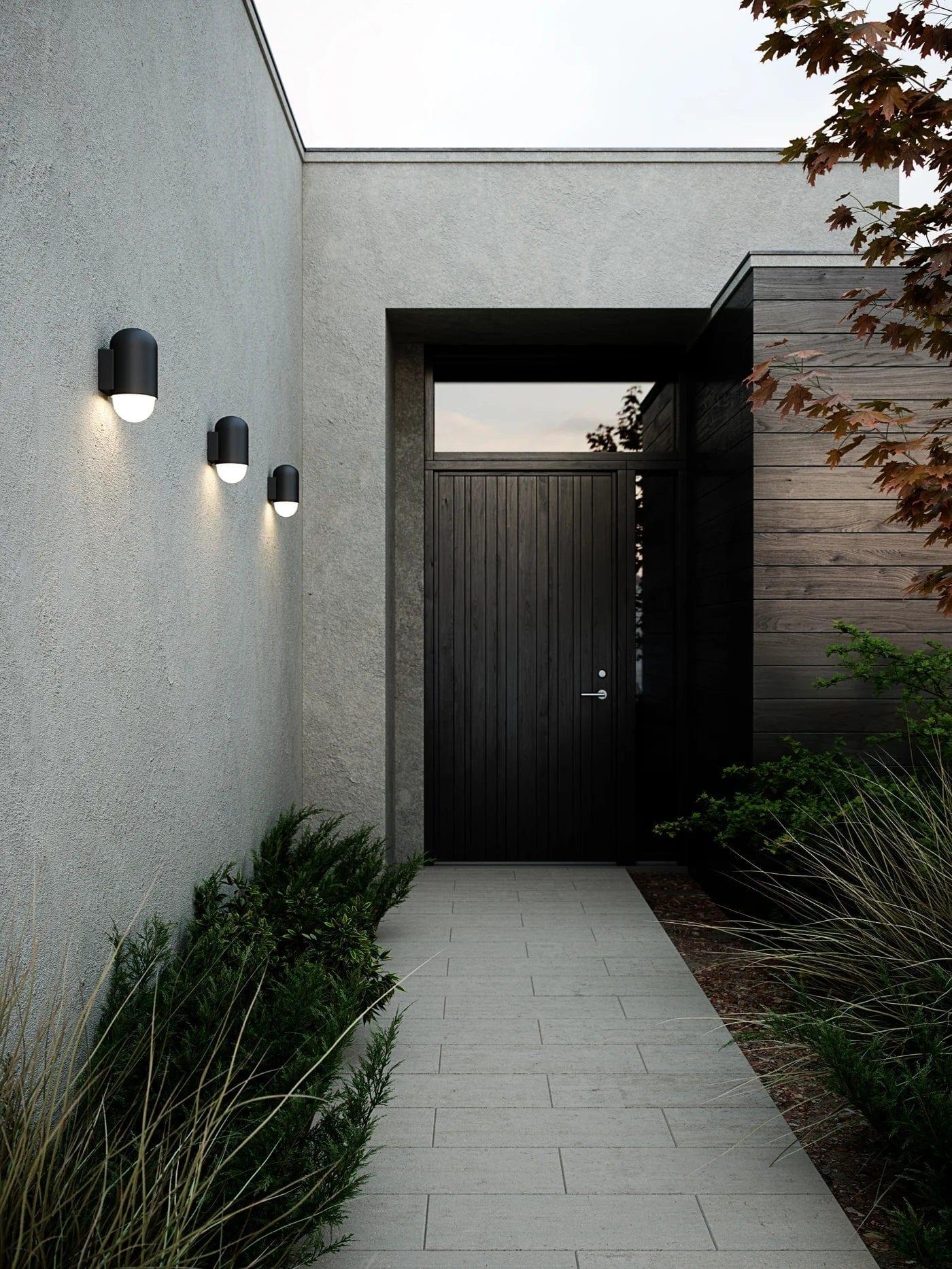
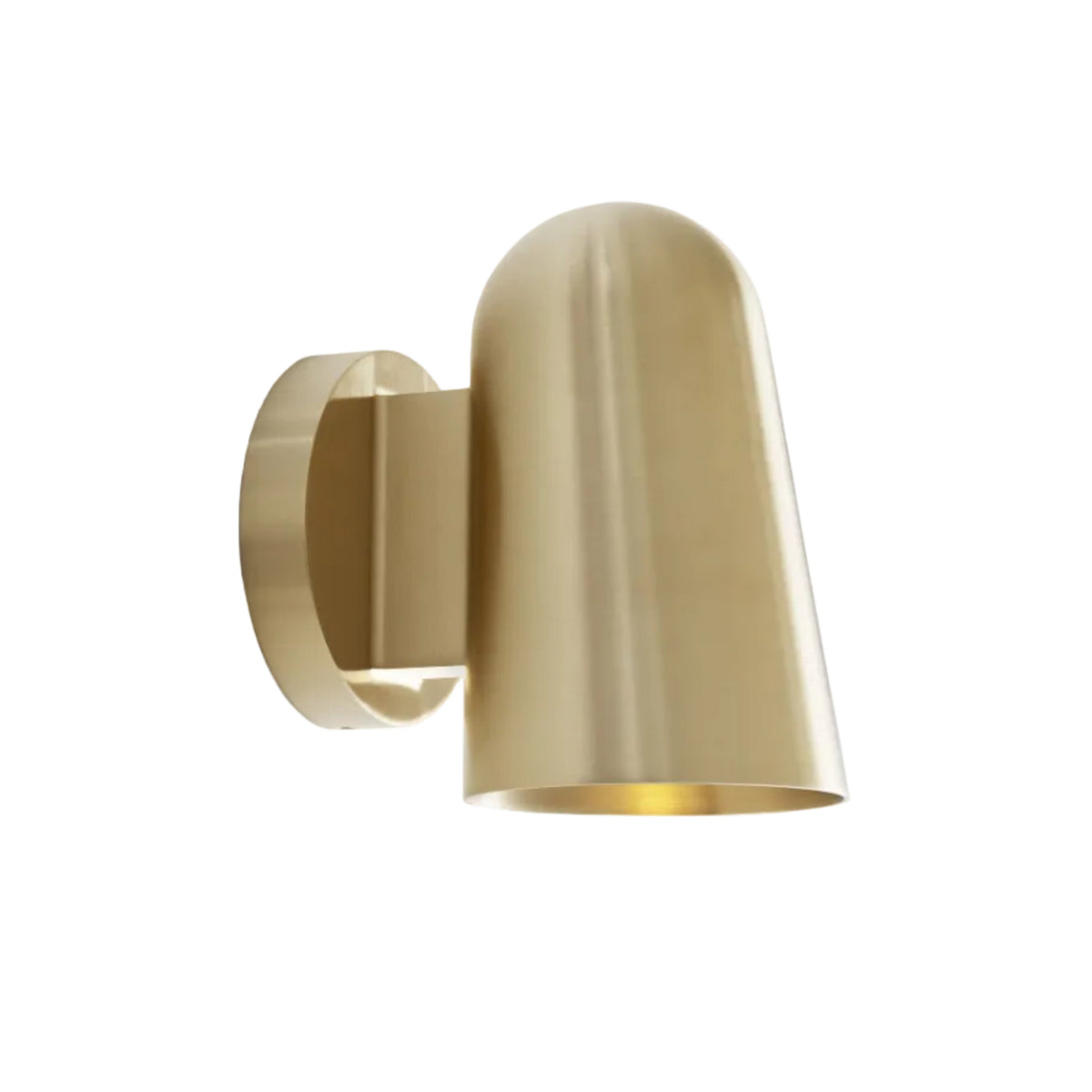
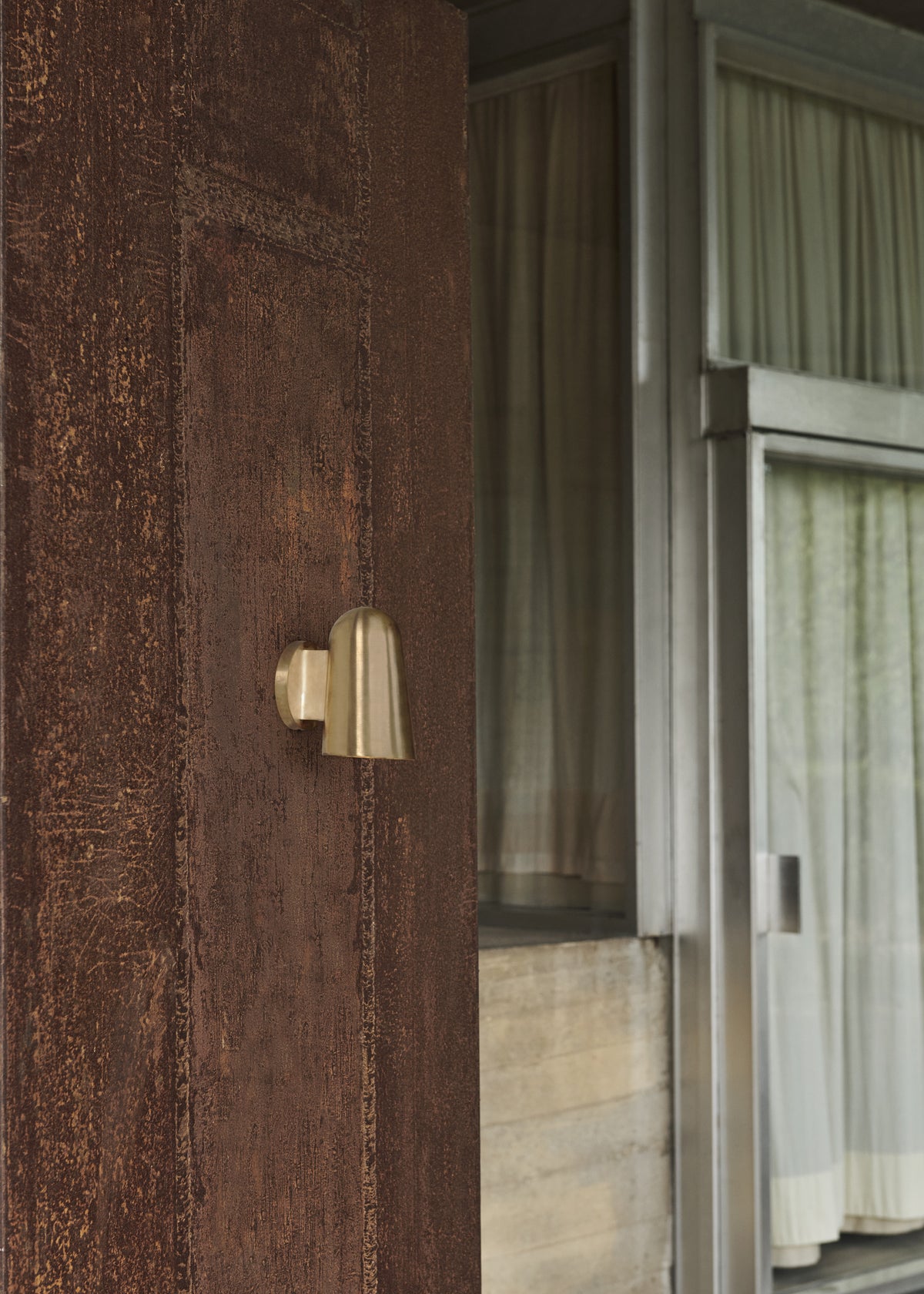
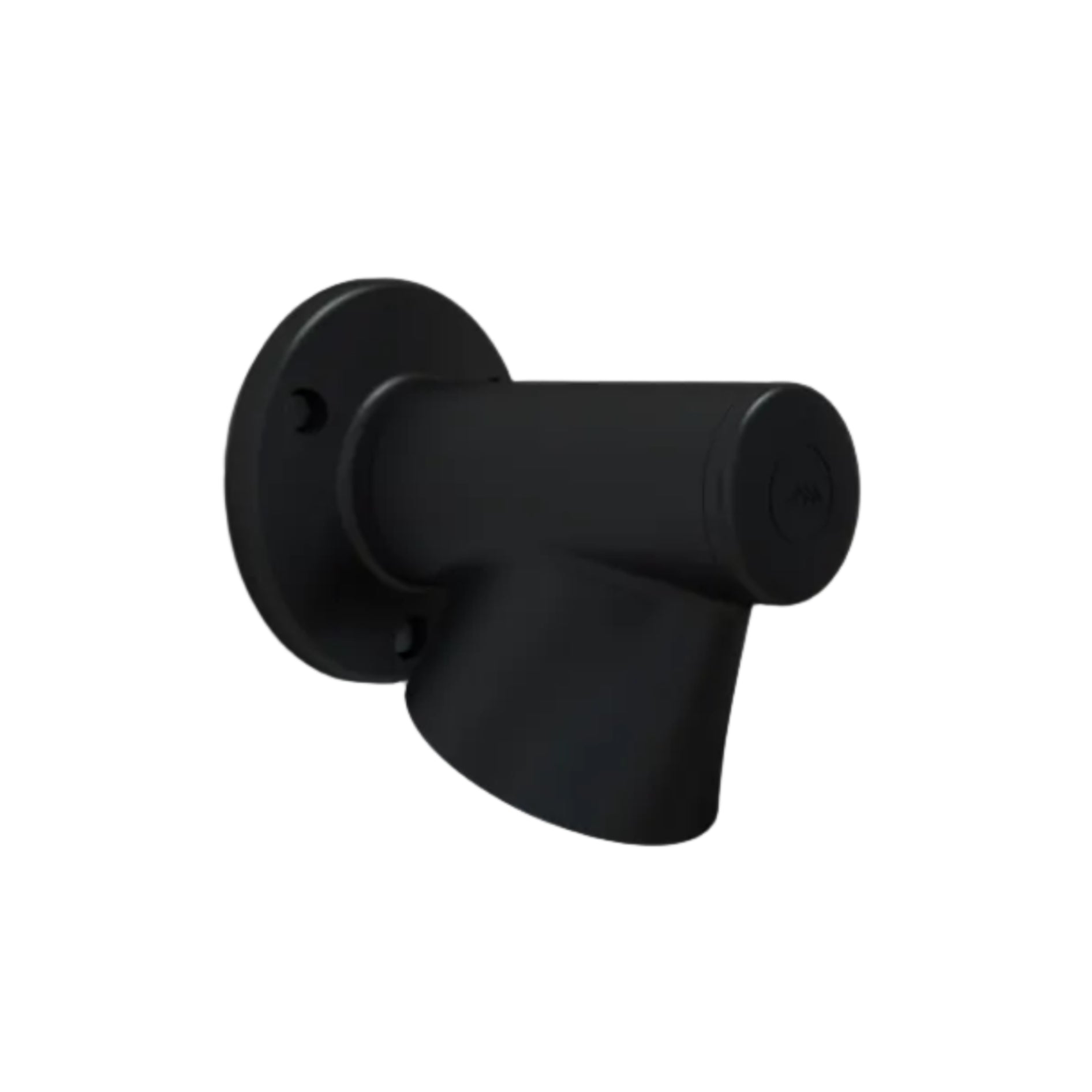
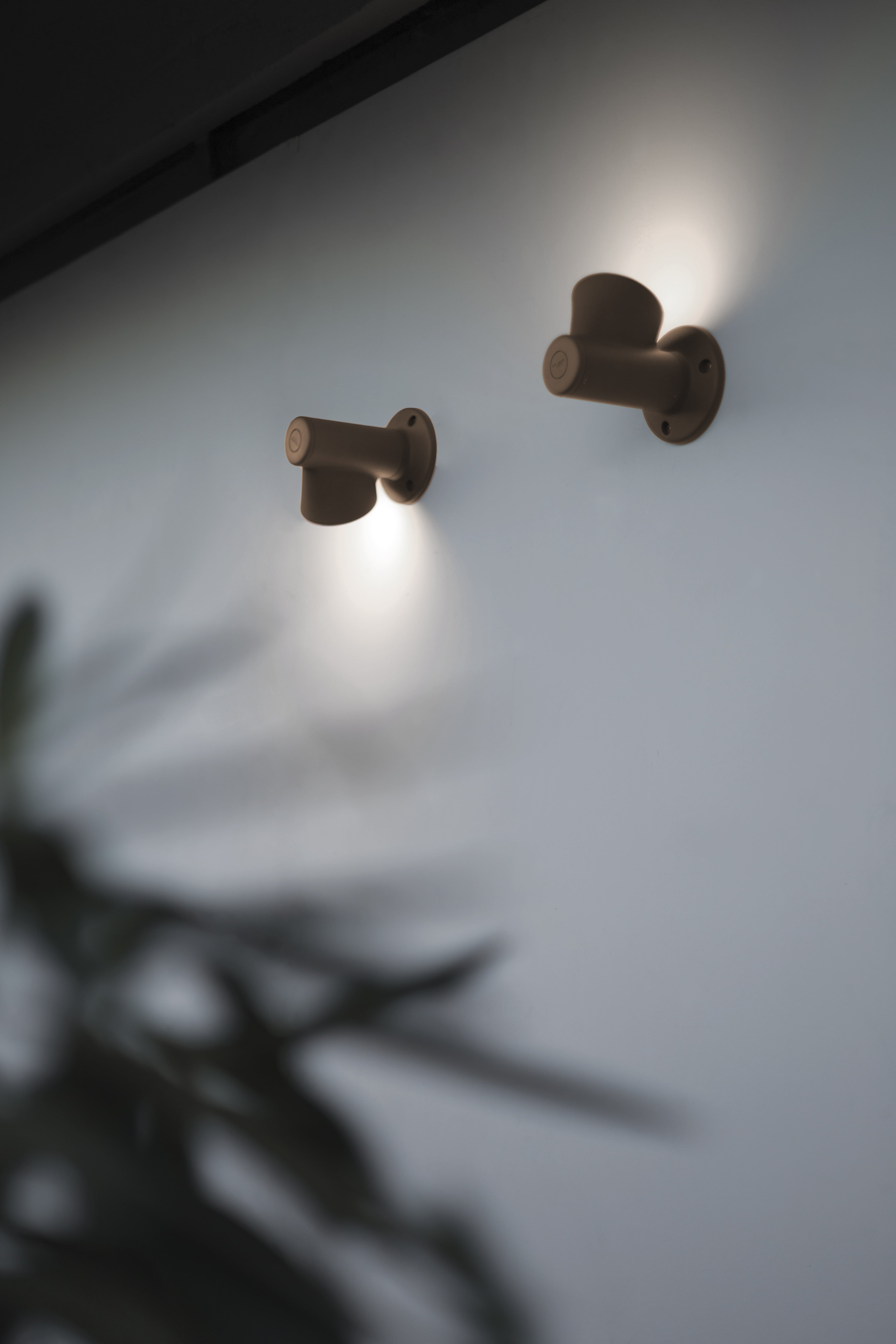
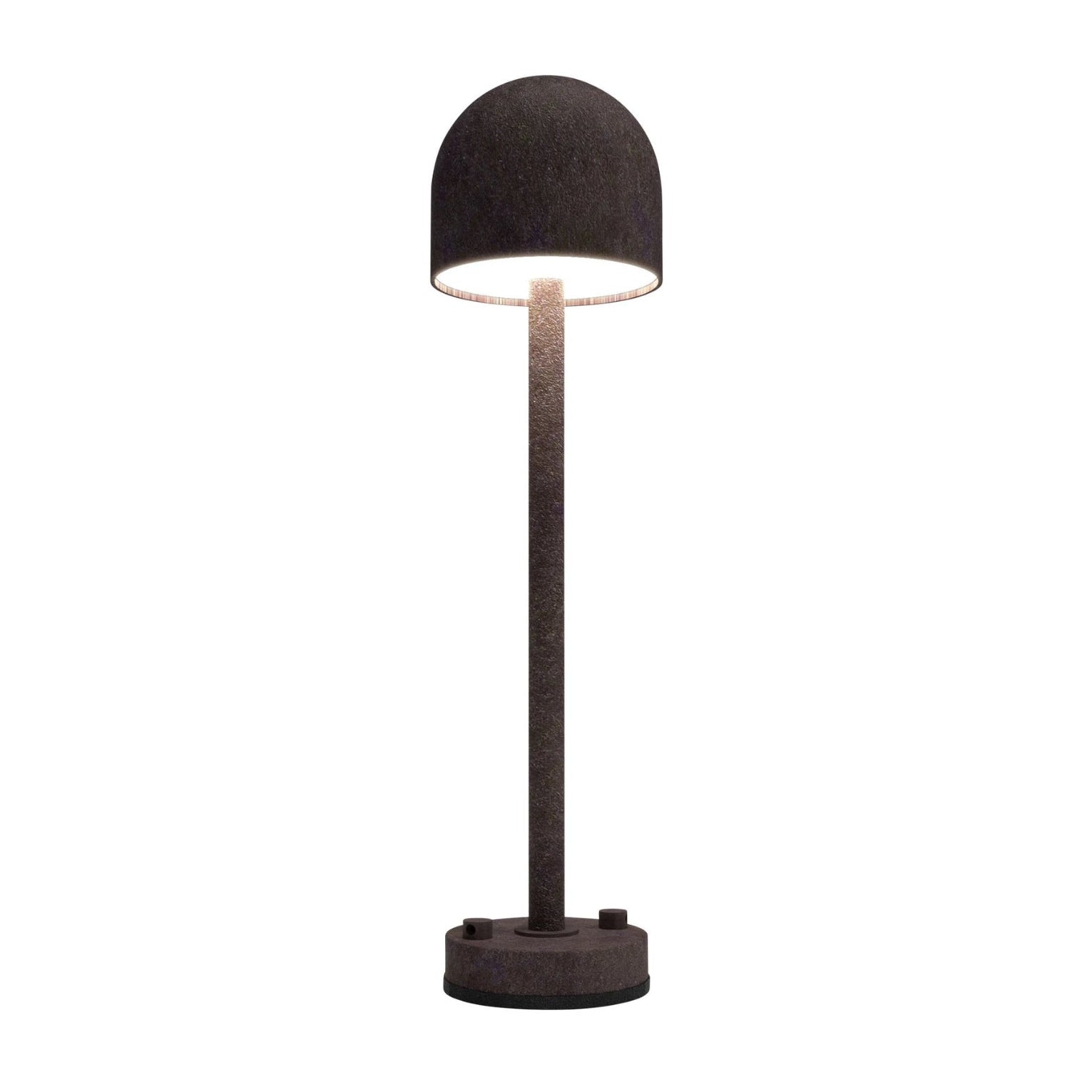
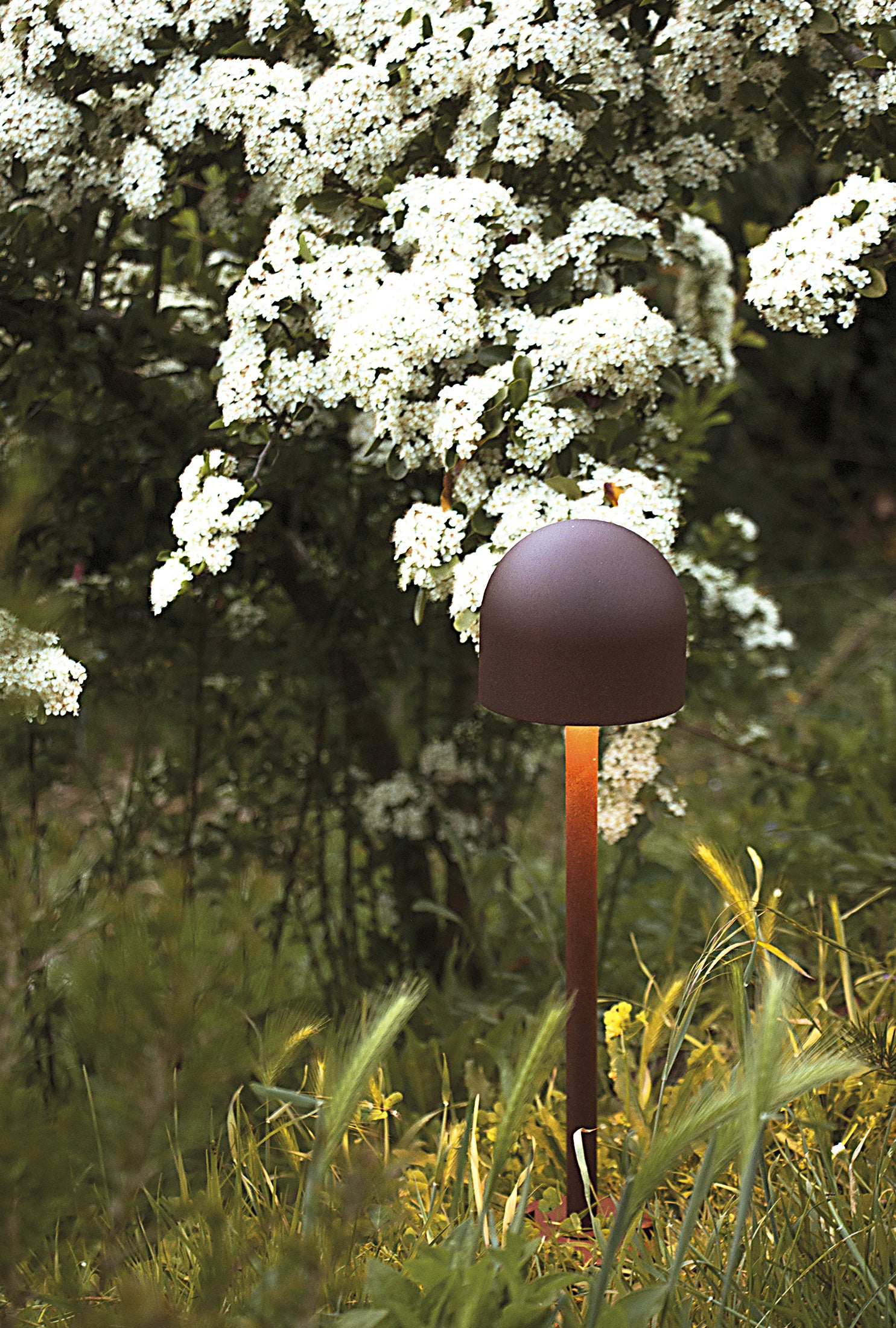
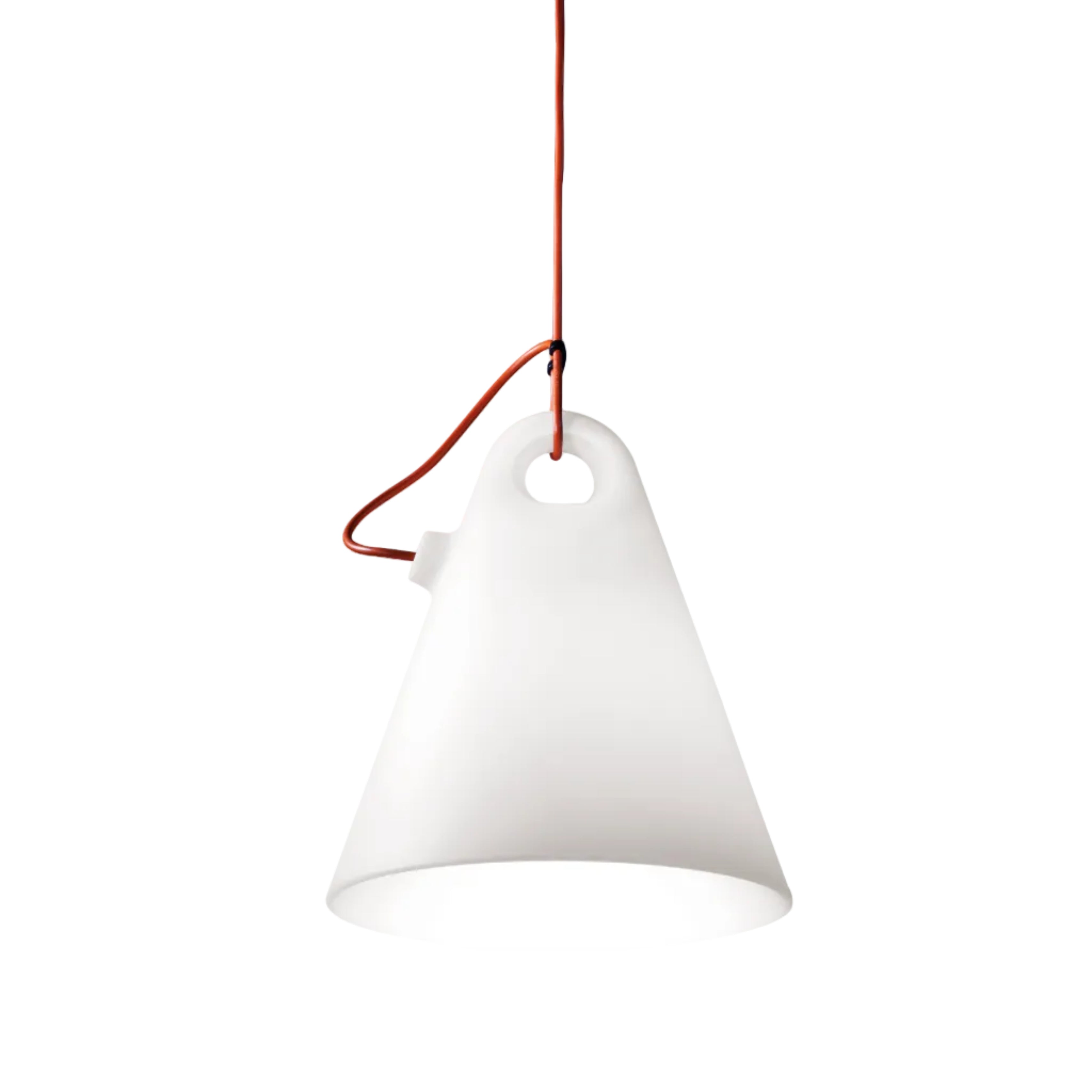
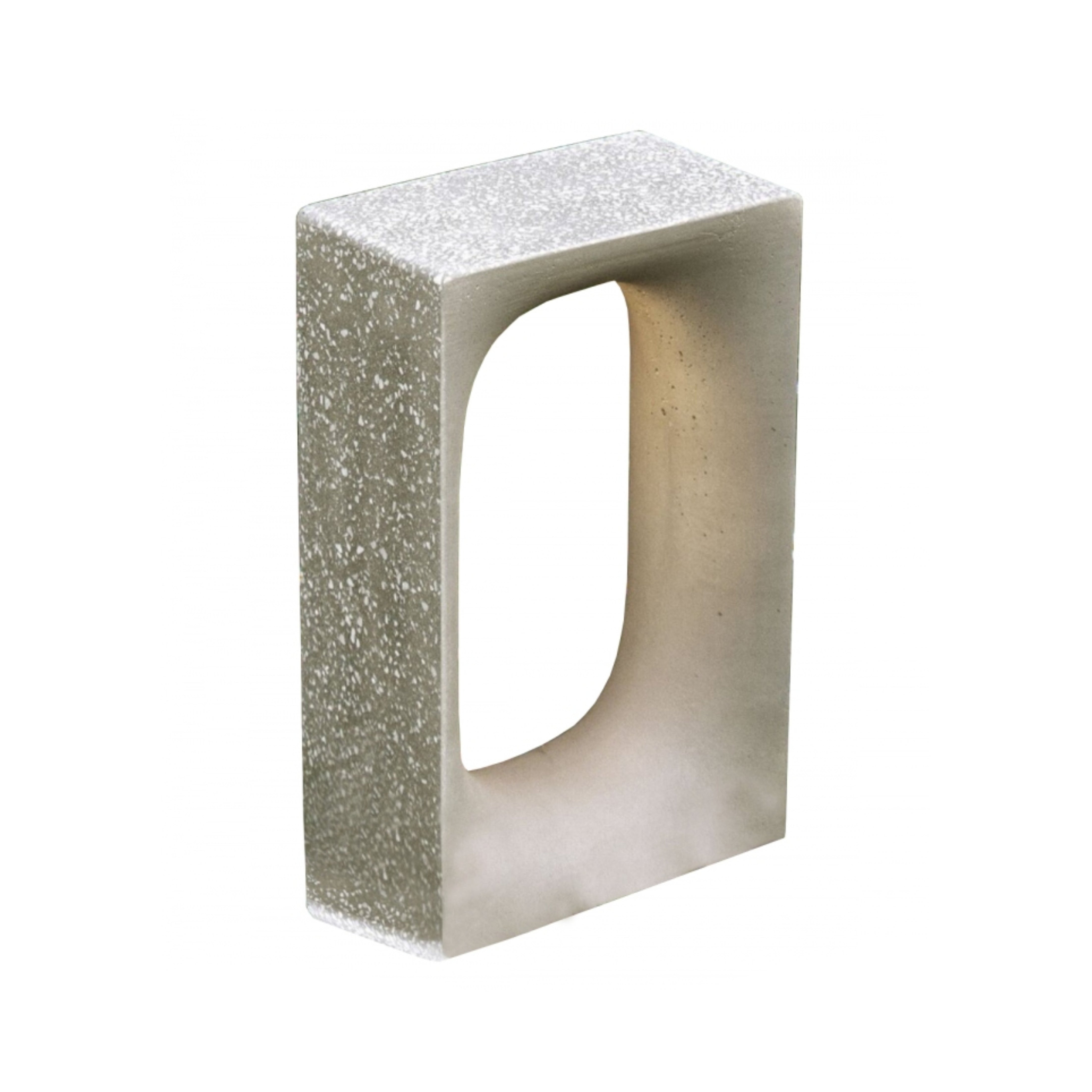
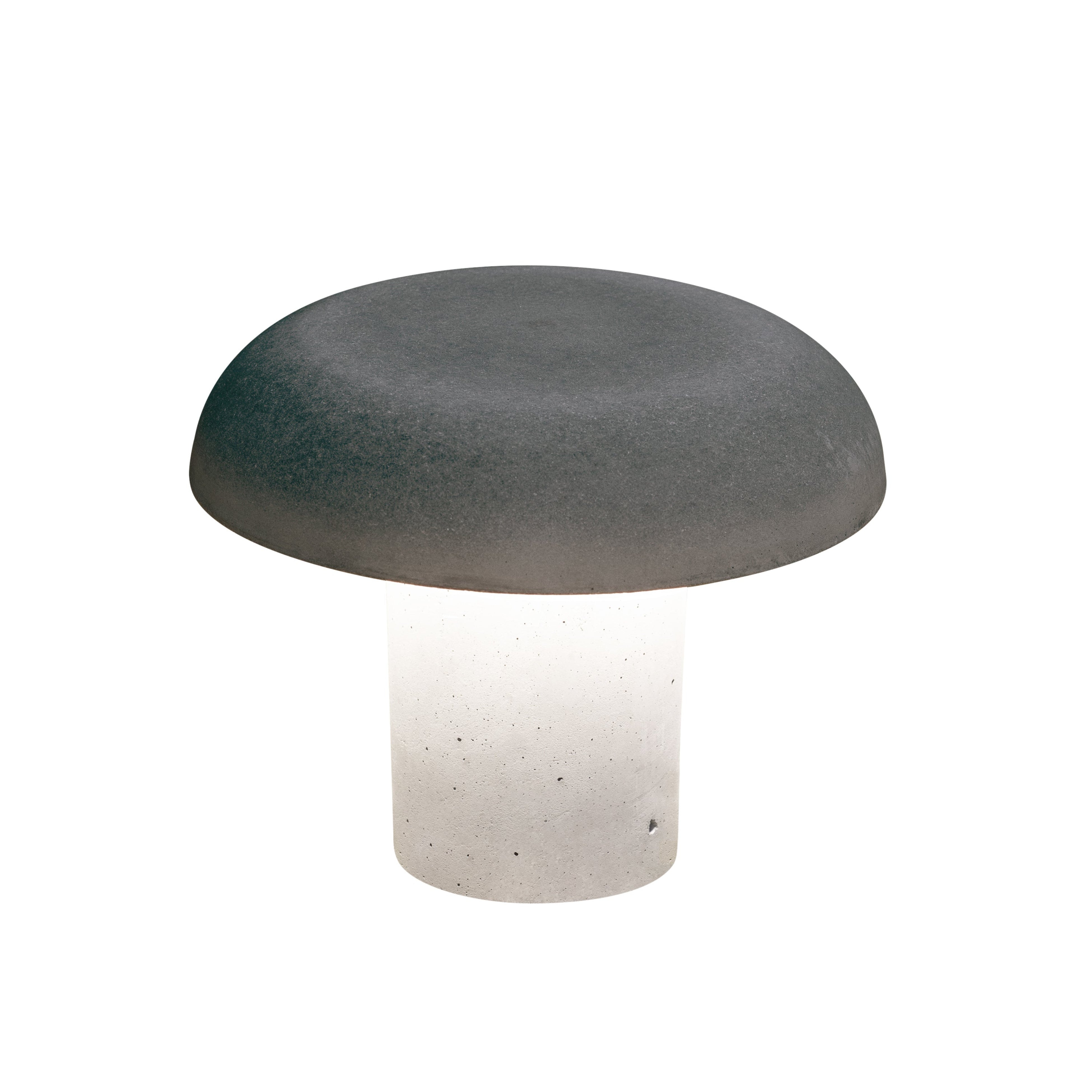
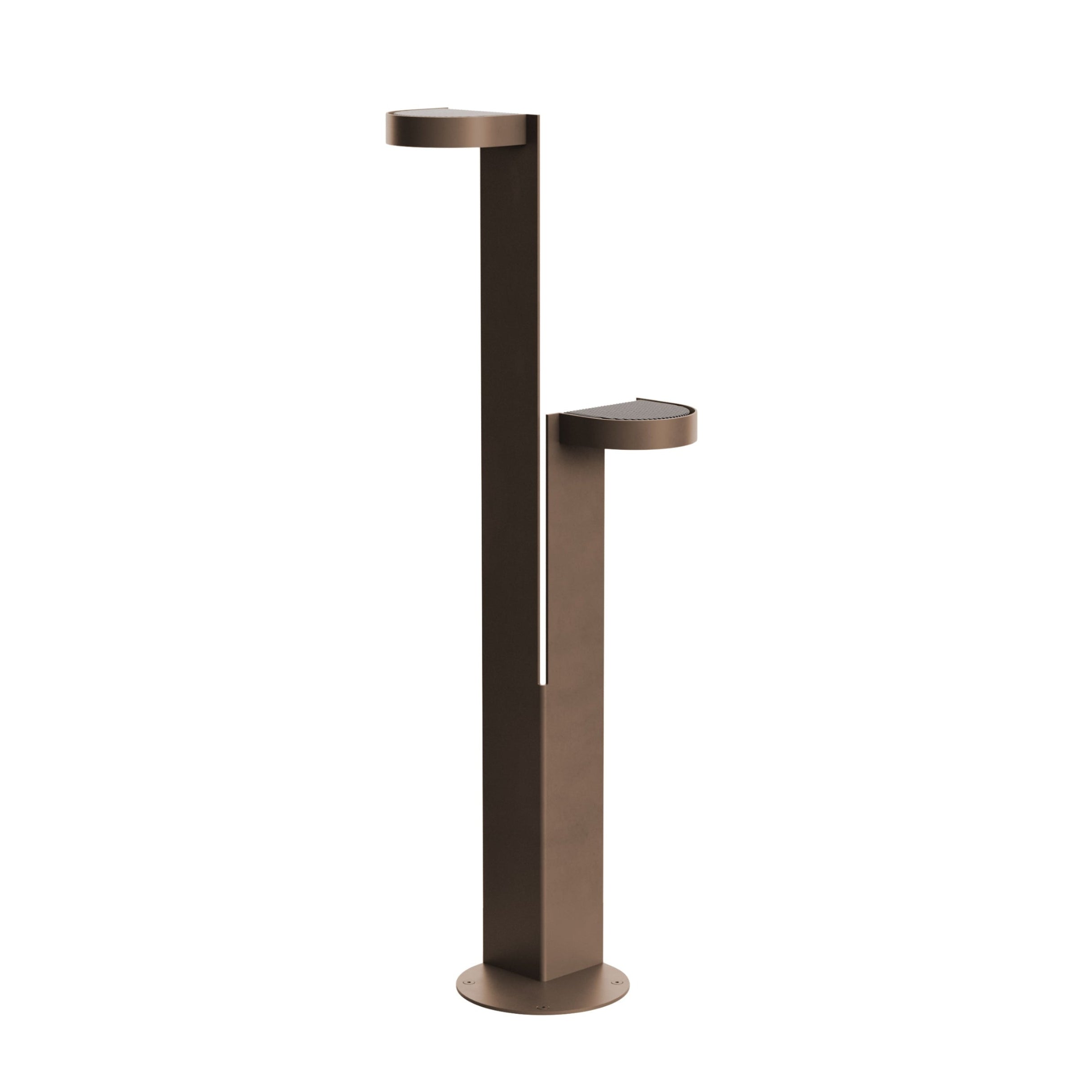
Wall sconces are installed by doors and along walls – models that shine up and down create a decorative effect without glare. Posts and standing lamps guide along pathways; they should be placed every 2–3 meters, alternating on both sides.
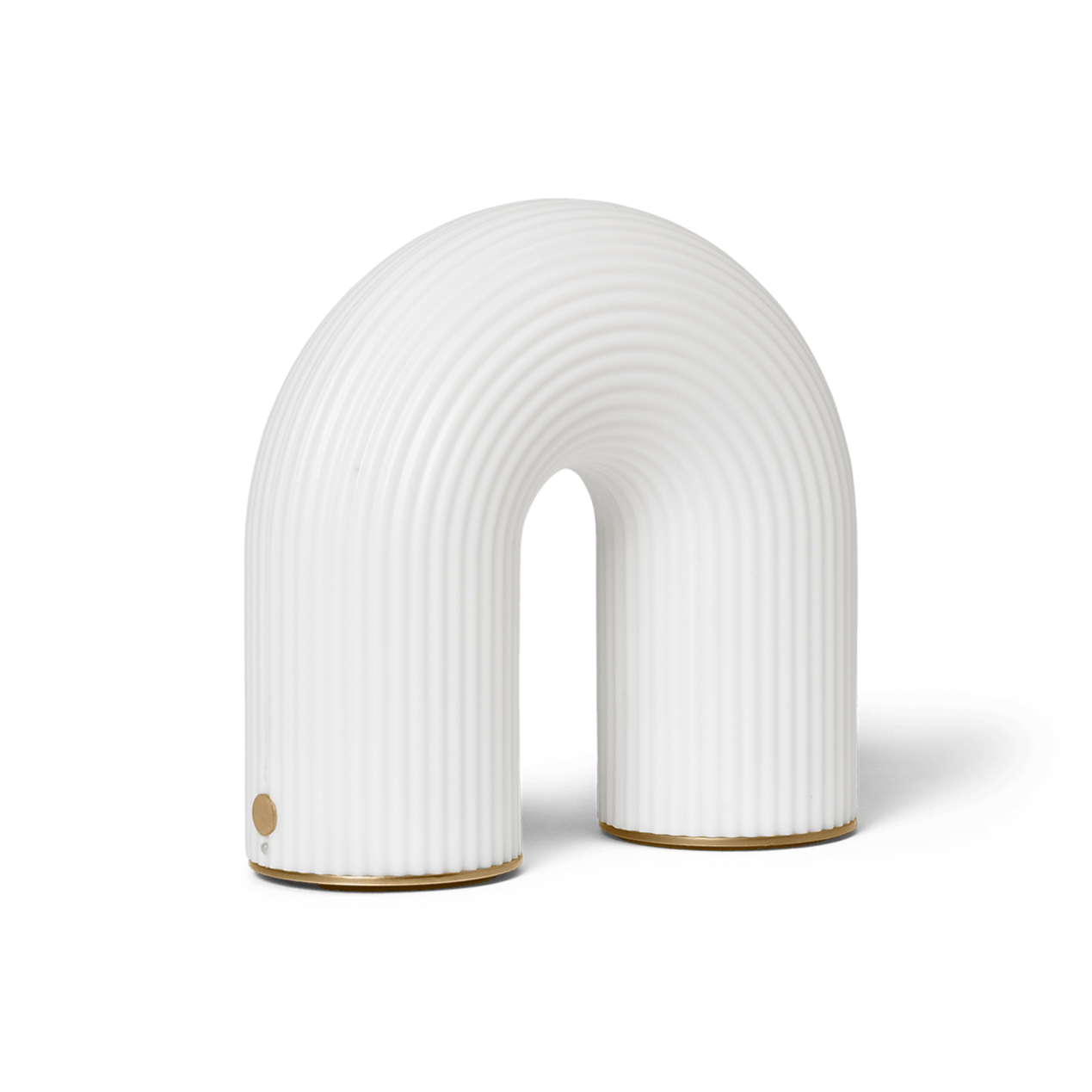
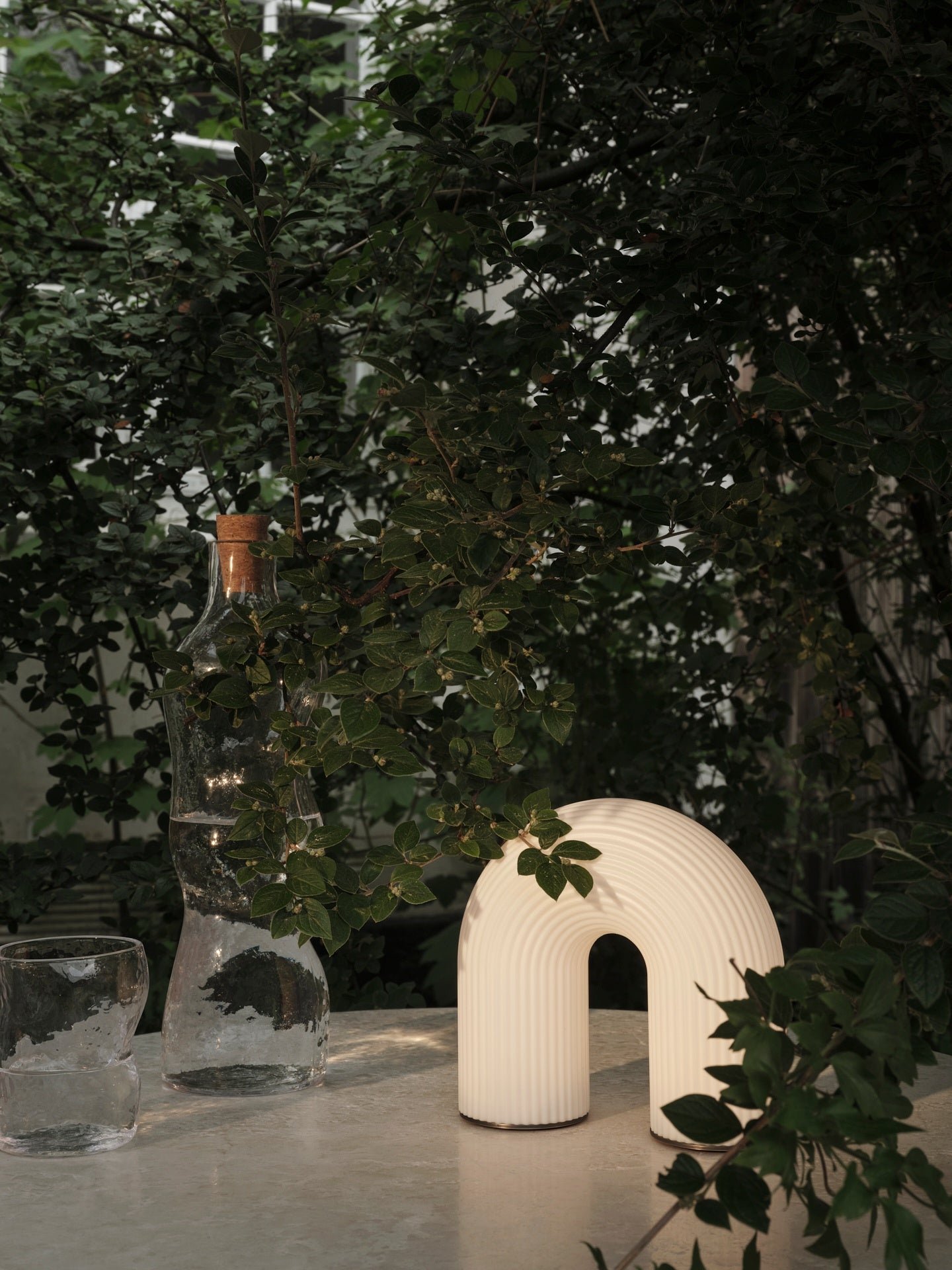
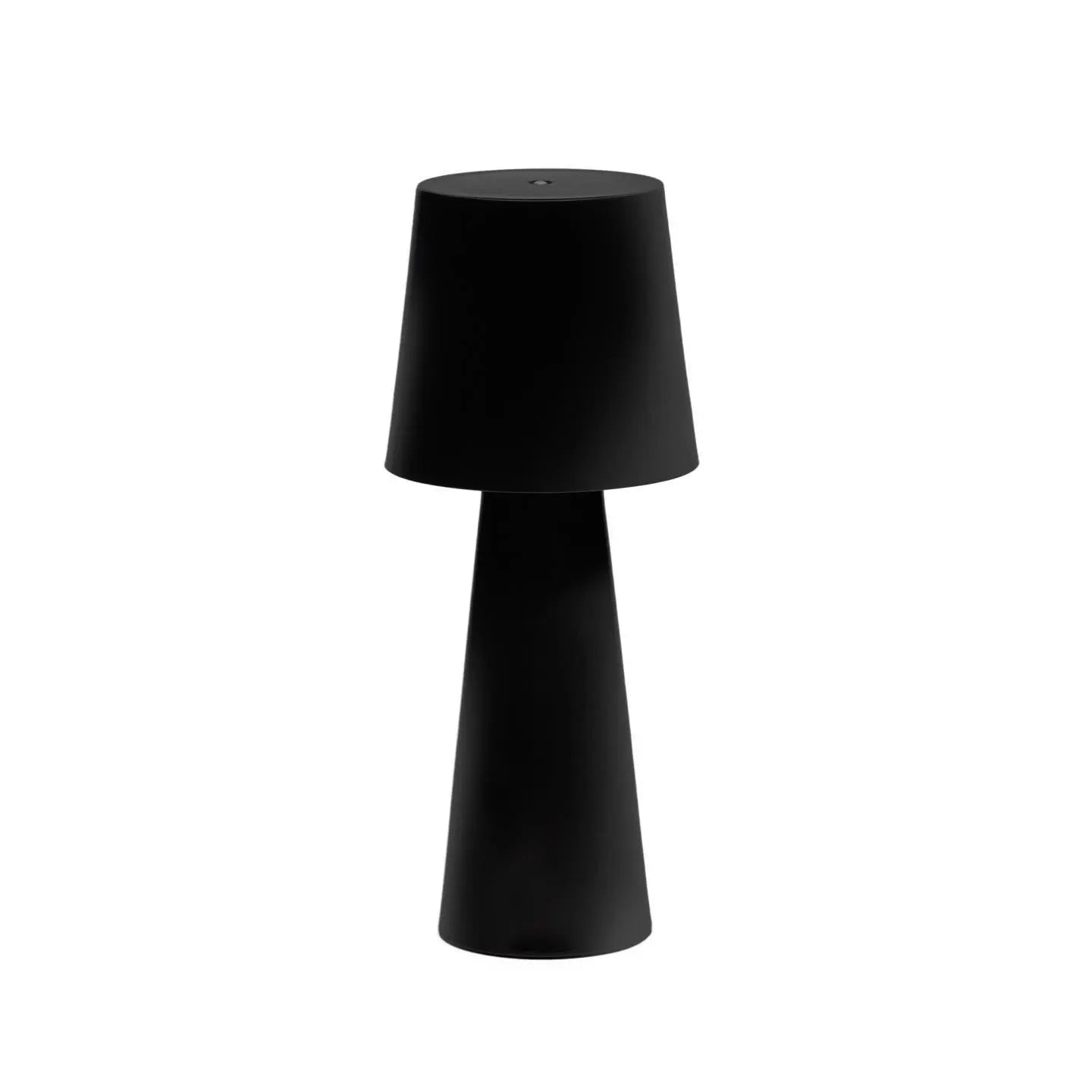
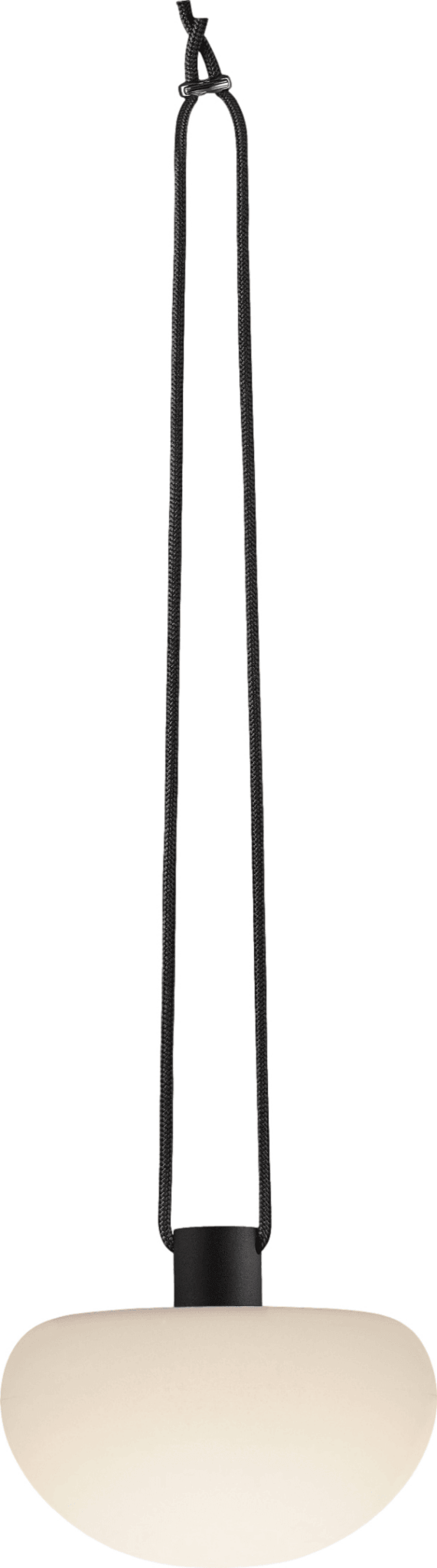
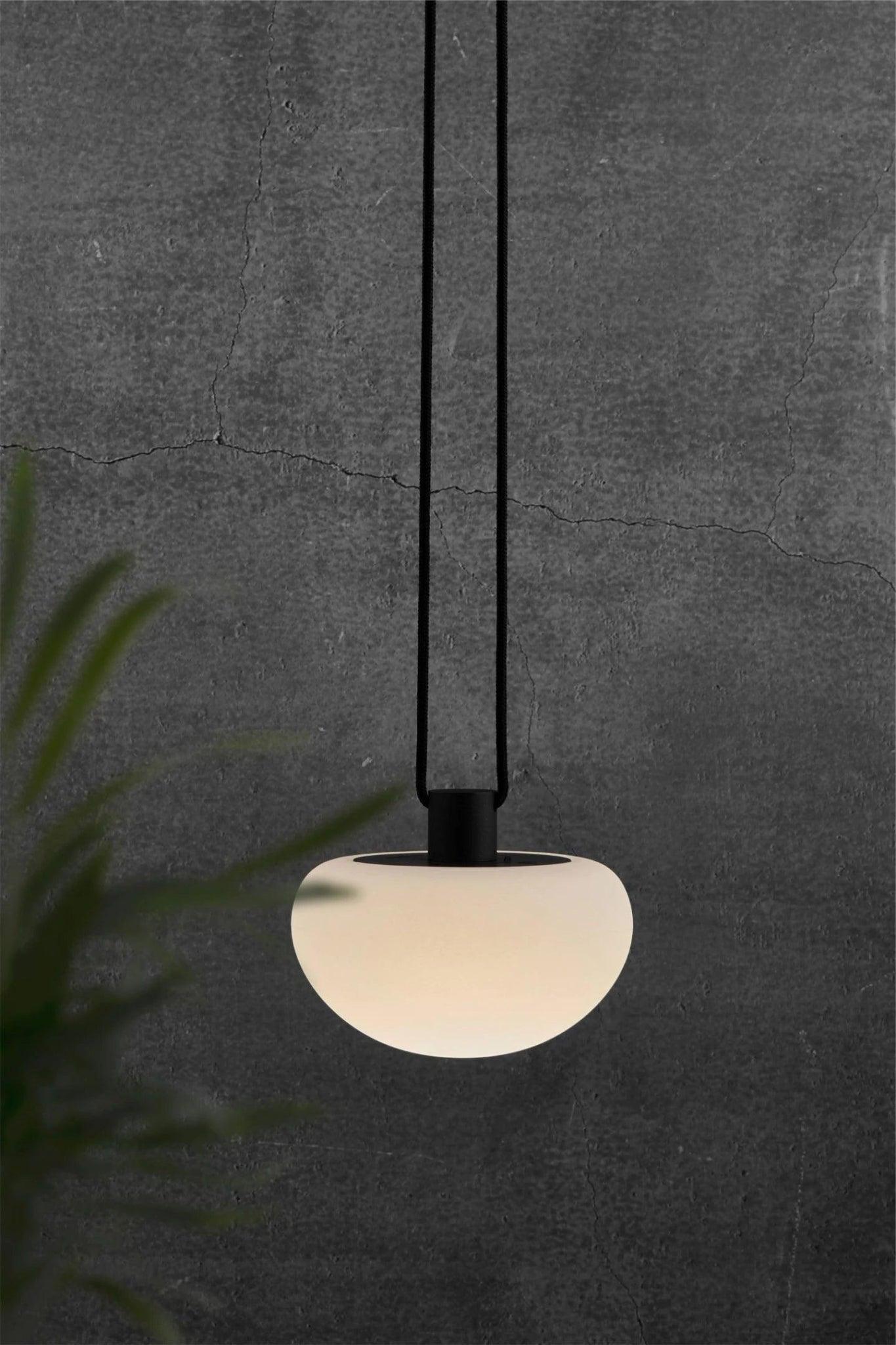
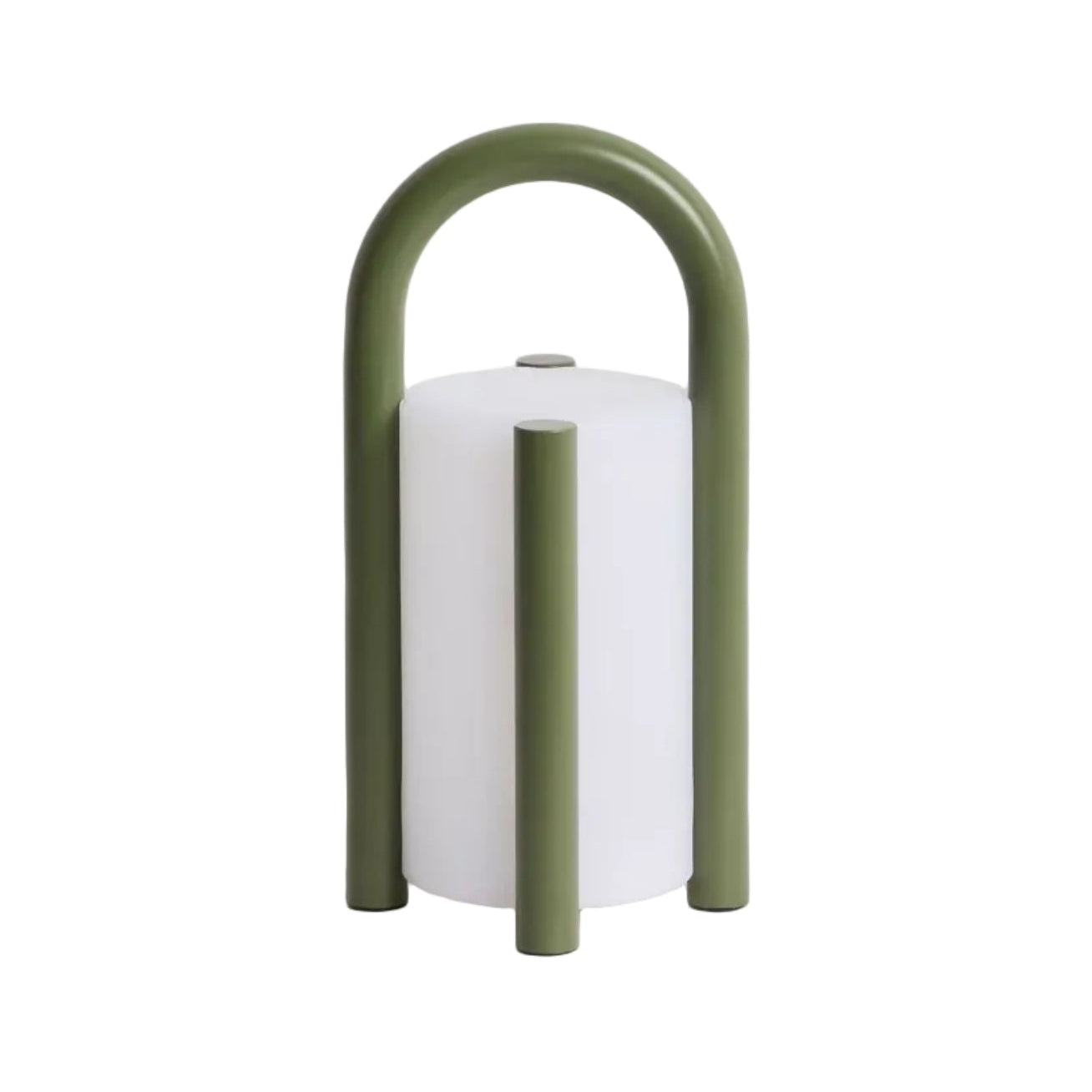
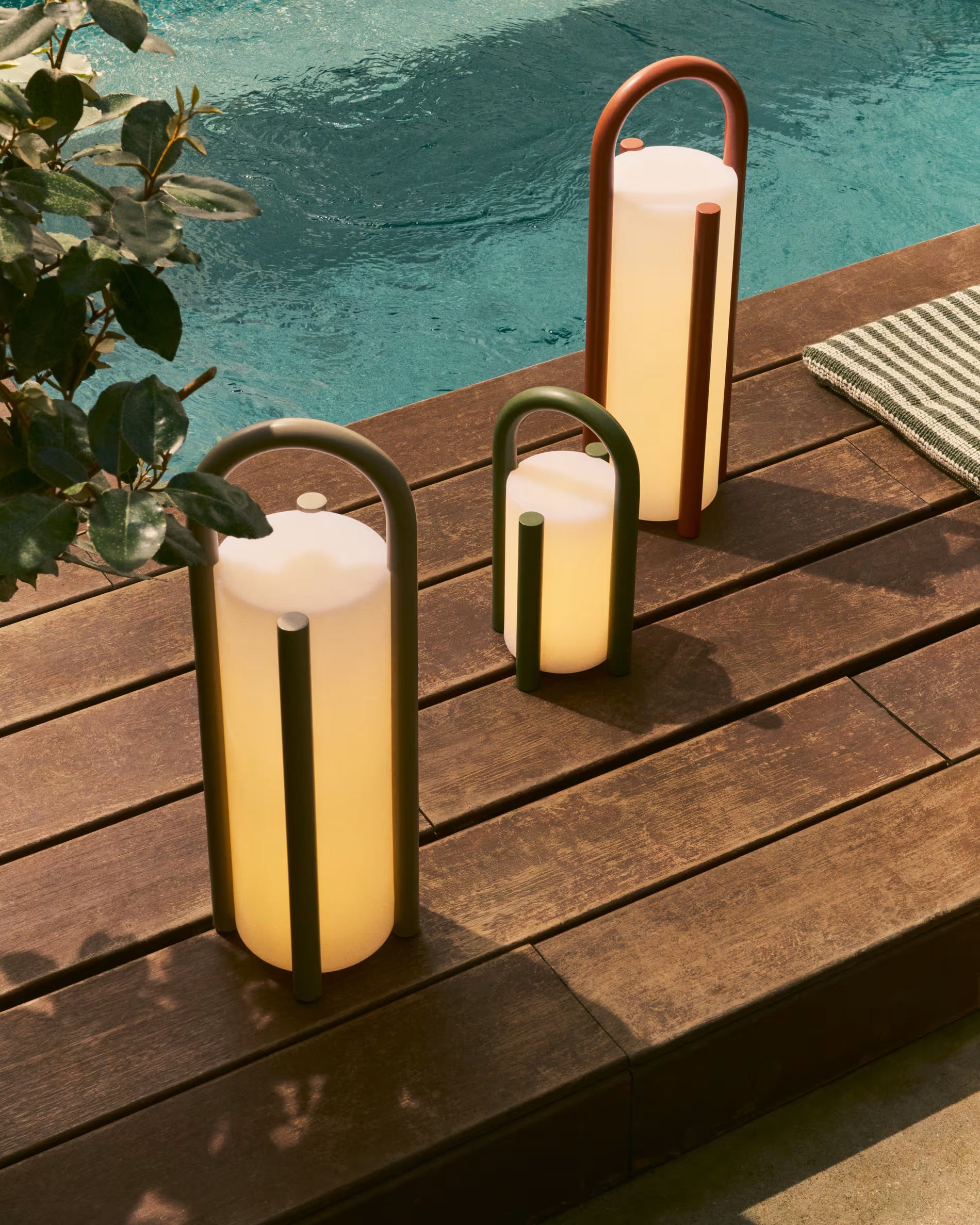
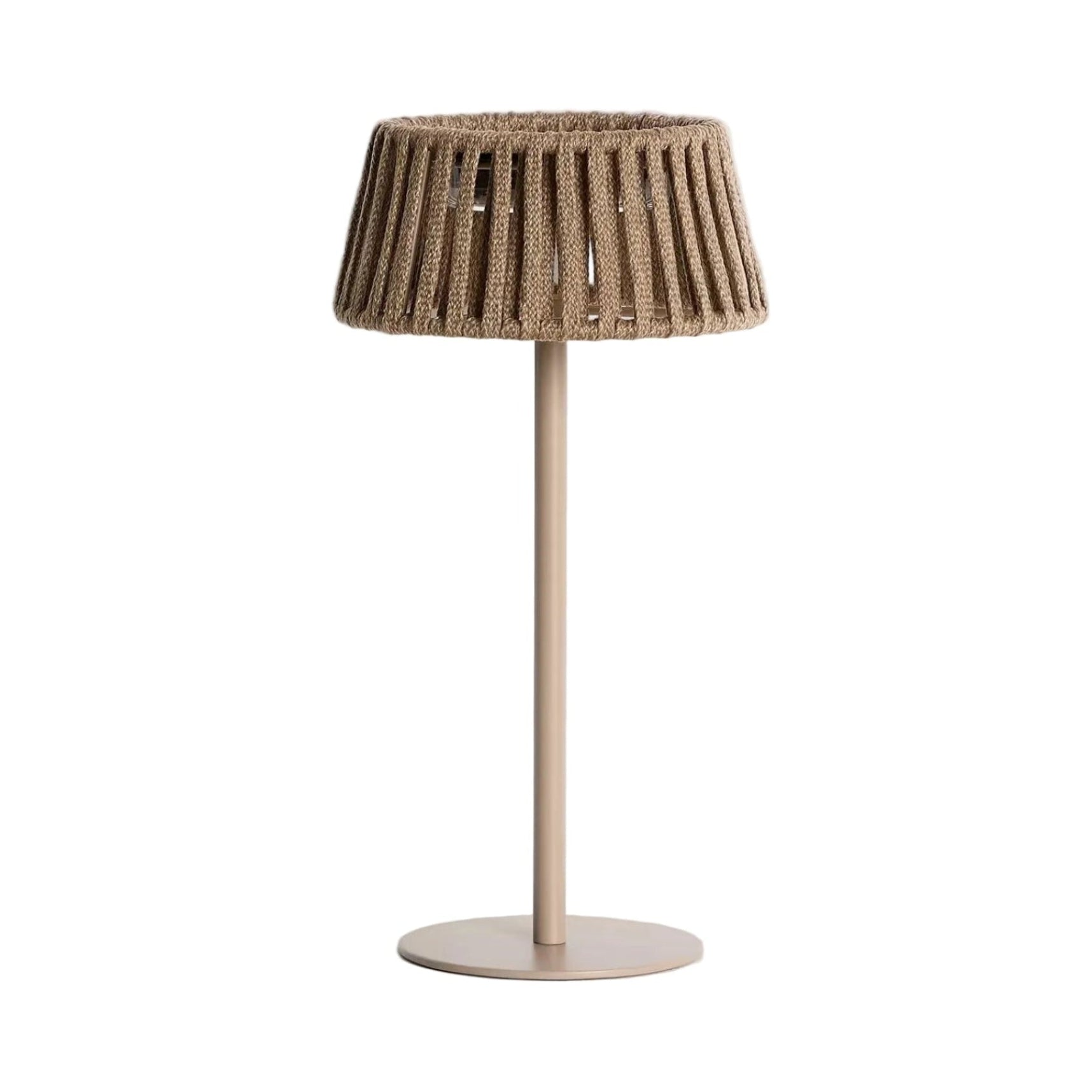
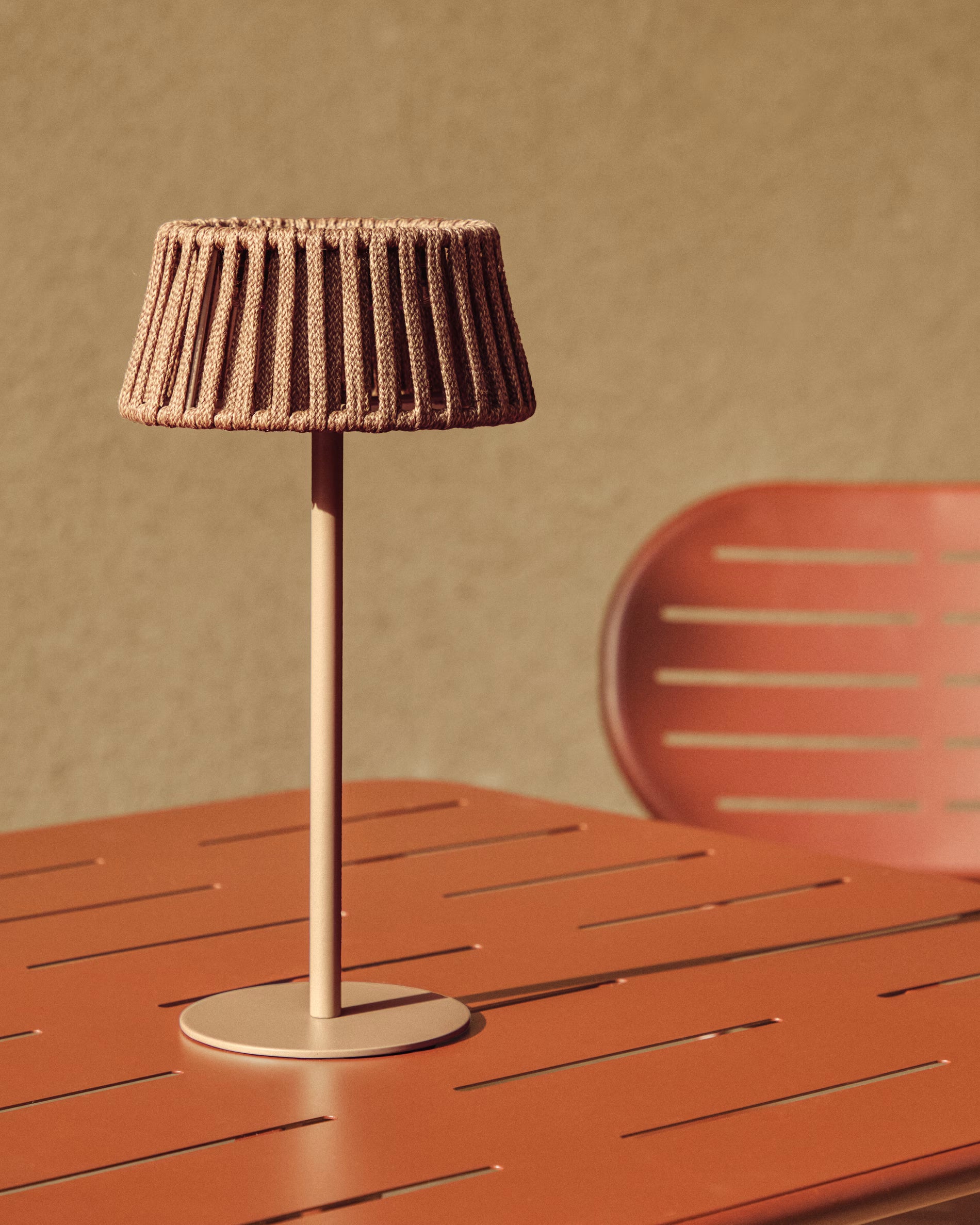
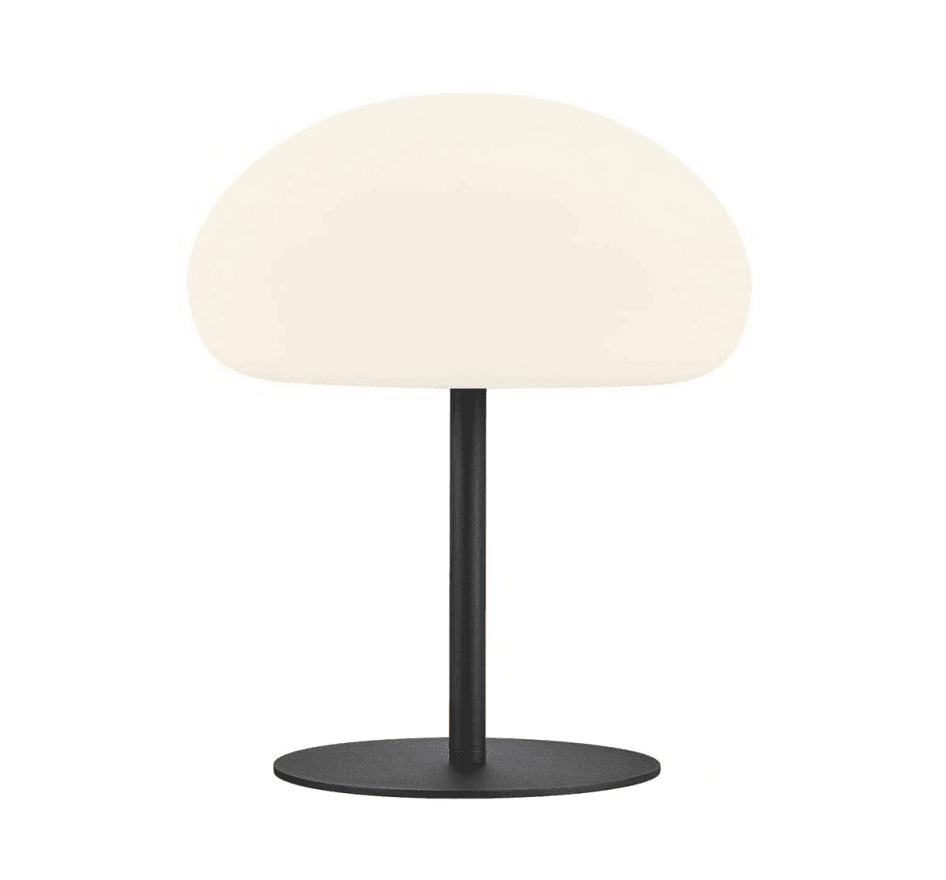
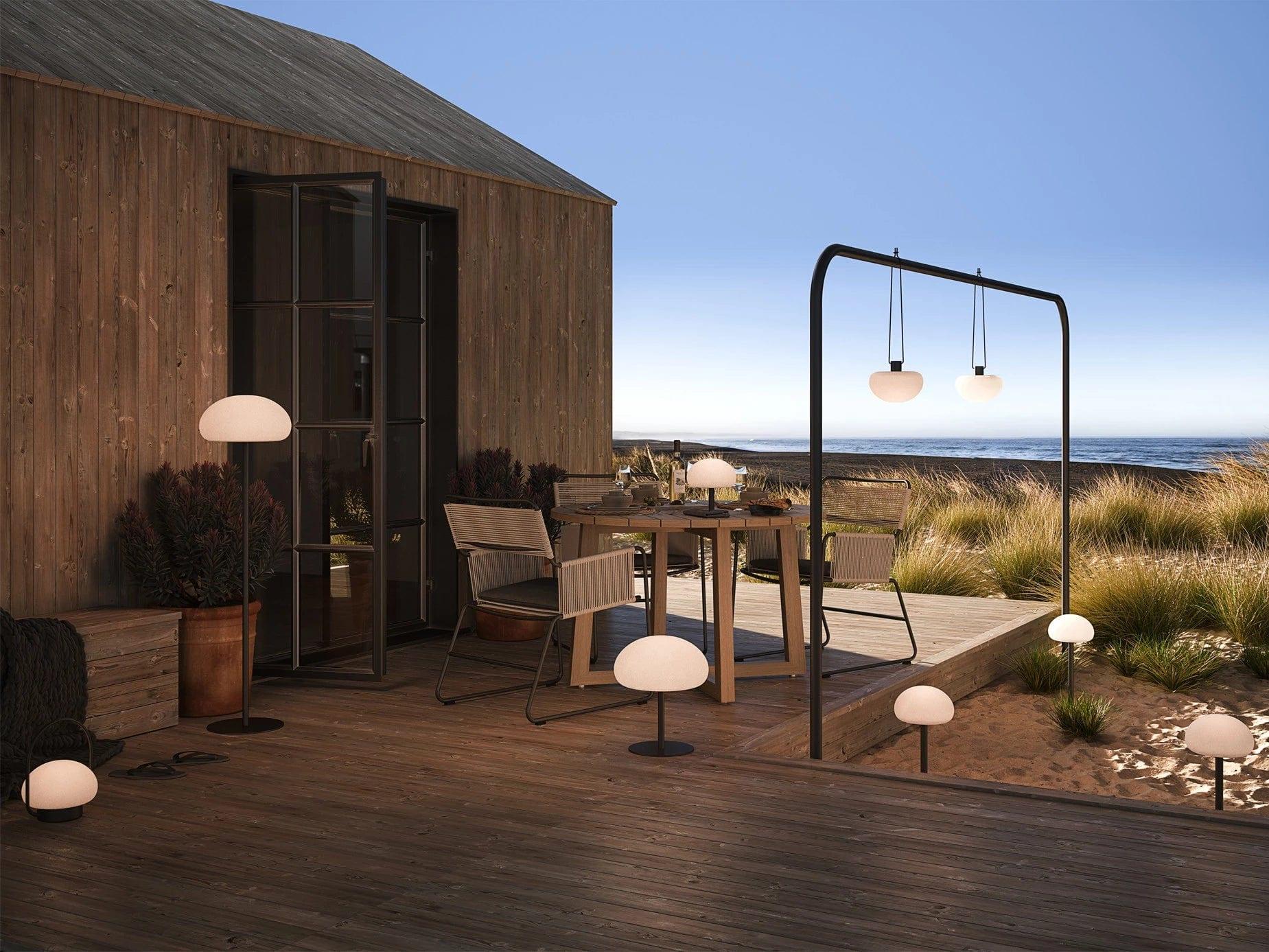
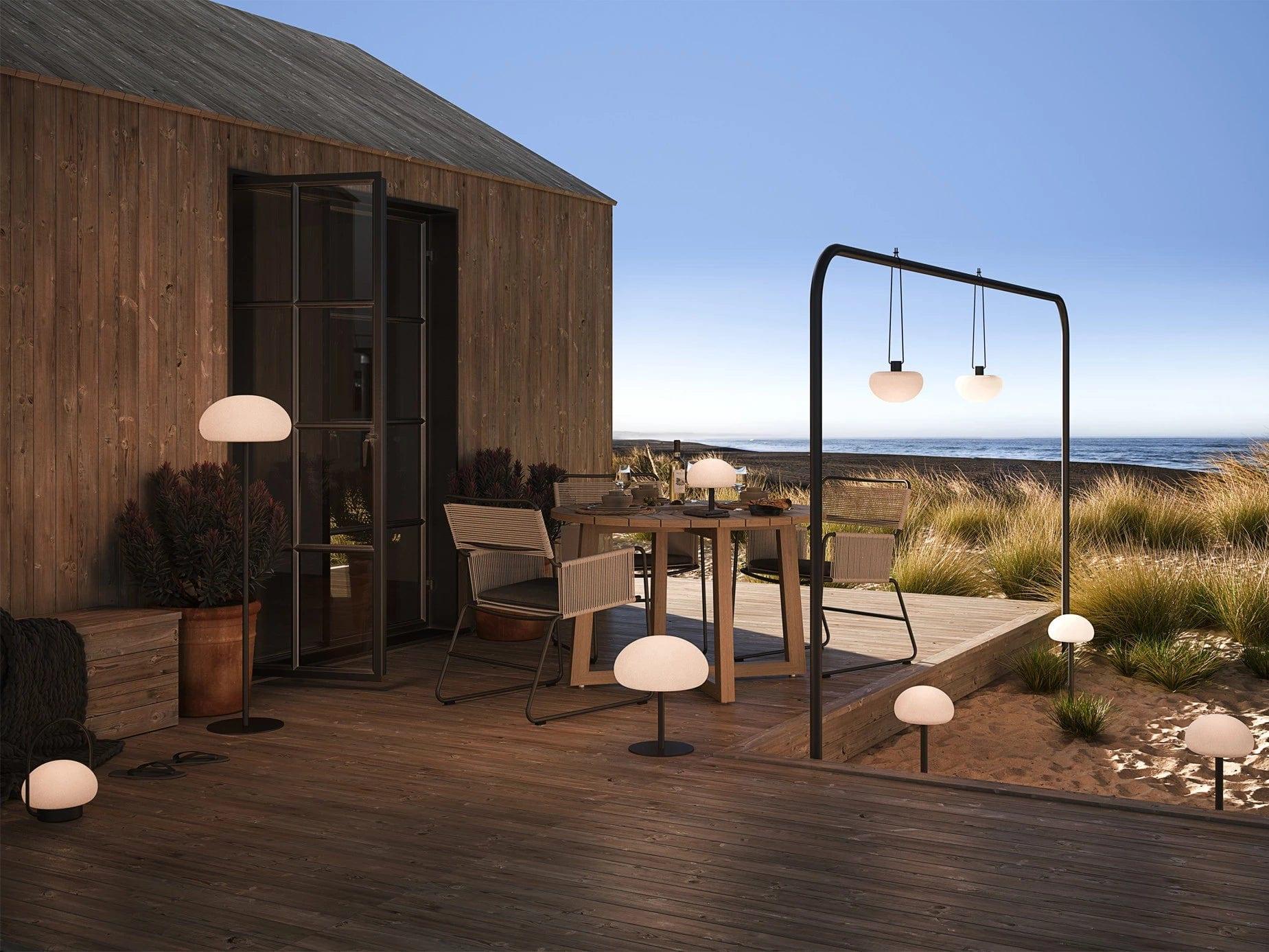
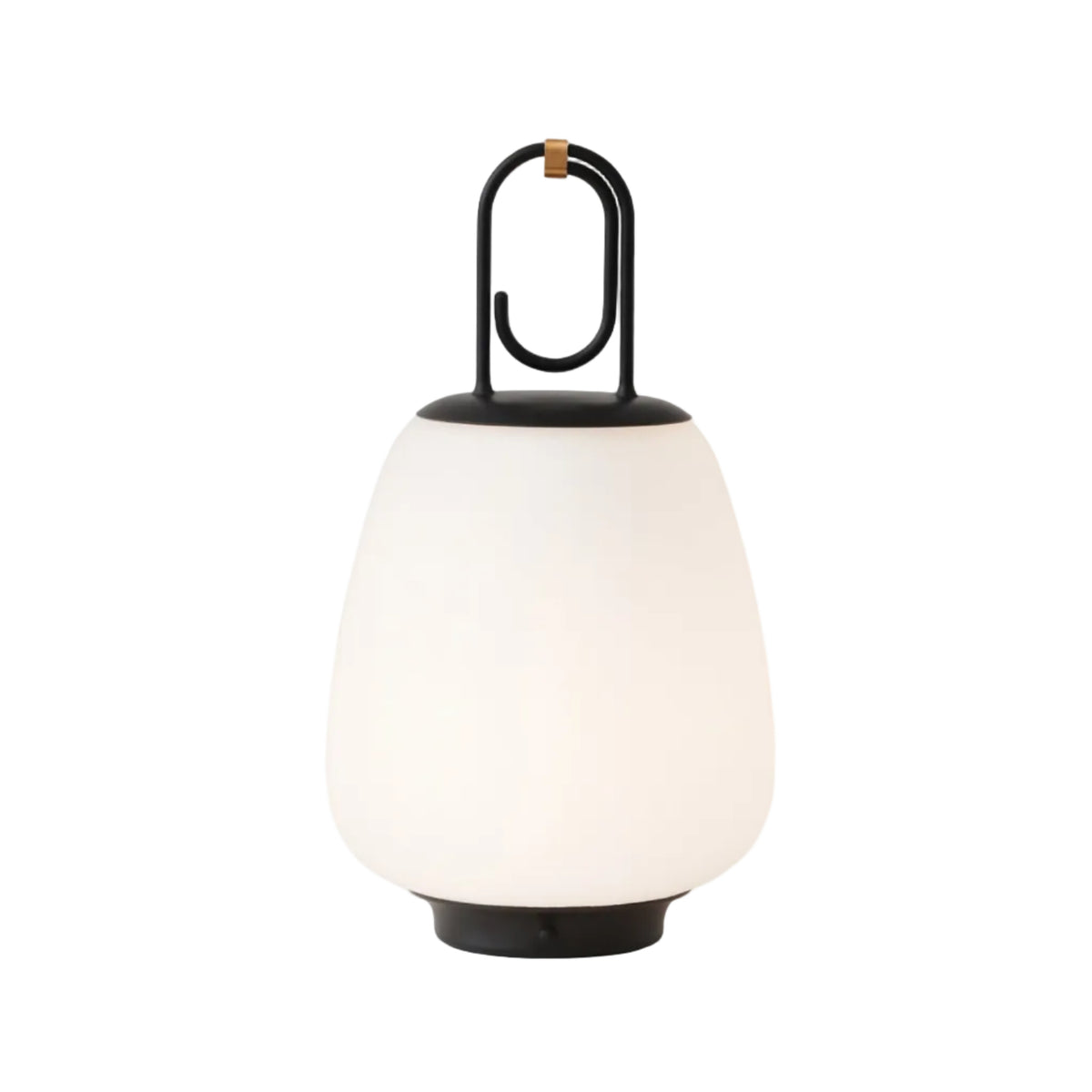
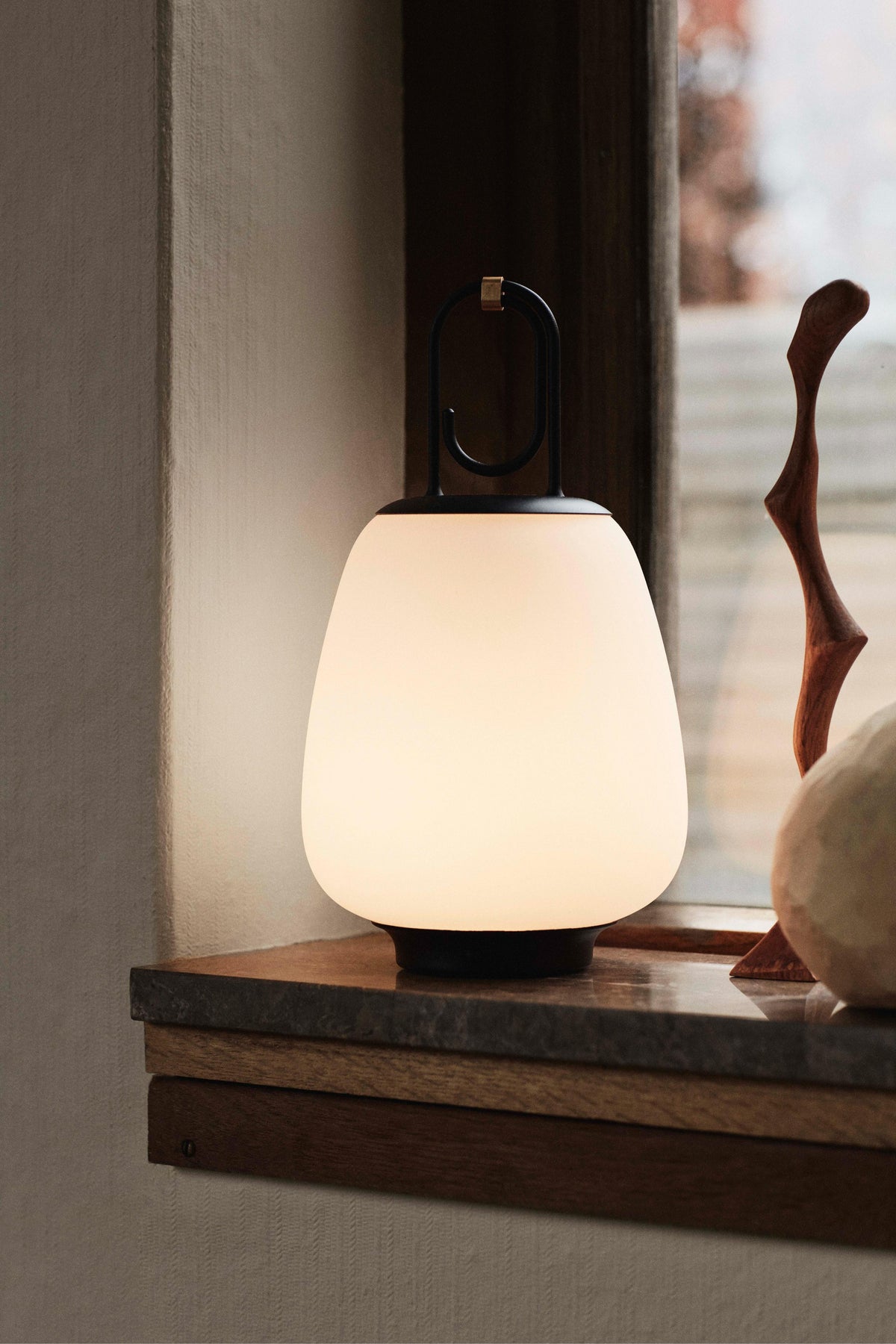
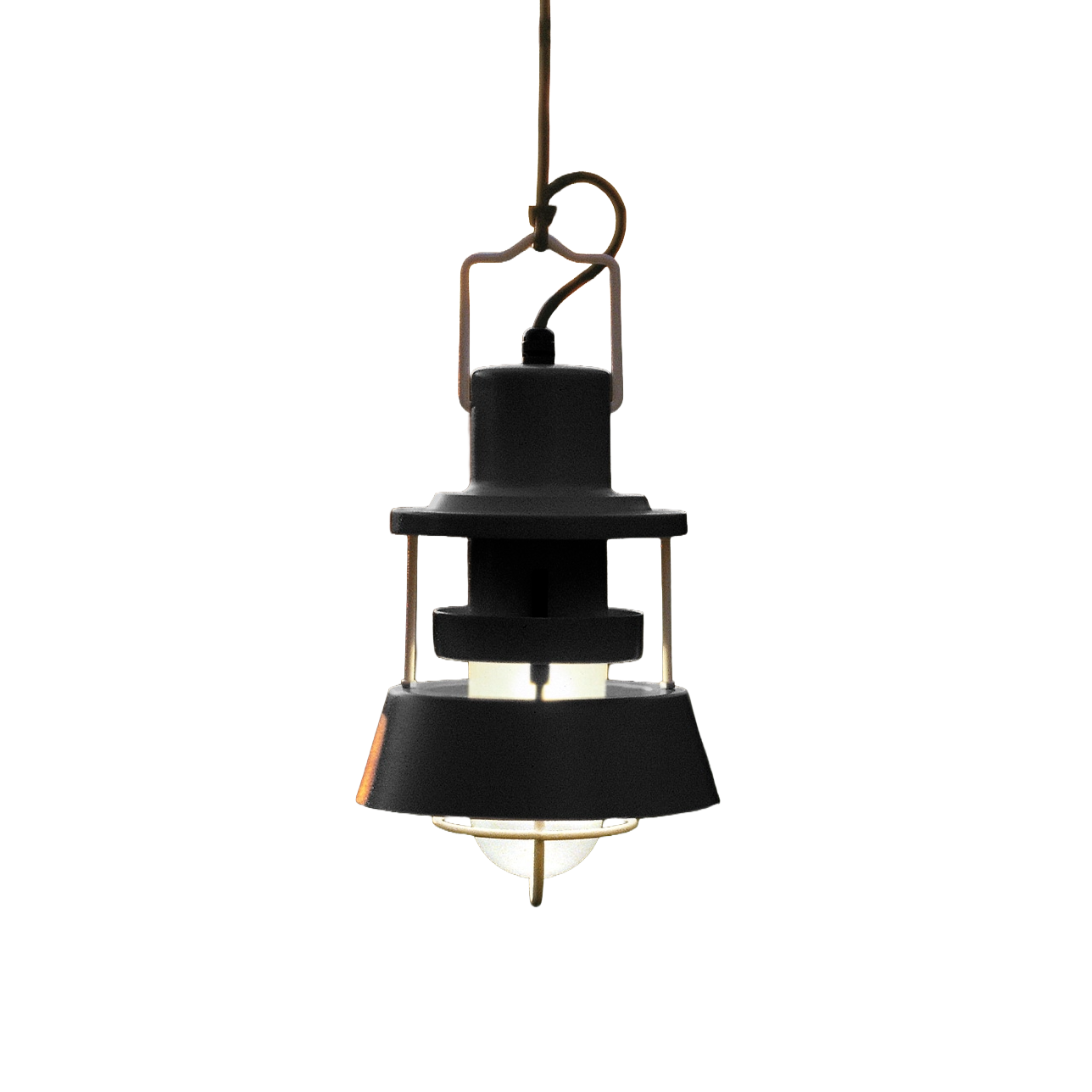
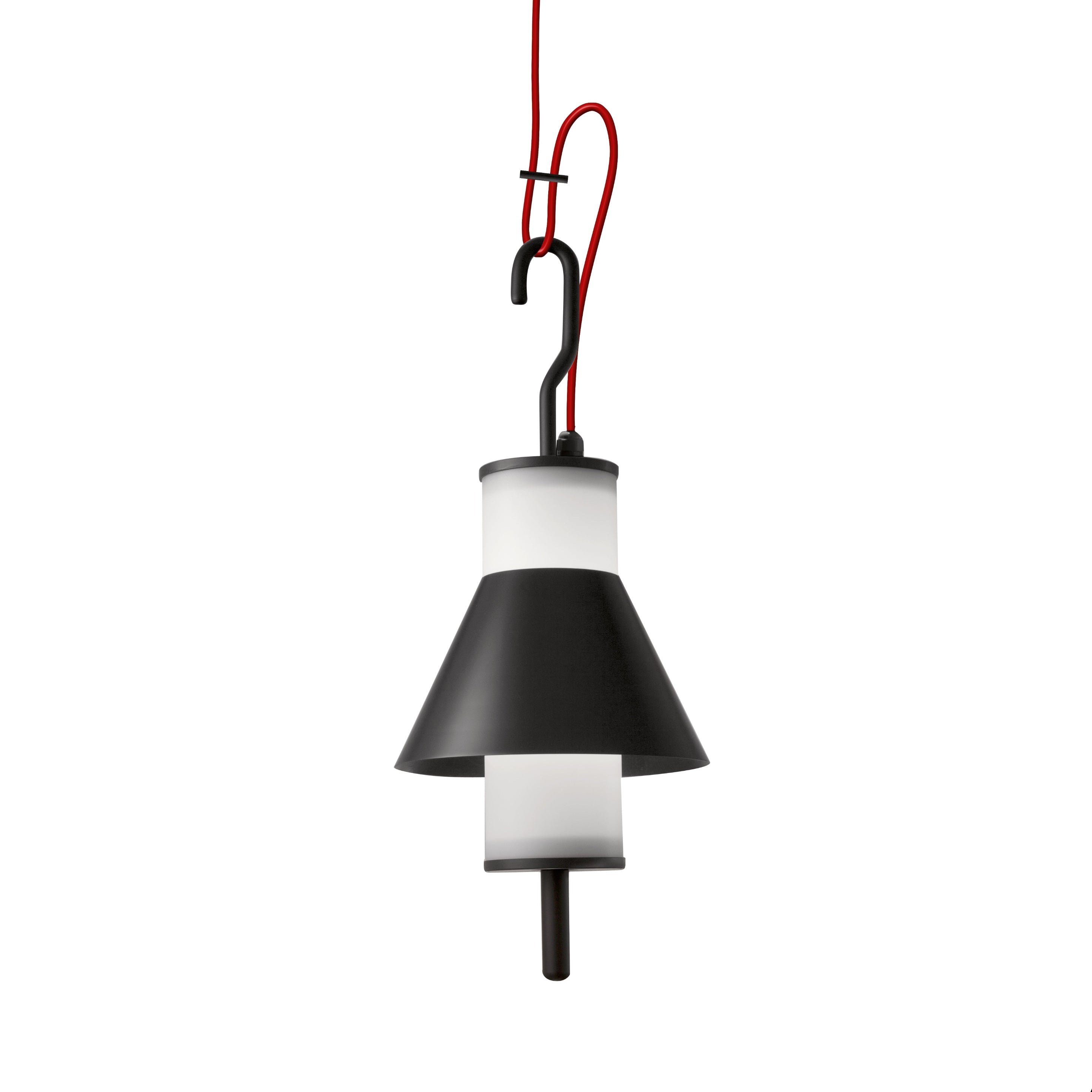
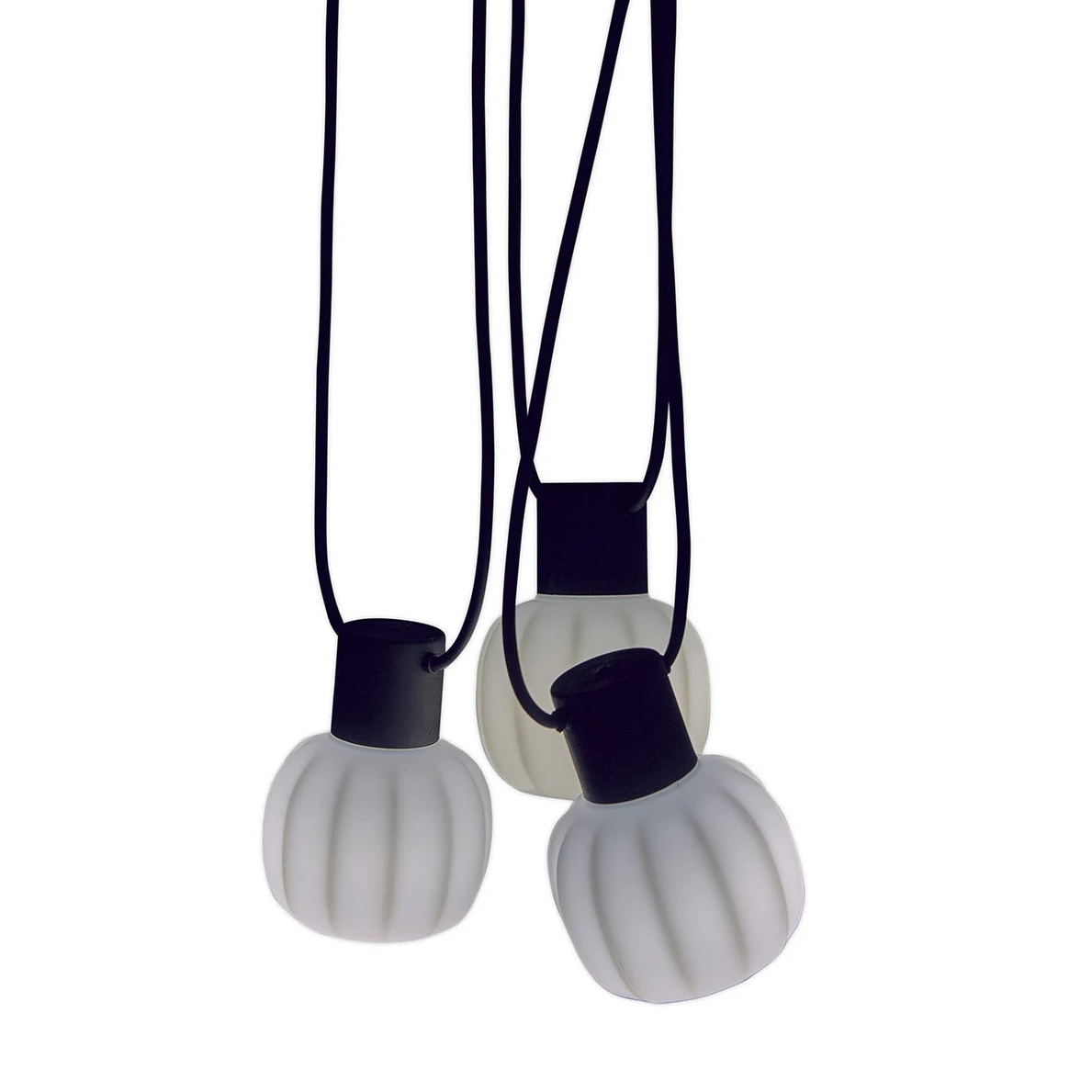
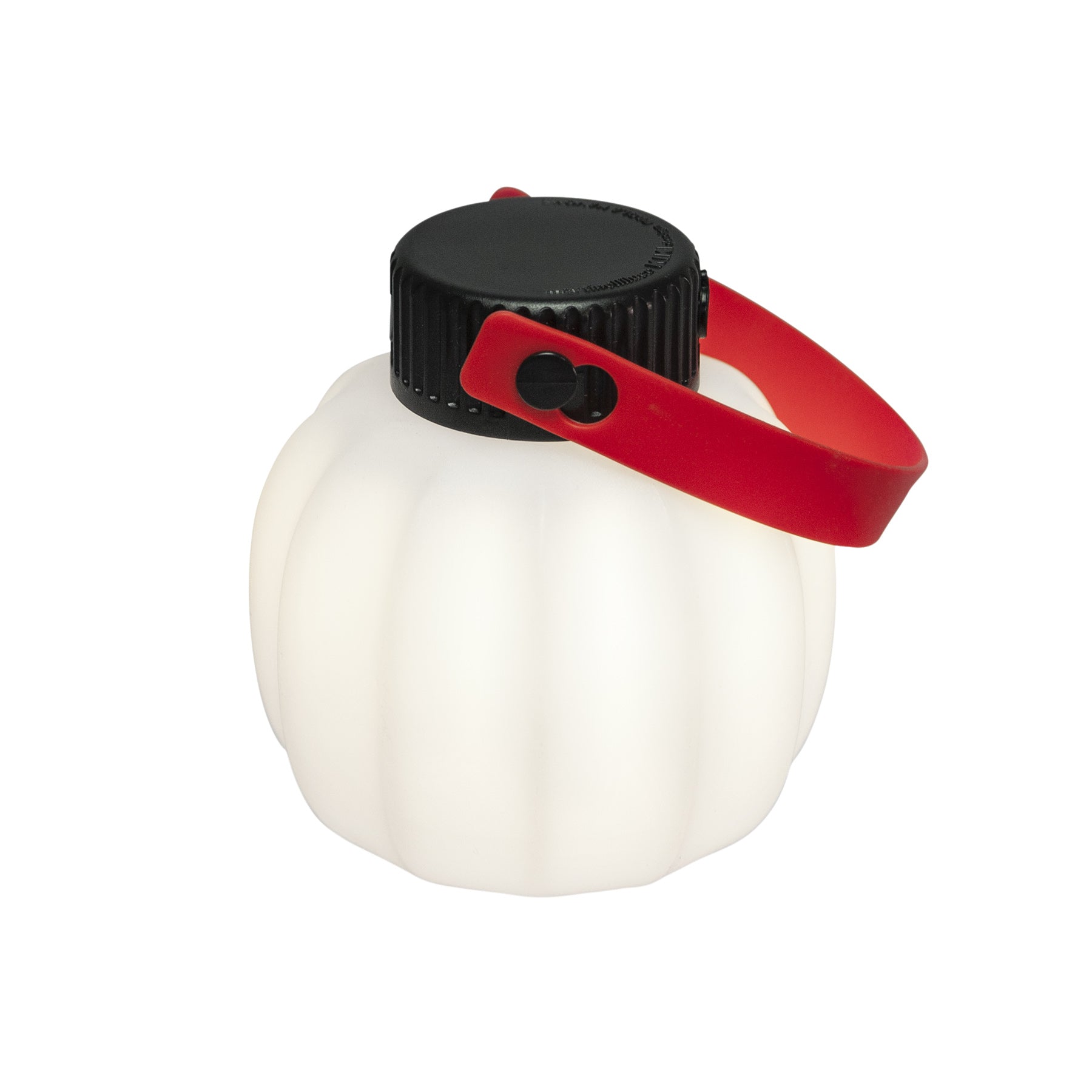
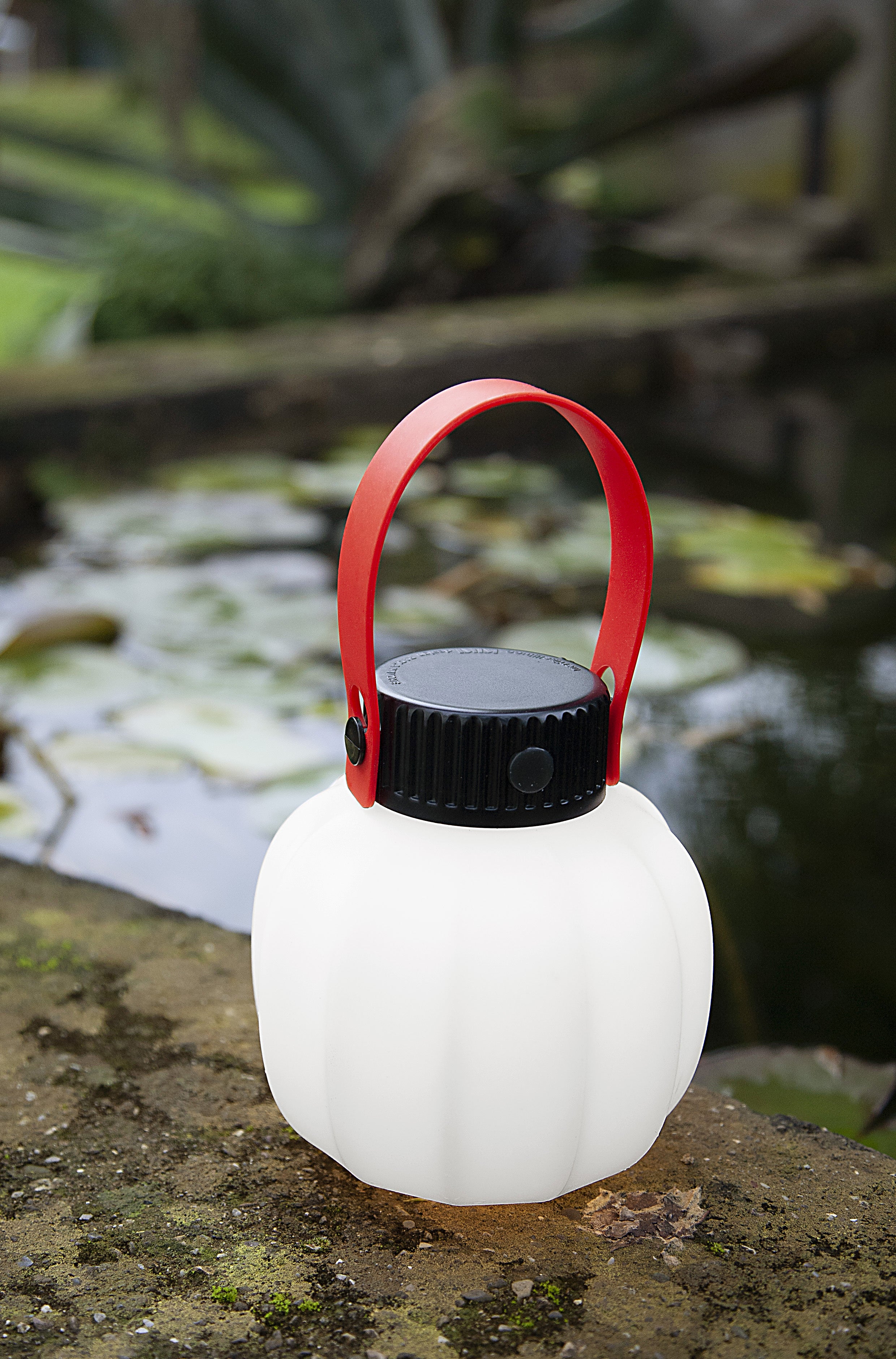
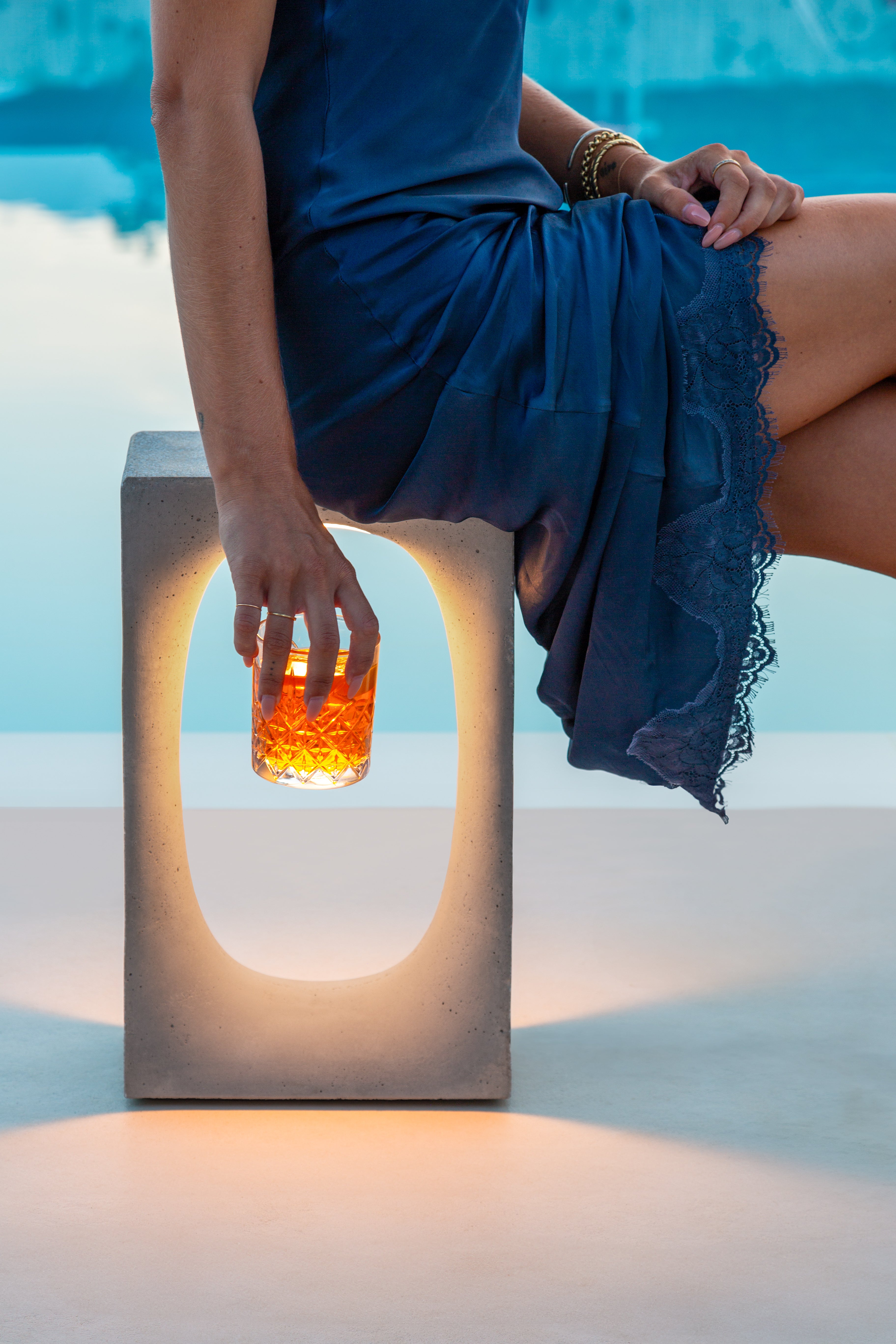
Portable battery lamps are the most convenient solution for tables – they require no installation and can be brought back indoors after the season. You can find more models among battery lamps.
How to Plan Lighting in the Garden
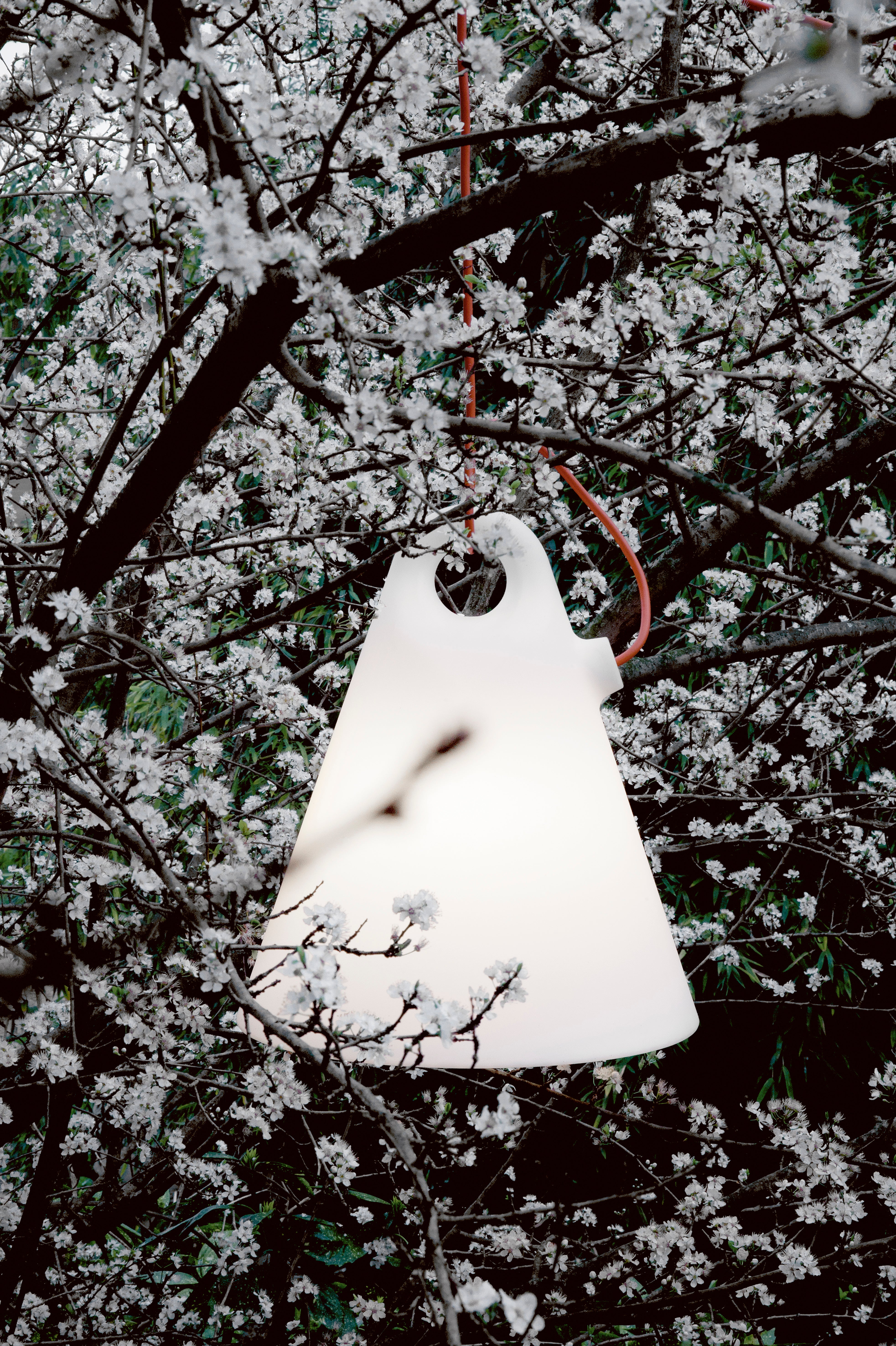
Instead of one strong spotlight, it's better to distribute several weaker sources – this gives the garden depth and prevents eye strain from contrast. It's worth illuminating a single tree or wall from below, creating a natural backdrop for the relaxation area.
A warm color temperature of 2700 K works best – cool light outdoors looks harsh and attracts more insects.
A Complete Patio
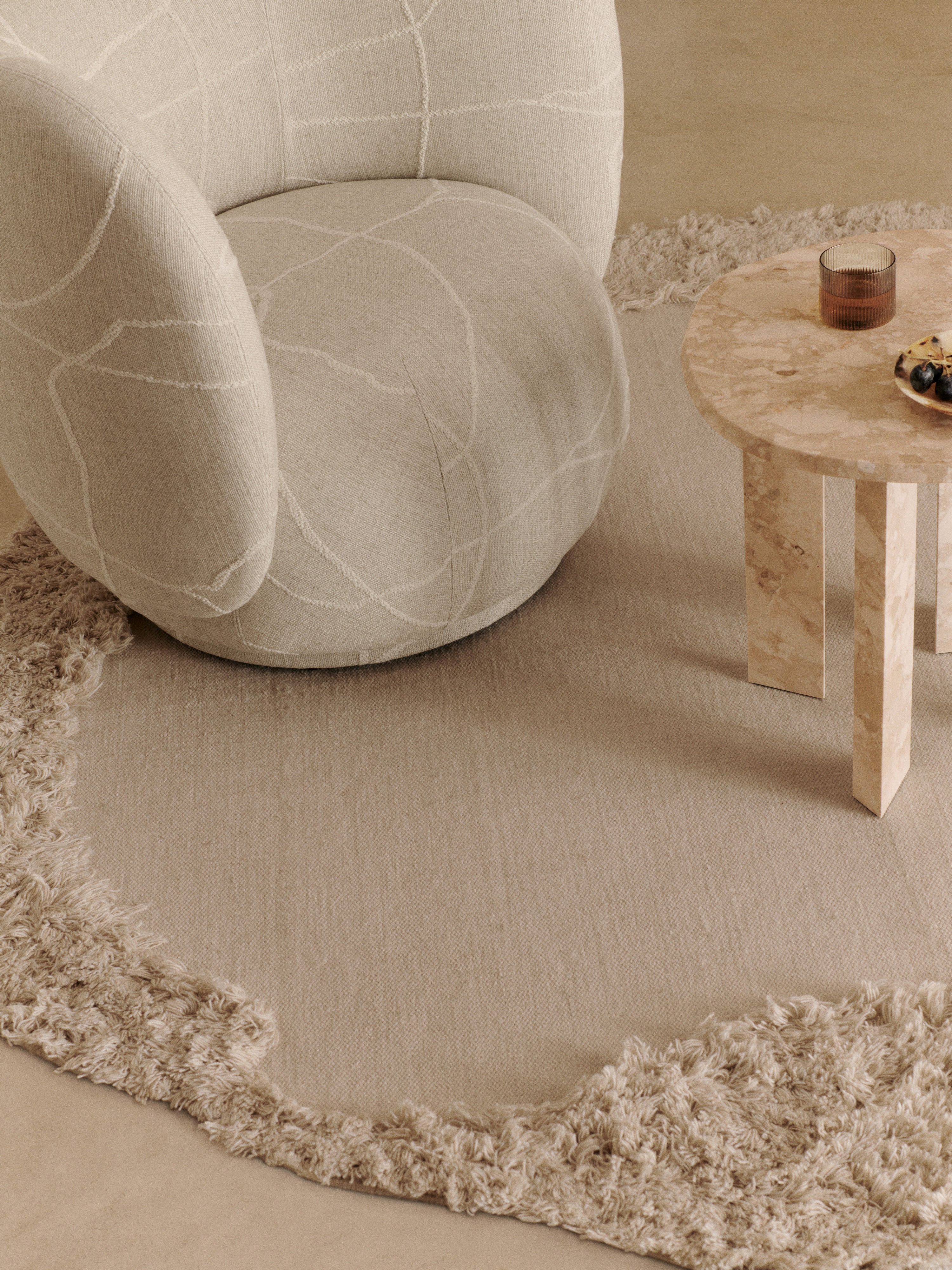
It's advisable to plan lighting together with furniture – tables, chairs, and outdoor armchairs – as well as with an umbrella, which often has its own lamp mount. The whole setup will be complemented by planters and outdoor rugs.
Outdoor Lamps – Frequently Asked Questions
What IP class is suitable for a patio?
Under a roof, IP44 is sufficient, for an open patio IP54, and at ground level and in areas exposed to water streams – IP65.
How far apart should lamps be placed along a path?
Usually every 2–3 meters, best alternately on both sides – this provides even light without creating a corridor effect.
What color light is best for the garden?
Warm, around 2700 K. Cool light looks harsh and attracts more insects.
Free shipping on orders over 1000 PLN, showroom in Warsaw.