Japandi Style — Japanese Minimalism and Scandinavian Warmth
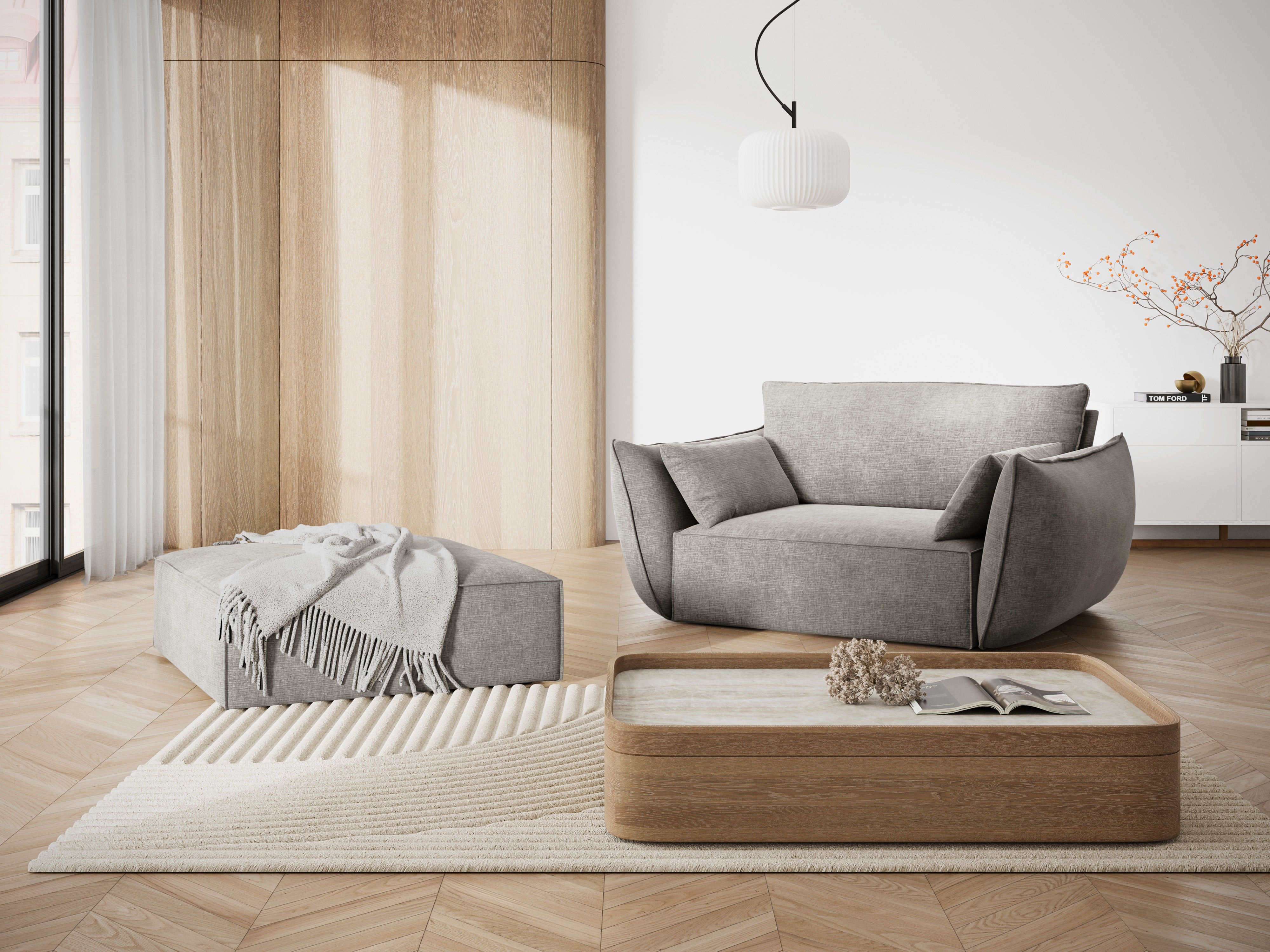
Japandi is a blend of two surprisingly harmonious interior design philosophies: the Japanese wabi-sabi, which appreciates imperfection and natural wear, and the Scandinavian hygge, which emphasizes coziness and light. The result is a space that is raw yet not cold — empty but not impoverished.
Color Palette
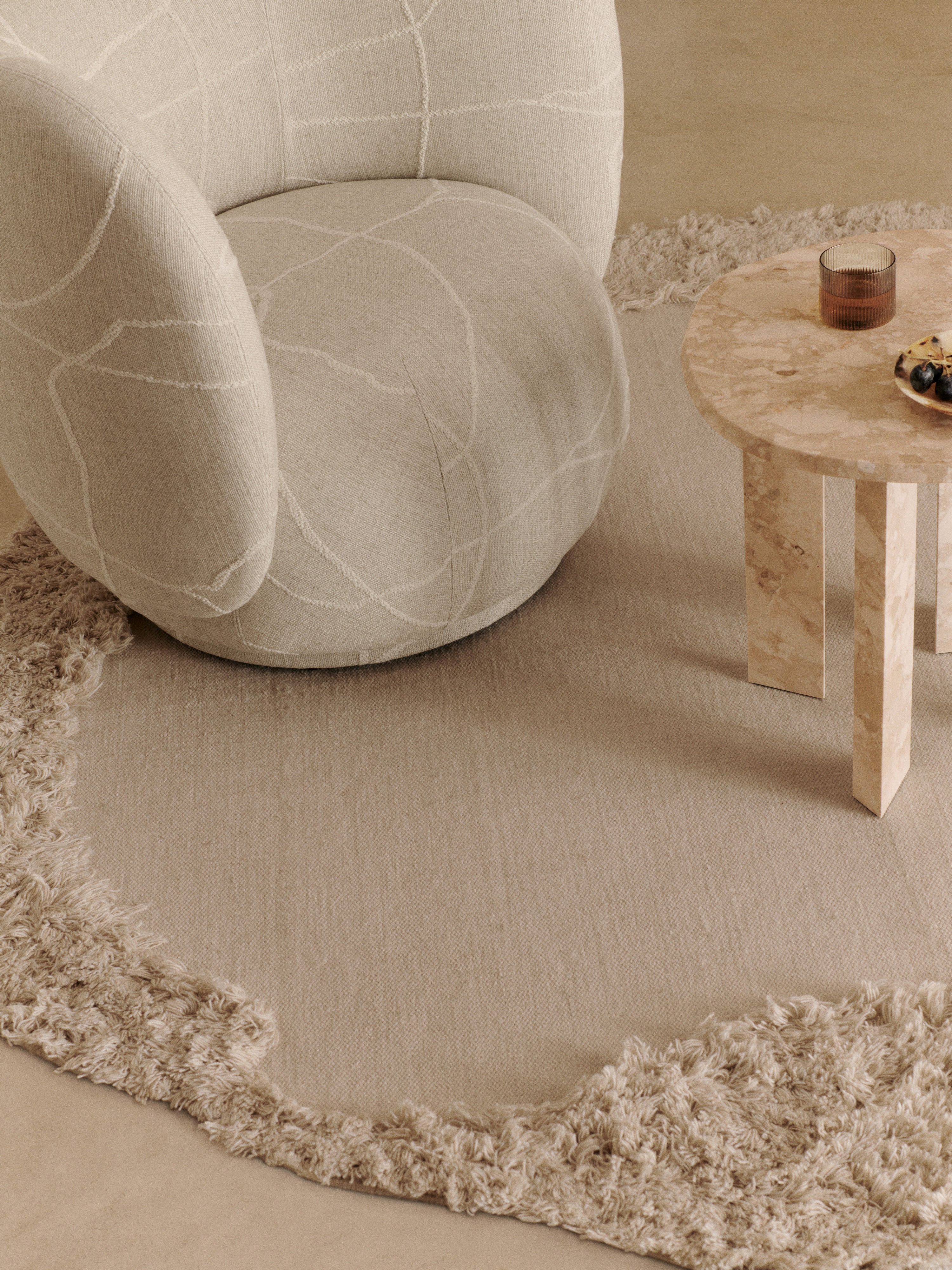
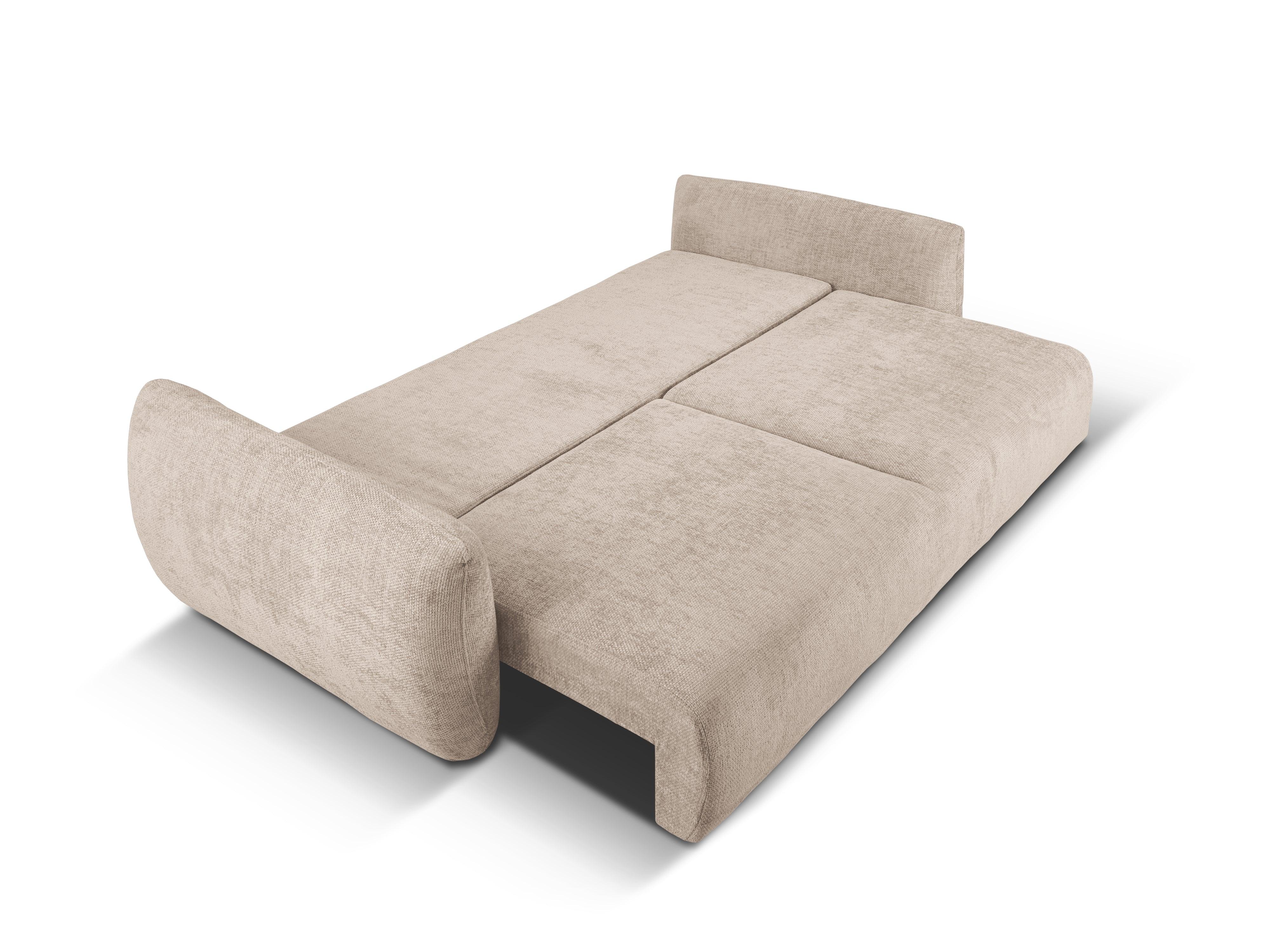
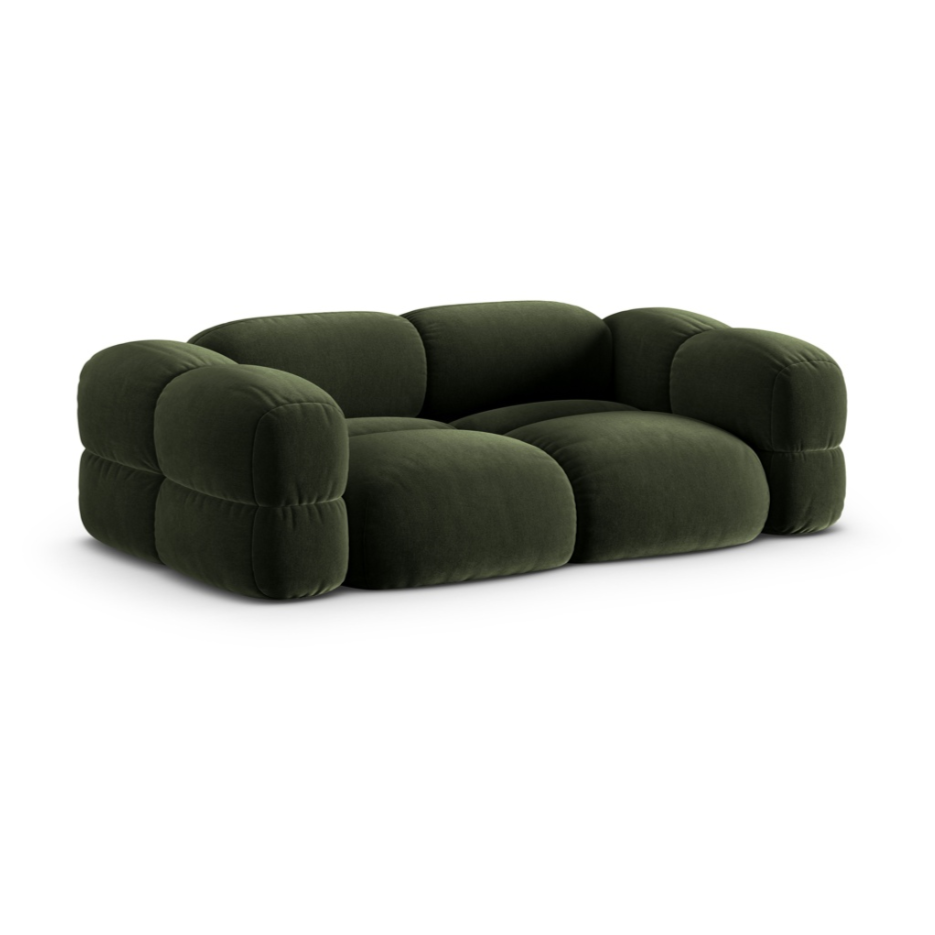
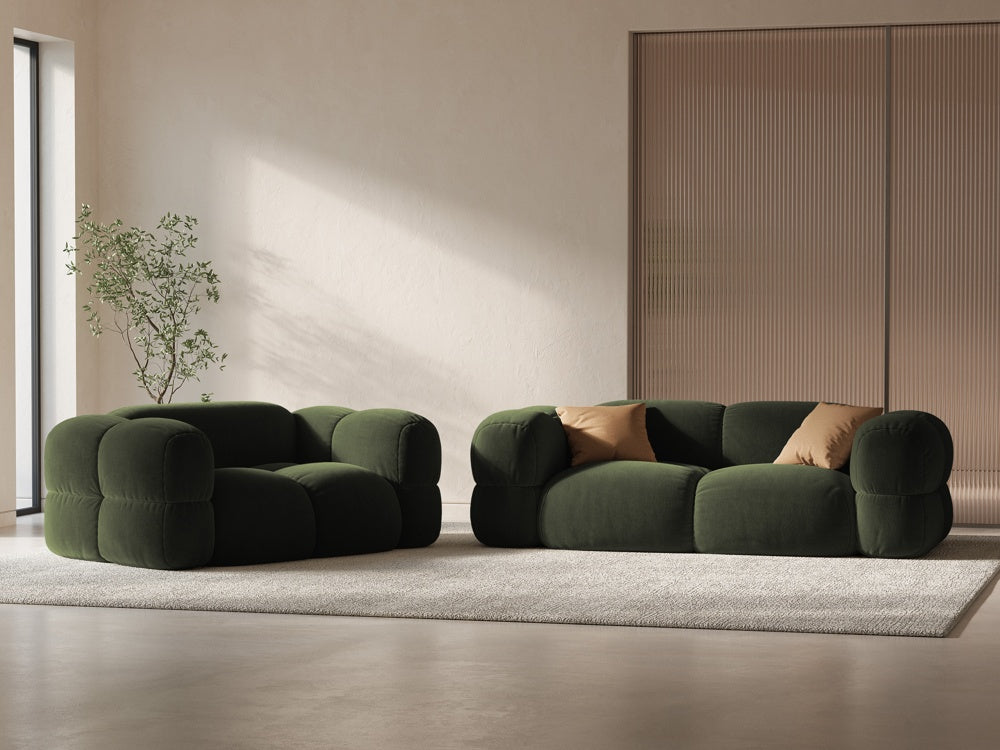
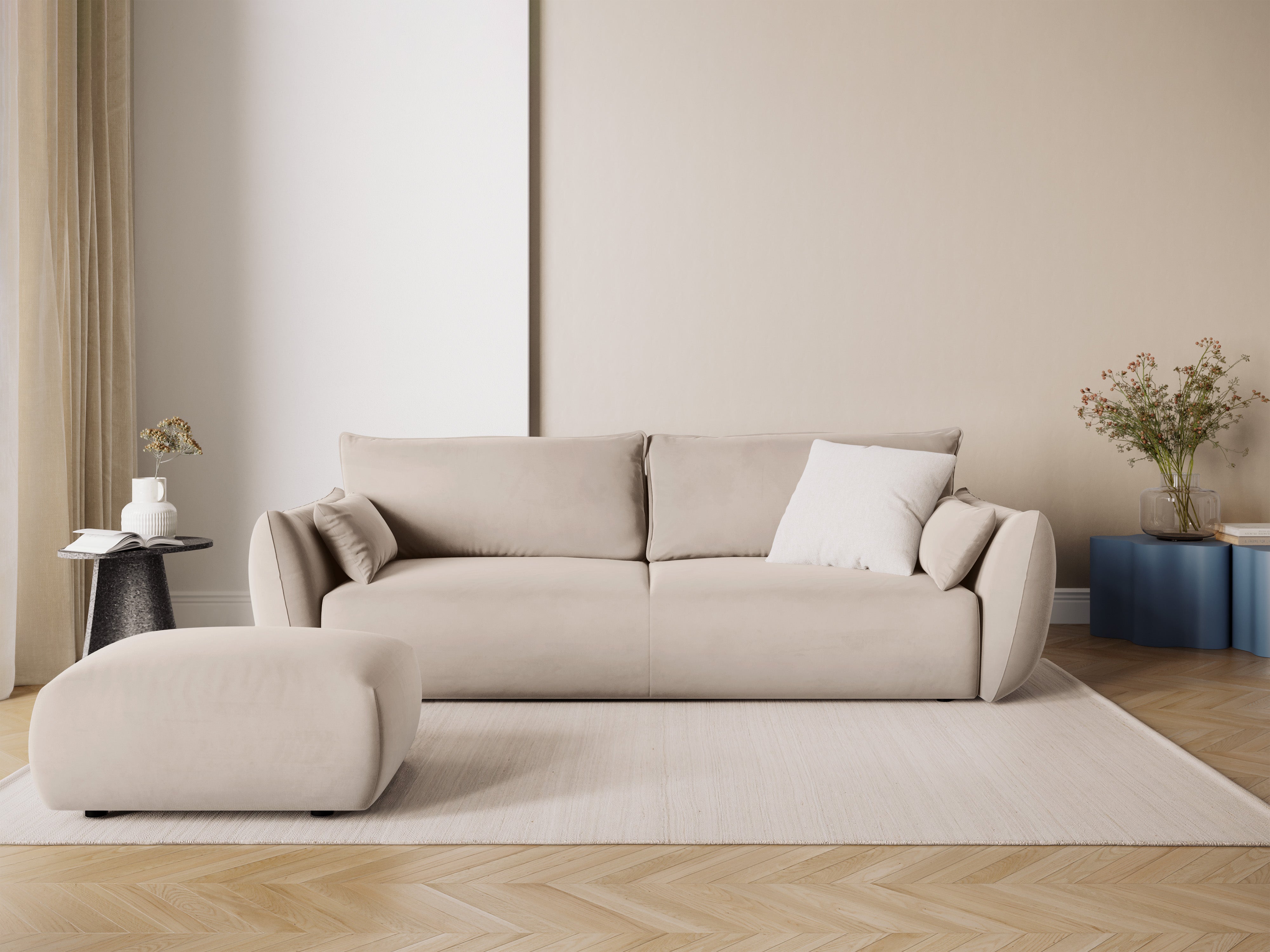
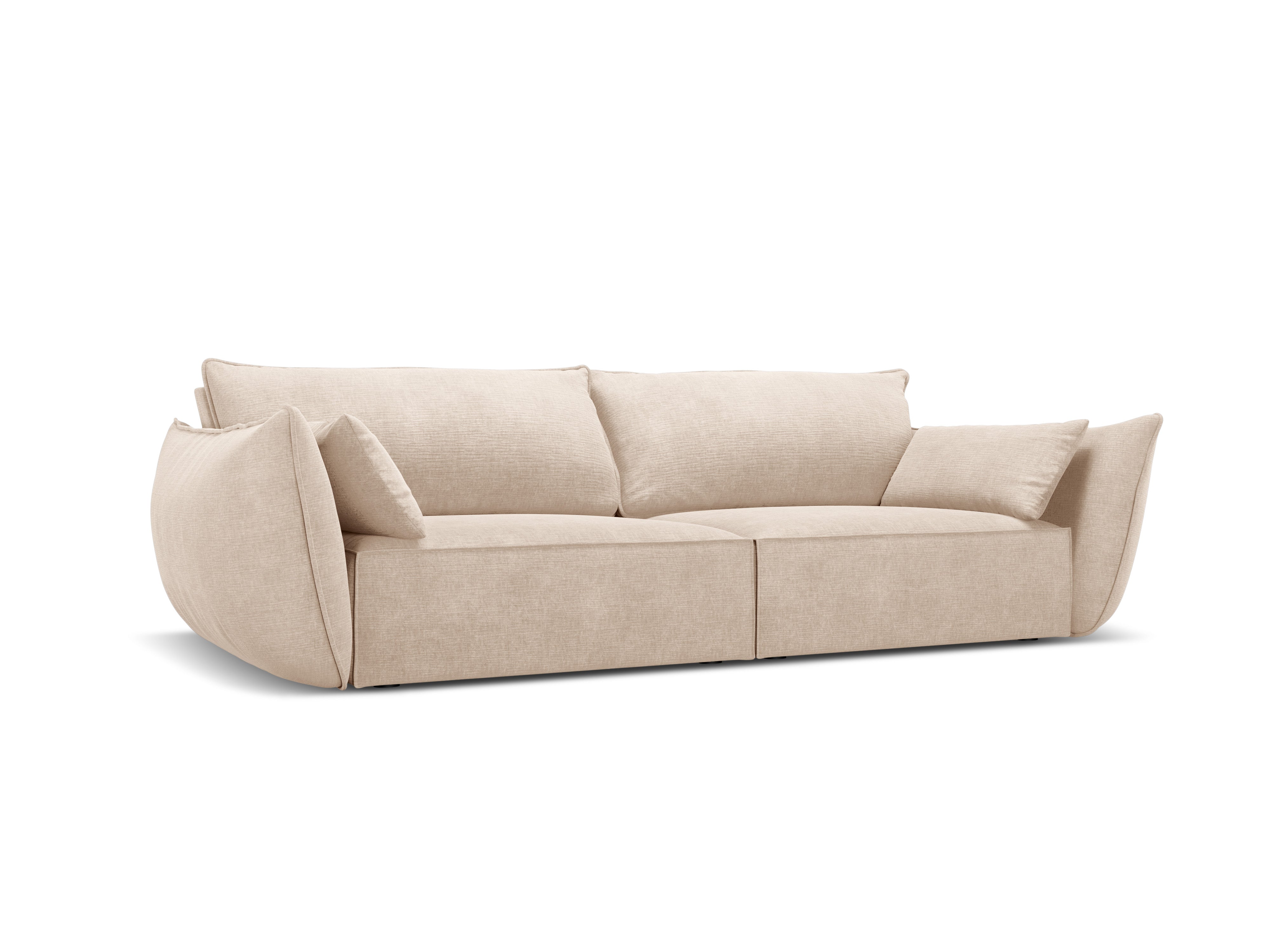
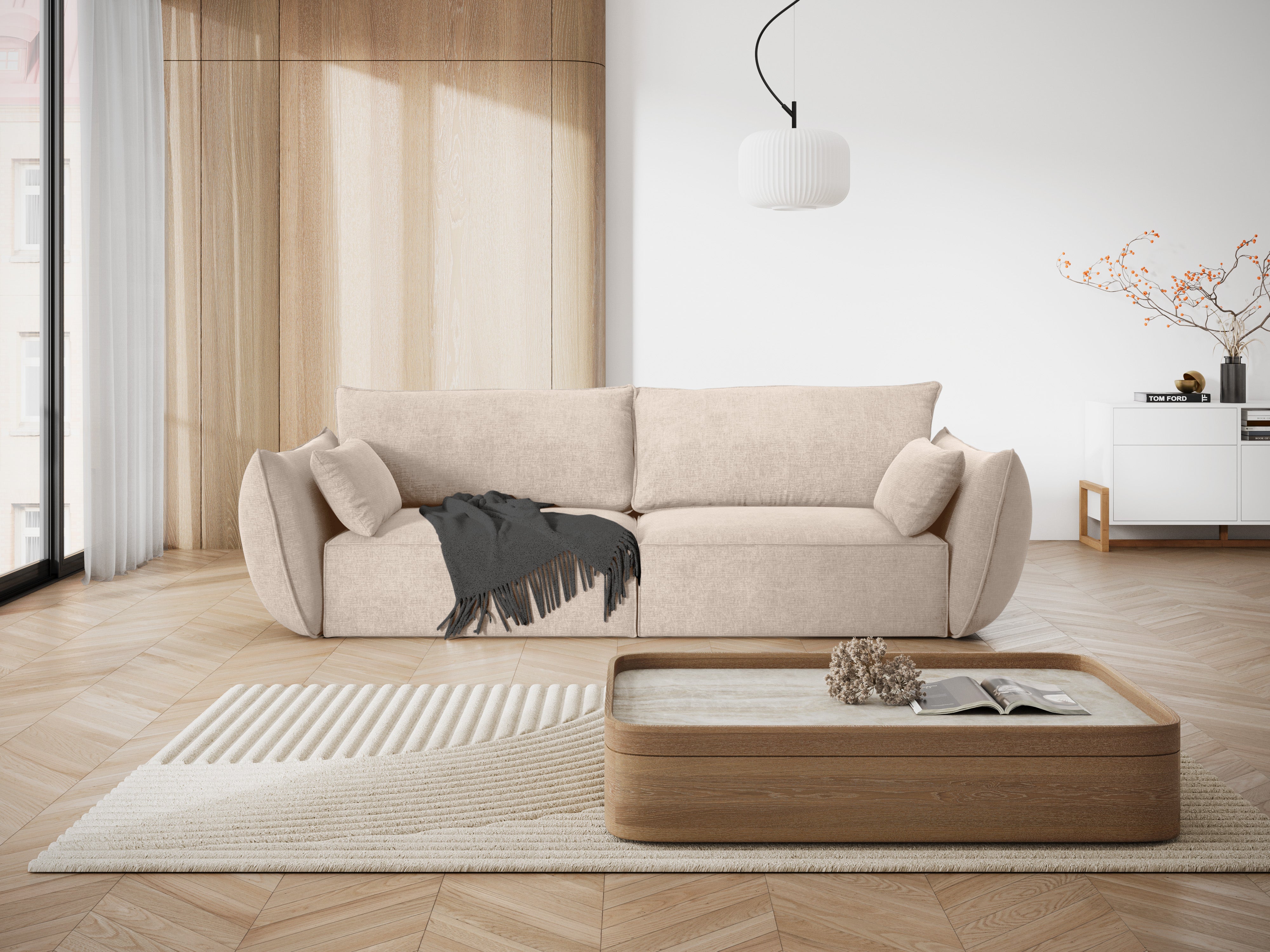
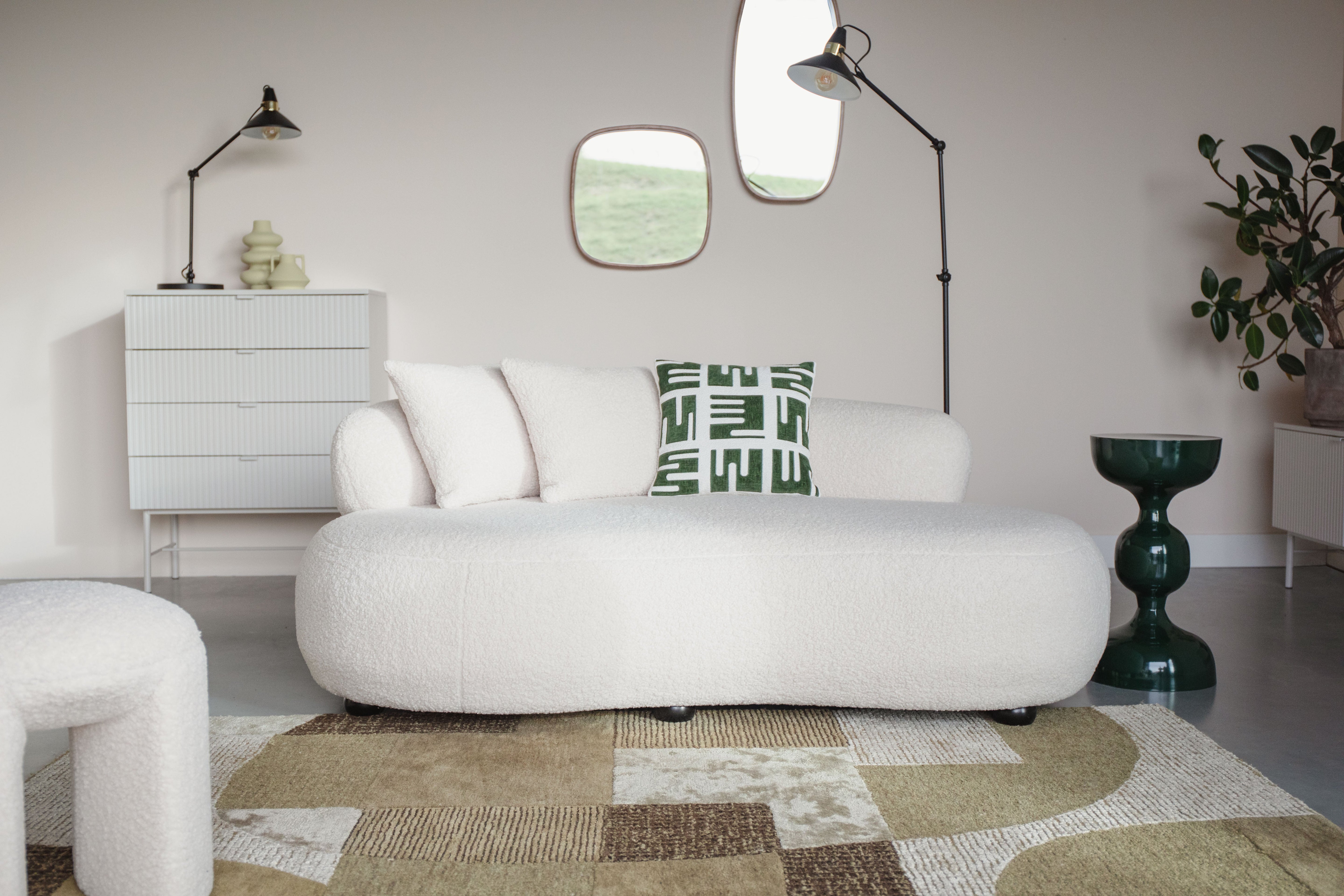
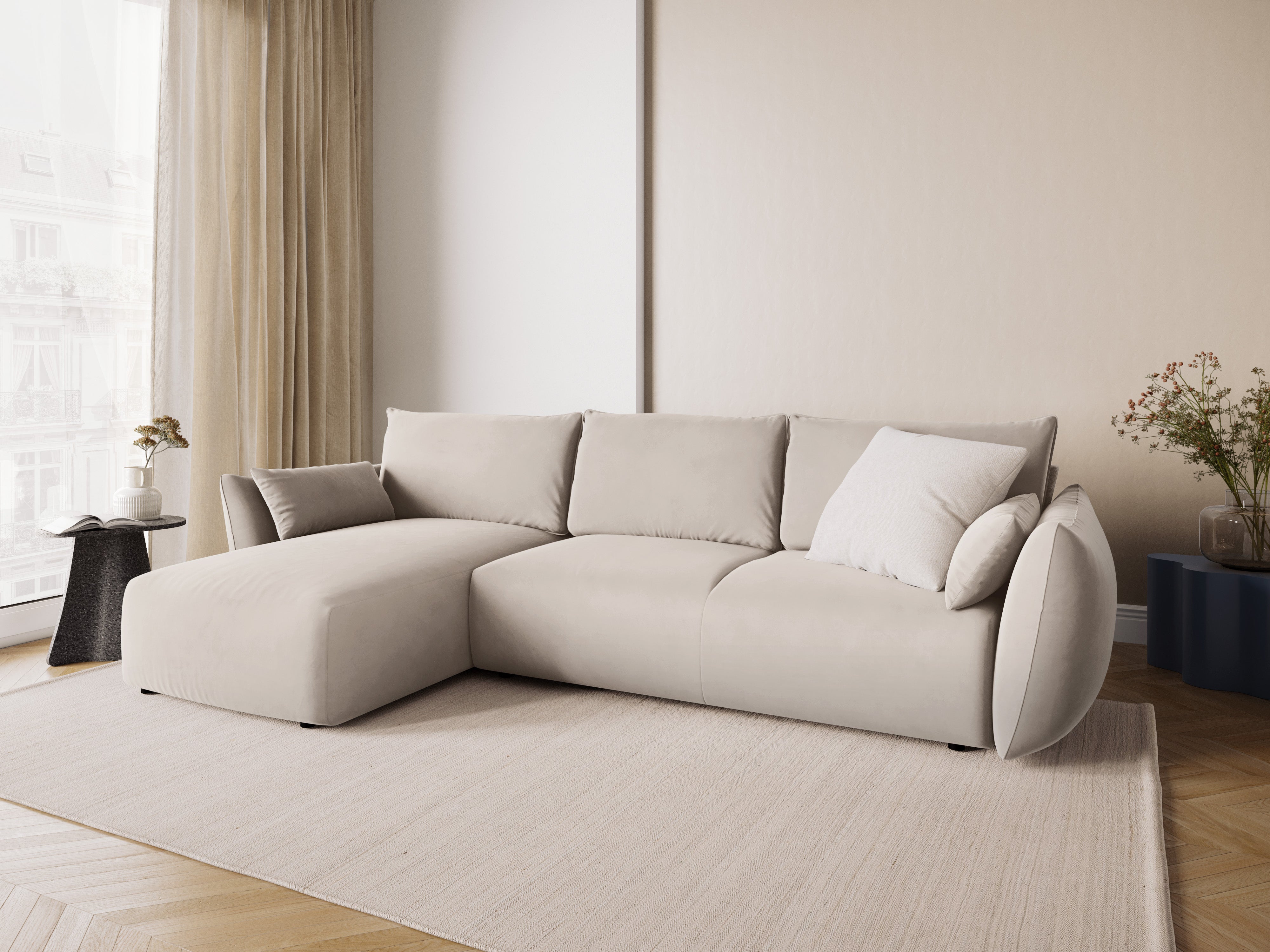
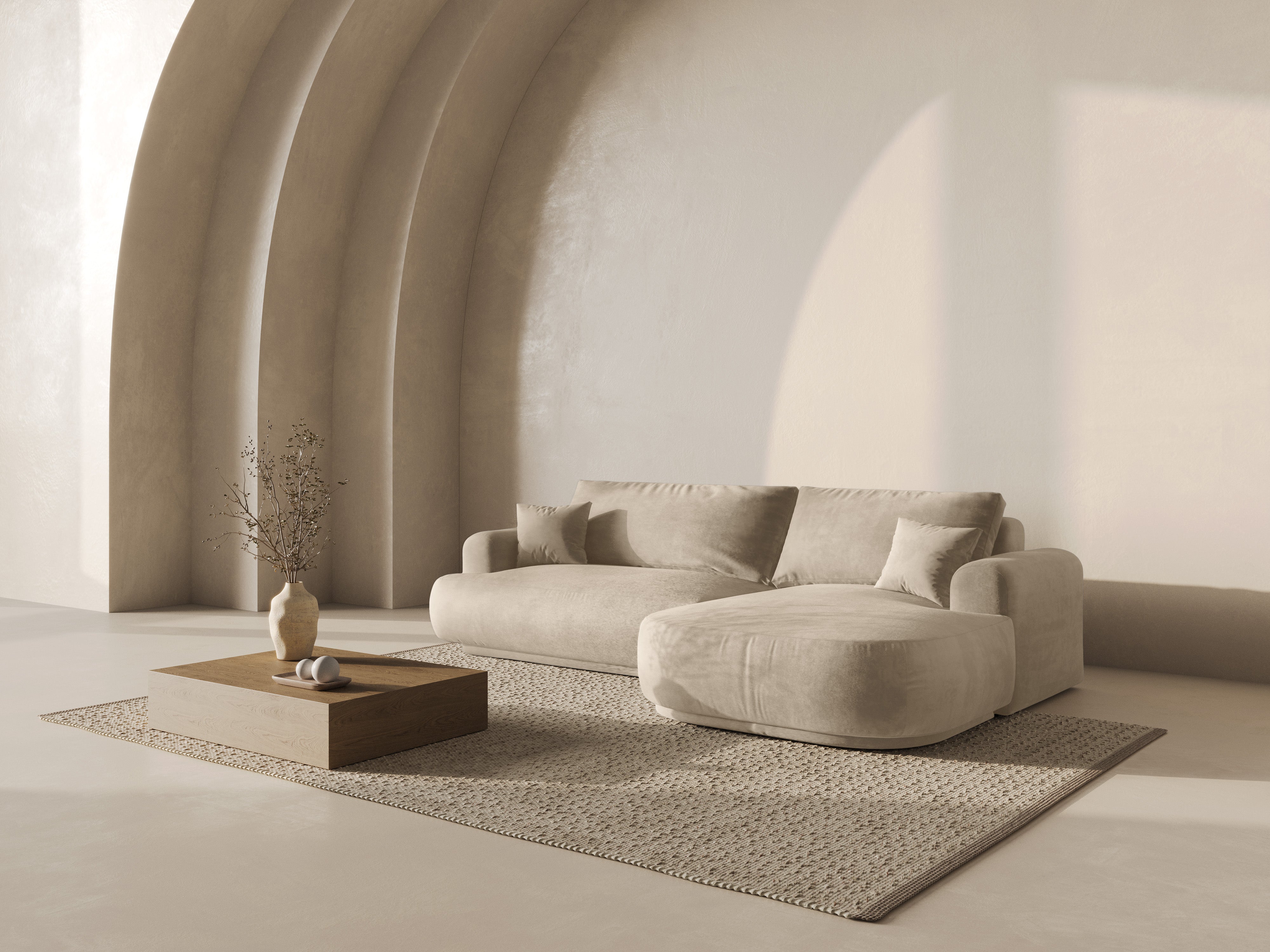
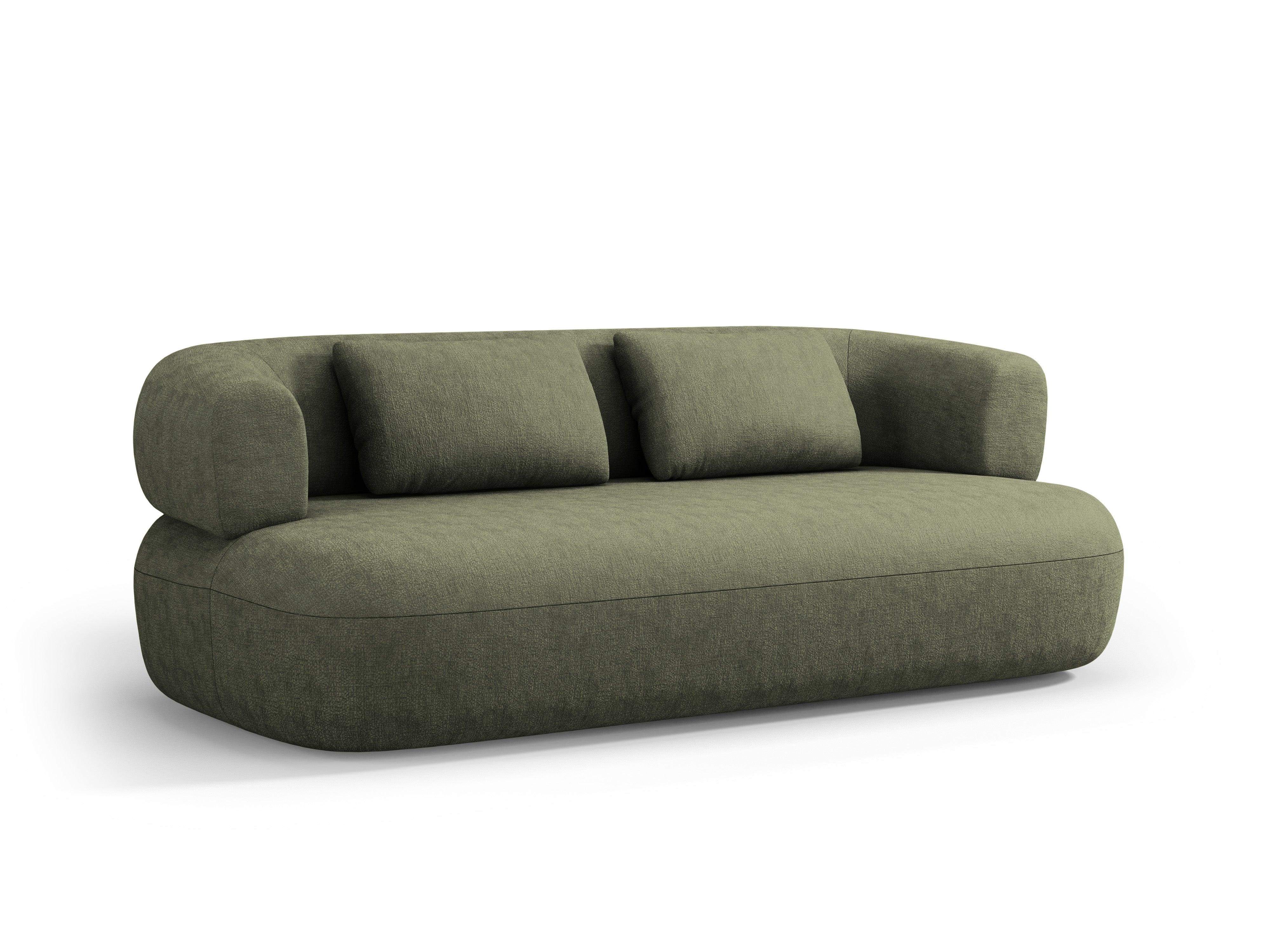
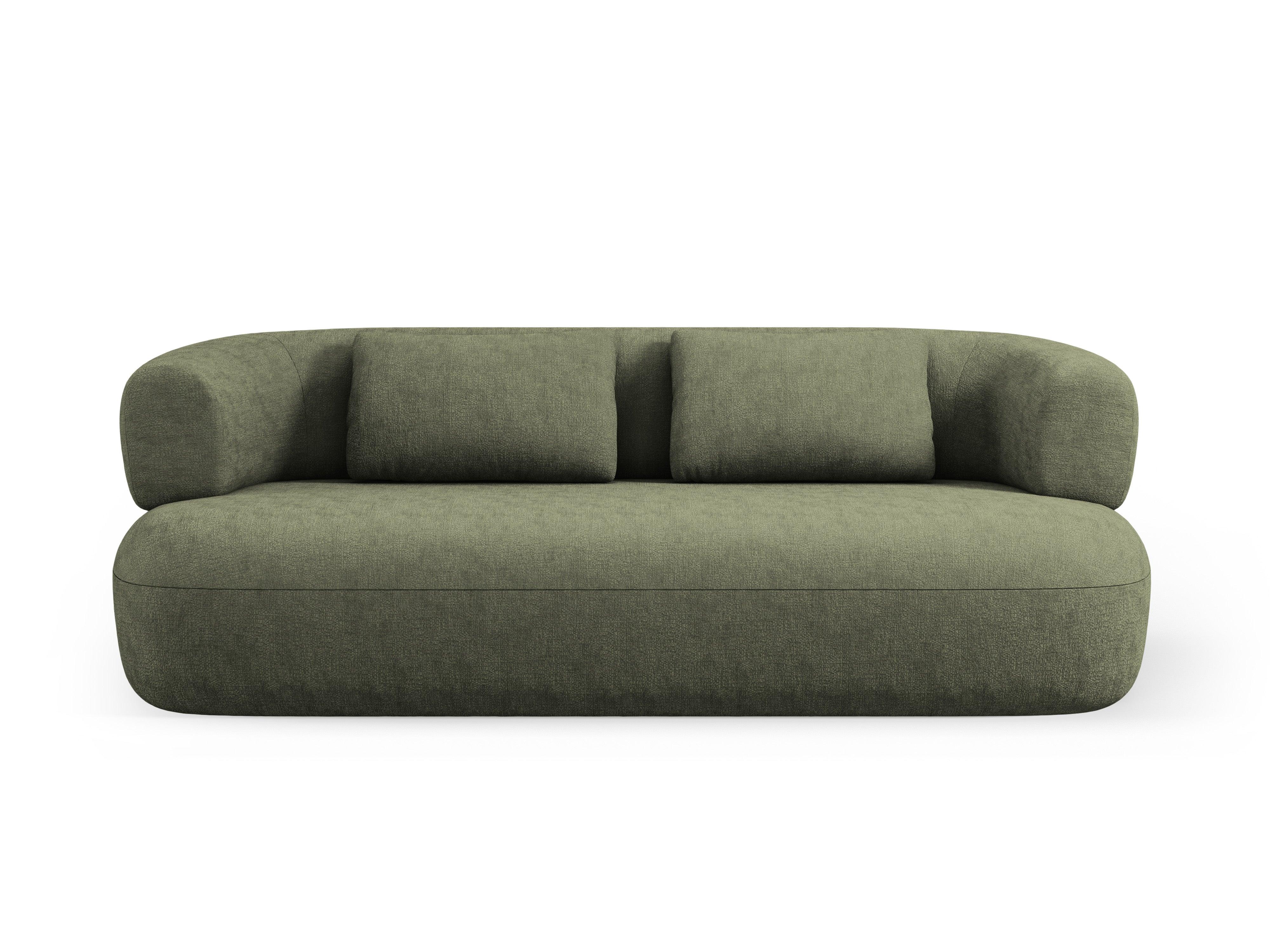
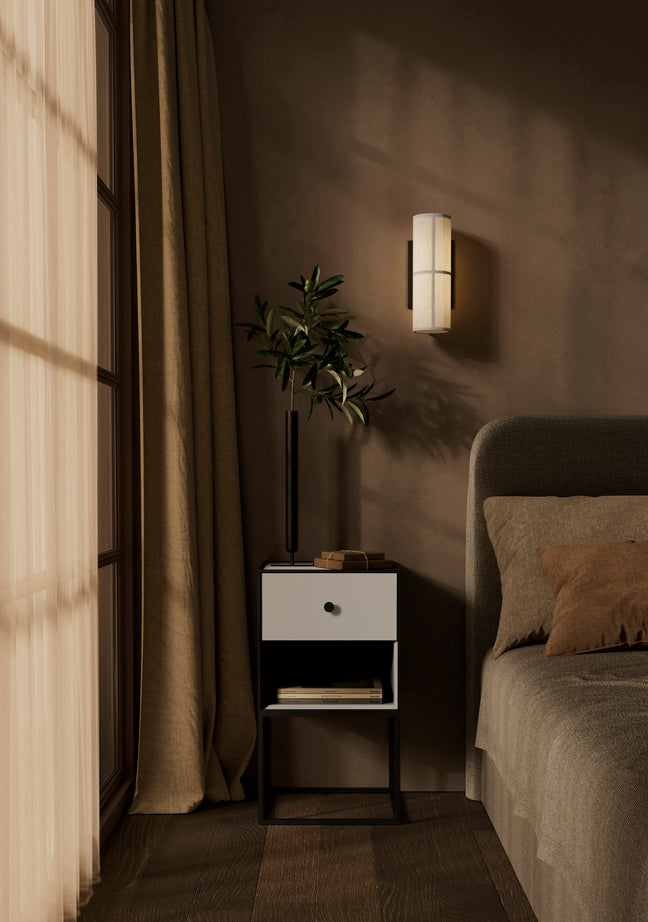
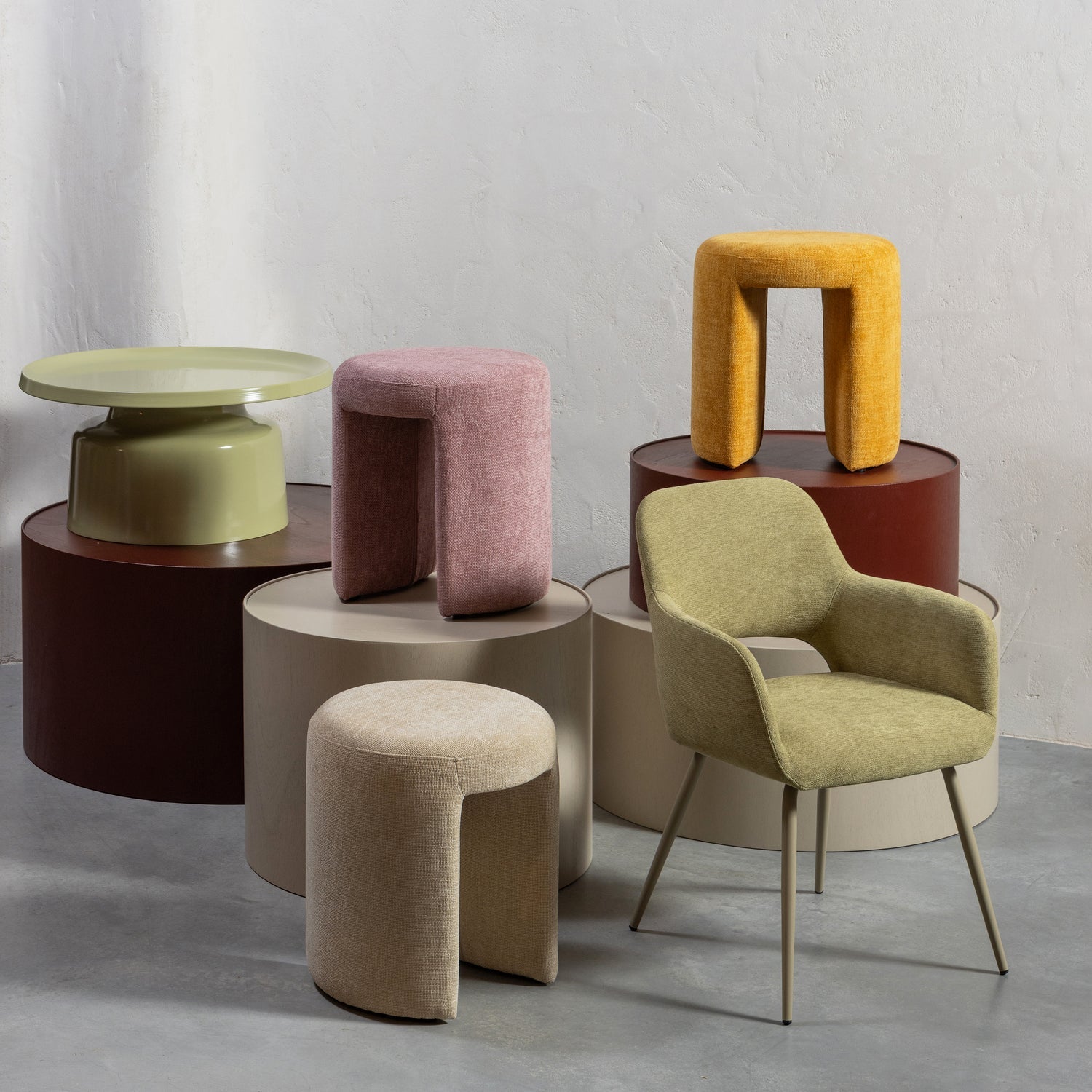
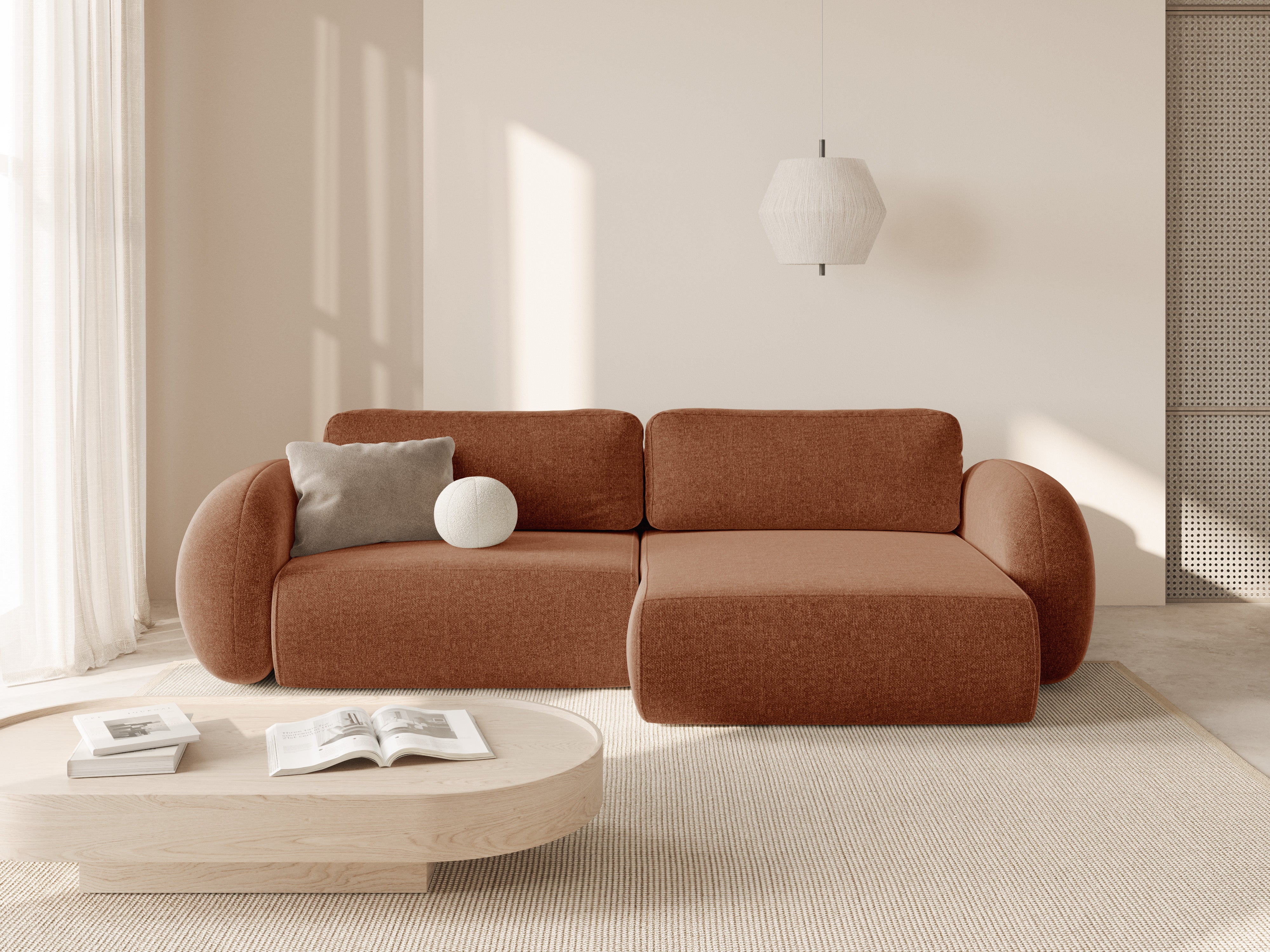
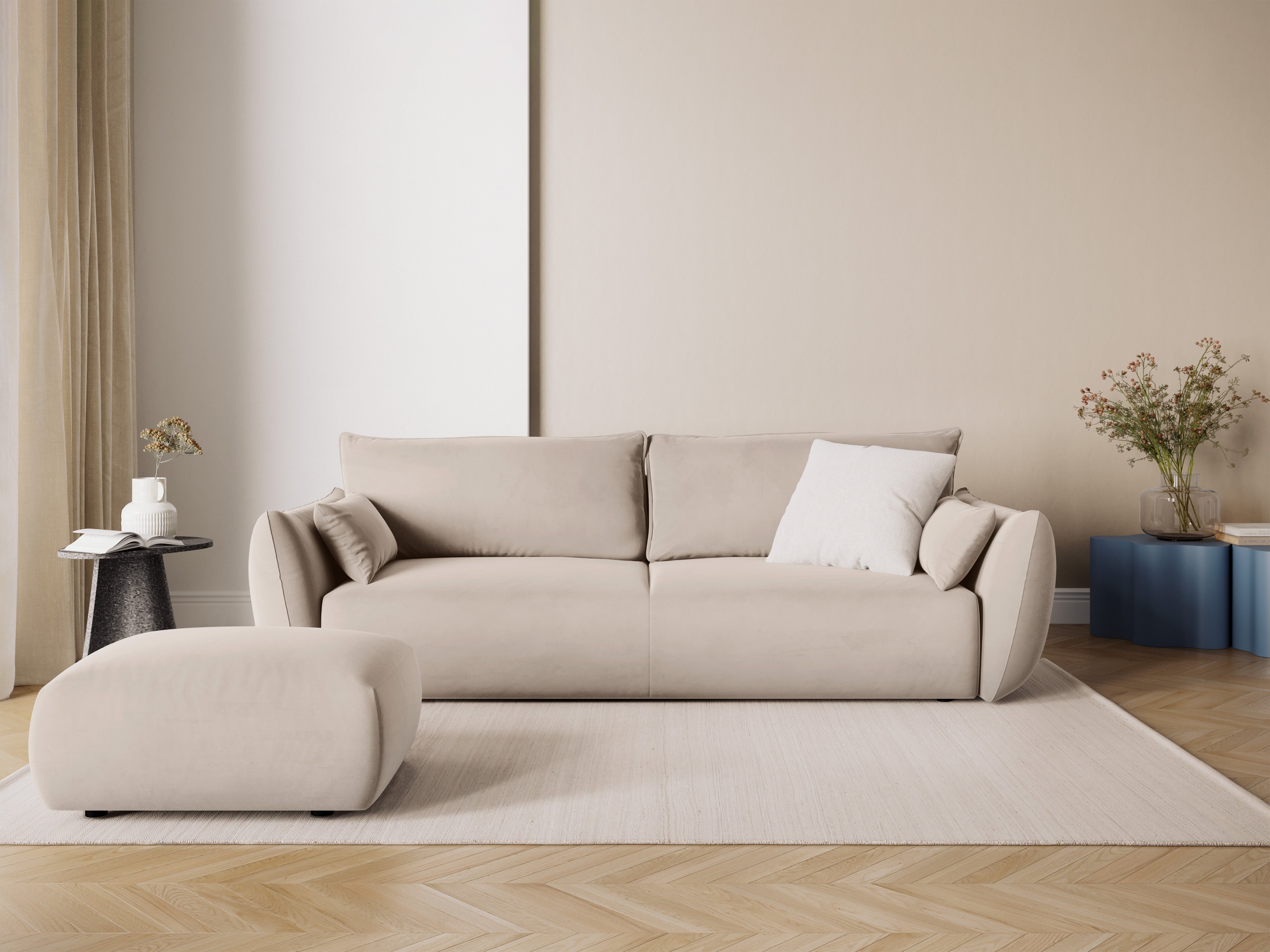
The foundation consists of colors drawn from nature: sandy beige, warm white, stone gray, deep brown, and black used sparingly. Japandi avoids clinical white — light colors have a hint of yellow or gray. A muted green or terracotta can serve as an accent, but always in small doses.
Materials — Natural and Honest
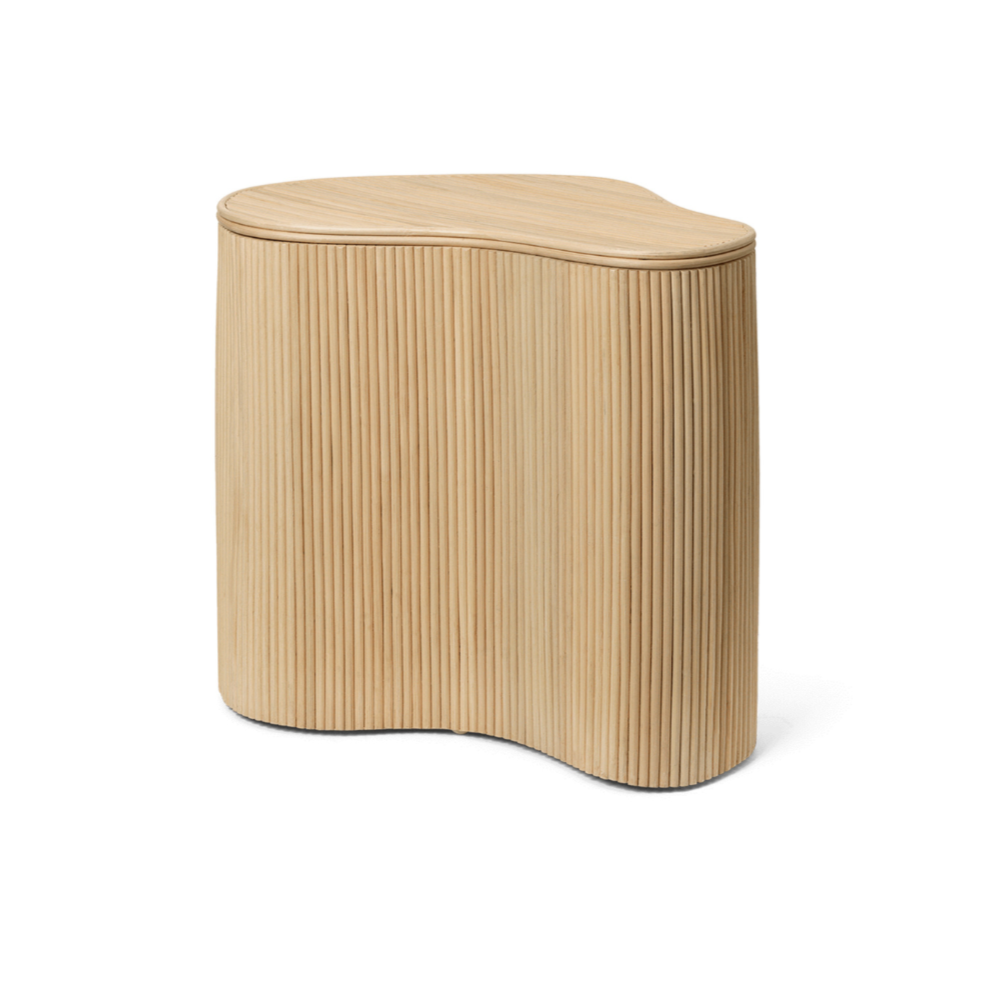
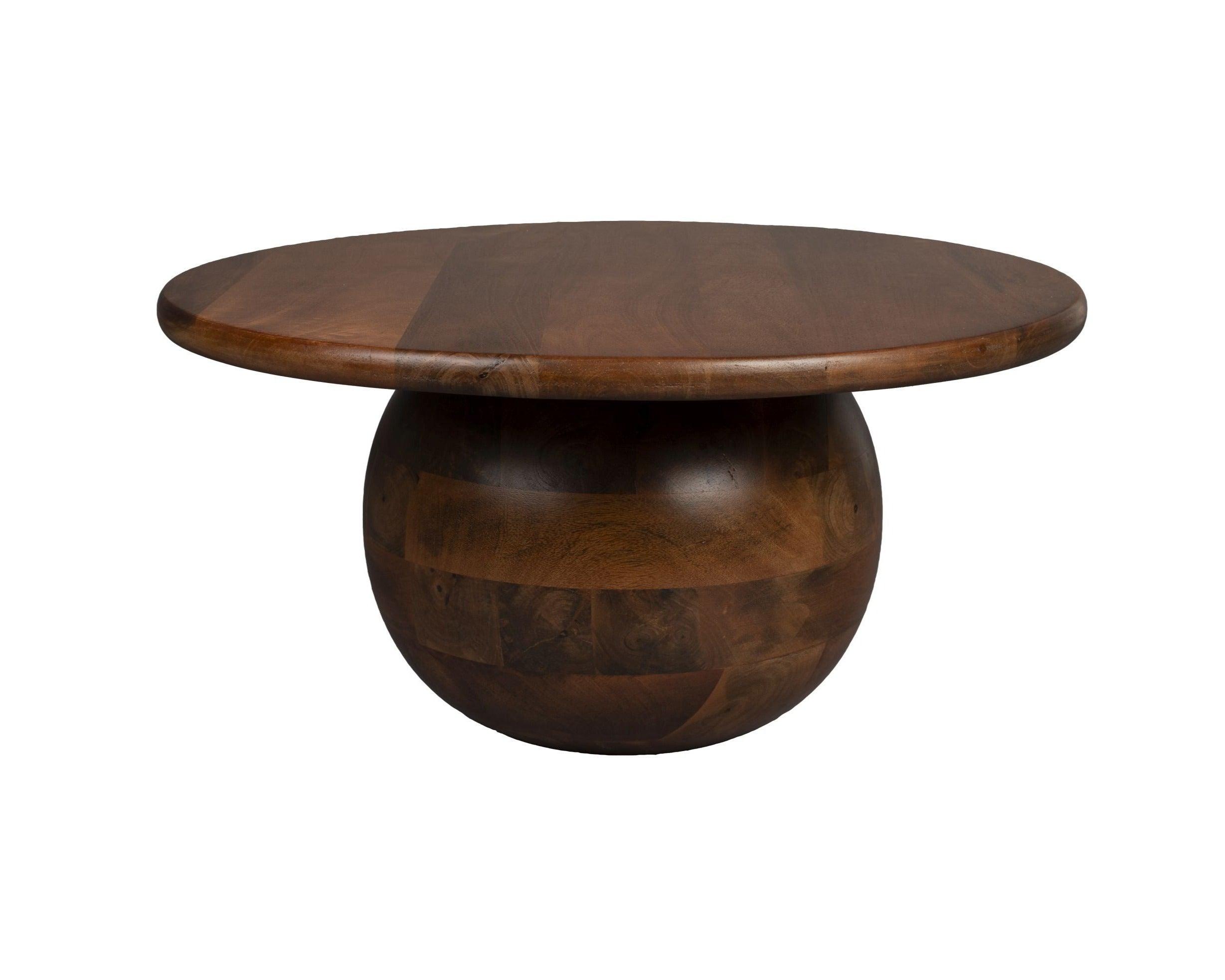
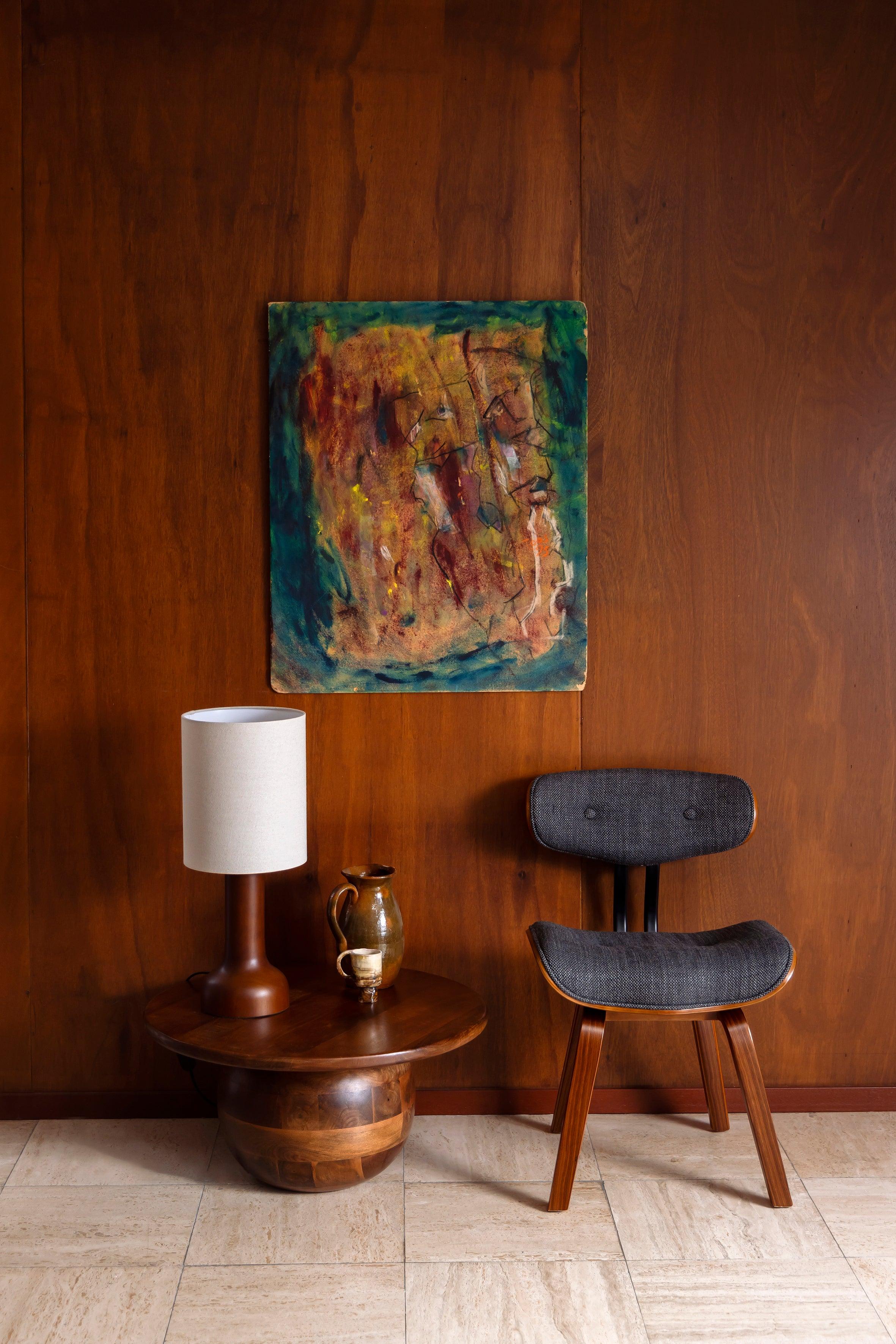
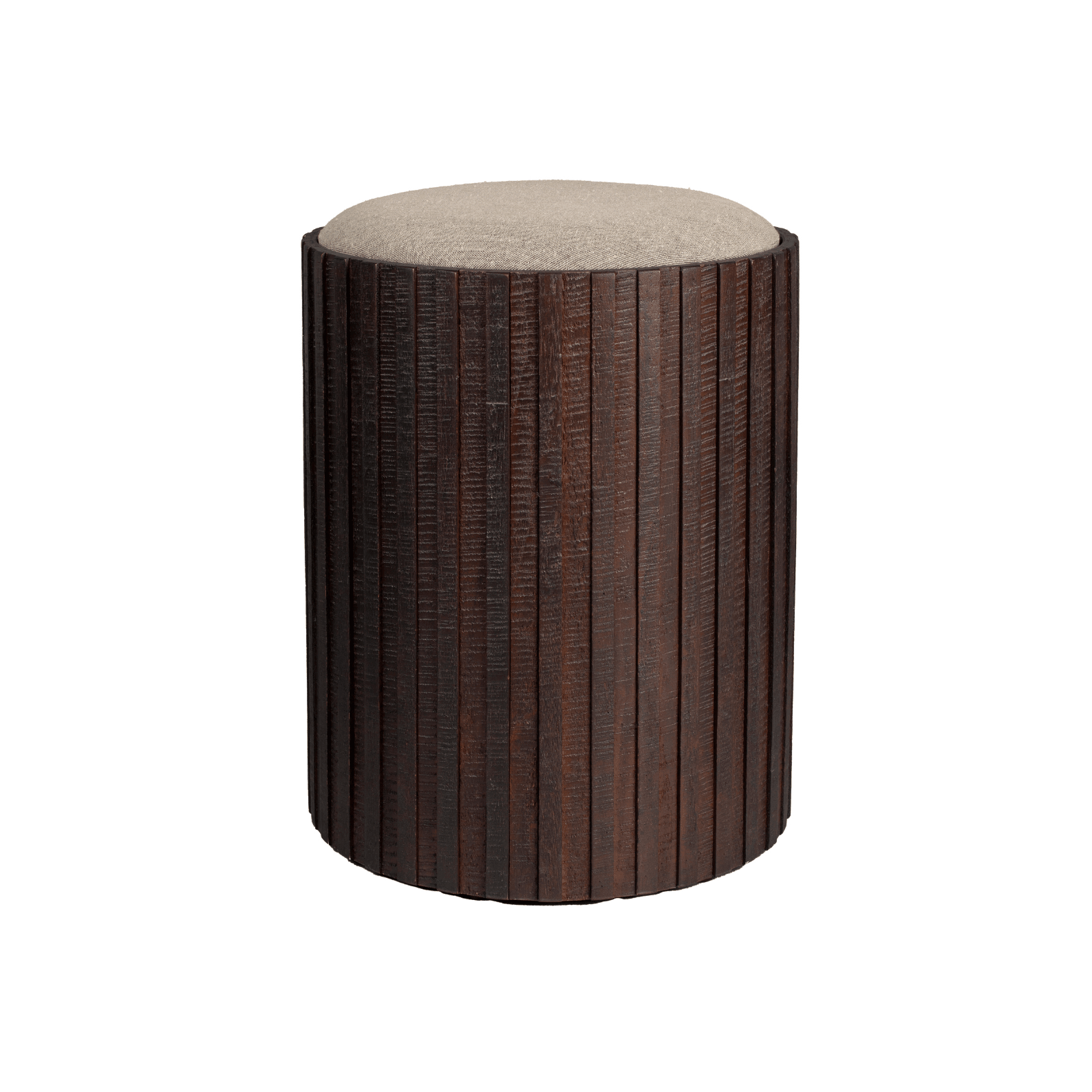
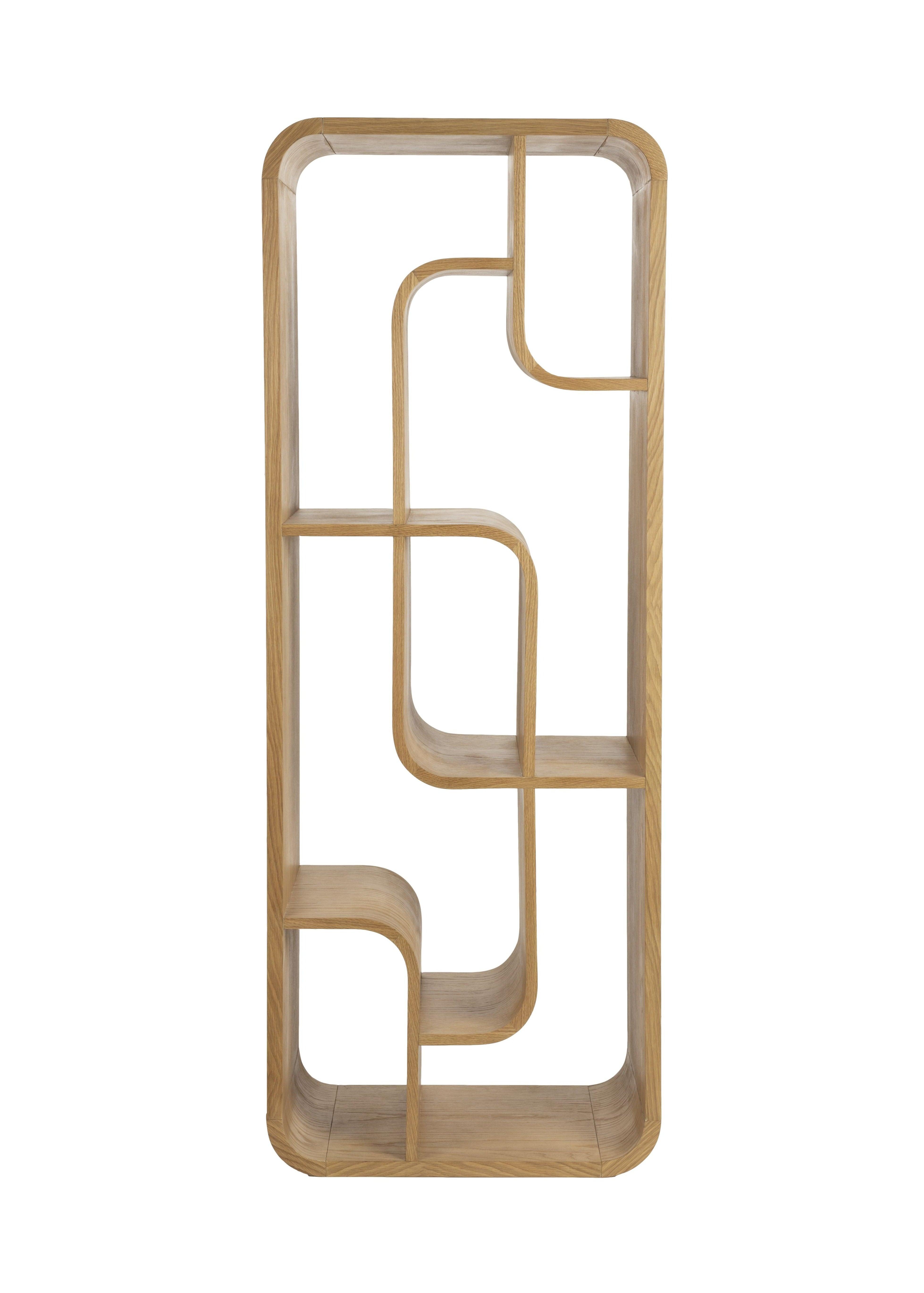
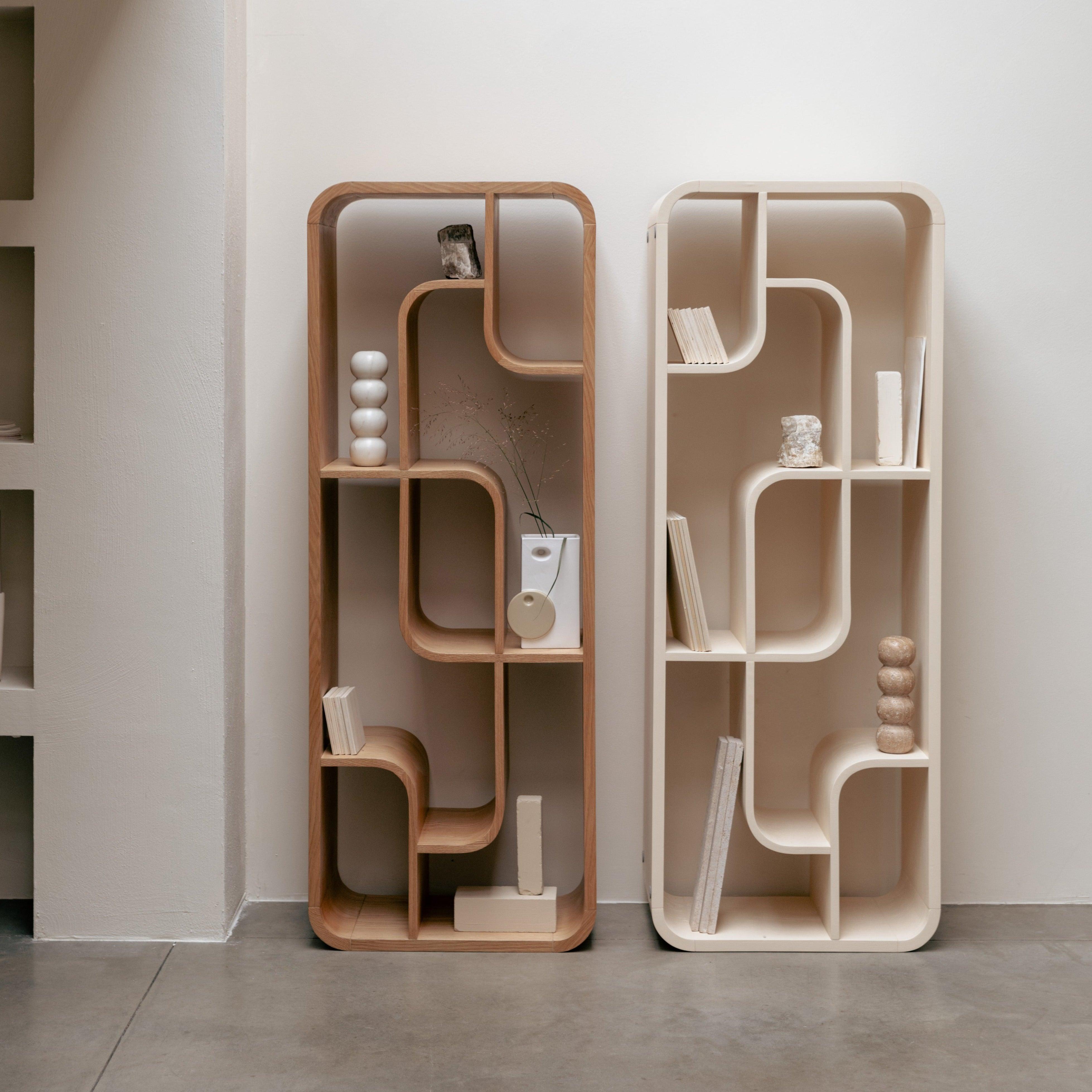
Wood is fundamental: light oak and ash in the Scandinavian version, darker walnut in the Japanese version. Additionally, linen, cotton, wool, paper, ceramics, rattan, and stone are used. The principle is simple: the material should look like what it is — no imitations or high gloss.
Furniture
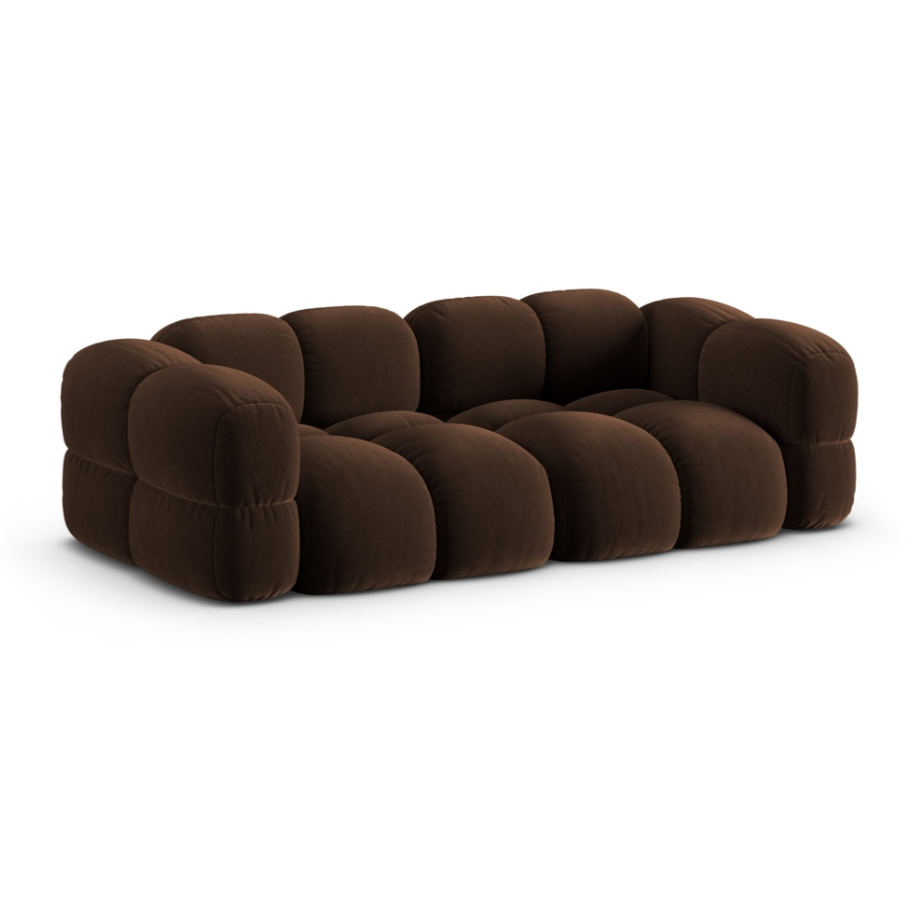
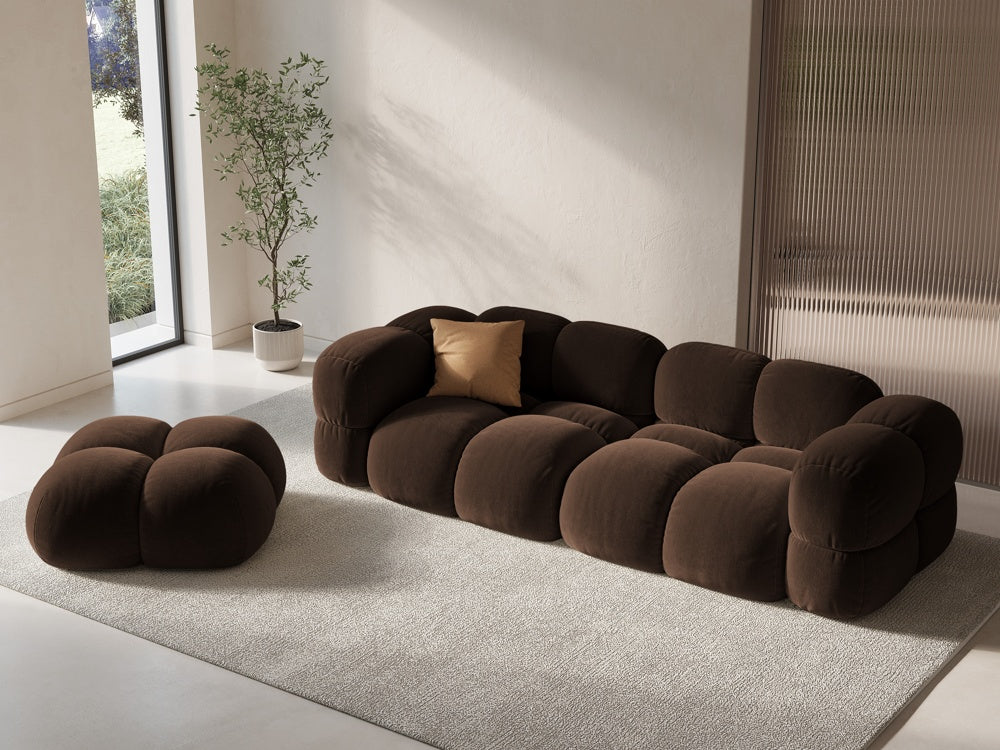
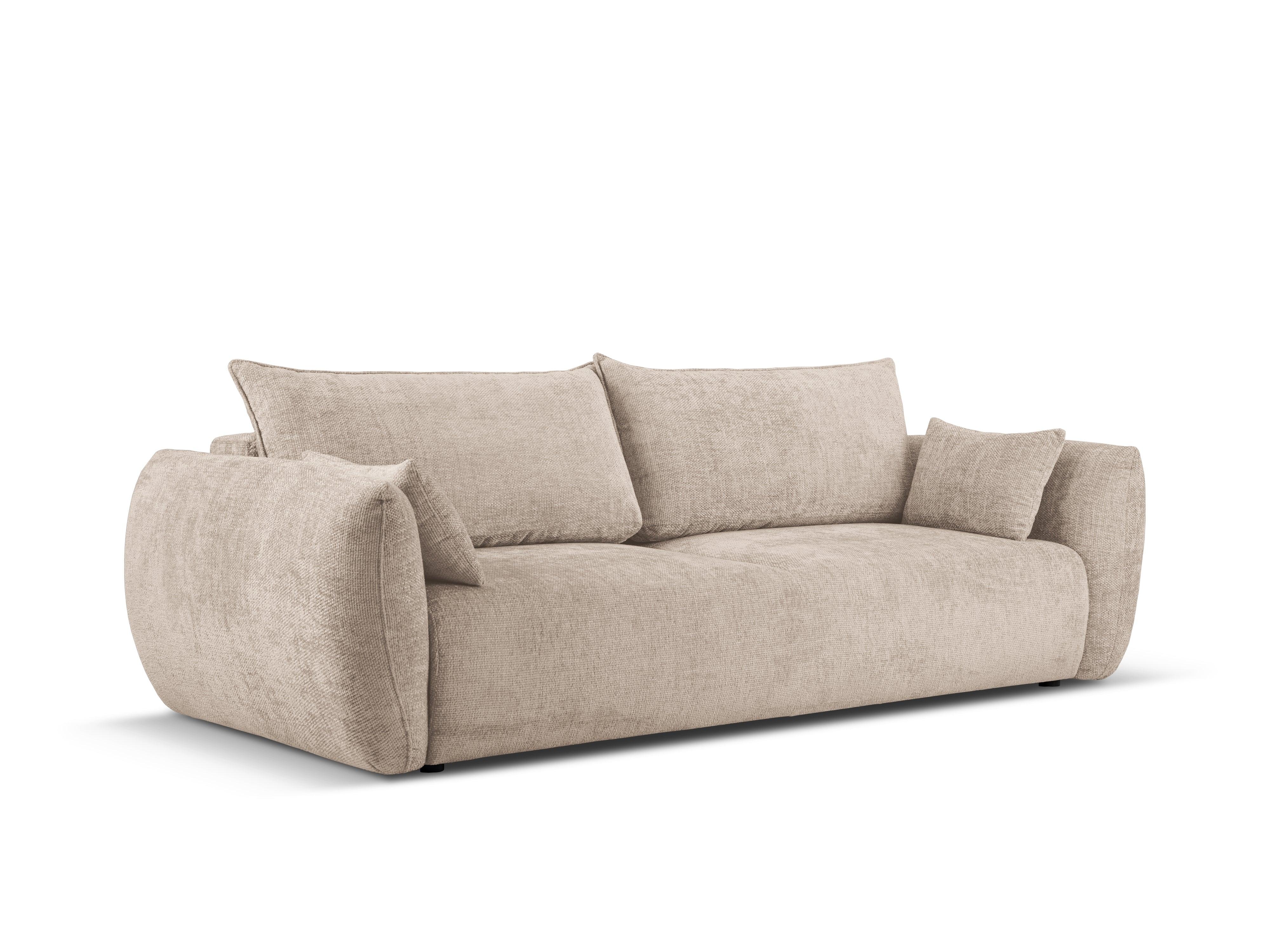
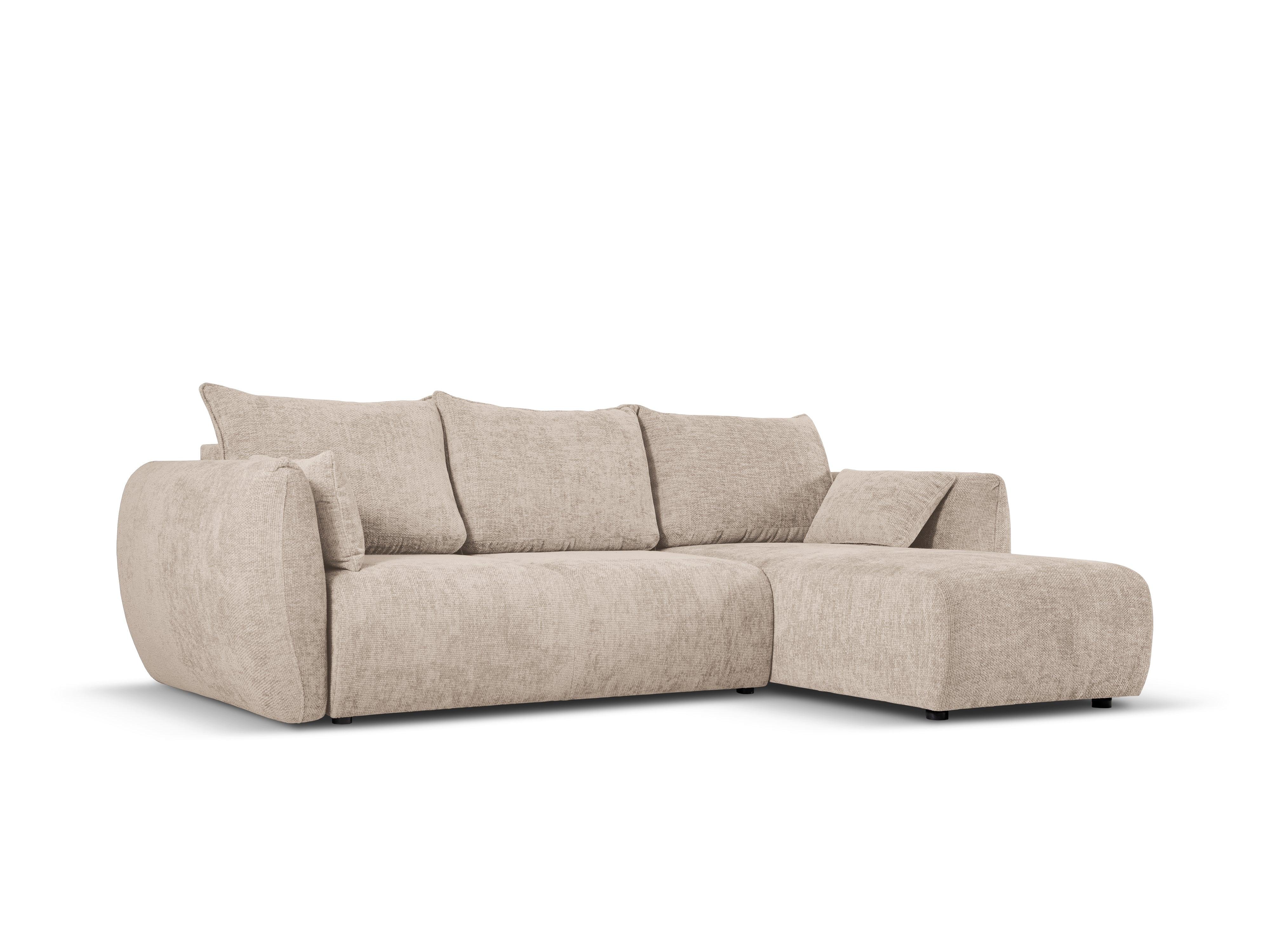
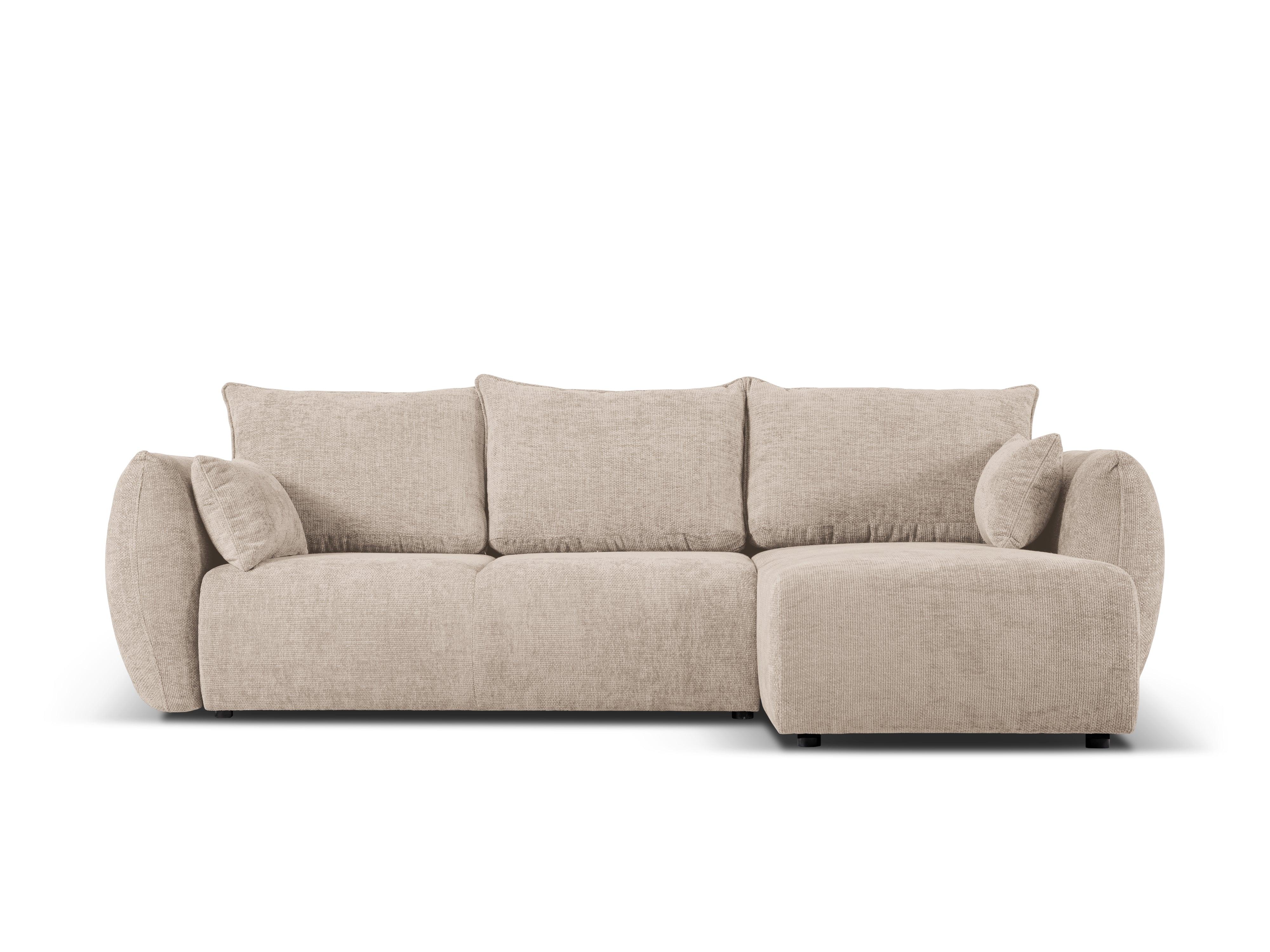
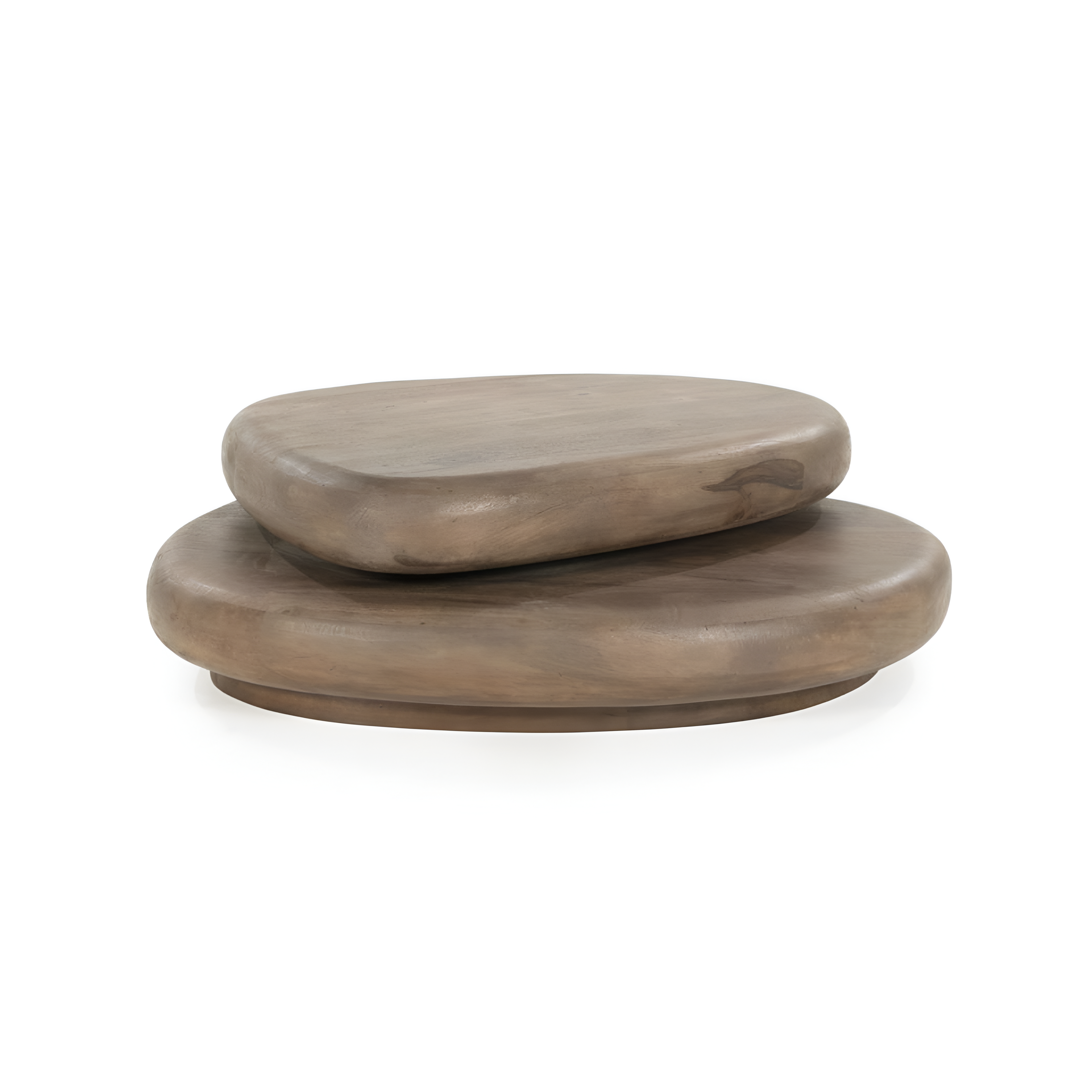
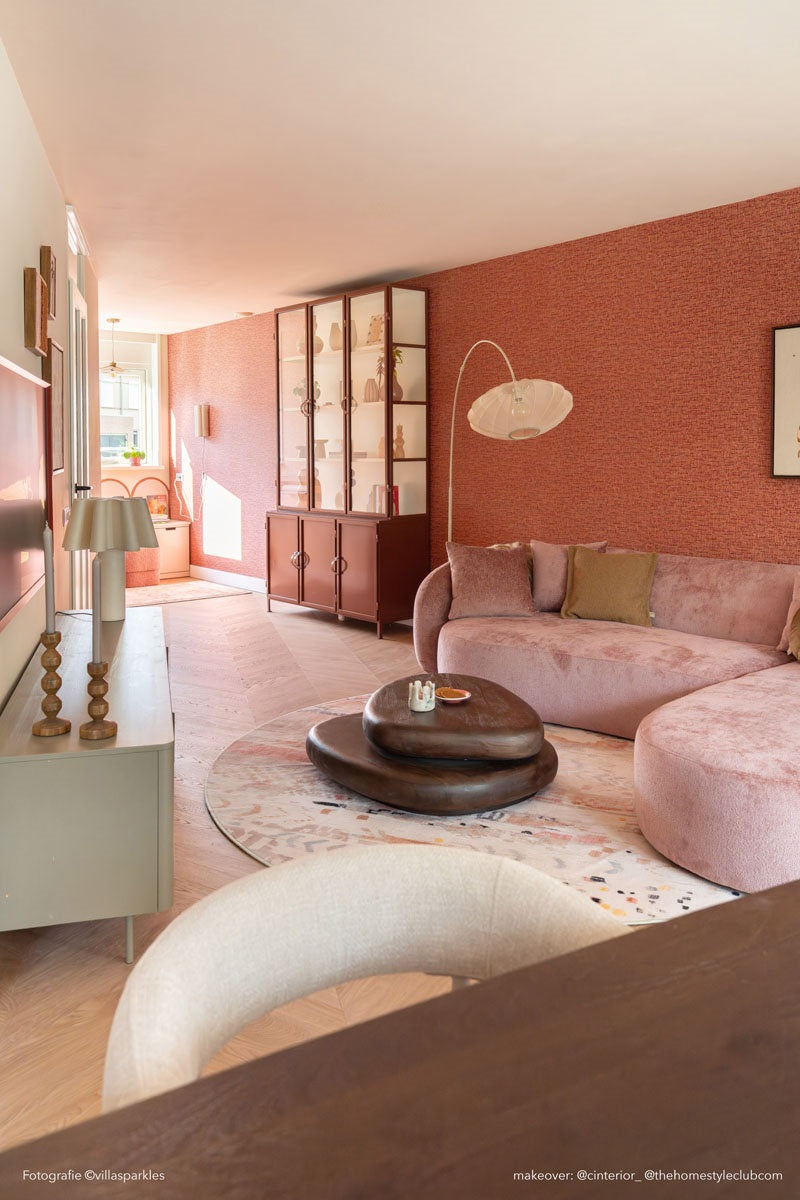
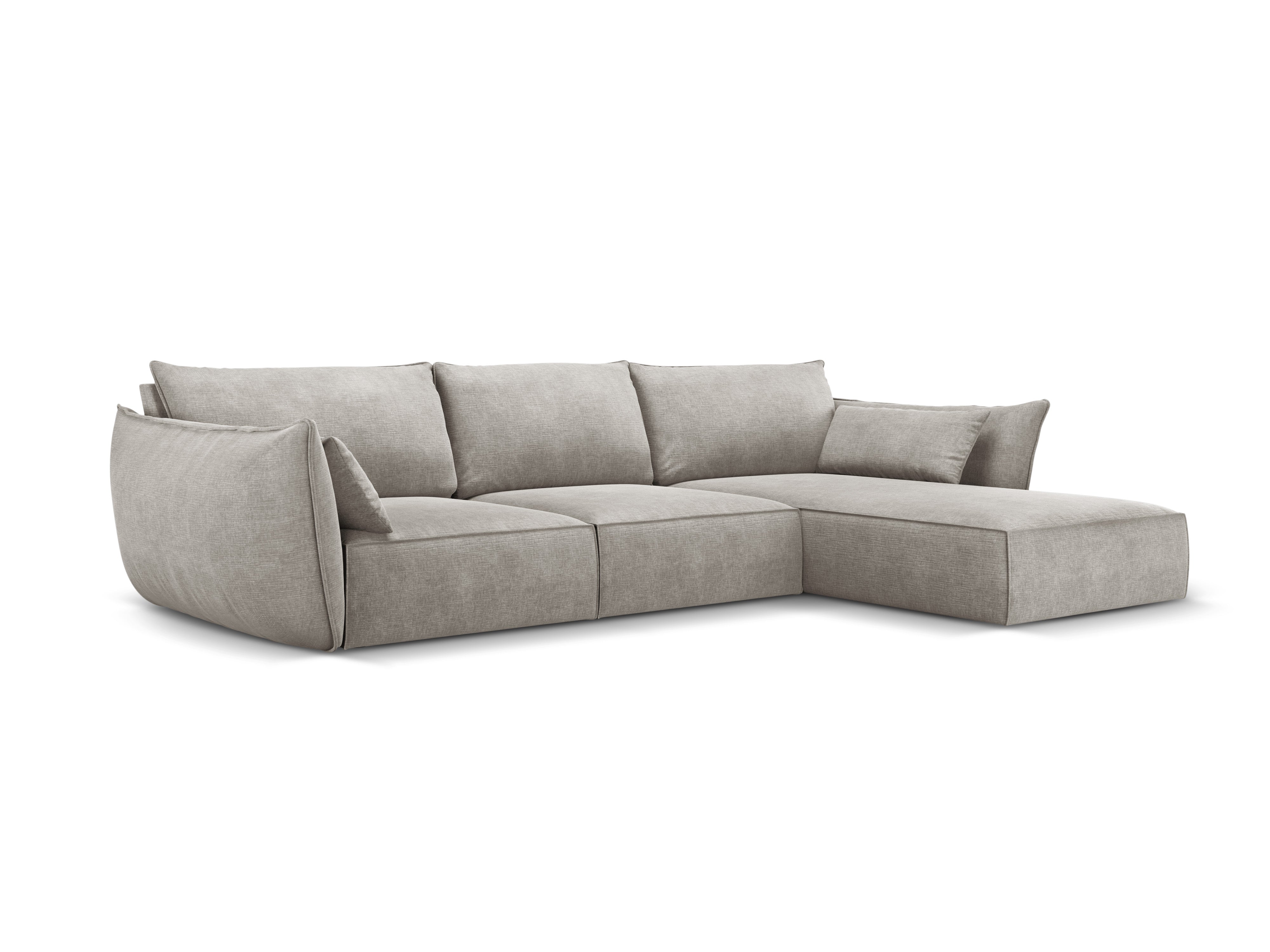
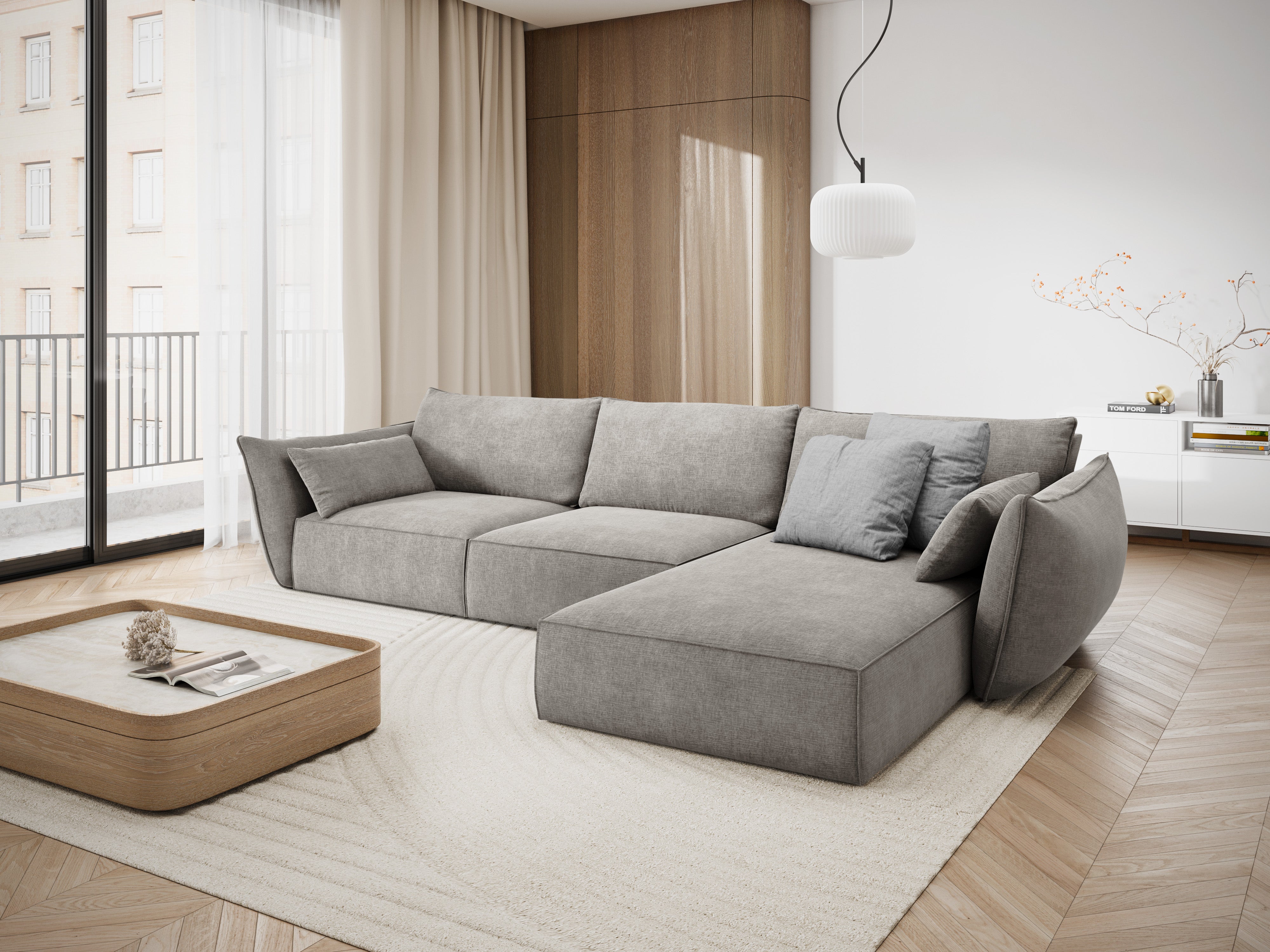
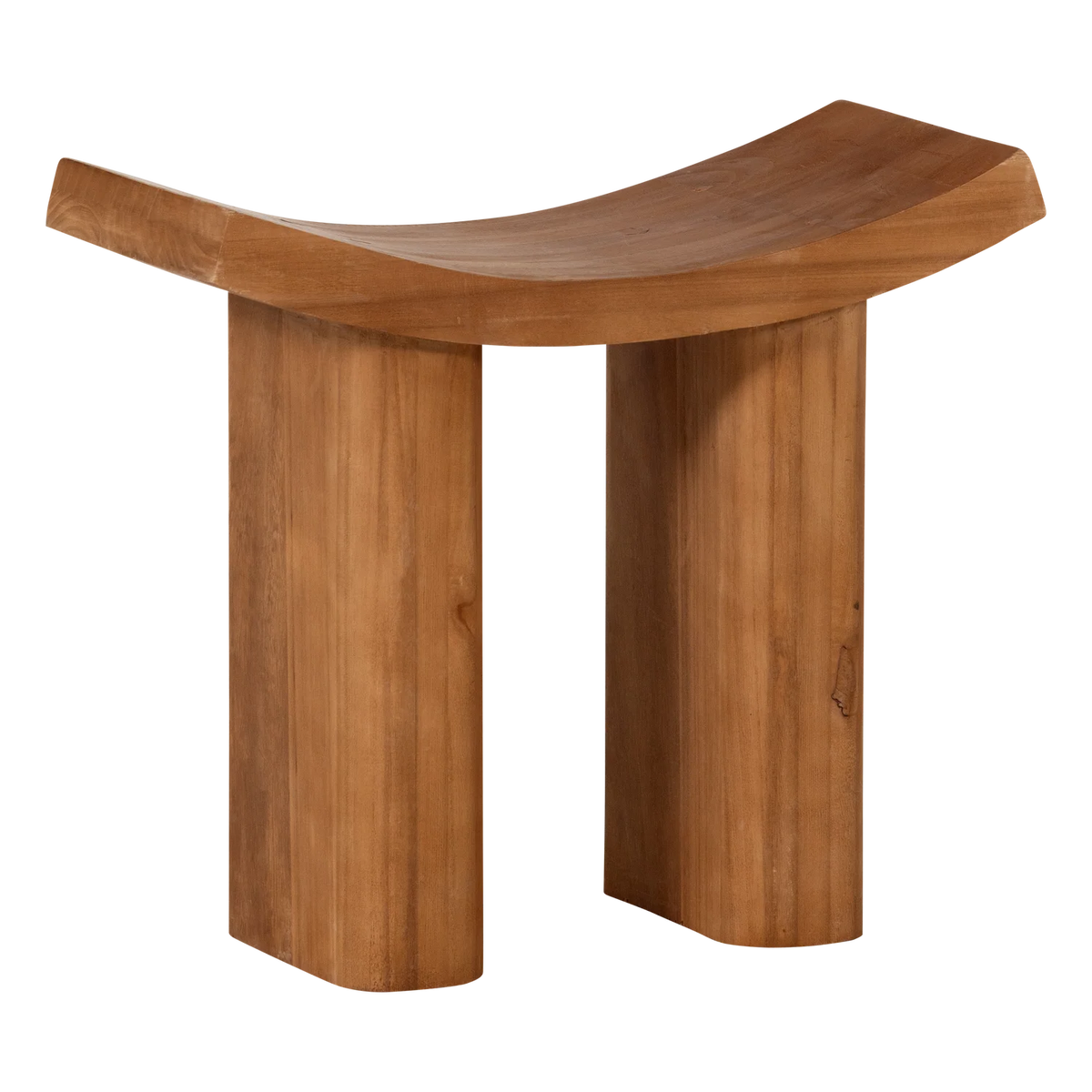
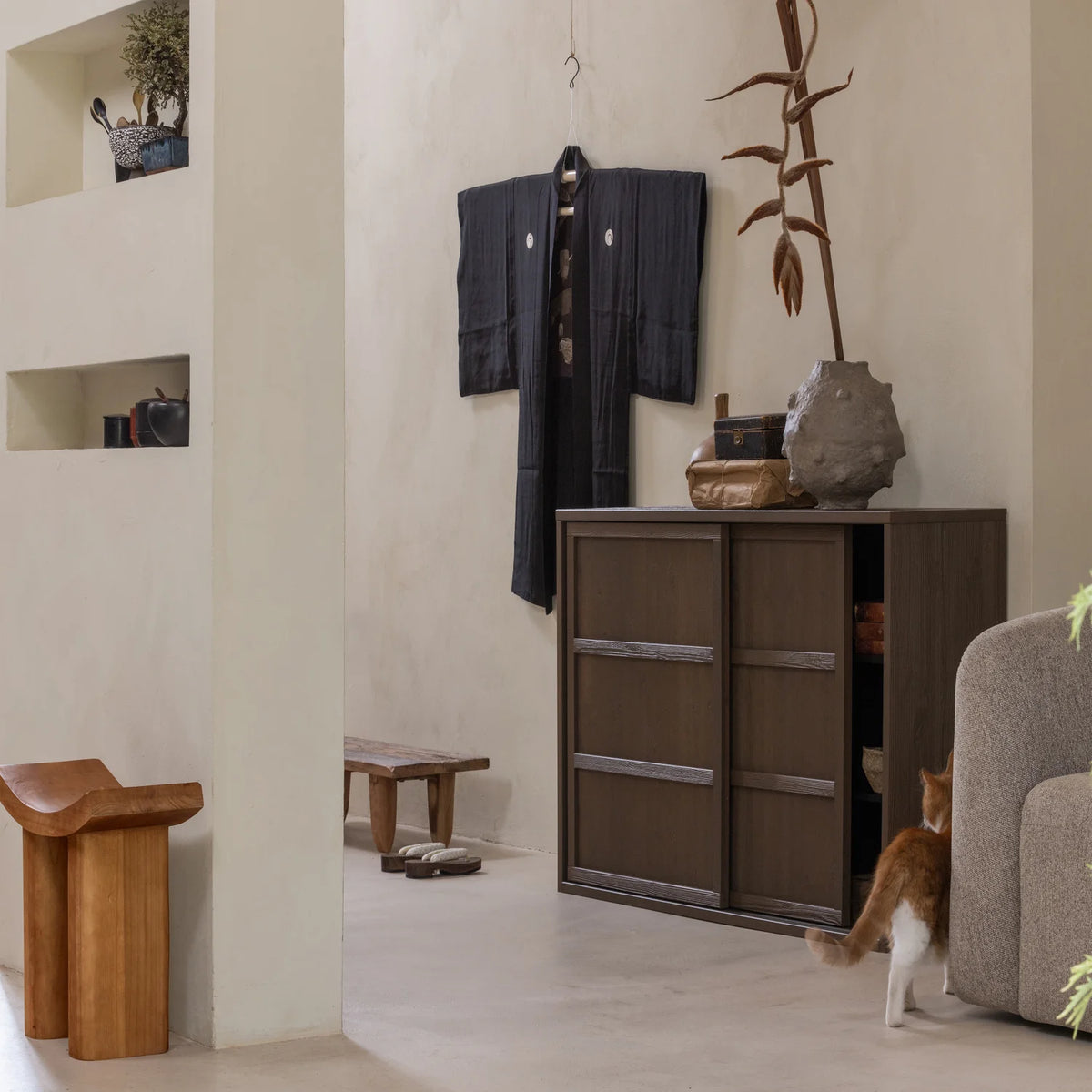
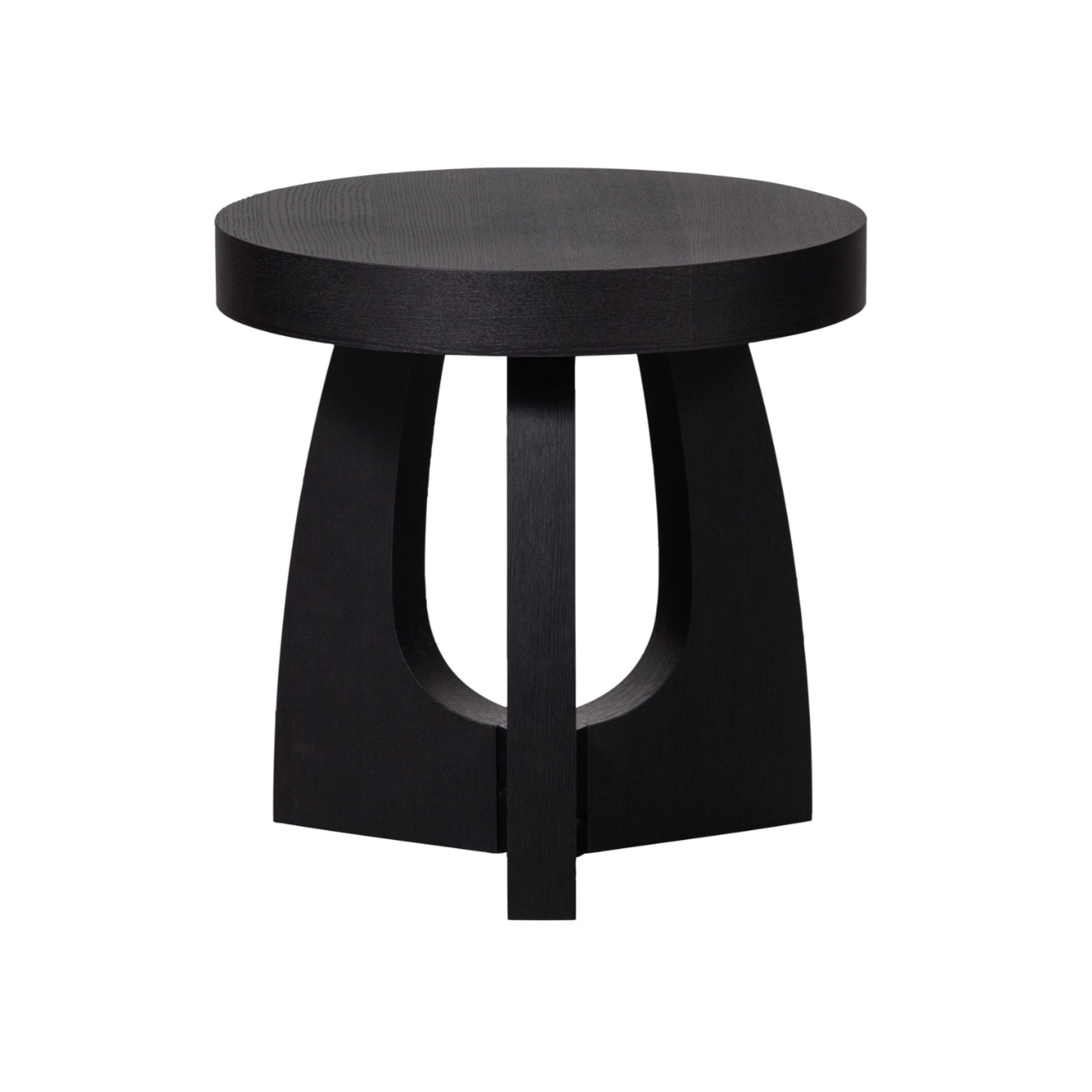
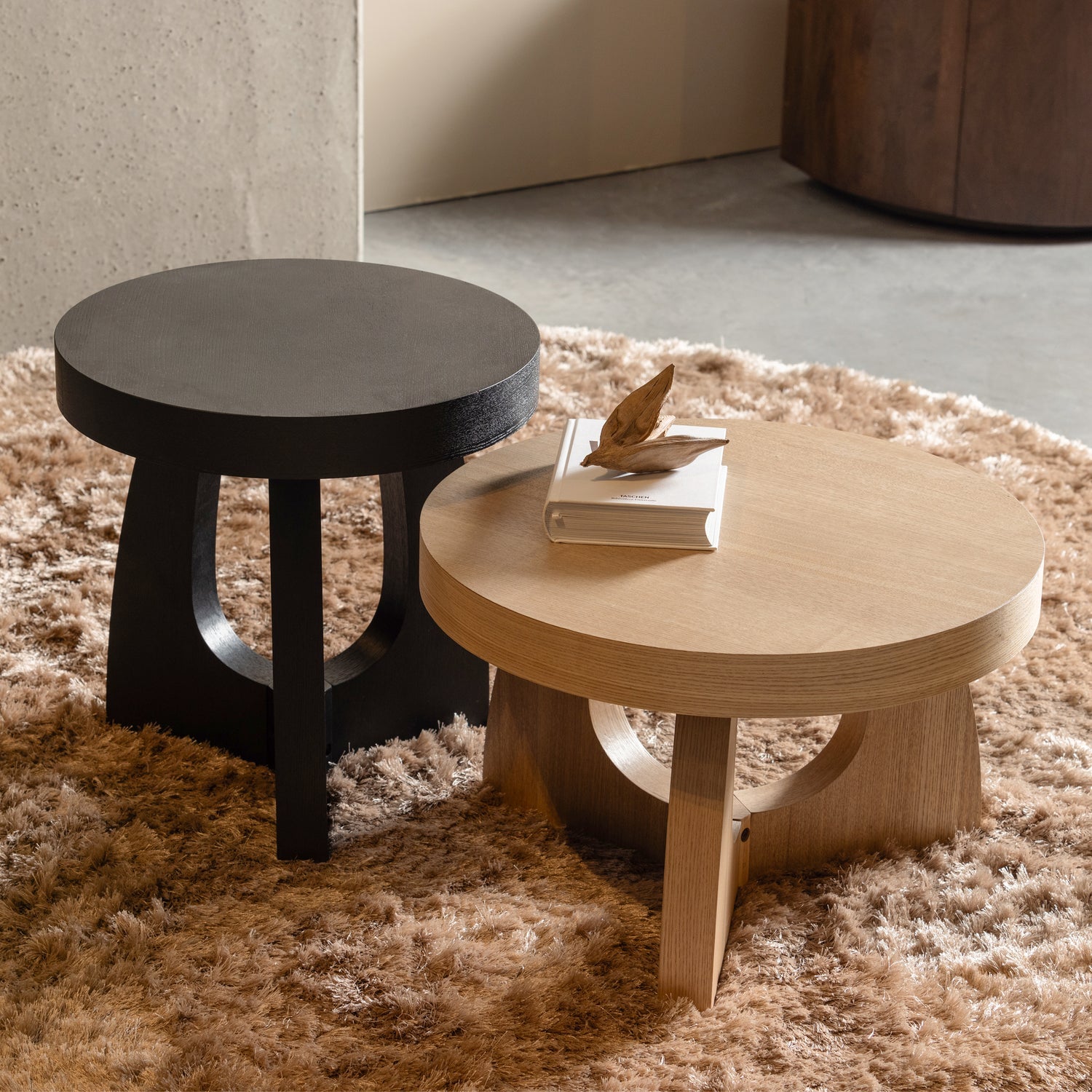
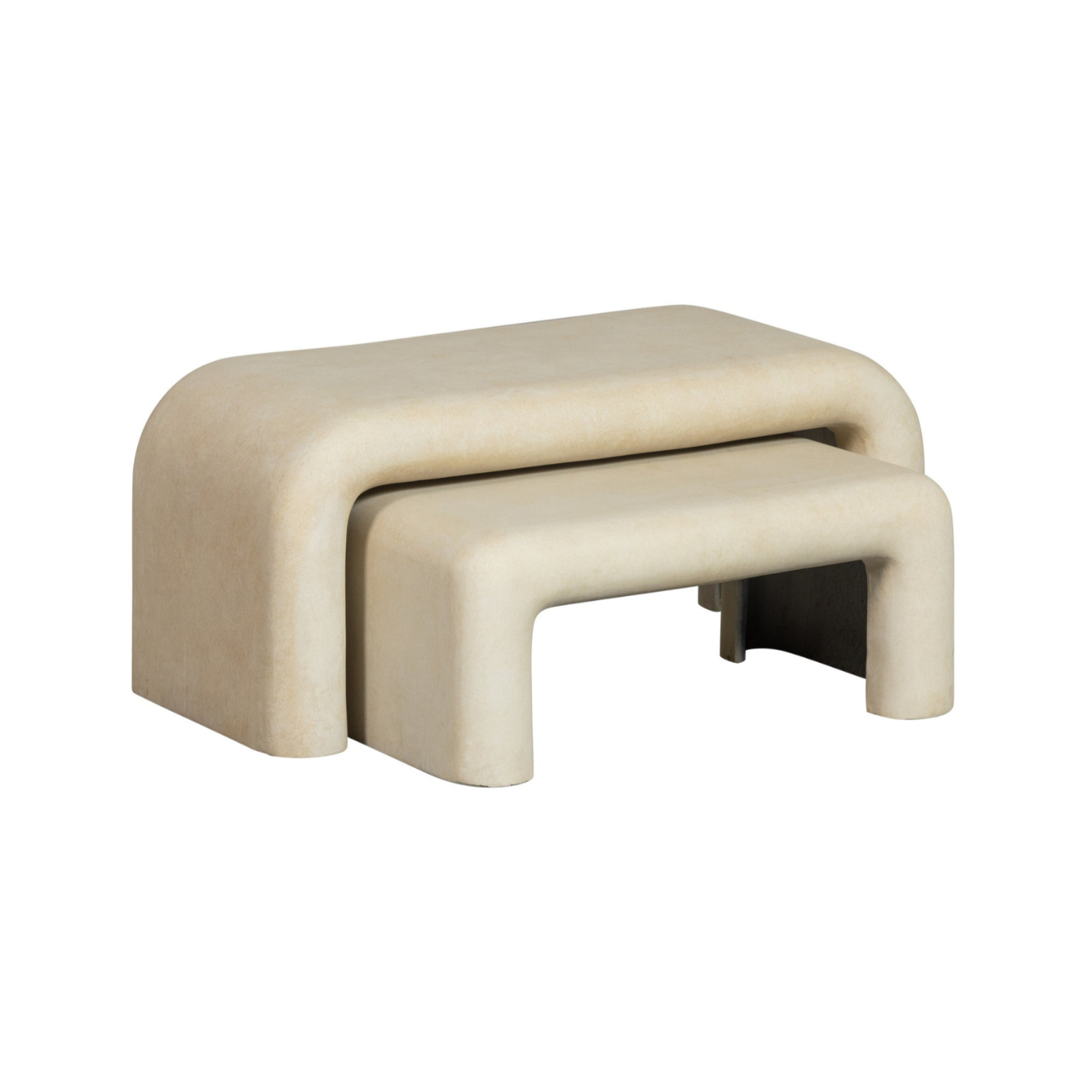
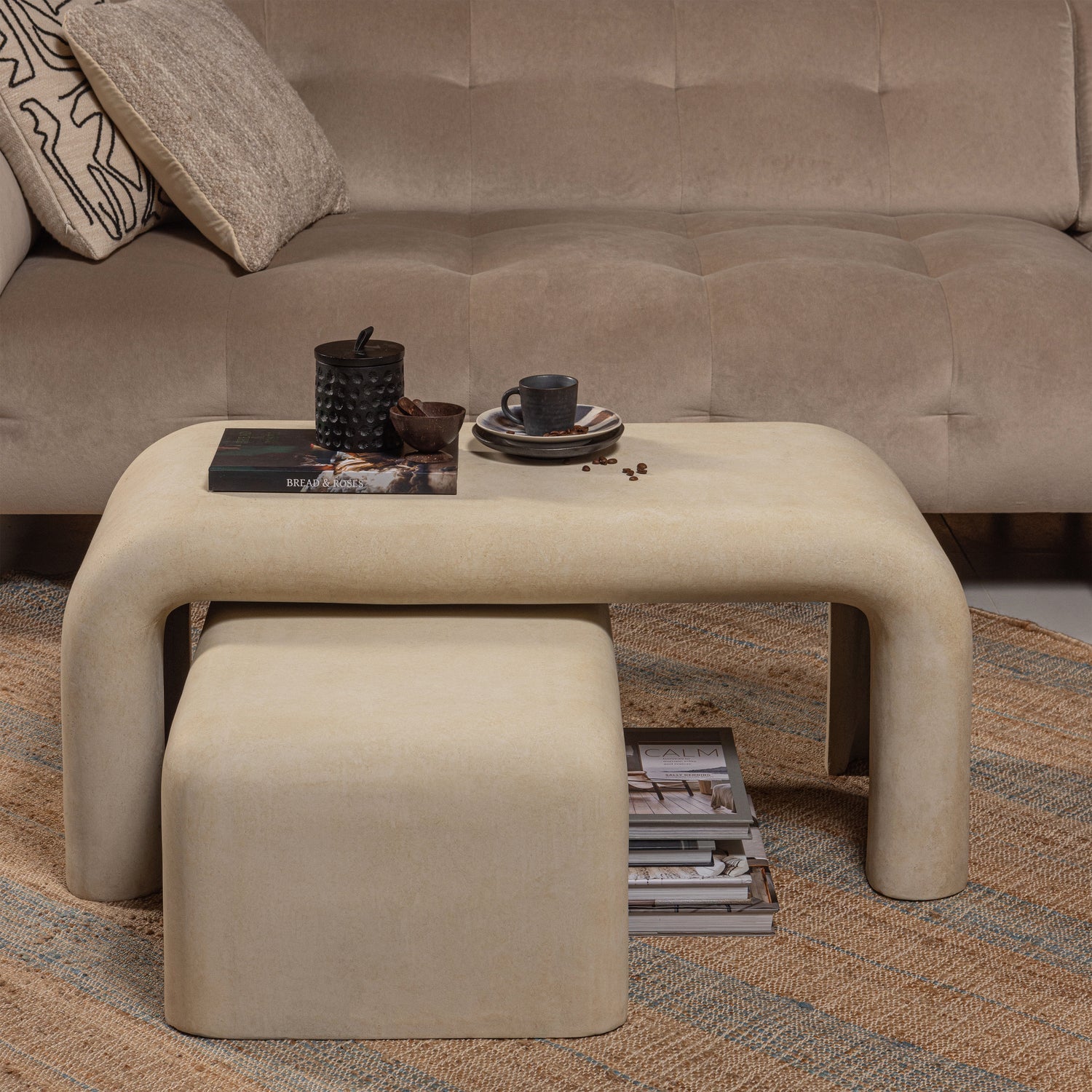
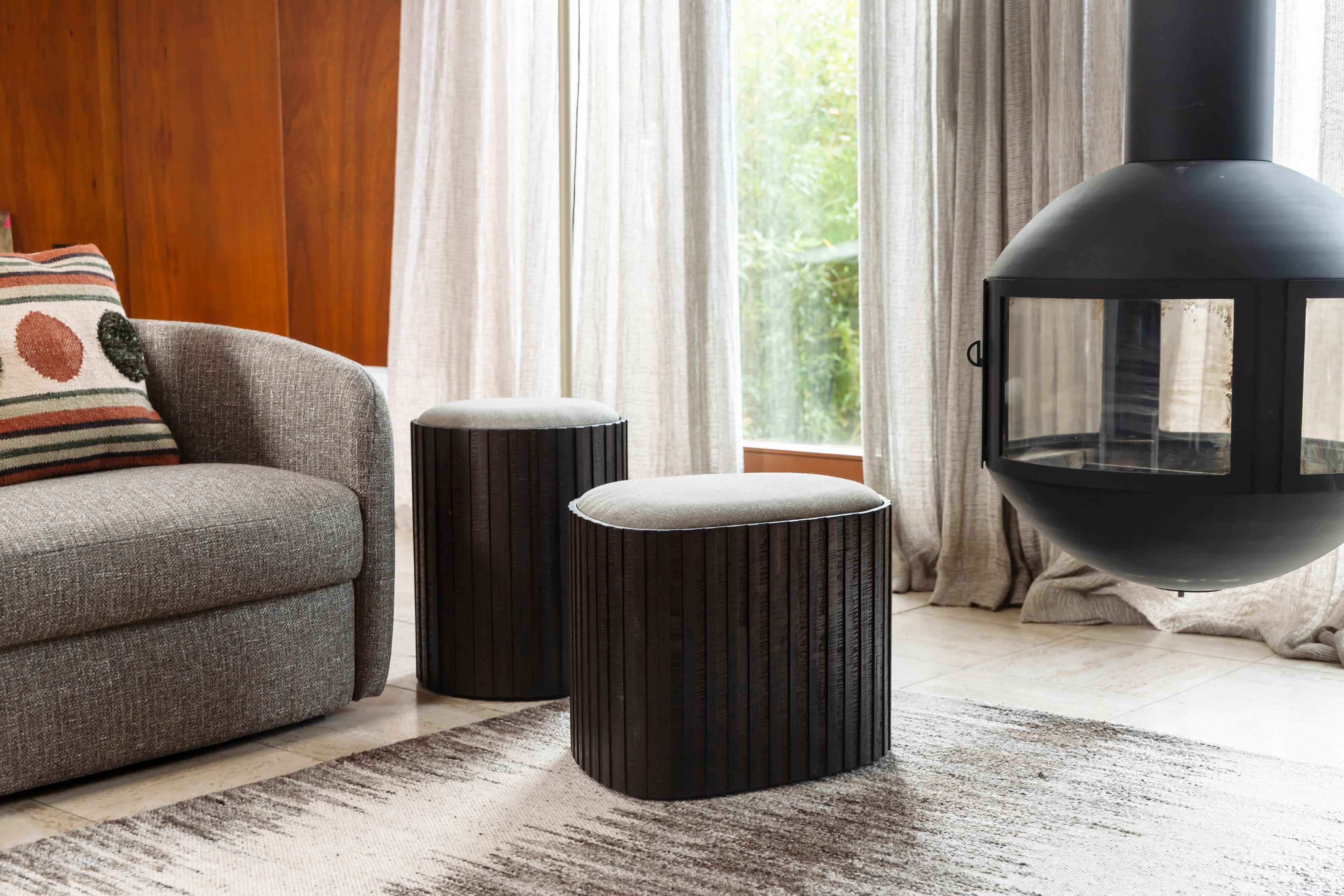
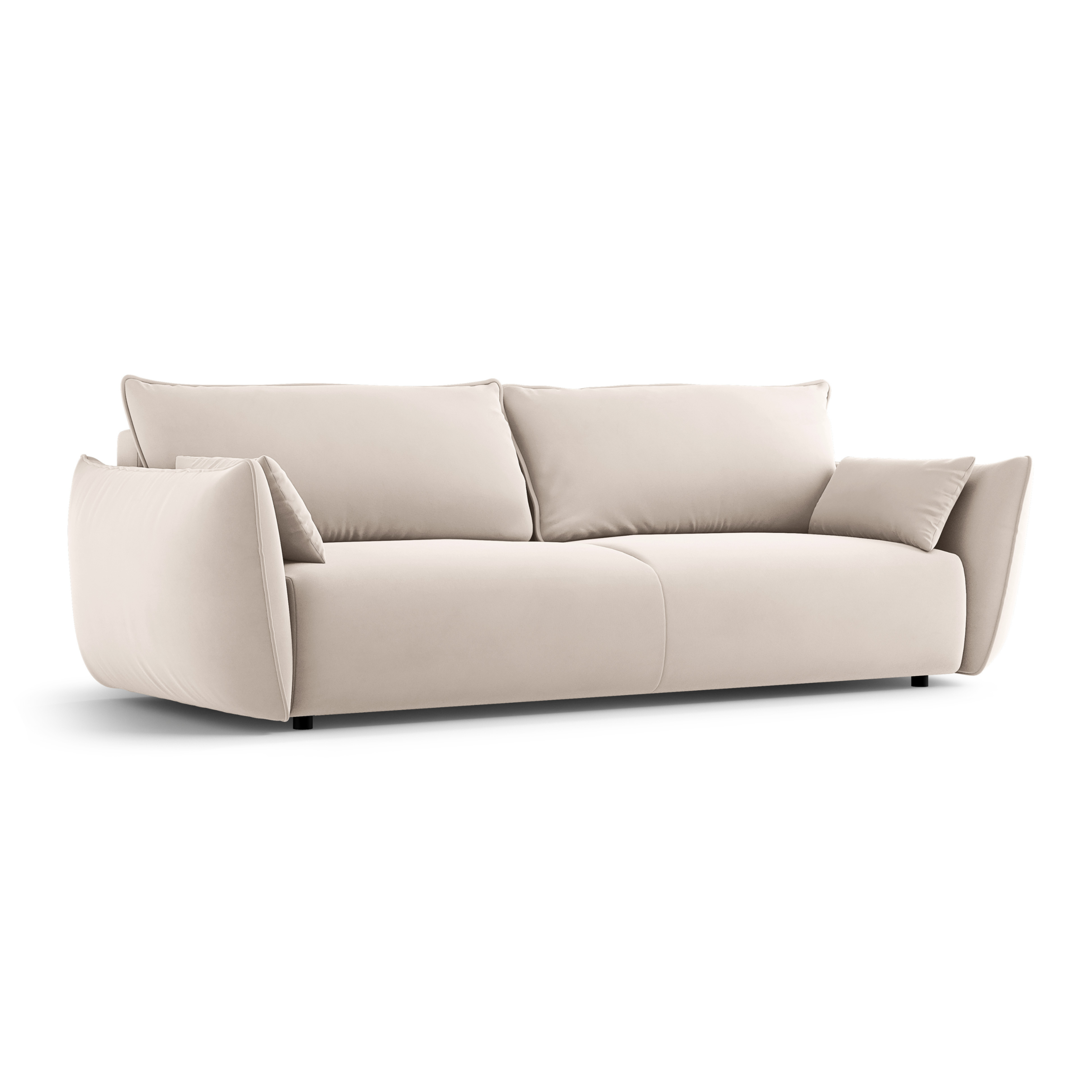
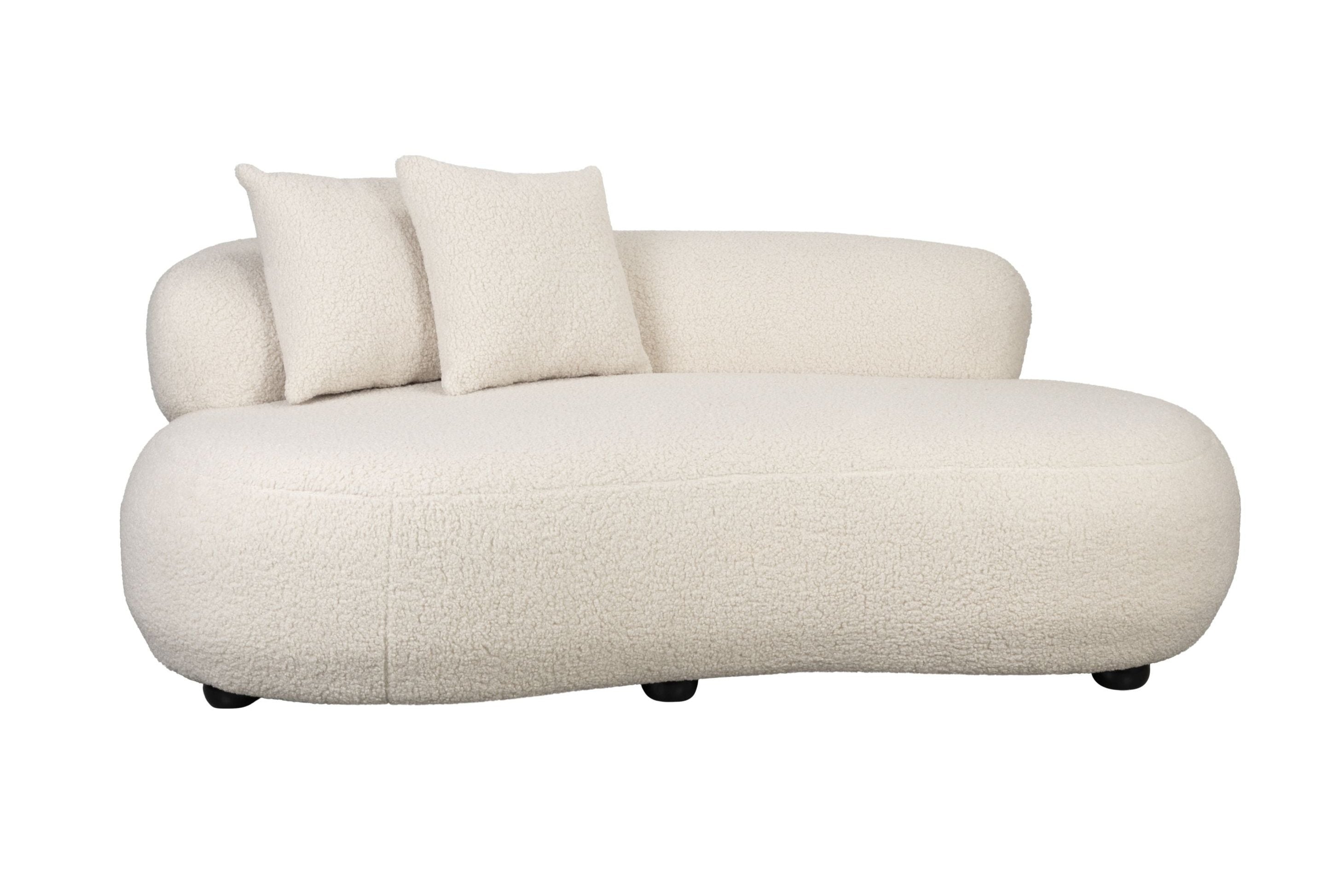
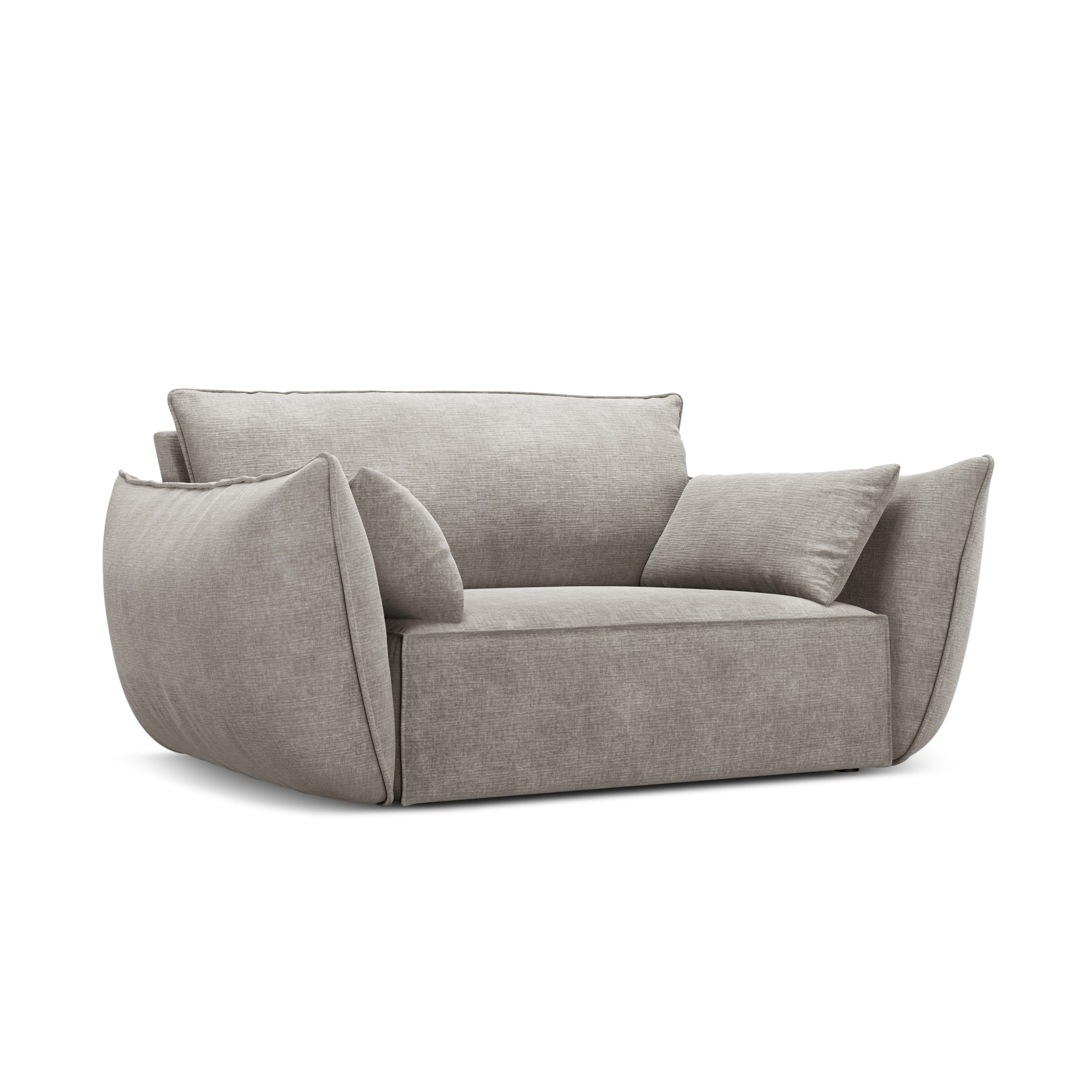
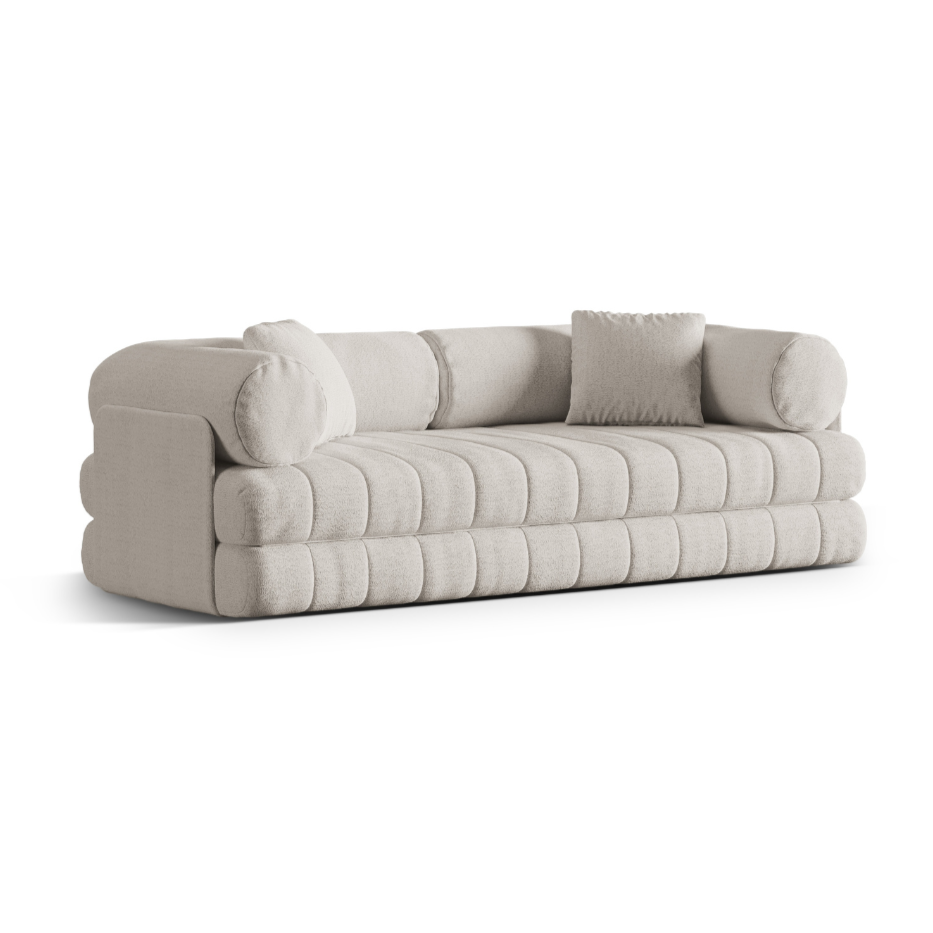
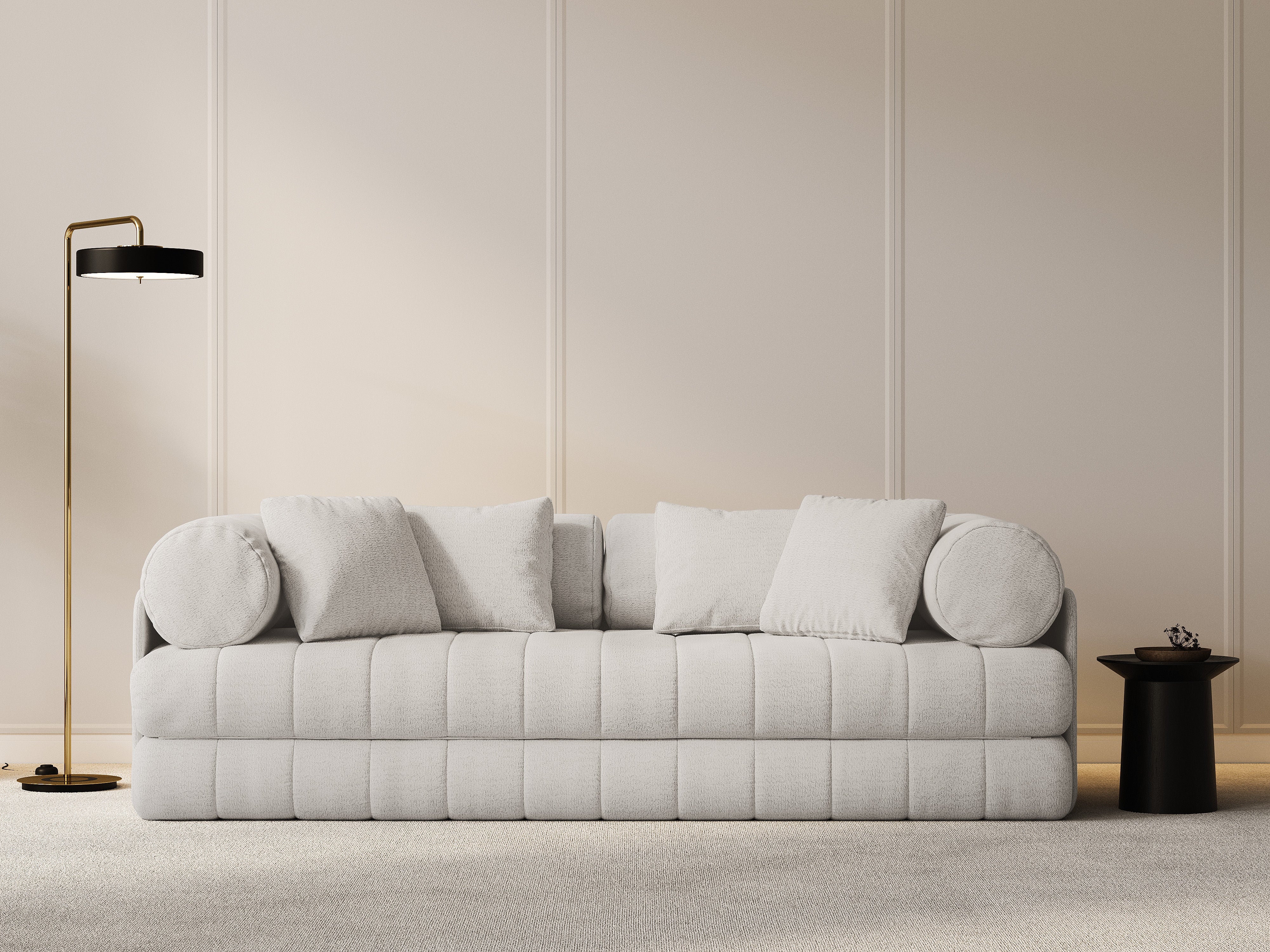
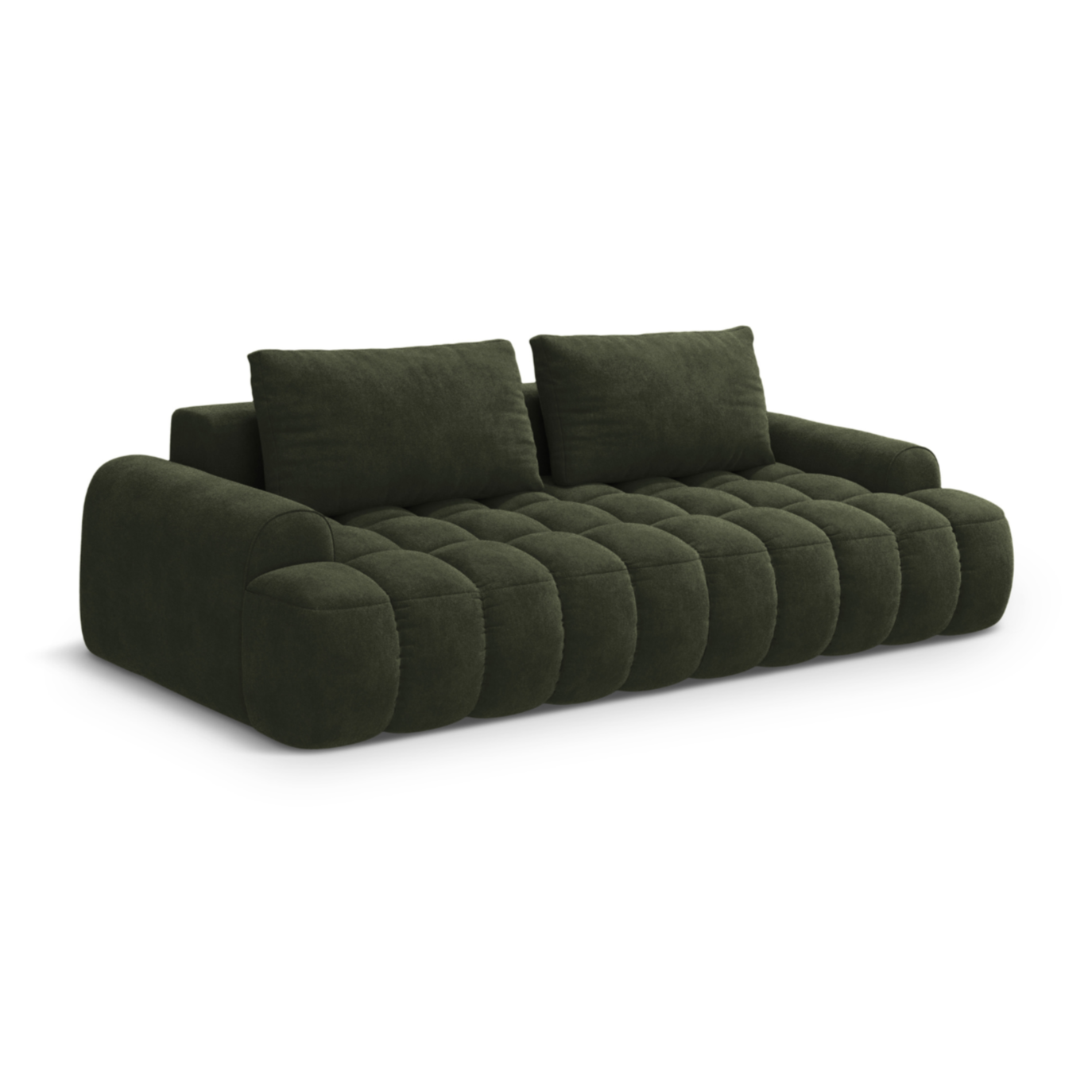
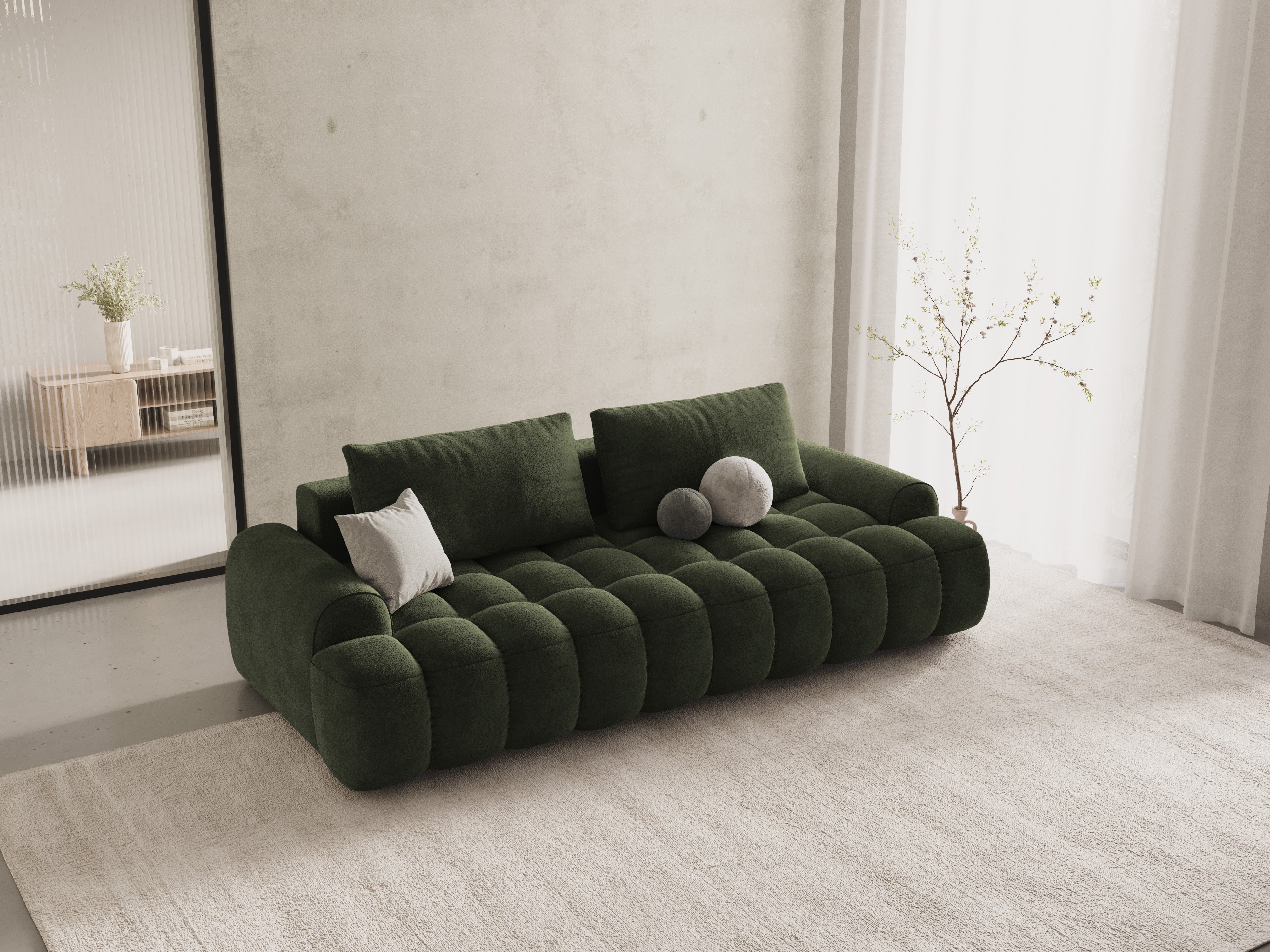
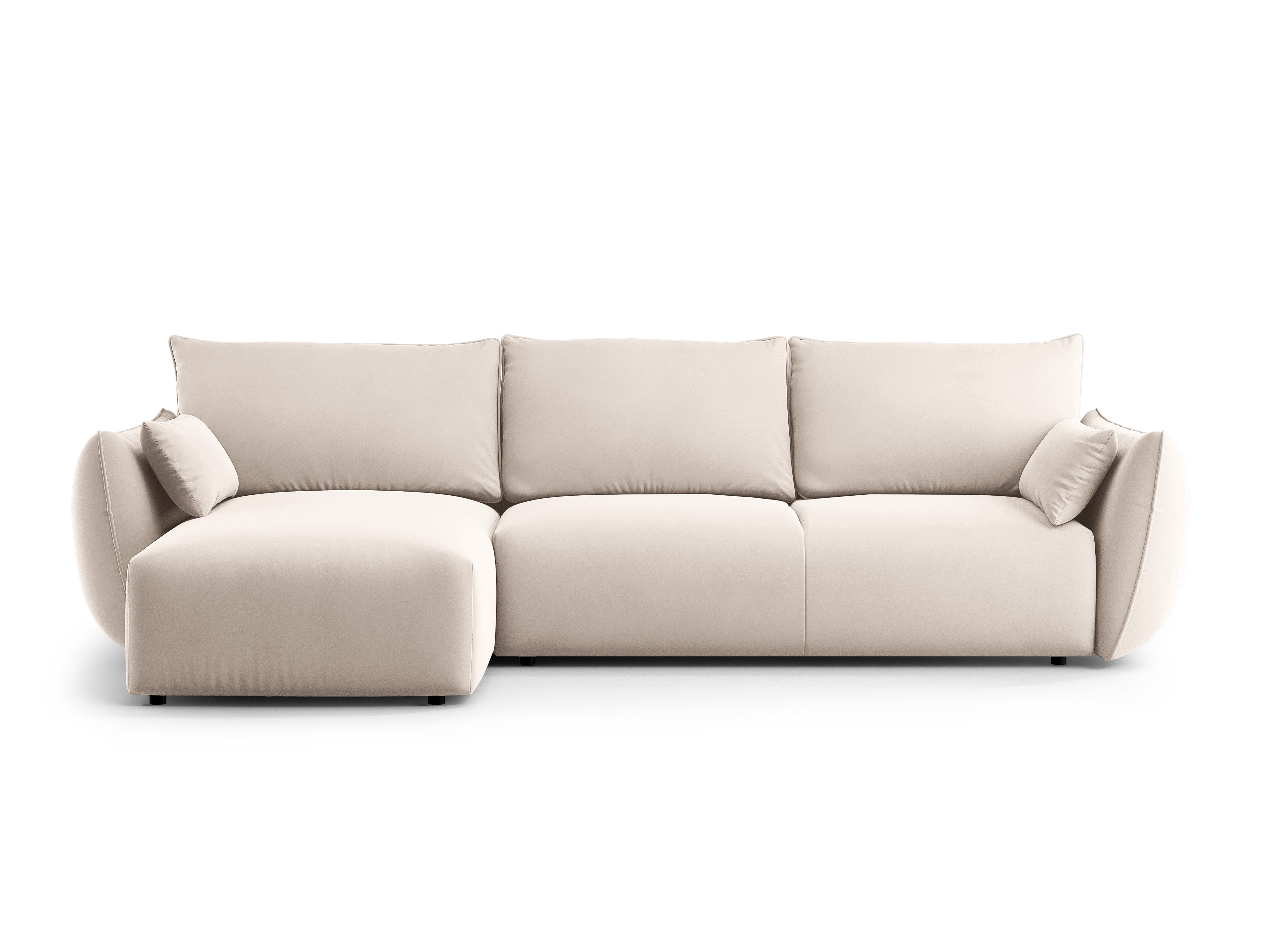
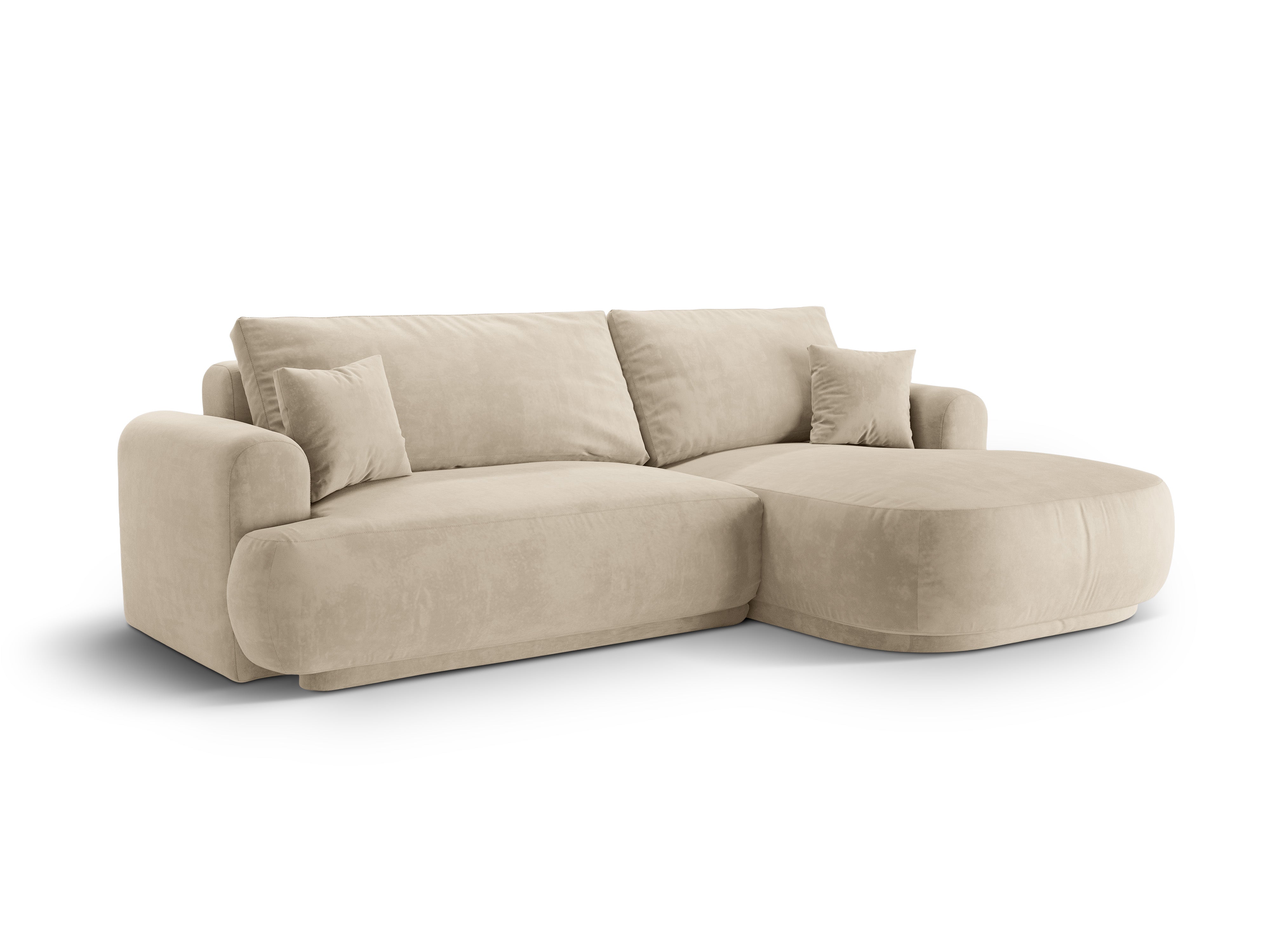
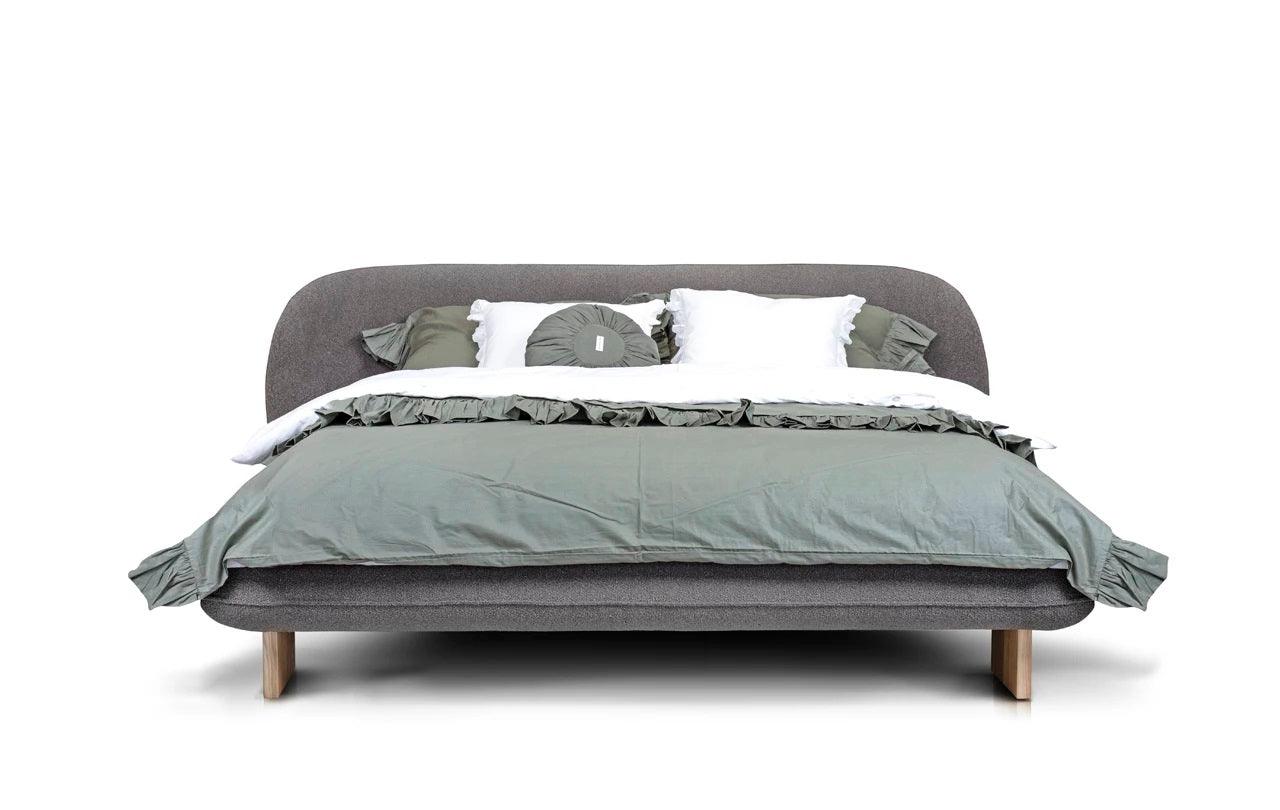
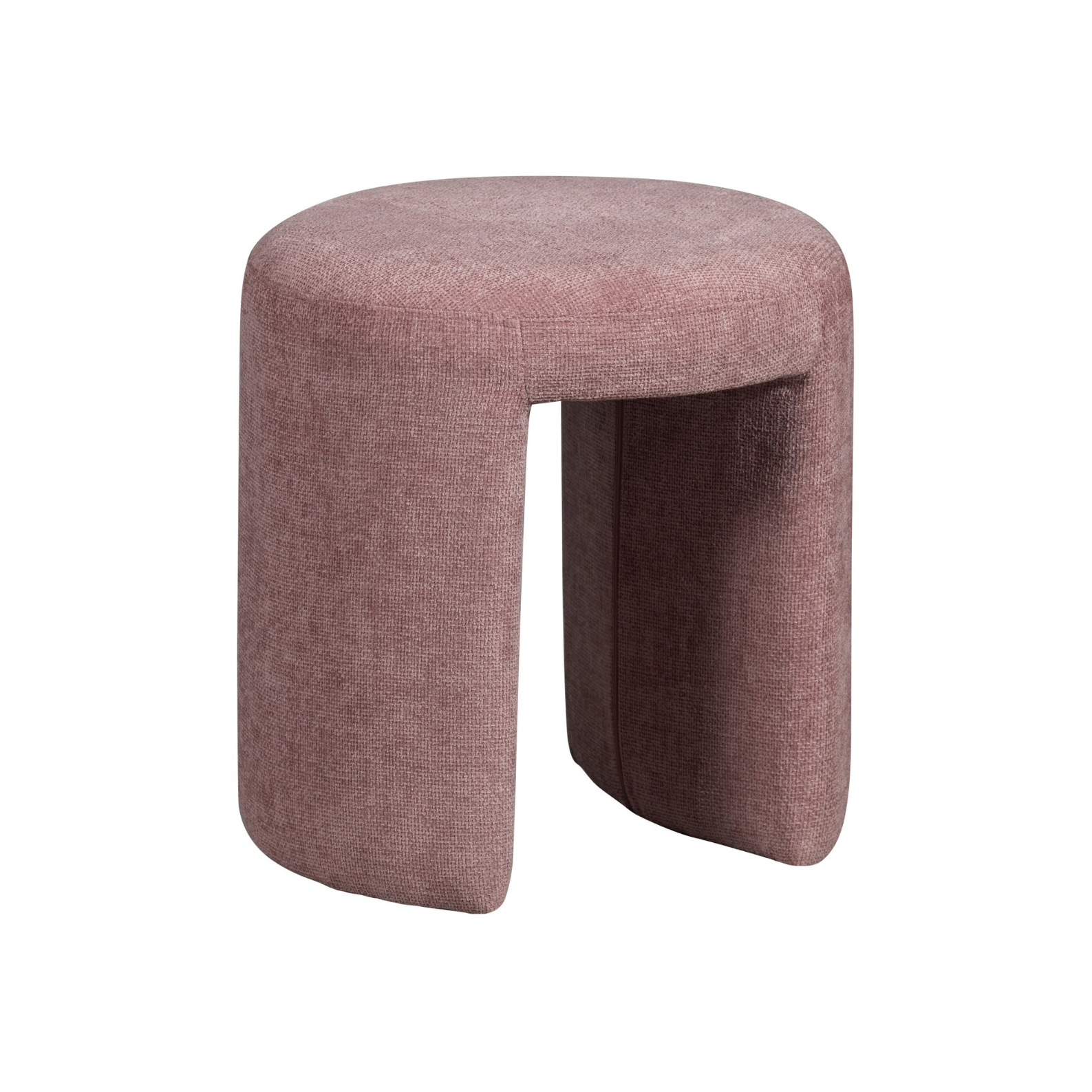
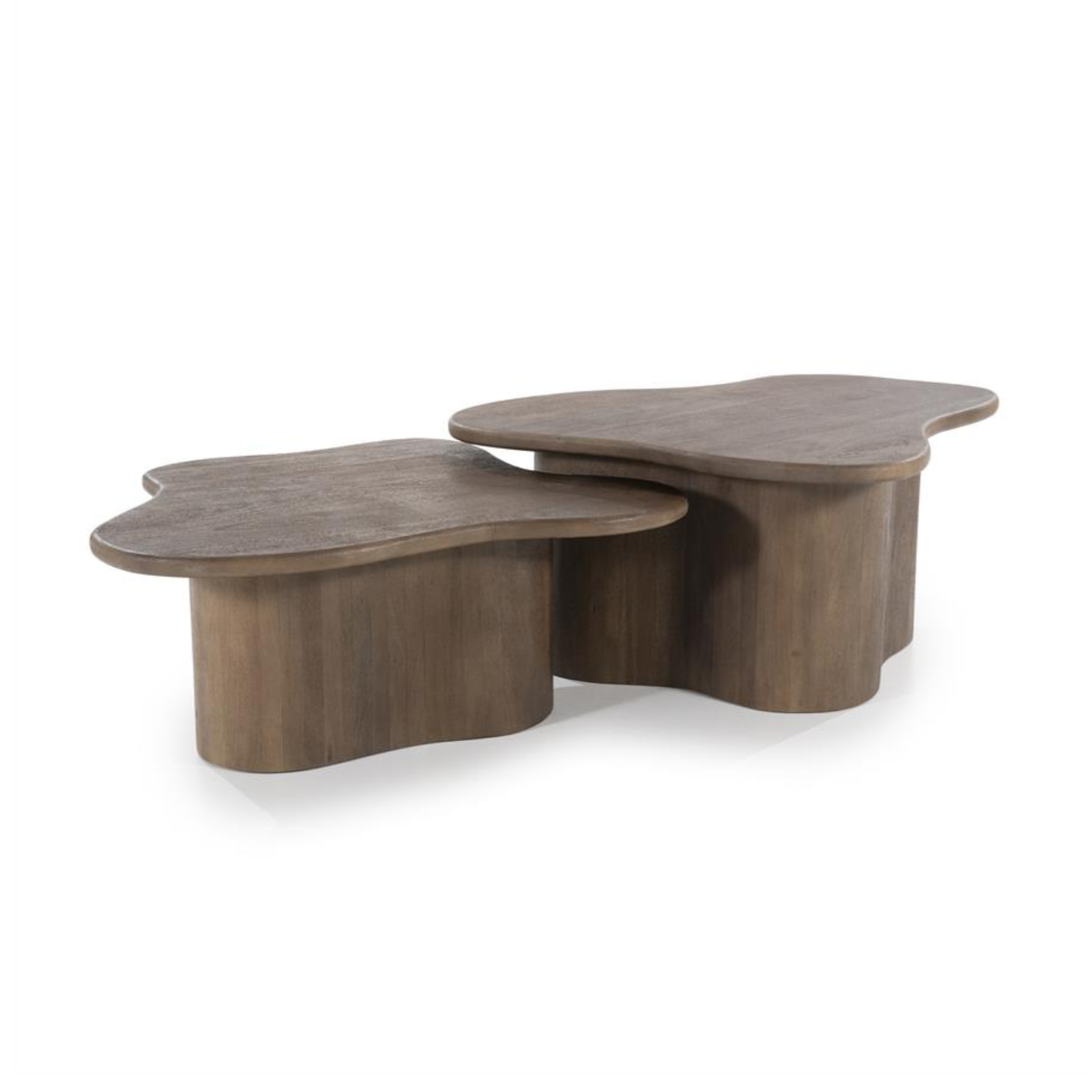
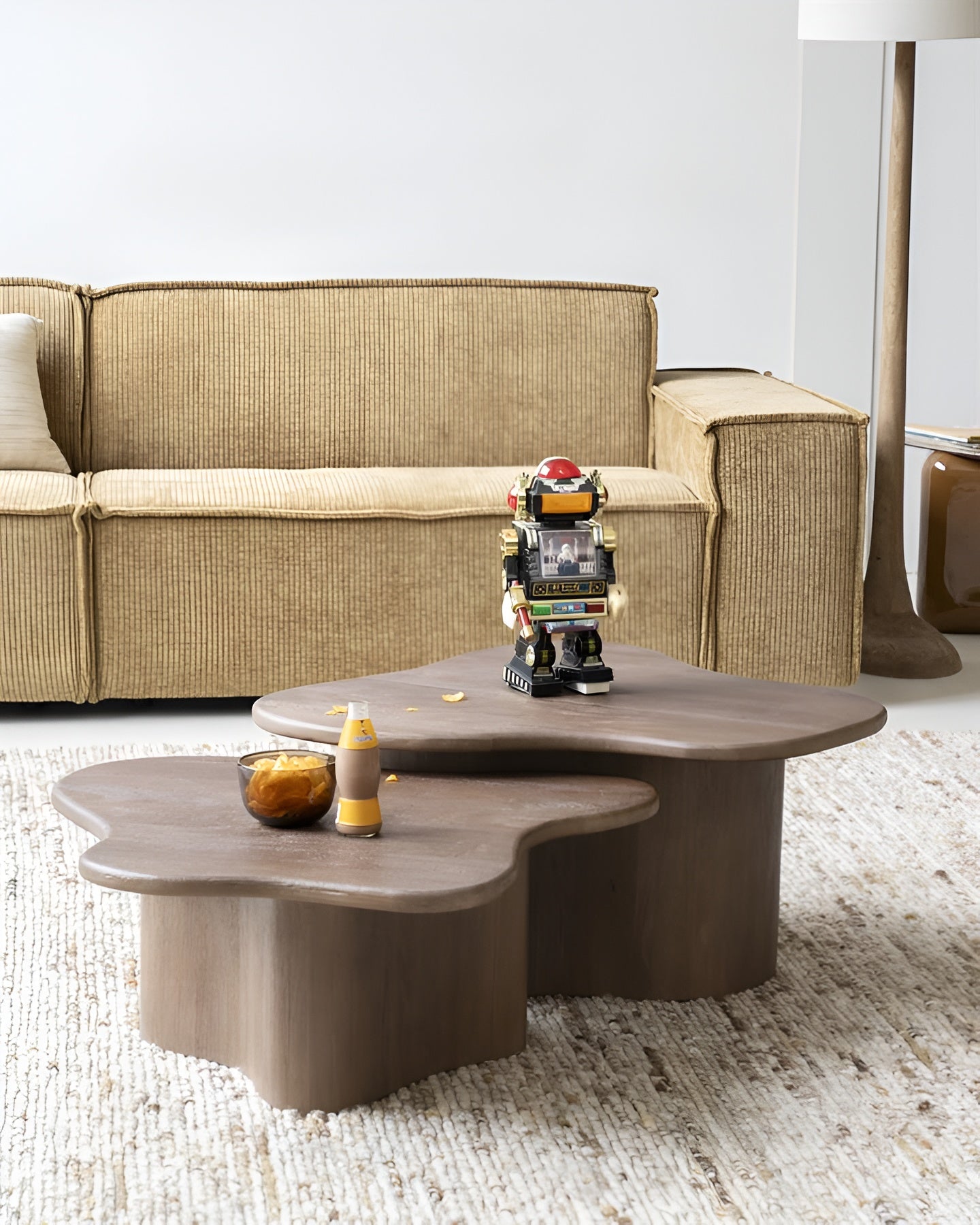
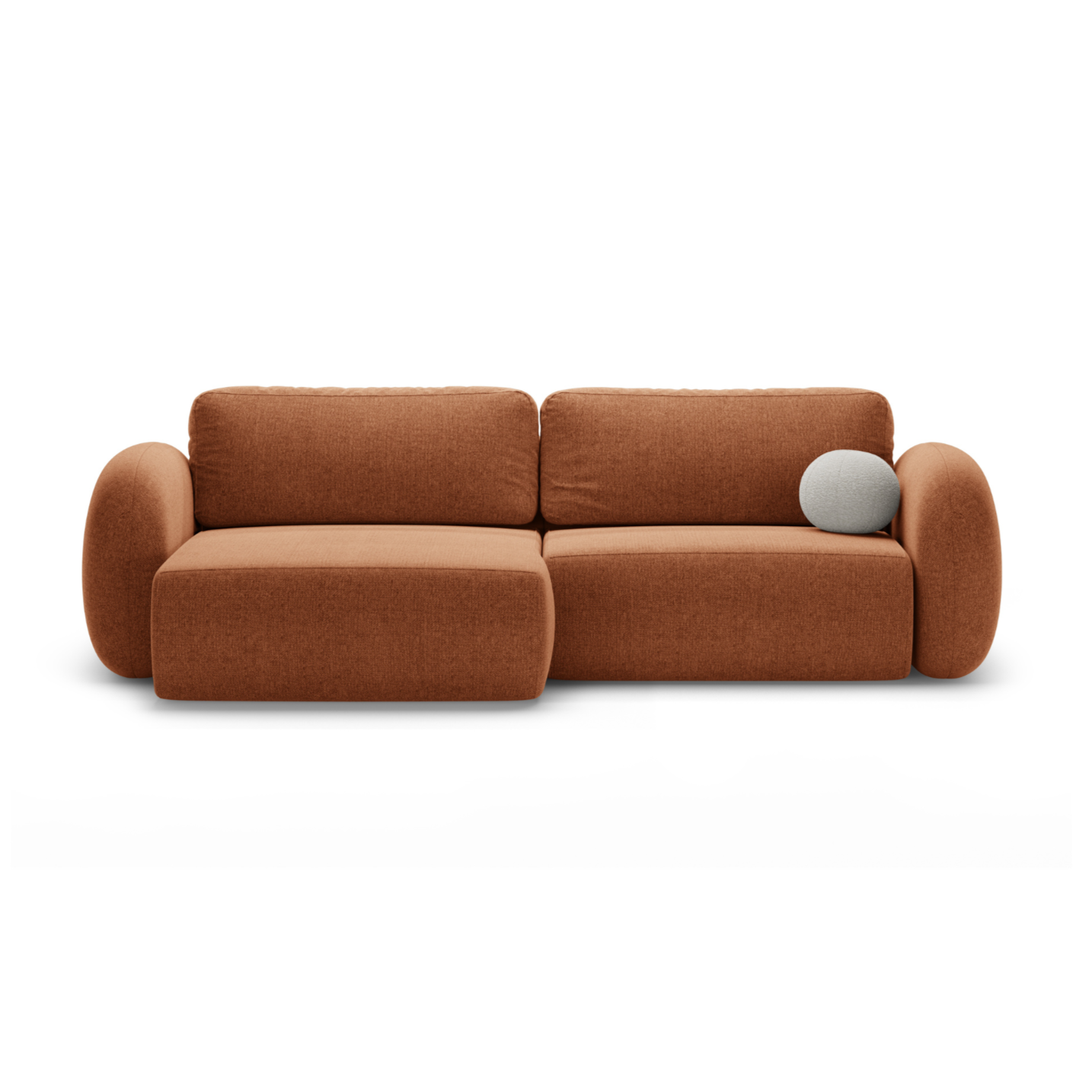
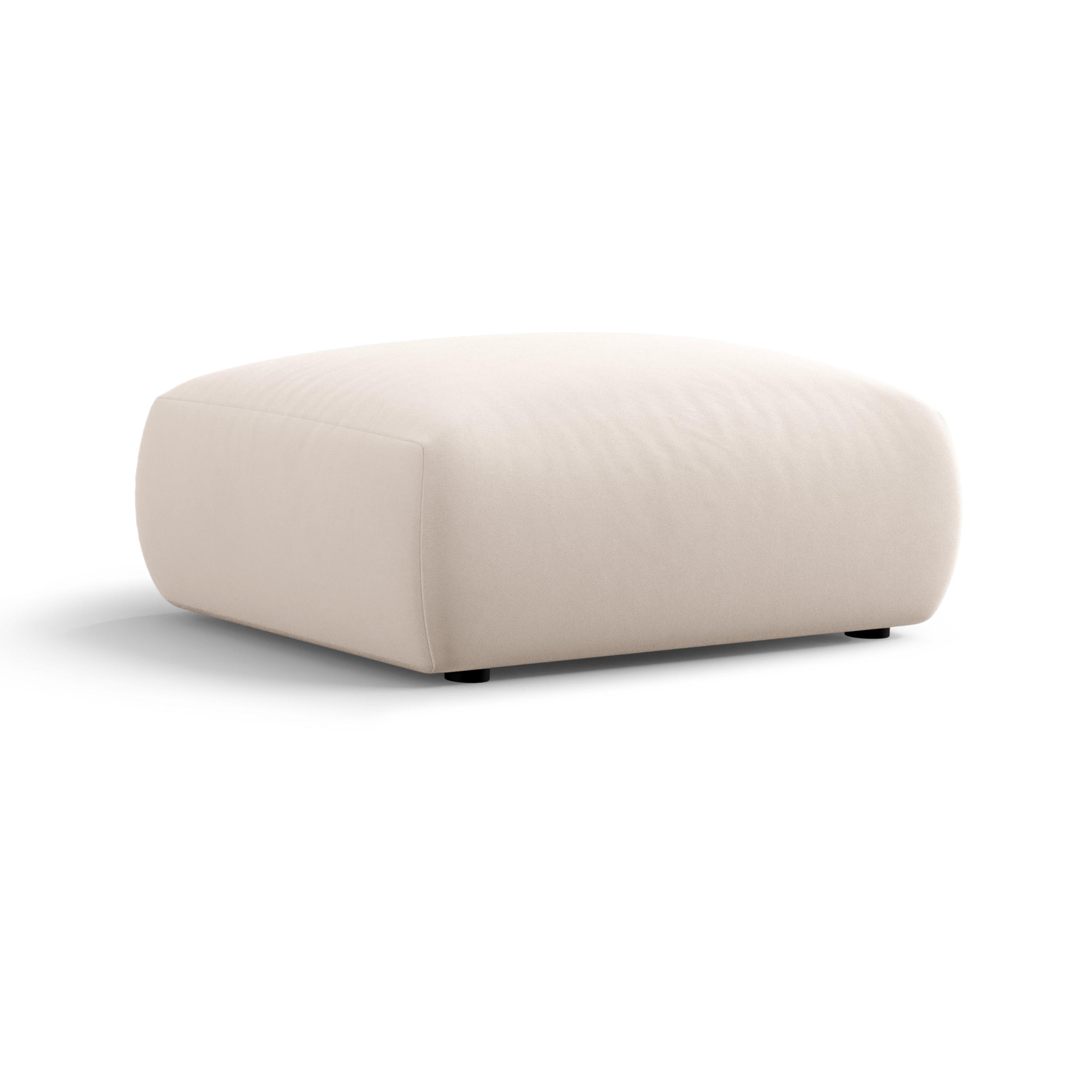
In Japandi, furniture is low, with simple lines and an airy appearance. A sofa on slender legs instead of a bulky form, an organic-shaped wooden coffee table, and a dresser without embellishments or handles. Wooden chairs and benches also fit well — furniture that has served in Japan for centuries.
Lighting
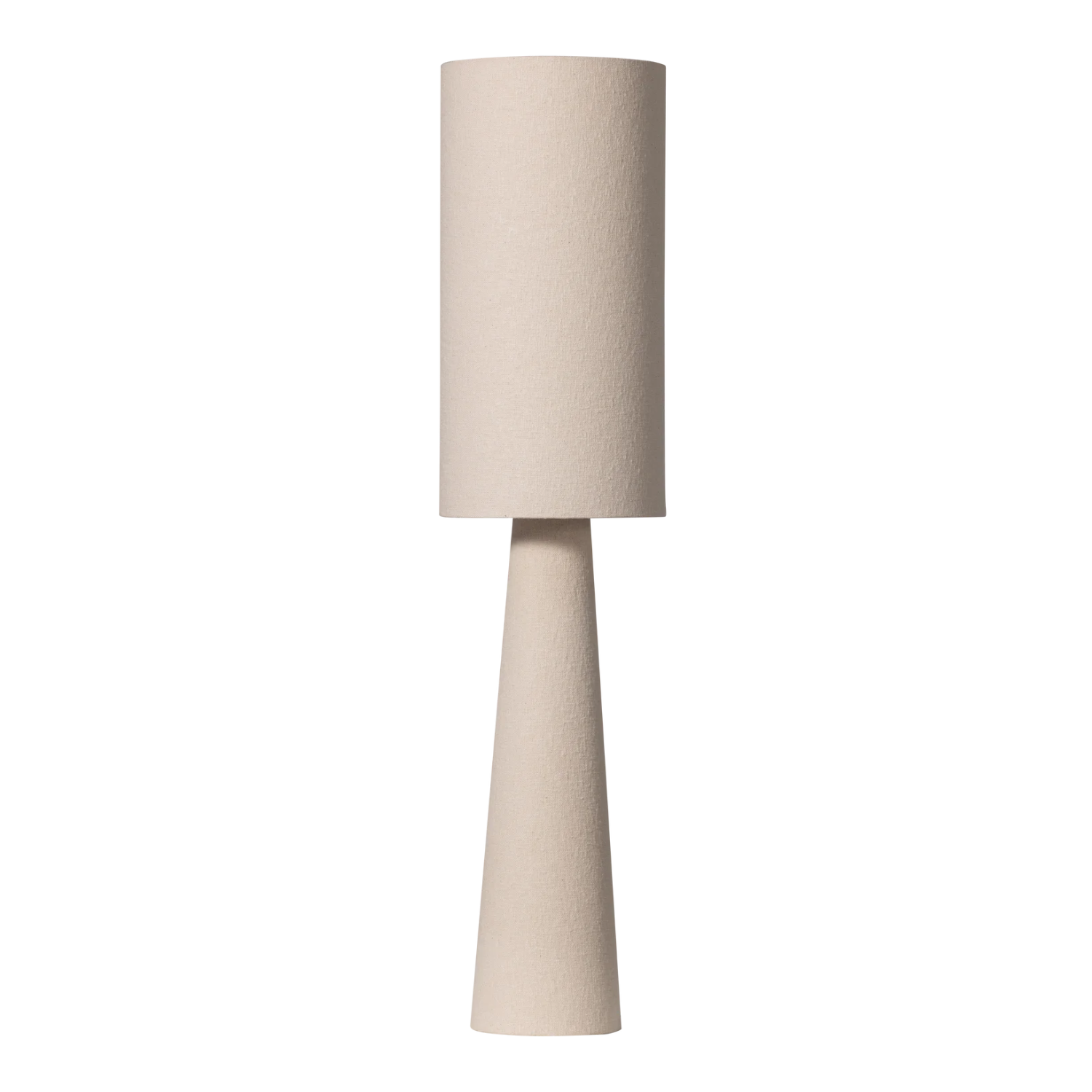
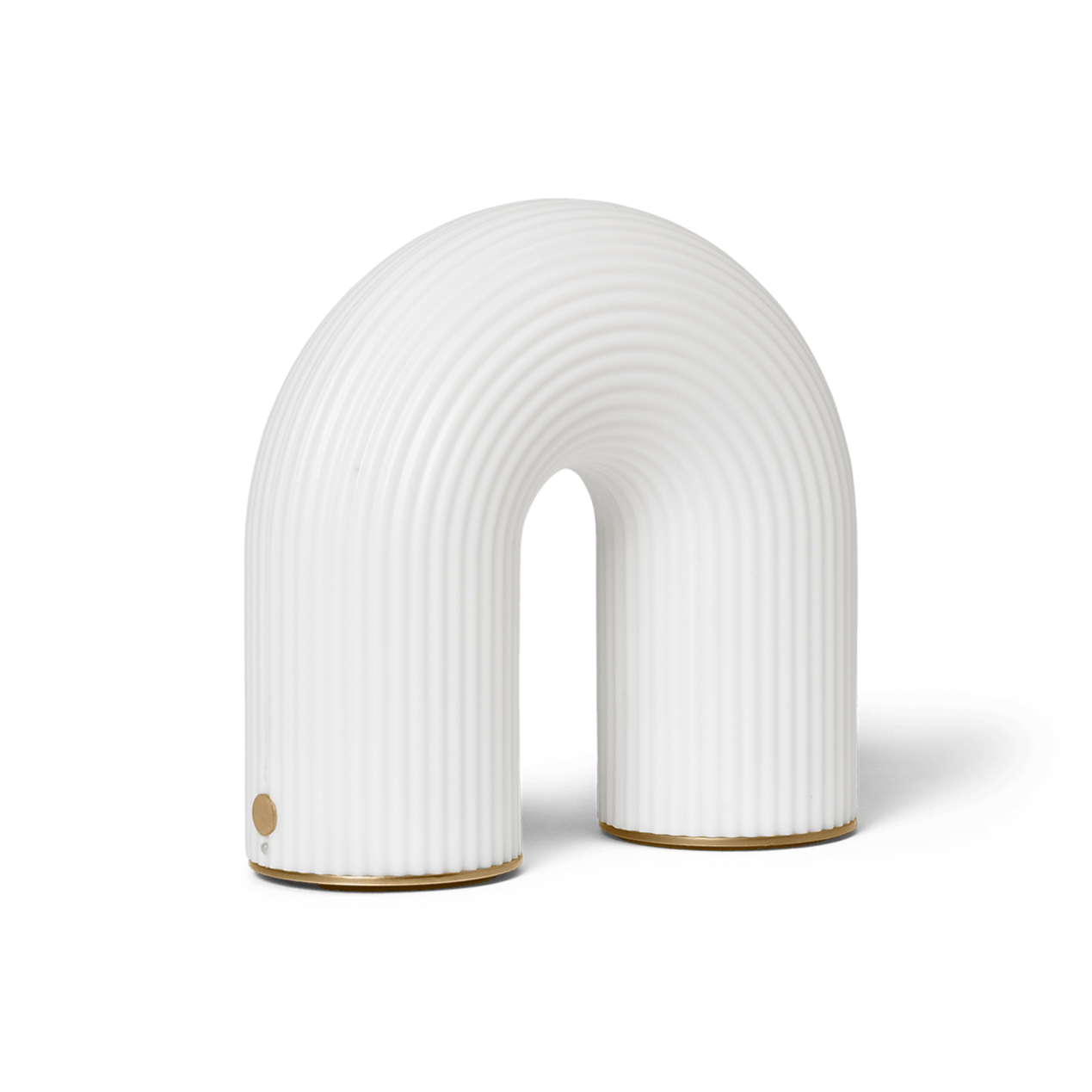
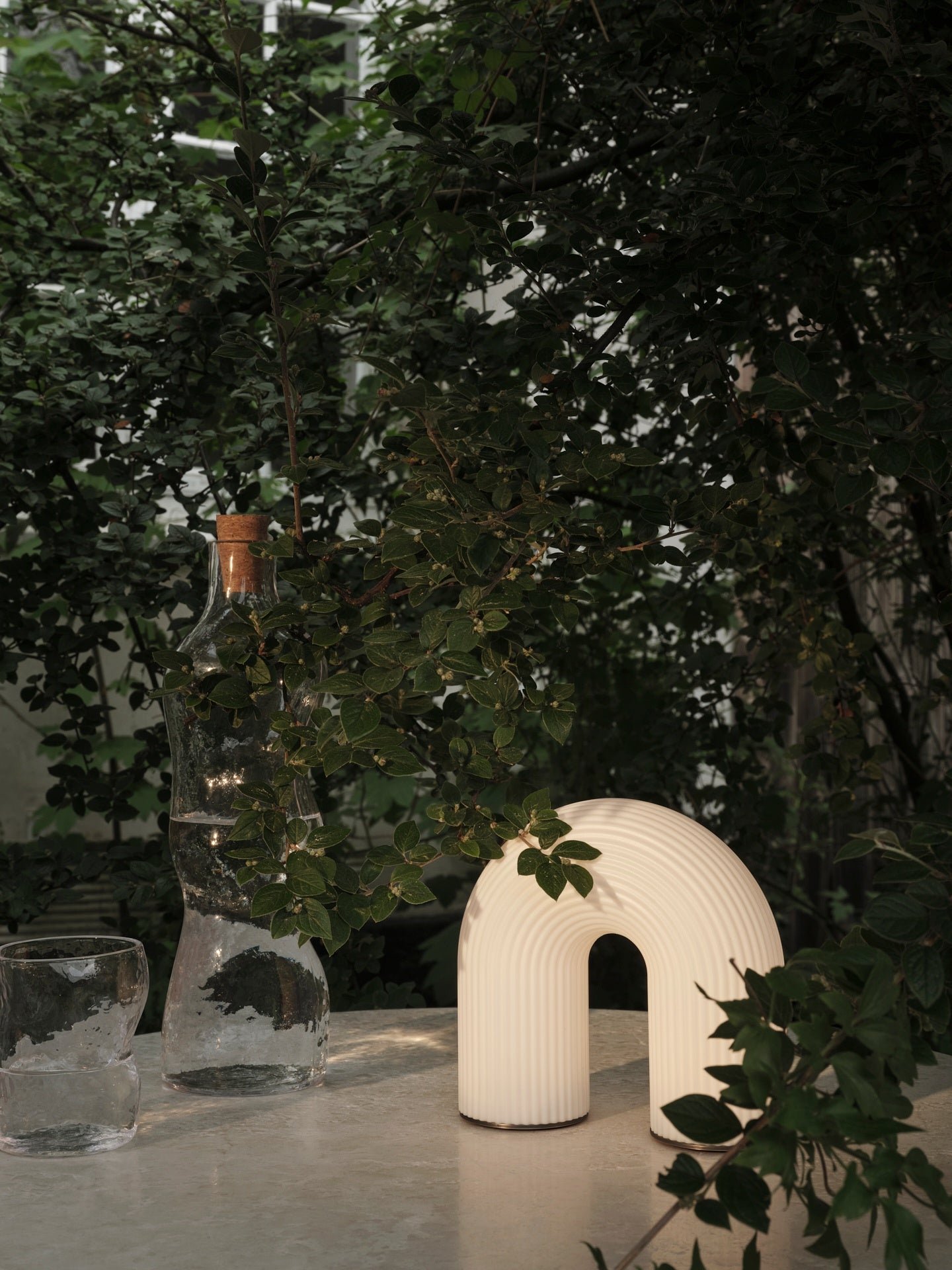
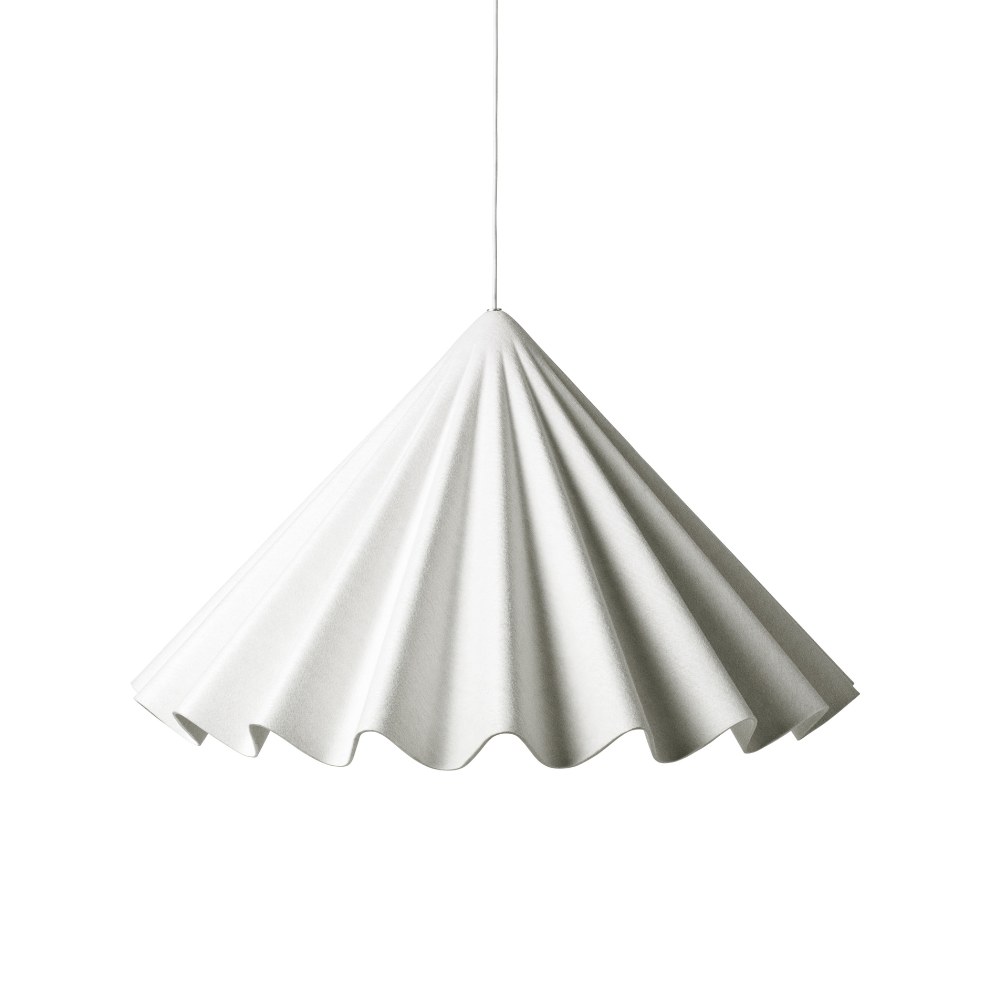
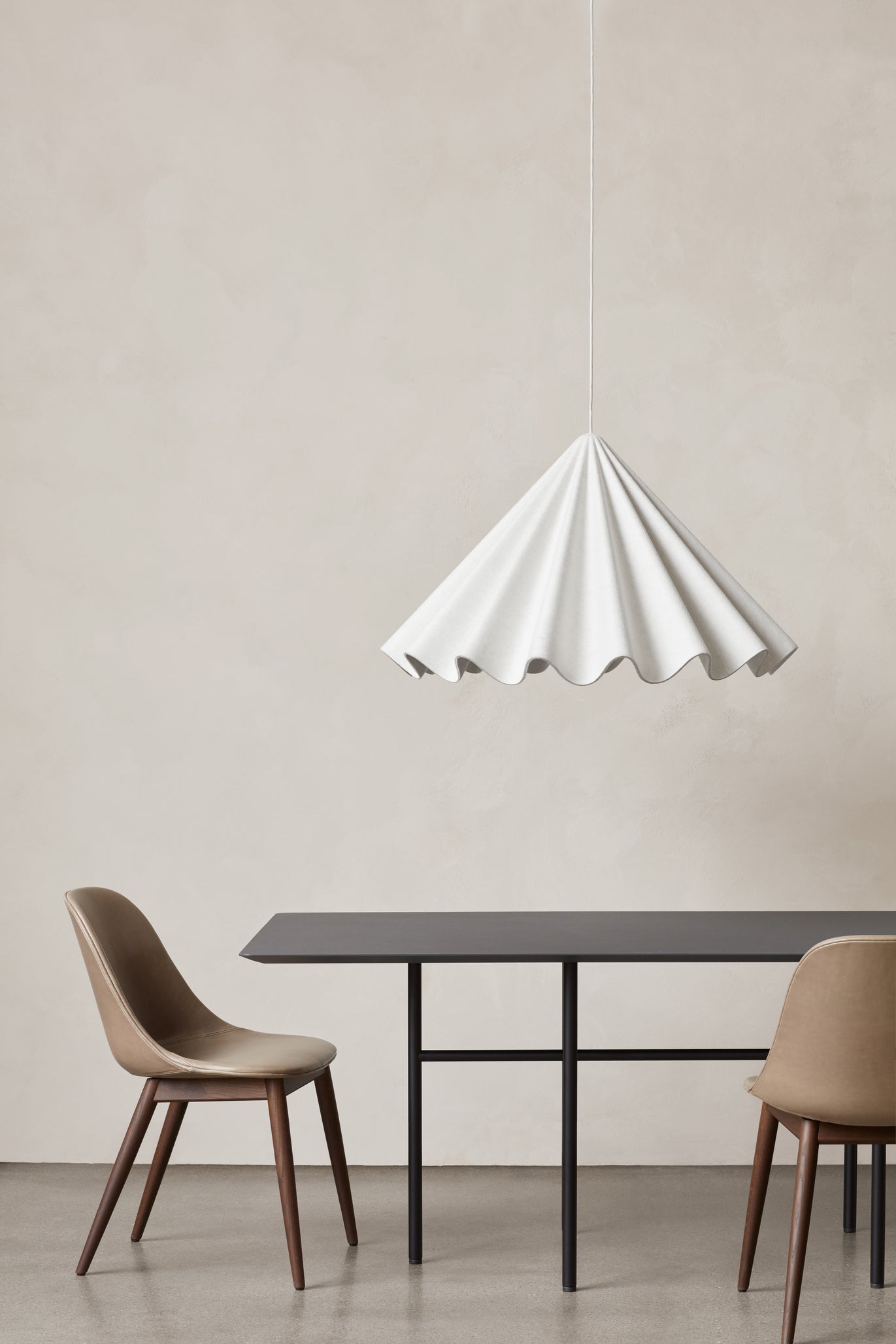
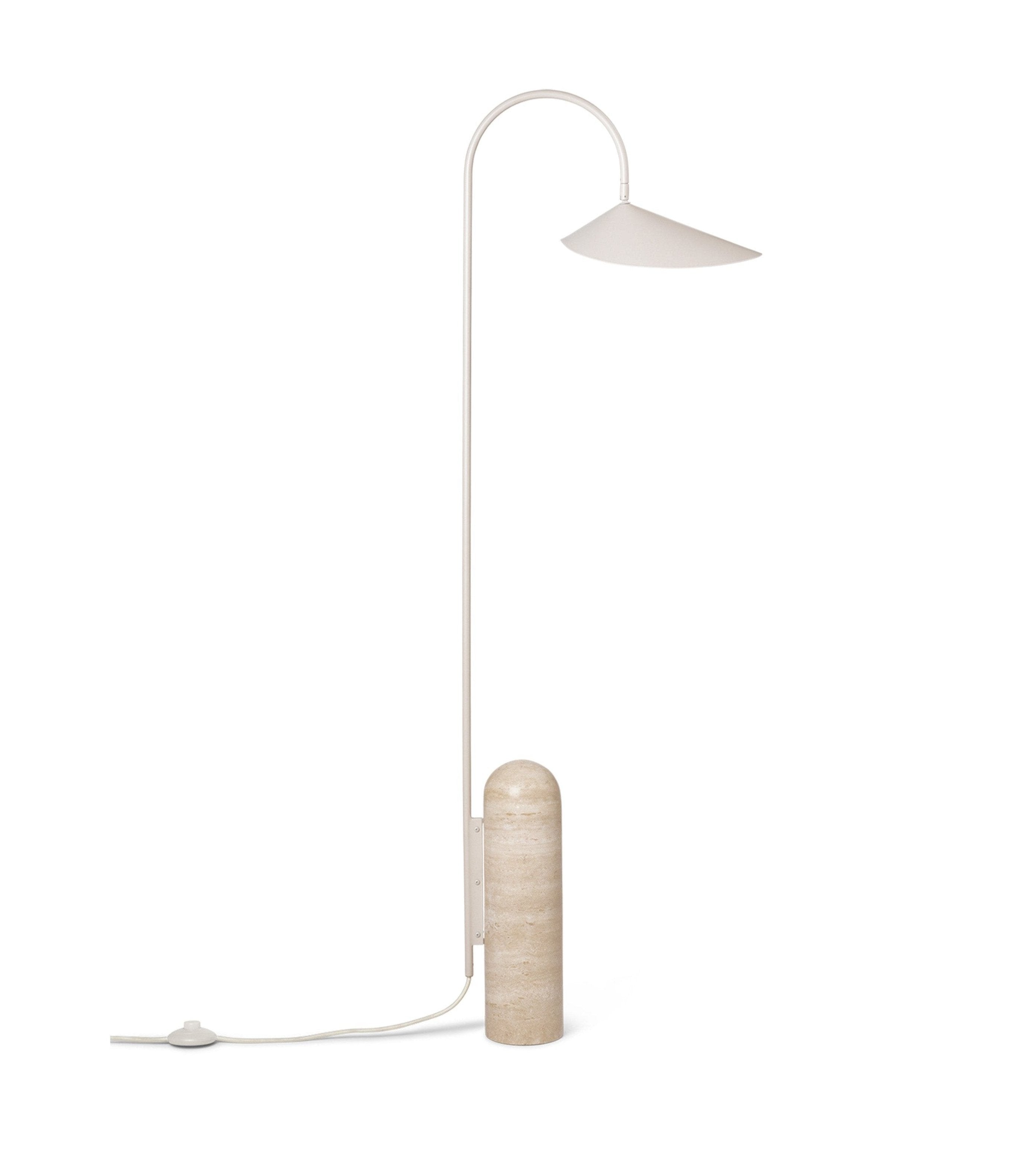
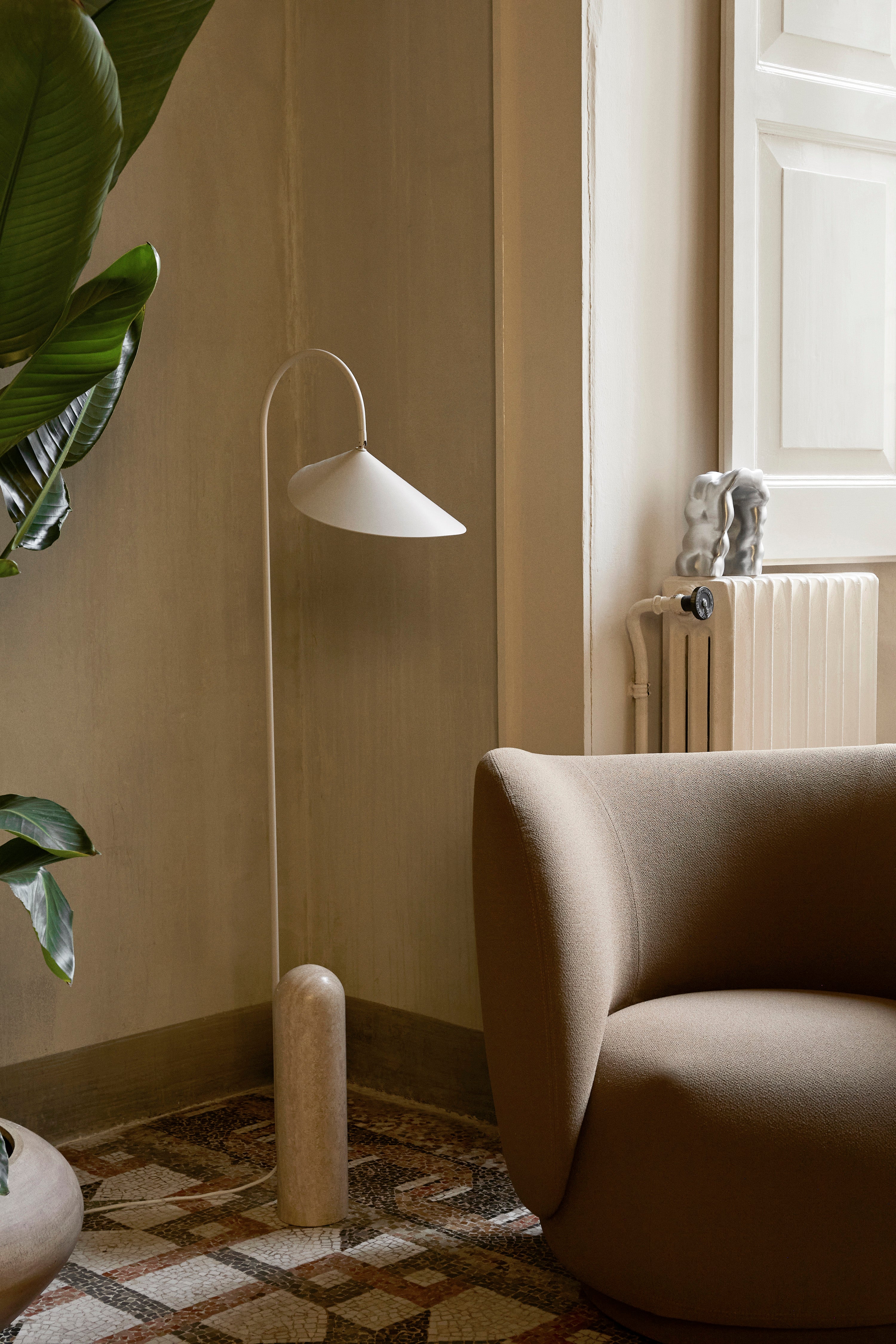
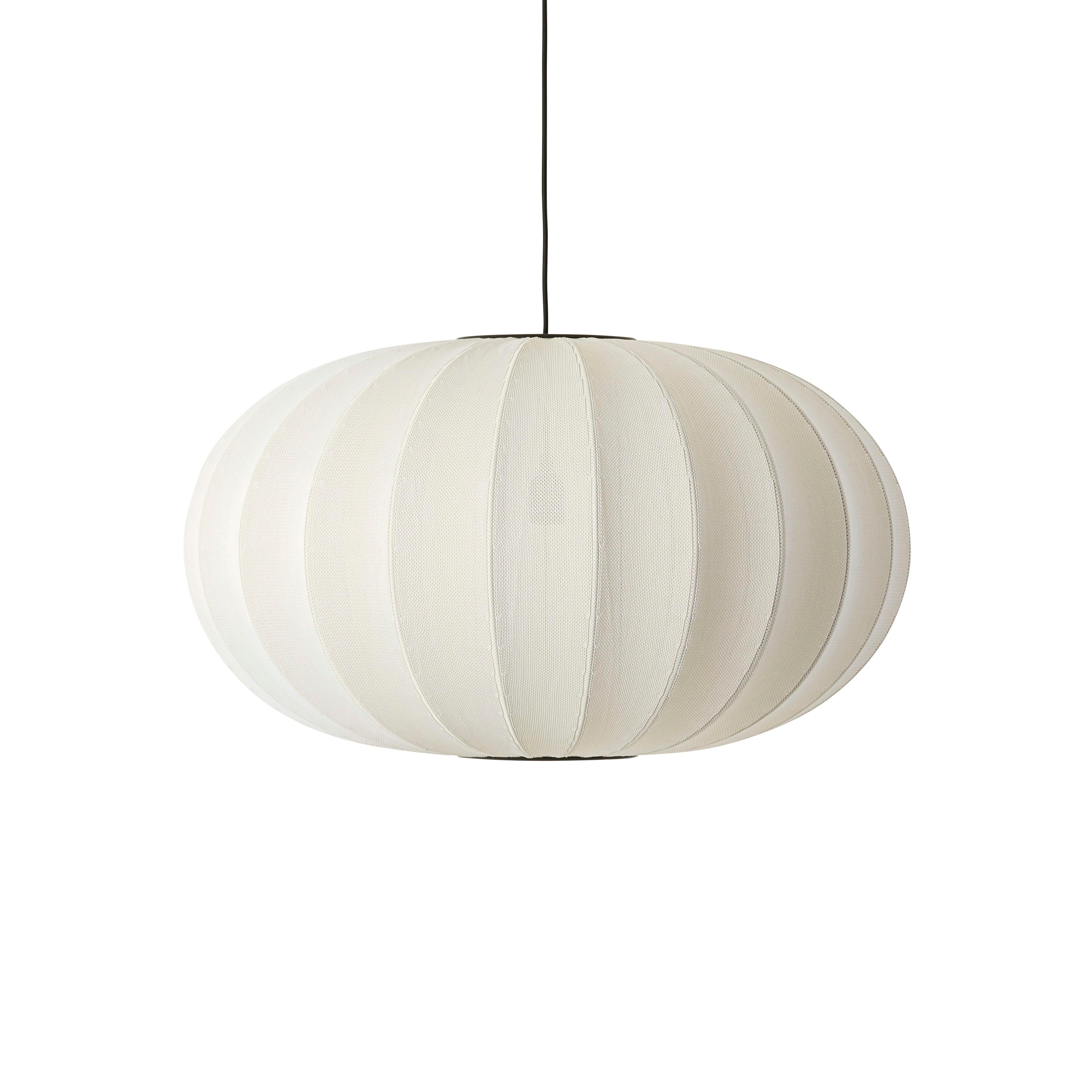
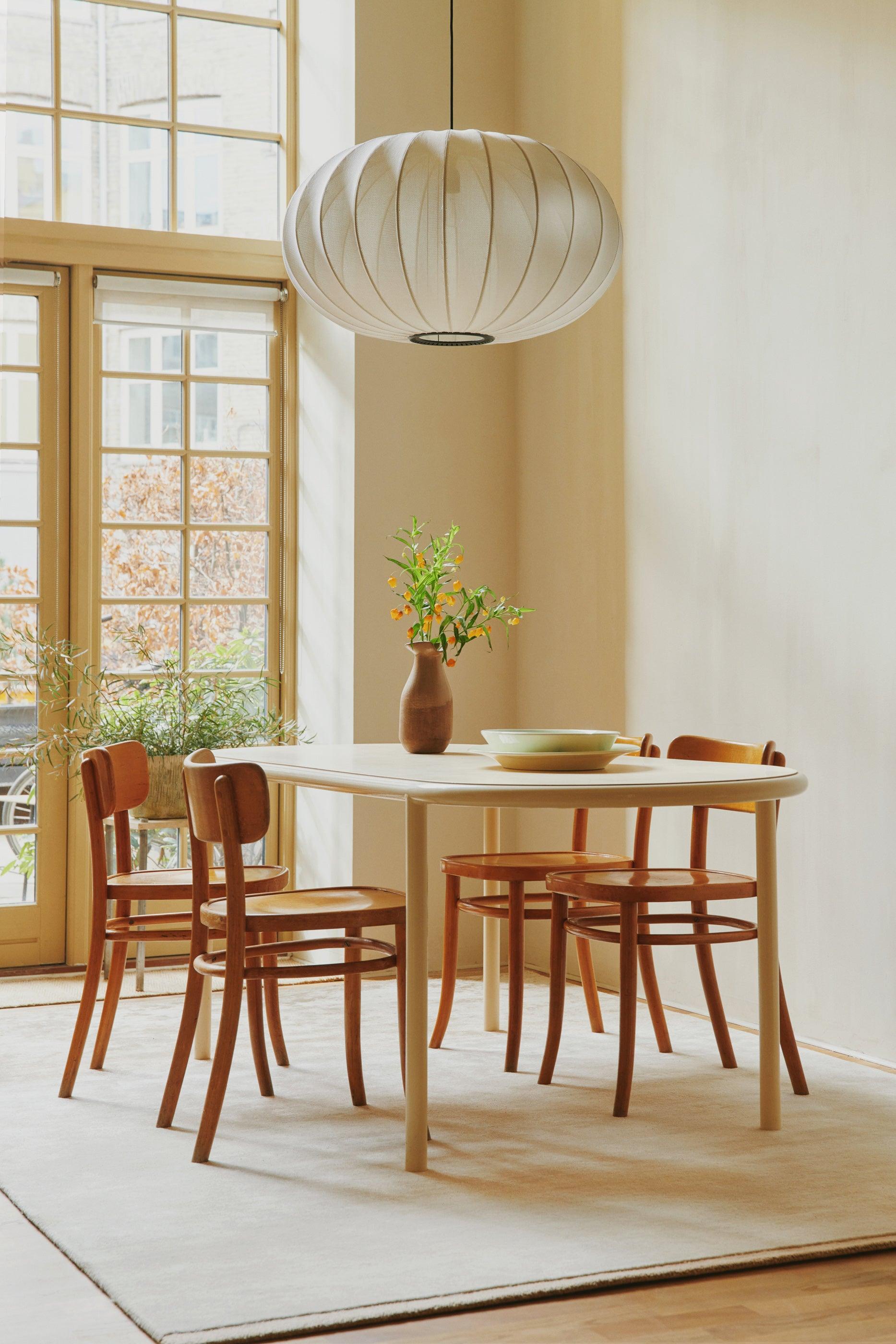
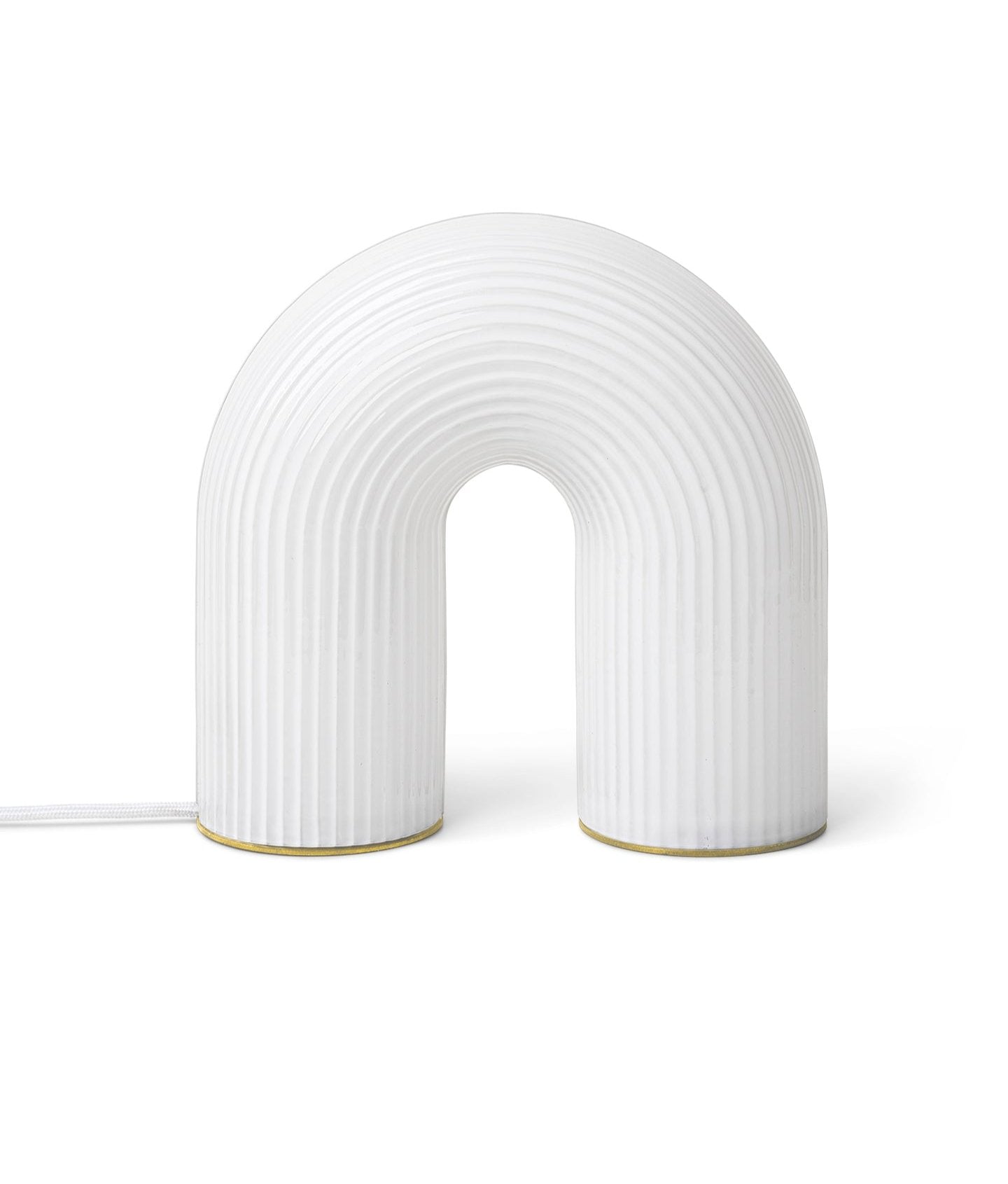
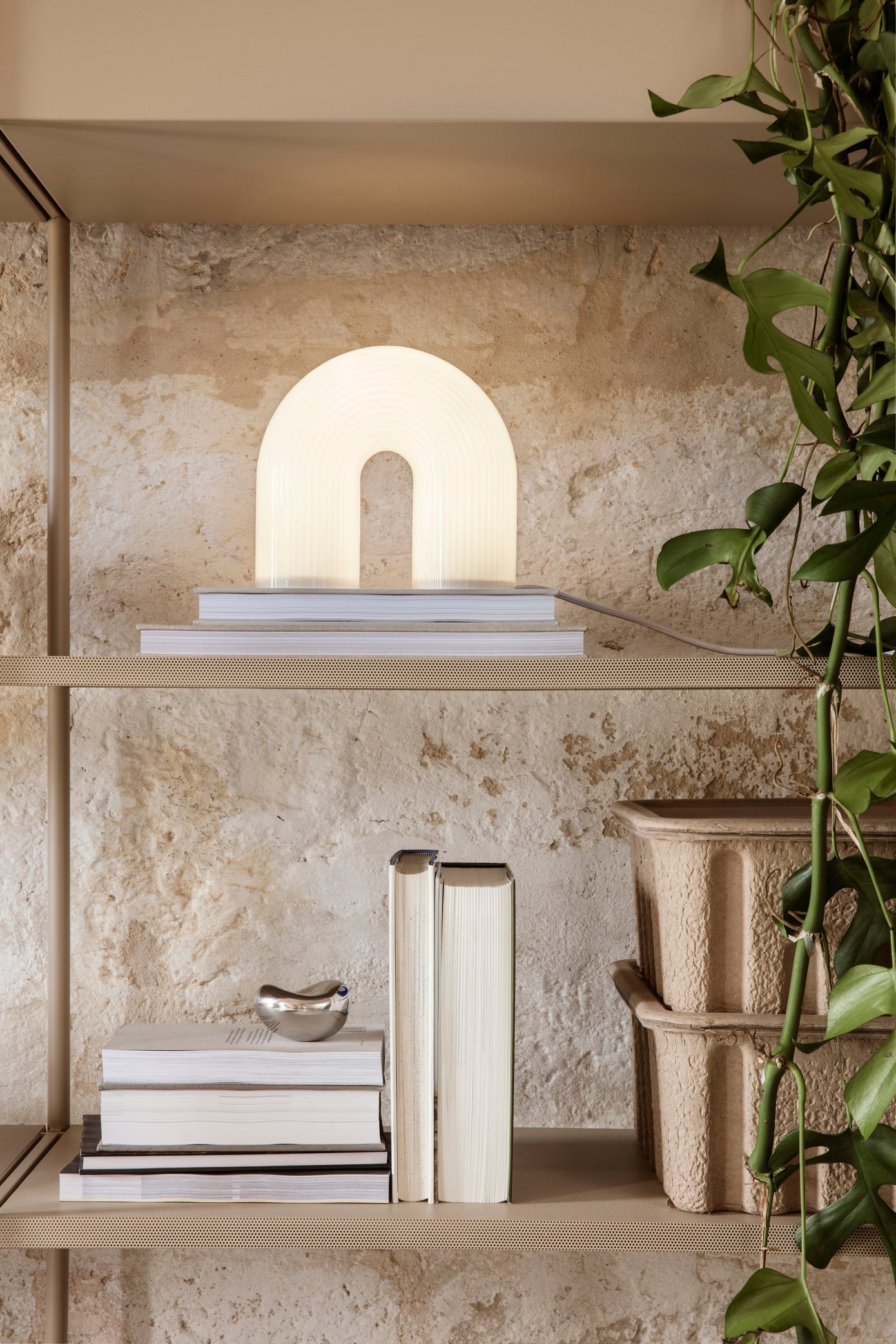
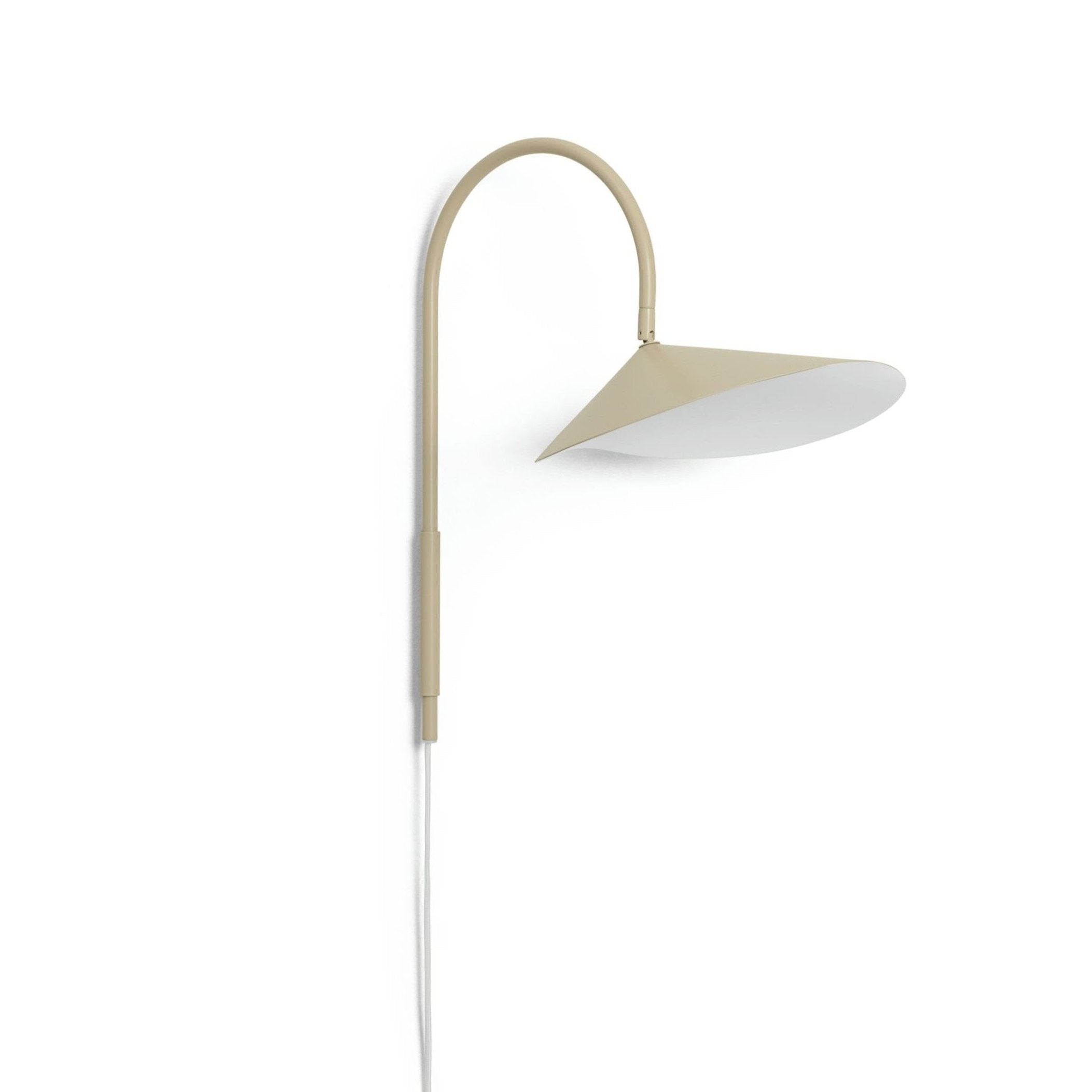
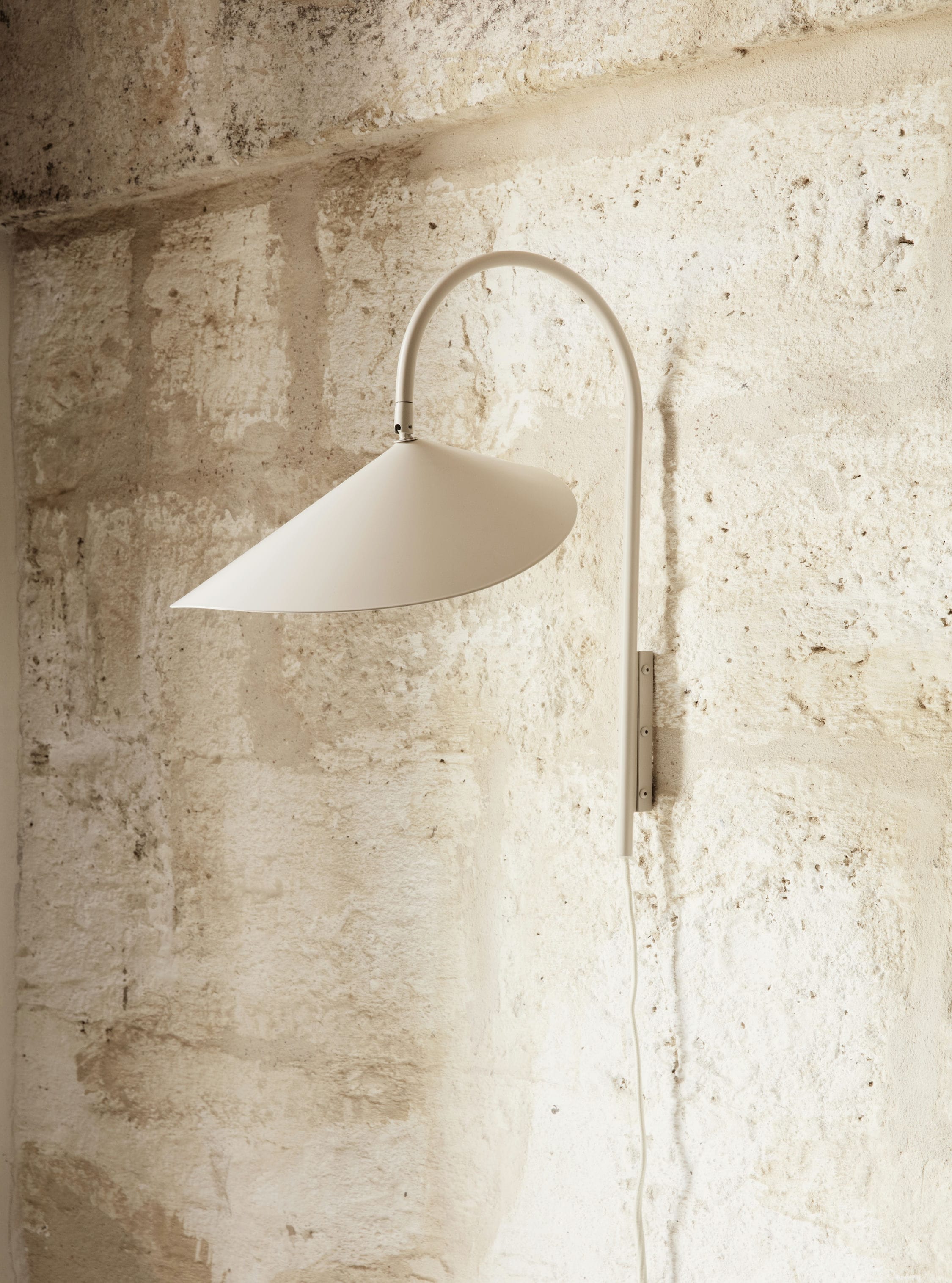
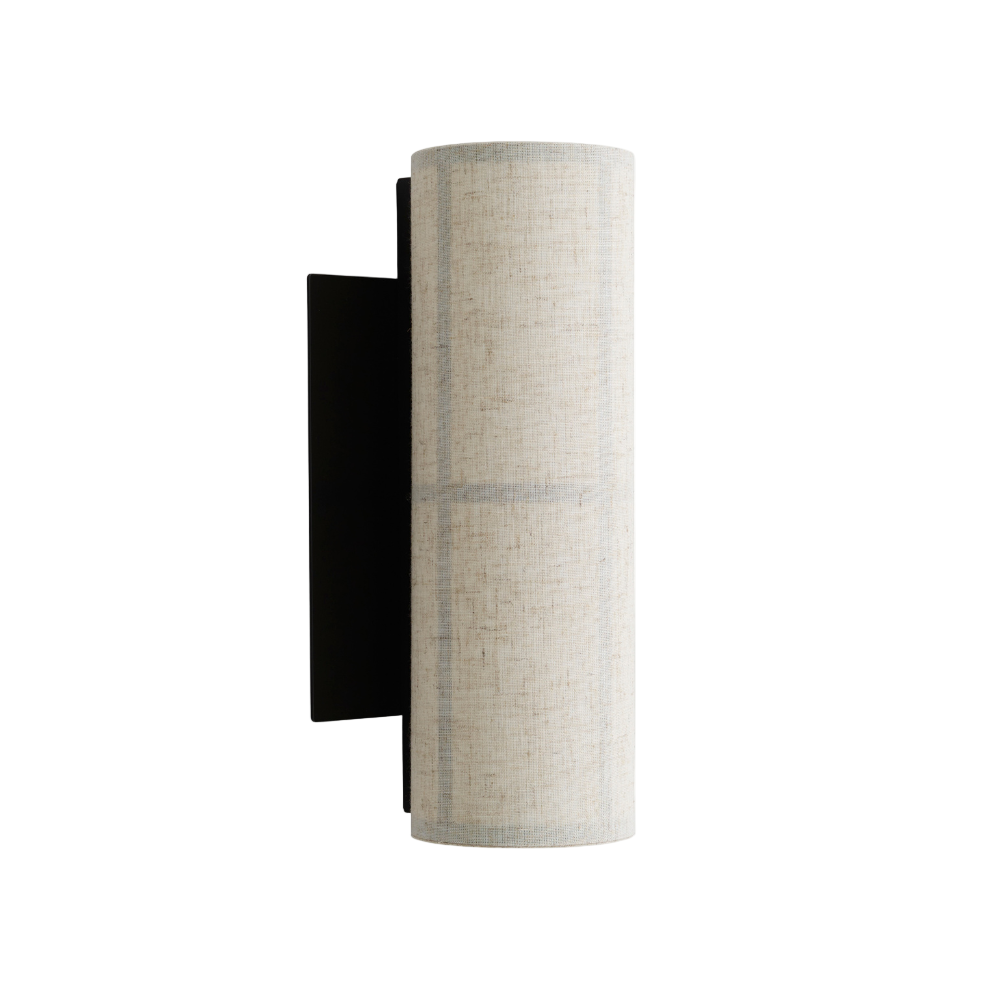
Light should be soft and diffused. Paper lampshades, linen, rattan, and frosted glass instead of harsh spotlights. A hanging lamp over the table, a floor lamp in the reading corner, and a table lamp by the bed provide three levels of light — this is essential for the mood in this style.
Accessories — Less, but Better
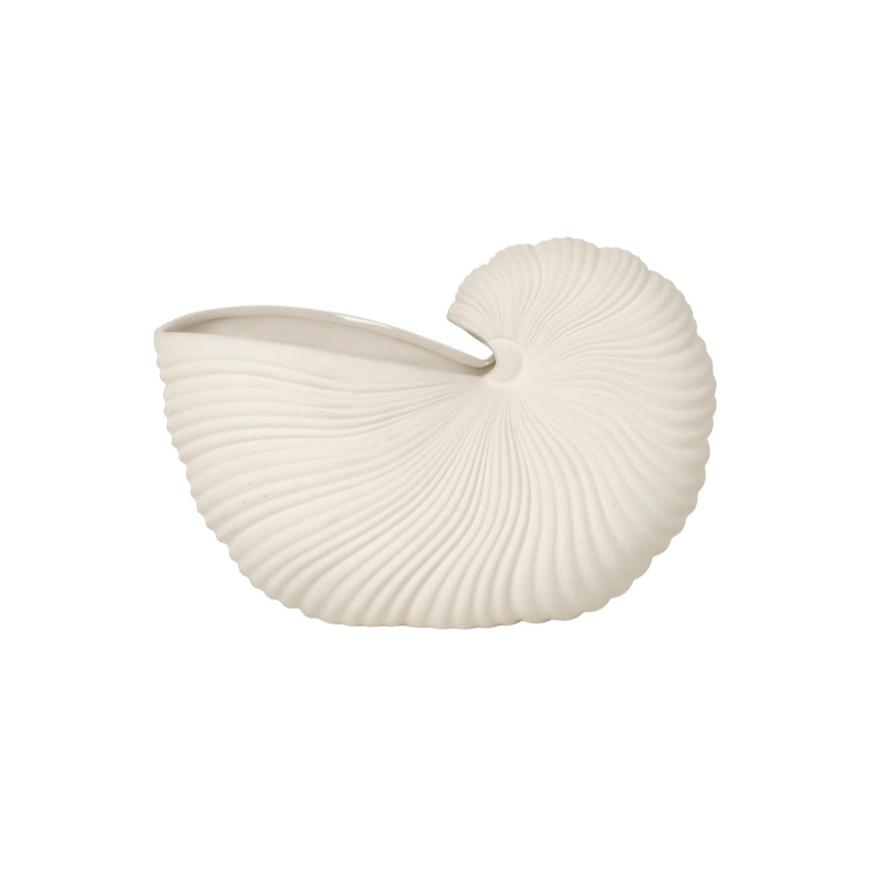
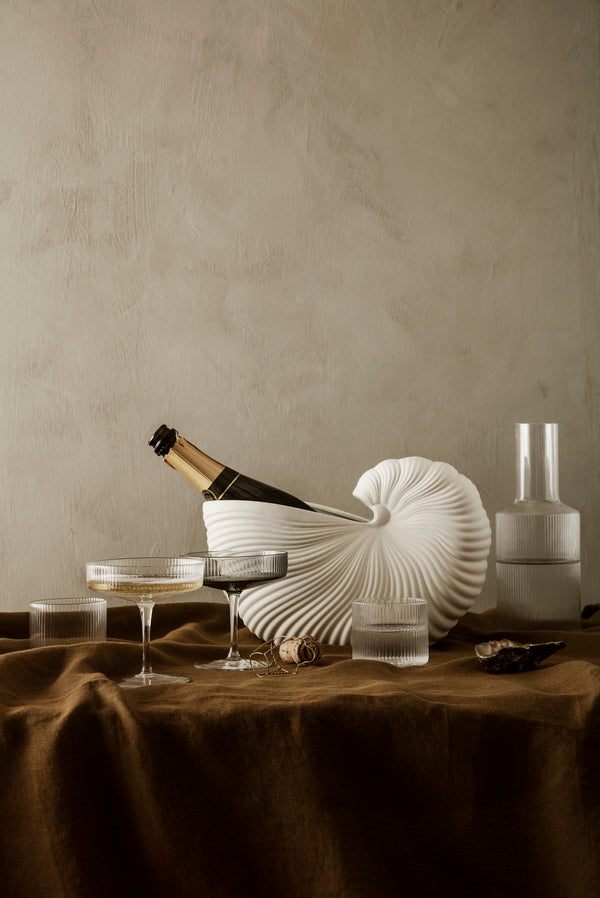
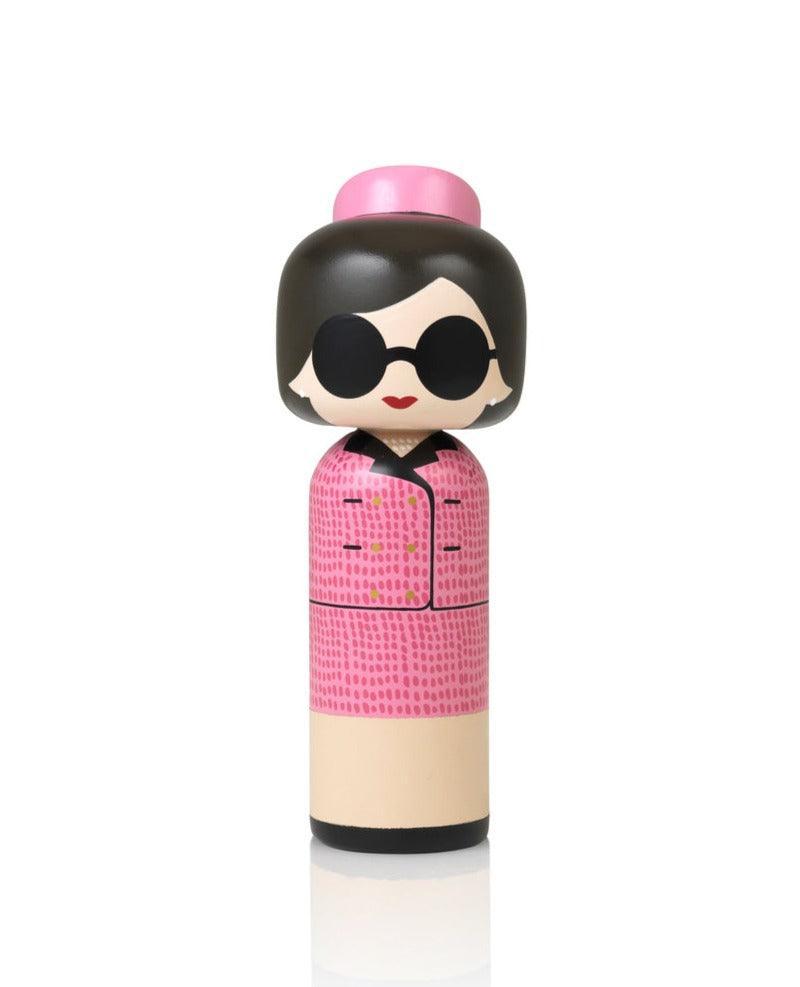
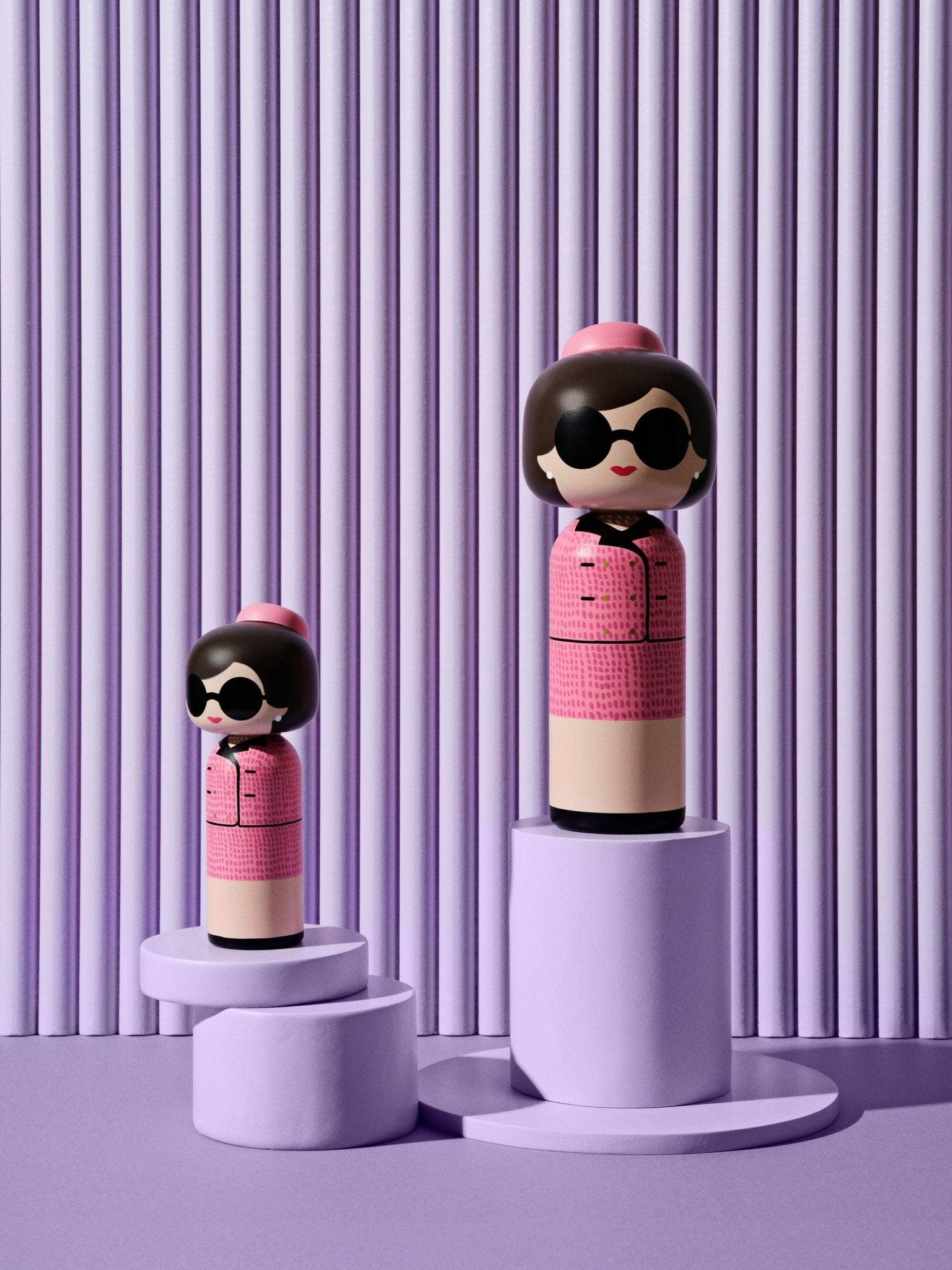
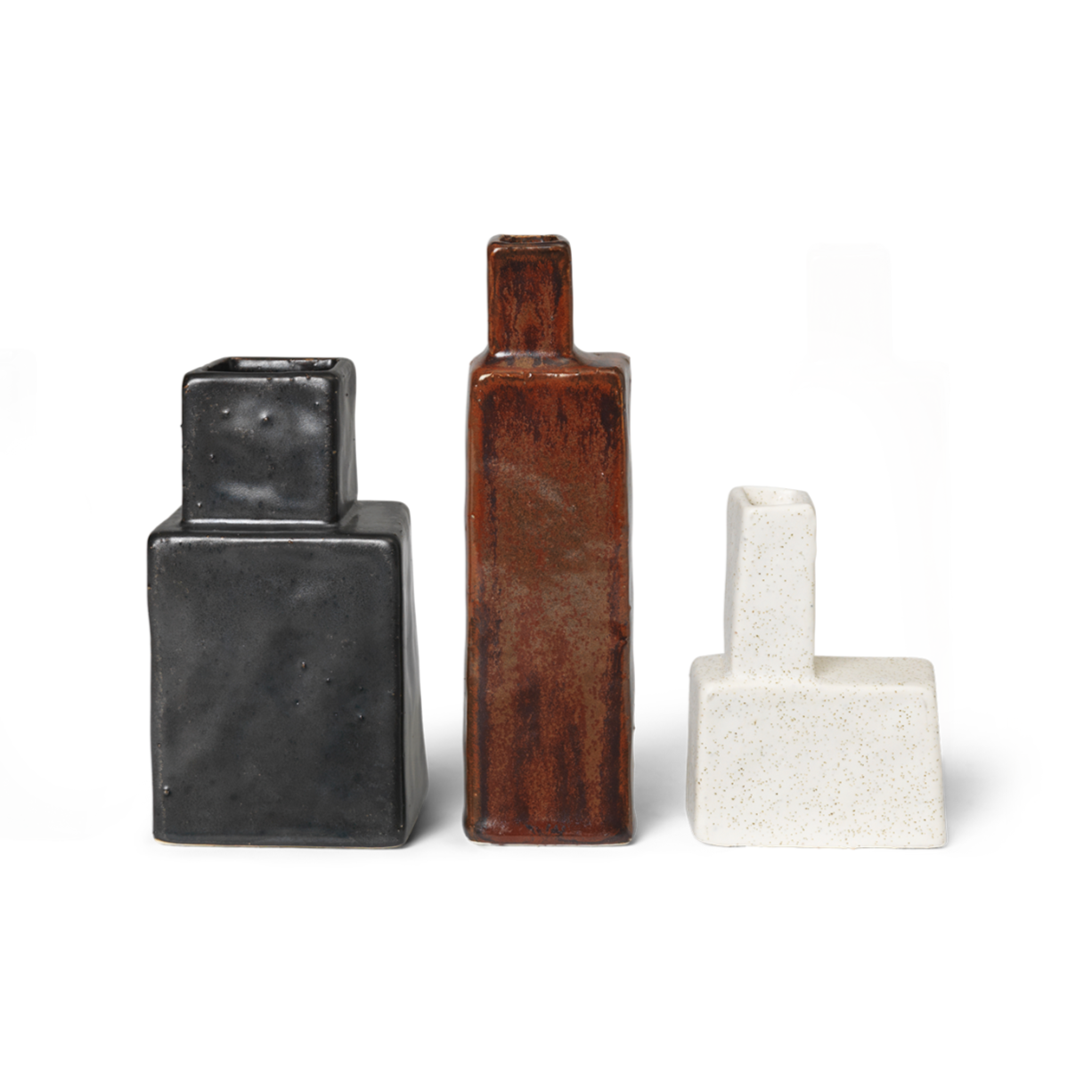
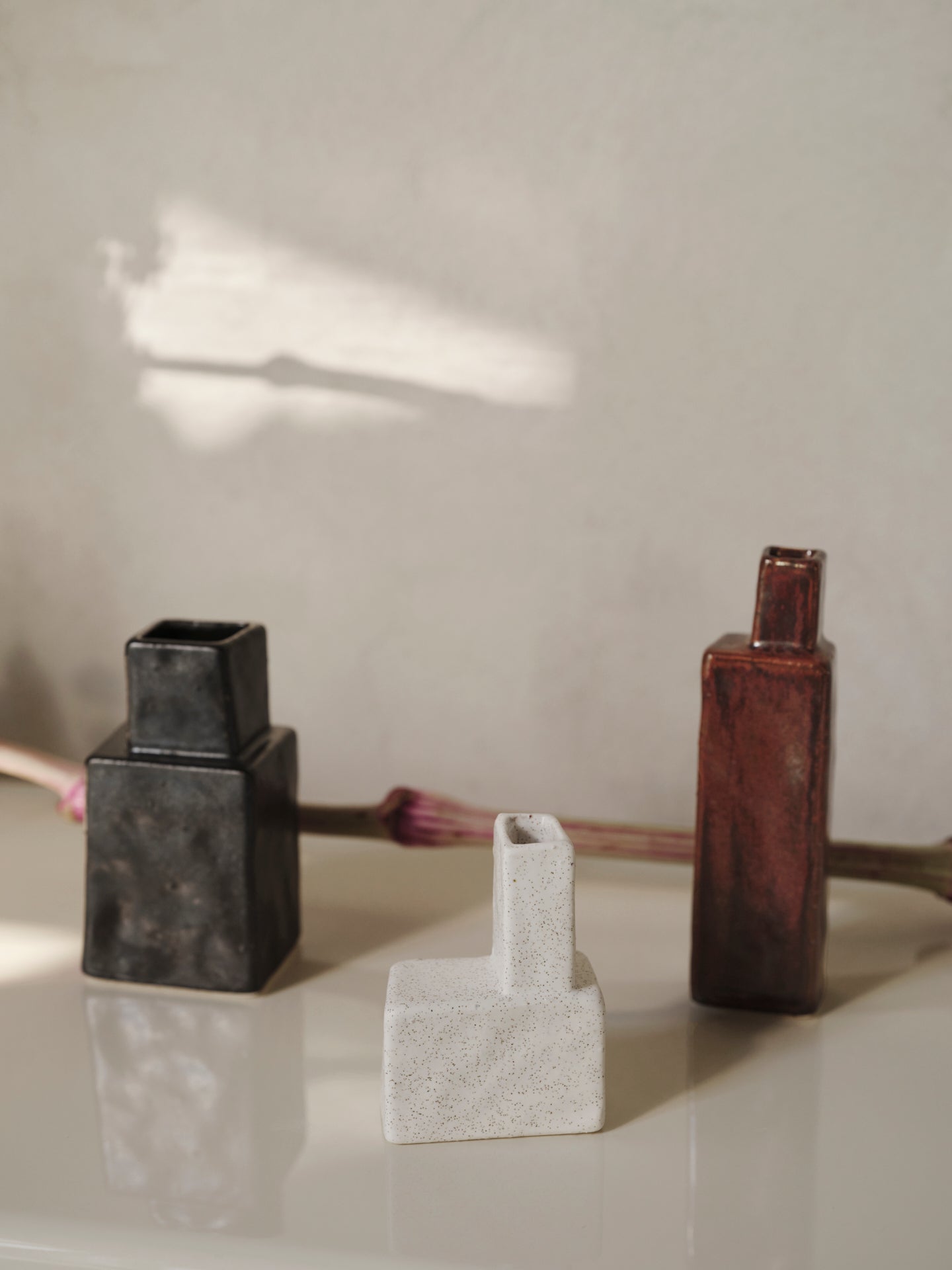
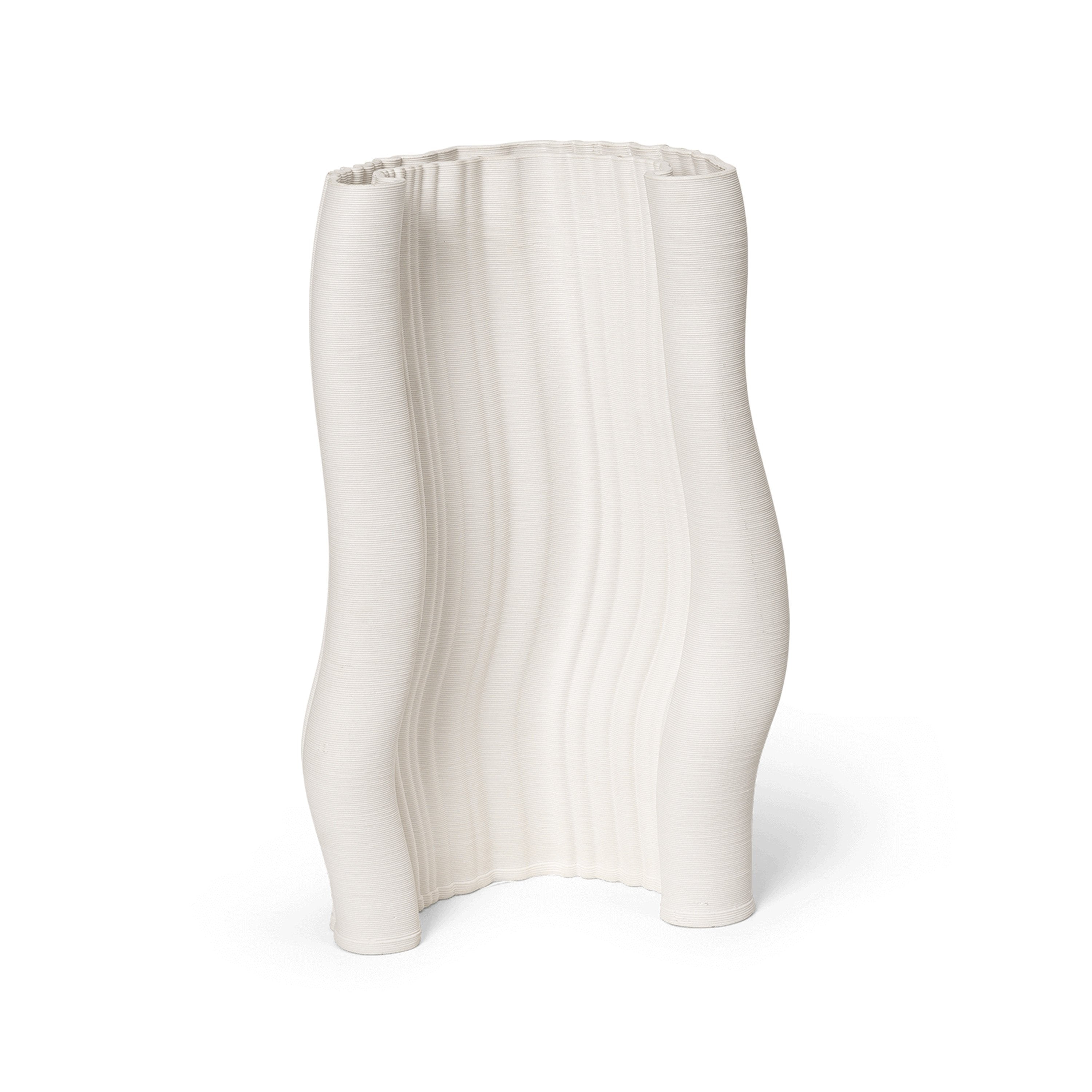
Japandi does not tolerate excess. Instead of ten trinkets, choose one well-selected vase with a branch, a ceramic bowl with an uneven edge, a rug made of natural fibers, and a linen throw. Empty space is a compositional element here, not a lack.
Japandi in Practice — Room by Room
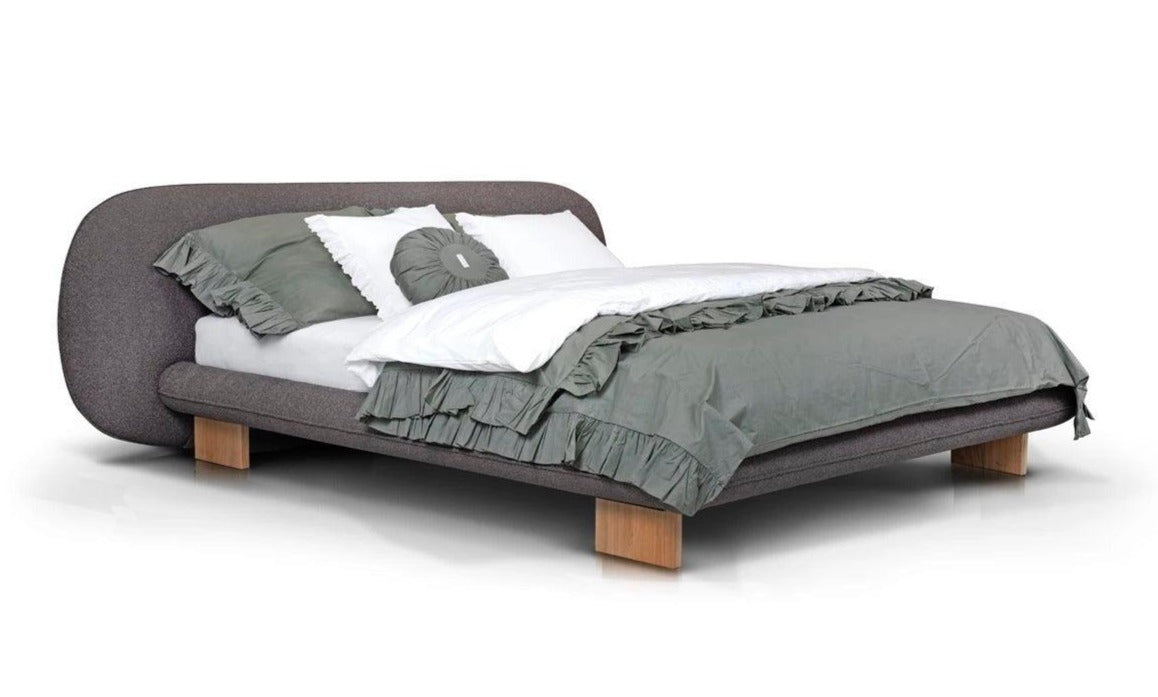
In the living room, start by decluttering: hide cables, limit the number of furniture pieces, and leave the floor clear. In the bedroom, a low bed and linen bedding work well. In the dining room — a wooden table and a lamp with soft light above the surface.
Japandi — Frequently Asked Questions
How does Japandi differ from minimalism?
Minimalism reduces for the sake of reduction and can feel cold. Japandi leaves fewer items, but those that remain are warm to the touch and natural — hence the space feels cozy despite its emptiness.
Does Japandi suit a small apartment?
Very well. Low furniture, a light palette, and a clear floor visually enlarge the space — it’s one of the best styles for a studio apartment.
What wall colors go with Japandi?
Warm white, light beige, gray-beige greige. One wall can be darker — graphite or clay-colored — for contrast.
Is Japandi a passing trend?
It is based on two decades-old traditions, not seasonal fashion. Natural materials and simple forms do not age as quickly as patterns or bold colors.
Read more about this style in the post Japandi Style in Practice and Japandi — A Harmonious Blend. Also, check out related styles: Scandinavian and Modern.
Free shipping on orders over 1000 PLN, showroom in Warsaw.