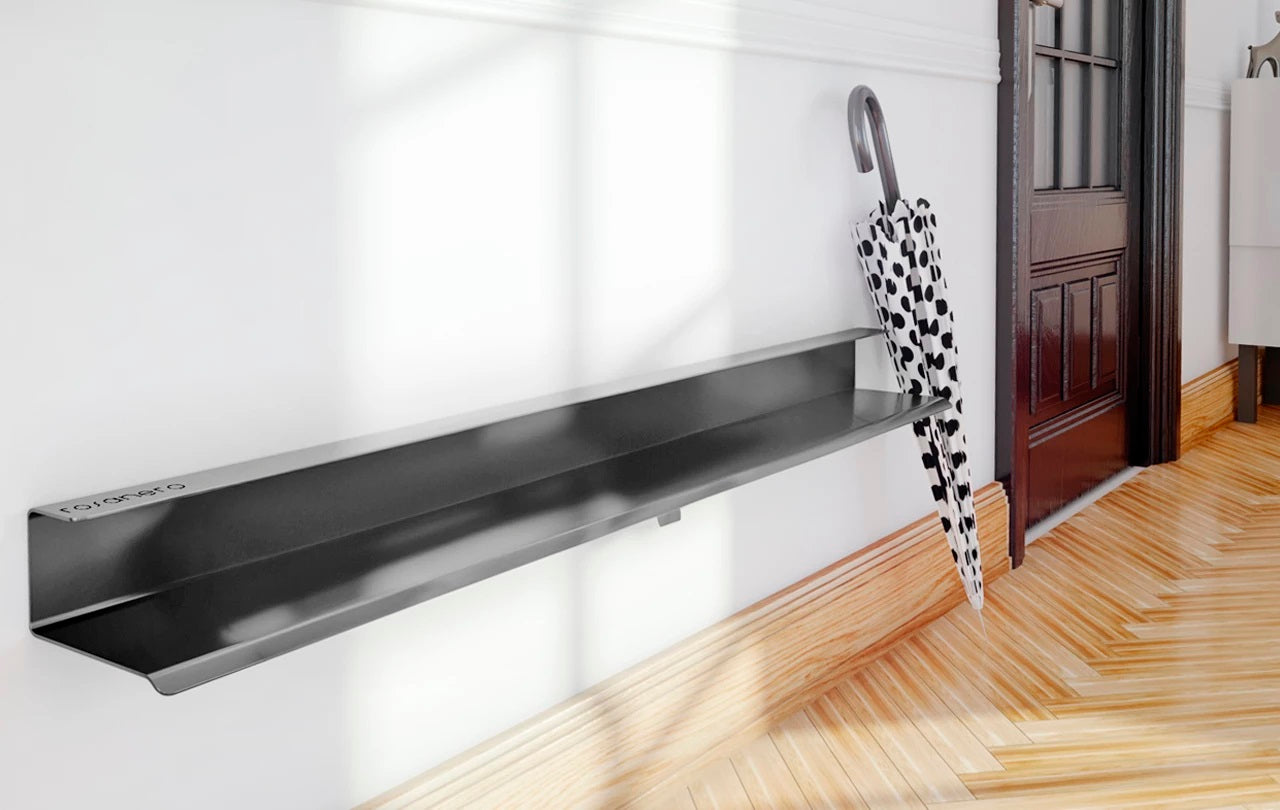
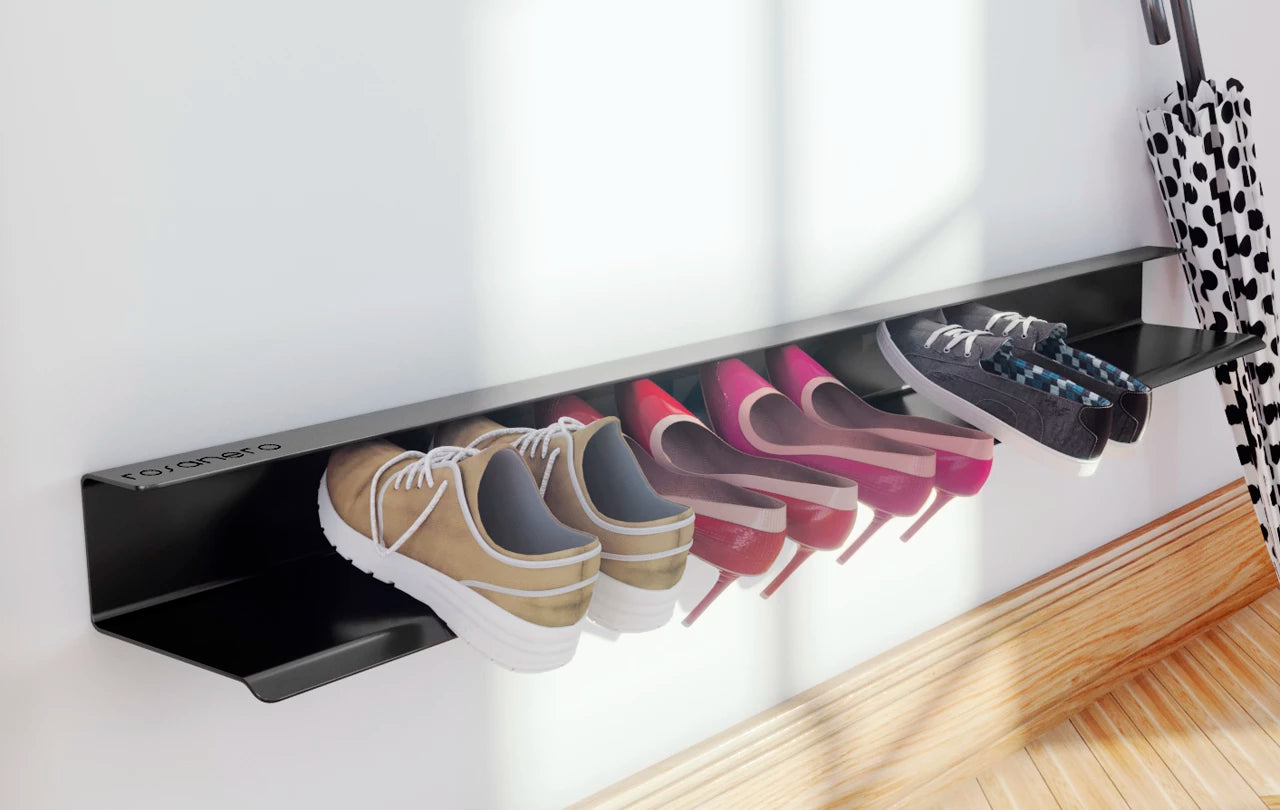
Shoe Cabinet — Order Begins at the Door
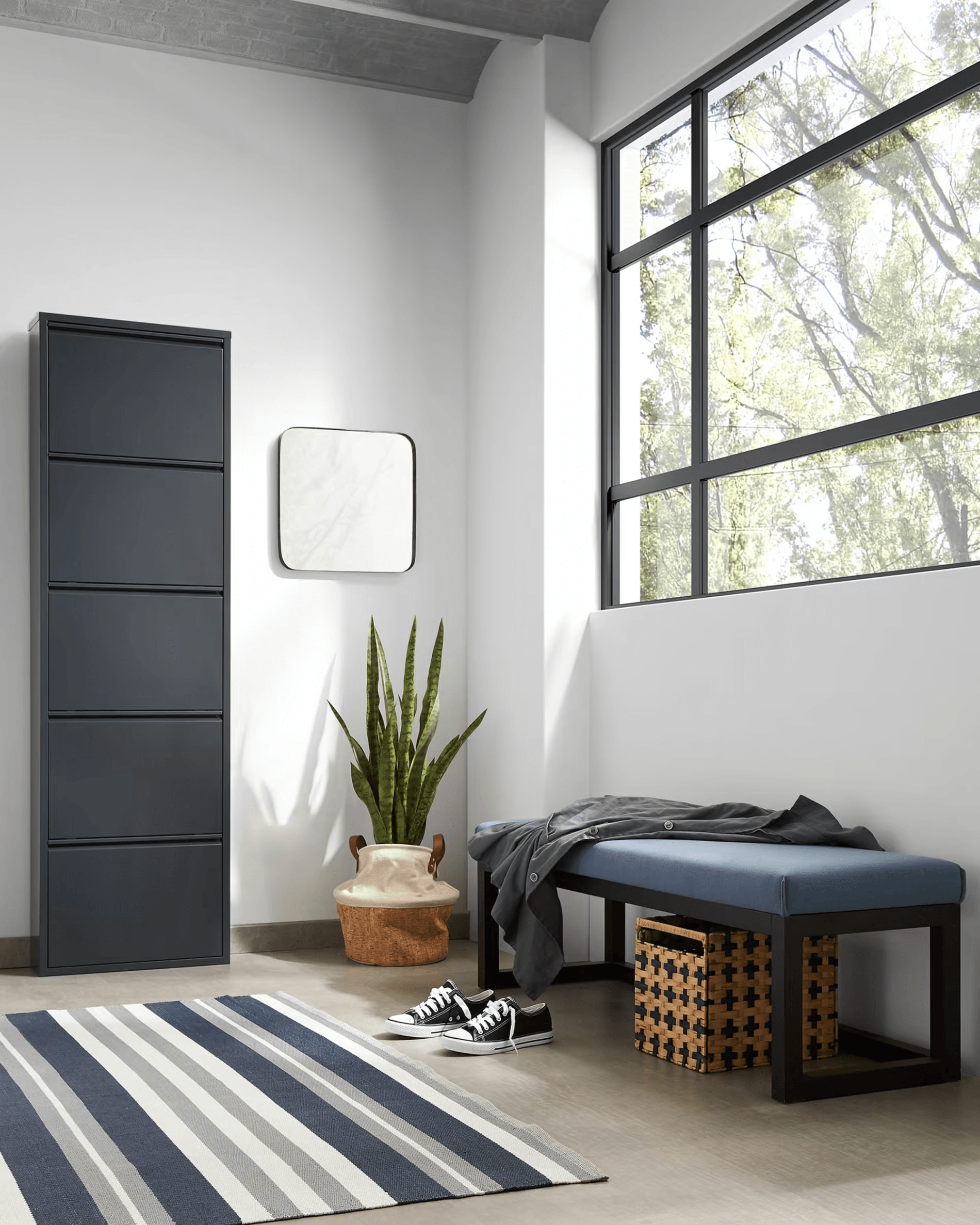
A shoe cabinet eliminates scattered footwear in the hallway and protects them from dust. A well-chosen cabinet accommodates the shoes of the entire family without obstructing the passage — a necessity in a narrow corridor, not a luxury.
Narrow, Tall, or with a Seat?
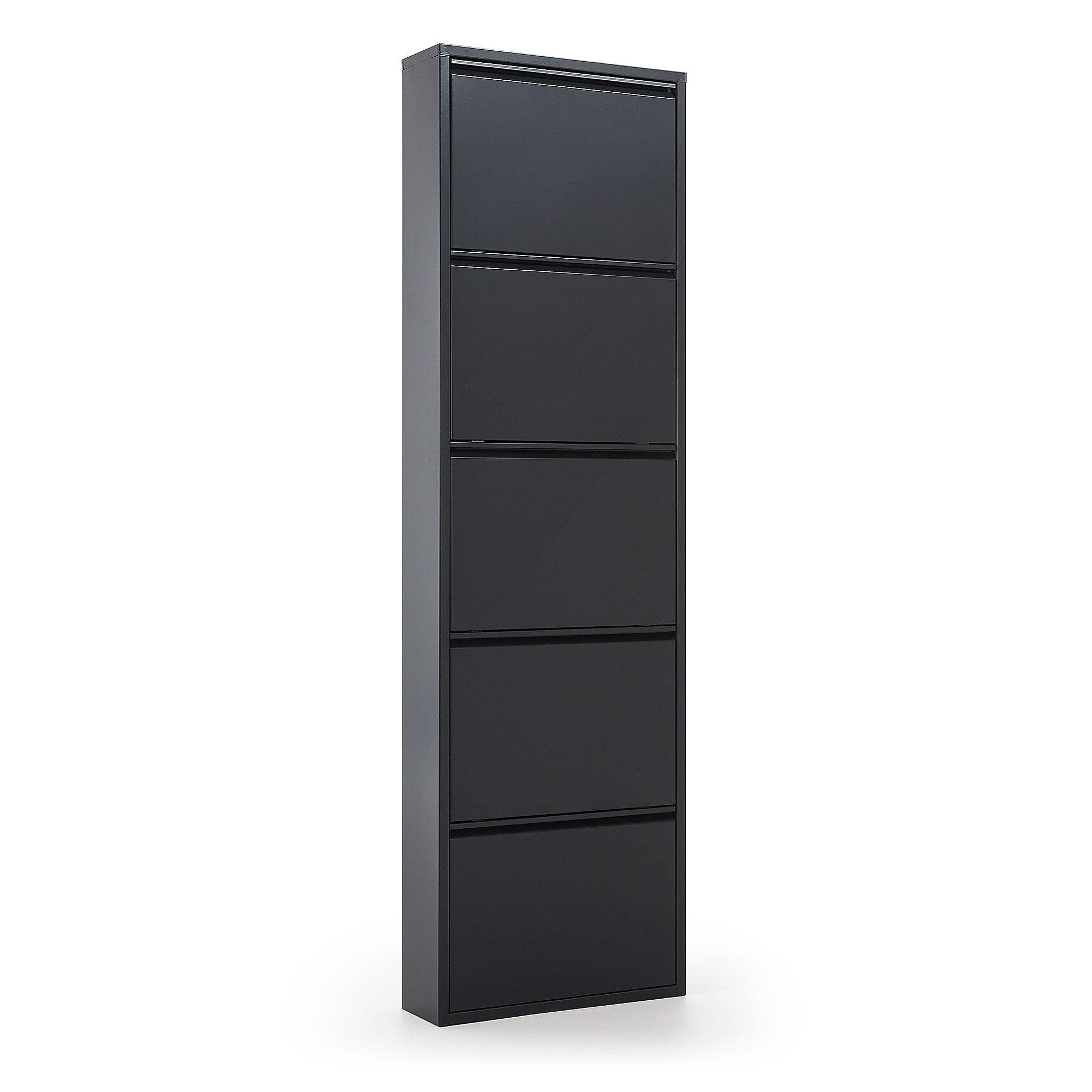
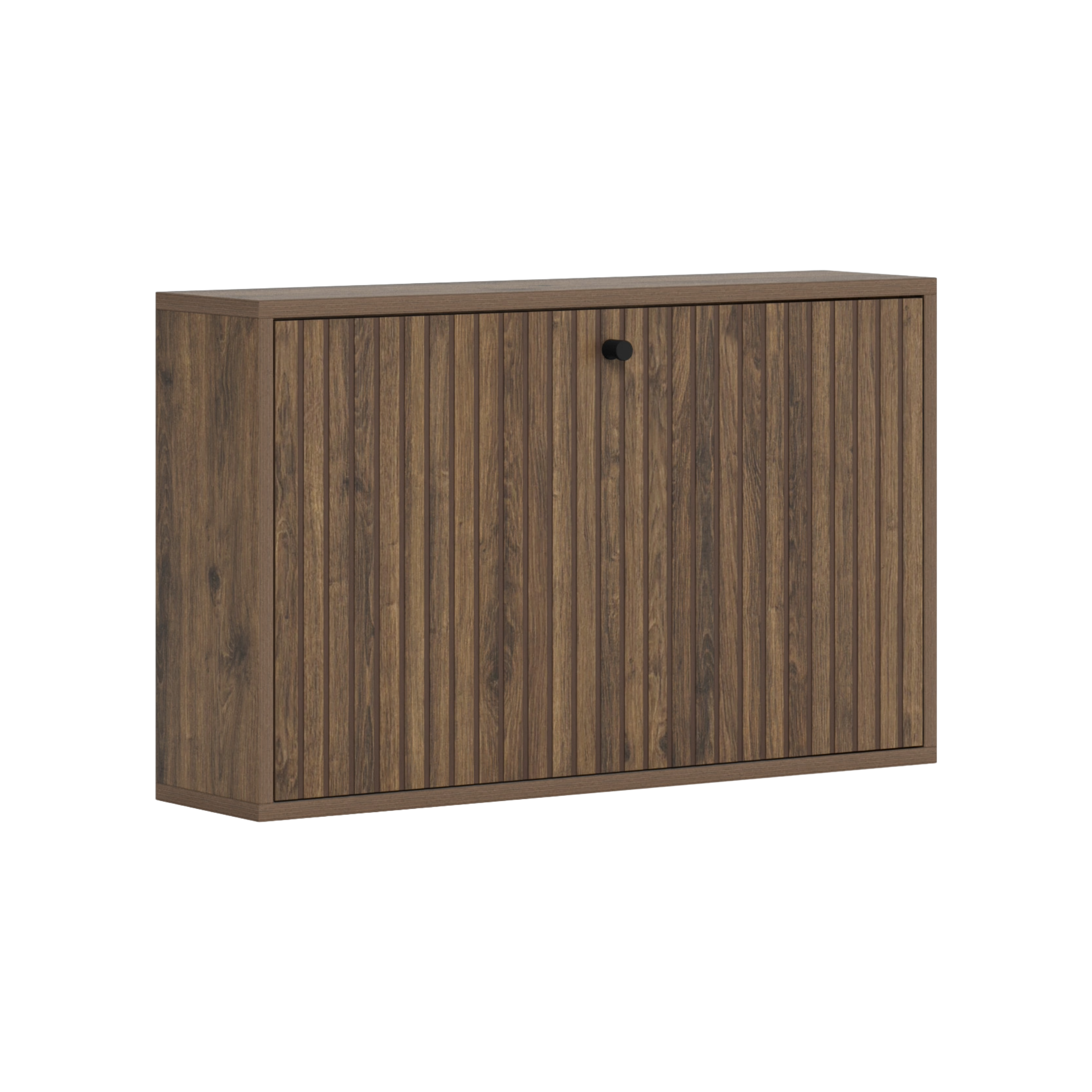
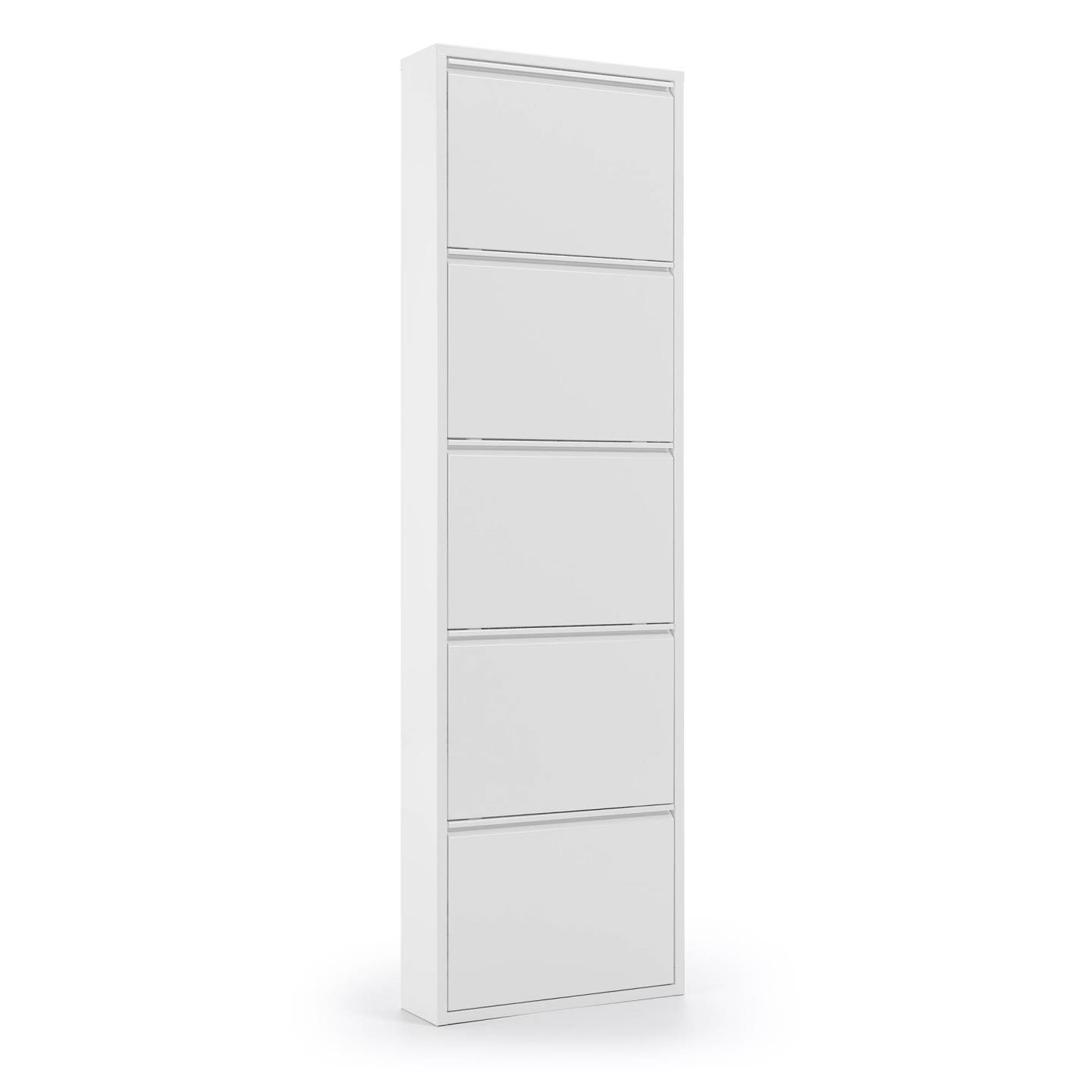
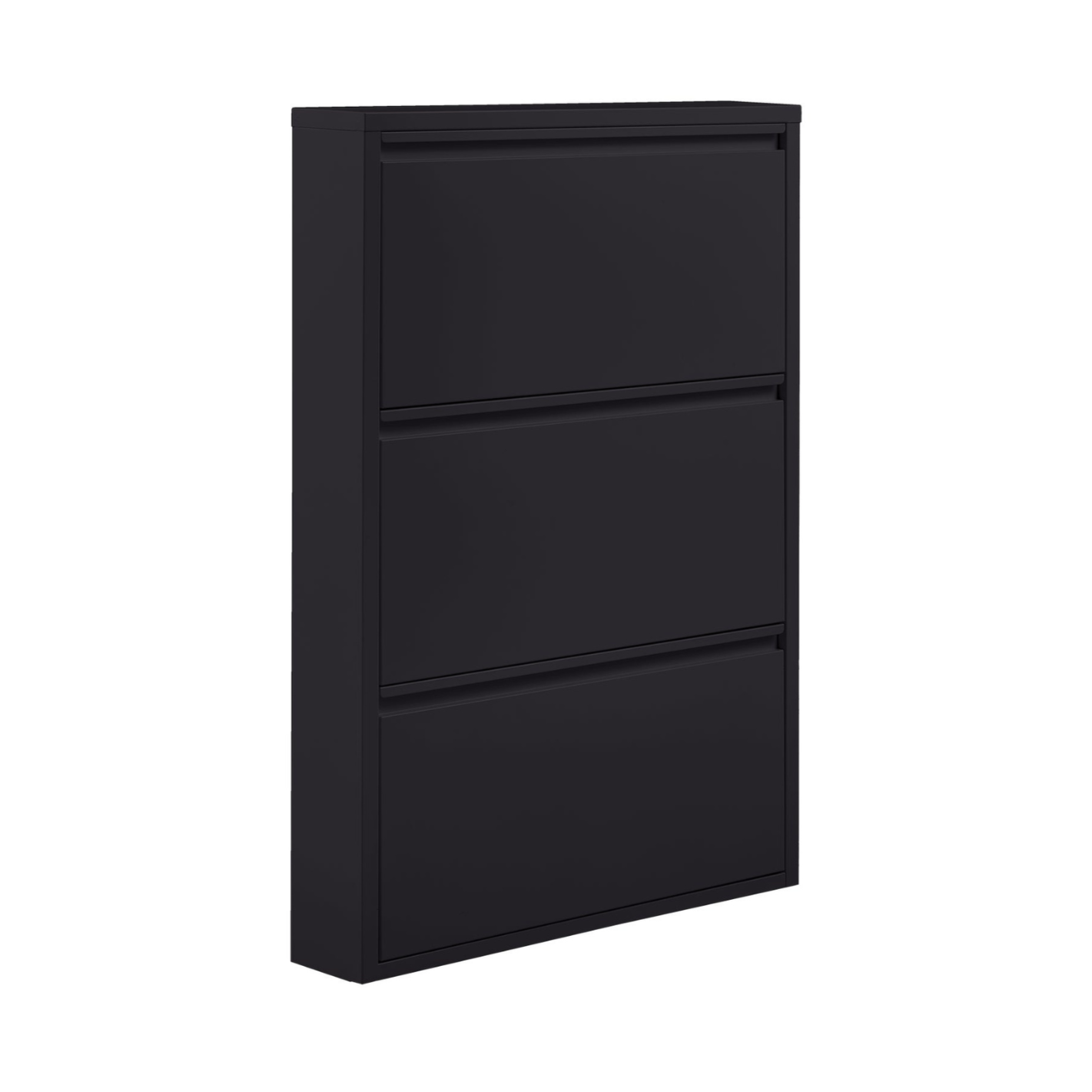
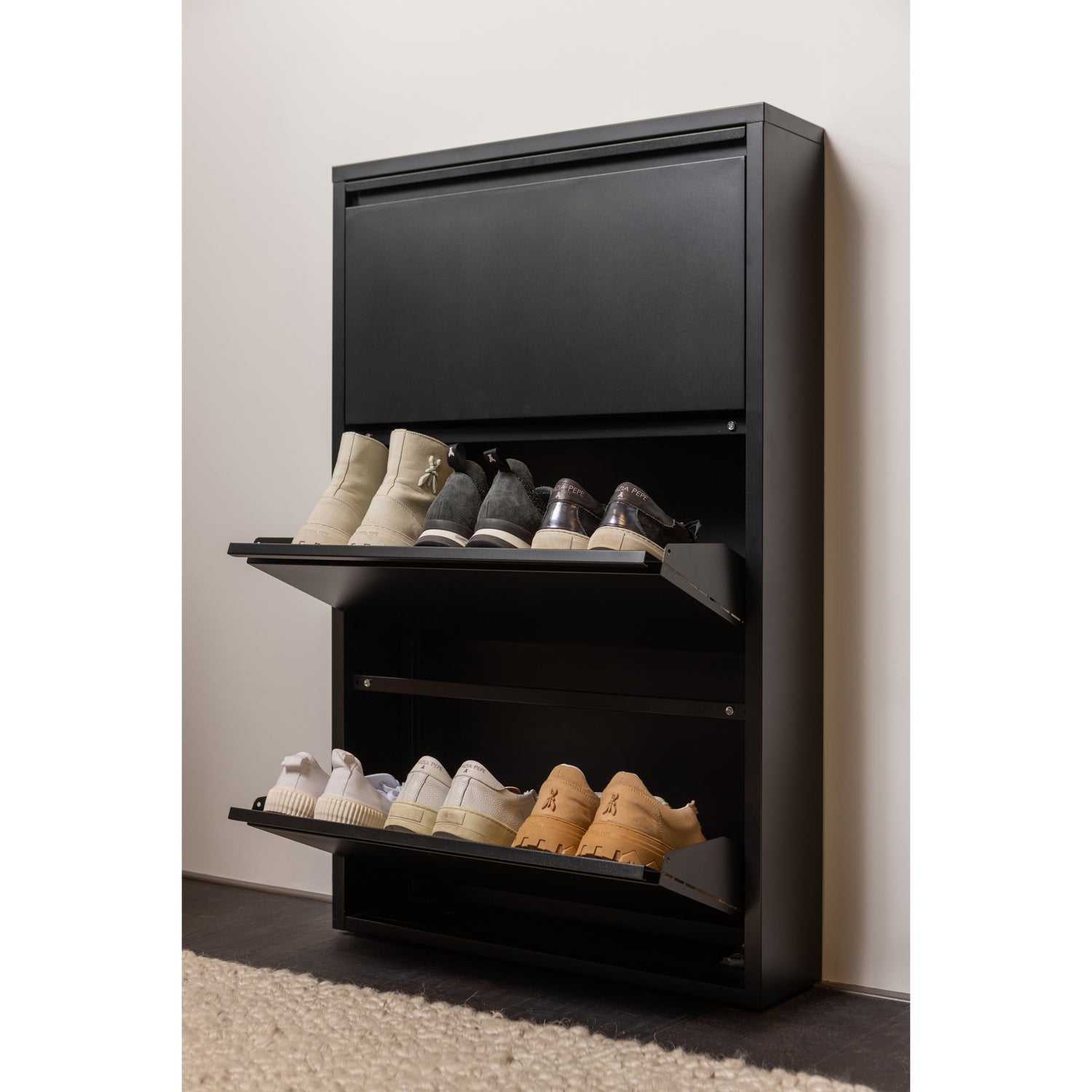
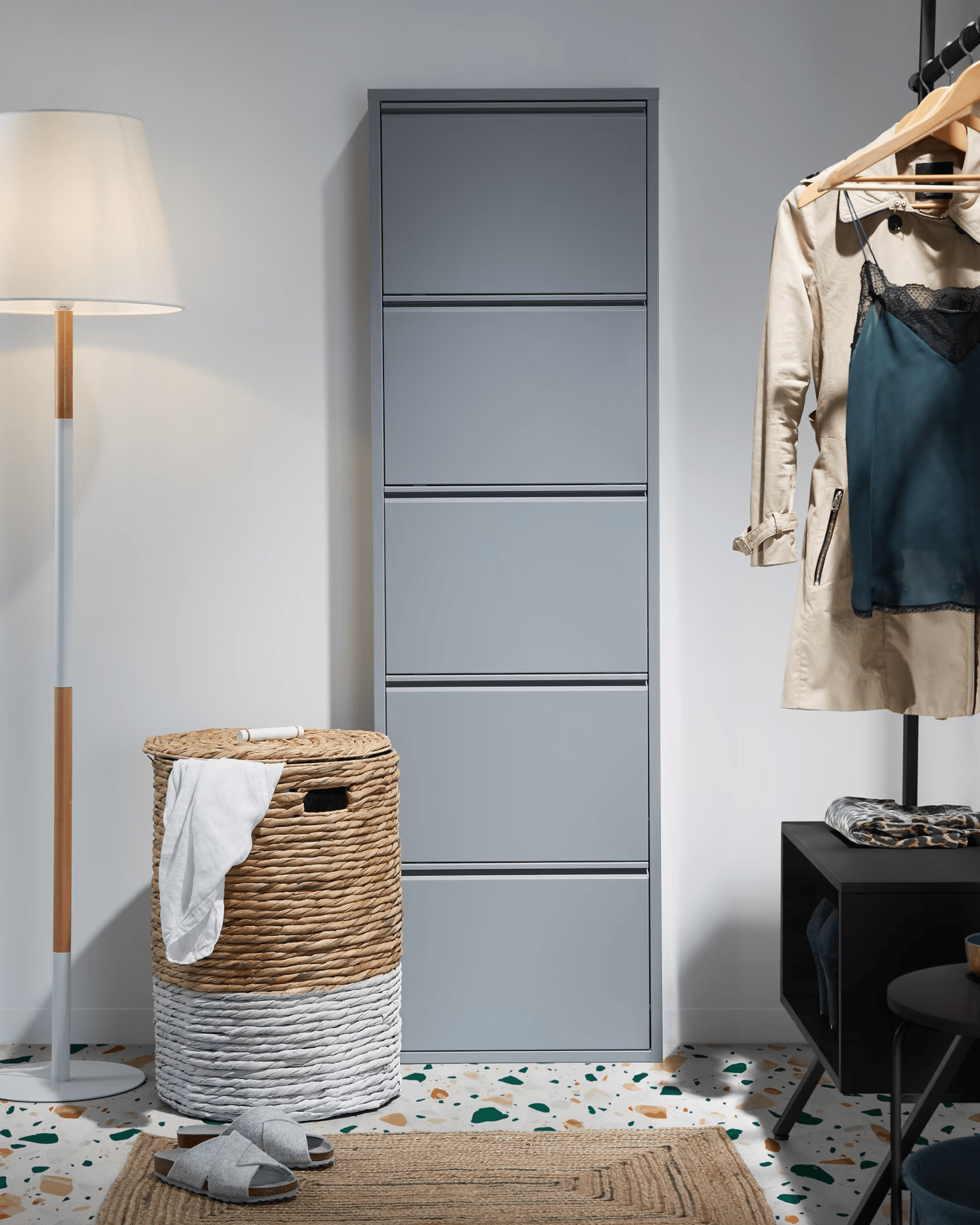
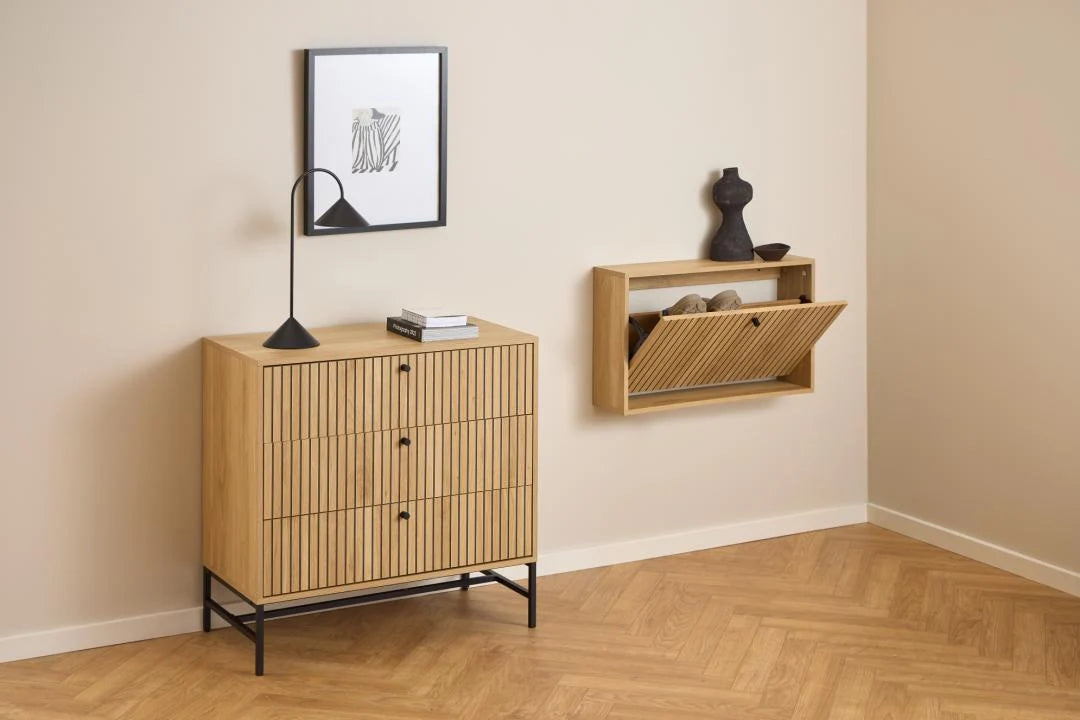
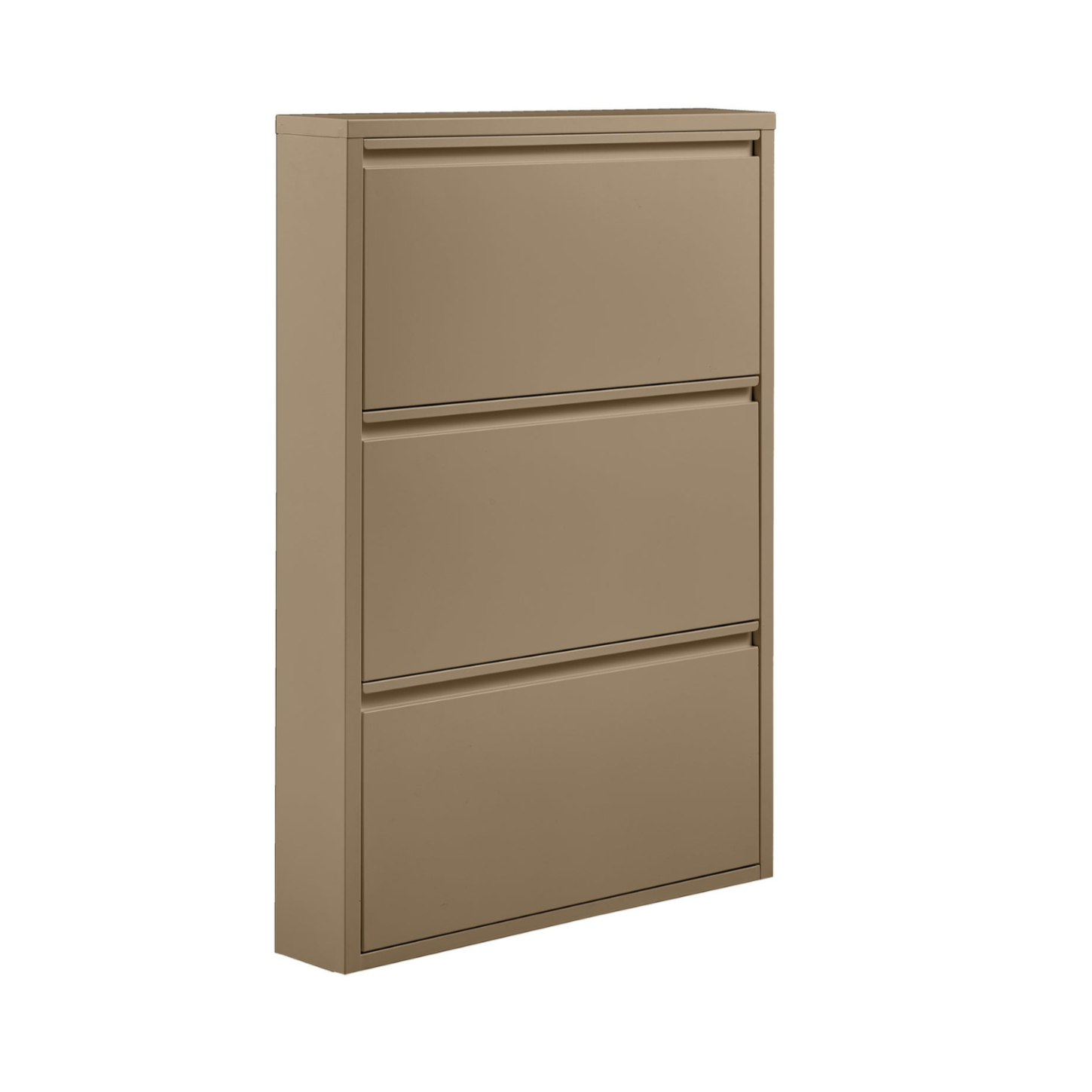
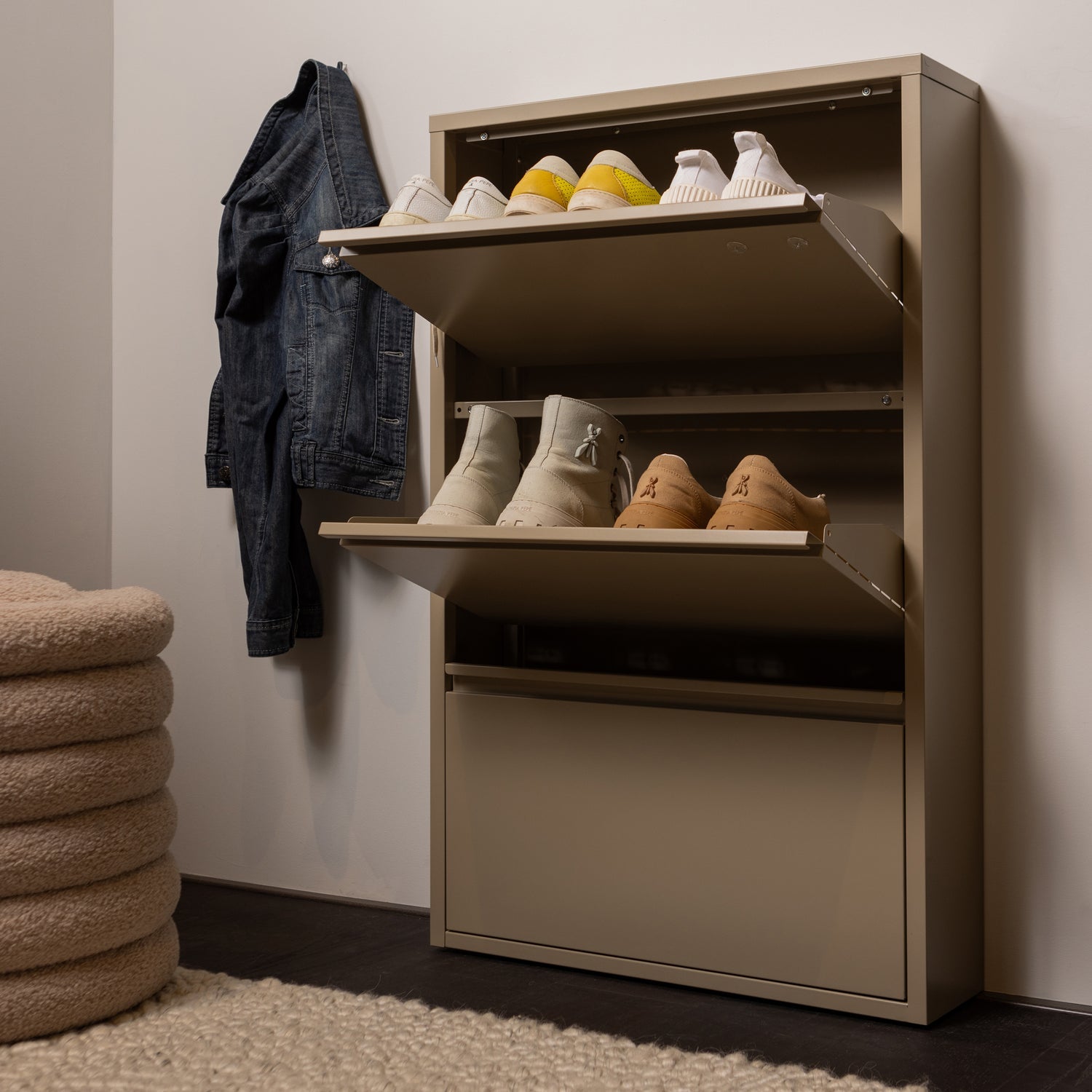
Narrow cabinets with flip-top lids have a depth of only 17–25 cm — shoes stand at an angle, allowing the furniture to fit even in a 90 cm wide hallway. Deeper cabinets (30–35 cm) with classic shelves hold more pairs per level and can accommodate taller footwear. Models with seating solve two problems at once: storage and comfortable shoe putting on.
How Many Pairs Can It Hold?
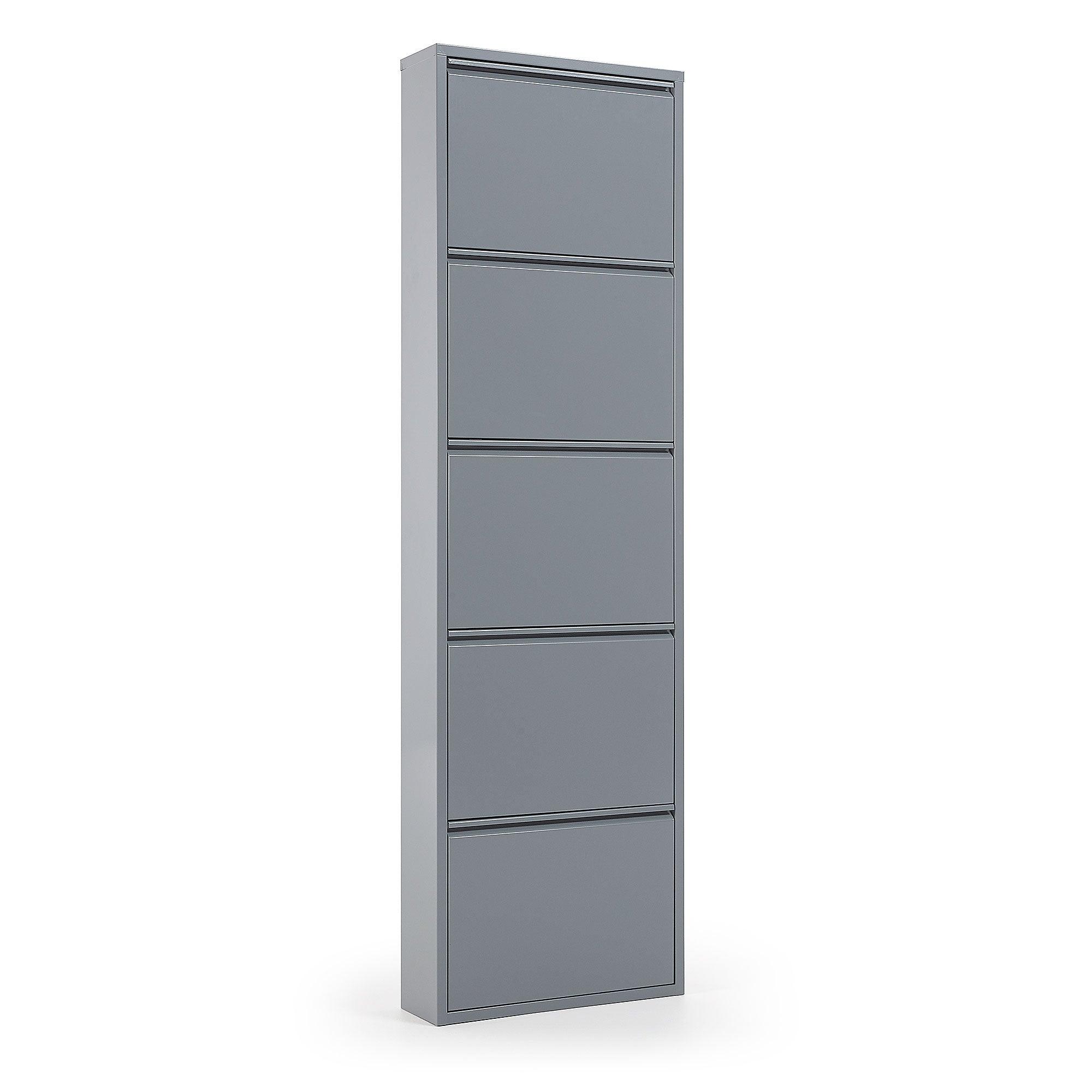
A practical calculation: one flip-top lid holds 2–3 pairs, one 80 cm wide shelf holds 3–4 pairs. A tall cabinet with four lids can store seasonal footwear for a family of four; the rest should be rotated with the wardrobe. Always place dry shoes inside — moisture in a closed cabinet shortens the lifespan of both the shoes and the cabinet fronts.
Material and Front
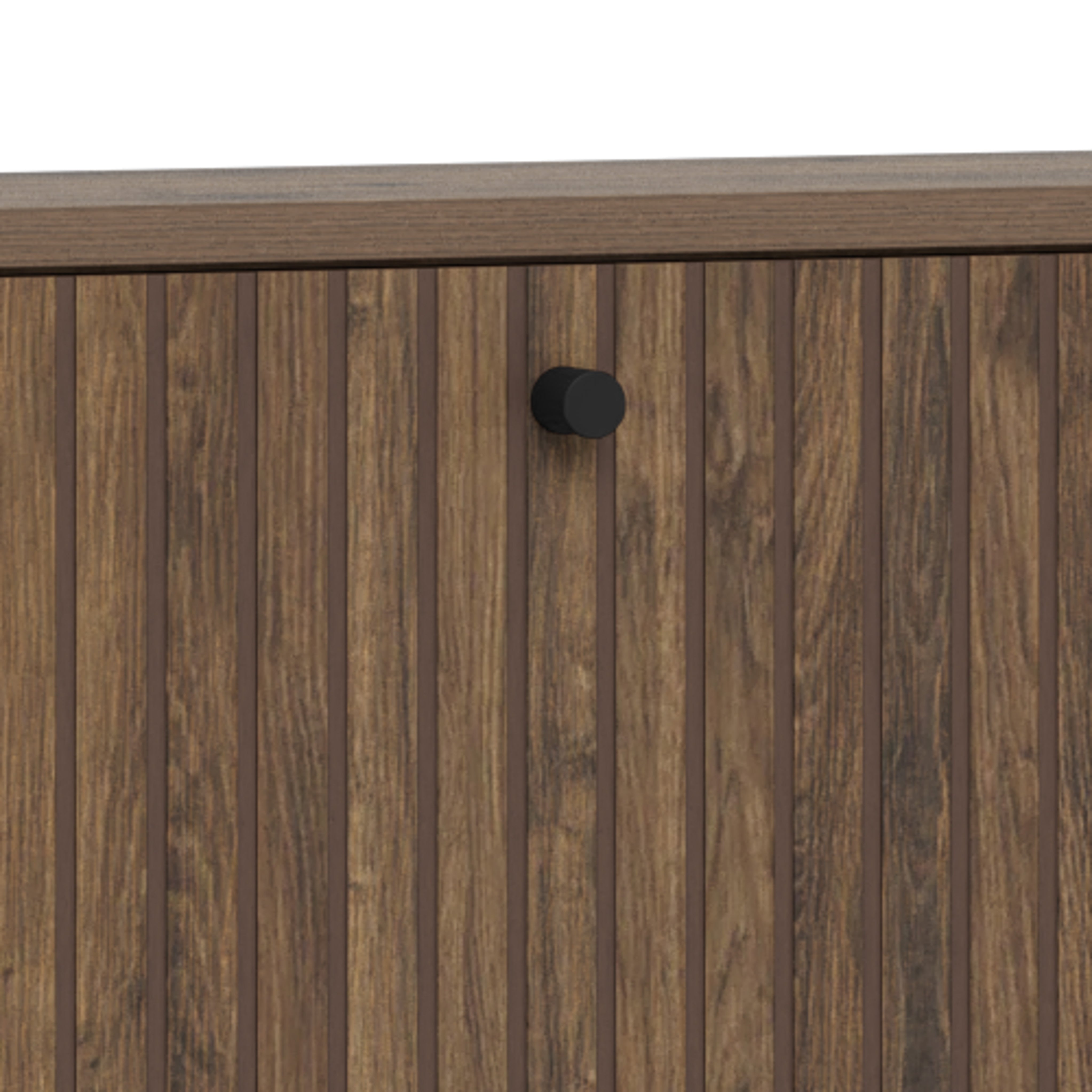
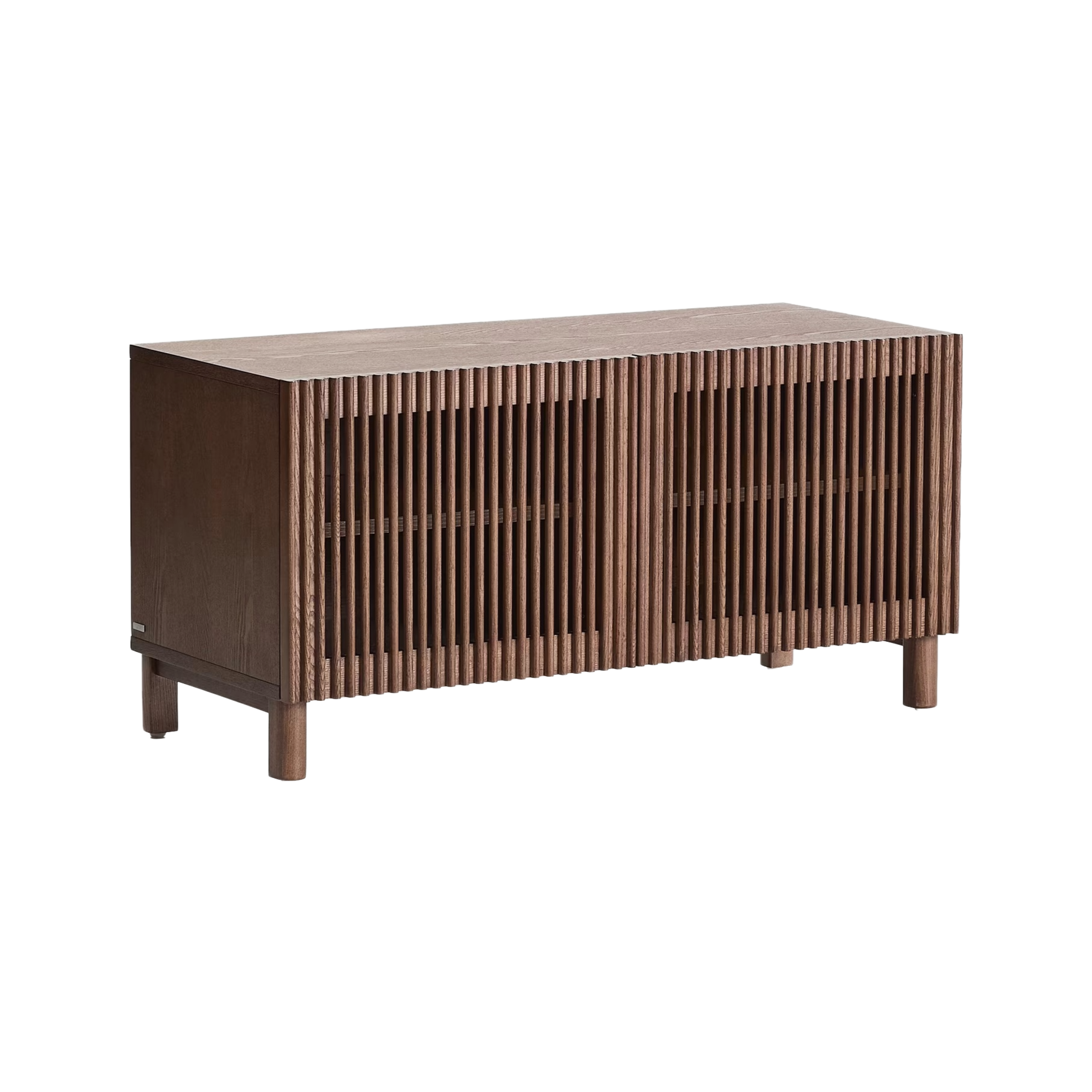
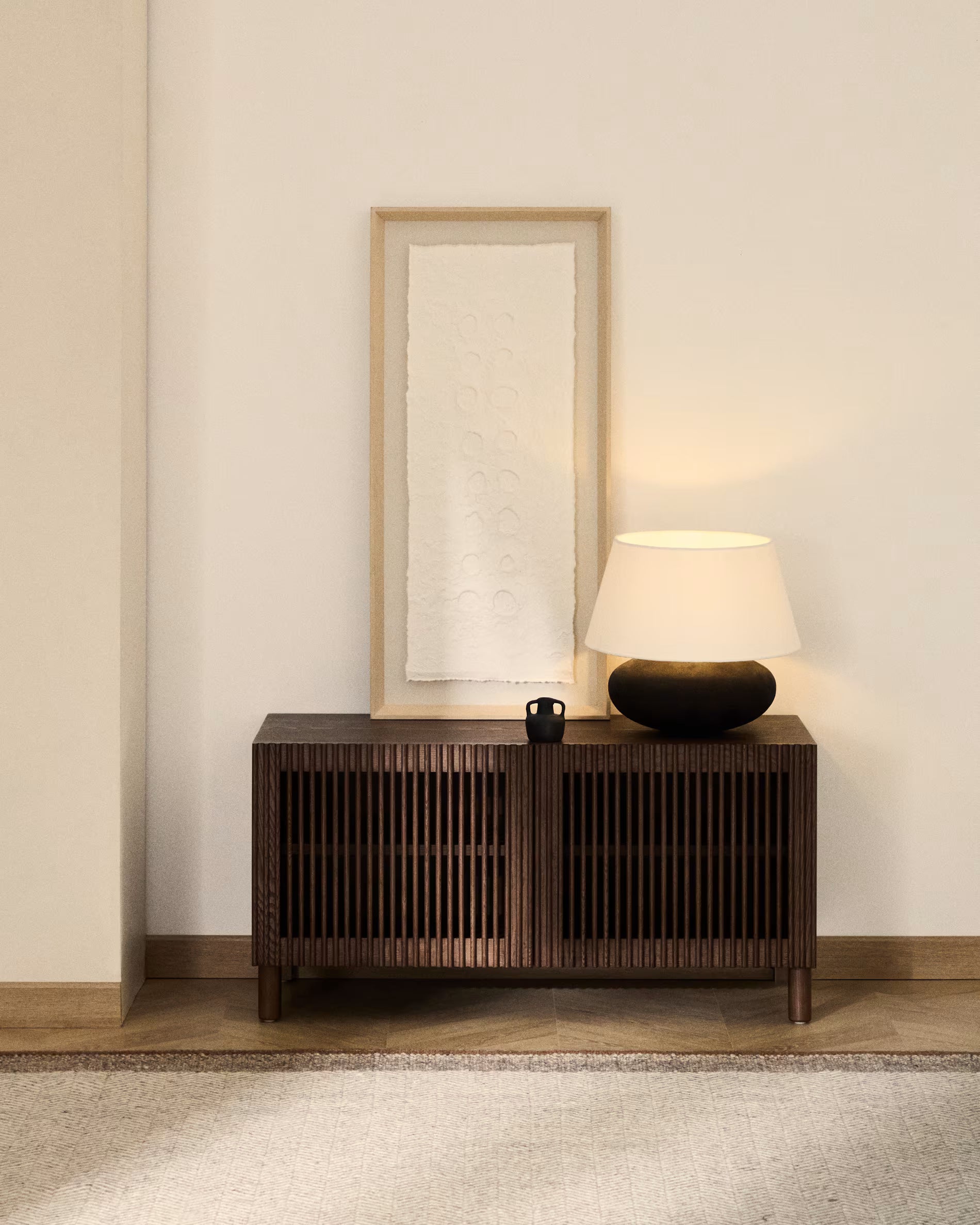
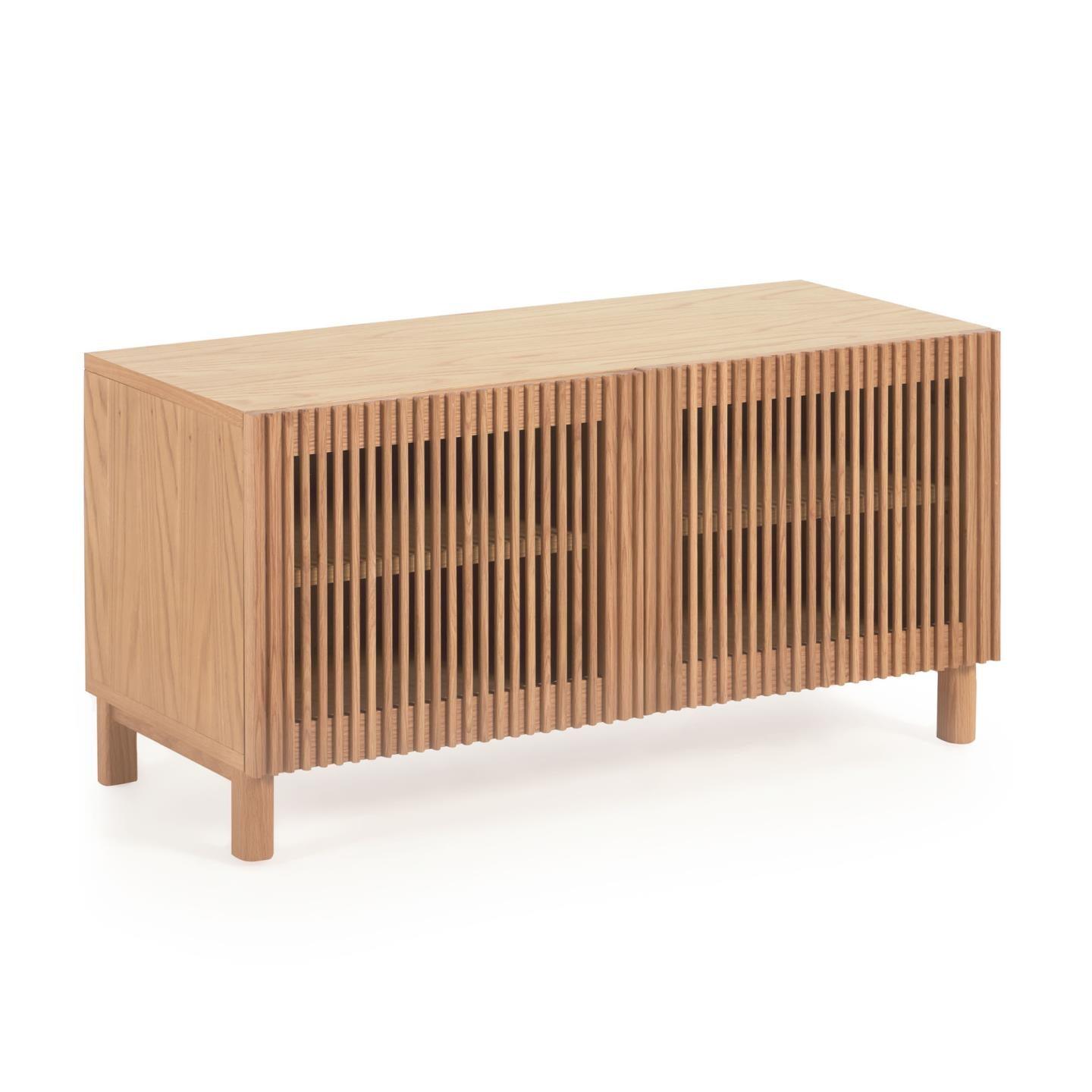
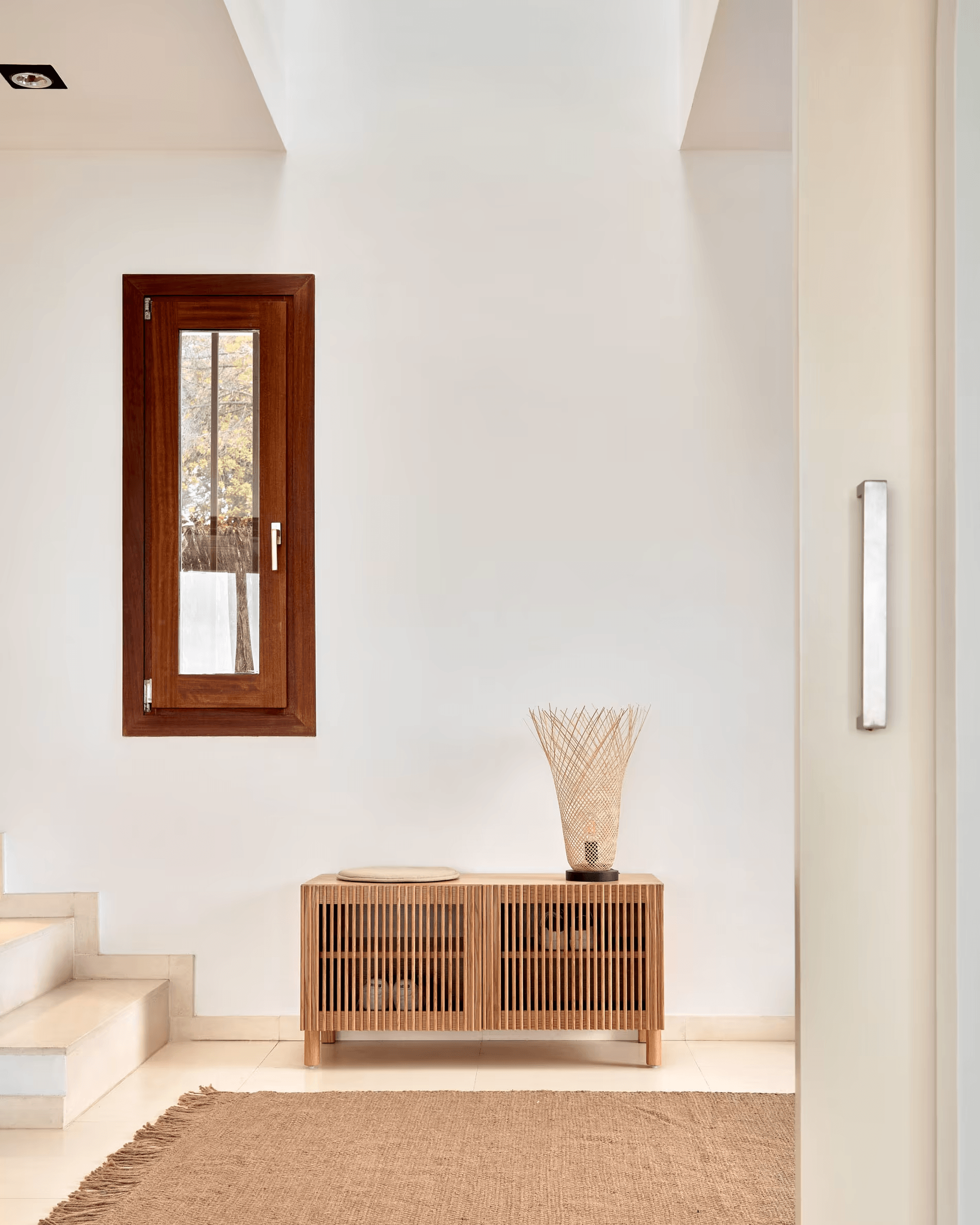
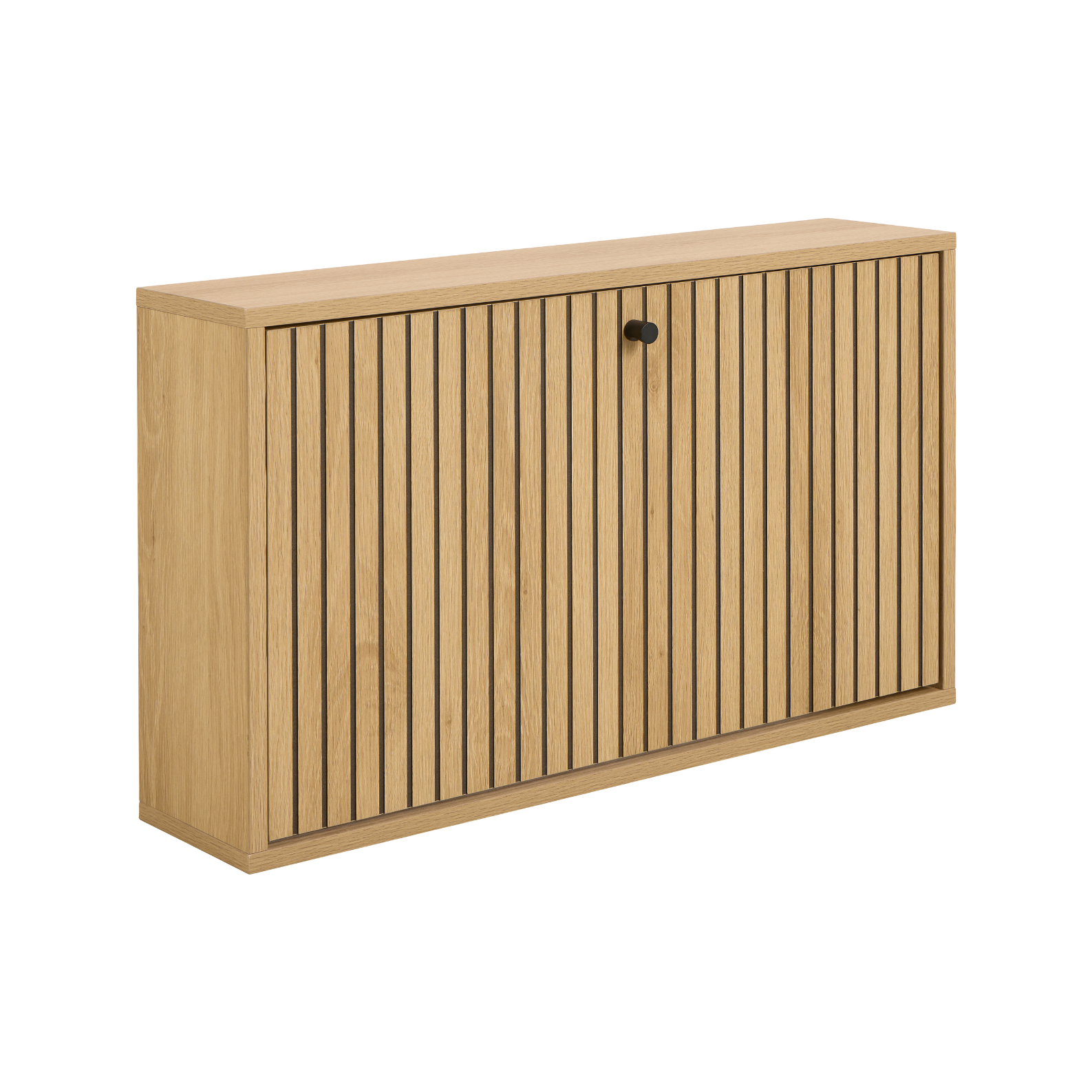
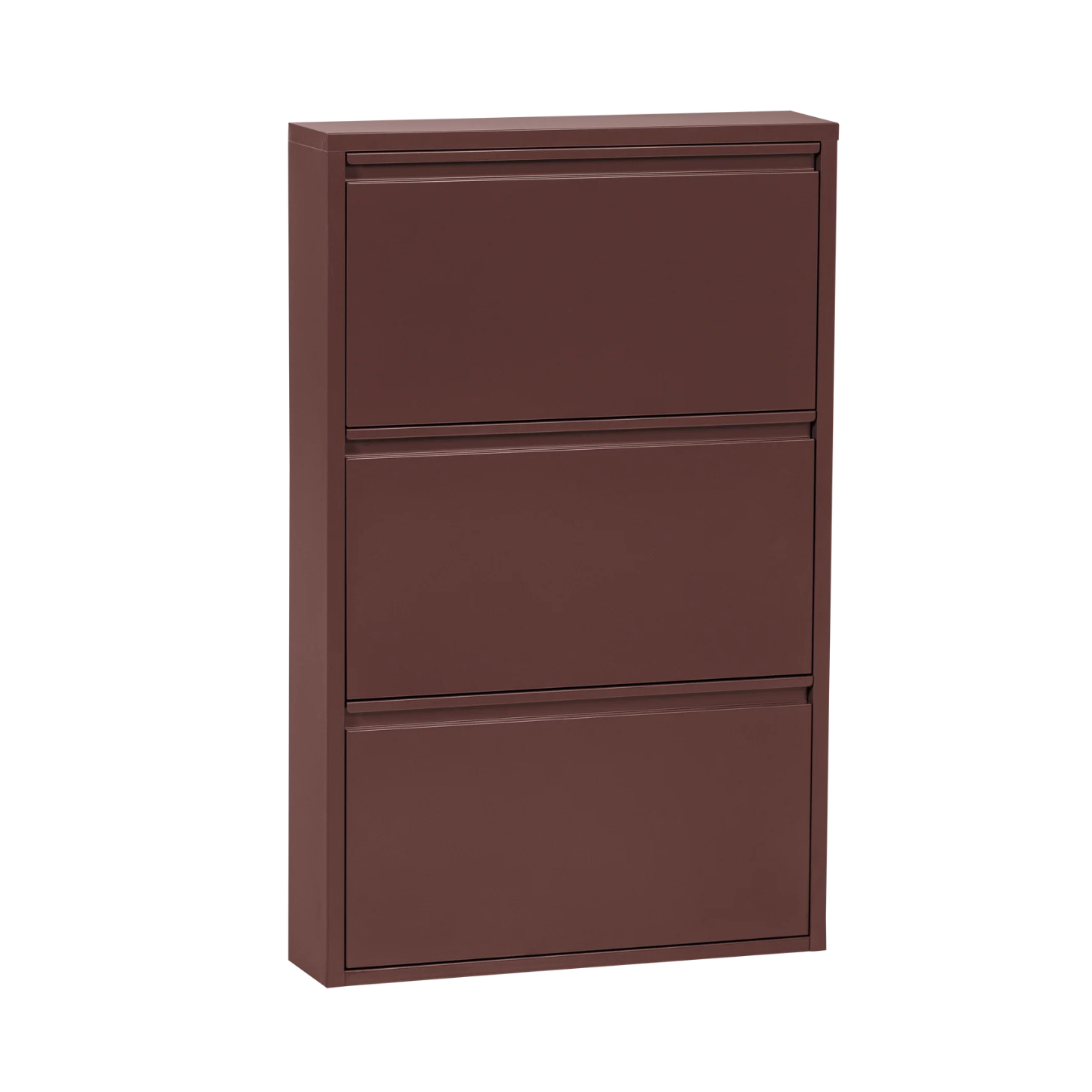
Wooden and veneered fronts warm up the hallway, while lacquered finishes visually enlarge the space, and rattan weaves add lightness and ensure natural ventilation. Legs instead of a plinth make cleaning easier and visually lighten narrow interiors.
Frequently Asked Questions
What Depth for a Narrow Hallway?
17–25 cm with flip-top lids. Leave a minimum of 90 cm for passage.
Shoe Cabinet or Shoe Rack?
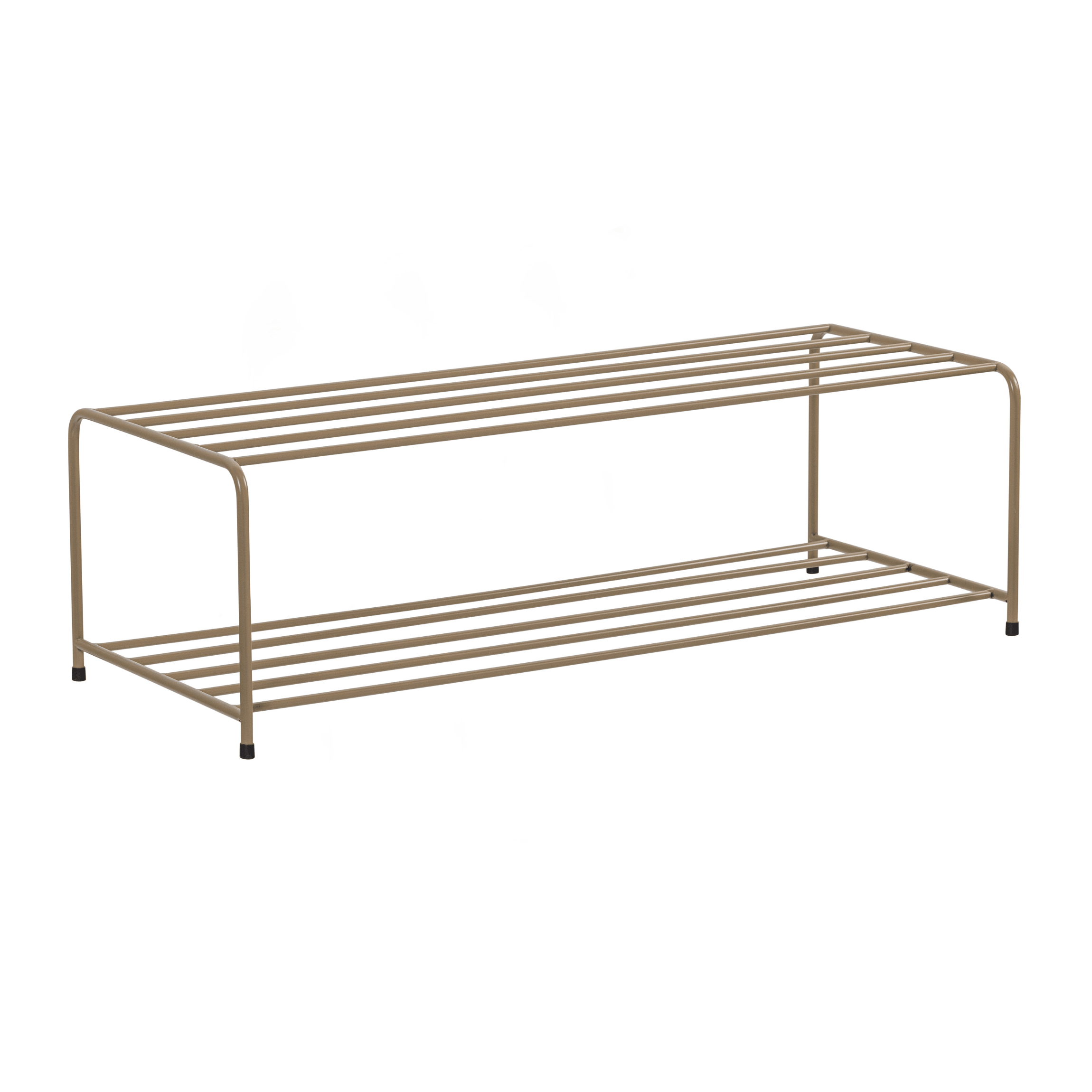
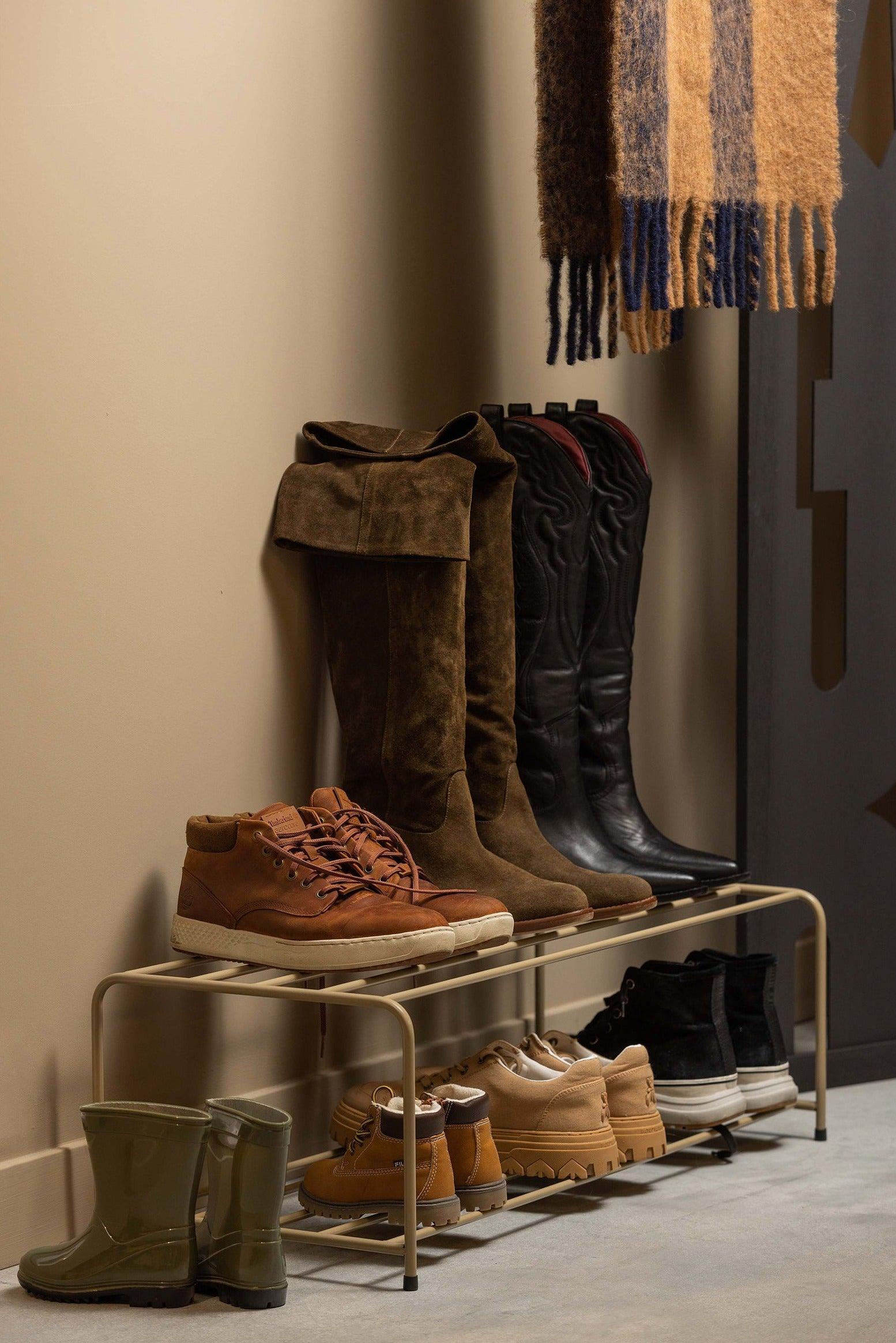
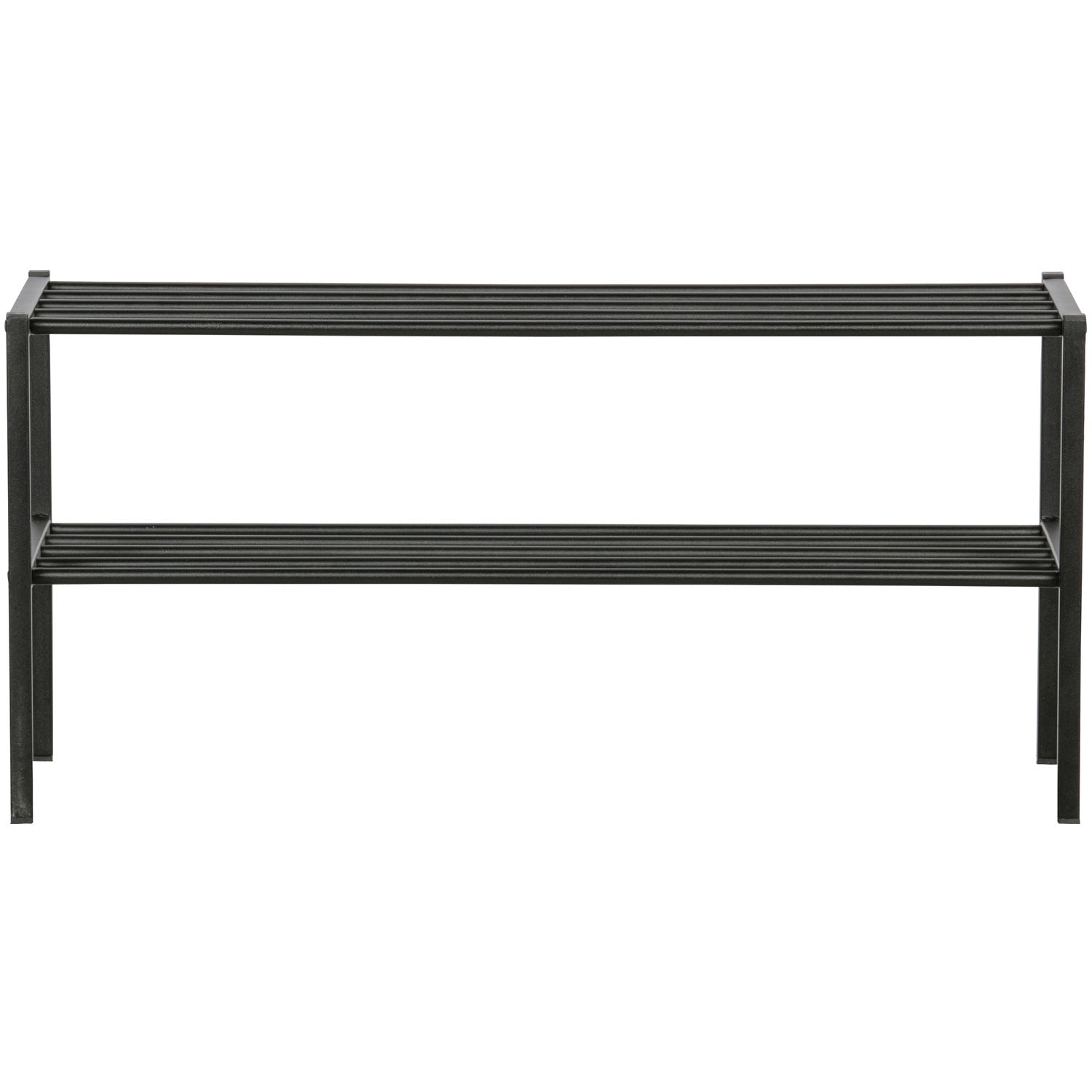
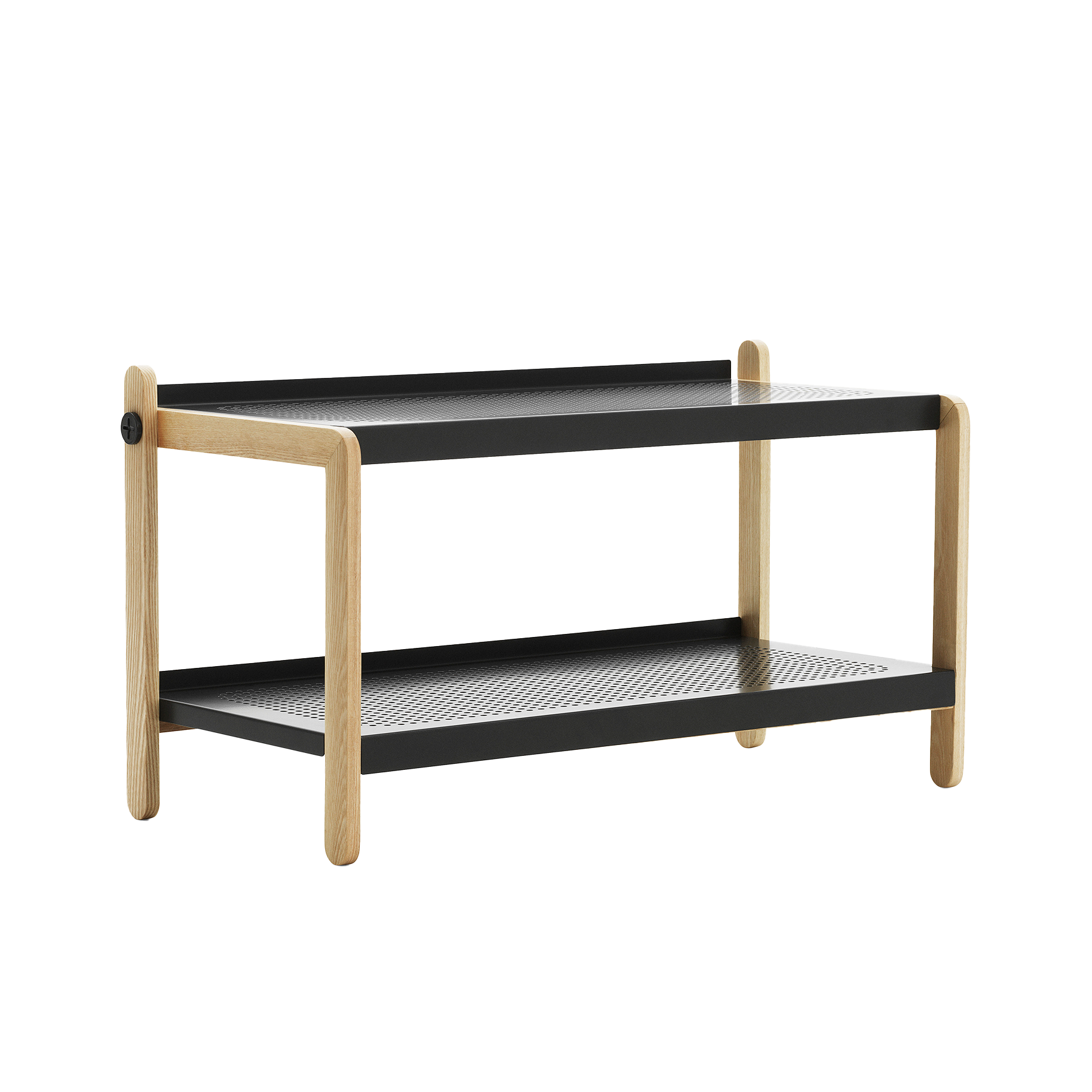
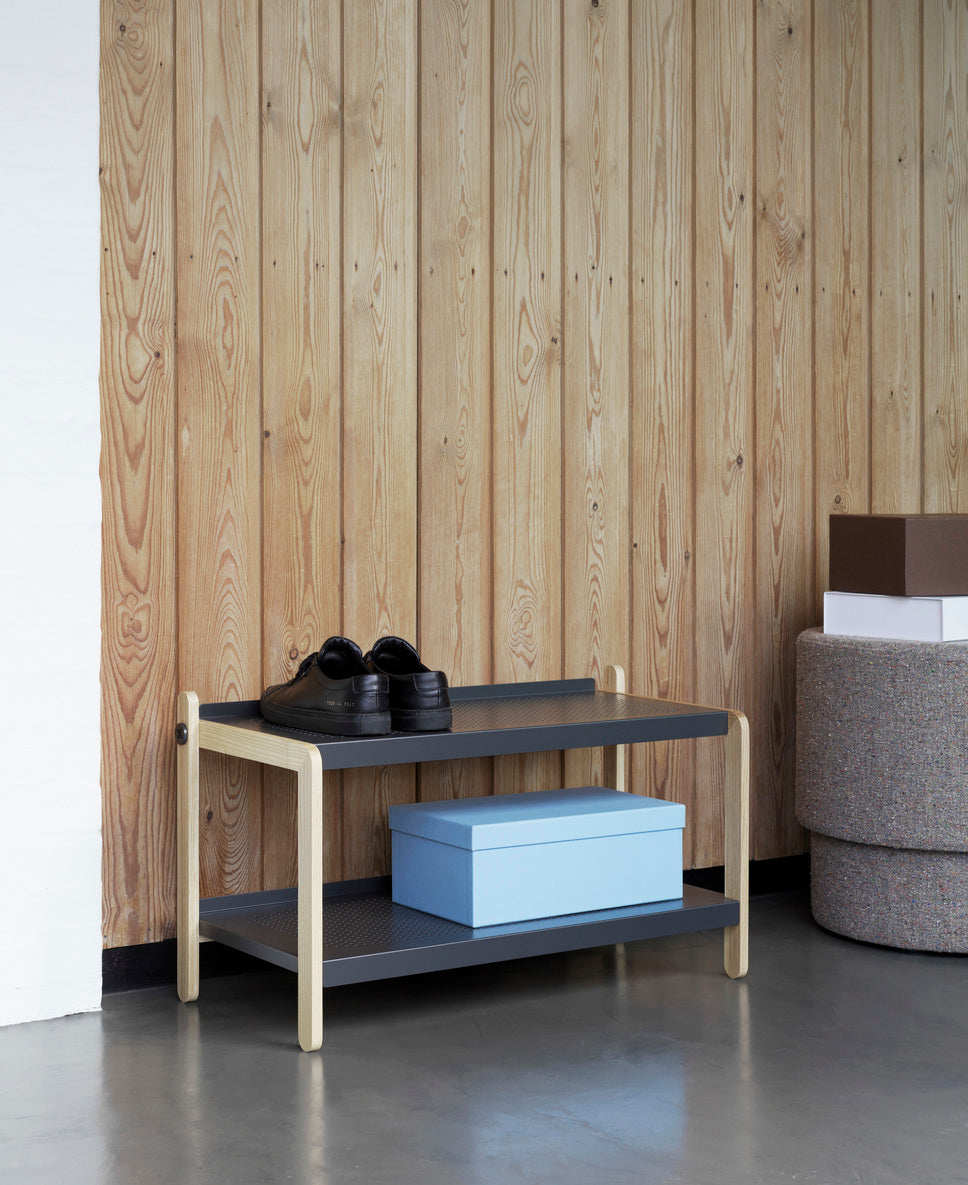
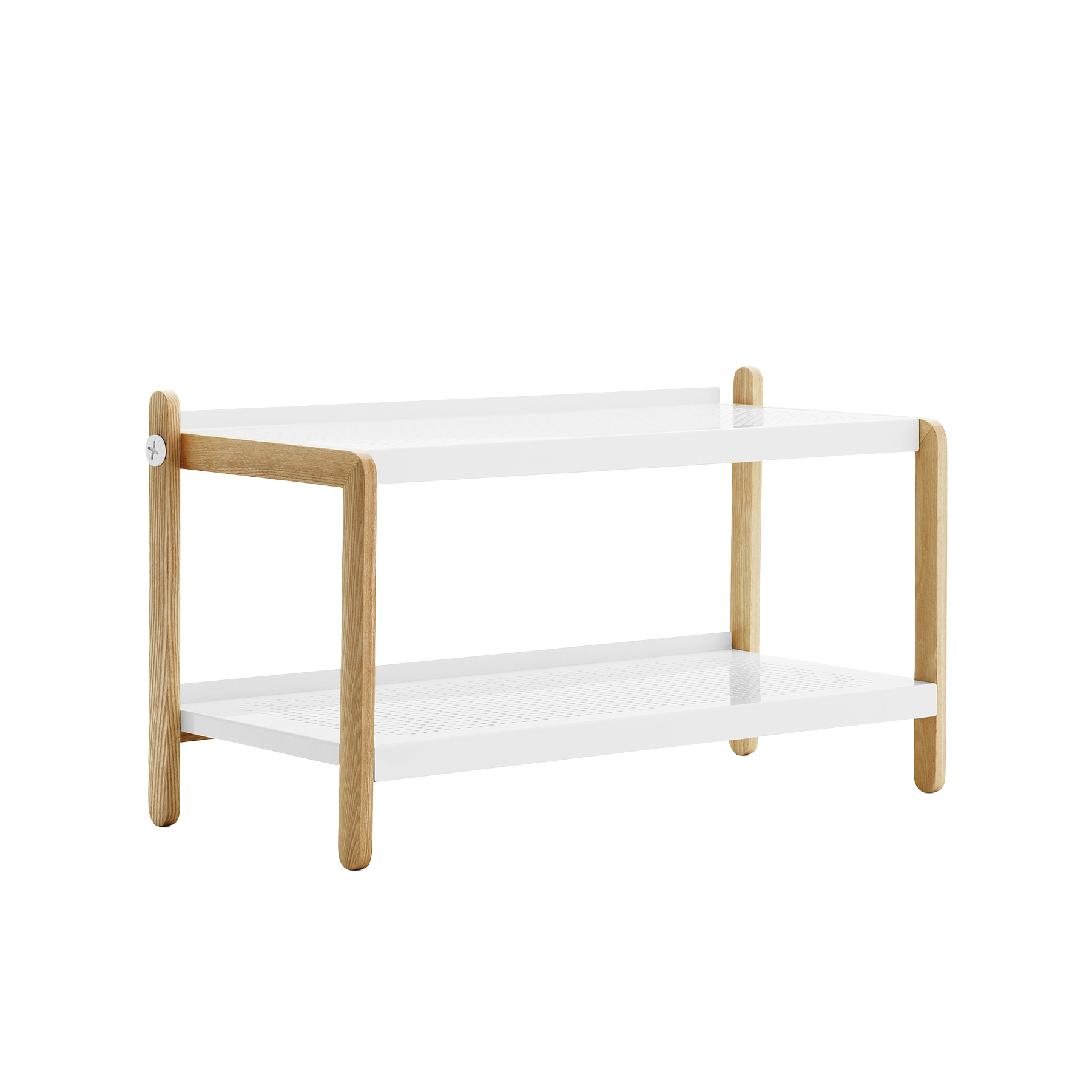
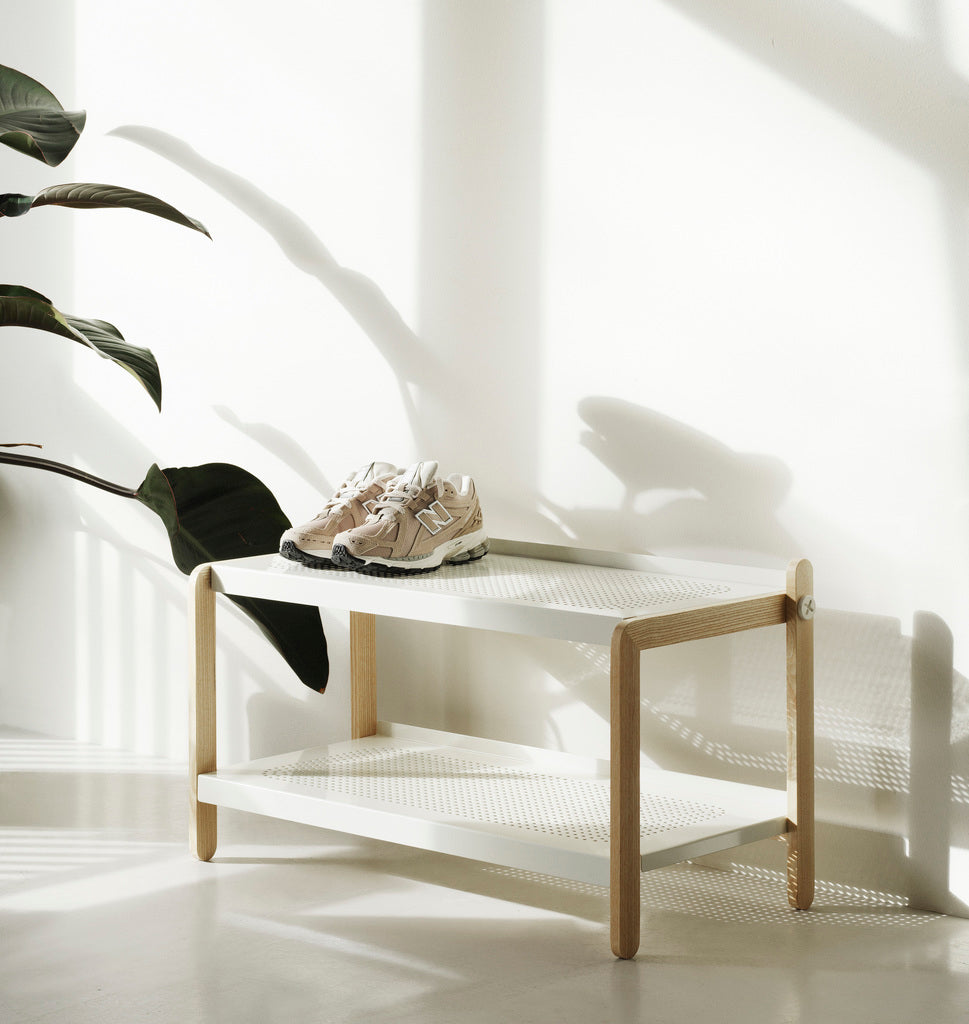
A closed cabinet protects against dust and calms the interior; an open rack is more spacious and cheaper but exposes the contents.
What to Place on the Cabinet?
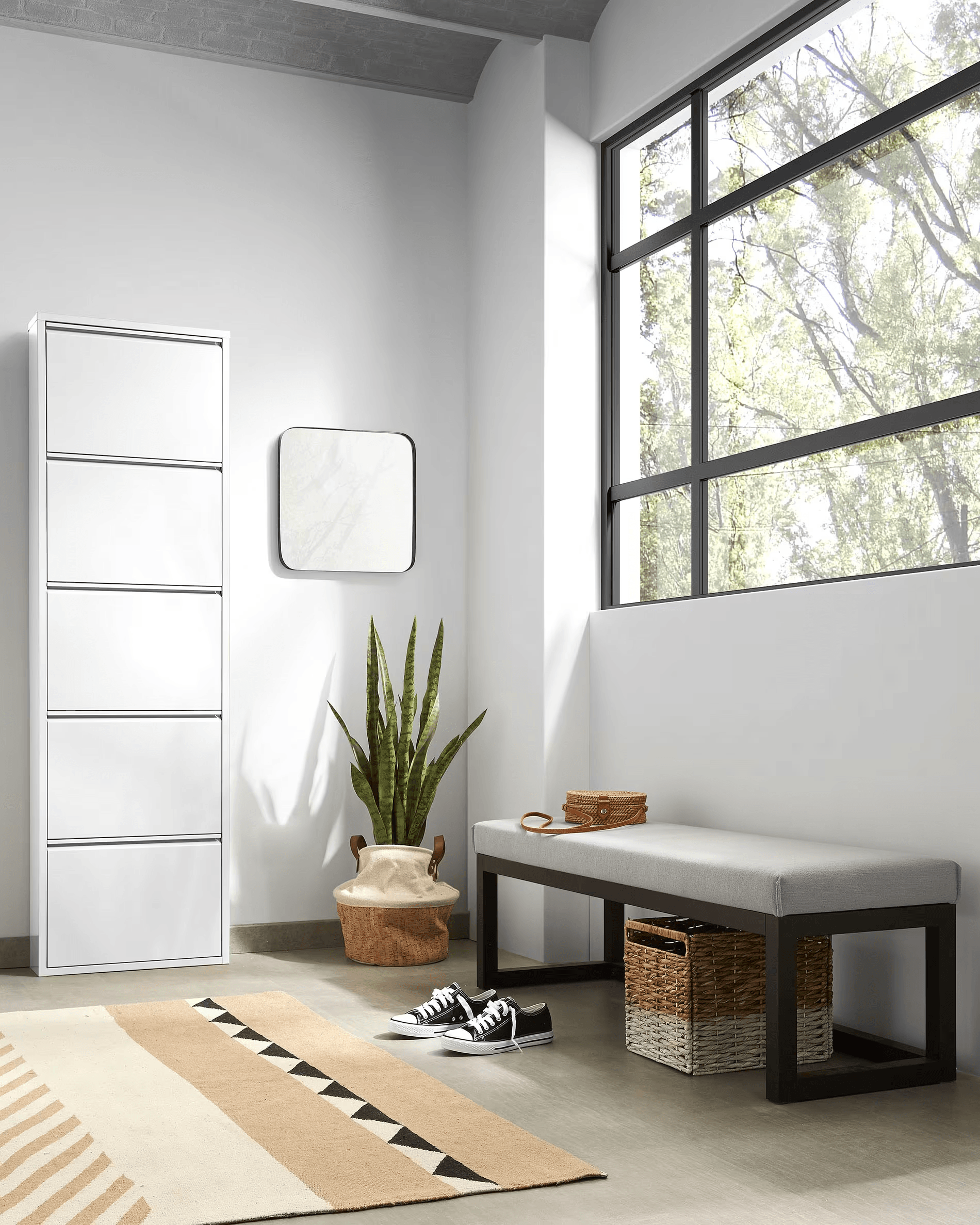
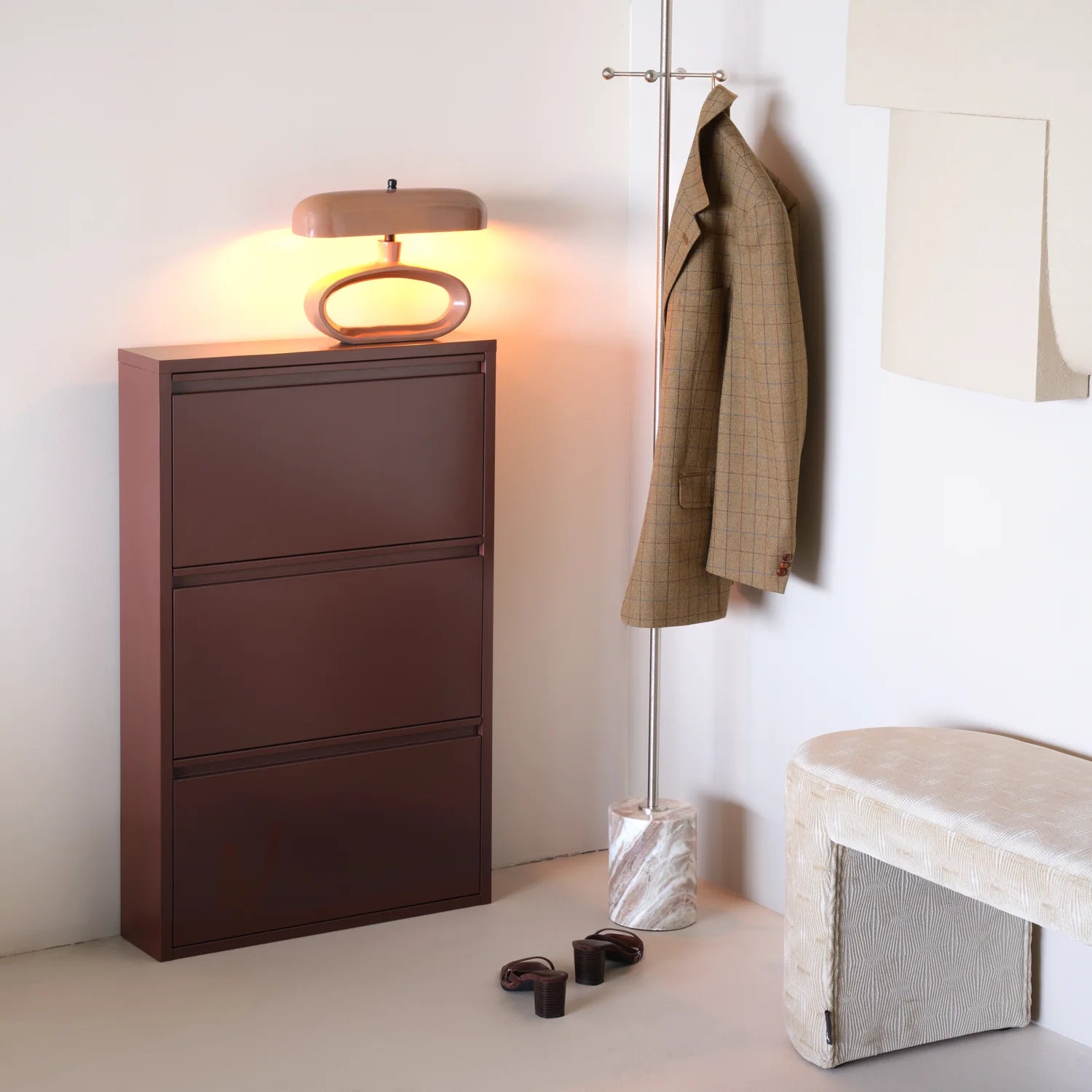
It serves as a natural drop-off shelf: a tray for keys, a lamp, and a mirror above create a complete entryway zone.
Complete your hallway: mirrors for the hallway, hangers, benches, and runners, and find a full arrangement in the hallway furniture collection. Free delivery on orders over 1000 PLN, showroom in Warsaw.