

Care and Use
Wood
Guide to Caring for and Mindful Use of Wooden Furniture

What is solid wood?
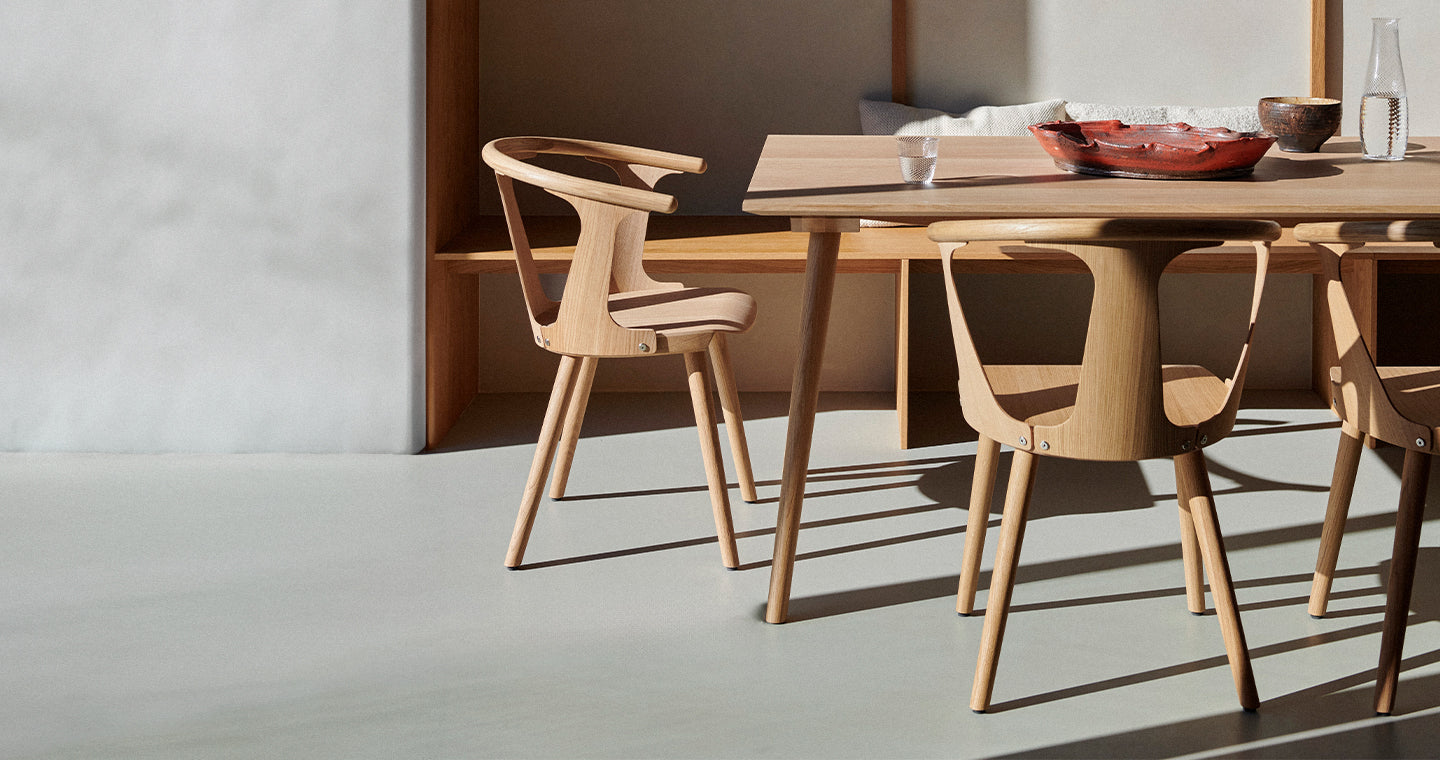
Solid wood is a natural, uniform piece of wood sourced directly from the trunk of a tree. It is characterized by its strength, durability, and unique grain patterns. It can react to changes in temperature and humidity, which is why it requires appropriate conditions for use. Each piece made from solid wood is one-of-a-kind due to the individual arrangement of grains, discolorations, and natural features of the material. This means that no two pieces of furniture made from natural wood are identical.
What is veneer?
Veneer is a thin layer of natural wood (approximately 0.5–1 mm) that is adhered to a wood-based panel. It combines the aesthetic appeal of wood with greater dimensional stability and reduced susceptibility to material movement.


Materials with character
Understanding wood
Wood is a living material. Its appearance and properties are the result of biological processes occurring in the tree even before it is cut down. Proper interpretation of these characteristics allows us to better understand and appreciate the uniqueness of wooden furniture.
Knots, streaks, and grain patterns
This is a record of the natural stages of a tree's growth. They are a unique trace of the biological rhythm that gives the wood its character.
Volume Changes
Wood absorbs and releases moisture. Shrinking and expanding are the natural responses of the material to the microclimate of the interior.
Aging of surfaces
Exposure to light and air causes subtle changes in color. This is not a defect, but a natural process of material maturation.
Growth Marks
Micro-cracks, subtle irregularities, or the asymmetry of the grain are signs of authenticity and the organic origin of the wood.
Color Differences
Even elements made from the same type of wood can vary in shade. This is a natural characteristic resulting from the structure of the tree and its growth patterns.
Natural patina
As time goes by, wood gains depth of color and character. This process is natural and is often regarded as one of the greatest advantages of furniture made from wood.
The uniqueness of each piece
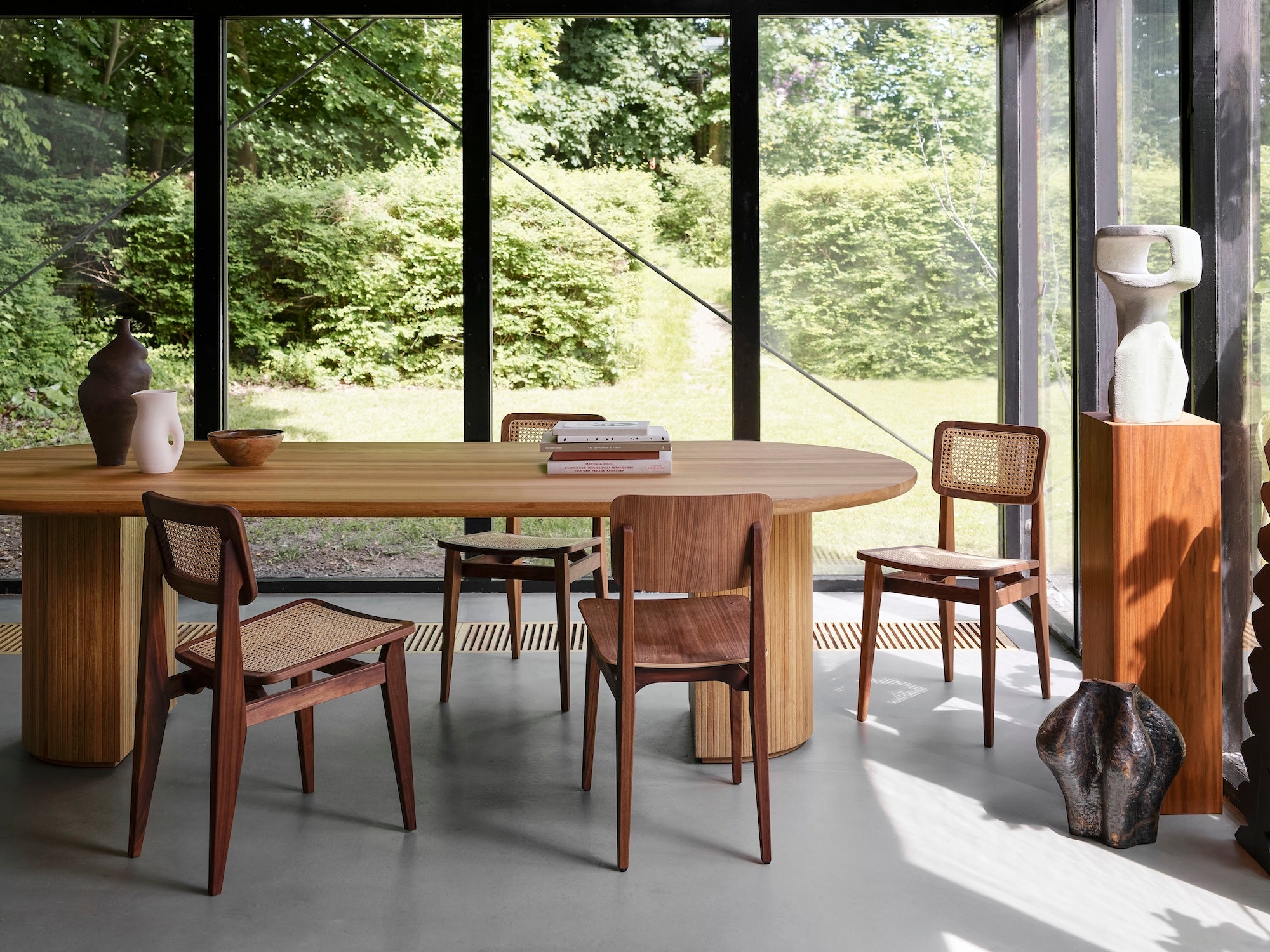
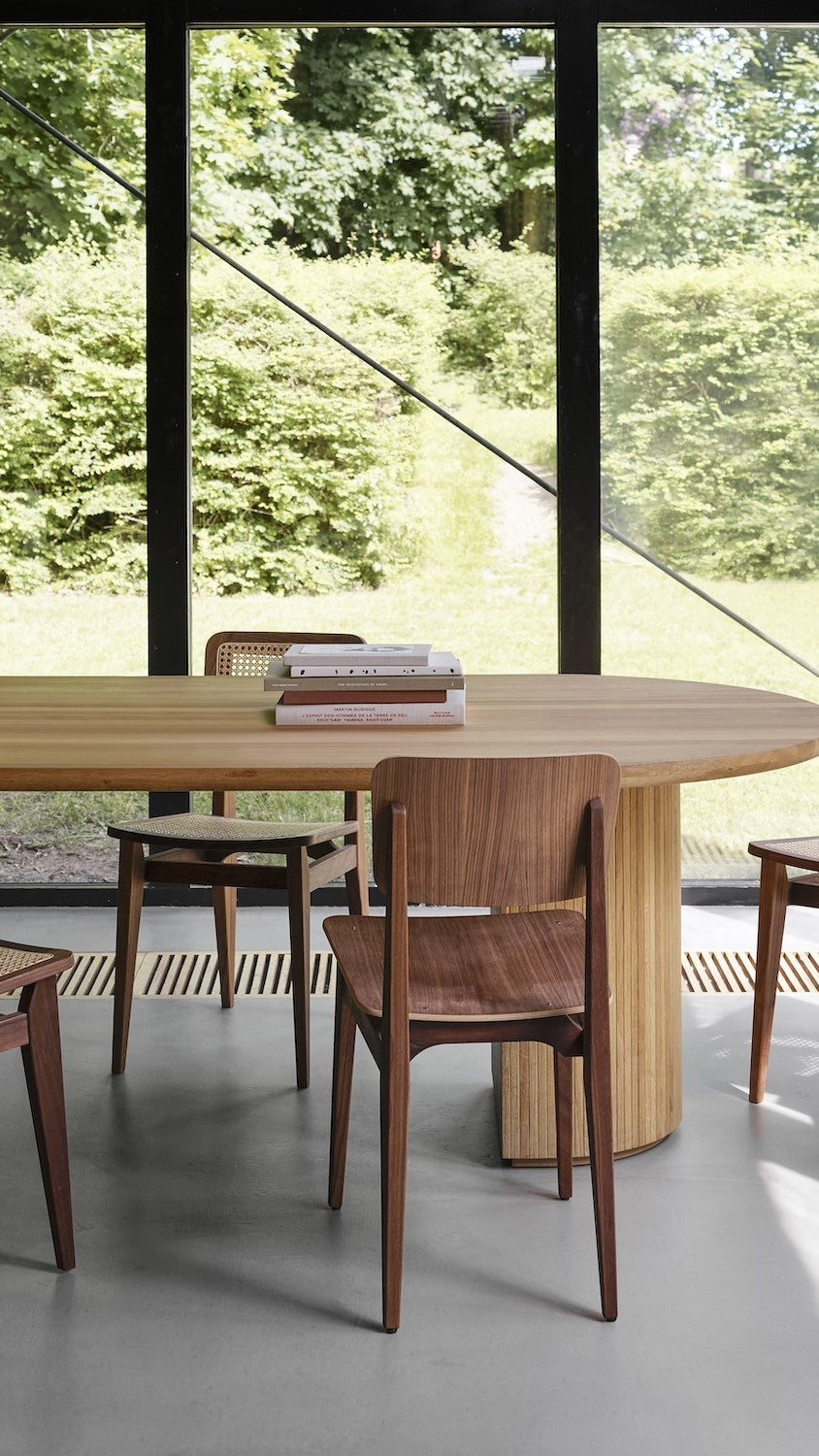
Due to the unique arrangement of grains, knots, and discolorations, no two pieces of furniture made from natural wood are identical.
Types of Wood

Oak wood
Characteristics: hard, heavy, very durable
Appearance: light brown, with a distinct grain pattern
Advantages: good resistance to abrasion, moisture, and mechanical damage

Ash wood
Characteristics: durable, flexible, resistant to rot
Appearance: light brown or yellowish, even grain
Advantages: resilient, withstands loads well, long-lasting

Mahogany wood
Characteristics: hard, stable, moisture-resistant
Appearance: reddish-brown, with a smooth and uniform texture
Advantages: durable, decorative, resistant to changing conditions

Spruce wood
Characteristics: lightweight, soft, easy to work with
Appearance: light-colored, often with visible knots and a simple grain
Advantages: readily available, absorbs treatments and paints well

Mango wood
Characteristics: hard, stable, resistant to moisture and pests
Appearance: ranging from light beige to dark brown, often with grayish tones
Advantages: eco-friendly, durable, decorative, and unique

Walnut wood
Characteristics: hard, heavy, durable
Appearance: dark brown with distinct and varied grain
Advantages: very aesthetic, resistant to wear and damage

Beech wood
Characteristics: hard, medium-heavy, elastic
Appearance: creamy to light brown, with delicate grains
Advantages: easy to work with, withstands bending under steam well
Teak wood
Characteristics: highly durable, naturally oily, moisture-resistant
Appearance: golden-brown with darker streaks
Benefits: does not require impregnation, resistant to insects and fungi

Spruce wood
Characteristics: lightweight, soft, easy to work with
Appearance: light yellow with fine grain
Advantages: good acoustic properties, easy to paint
How to clean wood?
1. Dust the surface
Veneer is a thin layer of natural wood (approximately 0.5–1 mm) that is adhered to a wood-based panel. It combines the aesthetic appeal of wood with greater dimensional stability and reduced susceptibility to material movement.

2. Use a microfiber or cotton cloth, lightly dampened
For daily wood care, use soft, dry, or slightly damp cloths made from natural materials, such as cotton or microfiber. Clean along the wood grain, which helps maintain its natural structure and prevents scratches. Avoid excessive moisture, as it can lead to warping or damage to the finish. Regular dusting also reduces the formation of micro-scratches that can affect the appearance of the surface over time.

3. Use cleaning products specifically designed for the type of wood
For oiled wood, use special care oils or mild detergents. Clean raw wood with pH-neutral products. Lacquered and waxed surfaces require gentle liquids. Always clean along the grain, avoiding excessive moisture to prevent scratches and warping. Only use products designed for the specific type of finish, as oiled, lacquered, and waxed wood requires different care.

4. Avoid aggressive chemical agents
Avoid detergents containing ammonia, vinegar, or solvents that can damage the protective finish and wash away the natural oils from the wood.

5. Always allow the surface to dry completely before proceeding with further actions
Moisture lingering on wood can lead to swelling, mold, or damage to the finish. After cleaning, allow the furniture to air dry naturally in a well-ventilated area.

To keep wooden furniture beautiful and durable, it is important to systematically care for their surfaces and mechanical construction elements. Regular maintenance not only enhances the appearance of the furniture but also protects the wood from drying out, moisture, and premature wear.
Conservation of wooden furniture

Types of Wood Finishes and Their Protection
The way to care for furniture primarily depends on the type of finish on its surface.
- Oiled wood – retains the natural appearance and texture of the wood, but requires periodic refreshing of the protective layer using dedicated care oils.
- Wood protected with oil-wax – combines the benefits of oil and wax, providing good protection against dirt and moisture while maintaining the natural character of the wood.
- Lacquered wood – coated with a protective layer that increases resistance to everyday use and makes cleaning easier. It does not require regular impregnation but should be maintained with products designed for lacquered surfaces.
- Waxed wood – features a natural, satin finish. To preserve its appearance and protective properties, it requires periodic renewal of the wax layer.
When is it worth refreshing a piece of furniture?
It is worth considering reconditioning or renewing the surface when:
- the wood has become noticeably dull and lost its natural appearance,
- the surface feels dry or rough to the touch,
- minor discolorations or signs of everyday use have appeared,
- water no longer beads on the surface and quickly penetrates the wood,
- the protective layer has worn down in certain areas.
For oiled or oil-waxed furniture, periodic refreshing of the surface is a natural part of maintenance and helps preserve the aesthetics and durability of the wood.
Stability Control
Over time, the connections of your furniture may loosen with use. Regularly checking and tightening screws, hinges, and other structural components helps prevent more serious damage and extends the lifespan of your furniture.
What to do when the coating is damaged?
If the surface of the furniture has minor damage
or scratches, use appropriate repair products
such as wood crayons, pastes, or special
markers. For more significant damage, it is advisable
to consult a professional or consider
gentle sanding and reconditioning,
but only if you are sure that the furniture requires it.
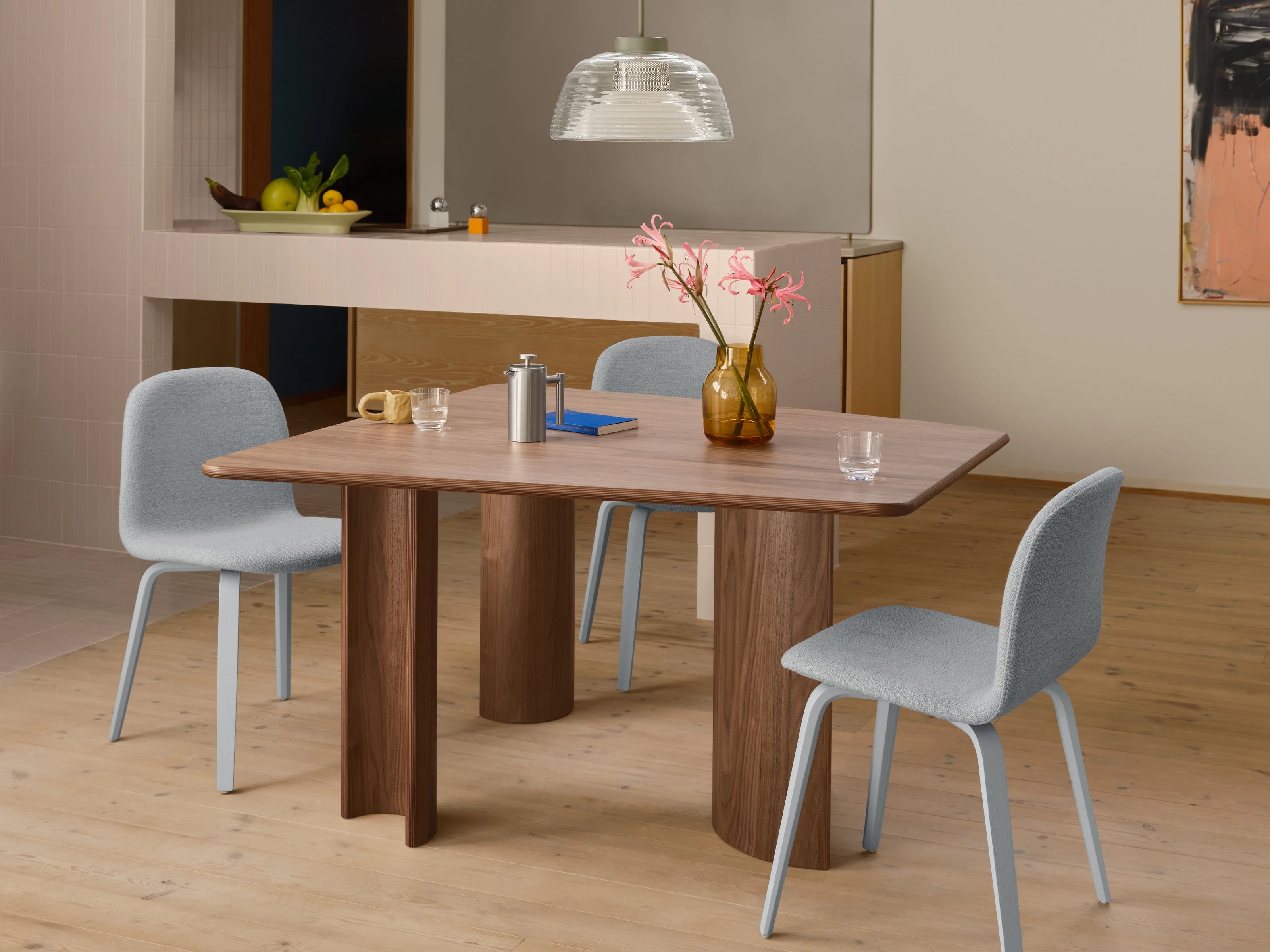
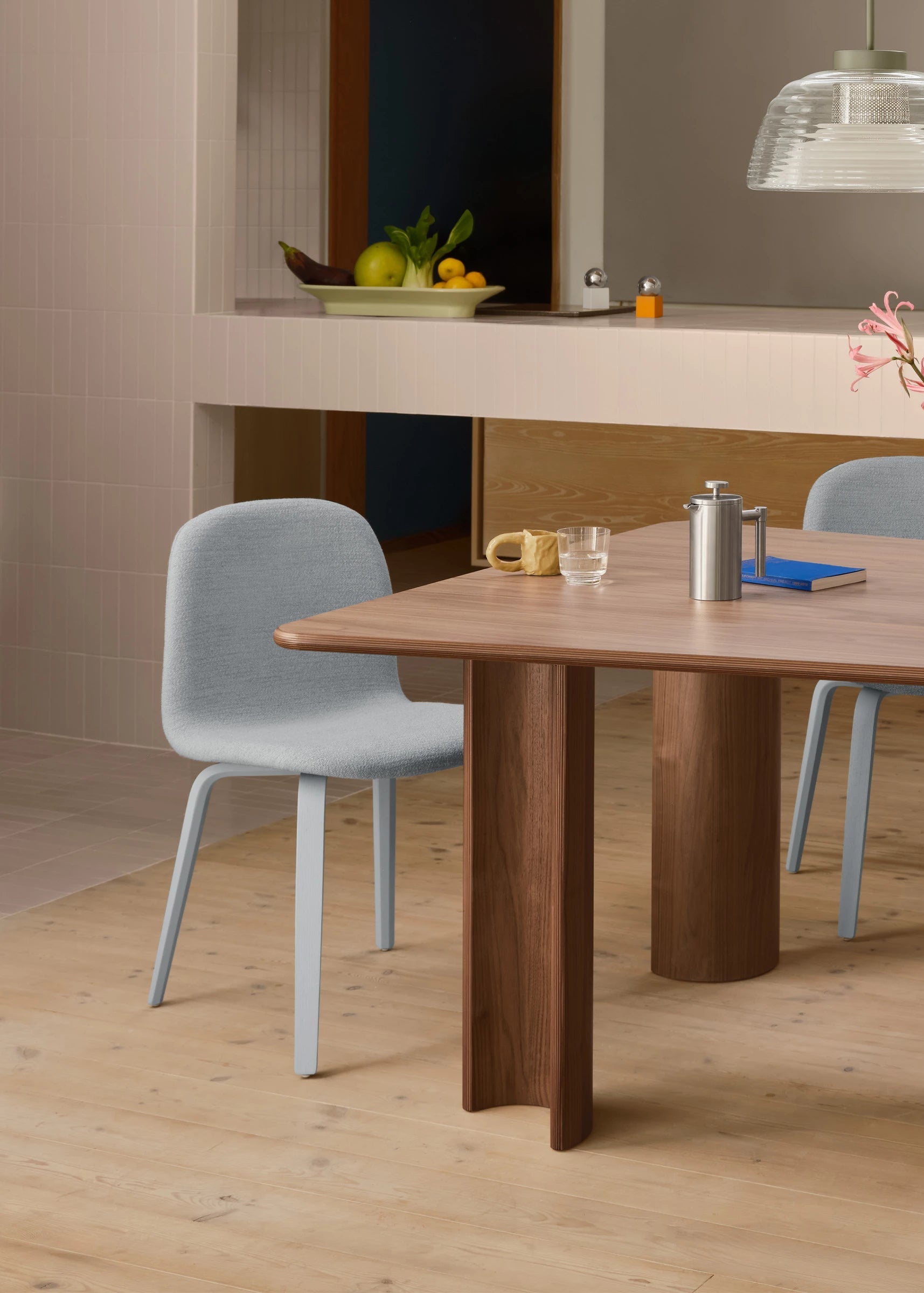
Wood is a natural material that requires care during use to avoid damage and extend the lifespan of your furniture. It best retains its properties in environments with a humidity level of around 40–60%.
Both too dry and too humid air can lead to excessive movement in the wood, and in extreme cases, cause warping, splitting, or cracking.
Rules for Daily Use of Wooden Furniture
Use coasters for hot items.
Place mugs, pots, and other hot dishes on coasters to prevent discoloration and permanent marks on your furniture surfaces.
Protect against moisture
Never leave wet items on furniture and avoid spilling liquids. If a spill occurs, quickly dry the surface with a soft cloth. Prolonged contact of wood with water can lead to discoloration, swelling of the material, or damage to the protective finish.
Do not overload the furniture and respect its construction.
Do not stand on the seats of the chairs, do not sit on the armrests, and do not use the chair backs to dry clothes. Please do not exceed their intended use to avoid damaging the structural components.
Avoid scratches
Never draw on furniture with a pen, nails, or any sharp objects. Even minor scratches can weaken the surface and affect its appearance.
Protect from heat sources
Avoid placing furniture in direct proximity to radiators, fireplaces, stoves, or other heat sources, as high temperatures can lead to drying out the wood, causing it to shrink and develop cracks.
Limit exposure to sunlight.
The intense action of UV rays can cause gradual color changes in wood and uneven fading of surfaces, so it's advisable to avoid prolonged exposure of furniture to sunlight.
Avoid changes in environmental conditions.
Sudden changes in environmental conditions (temperature and humidity) can cause excessive movement in wood, leading to warping, drying out, or the formation of cracks.
Respond to damages
In the case of minor scratches or loose components, such as screws or hinges, act quickly – secure any damage and tighten loose parts to keep your furniture in good condition.

FAQ – Frequently Asked Questions
Do you have questions?
Follow us
Can wood change color?
How often should you oil wooden furniture?
How to remove minor scratches from wood?
Are wooden furniture suitable for rooms with underfloor heating?
How to store wooden furniture when not in use?
Are wooden furniture pieces suitable for kitchens and dining rooms?
How long can wooden furniture last?
Are solid wood furniture pieces more durable than veneered furniture?
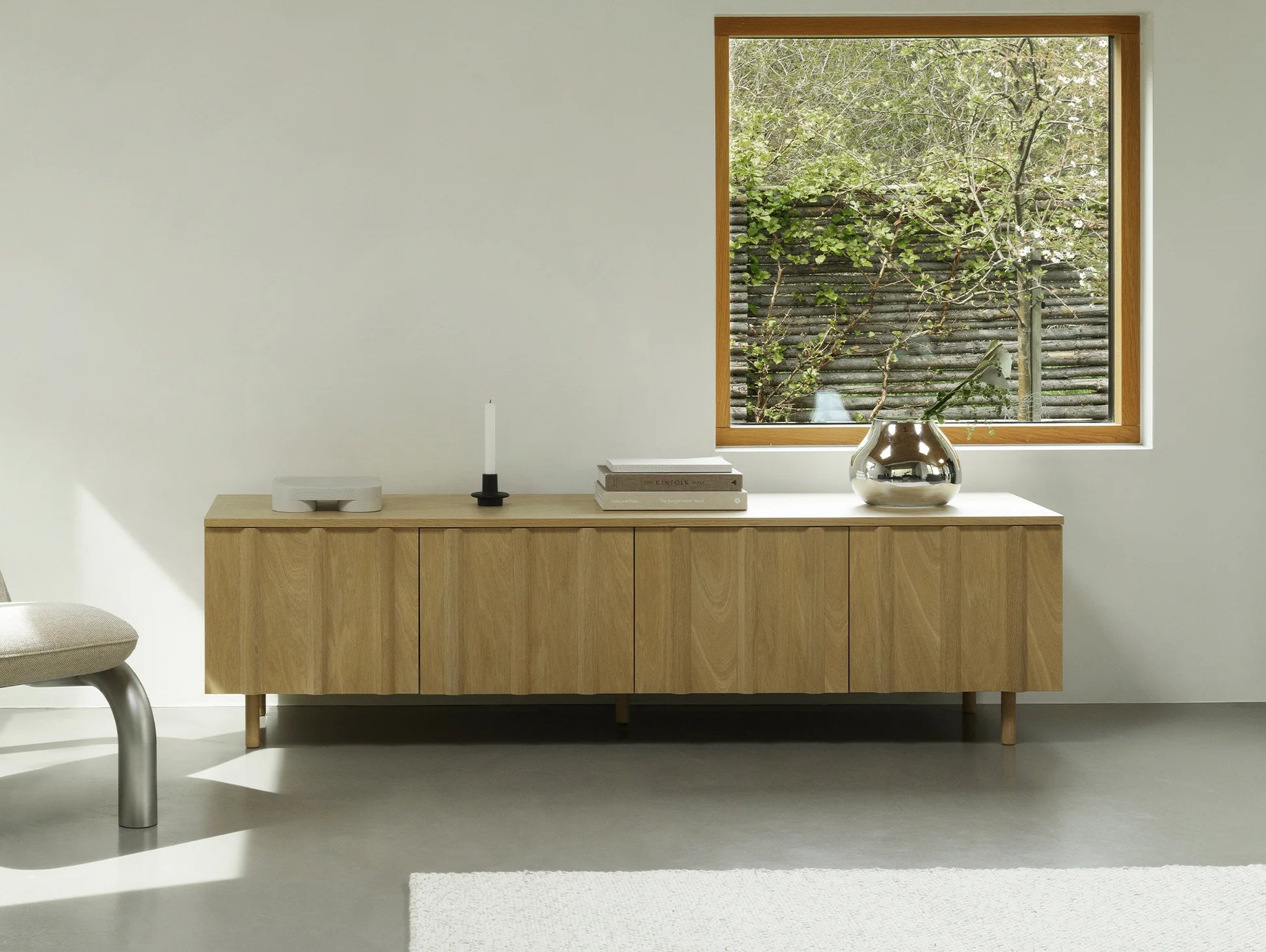
Good care is not about intensity, but about consistency and mindful usage. Proper cleaning, maintenance, and protection from moisture, high temperatures, and mechanical damage help preserve the natural beauty of wood for many years.
Want to learn more tips on how to care for your furniture and accessories? Check out our care guide.
