

Care and Use
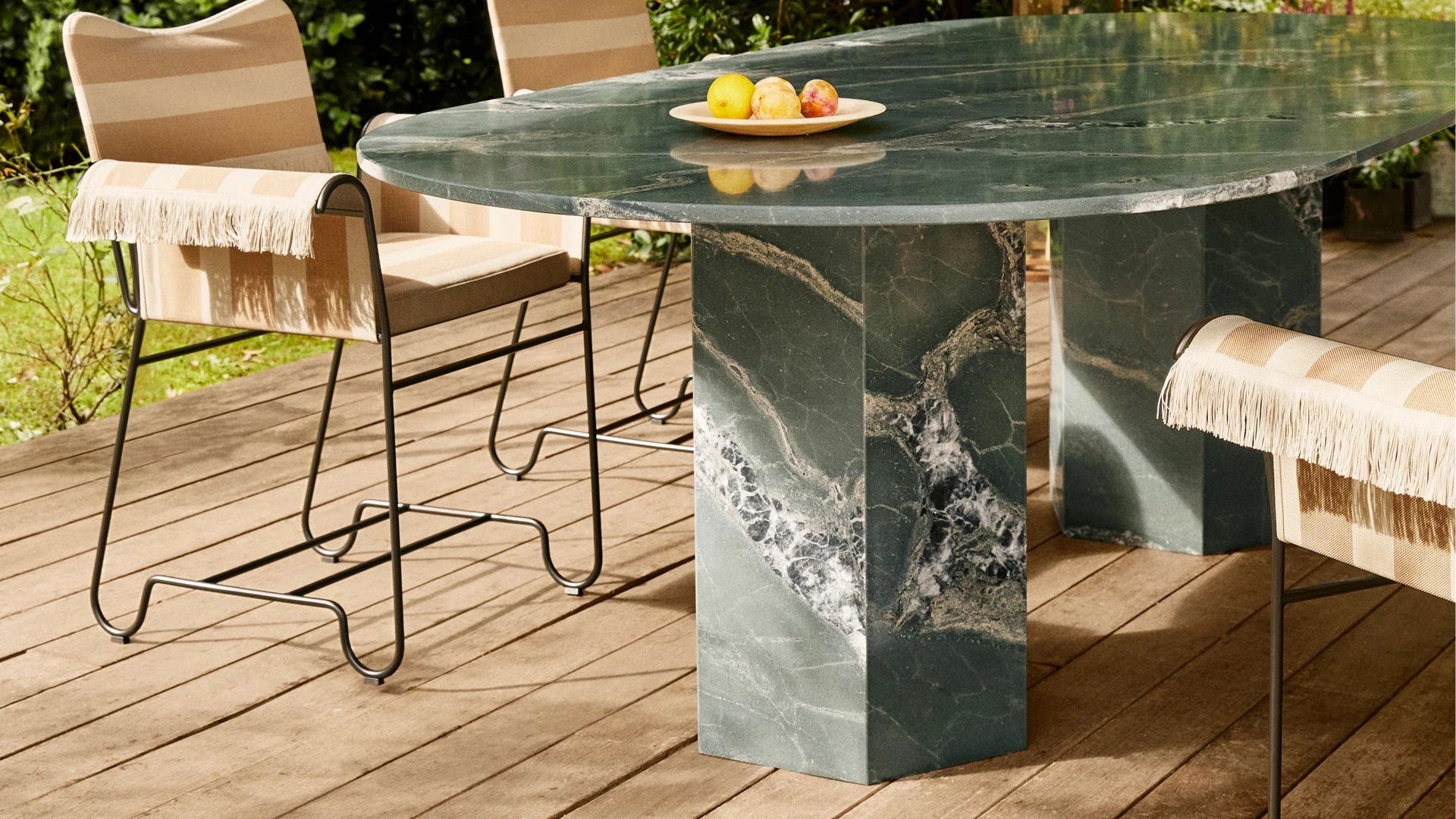
Garden furniture
Garden Furniture Care
Durability and Comfort for Many Seasons
Garden furniture is designed for outdoor use, where it is exposed daily to sunlight, rain, moisture, fluctuating temperatures, and pollutants. Proper care and storage help maintain its aesthetics, durability, and comfort for many seasons.
Depending on the materials used, garden furniture may require slightly different care methods. Wood, aluminum, steel, synthetic rattan, and outdoor fabrics have different properties, but all benefit from regular cleaning and protection against prolonged exposure to adverse weather conditions.
Natural color changes in wood, a gentle patina, or minor signs of everyday use are normal aging processes that highlight their authentic character.
Regular Cleaning
Dust, plant pollen, leaves, and other debris should be removed regularly using a soft brush or microfiber cloth.
For routine cleaning, lukewarm water with a mild detergent of neutral pH is sufficient.
After washing, all surfaces should be thoroughly rinsed with clean water and then left to dry completely.
Remove Stains Promptly
Spilled drinks, grease, food residues, and other stains should be removed immediately after they occur.
If left for too long, they can lead to permanent discoloration, especially on light fabrics and wooden surfaces.
Select Appropriate Care Products
Use products specifically designed for the type of material you are caring for.
Exotic wood, aluminum, steel, synthetic rattan, and outdoor fabrics may require different maintenance methods.
Before applying a new product, always test it in an inconspicuous area.
What to Avoid?
Do not use:
- bleach,
- chlorine,
- solvents,
- abrasive cleaners,
- cleaning powders,
- wire sponges,
- aggressive chemical agents.
Do not use pressure washers unless explicitly permitted by the manufacturer. Excessive pressure can damage wood, fabrics, and surface finishes.
Protect Furniture from Weather Conditions
Although most garden furniture is designed for outdoor use, prolonged exposure to rain, snow, or intense UV radiation can accelerate its natural wear and tear.
During longer periods of non-use, it is advisable to use breathable protective covers or store the furniture under shelter.
Covers should allow for free airflow to reduce the risk of moisture buildup.
Prepare Furniture for Winter
Before the end of the season, thoroughly clean all pieces and allow them to dry completely.
If recommended by the manufacturer, it is best to store the furniture in a dry, well-ventilated area, such as a garage, basement, or garden shed.
Cushions and outdoor textiles should be stored indoors to protect them from moisture.
Care for Different Materials
Wood
Garden wood requires regular cleaning and periodic treatment or oiling according to the manufacturer's recommendations. Natural graying of wood is a process resulting from UV radiation and weather conditions.
Aluminum
Aluminum is lightweight, corrosion-resistant, and easy to care for. Regular cleaning with a soft cloth and mild detergent is sufficient.
Steel
Steel components should be cleaned regularly and the condition of the protective coating checked. In case of paint damage, it is advisable to protect the surface as soon as possible according to the manufacturer's recommendations.
Synthetic Rattan
Synthetic rattan is resistant to moisture and UV radiation. Care requires only a soft brush, water, and mild detergent.
Outdoor Fabrics
Fabrics designed for outdoor use are weather-resistant, but regular cleaning and storage in a dry place during the off-season significantly extend their durability.
Longevity Begins with Proper Care
Regular cleaning, appropriately selected maintenance, and proper storage ensure that garden furniture retains its appearance and functionality for many seasons.
Natural materials may subtly change their appearance over time due to use and weather conditions. This is a natural process that highlights their authenticity and does not affect the comfort of everyday use. Proper care allows you to enjoy their beauty for many years.
