

Care and Use
Glass
Glass Care
Clarity and Elegance for Years to Come
Glass is a material valued for its lightness, timeless aesthetics, and ability to subtly reflect and diffuse light. It is used in furniture, lighting, and decorative accessories, as well as in dishes and interior elements.
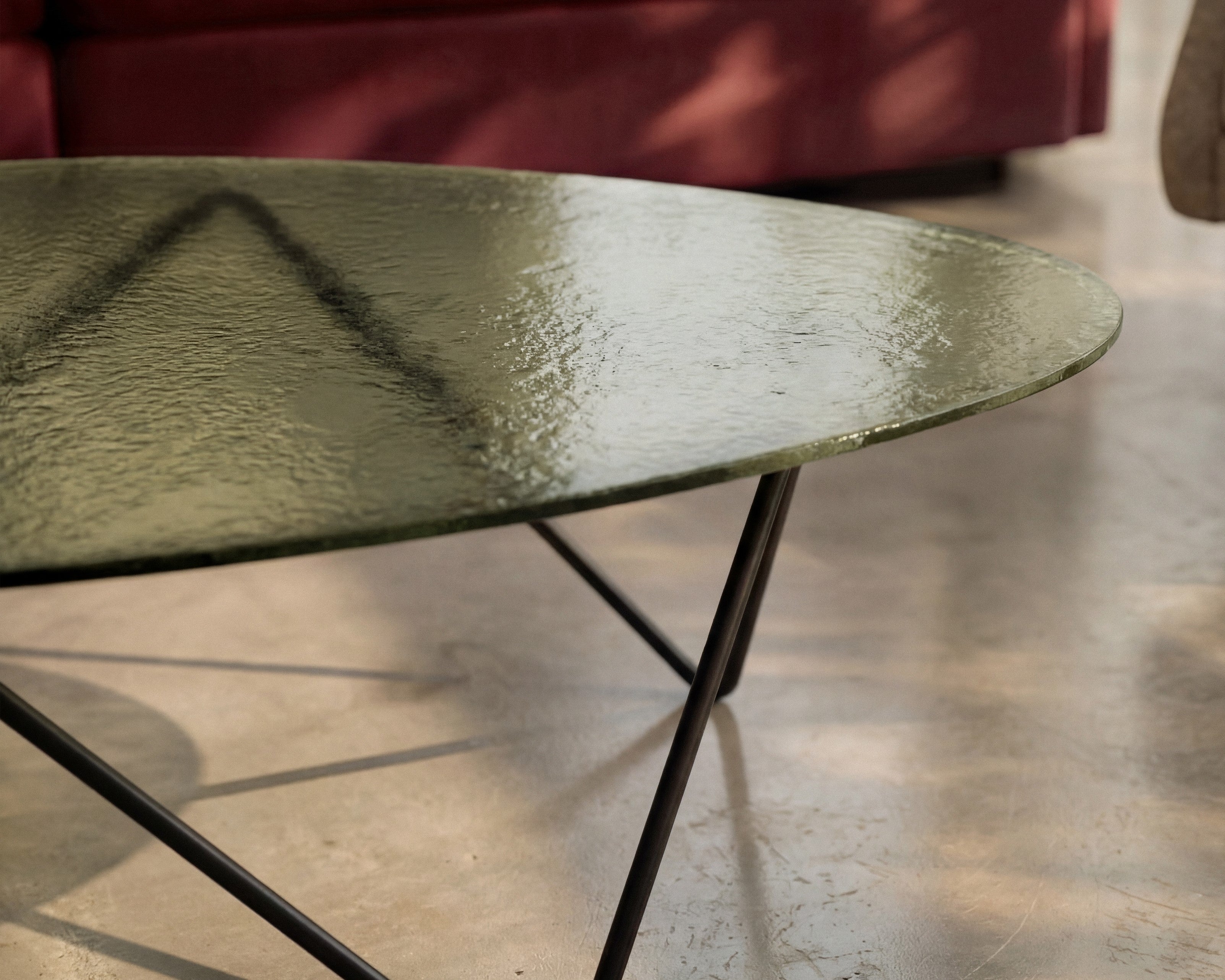
Depending on the manufacturing process, glass can be clear, colored, frosted, ribbed, or hand-formed. Small air bubbles, subtle differences in thickness, or delicate irregularities are often natural features of glass made using artisanal methods, highlighting its unique character.
Although glass is a durable material, it requires proper care to maintain its shine, clarity, and aesthetic appearance for years.
Daily Care
For regular cleaning, use a soft microfiber or cotton cloth.
Dust and small dirt should be removed promptly to prevent the buildup of residues and streaks.
For larger stains, lukewarm water with a small amount of mild detergent is sufficient.
After washing, thoroughly dry the surface with a soft, lint-free cloth.
Remove Stains Promptly
Fingerprints, water droplets, and beverage residues should be cleaned up as soon as they appear.
If left for too long, they can lead to more difficult-to-remove deposits or streaks, especially on clear and glossy glass.
Choose the Right Cleaning Products
For glass care, use products designed for glass surfaces or mild cleaners with a neutral pH.
It’s best to apply the product to the cloth rather than directly onto the item, especially if the glass is combined with wood, metal, or other materials.
Before using a new cleaner, it’s wise to test it in an inconspicuous area.
What to Avoid?
Do not use:
- abrasive creams,
- cleaning powders,
- wire sponges,
- sharp scrubbers,
- strong solvents,
- products containing abrasive particles.
These can cause permanent scratches and dull the surface.
Protect from Scratches and Impacts
Glass, despite its durability, is susceptible to mechanical damage.
Avoid sliding heavy or sharp objects across its surface.
Using felt or silicone pads under decorations, vases, or pots can help reduce the risk of scratches.
When moving products, always hold them securely with both hands.
Avoid Sudden Temperature Changes
Do not expose glass to sudden temperature changes unless the manufacturer clearly indicates its resistance to thermal shock.
Pouring boiling water onto cold glass or rapidly cooling a hot item can lead to cracks.
Storage
Store glass dishes and decorations in a stable place, away from the edges of shelves.
If products are stacked, it’s advisable to separate them with soft dividers to minimize the risk of scratches and chips.
Different Types of Glass
Clear Glass
Requires regular removal of streaks and fingerprints. Soft microfiber cloths work best for care.
Colored Glass
Use gentle cleaners with a neutral pH for cleaning. Avoid products that could damage the colored surface.
Frosted Glass
Stains may be more visible on frosted surfaces, so it’s important to clean them regularly and avoid greasy substances.
Hand-Formed Glass
Small air bubbles, differences in thickness, or irregularities are natural effects of the hand production process and do not indicate a defect in the product.
Longevity Begins with Proper Care
Glass retains its unique character for many years when used properly and cared for regularly. Gentle cleaning, protection from scratches, and careful handling of products help maintain their aesthetics and functionality at the highest level.
The natural features of glass, especially when handmade, make each piece unique and bring an unparalleled character to the interior.
