

Care and Use
Upholstery
Guide to Caring for and Mindful Use of Upholstered Furniture
Time and Touch Sensitive Structure
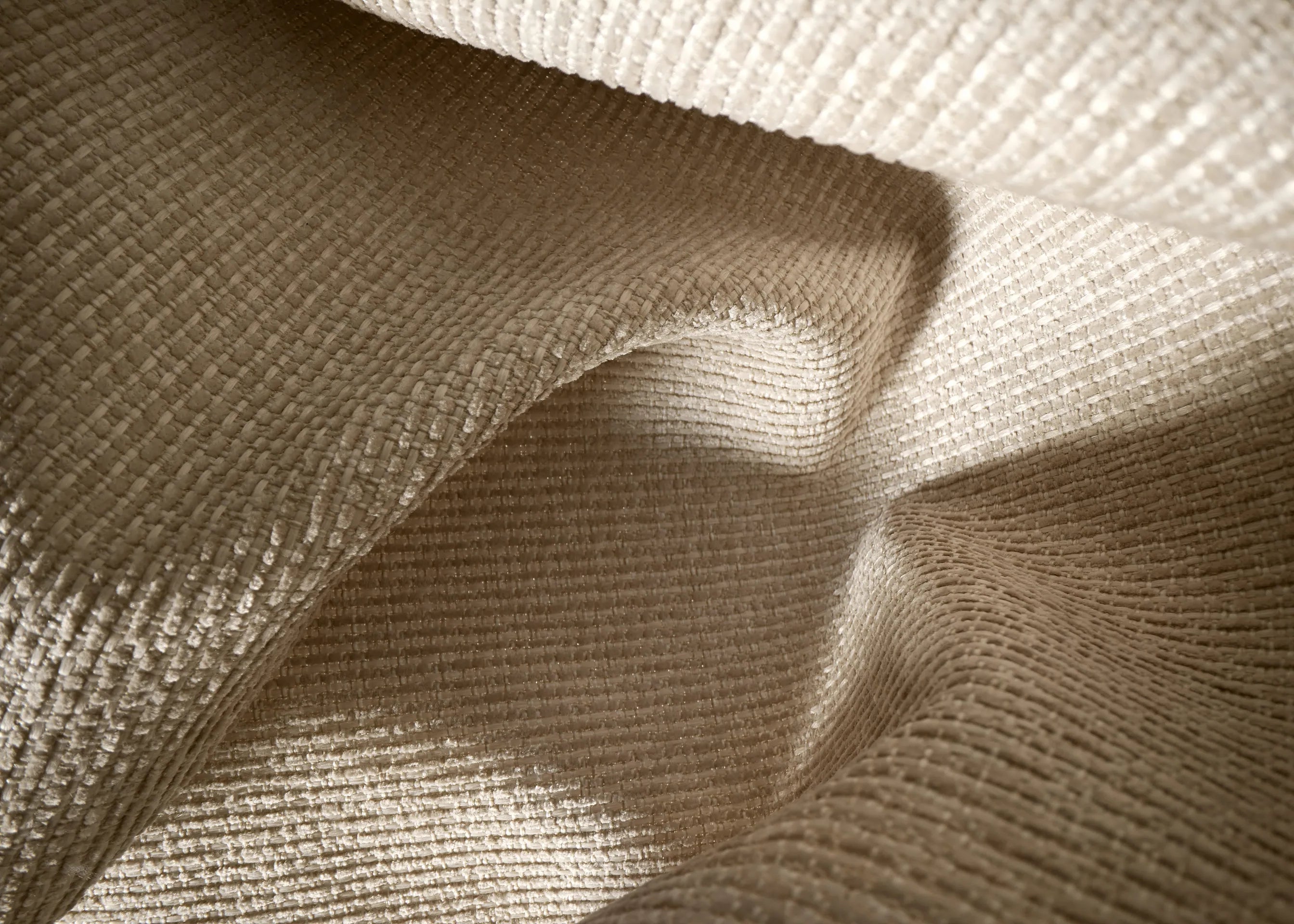
Upholstery fabrics and leathers, much like wood, are materials that naturally respond to the passage of time. Their appearance changes depending on light, pressure, heat, and everyday use.
- Wrinkles, folds, and color variations are characteristics, not flaws – especially in the case of natural leathers and velvet fabrics.
- The sheen of fabrics under light does not indicate wear, but is a result of the fiber structure.
- Stretching of upholstery over time is a natural phenomenon, resulting from the material's behavior.
Understanding these properties allows us to view furniture differently: not through the lens of perfect unchangingness, but as an object that matures alongside the space and its user.

Types of Popular Upholstery and Their Fit for Your Lifestyle
Choose the fabric that best matches the rhythm of your home

Structural fabrics
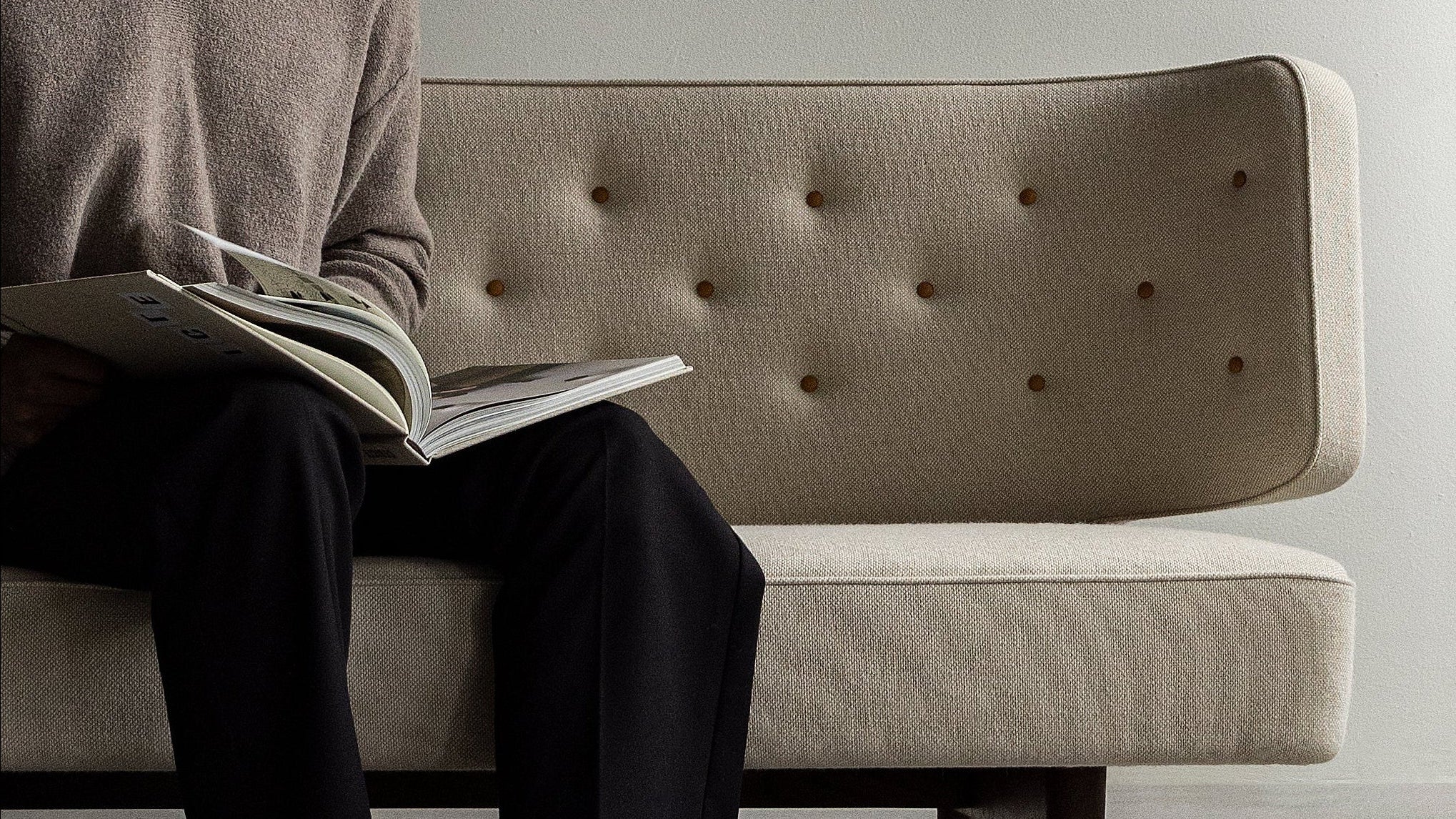
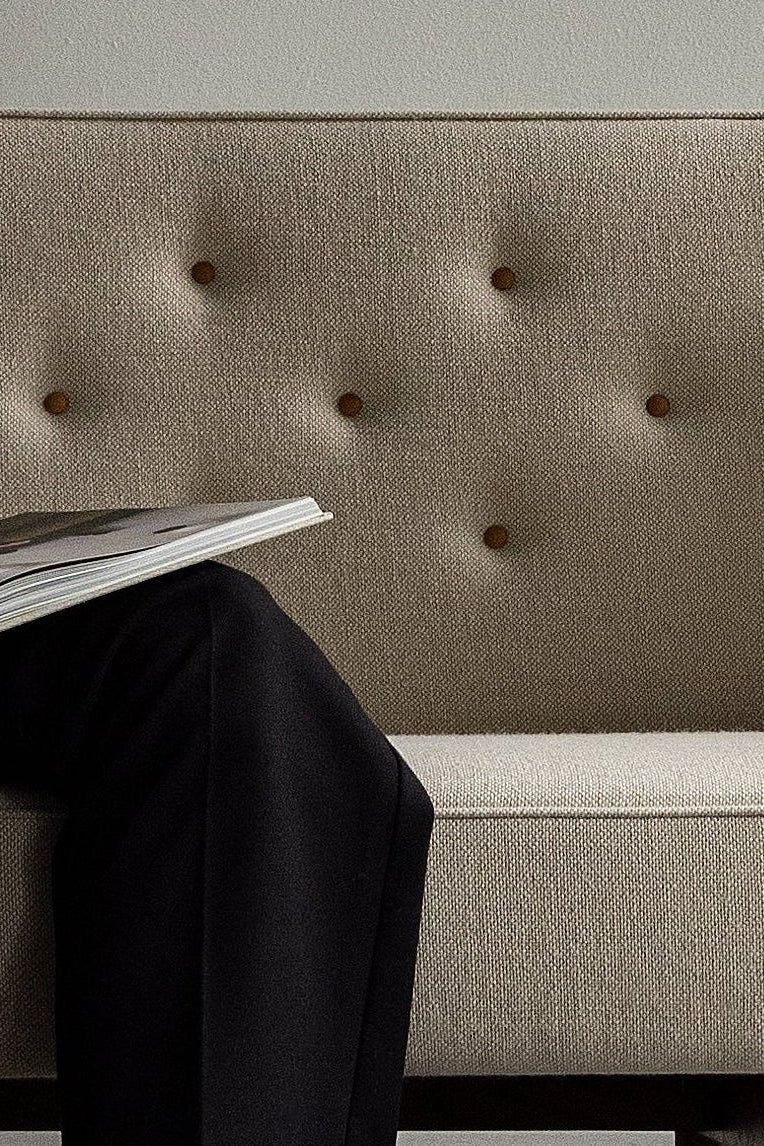
Fabric with a subtly textured feel. Its varied structure effectively conceals minor signs of everyday use.
Touch: Soft, tactile texture.
Care: Remove dust with a soft upholstery attachment or a gentle brush. Use only cleaning products designed for upholstery fabrics.
Pets: Recommended – its dense structure is generally more resistant to daily wear and tear.

Szenil
Densely woven fabric with a subtle texture, valued for its comfort and high durability. It performs well with heavily used furniture.
Touch: Soft and pleasant.
Care: Remove dust with a soft upholstery attachment or a gentle brush. For stains, use upholstery fabric cleaners.
Pets: Conditional – intense scratching may cause pulls.
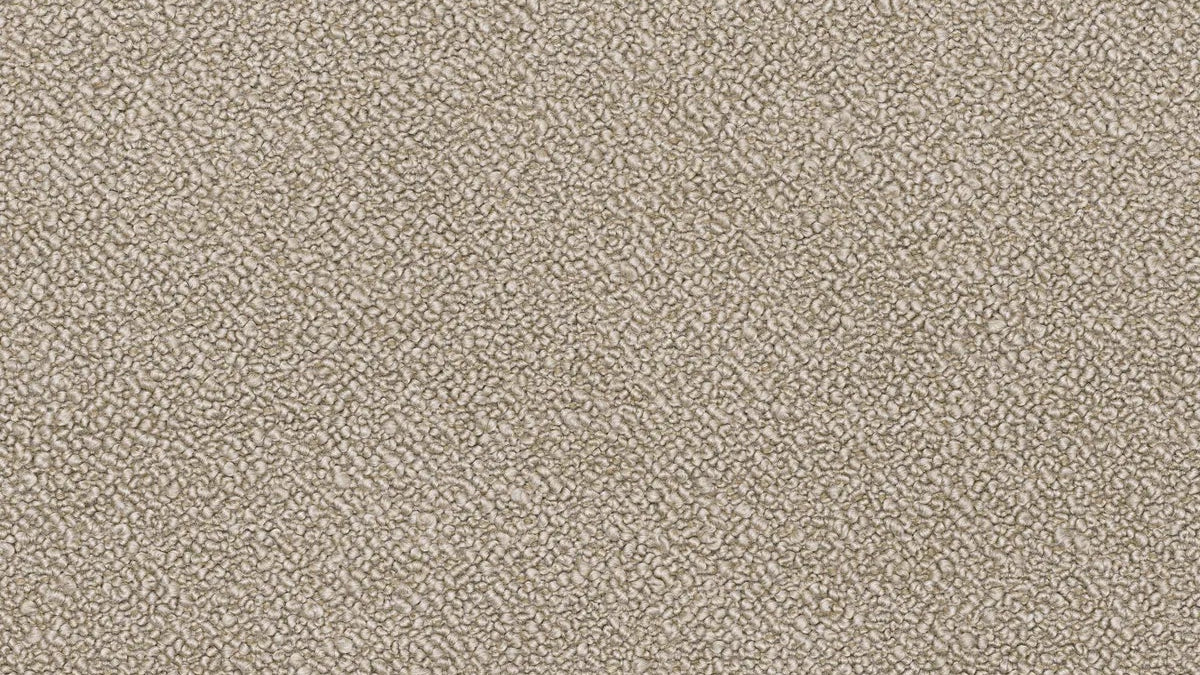
Bouclé / Bukla
Fabric with a distinctive looped structure. It gives furniture a cozy character, but due to its construction, it requires a bit more care during everyday use.
Touch: Quite soft and resilient.
Care: Remove dust only with a soft upholstery attachment or a gentle brush. Clean stains as quickly as possible using dedicated cleaning products.
Pets: Not recommended – the looped structure can easily snag from claws.

Velvet
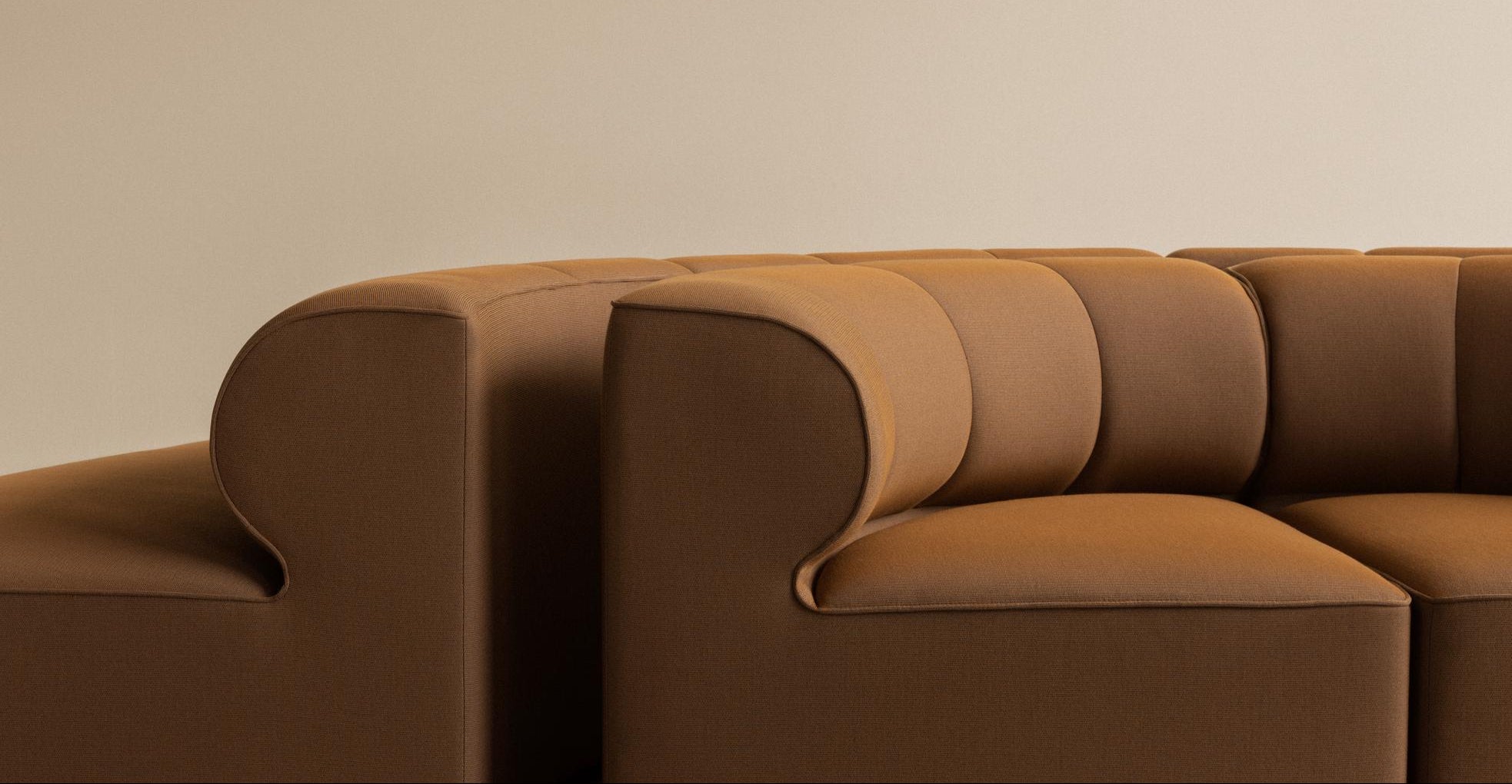
Elegant fabric with a short, dense pile. The characteristic shading effect and color change depending on the arrangement of the fibers and light are its natural features.
Touch: Soft and velvety.
Care: Clean in the direction of the pile using a soft upholstery attachment or a gentle brush. Avoid vigorous rubbing.
Pets: Recommended – the short, dense pile reduces the risk of pulls, and pet hair is relatively easy to remove.

Natural leather
Noble material with high durability that develops a characteristic patina over time. Variations in texture, shade, or subtle markings are features of natural leather.
Touch: Soft, smooth, or lightly grained.
Care: Wipe with a soft, dry, or slightly damp microfiber cloth. Use only dedicated care products.
Pets: Conditionally – easy to maintain, but sharp claws can leave scratches.

Eco-leather
Synthetic material that faithfully replicates the appearance of natural leather. Easy to clean and resistant to everyday stains, but may wear over time.
Touch: Smooth or slightly textured.
Care: Clean with a soft, slightly damp cloth. Avoid aggressive cleaning products.
Pets: Condition-based – easy to clean, but claws may cause permanent damage.

Len
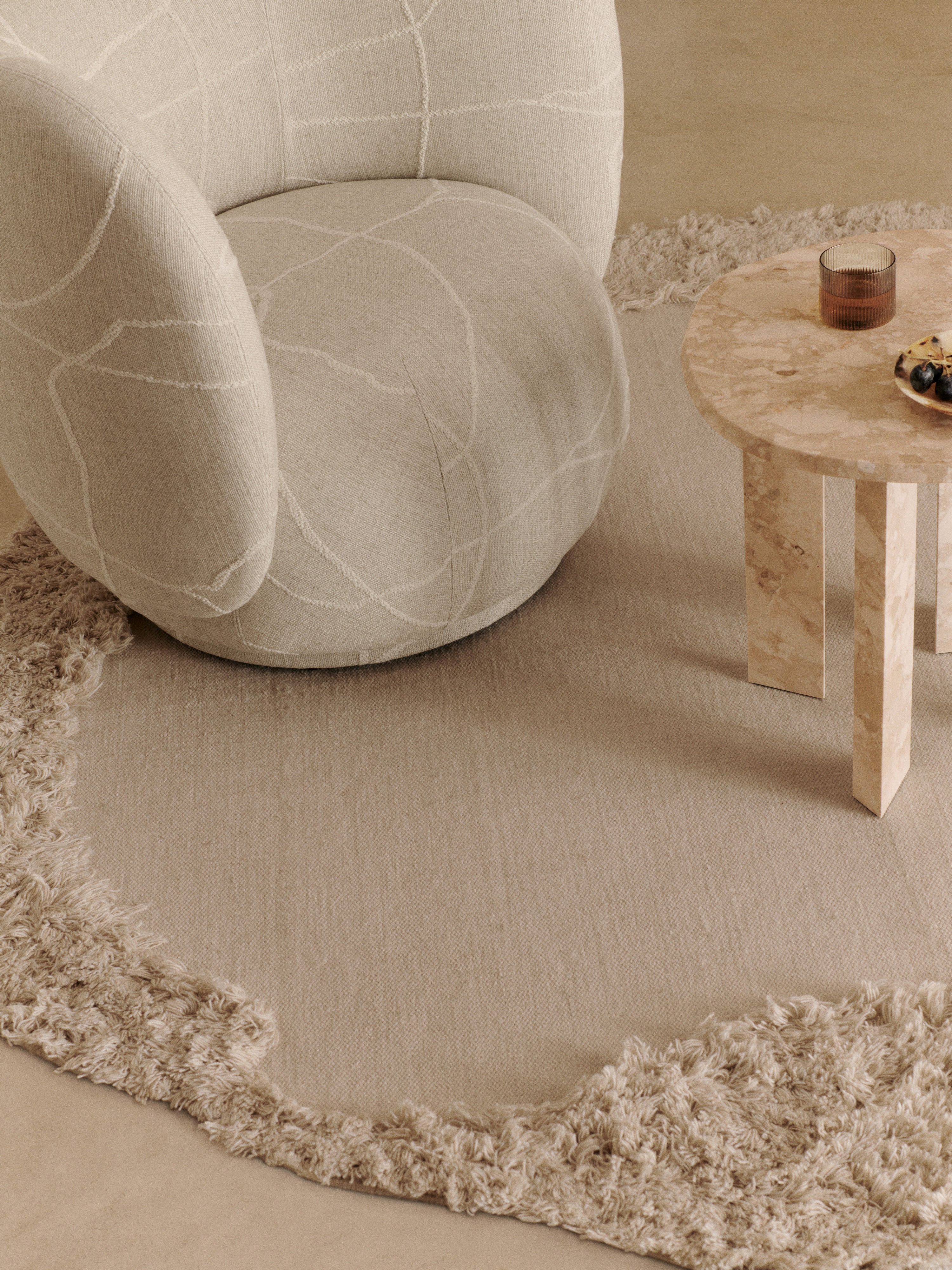
A natural fabric with a subtly irregular weave, valued for its breathability, durability, and authentic appearance. Over time, it becomes softer and acquires a noble character, adding to its uniqueness.
Touch: Natural, slightly rough.
Care: Remove dust with a soft upholstery attachment or a gentle brush. Avoid excessive dampening of the material.
Pets: Not recommended – natural fibers are more susceptible to mechanical damage.

Jacquard
The pattern is created directly during weaving, ensuring its durability throughout its lifespan. It features a rich texture and high resistance to abrasion.
Touch: Compact, with a distinctly perceptible structure.
Care: Regularly remove dust with a soft upholstery attachment or a gentle brush. Clean only with products designed for upholstery.
Pets: Conditional – fabrics with a dense weave work best.
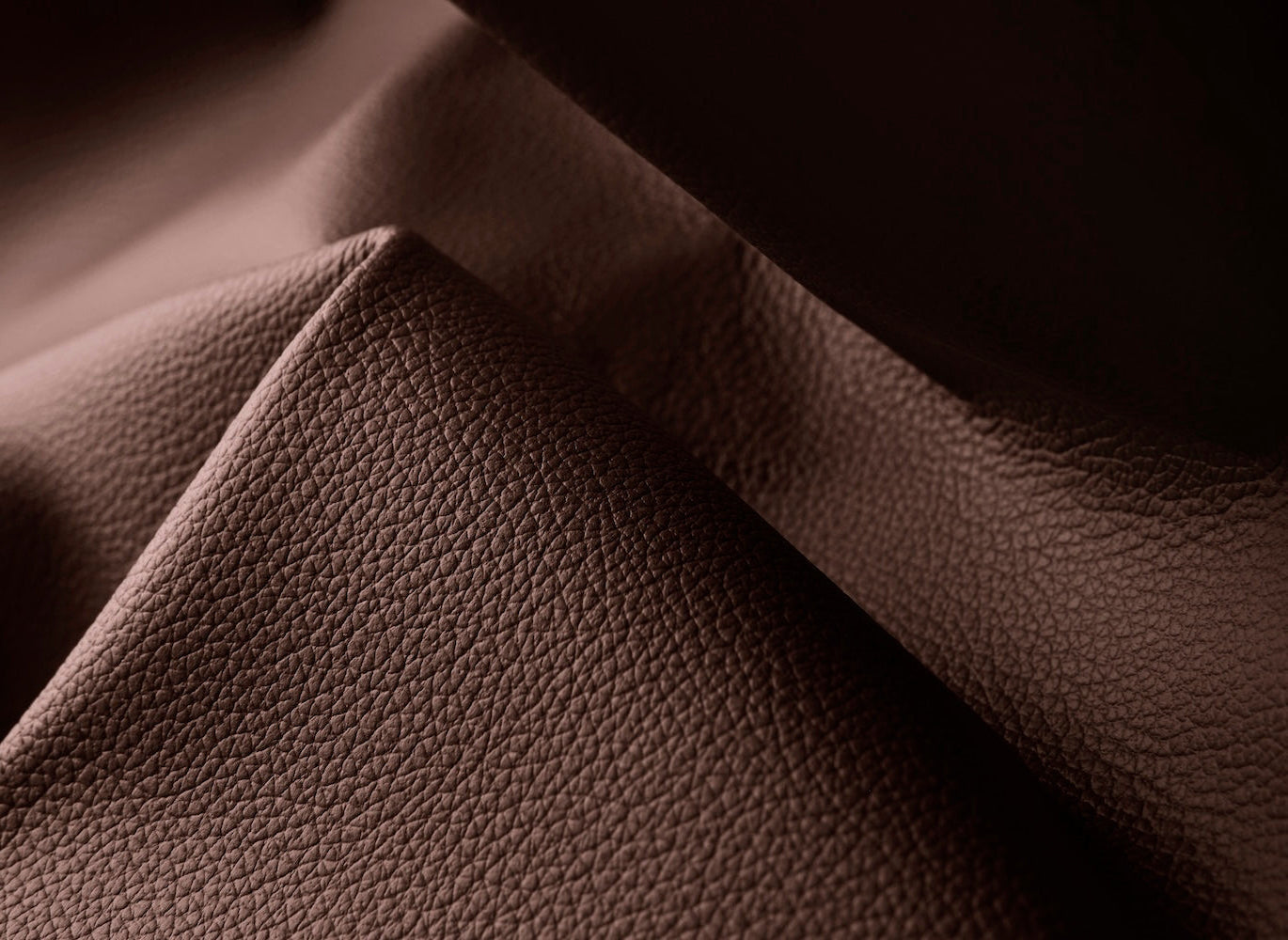
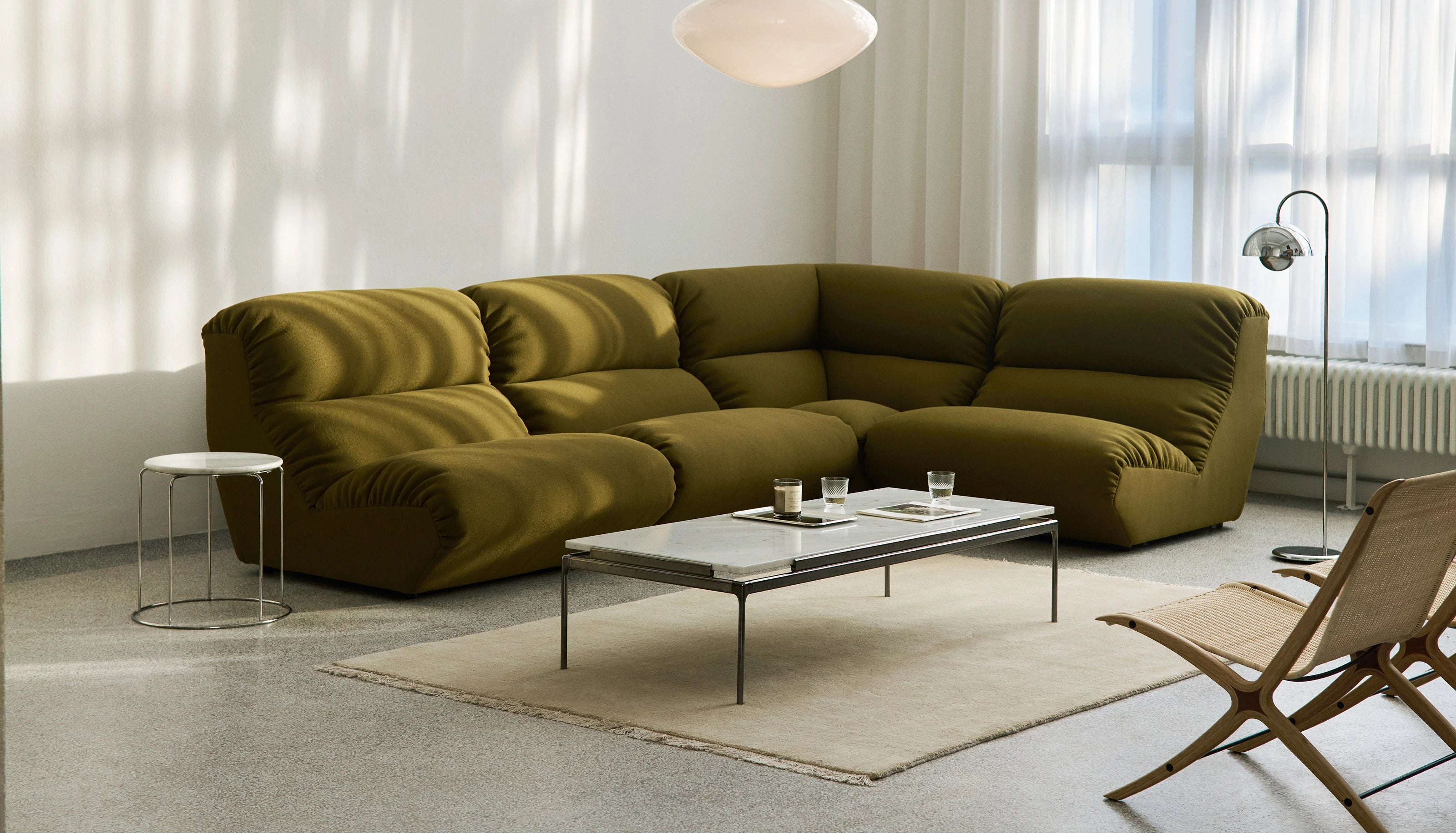
The durability of upholstered furniture depends not only on the manufacturer but also on the user. Upholstered furniture is an investment for years to come, combining comfort, aesthetics, and functionality. Conscious use and proper care help maintain their beauty and durability for a long time.
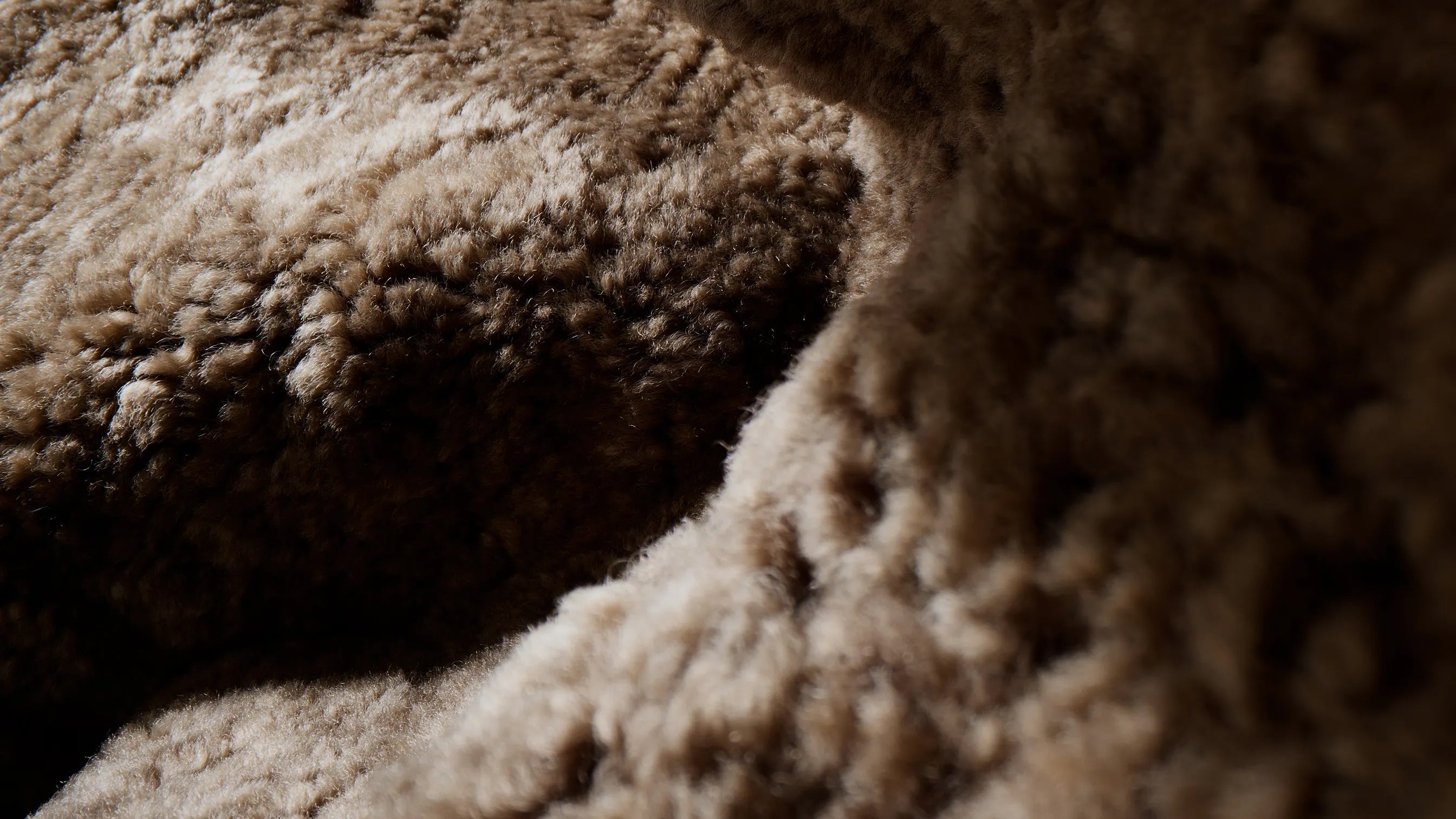
Softness inspired by nature
Sheepskin
Natural sheepskin is an exceptionally soft and fluffy material, valued for its comfort, durability, and thermoregulating properties. To maintain its appearance for many years, it is essential to regularly shake and gently brush the fleece, as well as to spot clean any stains according to the manufacturer's recommendations. Avoid prolonged exposure to sunlight, high temperatures, excessive moisture, and machine washing, as these can lead to a loss of softness, fluffiness, and damage to the natural leather.
Cleaning and Care: Step by Step
Regularly vacuum the upholstery.
Vacuum your furniture once a week with a soft brush — this effectively removes dust and prevents dirt from penetrating the fabric structure.

Clean gently and in the direction of the fibers.
For cleaning, use a slightly damp cloth or a soft sponge, avoiding excess water. Always clean in the direction of the grain to prevent damaging the surface.

Use dedicated cleaning products.
Use only cleaning products specifically designed for the type of upholstery. Avoid universal detergents that may contain harsh ingredients.

Always perform a test before cleaning.
Before using any product, perform a test in an inconspicuous area to ensure it does not damage the fabric or alter its color.

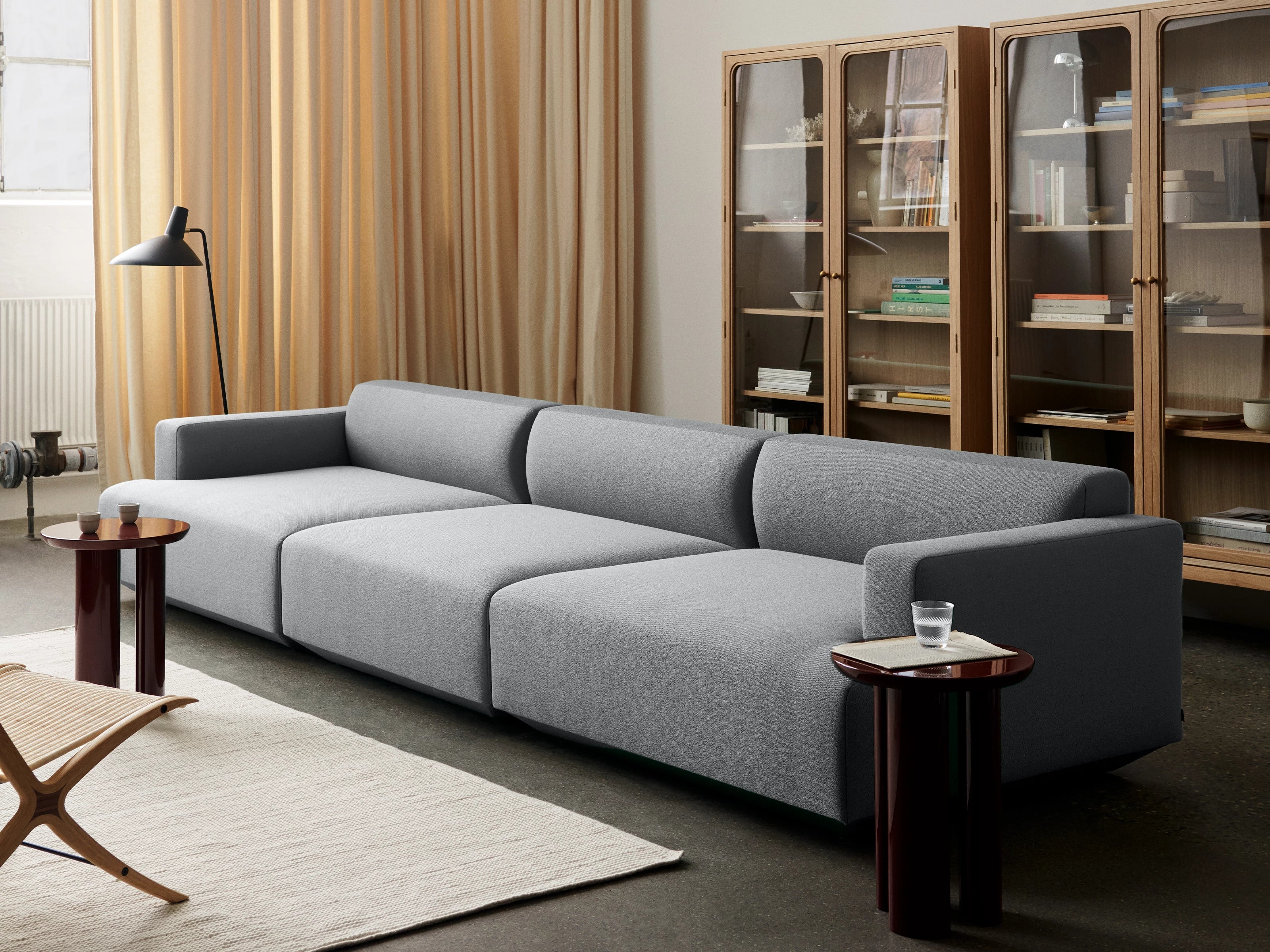
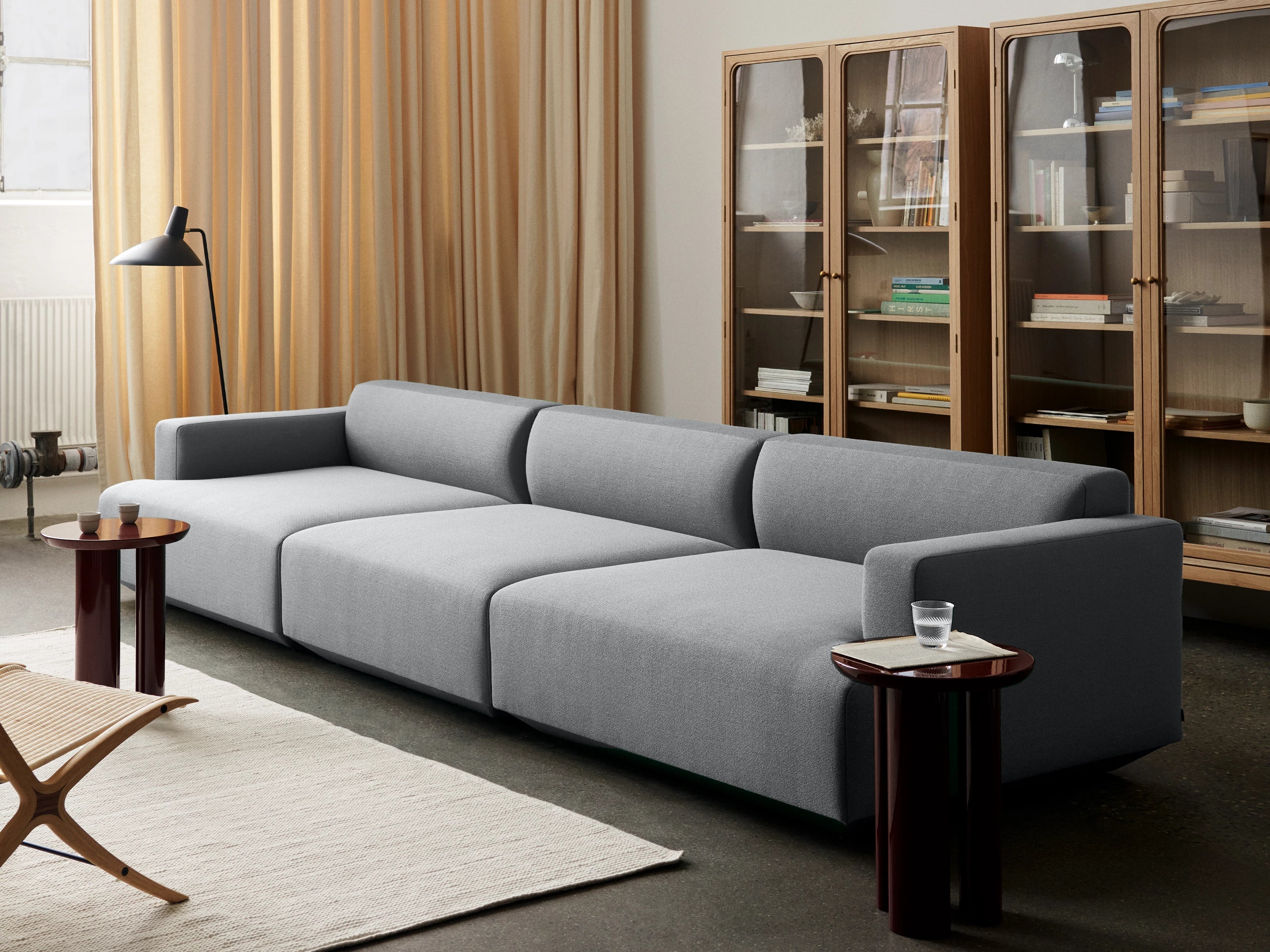
Upholstered furniture evolves with everyday use — it's a natural process that adds character to each piece.
FAQ – Frequently Asked Questions
Do you have questions?
Follow us
Do all upholstery fabrics require the same care?
How often should upholstered furniture be vacuumed?
Can I use a steam cleaner on upholstery?
What to do if you spill liquid on upholstery?
Can all stains be removed?
Are Easy Clean fabrics completely stain-resistant?
Is pilling a normal effect?
How to remove pilling from upholstery?
Which fabrics are more prone to pilling?
What are the differences between natural and synthetic fabrics?
Do outdoor furniture fabrics differ from indoor upholstery?
Can sunlight damage upholstery?
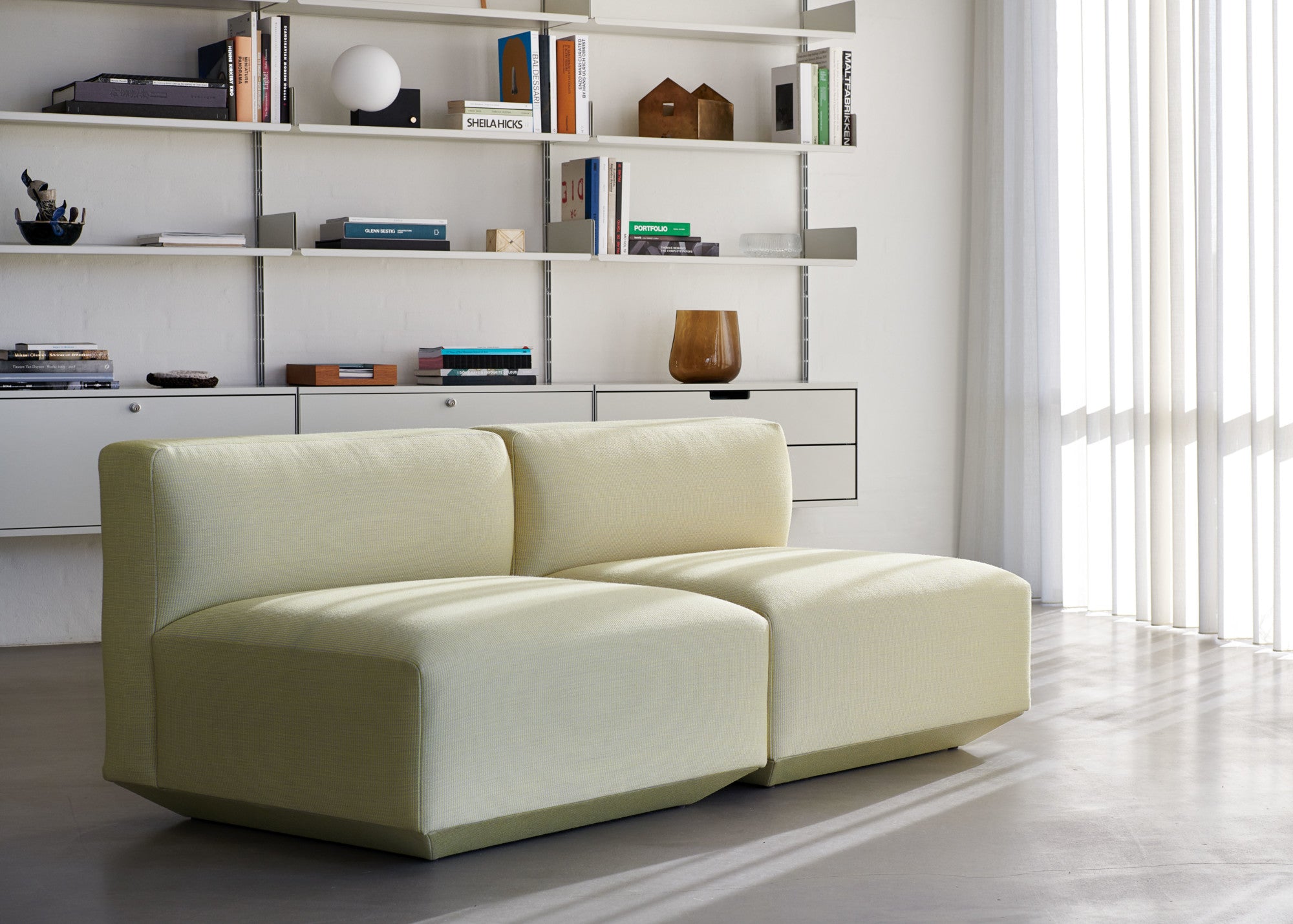
Proper upholstery care is not about intensive cleaning, but rather regular attention and appropriate use. Vacuuming, promptly removing stains, and protecting against moisture, intense sunlight, and mechanical damage help maintain the aesthetic appearance, color, and texture of the fabric for many years.
Want to learn more tips on how to care for your furniture and accessories? Check out our care guide.
